

Have you ever heard of a dog breed that’s so rare it once held a world record for being the scarcest on the planet? The Chinook isn’t just any dog. This purely American breed has a history filled with adventure, near extinction, and remarkable resilience. It’s hard to believe such a gentle, family-loving dog could have such a dramatic backstory.
Picture a tawny-colored canine that can pull a sled through Antarctic ice and then come home to cuddle with children. That’s the Chinook in a nutshell. While most people recognize Huskies or Malamutes, the Chinook quietly carries its own legacy, born in the snowy mountains of New Hampshire over a century ago. Let’s dive into what makes this extraordinary breed so special.
Born From One Legendary Dog
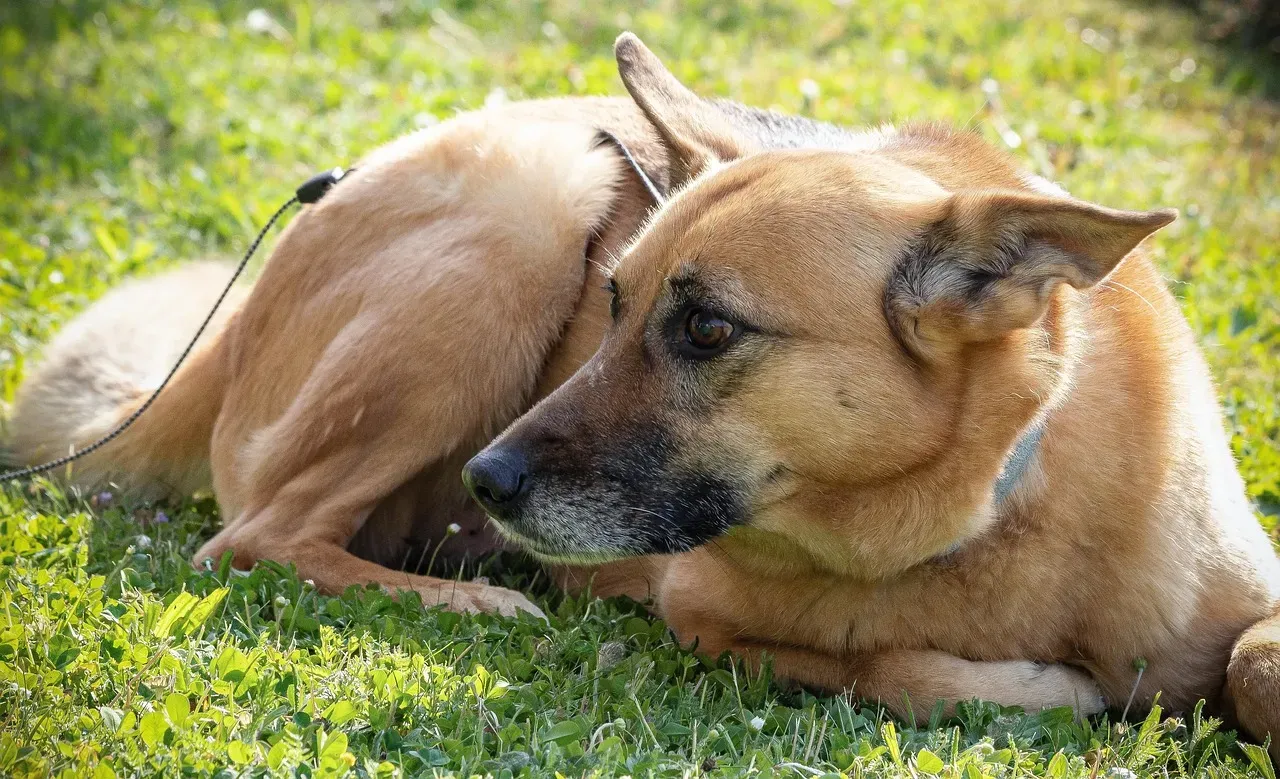
The breed derives principally from one male ancestor born in 1917, named “Chinook,” who was Walden’s lead dog and stud. This single dog became the foundation for the entire Chinook breed we know today. Honestly, it’s wild to think that every Chinook alive can trace its lineage back to this one remarkable canine.
Walden’s foundation dogs for the Chinook Breed were descendants of Admiral Peary’s Greenland husky lead dog, Polaris, and a mastiff-type farm dog who produced a litter of three pups on January 17, 1917, in New Hampshire. The litter included three puppies named Rikki, Tikki, and Tavi after characters from Rudyard Kipling’s The Jungle Book. One pup stood out from his siblings, showing exactly the traits Arthur Walden had dreamed of creating. That pup would eventually be renamed Chinook, after a sled dog Walden had worked with during his gold rush days in Alaska.
They Almost Vanished Forever
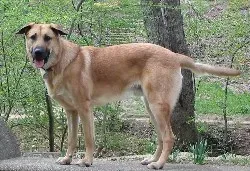
In 1965, the Guinness Book of World Records listed the Chinook as the world’s rarest dog breed. The breed faced extinction multiple times throughout its history. Here’s the thing, by the time the 1980s rolled around, things looked even bleaker.
And by 1981, there were only 28 Chinooks remaining, and many were senior dogs or had been neutered. Three dedicated breeders took on the monumental task of saving the breed, dividing the remaining breedable dogs between them. Through careful breeding programs and sheer determination, they managed to bring the Chinook back from the edge of oblivion. It’s one of those stories that makes you appreciate how fragile rare breeds can be.
New Hampshire’s Official State Dog
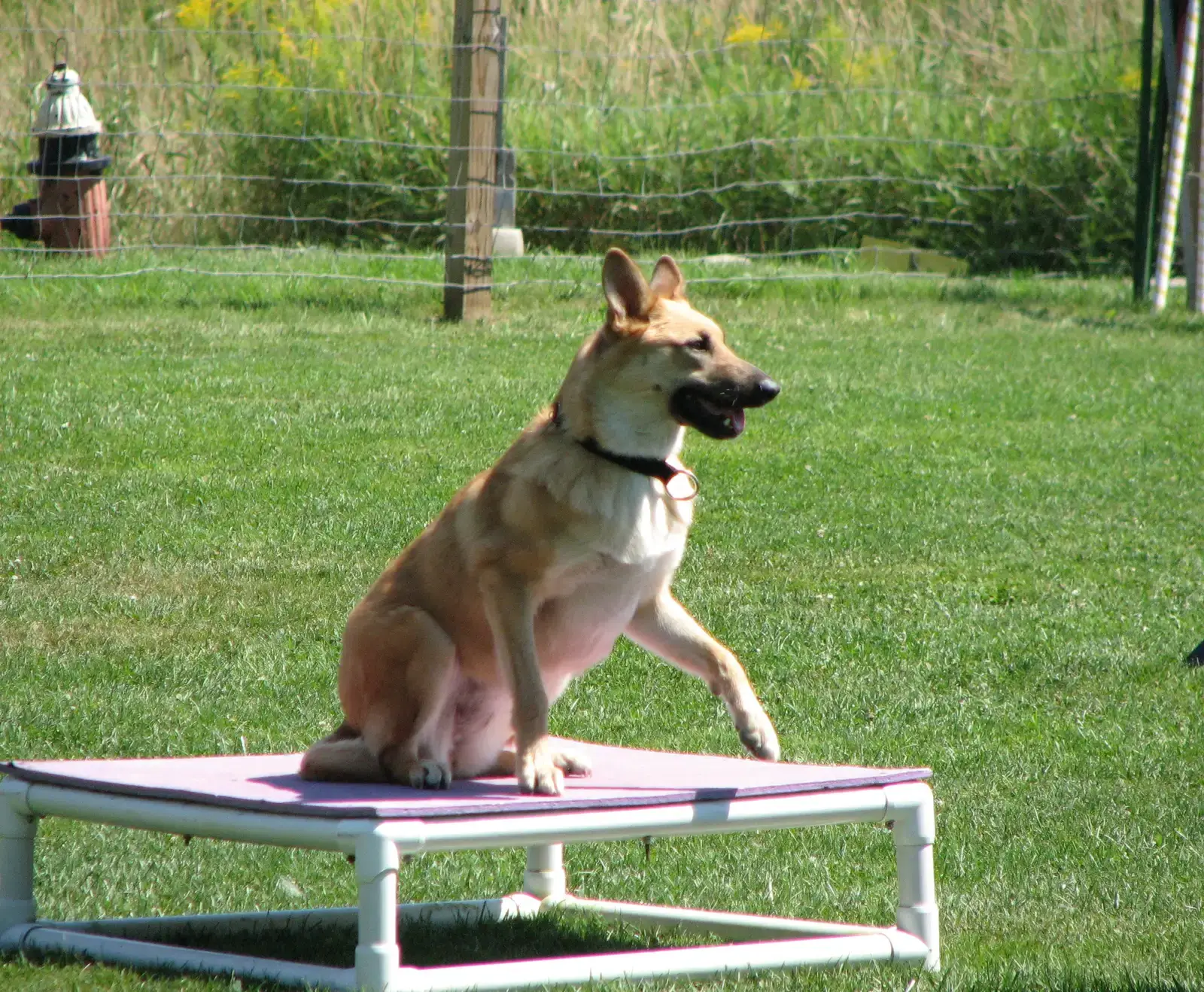
The Chinook is New Hampshire’s official state dog. This wasn’t just some random designation either. The campaign to make the Chinook the state dog had a particularly heartwarming origin story.
In 2008, the seventh-grade class at Roth Lurgio Middle School in Bedford started a campaign to make the Chinook the state dog of New Hampshire. Their teacher owned Chinooks and brought them to school events, where students fell head over heels for the breed. These seventh graders took their cause all the way to the state legislature. After unanimous votes in committee and full Senate, the bill passed in 2009, making the Chinook the only dog breed to originate in New Hampshire and one of the few created entirely in America.
Built for Antarctic Expeditions
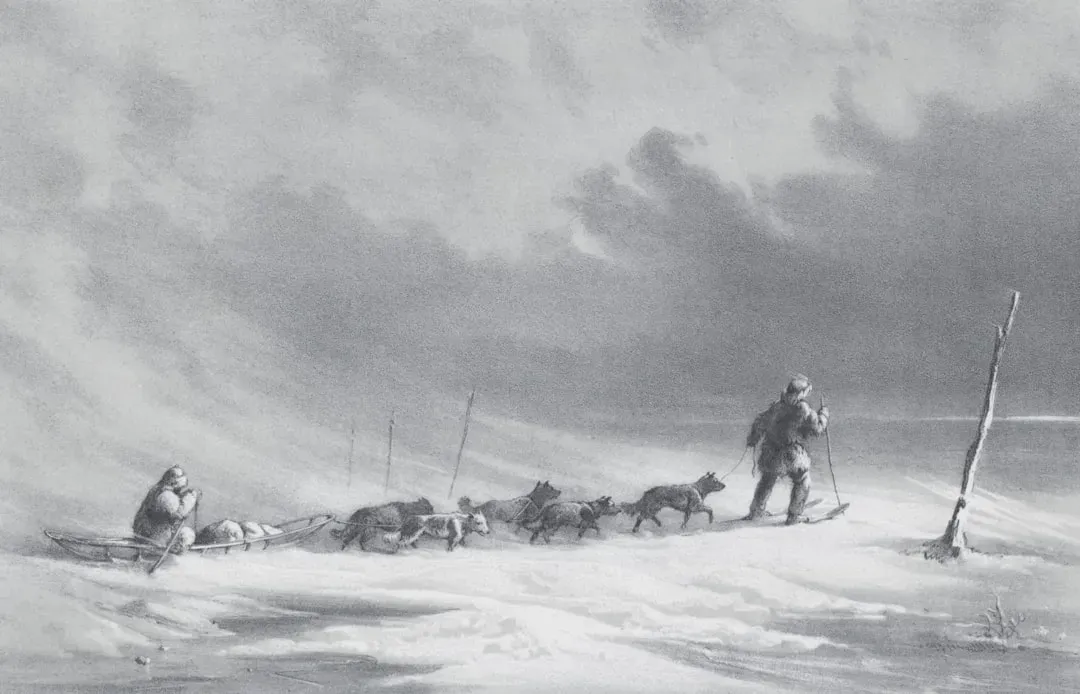
The Chinook wasn’t bred just to look pretty or win show ribbons. Arthur Walden was an experienced dog driver with years of experience in the Yukon; he was lead driver and trainer on Byrd’s 1929 Antarctic expedition. These dogs hauled supplies across some of the most brutal terrain on Earth.
The 12-year-old “Chinook” went missing on the Byrd expedition while hauling supplies miles overland from ship to shore, and was presumed to have died. Despite the tragic loss of the breed’s founder, the expedition solidified the Chinook’s reputation as a powerful working dog. The original Chinook gave his all to exploration, disappearing somewhere in the Antarctic wilderness at twelve years old. That level of endurance and dedication became embedded in the breed’s DNA.
Remarkably Gentle Giants

Despite their strength and working dog heritage, Chinooks have an unusually soft temperament. The Chinook is an affectionate and playful family companion with a special devotion toward children. This isn’t your typical guard dog breed. They’re more likely to greet a stranger with curiosity than aggression.
A Chinook won’t make a good guard dog because of its friendly and easygoing nature. They’ll bark to alert you when someone approaches, but that’s about where their protective instincts end. Their calm, patient demeanor makes them incredible family dogs, especially in households with kids. Let’s be real, finding a large working dog that’s this naturally gentle is pretty rare.
Distinctive Tawny Coloring
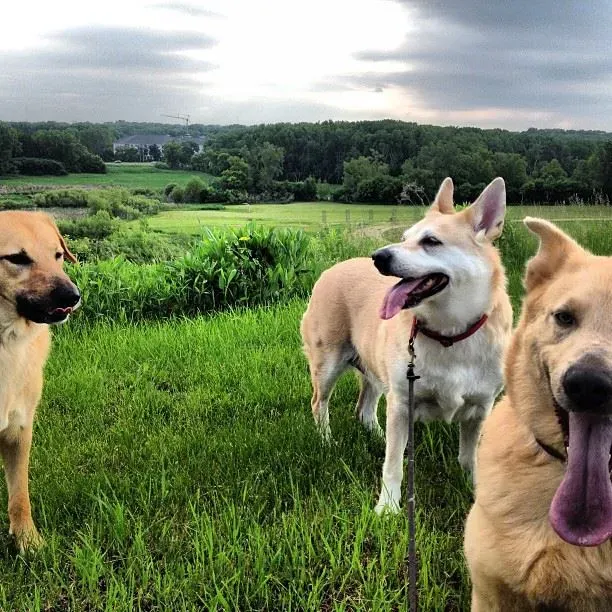
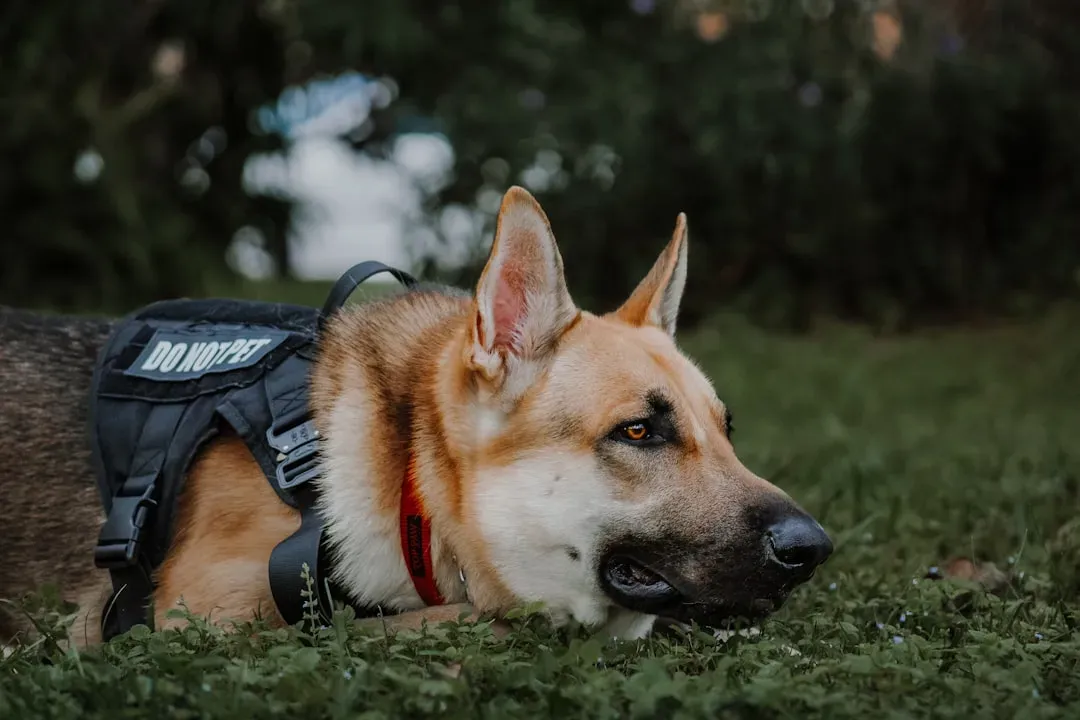
The United Kennel Club (UKC) breed standard states, “The ideal coloration runs from light honey color to reddish-gold. Unlike many breeds that come in multiple color variations, the Chinook stays true to its signature tawny coat. This distinctive coloring became one of the breed’s most recognizable features.
Dark tawny to black markings on the ears and muzzle are preferred. Guard hairs on the tail may be black. White markings aren’t allowed in the breed standard, keeping the Chinook’s appearance consistent across the bloodline. That honey-to-reddish-gold coat, often with darker ears and muzzle, gives them an almost regal appearance that stands out from other northern breeds.
They Need Their Pack
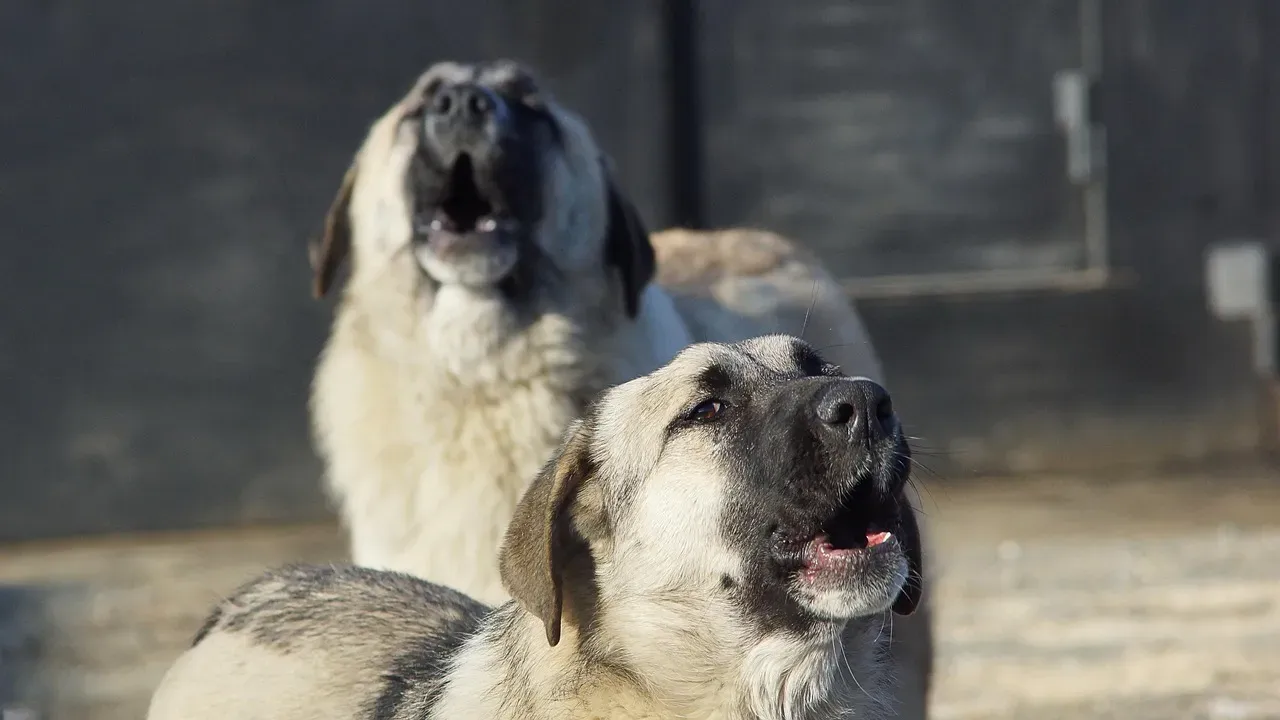
Chinooks are incredibly social creatures who don’t do well in isolation. These dogs thrive in a “pack” environment and may not be suitable in a home where they are alone for long periods. If you work long hours away from home, a Chinook might not be the right fit for your lifestyle.
In fact, the breed can develop separation anxiety if they’re left alone for too long. When bored and lonely, they can become destructive, digging their way out of yards or chewing through furniture. However, in the right home where they’re included in family activities and surrounded by their people or other pets, they absolutely flourish. Think of them as velcro dogs in large, athletic bodies.
Versatile Athletes With Brain Power
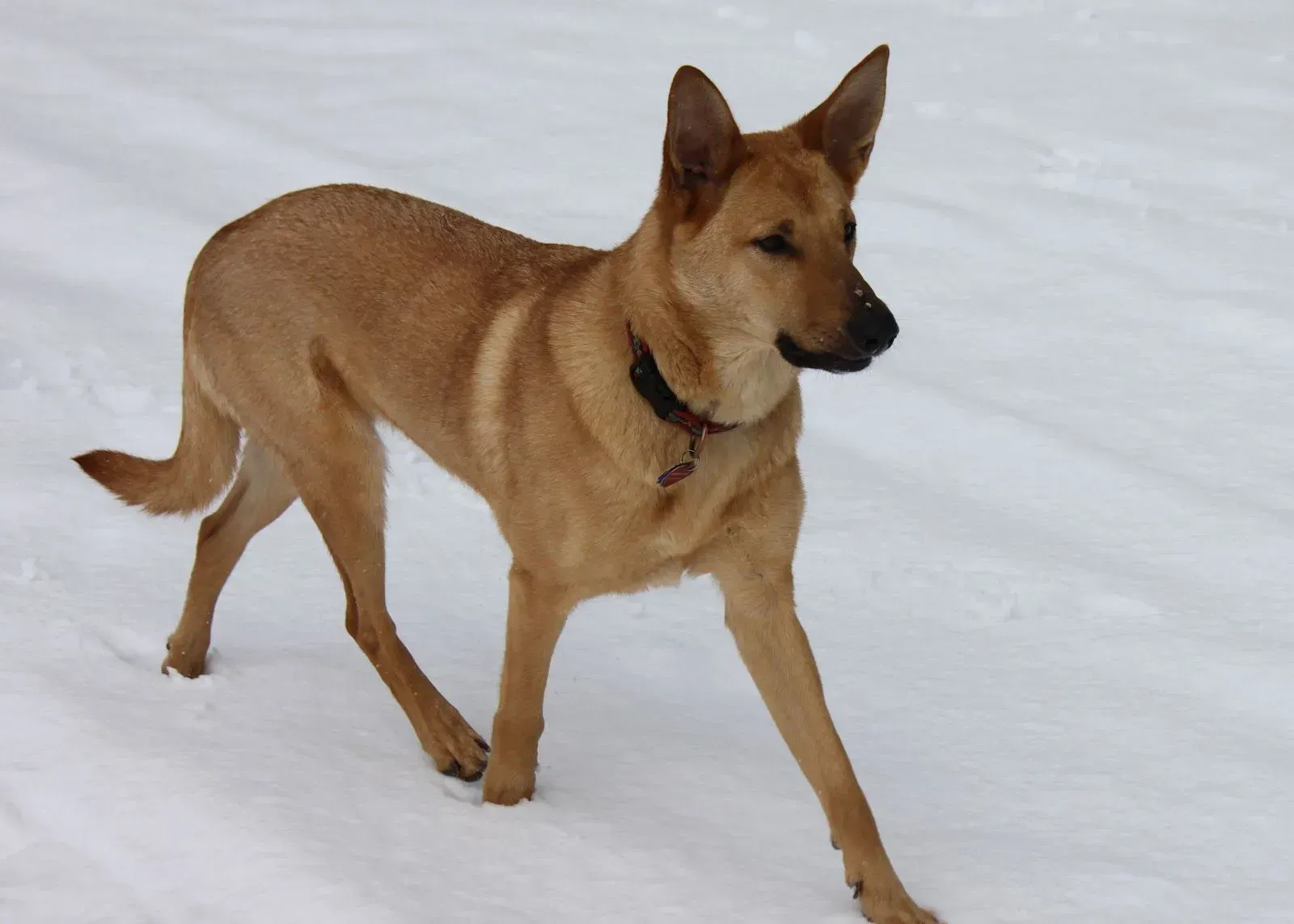
The Chinook isn’t just brawn. The Chinook is highly trainable, adaptable, and versatile in his abilities. They excel in various dog sports beyond just sledding, including agility, obedience, search and rescue, and even therapy work.
He is, however, first and foremost a working dog whose talents include sledding, pulling carts, carrying packs, search and rescue, and other physically and mentally demanding activities. Their intelligence makes training a breeze when you use positive reinforcement. Still, that same intelligence means they need mental stimulation, or they’ll find their own entertainment. A bored Chinook can outsmart many dog-proofing measures, so keeping their minds engaged is just as important as exercising their bodies.
Medium-Sized But Mighty

Standing 21 to 27 inches (53 to 69 cm) in height at the withers and weighing 45 to 90 pounds (20 to 41 kg), the Chinook is balanced and muscular. They’re not as massive as Saint Bernards or as petite as Border Collies. This middle-ground size makes them manageable for most active families.
Males tend to be noticeably larger than females, both in height and weight. There should be a definite gender difference in appearance between the male and female Chinook. Their athletic build reflects their heritage as working dogs, with powerful hindquarters and strong, level backs perfectly designed for pulling heavy loads. Yet they’re not so enormous that they can’t curl up on the couch with you after a long hike.
Still Extremely Rare Today
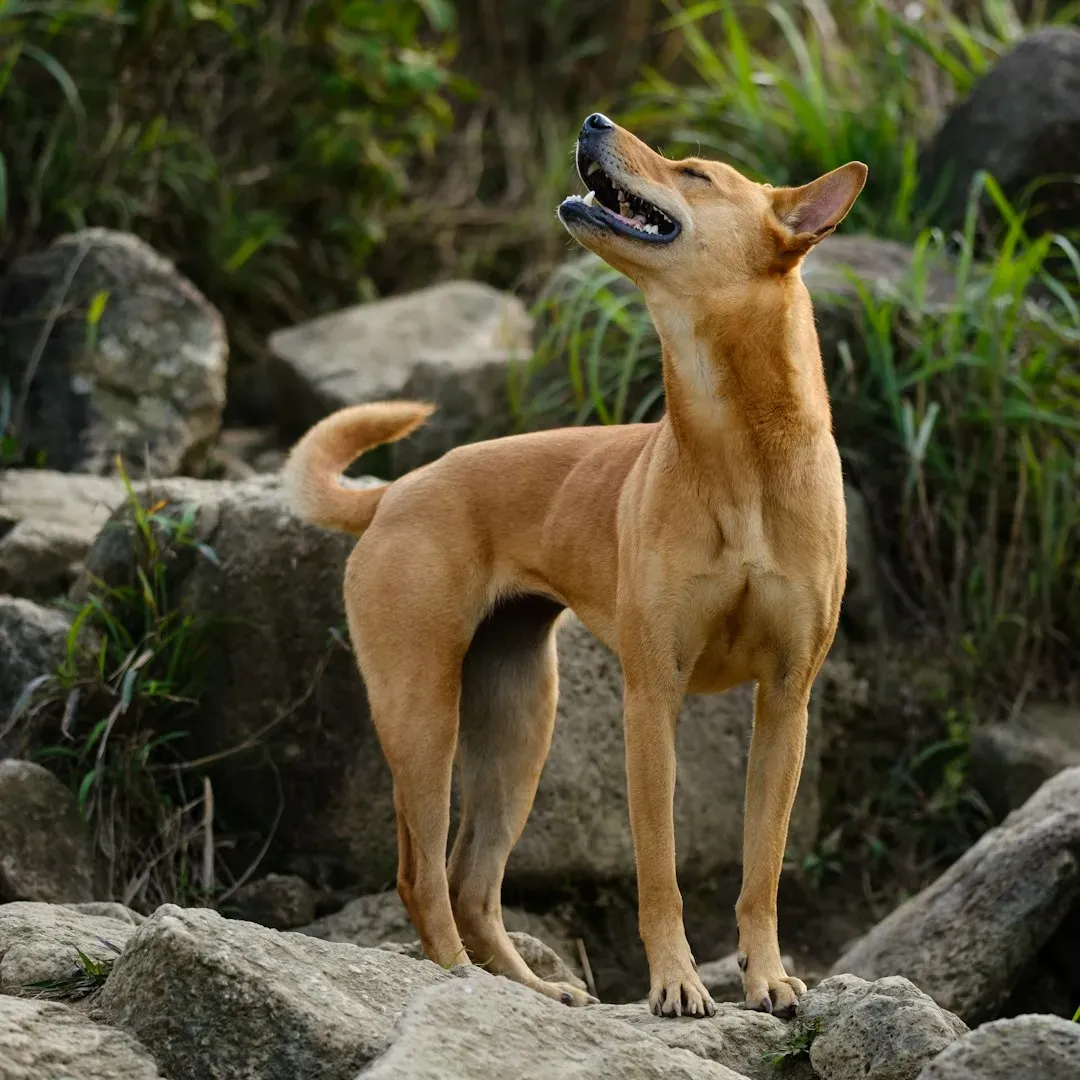
Once on the verge of extinction, the Chinook is among the scarcest AKC breeds. Even though breeding programs have brought the numbers up from the critical lows of the 1980s, Chinooks remain incredibly hard to find. Chinooks are an extremely rare dog breed, with fewer than 150 Chinook puppies born each year.
If you’re thinking about adding a Chinook to your family, be prepared for a potentially long wait. You won’t find them in your local pet store or even most rescue shelters. Most people discover the breed through online research and then connect with specialized breeders. The rarity adds to their mystique, making ownership feel like being part of an exclusive club dedicated to preserving a piece of American canine history.
Conclusion
The Chinook embodies everything we love about dogs: loyalty, intelligence, strength, and a gentle heart. From nearly disappearing into extinction to becoming New Hampshire’s beloved state dog, this breed has shown remarkable resilience. Their story reminds us how important it is to preserve and protect rare breeds that represent unique pieces of our heritage.
Whether hauling sleds across frozen landscapes or snuggling with kids on the living room floor, Chinooks prove that working dogs can be tender family companions. They’re not for everyone, especially those who can’t provide the companionship and activity these dogs crave. Yet for active families willing to include their dog in daily life, the Chinook offers devotion unlike any other breed. What do you think about this remarkable all-American dog? Would you consider welcoming one into your home?
