


people represent one of the most compelling chapters in Native American history. Their story weaves together fierce independence, spiritual traditions, and an unbreakable connection to the Southwest’s dramatic landscapes. From legendary warriors who defied entire armies to sacred ceremonies that continue today, have maintained their cultural identity through centuries of challenge and change.
What makes truly fascinating goes far beyond their famous resistance to colonization. Their complex social structures, sophisticated survival techniques, and rich spiritual beliefs paint a picture of a people deeply connected to both land and tradition. Let’s explore the remarkable world of and discover what makes their story so enduring.
The Name “Apache” Actually Came From Their Enemies
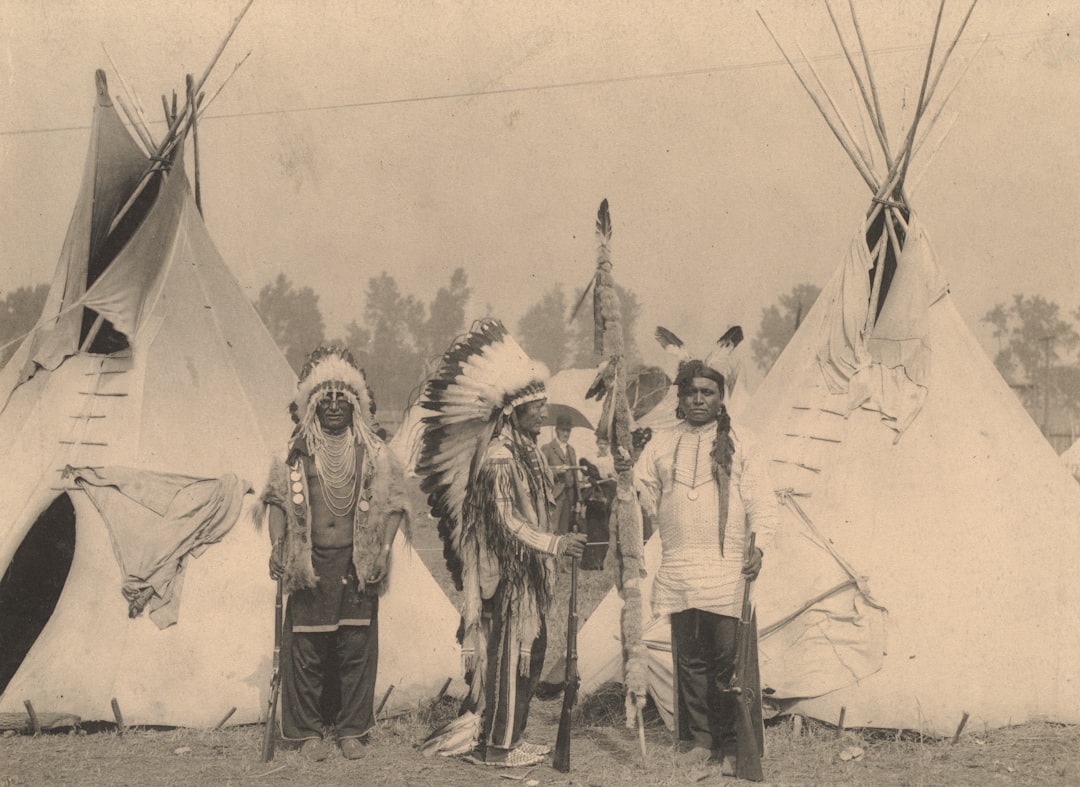
The term “Apache” carries a surprising origin that reflects the complex relationships between Native American tribes. The name “Apache” comes from the Pueblo-Zuni word, “Apachu,” meaning “enemy,” or possibly Awa’tehe, the Ute name for Apaches. This designation came from neighboring tribes who often found themselves in conflict with Apache groups.
However, s referred to themselves as Inde or Diné, meaning “the people.” Many Apache groups today still use variations of these self-designations, including Nde, Inde, Tinde, or Tinneh, emphasizing their identity as the original inhabitants of their ancestral lands. The contrast between what others called them and what they called themselves tells a powerful story about perspective in history.
They Migrated From Canada Over 1,000 Years Ago
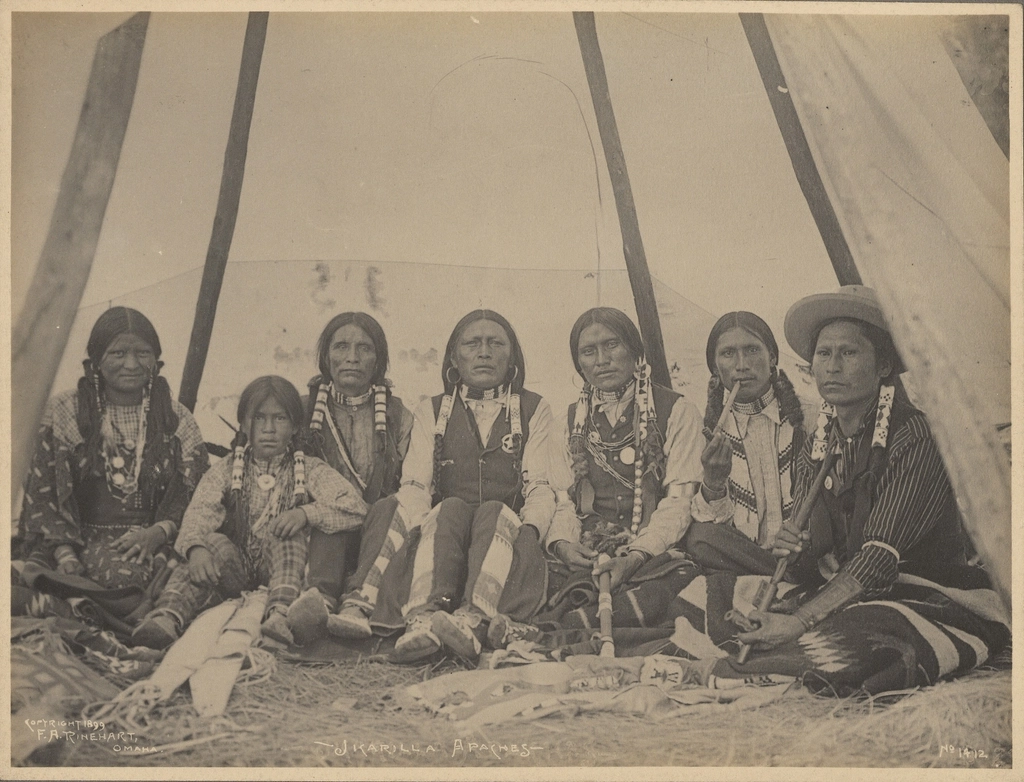
They migrated from the Athabascan homelands in the north into the Southwest between 1000 and 1500 CE. This remarkable journey brought them from what is now western Canada down to the American Southwest. an languages are clearly a subgroup of the Athabaskan language family; with the exception of the Navajo (self-name Diné), all other Athabaskan-speaking tribes were originally located in what is now western Canada.
Apache bands migrated several times over their long history in North America. They first arrived to the American Southwest region circa 1,100 C.E. from more northern areas. This migration wasn’t a single event but rather occurred over several centuries, with different Apache groups settling in various regions across the Southwest at different times.
Consist of Six Distinct Tribal Groups
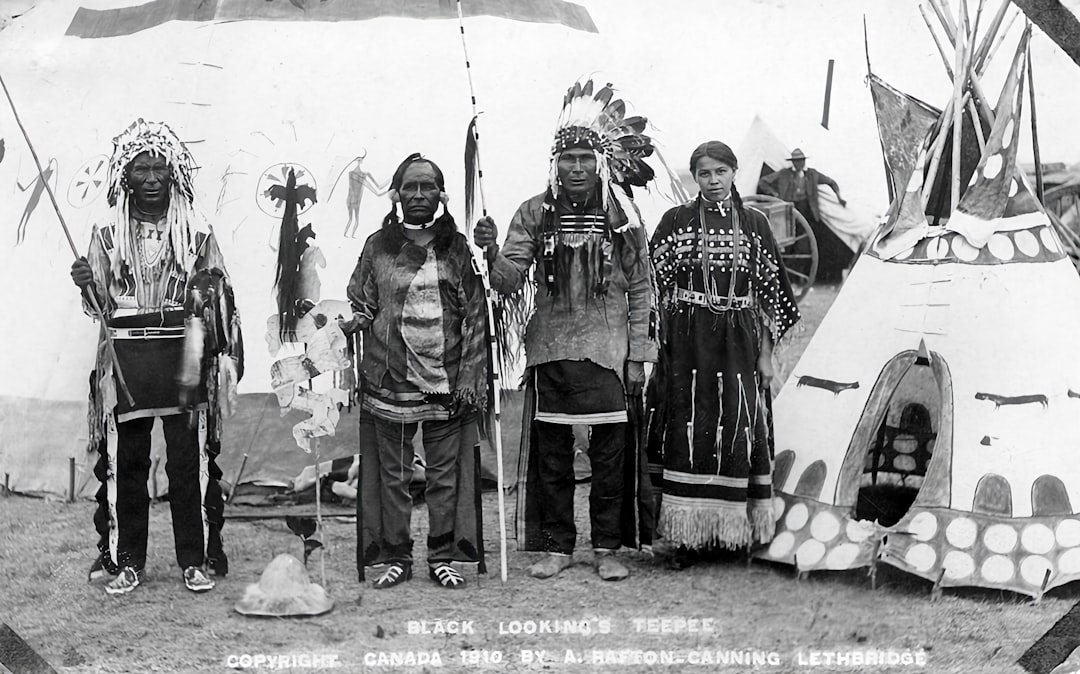
There are six tribes that make up : the Chiricahua, Jicarilla, Lipan, Mescalero, Western Apache, and Kiowa. Each of these groups developed their own distinct customs, territories, and ways of life while maintaining shared linguistic and cultural foundations. Apache bands include the Chiricahua, Jicarilla, Lipan, Mescalero, Mimbreño, Salinero, Plains, and Western Apache (Aravaipa, Pinaleño, Coyotero, and Tonto).
Culturally, are divided into Eastern Apache, which include the Mescalero, Jicarilla, Chiricahua, Lipan, and Kiowa Apache, and Western Apache, which include the Cibecue, Mimbreño, Coyotero, and Northern and Southern Tonto. Despite these divisions, all Apache groups shared similar social structures and maintained strong family-based communities organized around extended family units.
Their Legendary Warriors Defied Entire Armies
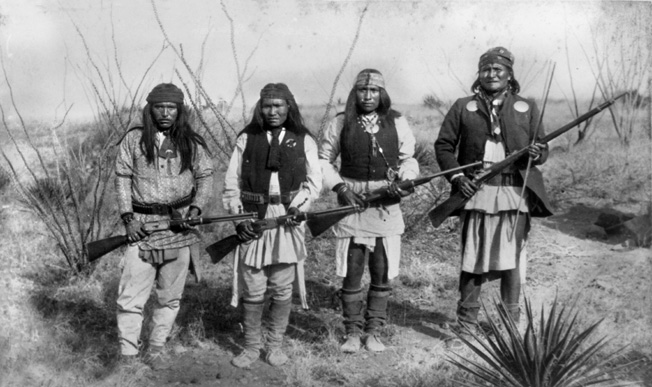
According to National Geographic, “the governor of Sonora claimed in 1886 that in the last five months of Geronimo’s wild career, his band of 16 warriors slaughtered some 500 to 600 Mexicans.” At the end of his military career, he led a small band of 36 men, women and children. They evaded thousands of Mexican and American troops for more than a year, making him the most famous Native American of the time and earning him the title of the “worst Indian who ever lived” among white settlers.
The most remarkable display of Apache resistance occurred in 1886 when only Naiche and Geronimo with thirty-six men, women, and children remained to fight. Thousands of soldiers, were unable to capture them. This extraordinary ratio demonstrates the incredible tactical skills and knowledge of the terrain that made Apache warriors so formidable.
They Were Masters of Desert Survival
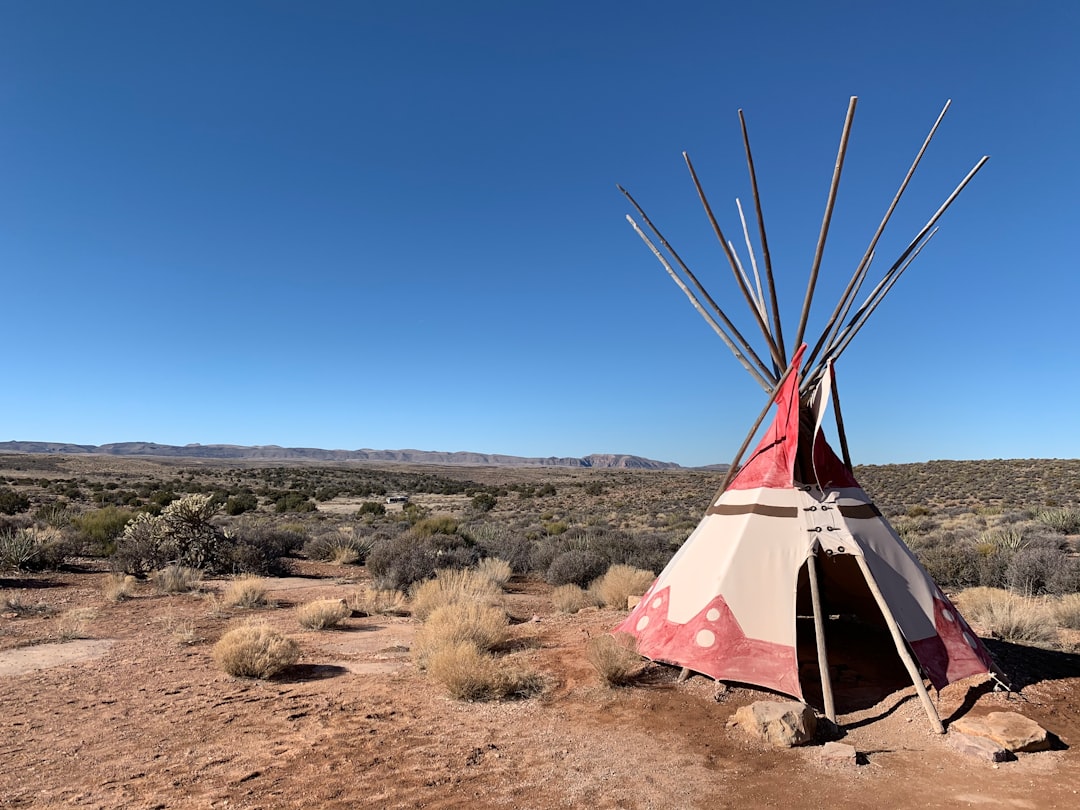
were hunters and gatherers. They hunted bison, deer, and other game and gathered many wild plant foods. The most important wild plant food was the heart of an agave plant. Their survival skills in harsh desert environments were legendary. The Mescalero were influenced by the Plains tribes’ corn- and bison-based economies, but their chief food staple was the mescal plant (hence the name Mescalero).
The farmers grew corn, squash, beans, sunflowers, and more. They also collected salt from a salt lake in what is now White Sands National Park. Their intimate knowledge of the desert landscape allowed them to find water sources, edible plants, and shelter in seemingly barren terrain, skills that proved crucial during their conflicts with military forces.
Apache Society Was Matrilineal
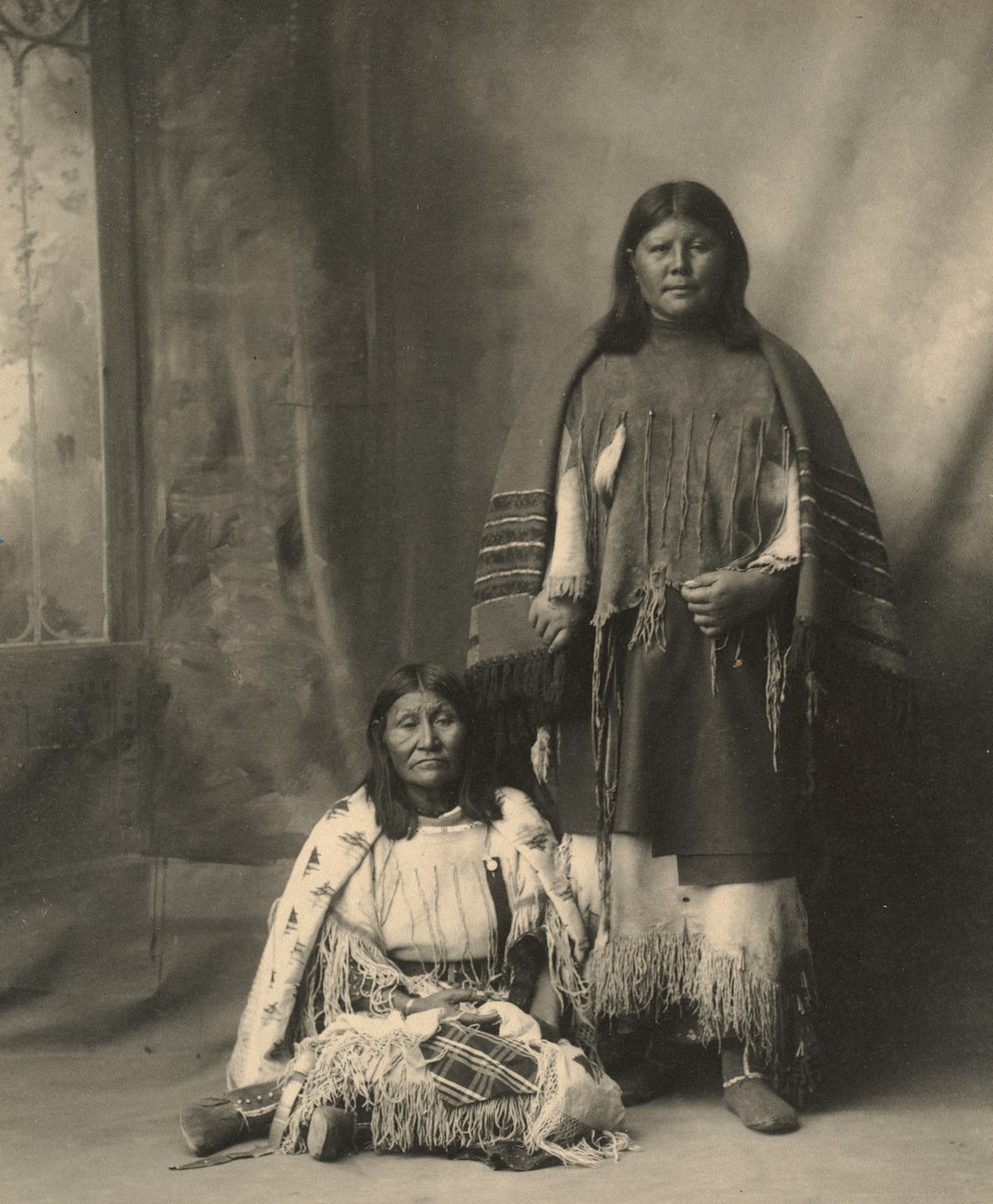
Apache are matrilineal, which means that the family tree is traced through the mother of each family. This social organization had profound implications for Apache society and family structures. The extended family was based on the women, meaning that when a man married a woman he would become part of her extended family and leave his own family.
Apache social structure was matrilineal, which means a husband joined his wife’s band. Women held significant status and power within Apache communities, not only as the center of family organization but also as keepers of cultural traditions and ceremonial knowledge. This system provided stability and continuity for Apache communities throughout their migrations and conflicts.
The White Painted Woman Is Central to Apache Spirituality
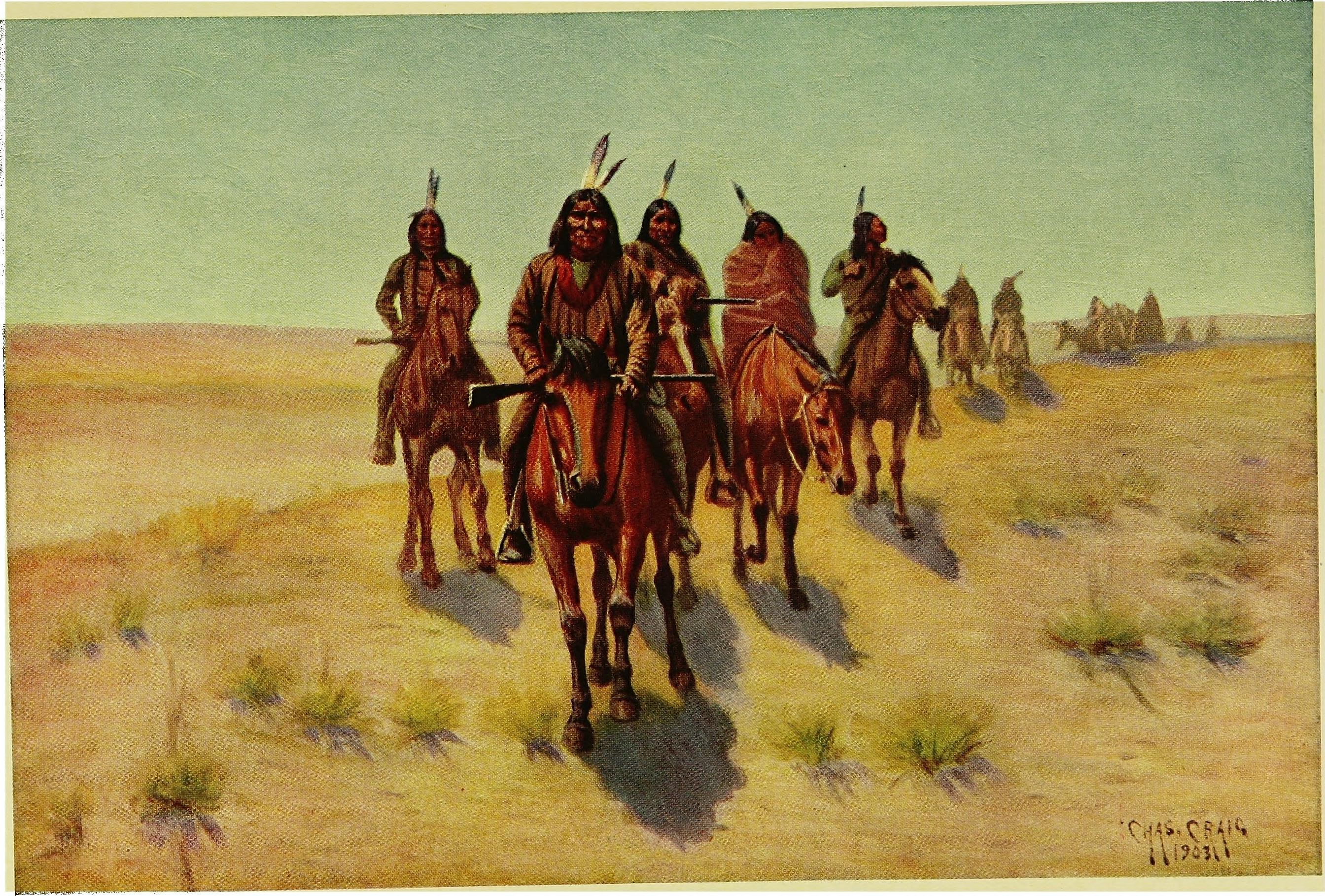
It is said that White Painted Woman was the mother of the legendary warriors Killer of Enemies and Child of Water, who defeated the evil monsters that threatened to wipe humans from the Earth. White Painted Woman represents the ideal of womanhood in Apache culture and serves as the central figure in their most important ceremony. It is said that this ceremony was given to people by White Painted Woman. When her people, , were hard pressed by evil monsters, White Painted Woman reared a son to destroy those creatures and to make the earth inhabitable for mankind.
In Mescalero’s beliefs, the White Painted Woman raised a son to help protect her people, , from the evil monsters and to make the earth inhabitable. The White Painted woman is the model of heroic and virtuous womanhood. Her story provides Apache people with a powerful female role model and connects them to their creation beliefs.
Apache Coming-of-Age Ceremonies Are Elaborate Four-Day Events
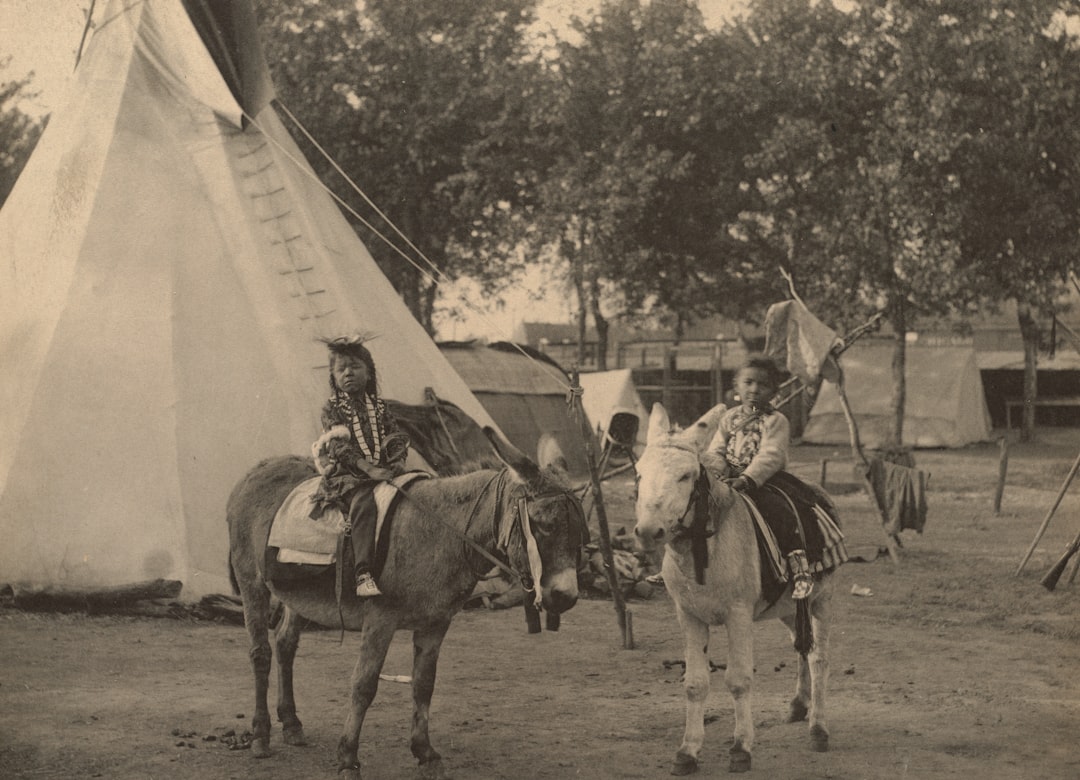
One of the most traditional and sacred ceremonies practiced by the Mescalero Apache is the puberty rite ceremony. It is a four-day “Rite of Passage,” a ceremony that marks the transition of an individual from one stage of life to another, from girlhood to womanhood. There are sacred and extensive ceremonies that celebrate this transition into womanhood. The ceremonies last multiple days and can require months, and sometimes years, of preparation.
During the ceremony, She wears a fringed and beaded buckskin dress adorned with metal “jingles” made from cut-up soda cans; the dress evokes White Painted Woman, whom maidens are said to embody during their ceremony. For the duration of the rite, the young girl dresses and acts like White Painted Woman. The girl is never referred to by her name, but is known as White Painted Woman. These ceremonies continue to be practiced today, maintaining vital cultural connections across generations.
They Built Two Types of Traditional Homes
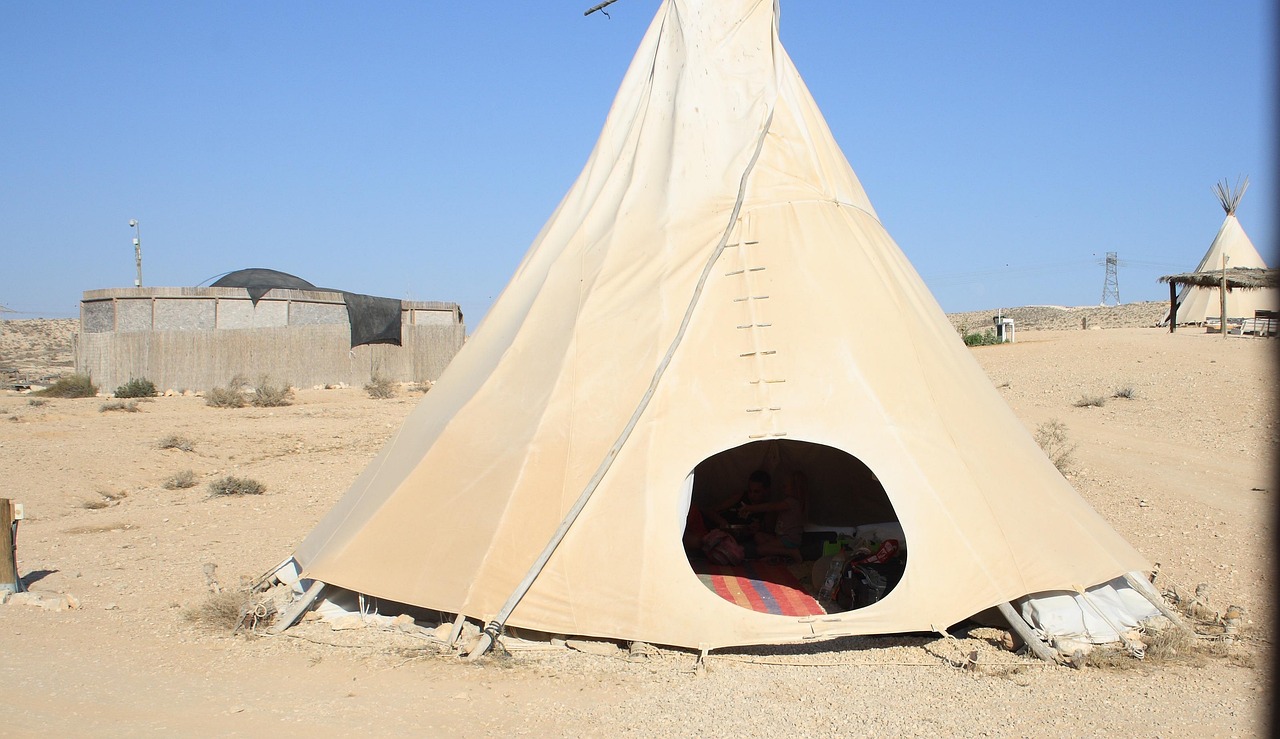
lived in two types of traditional homes; wikiups and teepees. The wikiup, also called a wigwam, was a more permanent home. Its frame was made from tree saplings and formed a dome. It was covered with bark or grass. The choice between these dwelling types depended on the season and the specific needs of the community.
Teepees were a more temporary home that could be moved easily when the tribe was hunting buffalo. The teepee’s frame was made of long poles and then covered with buffalo hide. Most Apache bands lived in wickiups, or brush shelters, which could be built and taken down quickly. The homes were made with a wooden frame and then covered with materials like leaves, grasses, and hides. This adaptability in housing reflected their nomadic lifestyle and practical approach to survival.
They Were Held as Prisoners of War for 27 Years
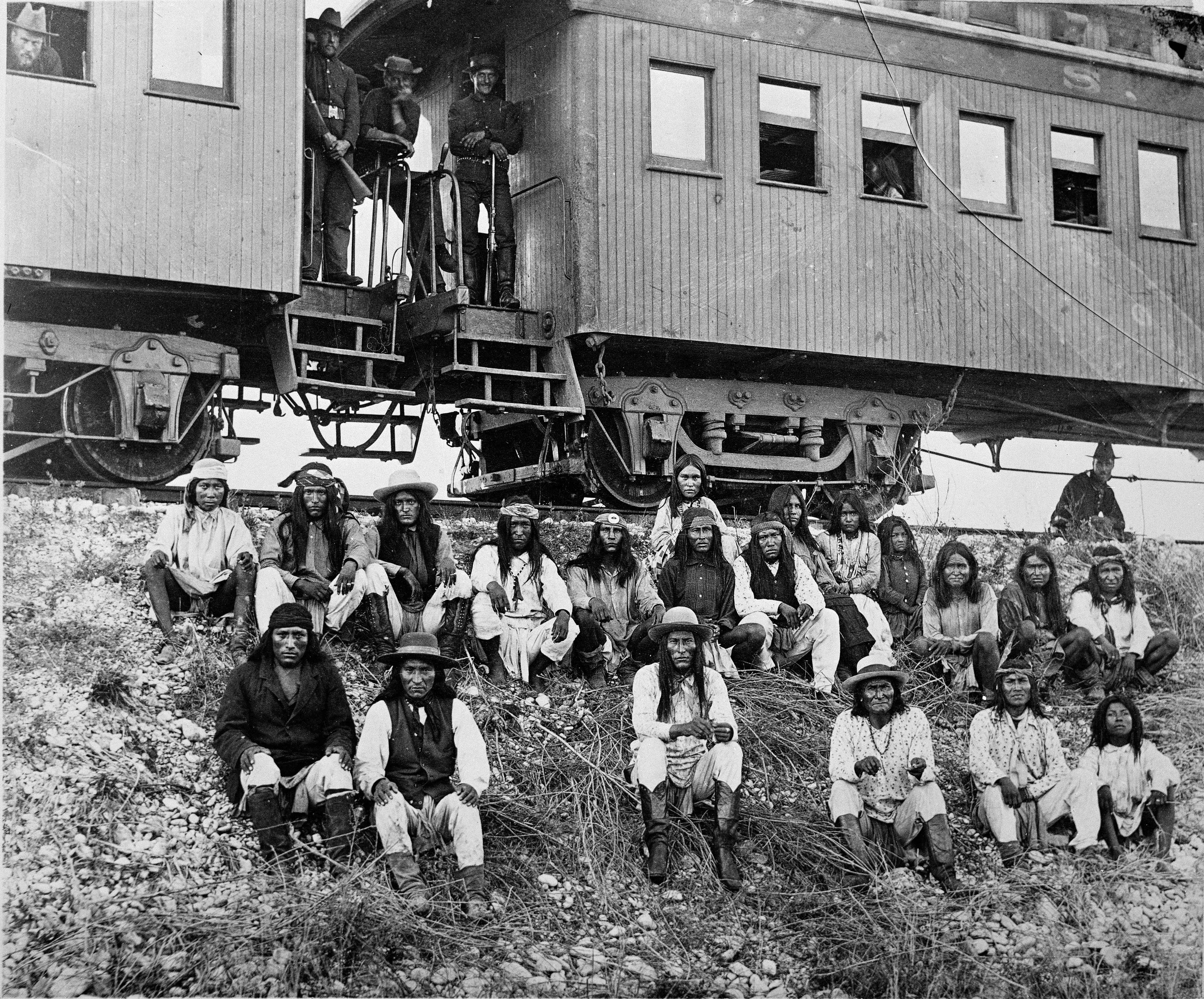
The last of wars ended in 1886 with the surrender of Geronimo and his few remaining followers. The Chiricahua tribe was evacuated from the West and held as prisoners of war successively in Florida, in Alabama, and at Fort Sill, Oklahoma, for a total of 27 years. This represented one of the longest imprisonments of any Native American group in U.S. history.
As months turned into years, Geronimo said, “All we want is to be fed and be released as prisoners and given land and homes that we can call our own.” They remained exiled for twenty-seven years; they were not released until 1913. These Apache were held as prisoners of war longer than any other people in U.S. When finally given a choice in 1913, In 1913 the members of the tribe were given the choice of taking allotments of land in Oklahoma or living in New Mexico on the Mescalero Reservation. Approximately one-third chose the former and two-thirds the latter.
Apache culture continues to thrive today, with According to recent census data, there are over 100,000 people of Apache descent living in the United States. Their story demonstrates remarkable resilience in the face of overwhelming challenges. From their ancient migration from Canada to their modern tribal governments, have maintained their identity while adapting to changing circumstances.
Their legacy extends far beyond the warrior image that dominates popular culture. gave the world examples of sustainable living, complex social organization, and spiritual practices that honor both individual growth and community well-being. What aspects of Apache culture do you find most fascinating? Share your thoughts in the comments below.

- 8 Things That Happen To Your Body on Everest’s Death Zone - August 14, 2026
- 5 Amazing Native Flowers for Your Garden - August 14, 2026
- 10 Calmest Dog Breeds for Senior Women - August 14, 2026