


Eagles, with their majestic presence and powerful symbolism, captivate not only our imagination but also demonstrate some of nature’s most spectacular mating rituals. These apex predators, renowned for their strength and keen vision, engage in elaborate courtship behaviors that strengthen pair bonds and ensure successful reproduction. Eagle mating rituals range from breathtaking aerial acrobatics to intimate bonding gestures, each serving a critical evolutionary purpose in the continuation of their species.
Unlike many bird species that mate for a single season, most eagle species form long-term pair bonds that may last for life. Their courtship rituals are not merely displays of physical prowess but also serve as compatibility tests, allowing potential mates to evaluate each other’s fitness, health, and genetic quality. Understanding these fascinating behaviors offers us a window into the complex social dynamics and evolutionary adaptations that have enabled these magnificent birds to thrive across diverse habitats worldwide.
The Dramatic Sky Dance
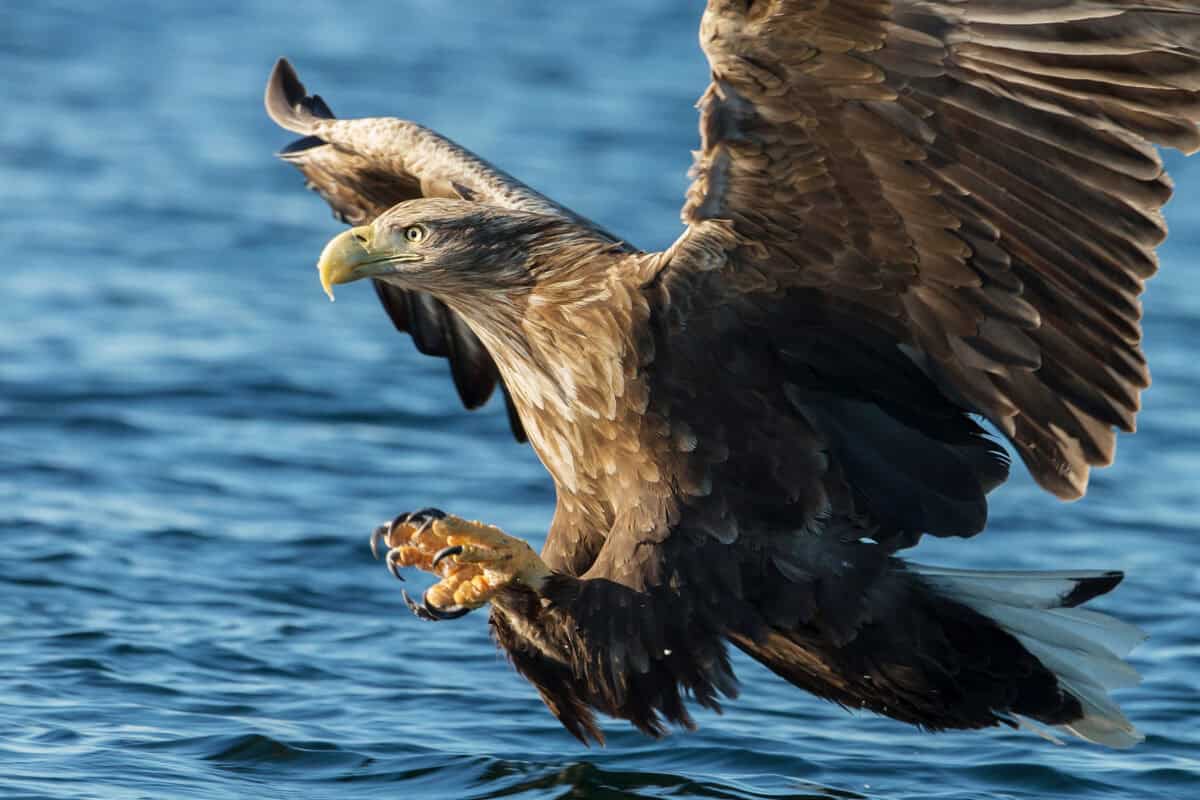
Perhaps the most spectacular of all eagle courtship displays is the renowned “sky dance” or cartwheel display. Most famously performed by bald eagles, this ritual begins with two potential mates soaring to impressive heights, sometimes exceeding 3,000 feet above the ground. Once at altitude, the eagles lock talons and enter a breathtaking free-fall, spinning together in a death-defying spiral toward earth. As they plummet, they can reach speeds of up to 125 mph, breaking apart just moments before impact. This daring display demonstrates strength, coordination, and trust—all essential qualities for raising eaglets successfully.
The sky dance varies slightly among eagle species. Golden eagles may perform multiple cartwheels during a single courtship period, while bald eagles typically engage in fewer but more elaborate spiraling descents. Remarkably, scientists have observed that pairs who perform this ritual with greater synchronicity and skill tend to form stronger bonds and have higher reproductive success rates. This correlation suggests that the sky dance serves as an honest signal of genetic quality and compatibility, allowing eagles to select mates that will contribute to healthy offspring.
Gift-Giving Rituals

Eagles engage in thoughtful gift-giving as part of their courtship, with males typically presenting females with carefully selected items. The most common gifts are prey animals, with males demonstrating their hunting prowess by delivering fresh fish, mammals, or birds to potential mates. In bald eagles, males may catch a fish and transfer it mid-air to a female, showcasing both generosity and aerial skill. This behavior not only demonstrates the male’s ability to provide food but also suggests his potential as a reliable partner during the demanding nesting period when females often remain with eggs while males hunt.
Beyond food offerings, some eagle species present nest-building materials as gifts. Golden eagles have been observed delivering specially selected twigs, grass, and even decorative items like colorful wildflowers to their prospective partners. These materials serve a dual purpose: they demonstrate the male’s resourcefulness while also contributing practically to the construction of a sturdy nest. The quality and frequency of these gifts can significantly influence a female’s decision to accept or reject a male’s advances, highlighting the importance of provisioning abilities in eagle mate selection.
Nest Building Cooperation
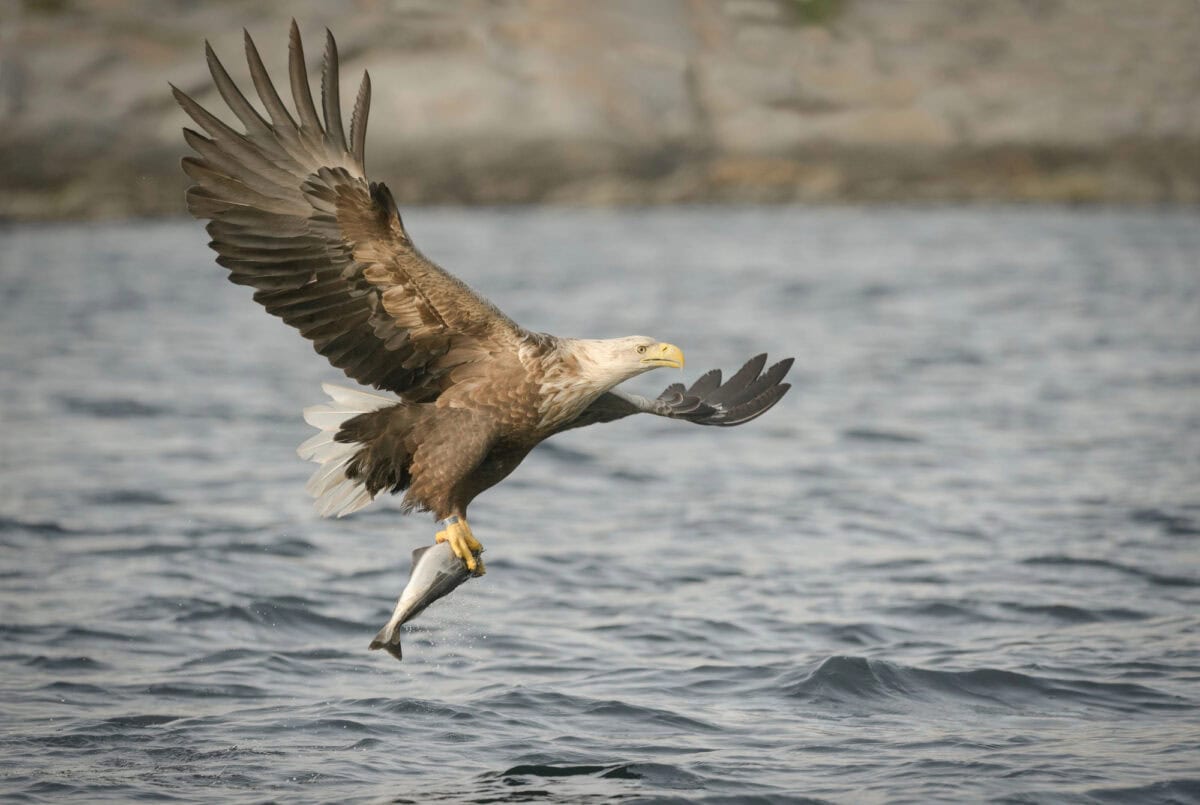
The collaborative construction of a nest represents one of the most significant bonding activities in eagle courtship. Eagle pairs work together to build massive structures that may reach 10 feet in diameter and weigh up to a ton after years of use. During courtship, both male and female eagles collect branches, sticks, and soft lining materials, arranging them with meticulous care. This joint effort allows potential mates to evaluate each other’s work ethic, attention to detail, and commitment—all crucial traits for successful parenting.
The process typically begins with the male selecting a suitable site, often in a tall tree with a commanding view of the surrounding territory. He initiates construction by placing foundational branches, and if a female approves of both the location and his building technique, she joins him in the work. Throughout nest construction, eagles engage in frequent vocalizations and mutual preening, reinforcing their bond. Interestingly, researchers have noted that eagles that spend more time on cooperative nest building have higher hatching success rates, suggesting this ritual serves as both relationship strengthening and practical preparation for parenthood.
Synchronized Soaring
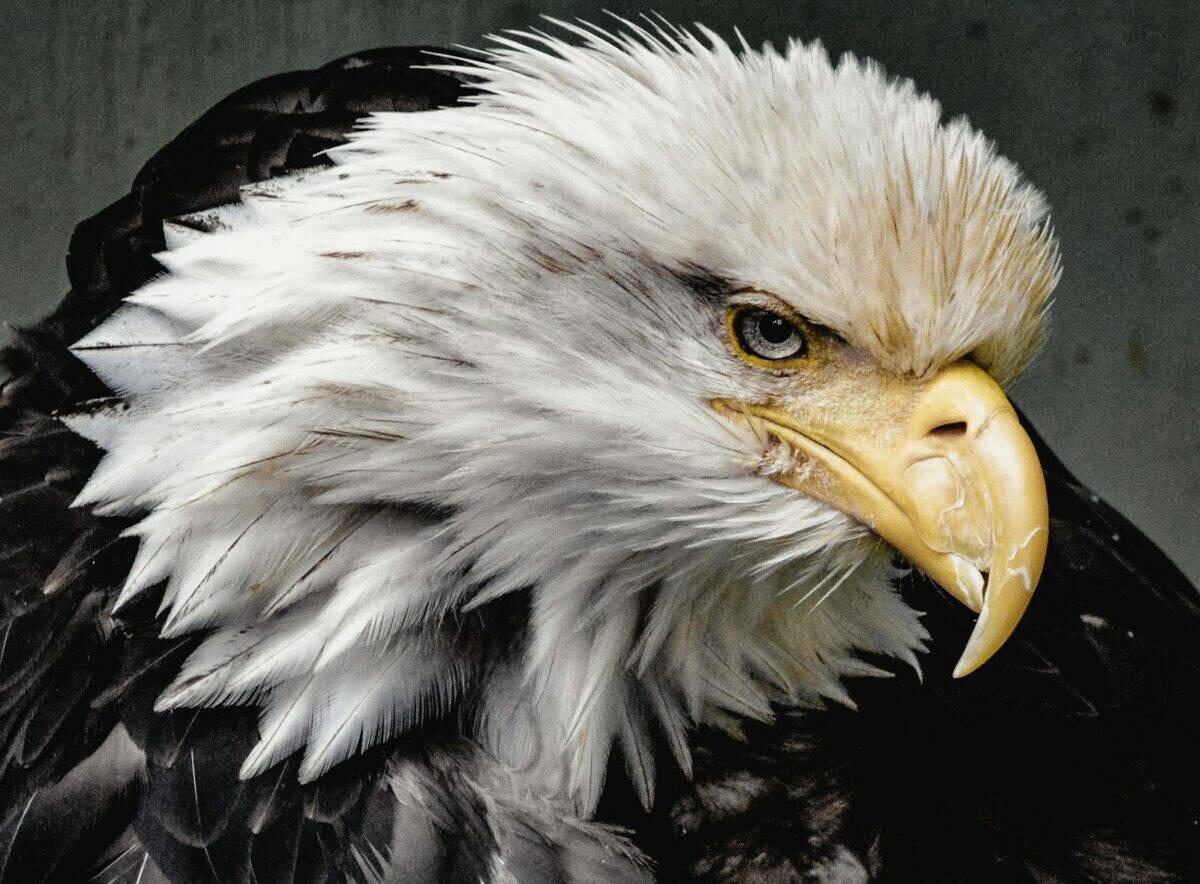
Before engaging in more elaborate courtship displays, eagles often participate in synchronized soaring flights that showcase aerial harmony and communication. Pairs fly wing-to-wing, maintaining remarkably precise formation while riding thermal currents and updrafts. These coordinated flights may last for hours, with the eagles maintaining visual and vocal contact throughout. During these sessions, they perform mirrored maneuvers, banking, diving, and climbing in perfect unison, demonstrating their compatibility and potential effectiveness as a hunting and parenting team.
Synchronized soaring serves multiple evolutionary functions beyond mere display. It allows eagles to familiarize themselves with each other’s flight patterns and communication styles, essential for future cooperative hunting and territory defense. It also helps establish and reinforce the boundaries of their shared territory, as other eagles observing the synchronized flight will recognize the area as claimed. Scientists studying wedge-tailed eagles in Australia have documented that pairs spending more time in synchronized flight showed stronger long-term bonds and defended territories more successfully, highlighting the practical benefits of this seemingly ceremonial behavior.
Vocal Duets
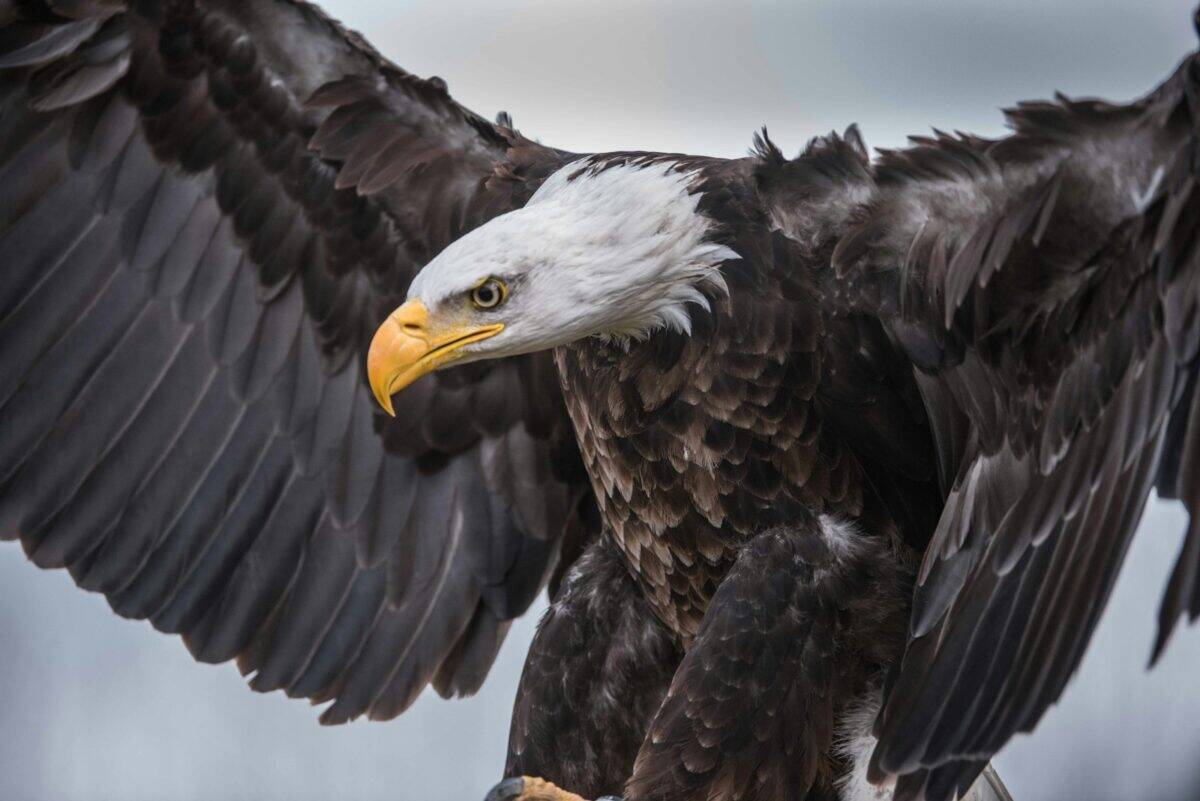
Eagle communication includes elaborate vocal duets that play a crucial role in courtship and pair bonding. Unlike some bird species that sing primarily for territorial marking, eagle calls during courtship are specifically directed at potential mates. Bald eagles produce a series of high-pitched, whistling calls that males and females exchange in rhythmic patterns. These vocal exchanges can become increasingly synchronized as the relationship develops, with pairs eventually creating distinctive duets that identify them to neighboring eagles.
The vocal repertoire varies significantly among eagle species. Philippine eagles exchange haunting, melodic calls that echo through forest canopies, while African fish eagles produce the iconic “weee-ah, hyo-hyo-hyo” calls that have become synonymous with African wilderness in many nature documentaries. These vocalizations help reinforce pair bonds during periods when visual contact isn’t possible, such as when one partner is hunting while the other tends the nest. Research indicates that eagles can recognize their mates’ individual calls from great distances, allowing them to maintain connection across their extensive territories.
Mutual Feeding Rituals
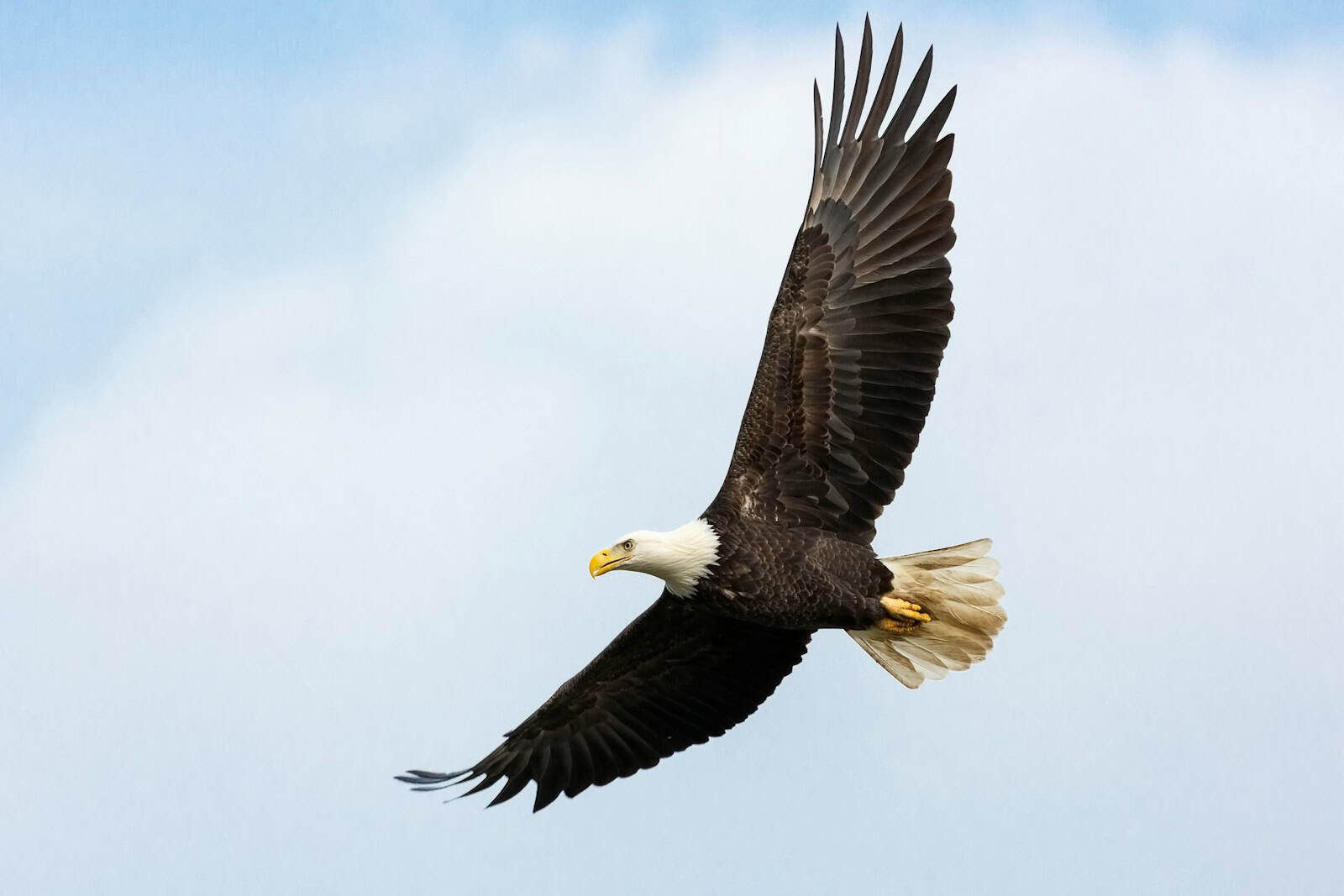
Once eagles have progressed beyond initial courtship displays, they often engage in intimate mutual feeding rituals that strengthen their bond. Unlike the earlier gift-giving phase where males primarily provide food, mutual feeding involves a gentle, ceremonial sharing of prey between established partners. The eagle that has caught the prey tears off small pieces and delicately offers them directly to its mate’s beak. This behavior demonstrates trust and reinforces the nurturing aspects of their relationship—qualities that will become essential when feeding vulnerable chicks.
Mutual feeding typically increases in frequency as nesting season approaches, serving as both bonding ritual and practical preparation for cooperative parenting. The ritual also establishes feeding hierarchies and protocols that will be critical during the intensive chick-rearing period. Biologists studying Steller’s sea eagles have observed that pairs practicing more frequent mutual feeding before egg-laying showed more equitable division of parental duties afterward. This correlation suggests that these intimate food-sharing moments help eagles establish the cooperative dynamics necessary for successful reproduction in challenging environments.
Mutual Preening Ceremonies
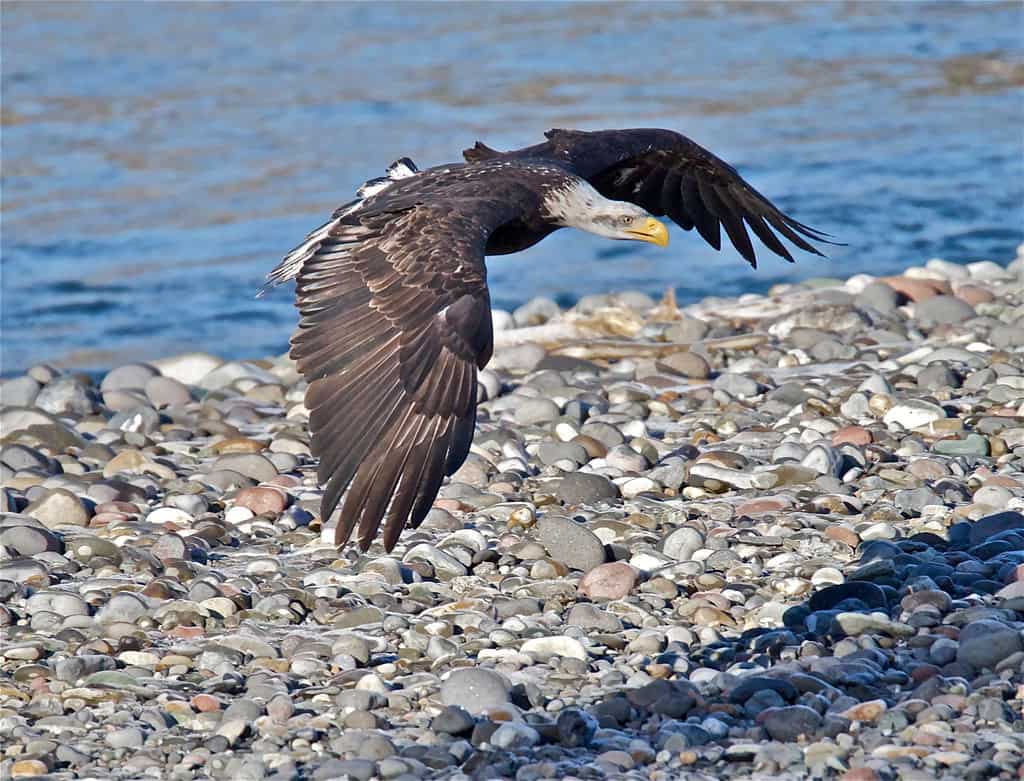
Among the most intimate bonding rituals eagles perform is mutual preening, where partners groom each other’s feathers in areas difficult to reach independently. This behavior typically occurs after pairs have established basic compatibility through aerial displays and food sharing. During these sessions, eagles use their precise beak movements to realign feathers, remove parasites, and distribute natural oils that maintain feather waterproofing and insulation. The ritual commonly focuses on the head, neck, and back—areas an individual bird cannot easily maintain alone.
Beyond practical grooming benefits, mutual preening serves as a powerful bonding mechanism. The behavior requires significant trust, as it involves allowing a partner close to vulnerable areas like the eyes and throat. Neurobiologists studying avian behavior have found that preening stimulates the release of oxytocin-like hormones that promote attachment between individuals. Eagles that engage in regular mutual preening maintain stronger pair bonds and show greater coordination during nest defense and offspring care. This seemingly simple behavior represents one of the clearest expressions of trust and intimacy in eagle relationships.
Branch Courtship Display

Many eagle species perform distinctive perched courtship displays on branches near potential nest sites. In this ritual, males adopt exaggerated postures with raised wings, fluffed neck feathers, and distinctive head movements to attract female attention. The harpy eagle of South American rainforests exhibits one of the most striking branch displays, raising its impressive crest feathers to create a dramatic facial disc while vocalizing deeply. These displays allow females to closely observe male physical condition, feather quality, and overall vigor from a stationary position—complementing the dynamic aerial assessments.
Branch displays typically include precise choreography that varies by species. Bald eagles perform a distinctive swaying motion while perched side by side, synchronizing their movements in a hypnotic rhythm. White-tailed eagles engage in “bowing” displays where partners alternately lower their heads toward each other in ceremonial acknowledgment. These stationary displays provide opportunities for potential mates to evaluate subtle physical qualities that might be missed during rapid flight displays, such as symmetry of markings, eye clarity, and beak condition—all indicators of genetic quality and health that influence mate selection decisions.
Territorial Display Flights

As part of courtship, eagle pairs perform coordinated territorial display flights that serve both to strengthen their bond and advertise their claim to a specific area. These flights feature distinctive undulating patterns where eagles alternate between powerful wing beats and graceful glides, creating a roller-coaster-like trajectory visible to other eagles from great distances. During these displays, eagles often carry nesting materials or prey items, emphasizing both their territorial claim and resource abundance within their chosen area.
The timing and frequency of territorial display flights increase significantly during pre-breeding periods, with some species like the Spanish imperial eagle performing up to 15 display flights daily during peak courtship. These synchronized aerial patrols define the boundaries that the pair will defend, typically encompassing prime hunting grounds and potential nesting sites. Research using GPS tracking has revealed that eagle pairs performing more frequent and extensive territorial displays experience fewer intrusions from competitors and maintain exclusive access to higher-quality resources—advantages that directly translate to improved breeding success and offspring survival.
The Mate-Feeding Display

Distinct from mutual feeding, the mate-feeding display occurs when males demonstrate their provisioning abilities by delivering food to females in ceremonial presentations. This ritual typically begins before egg-laying and continues through incubation, with males bringing freshly caught prey to females at the nest site. The quality, quantity, and consistency of these food deliveries provide females with crucial information about a male’s hunting skill and commitment level. In species like the bald eagle, males may deliver up to five fish daily during peak courtship, showcasing their ability to meet the intensive nutritional demands of future eaglets.
The mate-feeding display includes specific etiquette that varies among eagle species. Martial eagles of Africa present prey with elaborate ceremony, dropping it before the female and stepping back in a deferential posture. Females assess both the quality of offerings and the male’s behavior during delivery. Ornithologists have documented that females who receive consistent, high-quality mate-feeding displays produce larger clutches with higher hatching success. This correlation confirms the ritual’s importance not merely as symbolic courtship but as a practical demonstration of parental investment capacity that directly influences reproductive decisions.
Rejected Ritual Improper Timing of Courtship

Despite eagles’ elaborate courtship behaviors, rejection occurs when rituals are performed at inappropriate times. Eagle breeding cycles are precisely synchronized with seasonal food availability and environmental conditions to ensure optimal survival chances for offspring. Males that initiate courtship too early or too late in the season frequently face rejection, as females instinctively recognize that mistimed breeding attempts risk exposing eaglets to unfavorable conditions like food scarcity or harsh weather. This timing sensitivity is particularly evident in migratory eagle species, where courtship must align perfectly with seasonal movements.
Researchers studying golden eagles in mountainous regions have documented that males initiating courtship displays during unsuitable periods—such as during severe winter weather or late in the breeding season—are consistently rejected by females. These rejections occur regardless of the male’s physical qualities or performance skill, demonstrating that proper timing overrides other considerations in mate selection. This evolutionary adaptation helps ensure that eaglets hatch when conditions provide the greatest chance for survival, typically coinciding with peak prey availability to support the enormous energy demands of growing raptor chicks.
Rejected Ritual Inadequate Nest Site Selection

Eagles invest considerable energy in selecting and preparing nest sites, and poor choices in this domain frequently lead to rejection. Males typically initiate nest site selection, and females evaluate these locations based on multiple criteria including safety from predators, protection from severe weather, proximity to hunting grounds, and structural stability. A male that presents a suboptimal nest site—such as one too exposed to elements, too close to human activity, or lacking adequate supporting branches—signals poor judgment that may compromise offspring survival, triggering female rejection regardless of his other qualities.
The consequences of poor nest site selection can be severe, making female scrutiny particularly intense. Nests in locations vulnerable to storms may be destroyed mid-season, while those too accessible to predators place eggs and chicks at risk. Studies of failed courtships in white-bellied sea eagles revealed that approximately 30% of rejections resulted from females abandoning males after inspecting their proposed nest sites. Interestingly, experienced males who have successfully nested previously demonstrate much higher success rates in site selection, suggesting this skill improves with age and may partially explain why older eagles often enjoy greater reproductive success than younger individuals.
Rejected Ritual Failed Aerial Coordination

The spectacular aerial displays that characterize eagle courtship require precise coordination and skill, and failures during these performances frequently result in rejection. During tandem flights and especially during the challenging talon-locking cartwheel displays, any significant miscalculation or lack of synchronization signals potential incompatibility that could impact hunting success and offspring care. Females closely evaluate a male’s flight precision, strength, and coordination during these rituals, interpreting deficiencies as indicators of poor genetic quality or insufficient experience.
Particularly telling are failures during the most demanding aerial maneuvers. Males that cannot maintain proper position during synchronized soaring or who misjudge distances during talon-grappling displays demonstrate limitations that could prove costly in practical situations like cooperative hunting or nest defense. Field researchers studying bald eagle courtship have documented that females typically require multiple successful aerial displays before accepting a mate, and a single significant failure—especially late in the courtship process—can prompt rejection even after weeks of interaction. This exacting standard ensures that females select partners with the physical capabilities and coordination necessary for the challenging task of rearing eagle offspring in demanding environments.
Conclusion: The Remarkable World of Eagle Courtship

The elaborate mating rituals of eagles represent some of nature’s most impressive displays of strength, coordination, and dedication. From death-defying aerial acrobatics to intimate preening ceremonies, these behaviors serve multiple evolutionary functions beyond mere attraction—they evaluate compatibility, establish cooperation protocols, and predict parenting capabilities. Understanding the complexity of these courtship behaviors provides valuable insights into the social intelligence and evolutionary adaptations that have allowed eagles to thrive as apex predators across diverse global habitats.
The rejection rituals underscore the high standards female eagles maintain when selecting mates, ensuring only the most capable males contribute to future generations. This selective pressure has helped maintain the remarkable physical and behavioral qualities that make eagles such iconic and successful birds of prey. As human activity increasingly impacts eagle habitats worldwide, preserving the environments where these magnificent courtship displays occur becomes essential not only for eagle conservation but for maintaining one of nature’s most spectacular behavioral performances.
Scientists continue to discover new subtleties in eagle courtship behaviors, with modern tracking technology and high-definition wildlife cameras revealing previously undocumented aspects of these complex interactions. Each new insight deepens our appreciation for the sophisticated social behaviors that underlie eagle reproduction and reminds us of the intricate natural processes that have evolved over millions of years. By protecting eagle habitats and respecting their breeding territories, we ensure future generations can witness these magnificent courtship rituals that represent nature at its most dramatic and inspiring.

As a little kid, I fell in love with nature, wildlife, and animals. Living in the USA, South Africa, Italy, China and Germany gave me the opportunity to discover the world's Wildlife. My favorite animals are Mountain Gorillas, Siberian Tigers, and Great White Sharks.
I'm a certified PADI Open Water Diver, went to Everest Base Camp and Trekked Gorillas in Uganda. I hold a Master of Science in Economics and Finance.
Please send any feedback to feedback@animalsaroundtheglobe.com
- 13 Aquatic Mammals That Don not Look It - July 10, 2026
- 15 Unlikely Hunters With Killer Instincts - July 10, 2026
- 10 Low-Maintenance Pets for Busy Owners - July 10, 2026