
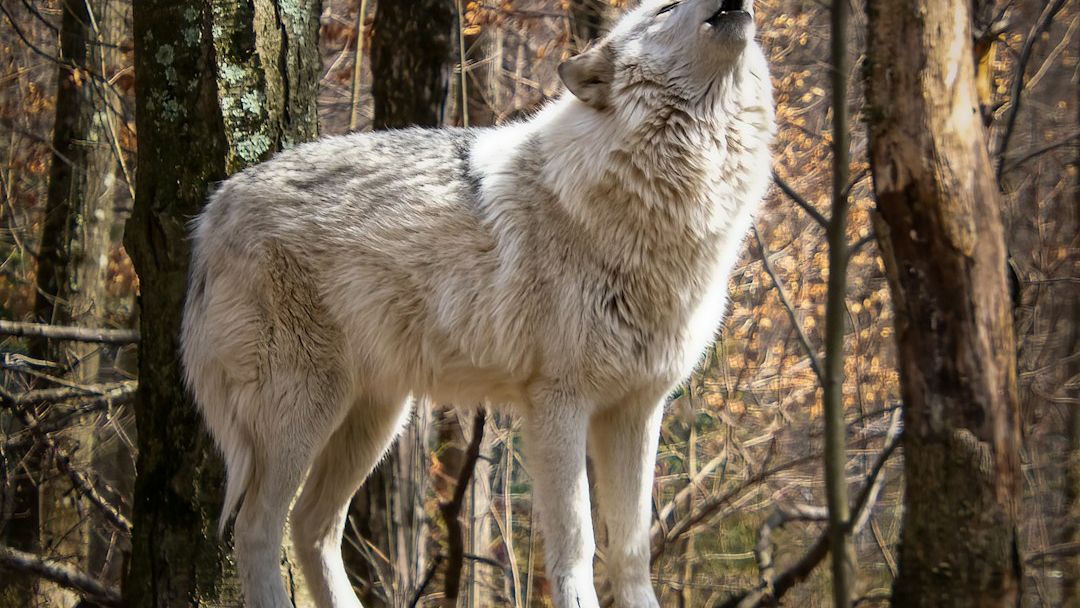
Across the vast territories of North America, from the snow-capped mountains to the endless plains, the wolf has held a sacred position in Native American spiritual practices for countless generations. This magnificent creature represents far more than just another animal in the wilderness. For indigenous tribes, the wolf embodies profound spiritual truths, ancestral wisdom, and the very essence of what it means to live in harmony with nature.
Unlike European cultures that often viewed wolves with fear and suspicion, Native American peoples recognized the wolf as a teacher, a guide, and even a brother or sister. The spiritual significance of the wolf transcends simple admiration for its physical prowess. It reaches deep into the heart of indigenous philosophy, touching on themes of loyalty, wisdom, protection, and the delicate balance between independence and community. So let’s dive in and discover the sacred meanings that have shaped Native American spirituality for centuries.
Guardian and Protector Spirit
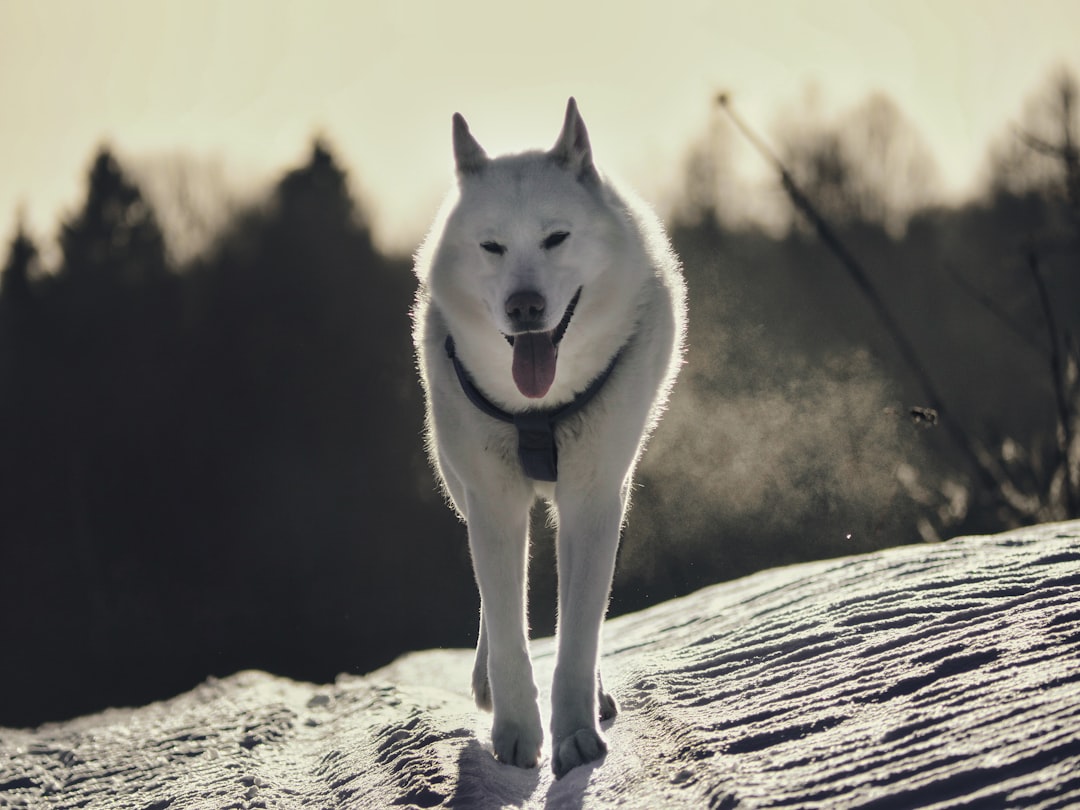
Among the Plains tribes like the Sioux, Cheyenne, and Blackfoot, the wolf is seen as a symbol of protection and guidance. Legends speak of wolves guiding lost hunters back to their camps and teaching humans about family bonds and survival strategies.
The protective nature of the wolf extends beyond physical safety into spiritual realms. The great spirit will tell you to be vigilant watching for people or situations which could bring danger to your inner circle. You will never hesitate to do all you can to ensure the safety of your love ones.
Teacher and Spiritual Guide
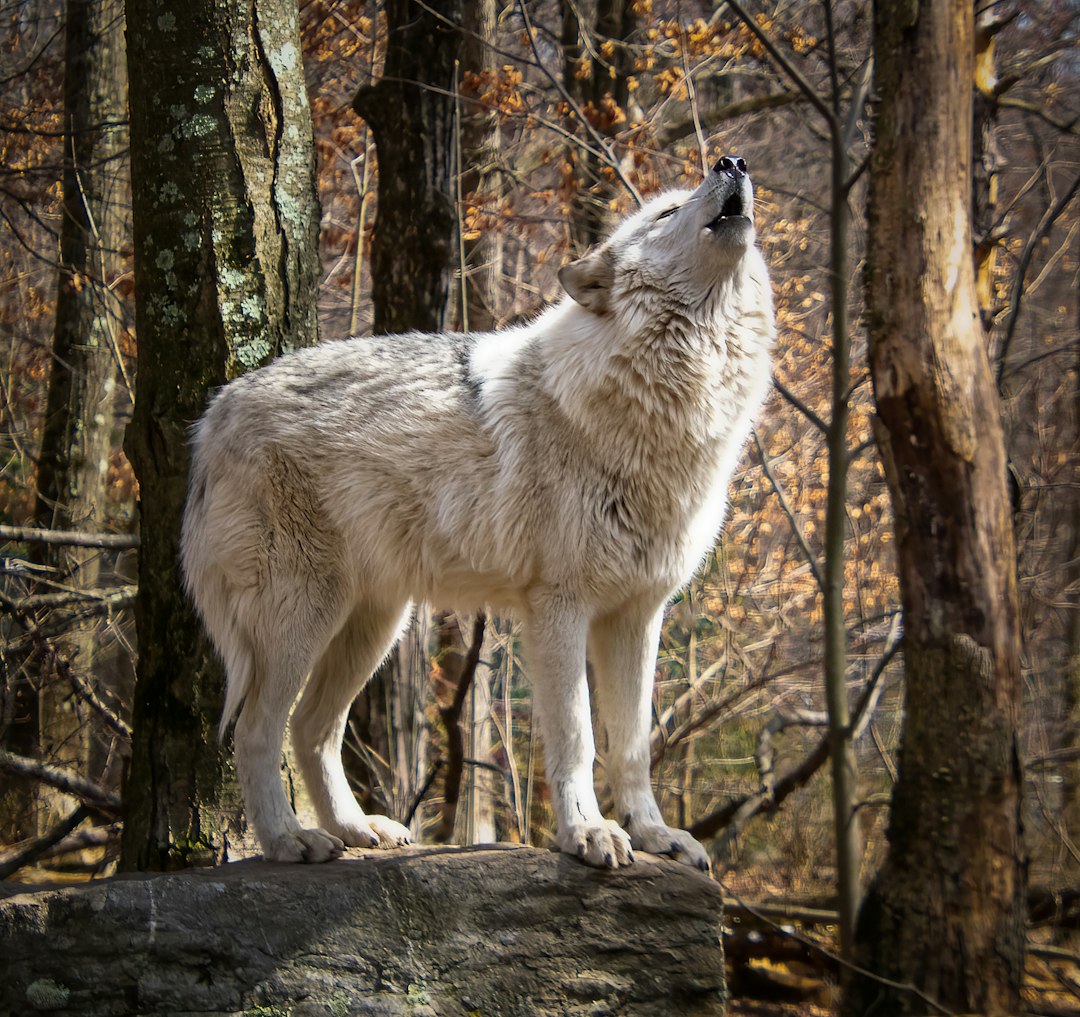
Wolf is regarded as one of the most powerful spirit guides of all for it represents teacher and lessons to be learned and shared with self. In many tribal traditions, the wolf serves as an instructor in both practical survival skills and deeper spiritual truths.
Wolf Animal Spirit Totem teaches us how to become teachers so that our experiences of learning can help others as they seek their own answers. The way of the Wolf is the way of listening to the silent self, and following the scent within to find ones unique way through life.
Symbol of Loyalty and Family Unity
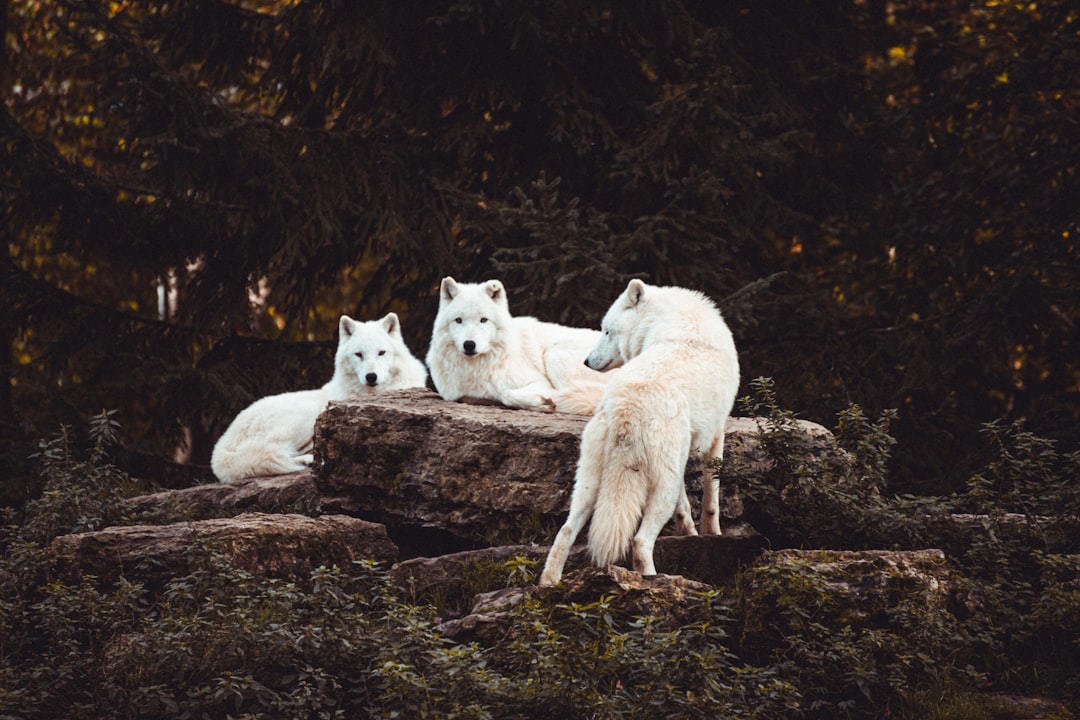
The Native Wolf Symbol represents loyalty, strong family ties, good communication, education, understanding, and intelligence. Wolves typically form monogamous pairs during breeding seasons and demonstrate unwavering commitment to their pack, making them powerful symbols of familial devotion.
The Wolf has always been respected as a very family-oriented animal because he typically forms strong pair bonds, watches and protects his young until they are old enough to be independent and protects the elders. This dedication resonates deeply with Native American values of respecting both youth and elders within the community.
Medicine Being and Healer
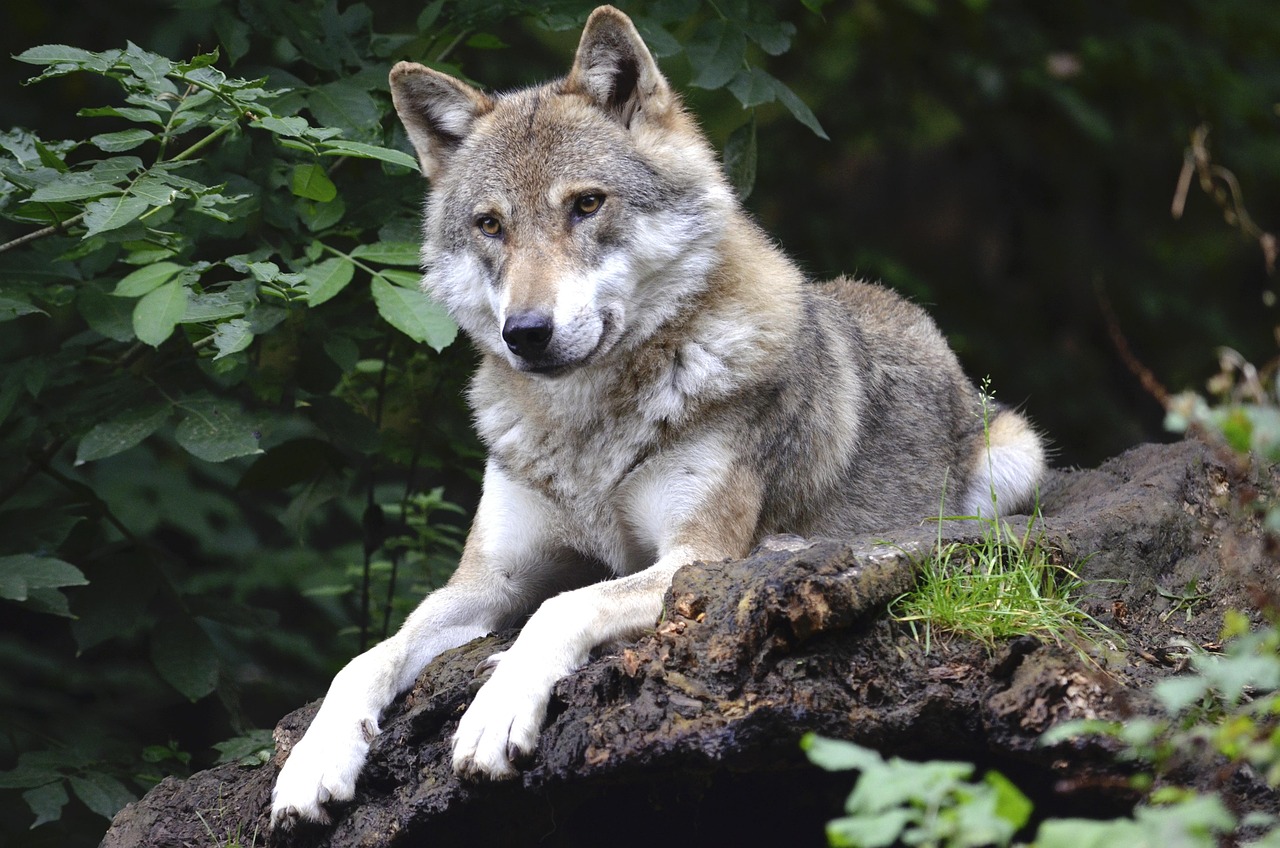
In most Native cultures, Wolf is considered a medicine being associated with courage, strength, loyalty, and success at hunting. Shamans, or spiritual healers, often invoke the spirit of the wolf during rituals to gain wisdom and healing powers.
Wolf medicine gives the gift of true seeing, having instincts about the past, present, and future. They believe you need to listen to the messages from the great spirit in dreams or on the wind. This prophetic ability makes the wolf an invaluable spiritual ally for those seeking healing and insight.
Pathfinder and Way-Shower
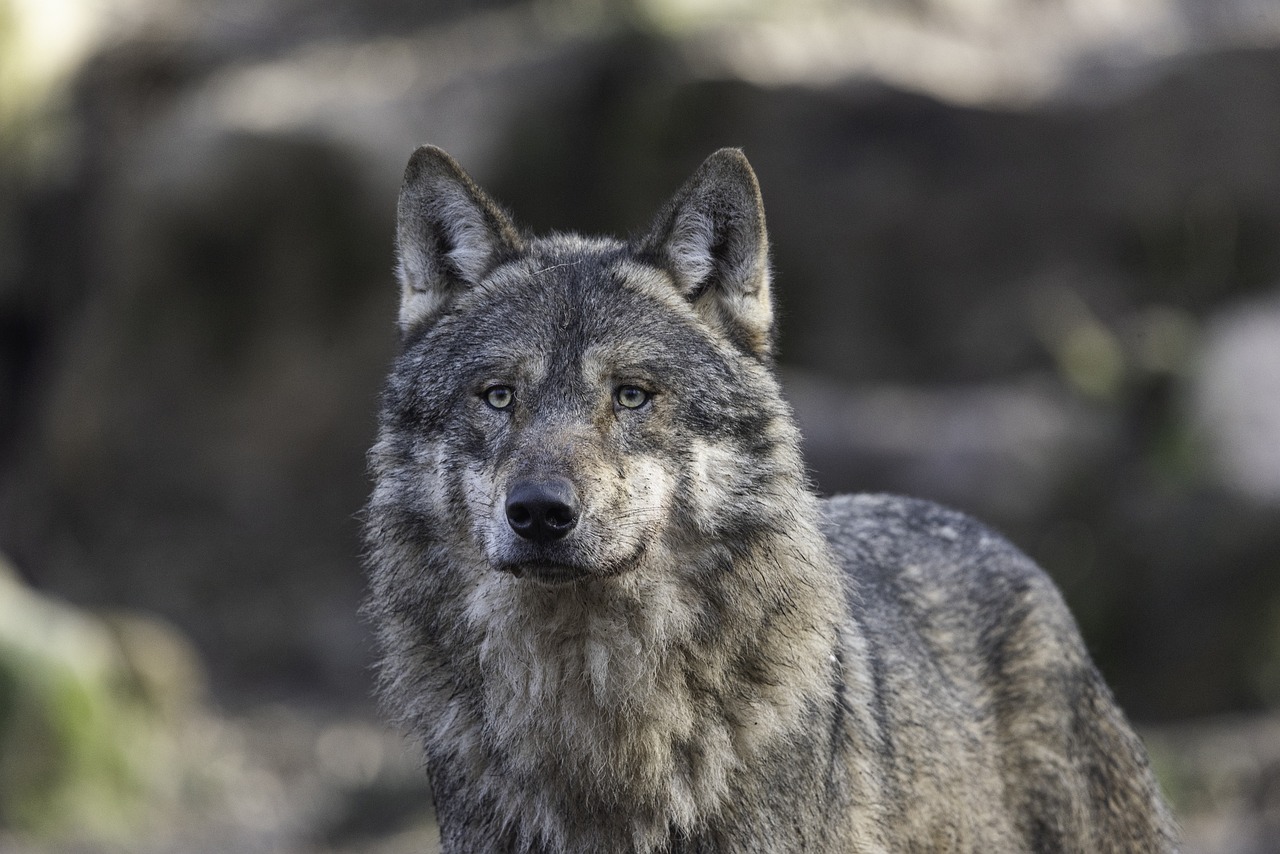
The Navajo consider the wolf a pathfinder and spiritual guardian. The wolf’s ability to navigate unknown territories while maintaining connection to the pack makes it a powerful symbol for spiritual journeys and personal growth.
Unlike herd animals, this complex social animal does not follow a pre-established trail. She makes her own path through the maze of trees, zig-zagging as she pleases across all landscapes and defying patterns of habit. But she steps off that path just as easily as she’d stepped on, forging out into the unknown with fearless confidence.
Creator and Origin Story Figure
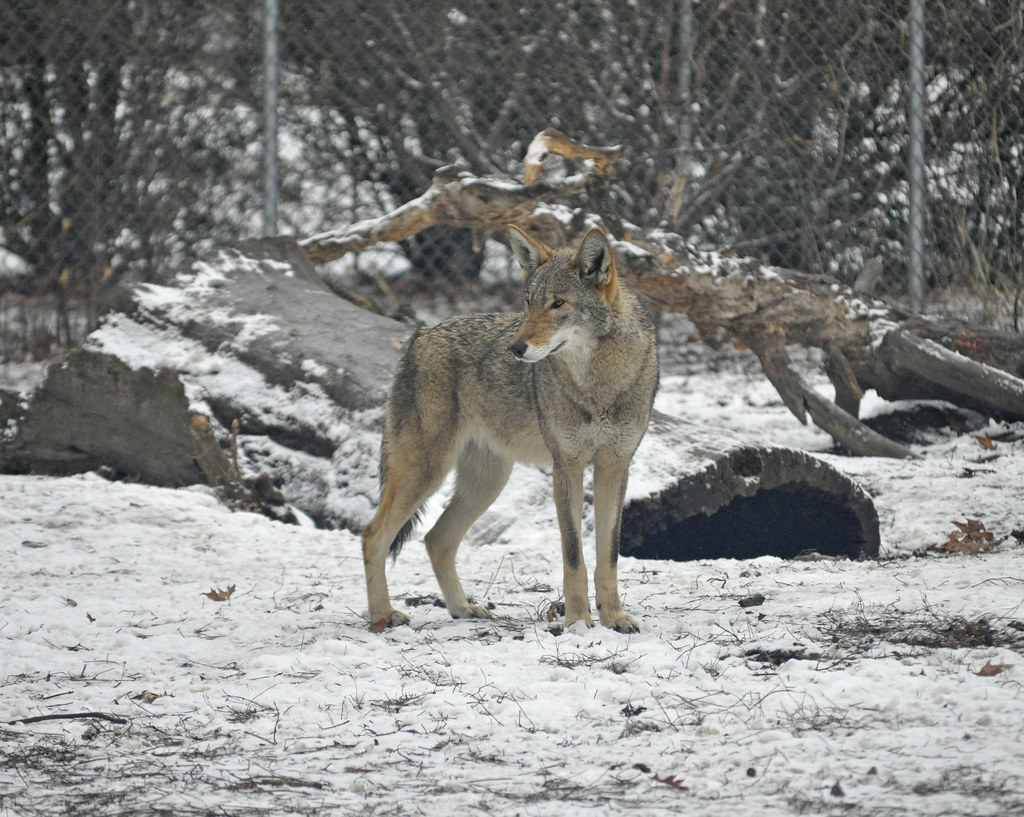
Native Americans view the wolf as a creator, a guide, and a brother or sister. In Shoshone mythology, Wolf plays the role of the noble Creator god, while in Anishinabe mythology a wolf character is the brother and true best friend of the culture hero.
For example, the Quileute and Kwakiutl believe that Wolves transformed into the first humans. These origin stories emphasize the deep kinship between humans and wolves, suggesting that this relationship predates even human existence itself.
Lunar Connection and Psychic Awareness
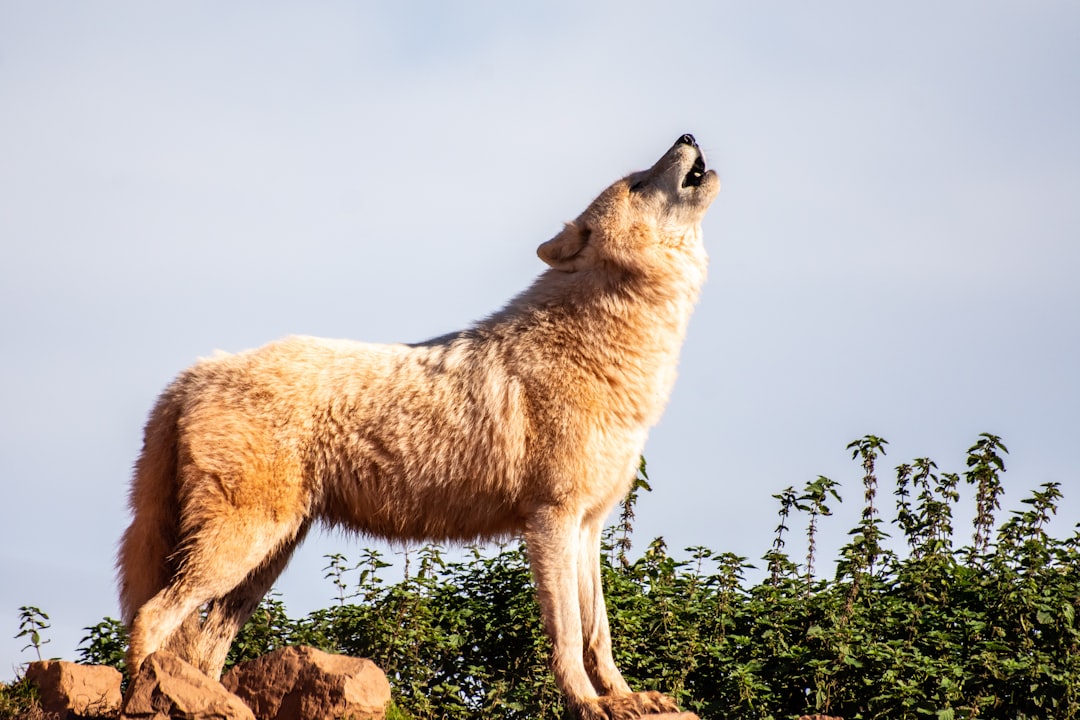
Wolf people have a kinship with the moon and its cycles which symbolizes psychic energy. Whether they have realized it in their consciousness they are intuitive in their very nature. The wolf’s nighttime howling to the moon represents a spiritual communication with celestial forces.
Some tribes believe that wolves howl at the moon because they are having a spiritual experience and are singing to the gods. This lunar connection enhances the wolf’s role as a bridge between earthly and spiritual realms, offering enhanced intuitive abilities to those who embrace wolf medicine.
Totem Animal and Personal Power
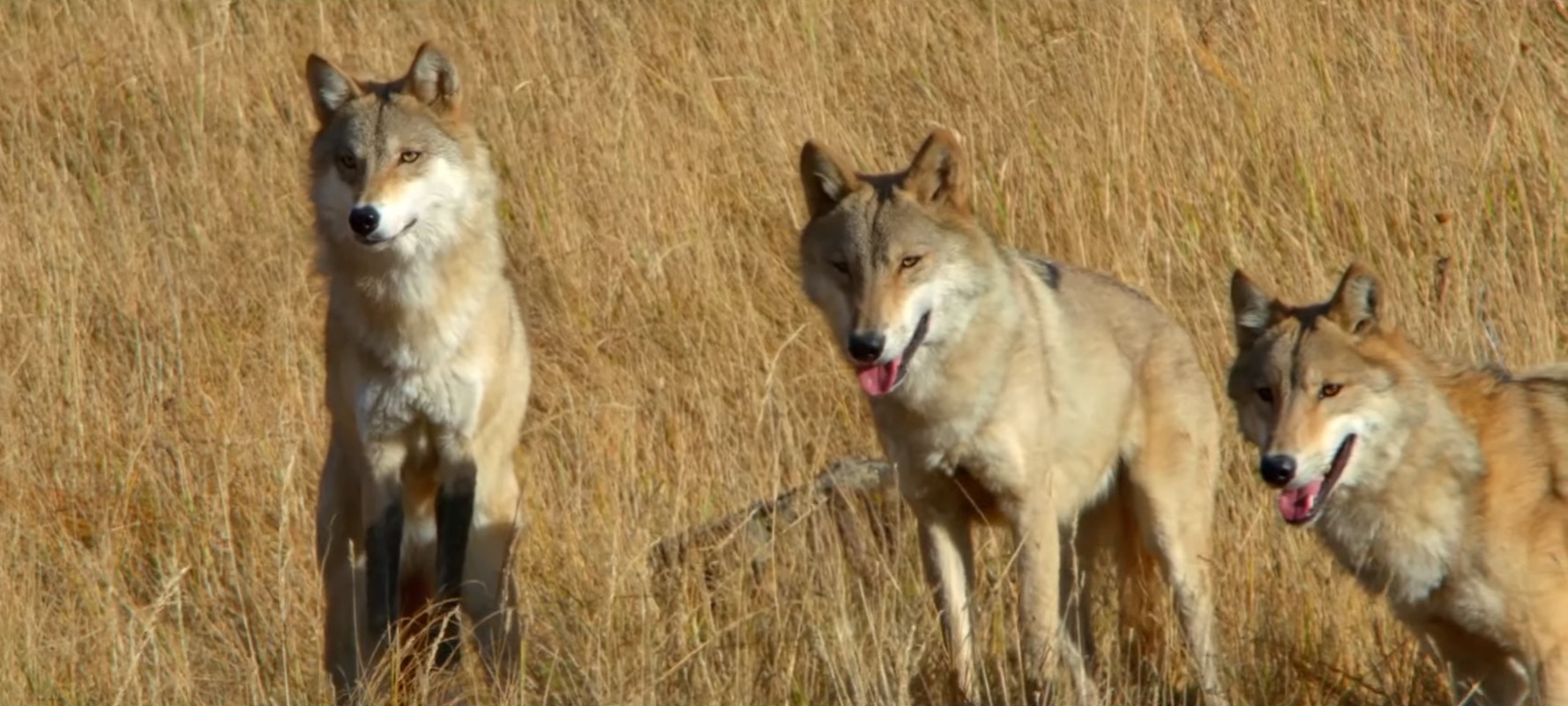
In Native American culture, a totem is an animal spirit that guides and protects individuals or groups. The wolf totem embodies traits such as intelligence, courage, and social connection. Those who identify with the wolf totem are believed to possess strong instincts and keen insight.
In many Native American nations, when young Native people wanted to know their totem animal, they went in search of visions. They had to spend four days and four nights in the mountains or in the forest without eating or drinking. During this time of fasting they prayed and asked the Great Spirit to send them a vision. An animal often appeared in a very real way and this animal became the totem animal of the person to whom it had appeared.
Hunter’s Companion and Success Symbol
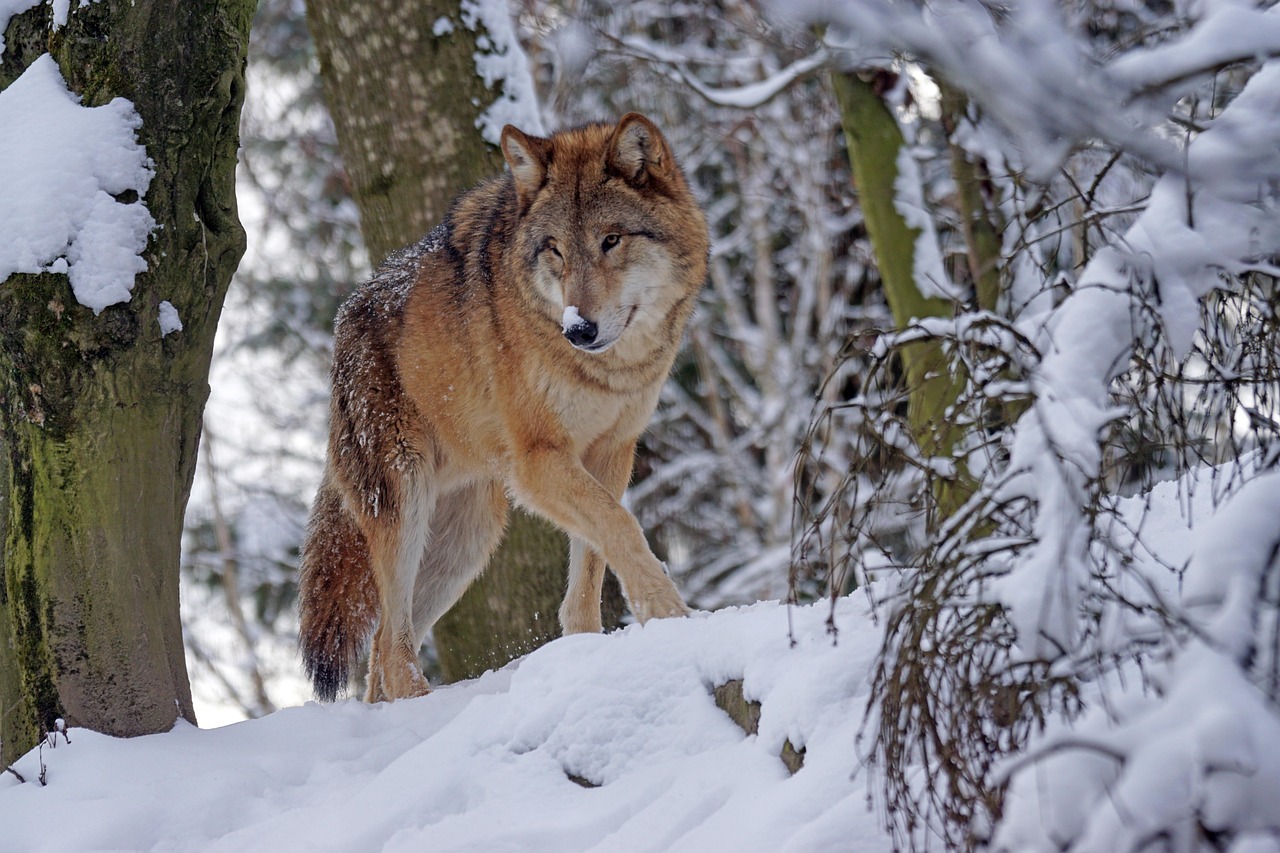
The Tsitsista (Cheyenne), Lakota, Dakota, Siksikaitsitapi (Blackfoot), Assiniboine, Arikara, Arapaho, Osage, Shoshone, and Pawnee all tell stories of wolves as role models who taught people how to hunt. This hunting partnership represents more than practical cooperation.
Hunters would carve or paint lightning snakes with the head of Wolves on their canoes in the belief that the hunting skills of the Wolves would help their hunting skills on the water. The wolf’s superior hunting abilities were seen as gifts that could be shared through spiritual connection and reverent acknowledgment.
Balance Between Independence and Community
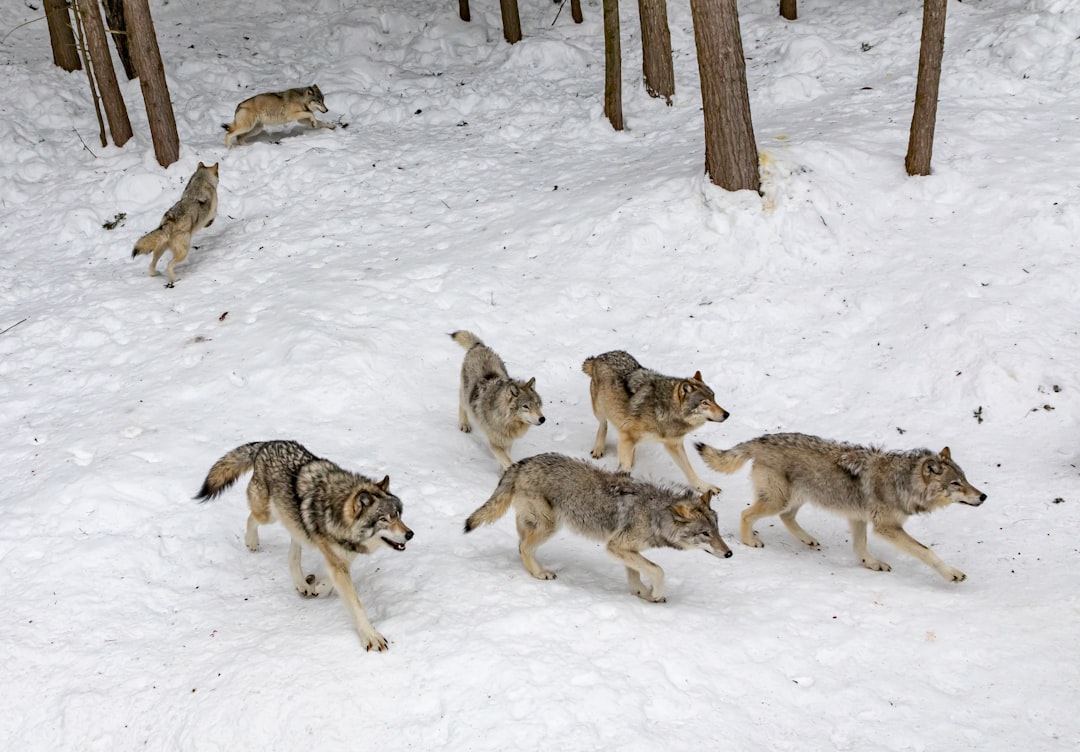
Wolves represent the symbol of freedom and individuality, yet also remind us we have a responsibility to the pack. This dual nature reflects one of the most important lessons : the balance between personal freedom and communal responsibility.
The Wolf advises us when to strike out on our own and when to stay safe in the protection of a pack. This wisdom helps individuals navigate the complex decisions between following their own path and maintaining their connections to family and community, a challenge that remains as relevant today as it was centuries ago.
Conclusion
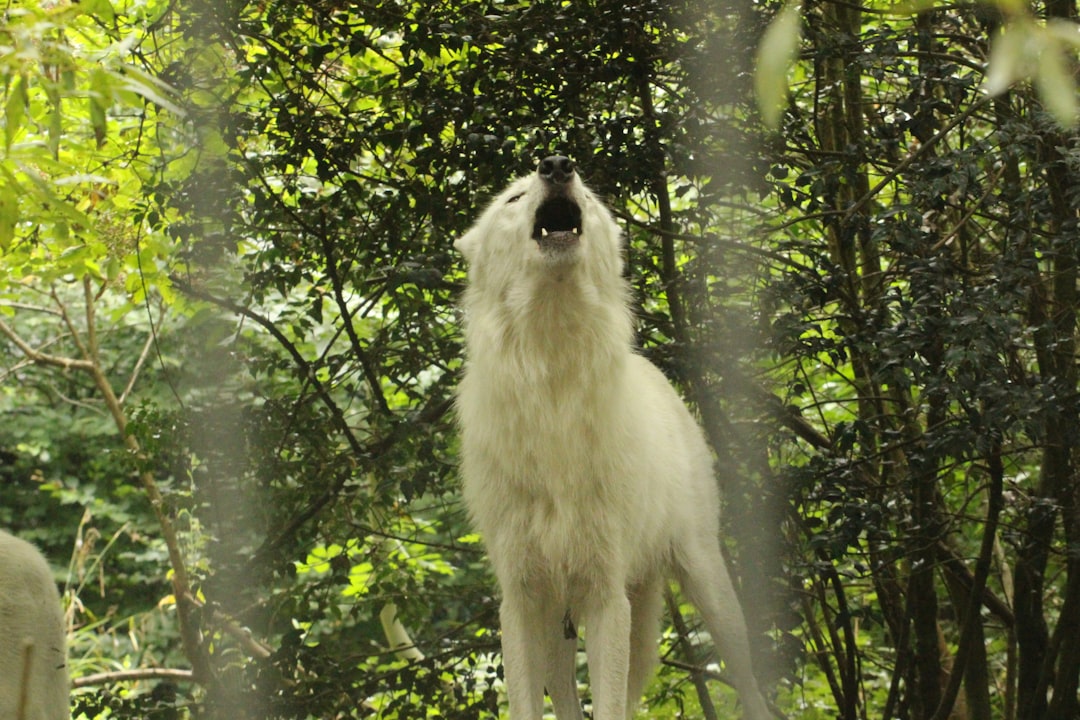
The wolf’s significance reveals a sophisticated understanding of both the natural world and human nature itself. These ten meanings demonstrate how indigenous peoples recognized the wolf as more than just a predator or competitor. Instead, they saw a kindred spirit, a teacher, and a guide whose lessons could help humans live more balanced, purposeful, and spiritually connected lives.
The enduring power of wolf symbolism in Native American culture speaks to timeless truths about loyalty, wisdom, protection, and the delicate dance between independence and belonging. In our modern world, these ancient teachings offer valuable insights for anyone seeking deeper spiritual connection and understanding. What aspects of wolf wisdom resonate most deeply with your own spiritual journey? Share your thoughts in the comments below.
