

Look out a window long enough and a bird will probably land in view. We barely register them, yet these animals are running some of the most sophisticated survival systems on the planet. Most of what they do happens quietly, in the corner of our attention.
Once you start asking how a bird actually pulls off its everyday routine, the answers get strange fast. Some of what follows sounds invented, though it’s well documented. Here are ten facts that might change how you see the next sparrow on a wire.
1. Birds Are Living Dinosaurs
🔥 Would you like to save this?
We'll email this post to you, so you can come back to it later!
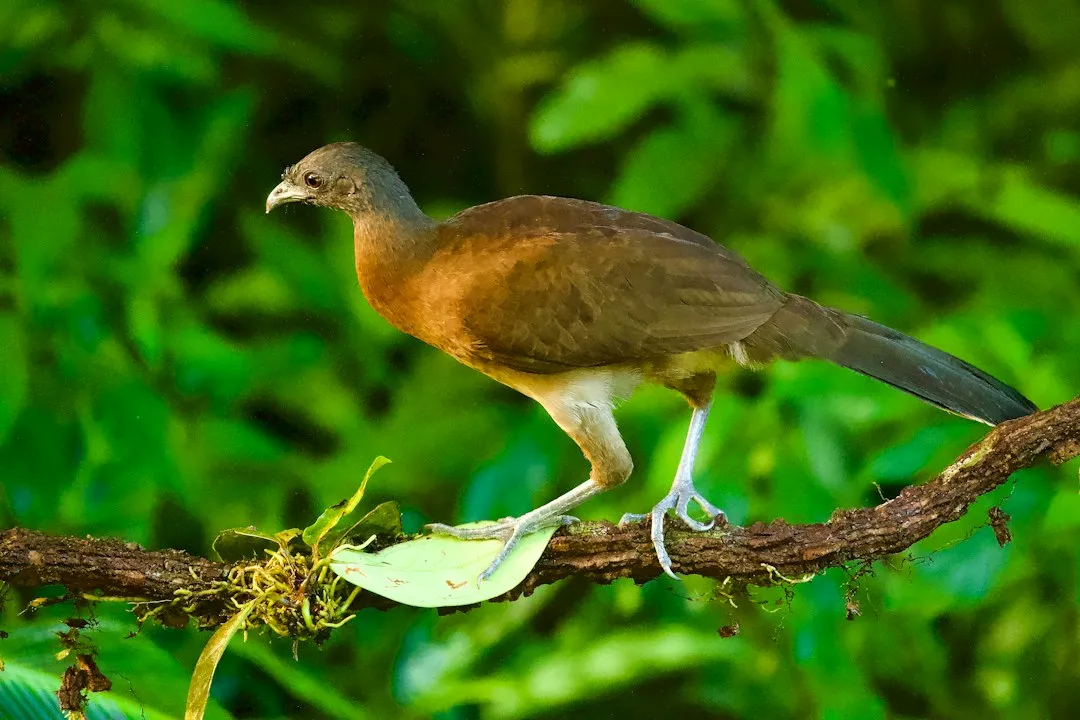
Birds aren’t just related to dinosaurs. Scientists classify them as a surviving branch of theropod dinosaurs, the same broad group that included Velociraptor and Tyrannosaurus. When the big non-avian dinosaurs died out roughly sixty-six million years ago, some small feathered relatives made it through.
So the pigeon on the pavement has a seriously old family tree. Fossils with feathers, including the famous Archaeopteryx, helped researchers connect the dots. It’s a bit humbling to watch a chicken peck at the ground with that in mind.
2. Many Birds Can Sense Earth’s Magnetic Field
🔥 Would you like to save this?
We'll email this post to you, so you can come back to it later!
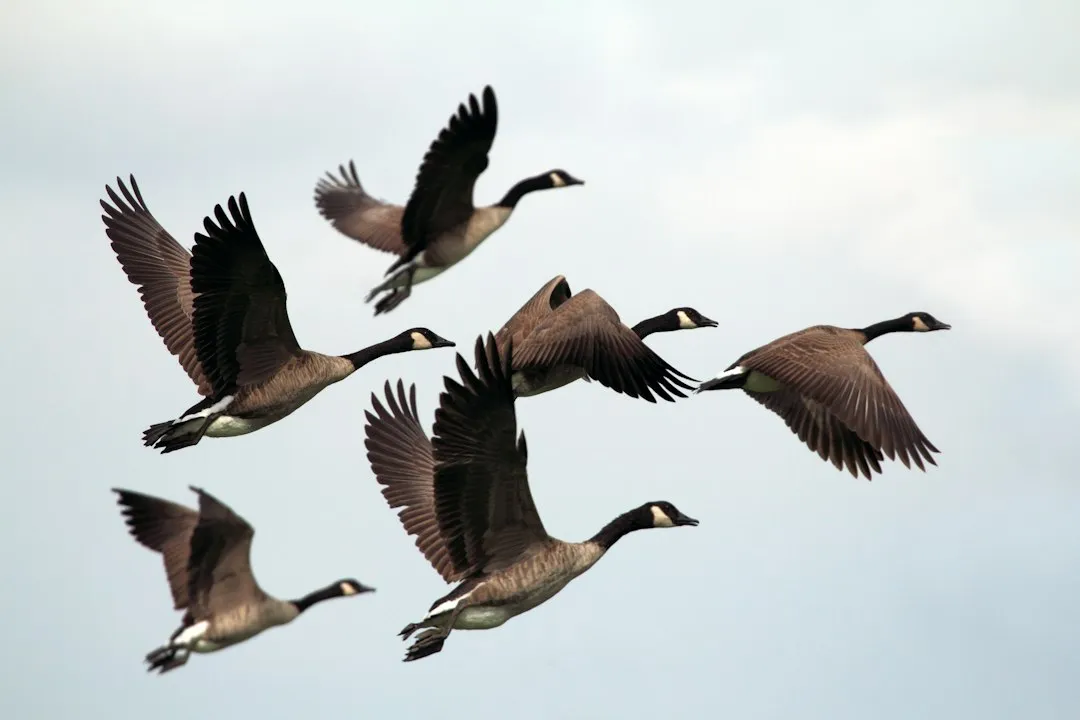
Migratory birds seem to carry a built-in compass. Research suggests many species can detect Earth’s magnetic field and use it to help them navigate over huge distances. How exactly they do it is still debated.
One leading idea involves light-sensitive proteins in the eye, which could let birds effectively see magnetic information. Other work points to iron-based sensors elsewhere in the body. The honest answer is that scientists haven’t fully settled it, and that’s part of the appeal.
3. The Arctic Tern Makes an Epic Round Trip
🔥 Would you like to save this?
We'll email this post to you, so you can come back to it later!
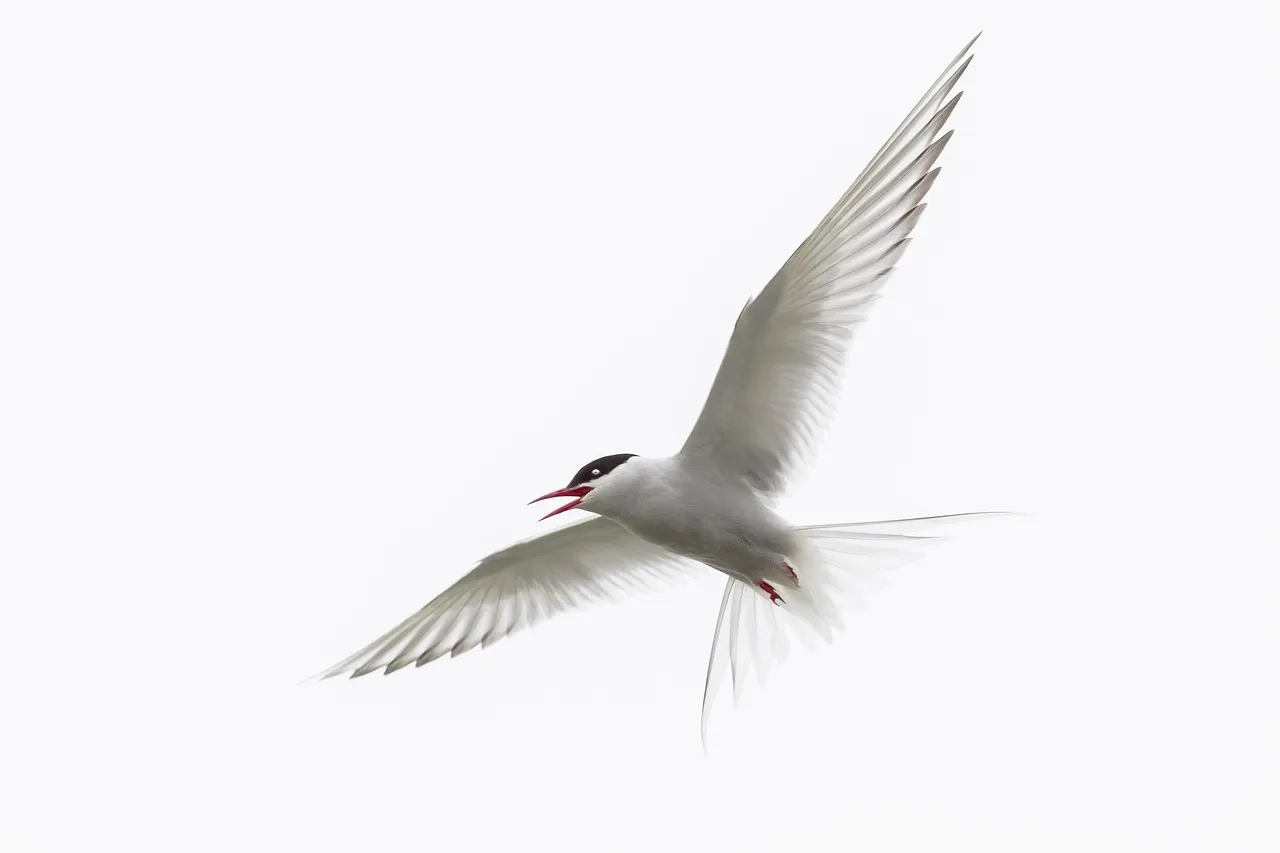
The Arctic tern is famous for the longest migration of any animal, travelling between its northern breeding grounds and the waters around Antarctica. Tracking studies have shown individual birds covering tens of thousands of kilometers in a single year. Few creatures see as much daylight as this one.
Its route isn’t a straight line either. Terns follow winding paths that take advantage of wind patterns, which makes the total distance even longer. For a bird that weighs about as much as a small handful of coins, it’s an absurd amount of travel.
4. Hummingbirds Can Fly Backward and Hover

🔥 Would you like to save this?
We'll email this post to you, so you can come back to it later!
Hummingbirds are the acrobats of the bird world. They beat their wings extremely fast and rotate them in a way that lets them hover in place and even fly in reverse. Hardly any other birds can manage that.
The payoff is feeding. Hovering lets them drink nectar from flowers without landing, and it takes a huge amount of energy. That’s why hummingbirds need to eat so often, and why they can slow their metabolism overnight to save fuel.
5. Crows and Parrots Are Remarkably Smart
🔥 Would you like to save this?
We'll email this post to you, so you can come back to it later!
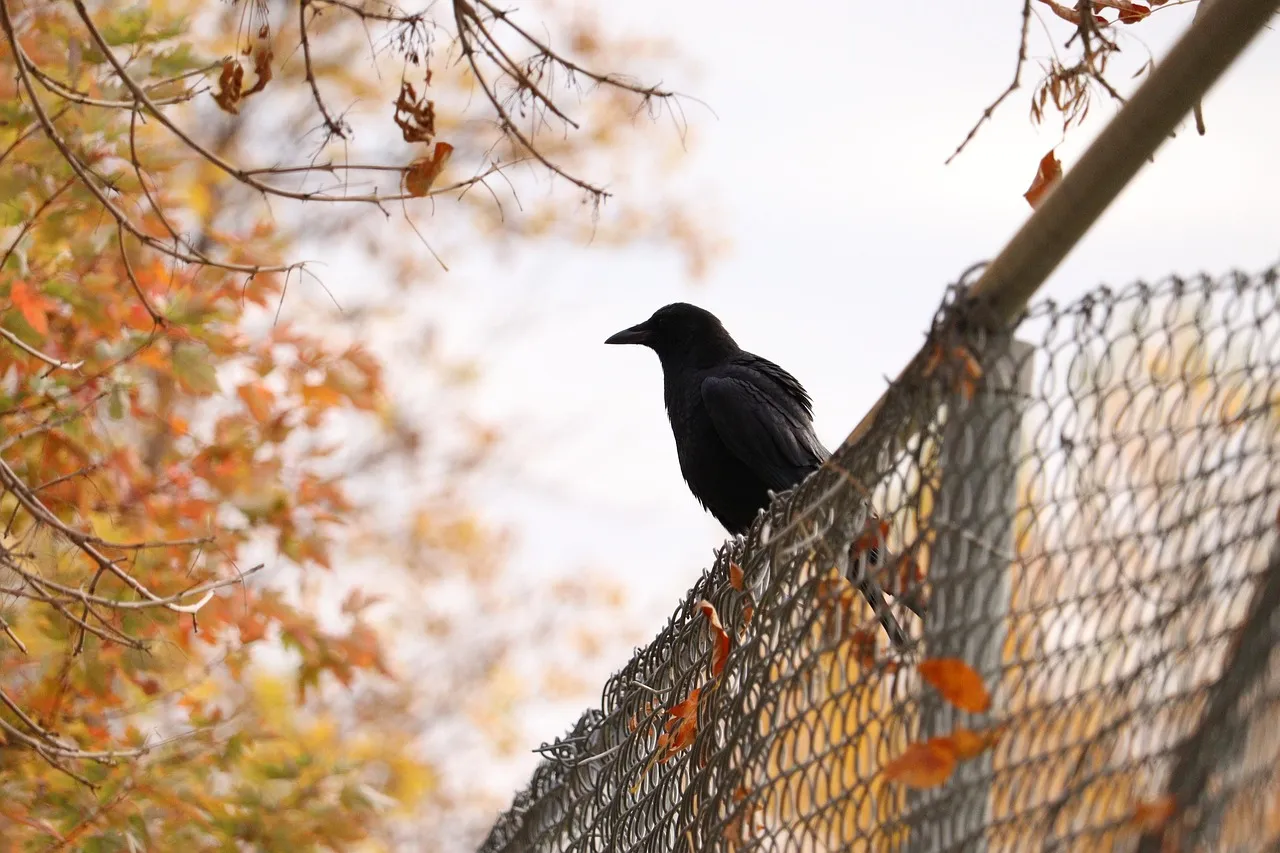
Crows, ravens, and parrots regularly show up in studies of animal intelligence. New Caledonian crows make and use tools, bending twigs or leaves into useful shapes to extract insects from crevices. Some corvids have also solved multi step puzzles in lab tests.
Their brains are small, yet they pack neurons densely, which researchers think helps explain their skills. Many people also report that crows recognize individual human faces, and studies have backed that up in certain cases. If you’ve ever felt watched by a crow, you may not have been imagining it.
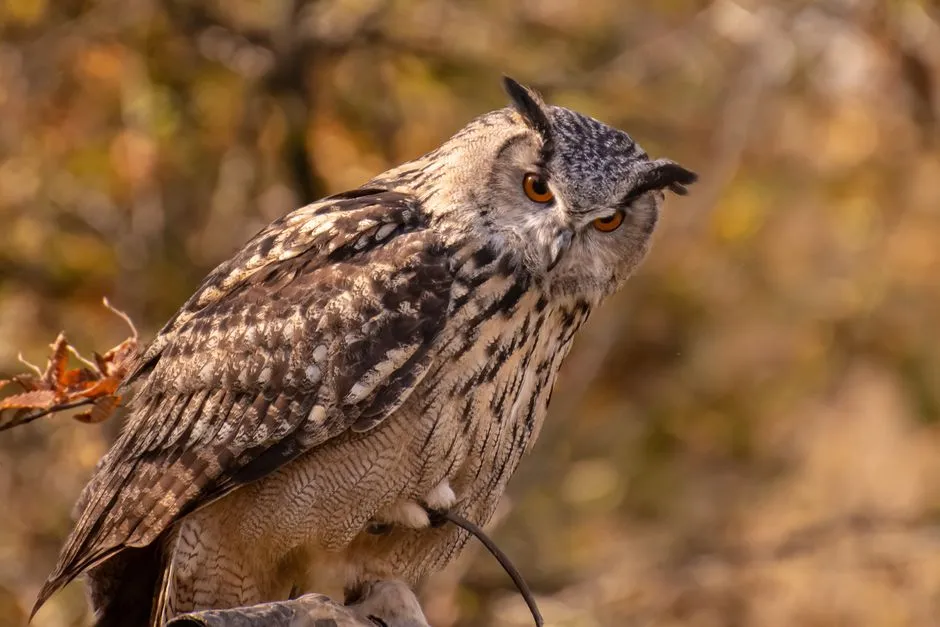
6. Owls Can’t Move Their Eyes, So They Turn Their Heads
🔥 Would you like to save this?
We'll email this post to you, so you can come back to it later!
An owl’s eyes are shaped like tubes and fixed firmly in the skull. That means it can’t glance side to side the way we do. Instead, it rotates its neck far beyond what a human could, often described as around two hundred seventy degrees.
Special adaptations in the neck’s blood vessels help protect the brain during those turns. Add forward-facing eyes and extremely sensitive hearing, and you get a hunter that’s ideal for low light. The silent flight helps too, thanks to feather edges that soften the sound of air moving past.
7. Bird Hearts and Lungs Are Built for Extremes
🔥 Would you like to save this?
We'll email this post to you, so you can come back to it later!
Bird respiration works differently from ours. Air flows through the lungs in one direction, aided by a system of air sacs, so fresh air passes over the gas exchange surfaces during both inhaling and exhaling. It’s an efficient setup for a body that demands a lot of oxygen.
That efficiency helps explain how some birds fly at astonishing altitudes. Bar-headed geese, for instance, cross the Himalayas on their migrations. Not many animals can handle air that thin while flapping hard.
8. Some Birds Are Gifted Mimics and Singers
🔥 Would you like to save this?
We'll email this post to you, so you can come back to it later!
Songbirds learn their songs in a way that resembles how human children pick up language. Young birds listen to adult tutors, practice, and gradually refine what they hear. Scientists study them for exactly that reason.
Then there are the mimics. Lyrebirds in Australia are known for imitating other birds and even sounds from their surroundings, and parrots and mynas can copy human speech. It’s impressive, though what they understand by it is a separate question that researchers are still exploring.
9. Bird Eggs Come in Wildly Different Designs

🔥 Would you like to save this?
We'll email this post to you, so you can come back to it later!
Eggs range from the tiny ones of hummingbirds to the enormous ones of the ostrich, which are the largest of any living bird. Shapes vary too. Cliff nesting birds like guillemots lay pointed eggs, which are often said to roll in a tighter arc rather than off the ledge, though researchers continue to study that idea.
Colors and patterns aren’t random either. Speckles and shades can help with camouflage, and in some species they may signal information about the egg’s origin. It’s a lot of engineering for something that fits in a nest.
10. Birds Can See More Than We Can
🔥 Would you like to save this?
We'll email this post to you, so you can come back to it later!
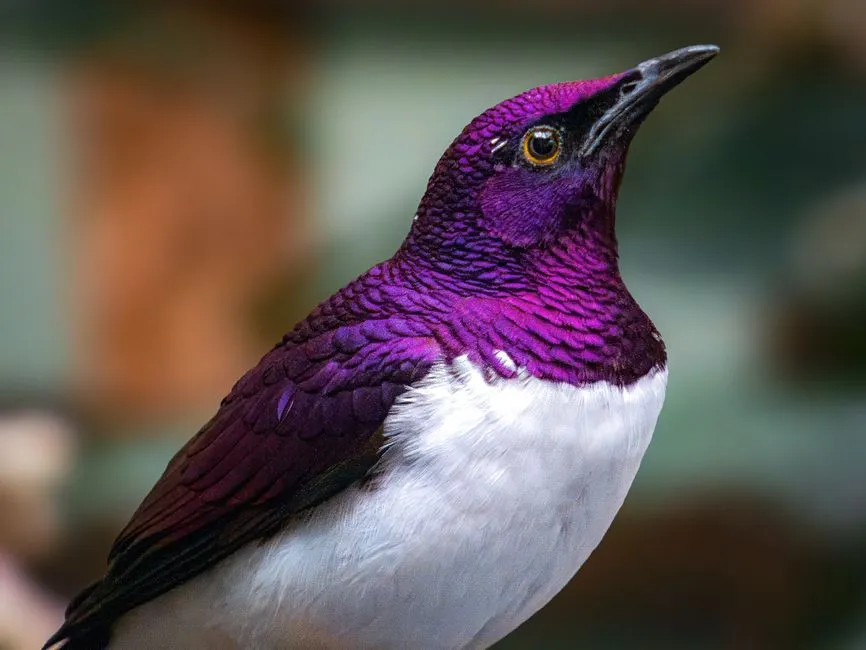
Many birds see ultraviolet light, which means the world looks richer to them than it does to us. Feathers that appear plain to human eyes can display patterns in UV, and that may matter for choosing mates. Fruits and flowers can also look different through their eyes.
Birds of prey are famous for sharp vision, and many species have a large number of color sensitive cells compared with humans. Eyes take up a big share of the space in a bird’s skull. Evolution clearly decided sight was worth the real estate.
Why Birds Deserve More of Our Attention
🔥 Would you like to save this?
We'll email this post to you, so you can come back to it later!
My view is simple: birds are the most underrated animals we share space with. They’re everywhere, free to watch, and endlessly odd once you look closely. Few wildlife experiences are that easy to reach.
So the next time one lands nearby, give it a minute. You’re looking at a dinosaur descendant with a compass, a tool kit, and a view of colors you’ll never see. That’s worth a pause, even on a busy morning.

- 7 Everyday Habits That Can Make Your Senior Dog Happier - November 5, 2026
- 10 Enigmatic Structures That Continue to Puzzle Scientists Today - November 5, 2026
- 10 Strange Ruins in the Americas That Challenge What We Know About Early History - November 5, 2026