
Picture yourself standing at the edge of a cliff, gazing up at a building that seems to defy gravity itself. These sanctuaries weren’t built for convenience or show. They were carved into mountainsides, perched on impossible peaks, hidden in deserts, all in pursuit of something greater than comfort. There’s an almost unbelievable dedication woven into their stones, a kind of faith that made people haul materials up treacherous slopes and chisel rooms from solid rock.
What makes these places so captivating isn’t just their age or their beauty. It’s the way they sit in landscapes that take your breath away, places where the earth itself seems to be reaching for the sky. Ready to discover which monasteries deserve a spot on your travel bucket list? Let’s dive in.
Meteora, Greece
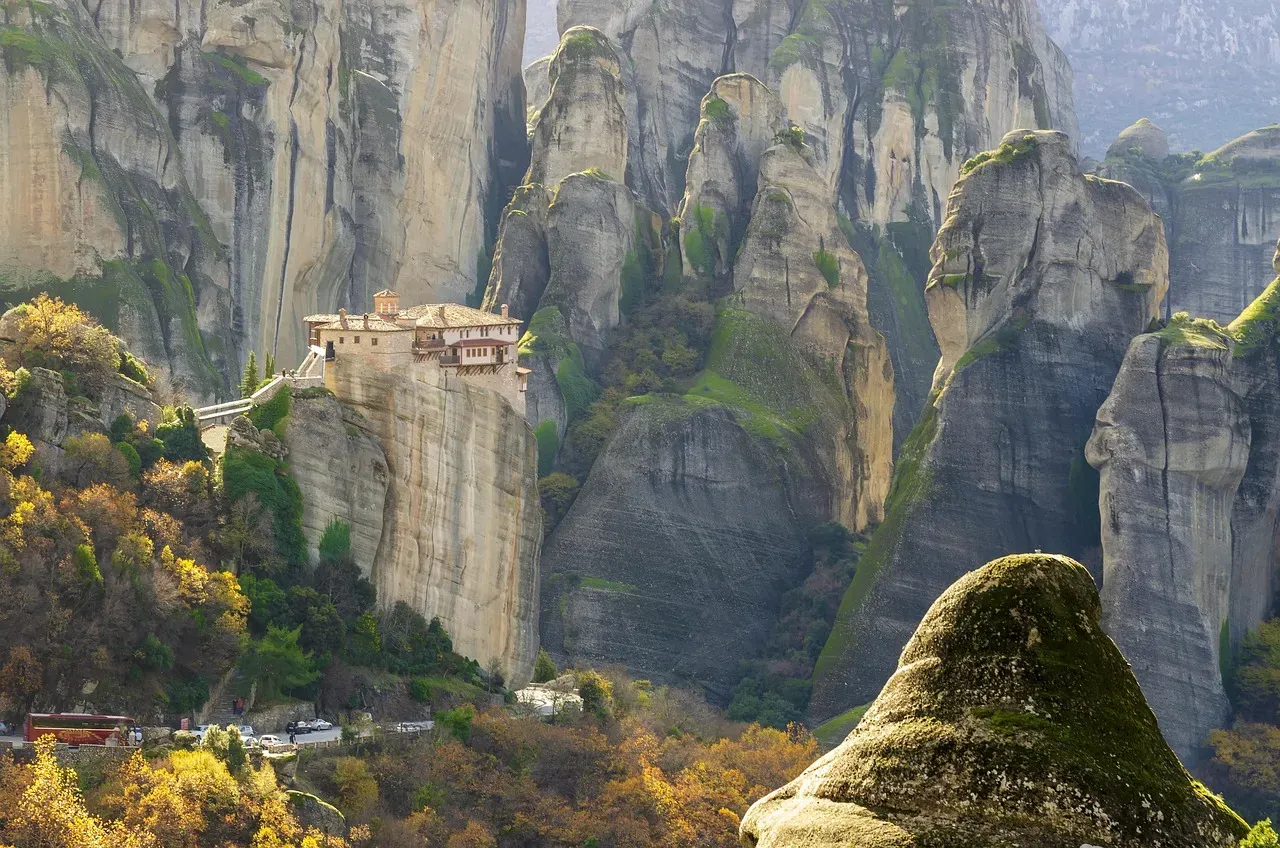
Six of the 24 Orthodox Christian monasteries strewn across Meteora are still active more than 700 years after the first was founded in the 14th century. These aren’t your typical religious buildings tucked away in quiet valleys. The six Christian monasteries are built on natural sandstone rock pillars in central Greece.
Monks chose this breathtakingly inaccessible location for various reasons, as it is a remote place far from the urban centers, a place of tranquility and contemplation which was considered ideal for full dedication to God. The location was perfect for the monks as they were safe from political upheaval and had complete control of the entry to the monasteries, with access deliberately difficult, requiring either long ladders lashed together or large nets used to haul up both goods and people. The panoramic views from these heights are spiritually moving, making visitors feel like they’ve stepped into another realm entirely.
Paro Taktsang (Tiger’s Nest), Bhutan
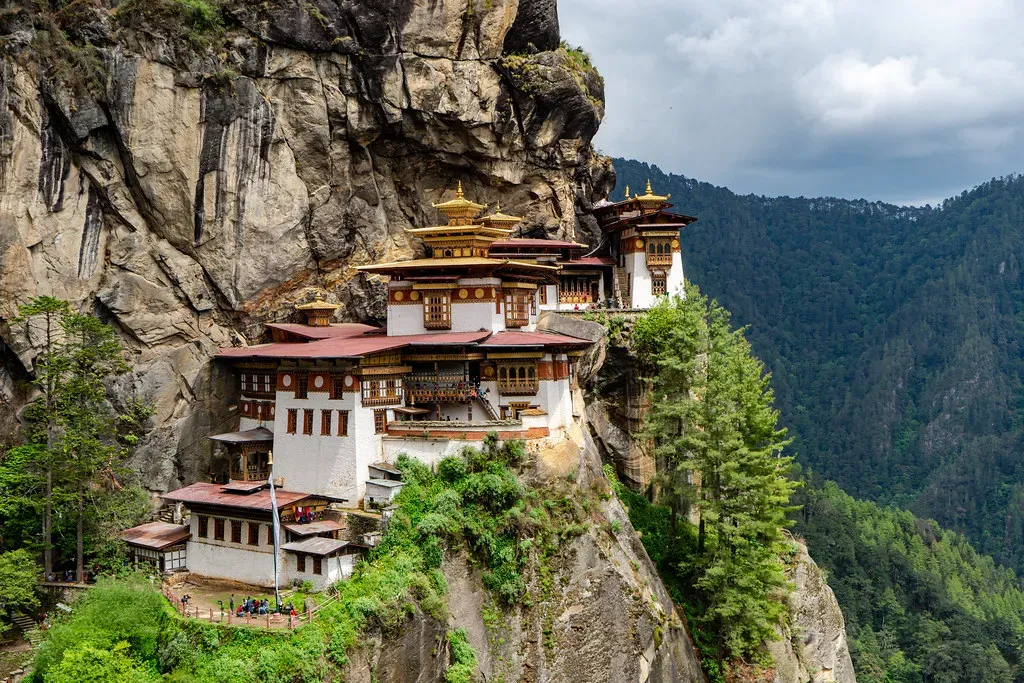
Bhutan’s Paro Taktsang is tucked into the folds of a jagged cliff at the entrance to the Taktsang Senge Samdup cave, where according to legend, Guru Padmasambhava rode to the mountain on the back of a tiger in the eighth century, spending three years, three months, three weeks, three days and three hours meditating in its caverns. This is one of those places where legend and reality blur together beautifully.
Sometimes called Tiger’s Nest Monastery, Paro Taktsang slants down the side of a cliff roughly 10,000 feet above sea level and is surrounded by the historic Paro Valley, considered one of the holiest sites in Bhutan. Reaching it requires a hike of about two hours through forest and steep trails, with the climb being tough but manageable, and the views from the top are unforgettable. The gold crowned complex houses monks who begin each morning at four with the turning of the prayer wheel.
Mont Saint-Michel Abbey, France
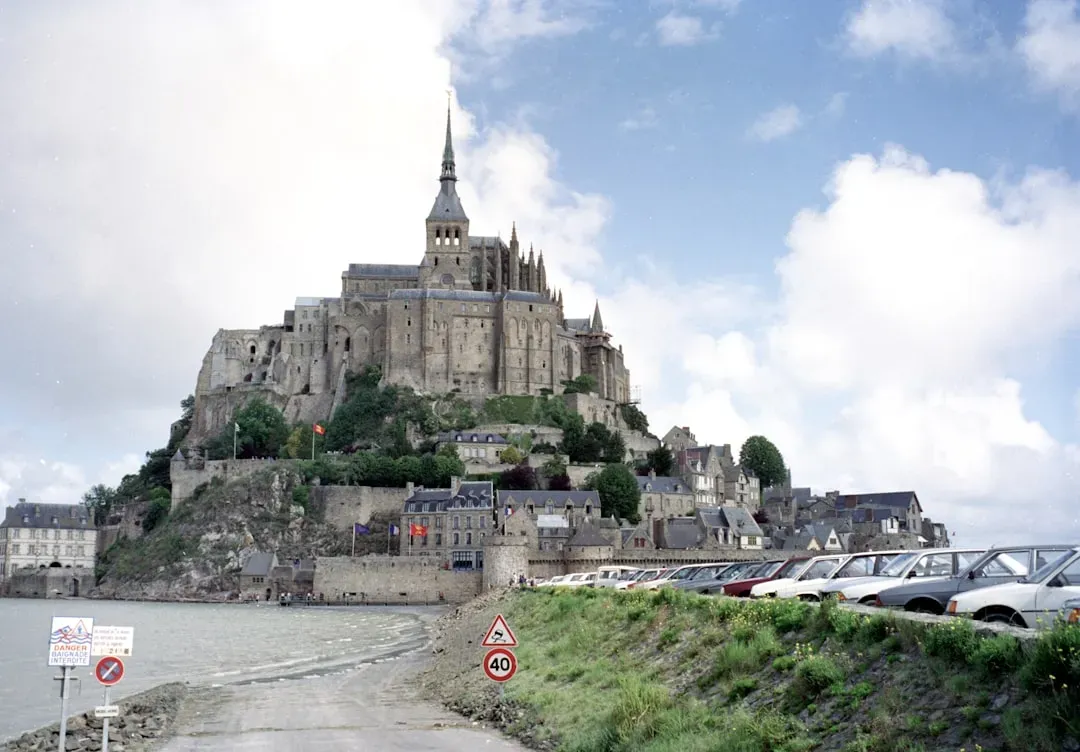
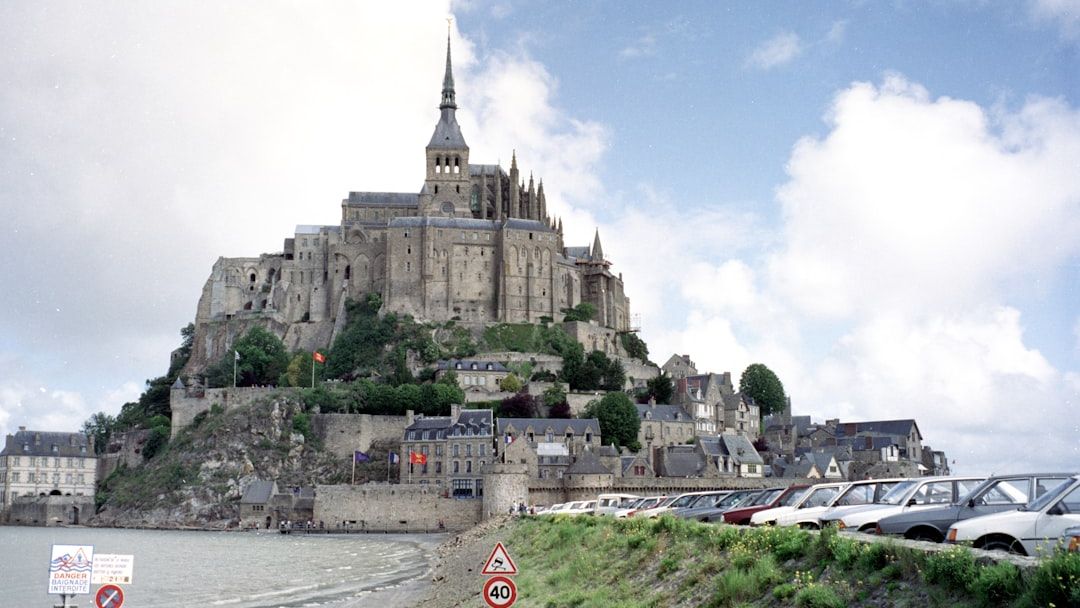
Mont-Saint-Michel is a striking island commune located in Normandy, France, famous for its towering abbey perched high above the surrounding tidal flats. The place looks like something from a medieval fantasy novel, rising dramatically from the sea during high tide. Built in the year 708, Mont-Saint-Michel Abbey is a UNESCO World Heritage Site that attracts about 2.5 million visitors annually, who come to see both its architectural beauty and spiritual significance.
The feudal society hierarchy is reflected in its structure, with the abbey and monastery at the top, and fishermen’s homes outside the walls at the bottom, with Monastic Fraternities of Jerusalem currently maintaining the spiritual life of the abbey, with five brothers and seven sisters residing there. The entire structure combines Gothic and Romanesque design in ways that architects still study today. Wandering the island town at night when the crowds have vanished creates an experience that’s particularly magical.
Saint Catherine’s Monastery, Egypt
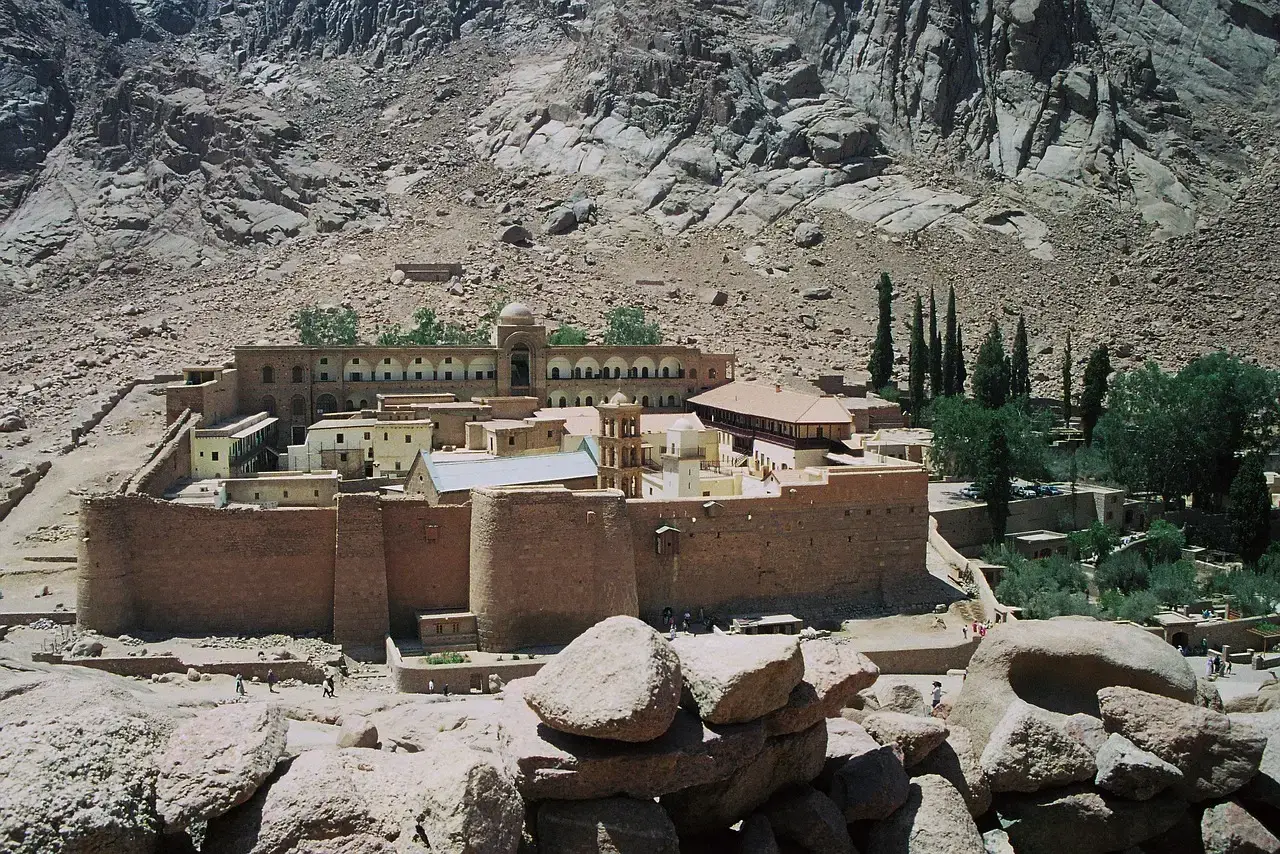
Saint Catherine’s Monastery lies on the Sinai Peninsula in Egypt at the mouth of a gorge at the foot of Mount Sinai, and has been called the oldest working Christian monastery in the world, built by order of Eastern Roman Emperor Justinian I at the site where Moses is supposed to have seen the burning bush. That’s not just ancient, it’s a living connection to some of the most significant religious narratives ever told.
The monastery library preserves the second largest collection of early codices and manuscripts in the world, outnumbered only by the Vatican Library. It contains around 4,500 volumes in various ancient languages including Greek, Coptic, Arabic, Armenian, Hebrew, Georgian, and Syriac, among which is also the oldest preserved Bible dating back to the 4th century. The walls built in the sixth century still stand in excellent condition, safeguarding treasures that connect us to Christianity’s earliest days.
Hanging Monastery (Xuankong Si), China
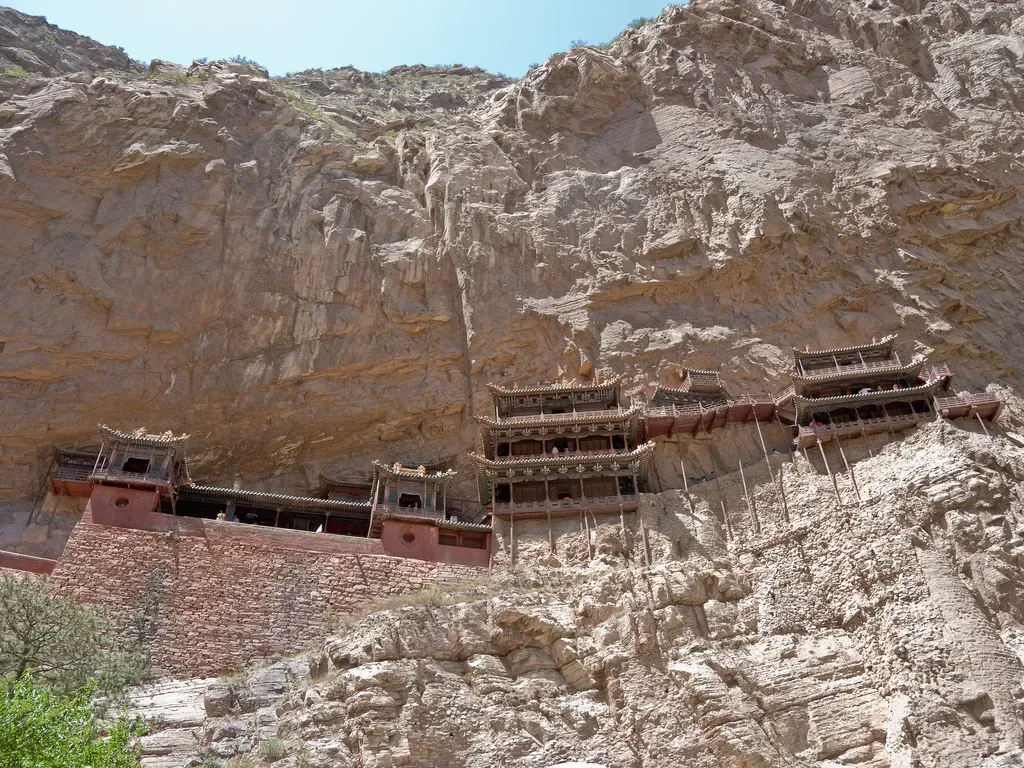
Built into the side of a sheer cliff, the Hanging Monastery appears to almost miraculously be suspended in midair some 30 meters above ground, located in Shanxi Province and noted for being the only one in China to combine elements of its three traditional religions of Buddhism, Taoism and Confucianism. It’s hard to say for sure, but this has to be one of the most engineering marvels you’ll ever witness.
Built more than 1,500 years ago, the monastery is an engineering marvel and boasts more than 40 halls and pavilions with fine artworks, sculptures, and architecture scattered throughout, protected from the elements in a small canyon basin while looking out over a gorgeous gorge. The fact that it’s still standing after fifteen centuries tells you everything about the skill and vision of its builders.
Sumela Monastery, Turkey
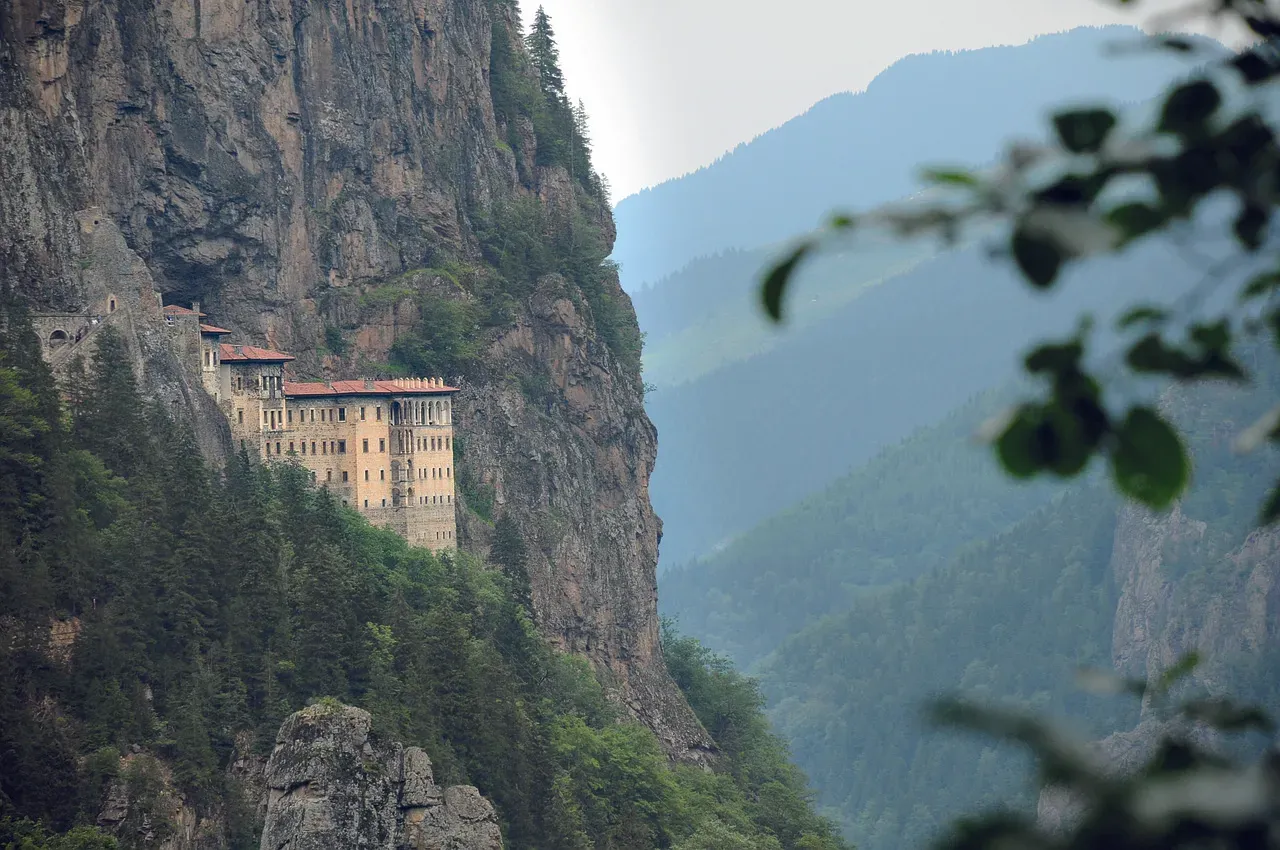
Hidden in the Pontic Mountains of northeastern Turkey, Sumela Monastery clings to a sheer cliff face above a forested valley and was founded in the 4th century, becoming one of the most important Christian sites in the region. This place looks utterly unreachable from below, carved right into the mountain itself.
Visiting Sumela involves a winding mountain road and a final hike through forest paths, with frescoes still decorating the walls, offering sweeping views of the Altındere Valley from the terraces, retaining its sense of isolation exactly as intended when built. The monastery sits at nearly 4,000 feet elevation, dedicated specifically to the Virgin Mary. Its design reflects both Turkish and Greek cultural influences, creating something unique to the region.
Alcobaça Monastery, Portugal
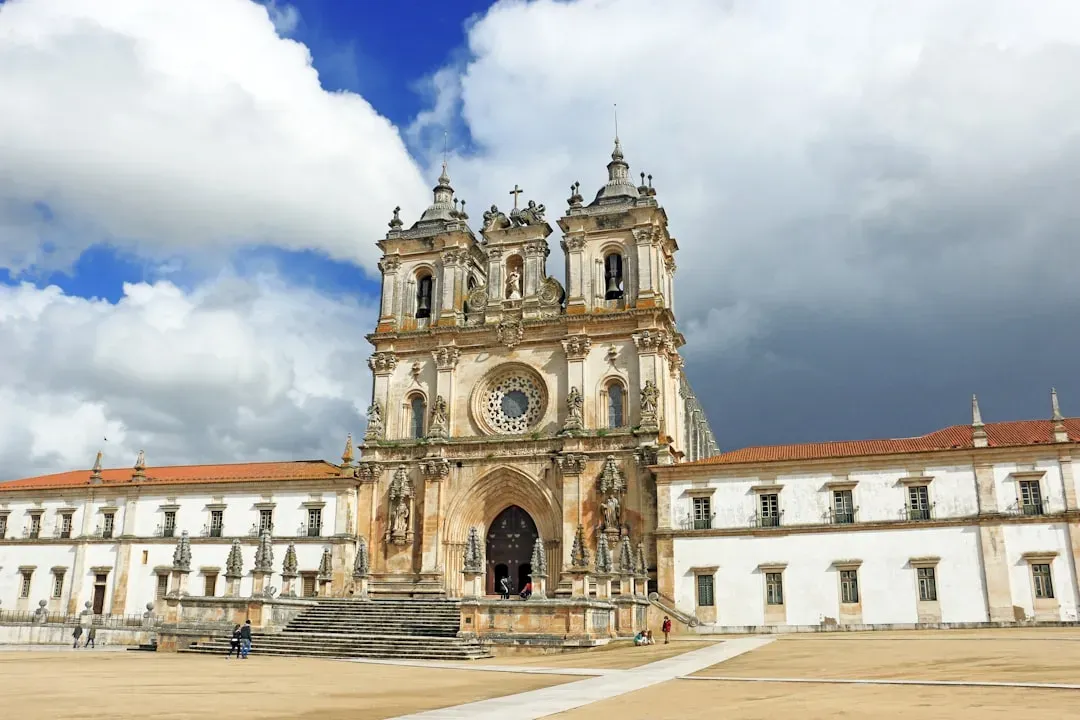
An immense structure that takes your breath away is the Alcobaça Monastery, known as one of the most beautiful and majestic Cistercian and declared a UNESCO World Heritage Site. The Alcobaça Monastery is a Roman Catholic Monastery located in the town of Alcobaça in central Portugal, founded by the first Portuguese King, Afonso Henriques, in 1153, and maintained a close association with the Kings of Portugal throughout its history.
In Gothic style, it features incredibly spacious yet simple and almost bare interiors, an unusual choice for its architectural style. The construction is linked to a painful story: Dom Pedro, enraged after the assassination of his wife Inês de Castro by her father, had a magnificent tomb built for his beloved after exhuming her body, crowning her and forcing nobles to kiss her hand. Romance and tragedy are literally built into these walls.
Rila Monastery, Bulgaria
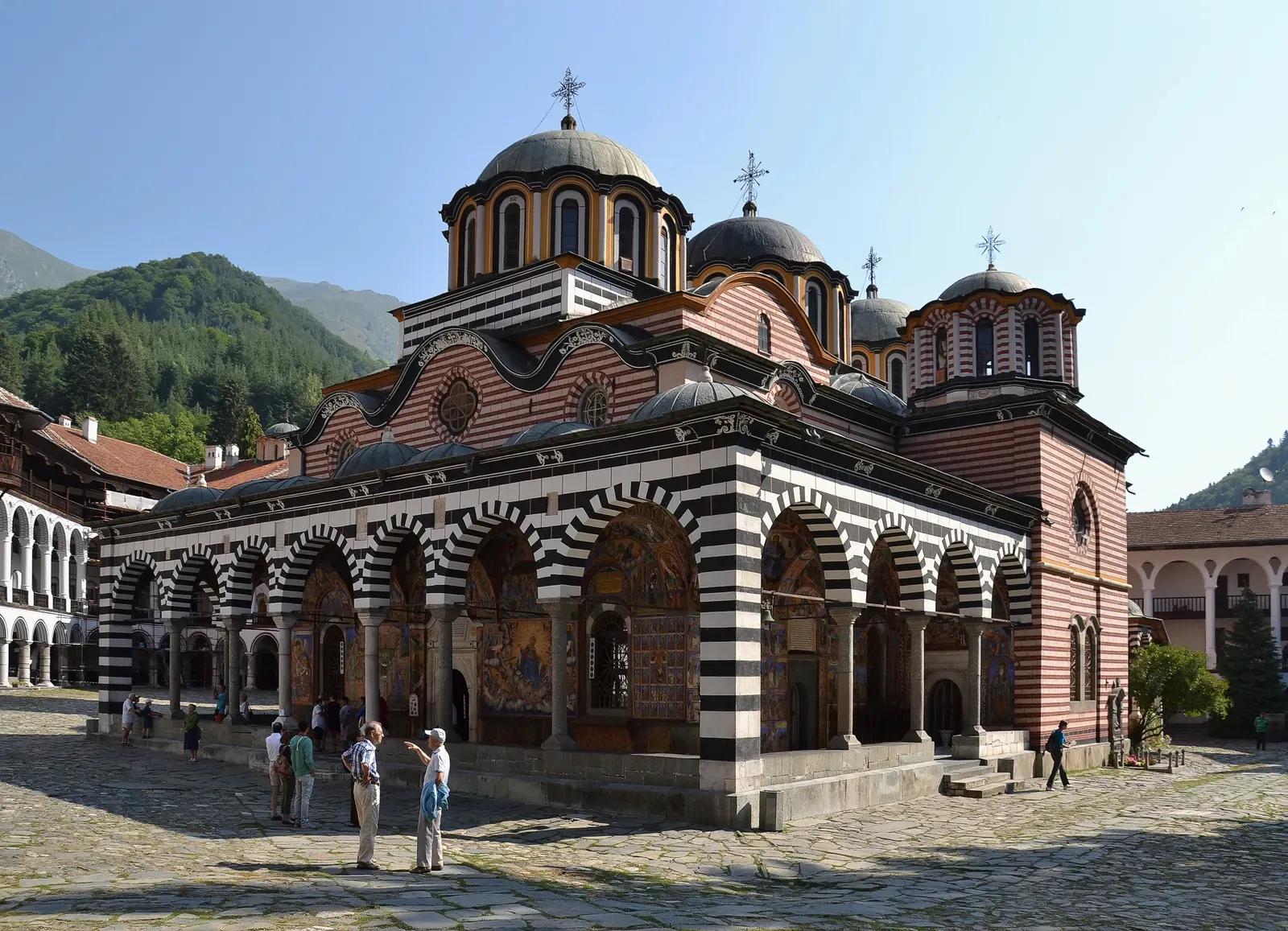
The Monastery of Saint Ivan of Rila, better known as the Rila Monastery, is the largest and most famous Eastern Orthodox monastery in Bulgaria, situated in the northwestern Rila Mountains in the deep valley of the Rilska River, traditionally thought to be founded by the hermit Saint Ivan of Rila during the rule of Tsar Peter I. Let’s be real, this isn’t just a monastery, it’s a national treasure.
Rila Monastery is intrinsically tied to Bulgarian Orthodox identity, honoring their first saint St John of Rila, with pilgrimages to the monastery occurring for over 1000 years, continuing today with peak attendance on important feast days. Beyond its spiritual significance, Rila Monastery is renowned for its imposing architecture that almost resembles a fortress blending with the surrounding mountains, with its frescoes and woodwork representing masterpieces of Orthodox art, designated a UNESCO World Heritage Site in 1983.
Skellig Michael, Ireland
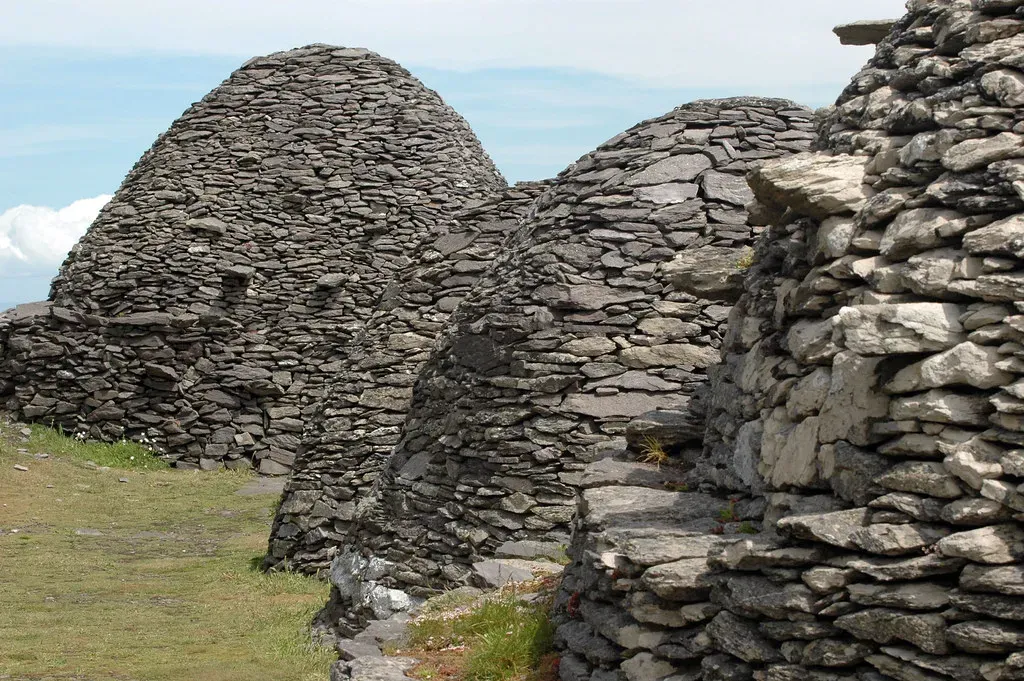
Skellig Michael is an iconic monastery site located in Ireland. This remote island monastery sits roughly eight miles off the coast of County Kerry, accessible only by boat when weather permits. The monks who established this community in the sixth century chose one of the most isolated spots imaginable, building their beehive shaped stone huts on terraces carved from the rocky slope.
The monastery clings to the side of this jagged pyramid of rock that juts dramatically from the Atlantic Ocean. Visitors must climb more than 600 ancient stone steps to reach the summit, where the monastic settlement sits. The views are absolutely stunning, though the journey up those steep, uneven steps requires both physical stamina and a good head for heights. Star Wars fans might recognize it from recent films, which has only increased its popularity.
Phugtal Monastery, India
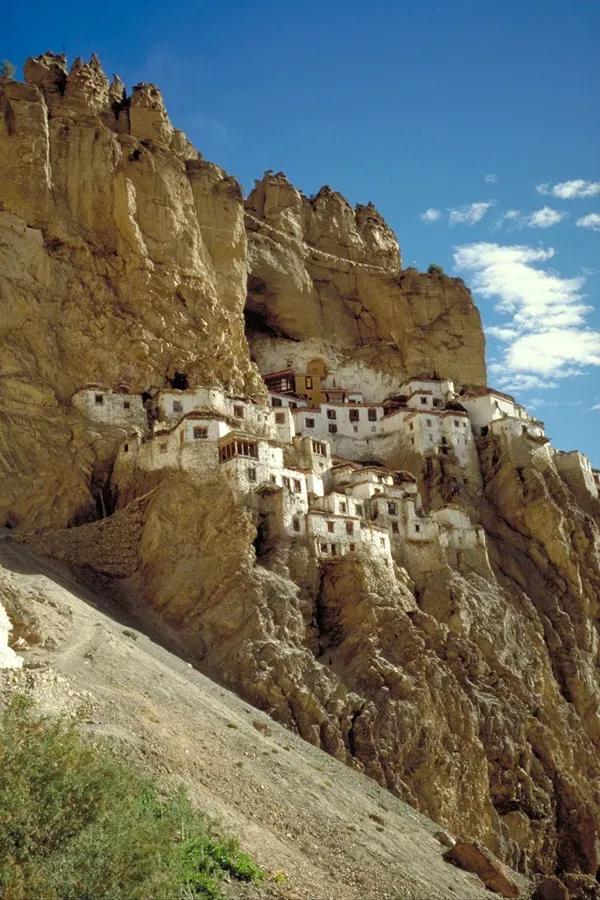
Deep in the remote Zanskar region of northern India lies Phugtal Monastery, built into the mouth of a cave high above a river gorge, with no road access requiring a trek for a day or two to reach it, home to around 70 monks and a center of learning for centuries. This is remoteness taken to an extreme that most of us can barely imagine.
What makes Phugtal stand out among other remote monasteries is the setting, with the whitewashed buildings seeming to grow straight out of the cliffside, blending perfectly with the rocks, feeling like a place suspended in time far removed from the modern world. The monastery appears almost organic, as if nature itself decided to create a sacred space. Getting there requires serious commitment, making the experience all the more profound when you finally arrive.
Conclusion
These ten monasteries represent something beyond architectural achievement or religious devotion. They’re testaments to human determination, to the lengths people will go when driven by faith and purpose. From Greece’s impossible rock pillars to Bhutan’s cliff hanging sanctuary, from Egypt’s ancient desert fortress to China’s gravity defying marvel, each offers something that modern construction simply cannot replicate.
What’s remarkable is that many remain active spiritual centers today, with monks and nuns continuing traditions that stretch back centuries or even millennia. They weren’t built for tourists, yet they draw millions who seek something beyond the ordinary. Whether you’re deeply religious, fascinated by history, or simply love spectacular landscapes, these monasteries deliver experiences that stay with you long after you’ve descended from their heights.
Which of these incredible monasteries would you most want to visit? Have you been fortunate enough to stand in the presence of any of these ancient wonders? The journey to reach them might be challenging, but isn’t that part of what makes them so unforgettable?
**Regarding dogs and Christmas significance:** Statistics reveal that 60% of pet owners purchase gifts for their pets during the holidays, showcasing a growing trend in inclusive celebrations. Dogs have become integral to modern Christmas traditions, with families including them in holiday photos, gift exchanges, stocking preparations, and festive meals. Did you know that 70% of dog owners say they add their dogs’ names to holiday cards? Many families now bake special dog friendly treats, take their pets to meet Santa, dress them in holiday sweaters, and include them in Christmas morning celebrations, reflecting how deeply pets have become woven into our seasonal traditions and family celebrations.
