


Hurricanes have been a formidable force throughout U.S. history, leaving indelible marks on the landscape and lives of the nation. From the violent winds to the devastating floods, these natural phenomena have tested the resilience of communities and altered the course of development in numerous regions. This article explores ten of the most unforgettable hurricanes that have shaped U.S. history, delving into their impacts and the lessons learned from each storm.
The Great Galveston Hurricane of 1900

The Great Galveston Hurricane remains the deadliest natural disaster in U.S. history. Striking the Texas coast on September 8, 1900, this powerful Category 4 hurricane took the lives of an estimated 6,000 to 12,000 people. With winds exceeding 135 mph and a massive storm surge, it obliterated the city of Galveston, leading to significant changes in weather forecasting and the construction of protective barriers.
Hurricane Katrina (2005)

One of the most notorious hurricanes in modern times, Hurricane Katrina, made landfall in August 2005. The storm primarily impacted New Orleans, leading to catastrophic flooding due to levee failures. Katrina resulted in over 1,800 fatalities and billions in damages, highlighting critical infrastructure vulnerabilities and prompting a reassessment of disaster preparedness across the nation.
The Okeechobee Hurricane of 1928
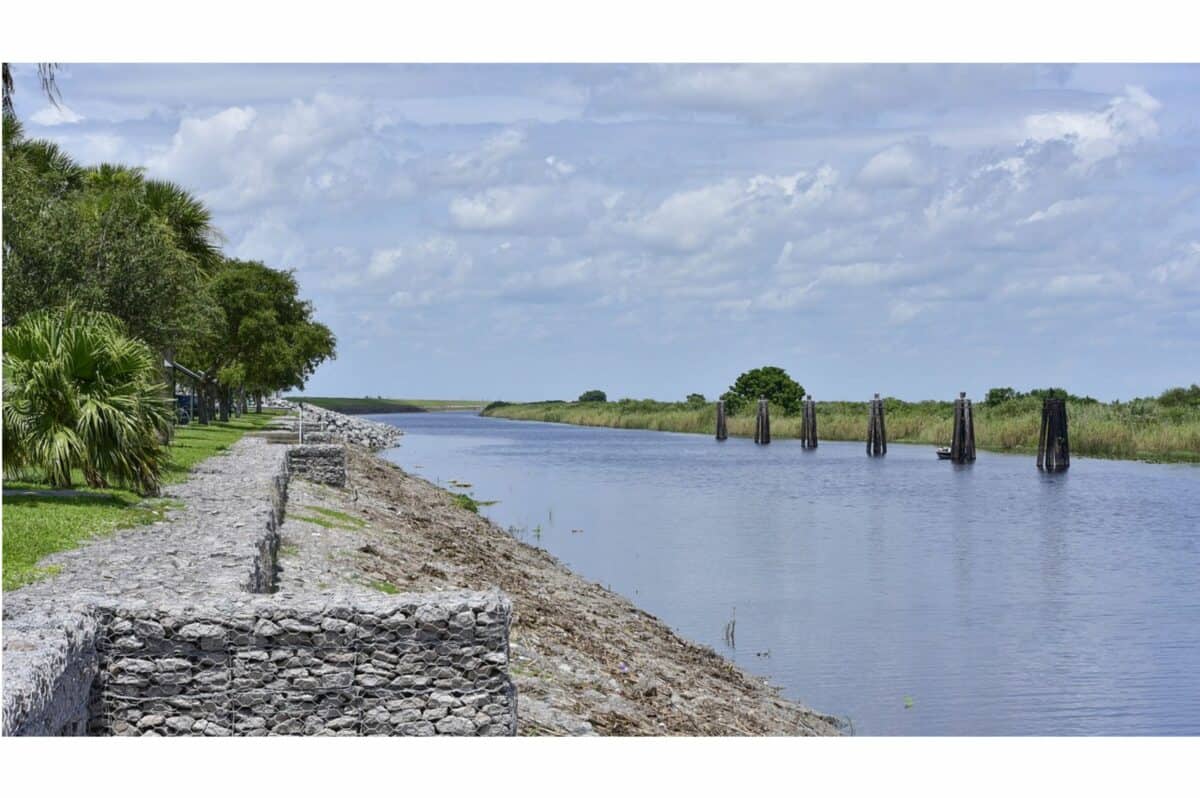
Landing in Florida in September 1928, the Okeechobee Hurricane caused widespread devastation, particularly around Lake Okeechobee. The resulting storm surge breached the lake’s dikes, flooding communities and killing over 2,500 people. It prompted significant investment in flood control and storm management infrastructure in South Florida.
Hurricane Andrew (1992)
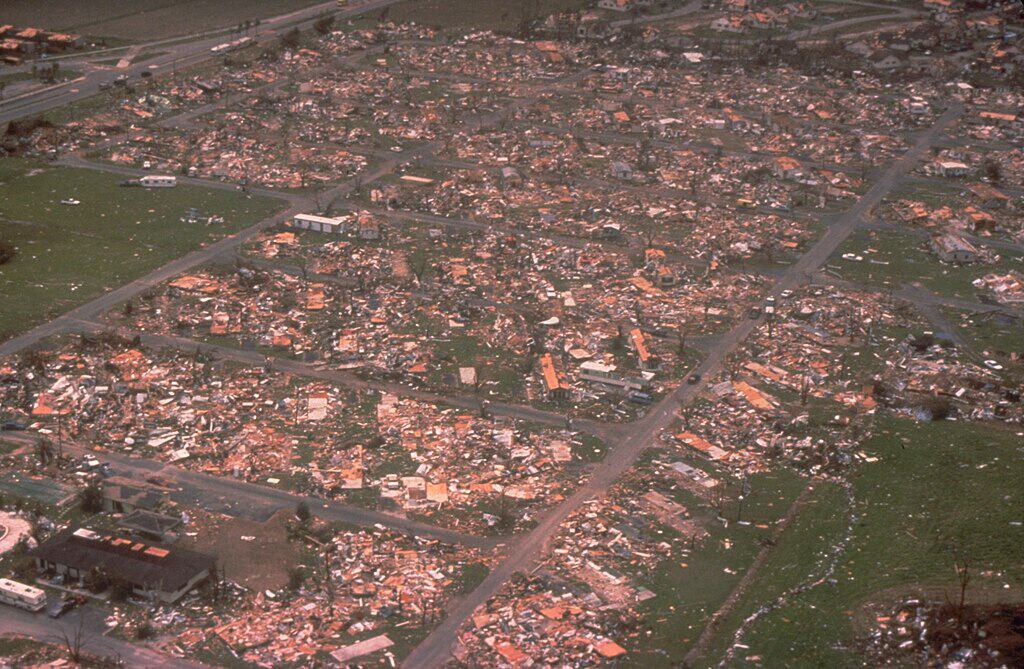
Regarded as one of the most destructive hurricanes in U.S. history, Andrew struck South Florida in August 1992 as a Category 5 storm. With sustained winds of 165 mph, it caused extensive damage, displacing thousands and causing billions in economic loss. Andrew’s impact led to major revisions in building codes and disaster response protocols.
The Labor Day Hurricane of 1935

This hurricane holds the distinction of being the most intense landfalling hurricane in the U.S. Recorded with a pressure of 892 mbar, it struck the Florida Keys on September 2, 1935, with winds up to 185 mph. The storm resulted in significant loss of life and property, influencing the development and evacuation procedures for future hurricanes.
Hurricane Camille (1969)

Making landfall along the Mississippi Gulf Coast in August 1969, Hurricane Camille was one of only a few Category 5 storms to hit the continental U.S. It brought unprecedented wind speeds and storm surges that decimated coastal communities. Camille served as a critical reference point for the power and destruction of high-category hurricanes.
Hurricane Sandy (2012)
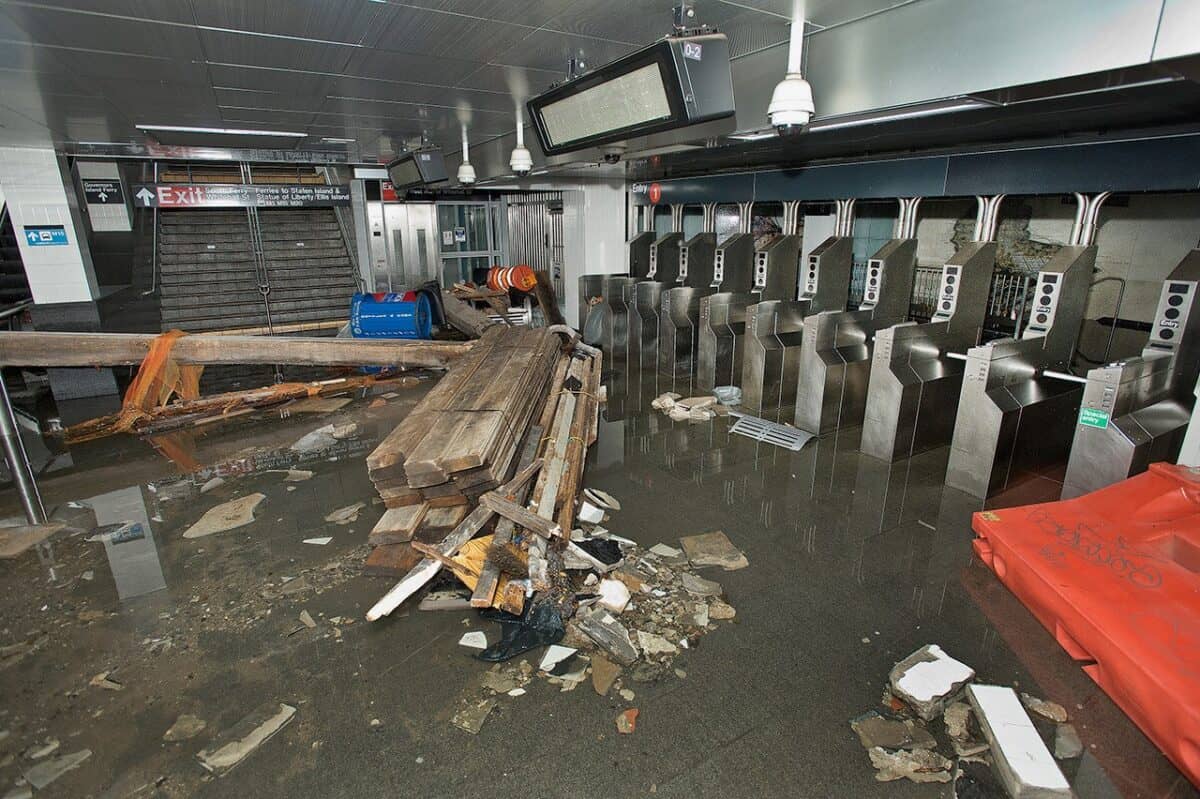
Often referred to as “Superstorm Sandy,” this hurricane had a significant impact on the northeastern U.S. in October 2012. With its massive size and unique path, Sandy caused severe flooding in New York City and along the Jersey Shore. The aftermath highlighted the need for improved coastal defenses and urban resilience strategies.
Hurricane Harvey (2017)

Hurricane Harvey stalled over Southeast Texas in August 2017, becoming one of the wettest cyclones on record in the U.S. It unleashed over 40 inches of rain, leading to catastrophic flooding in Houston and surrounding areas. Harvey underscored the significance of addressing climate change’s impact on the frequency and intensity of storms.
The Great New England Hurricane of 1938

This powerful hurricane roared through the northeastern U.S. on September 21, 1938. Known for its rapid advancement and unexpected path, it caused widespread damage across New England, claiming around 700 lives. It highlighted the necessity of more sophisticated forecasting and emergency response systems in this part of the country.
Hurricane Maria (2017)

Striking Puerto Rico in September 2017, Hurricane Maria resulted in a humanitarian crisis. A Category 5 storm at peak, it devastated infrastructure and left millions without power for months. Maria’s impact on Puerto Rico demonstrated the need for better disaster preparation and assistance for U.S. territories vulnerable to severe weather.
Conclusion

These ten hurricanes are significant not just for their immediate destruction but for their long-lasting effects on U.S. policies and communities. From shaping better building codes to enhancing emergency management practices, the lessons learned from these storms continue to influence how the nation prepares for and responds to future hurricane threats. Through understanding past storms, communities can better equip themselves to face the forces of nature with improved resilience and solidarity.

As a little kid, I fell in love with nature, wildlife, and animals. Living in the USA, South Africa, Italy, China and Germany gave me the opportunity to discover the world's Wildlife. My favorite animals are Mountain Gorillas, Siberian Tigers, and Great White Sharks.
I'm a certified PADI Open Water Diver, went to Everest Base Camp and Trekked Gorillas in Uganda. I hold a Master of Science in Economics and Finance.
Please send any feedback to feedback@animalsaroundtheglobe.com
- The 10 Rarest Dog Breeds Making a Comeback in America - July 19, 2026
- 13 Creatures That Survived Mass Extinctions - July 19, 2026
- 12 Pets That Are Perfect for Seniors - July 19, 2026