
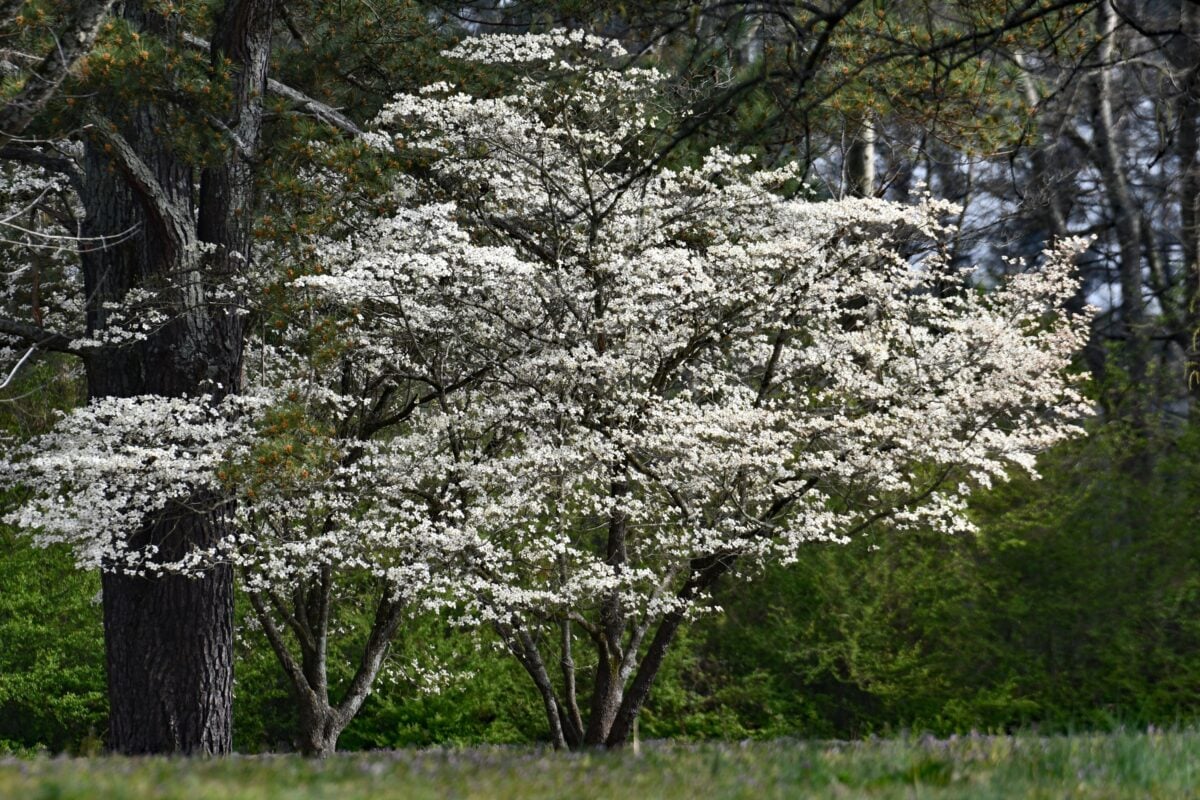
Most people fill their yards with nursery “eye candy” trees, then wonder why the birds never actually move in. The uncomfortable truth is that backyard birds are far more loyal to a small list of native trees than they’ll ever be to an imported ornamental. These are the species that grow the caterpillars, seeds, and shelter birds actually need to survive migration, nesting season, and the long stretch of winter.
Skip them, and you’re basically running a bird desert with a manicured lawn attached. Plant them, and your yard turns into a loud, feather-filled sanctuary almost by accident. Here are the 10 native trees birds end up depending on sooner or later – starting with the one most homeowners walk right past.
#10 – Serviceberry (Amelanchier): The Early-Season Lifesaver
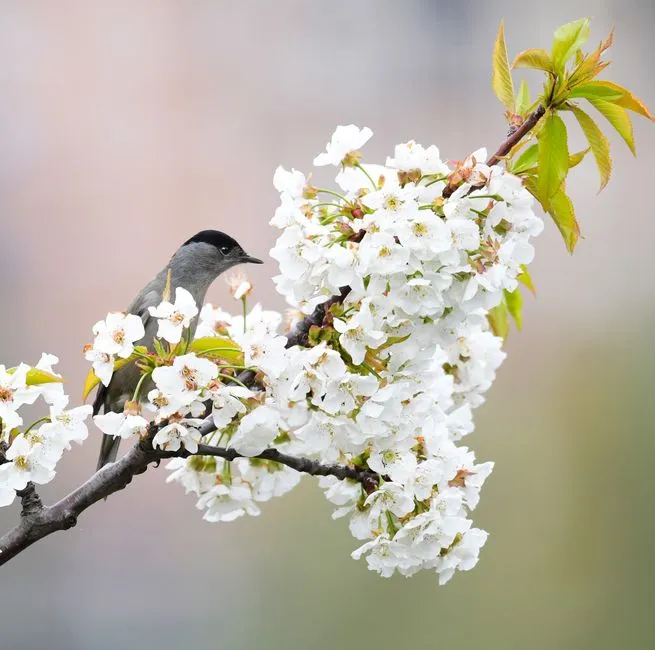
Serviceberry looks like just another pretty spring bloomer, but it quietly behaves like an emergency food bank for birds. Its white flowers open early, drawing in hungry pollinators and the insects that follow close behind. Those insects are exactly what nesting birds need the moment they land back from migration running on fumes.
Many warblers, chickadees, and robins raid serviceberry branches for soft-bodied caterpillars when almost nothing else is leafed out. Then the berries hit. In late spring to early summer, the small, deep-red to purple fruits ripen just as fledglings leave the nest and clumsily learn to feed themselves – and cedar waxwings, catbirds, orioles, and thrushes will strip a serviceberry bare in a matter of days.
Fast Facts
- Mature height: roughly 15–25 feet, easy to fit in a small or medium yard
- Bloom time: early-to-mid spring, often before the leaves fully unfurl
- Berries ripen: late spring to early summer, earning it the nickname “Juneberry”
- Native range: covers much of the eastern and central United States
#9 – Eastern Red Cedar (Juniperus virginiana): The Winter Shelter Birds Actually Use
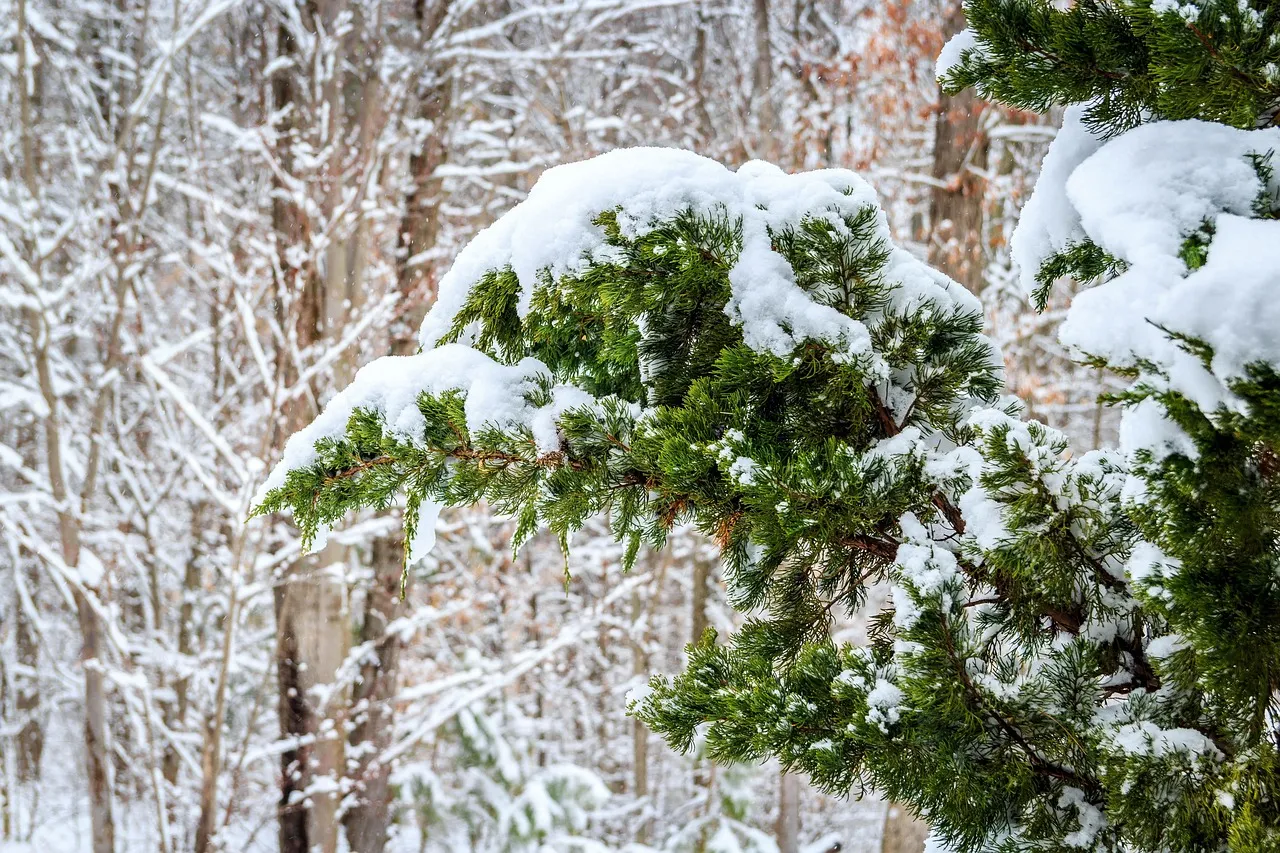
Most people write off Eastern red cedar as a “weedy” tree that pops up along fence lines. Birds treat it like a four-star winter resort. Its dense, evergreen foliage turns into instant cover the moment cold winds and hungry hawks both start hunting hard.
Flocks of sparrows, juncos, bluebirds, and cardinals dive into these trees because hawks can’t easily maneuver inside the tight branches. The bluish, berry-like cones are another reason this tree matters – cedar waxwings, robins, bluebirds, and even wild turkeys feed heavily on them once snow buries other food sources. Bird banders routinely find winter birds surviving almost entirely on juniper “berries” during lean years, while a manicured lawn nearby feeds and shelters nothing at all.
#8 – Tulip Poplar (Liriodendron tulipifera): The Hidden Caterpillar Factory
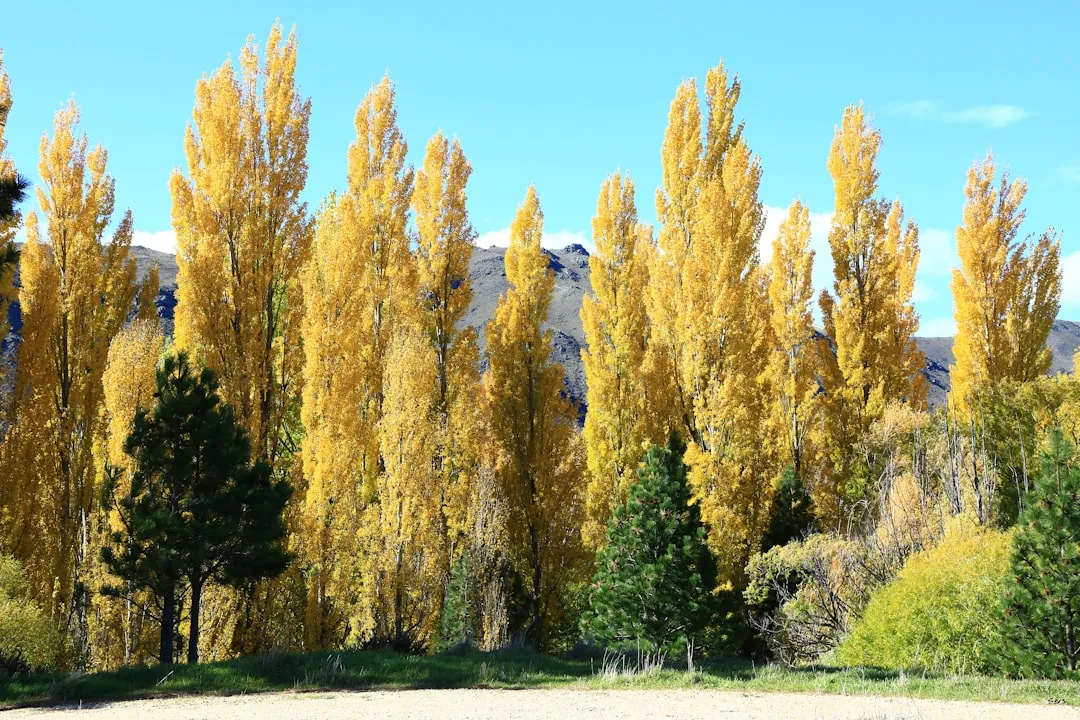
Tulip poplars grow big and fast, so homeowners tend to treat them like “utility” trees instead of wildlife all-stars. That’s a mistake. This species is one of the quiet workhorses of the Eastern forest, hosting an impressive lineup of native caterpillars, including the tulip-tree beauty moth and the Eastern tiger swallowtail.
Songbirds like titmice, chickadees, and vireos depend on these soft, protein-rich caterpillars to feed their chicks. No caterpillars, no baby birds – it really is that simple. The flowers, shaped like tiny tulips high in the canopy, drip with nectar for hummingbirds and orioles, and the cone-like seed clusters that follow feed finches and small mammals well into winter, all without a single feeder to refill.
#7 – River Birch (Betula nigra): The Water-Edge Workhorse
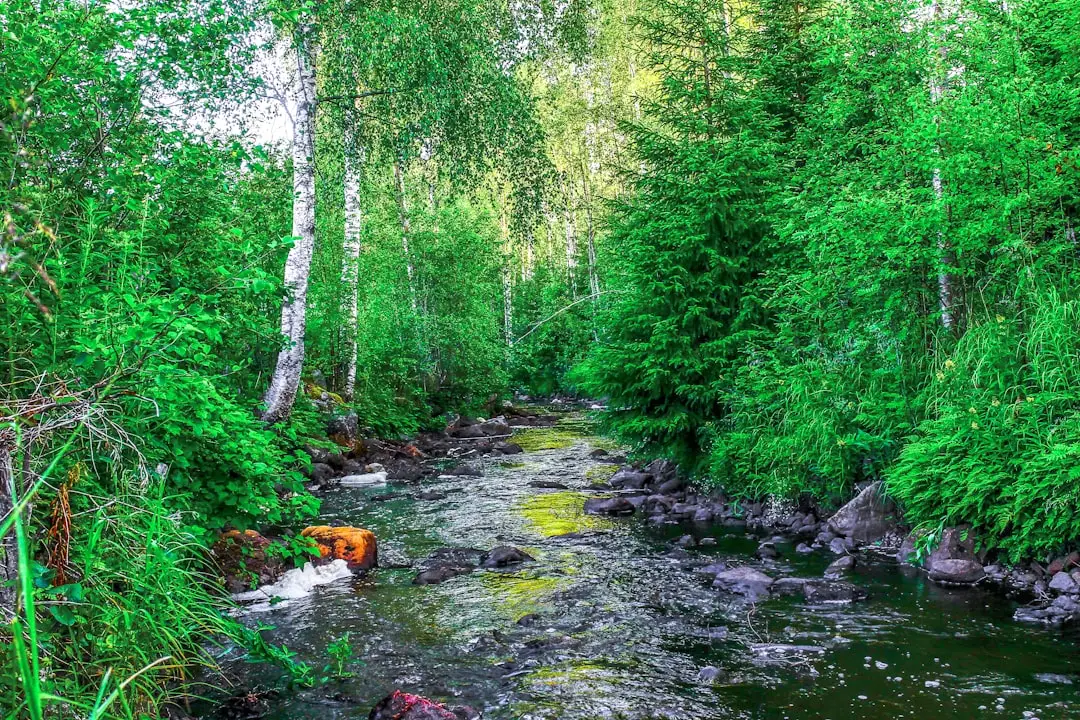
Most gardeners plant river birch for the peeling, cinnamon-colored bark and completely miss what it’s doing for birds behind the scenes. Birch species rank among the top caterpillar host trees in North America, supporting hundreds of moth and butterfly species. Warblers, chickadees, and nuthatches comb the bark and foliage relentlessly during nesting season, snapping up inchworms and leaf-rollers that specialize on birch leaves.
River birch also thrives in soggy or compacted suburban soils where other trees sulk and struggle. Its seeds, tucked into small cone-like catkins, are favorites for finches, siskins, and sparrows, while the shaggy, multi-trunked bark creates nooks for spiders and other invertebrates that lure bark-gleaning birds in for a closer look.
#6 – American Holly (Ilex opaca): The Year-Round Security System
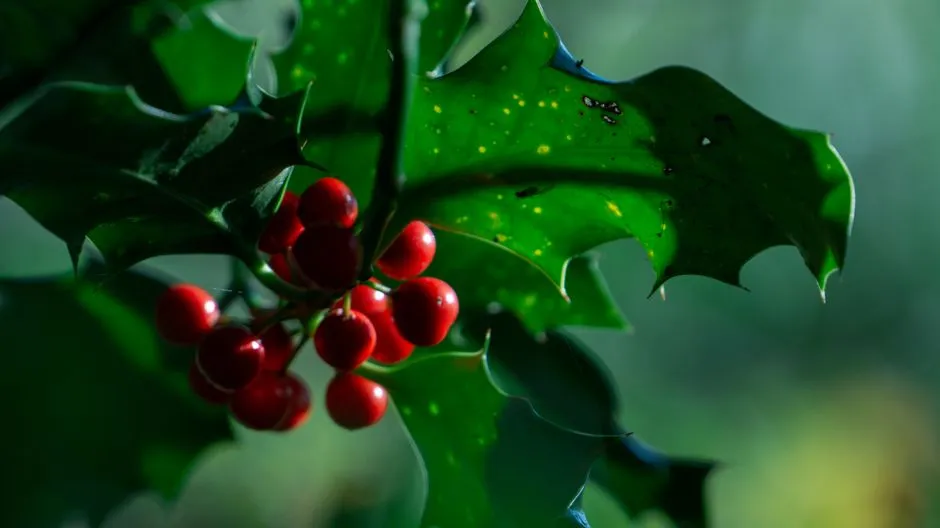
American holly is more than just “Christmas decor on a trunk.” Its sharp, evergreen leaves create one of the best natural safe rooms a small bird can find. Wrens, kinglets, and sparrows frequently roost inside holly trees on bitter nights because predators hate navigating those spiny leaves. Without dense evergreens like this, a backyard is basically wide open to every neighborhood Cooper’s hawk.
Then there are the berries. On female trees, red berries can hang on deep into winter, right when other fruit sources have already vanished. Hermit thrushes, mockingbirds, robins, and bluebirds all zero in on a heavily loaded holly, sometimes defending it like a personal stash – proof that this old-fashioned tree still earns its keep.
Worth Knowing
- American holly typically reaches 15–30 feet tall, taller in ideal conditions
- Only female trees produce berries, and they need a male tree nearby to pollinate
- The leaves stay evergreen year-round, offering shelter even in the dead of winter
- It’s slow-growing but long-lived, often thriving for a century or more once established
#5 – Hackberry (Celtis occidentalis): The Underrated Bird Magnet
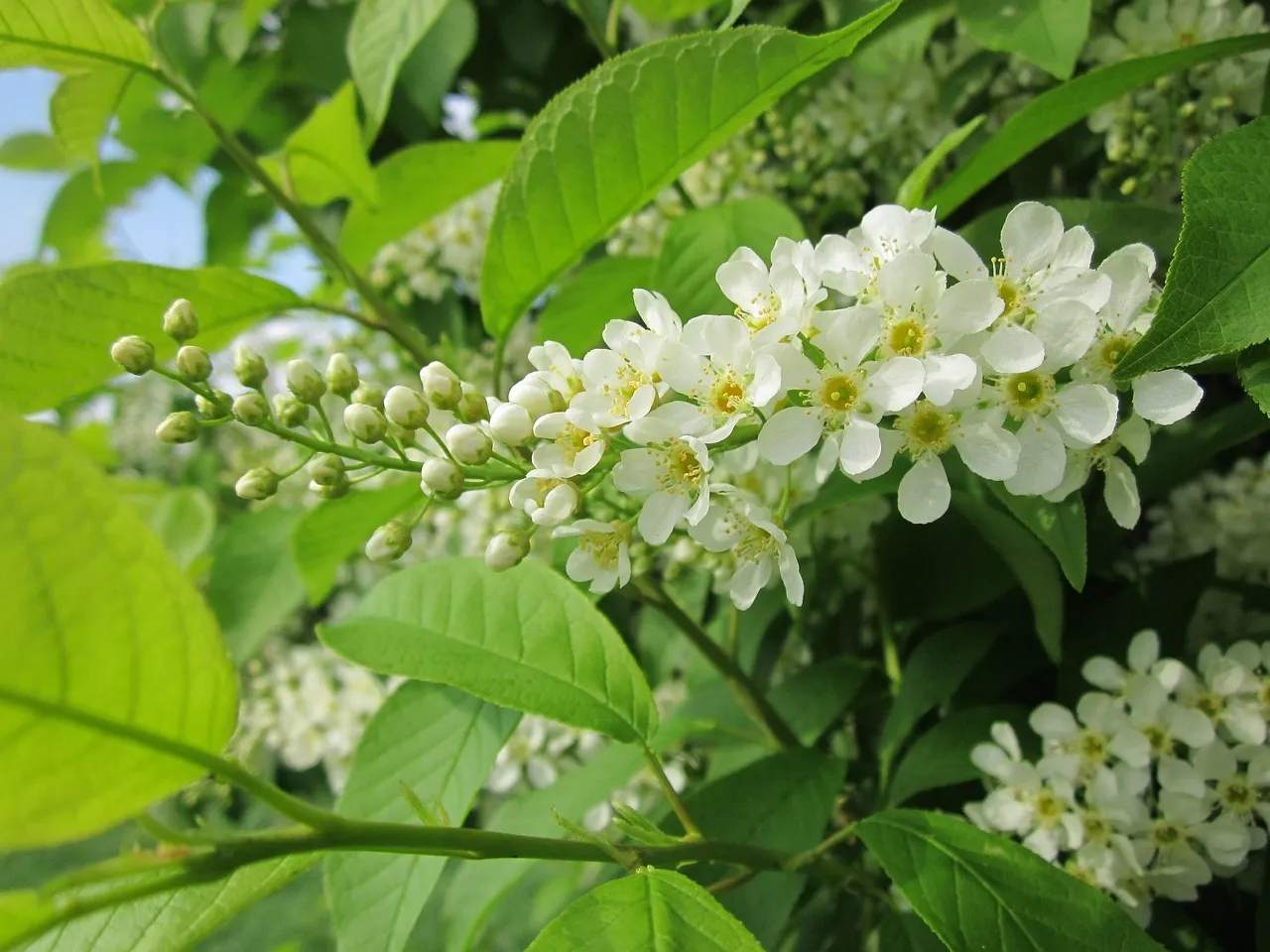
If there’s one tree that proves how bad humans are at judging “good” trees, it’s hackberry. Homeowners think it looks plain, even messy. Birds think it’s phenomenal. Hackberry is a serious caterpillar host – snout butterflies, mourning cloaks, and a whole suite of moths rely on it.
Those caterpillars, plus leafhoppers and scale insects, turn hackberry into an insect buffet that insectivorous birds hammer all season long. The small, dark purple fruits ripen late and hang through winter, exactly when other options are thinning out, drawing in cedar waxwings, mockingbirds, and flickers long after flashier berry trees have gone empty.
#4 – Sycamore (Platanus occidentalis): The Apartment Complex for Cavity Nesters
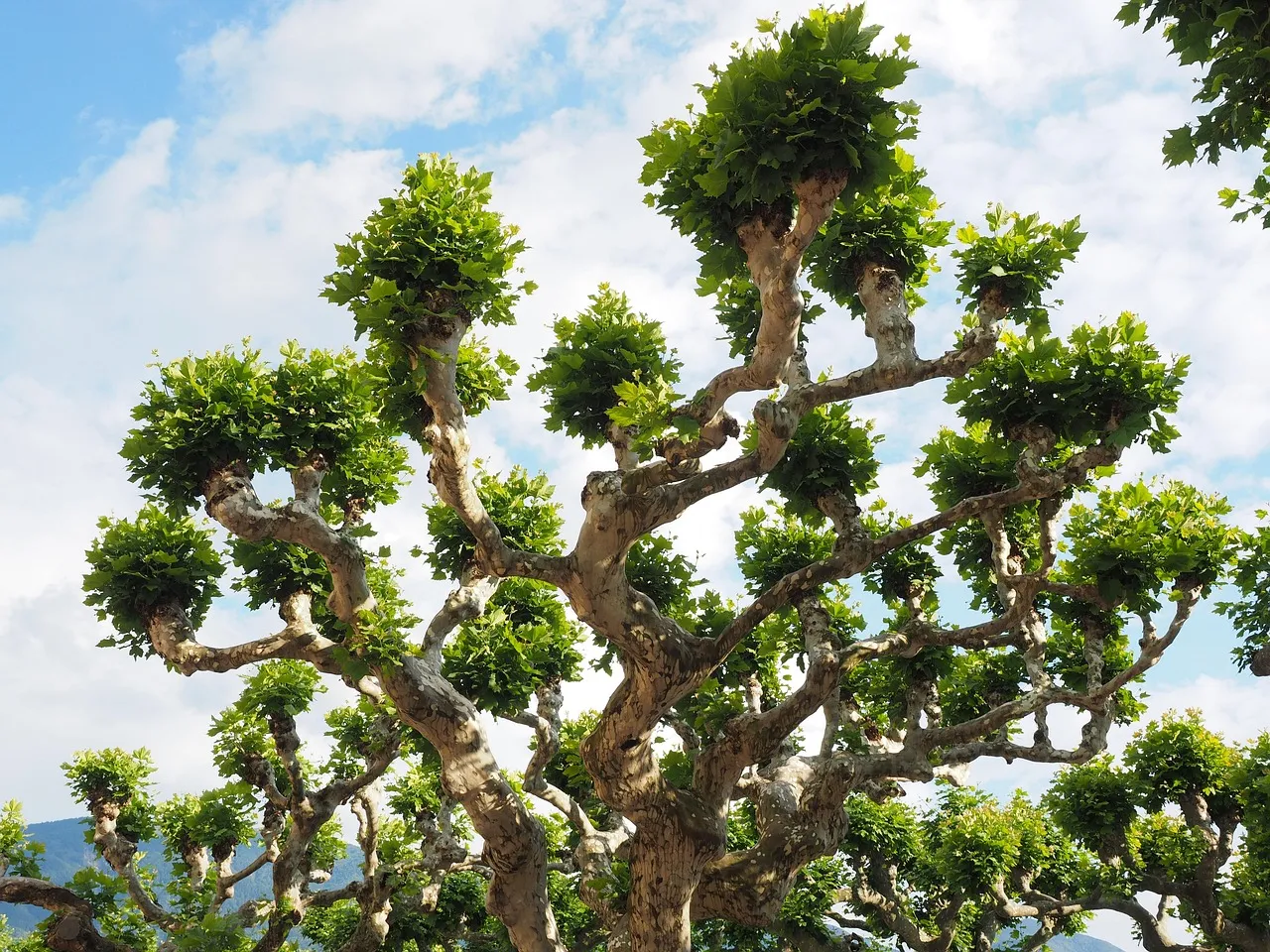
American sycamores are like giant, living apartment towers. As they age, they famously hollow out, creating natural cavities high above the ground. Wood ducks, screech-owls, chickadees, nuthatches, and even some bat species use old sycamores as nesting and roosting sites. Big hollow trees are disappearing fast almost everywhere, which makes every surviving sycamore quietly irreplaceable.
Beyond the cavities, sycamore bark peels off in huge, patchy plates that create endless cracks for spiders and beetles. Brown creepers, nuthatches, and woodpeckers work these trunks like slow-motion conveyor belts of protein, while the round “buttonball” seed clusters feed goldfinches deep into late winter. People complain about the mess these trees drop – birds call that mess dinner.
#3 – American Beech (Fagus grandifolia): The Nut Tree That Feeds More Than Squirrels
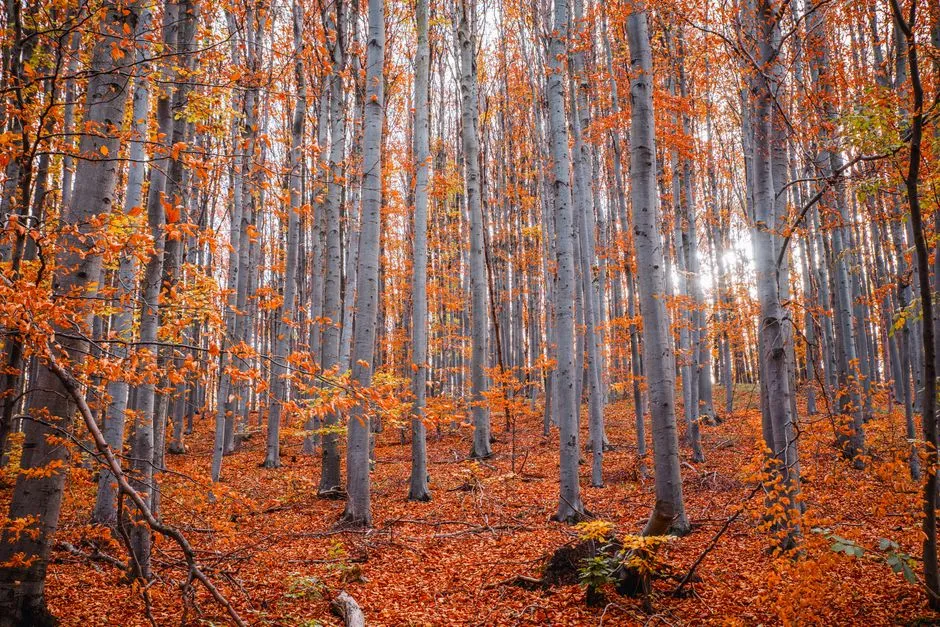
Everyone notices squirrels tearing into beech nuts, but birds are just as tuned in. American beech produces small, triangular nuts that are ridiculously calorie-dense – perfect fuel before migration or during a hard freeze. Wild turkeys, blue jays, titmice, nuthatches, and woodpeckers all gorge on beech mast when it’s abundant. In some eastern forests, a single good beech crop year can effectively reset bird survival rates for the whole season.
Beech also holds onto its pale brown leaves well into winter, especially on younger trees, providing extra shelter and windbreak for birds roosting in mid-story cover. The smooth gray bark supports lichens and mosses packed with tiny invertebrates, and while ornamental European beeches hog the spotlight at garden centers, it’s the native American beech quietly doing the real feeding.
#2 – Oaks (Quercus spp.): The Caterpillar Powerhouses
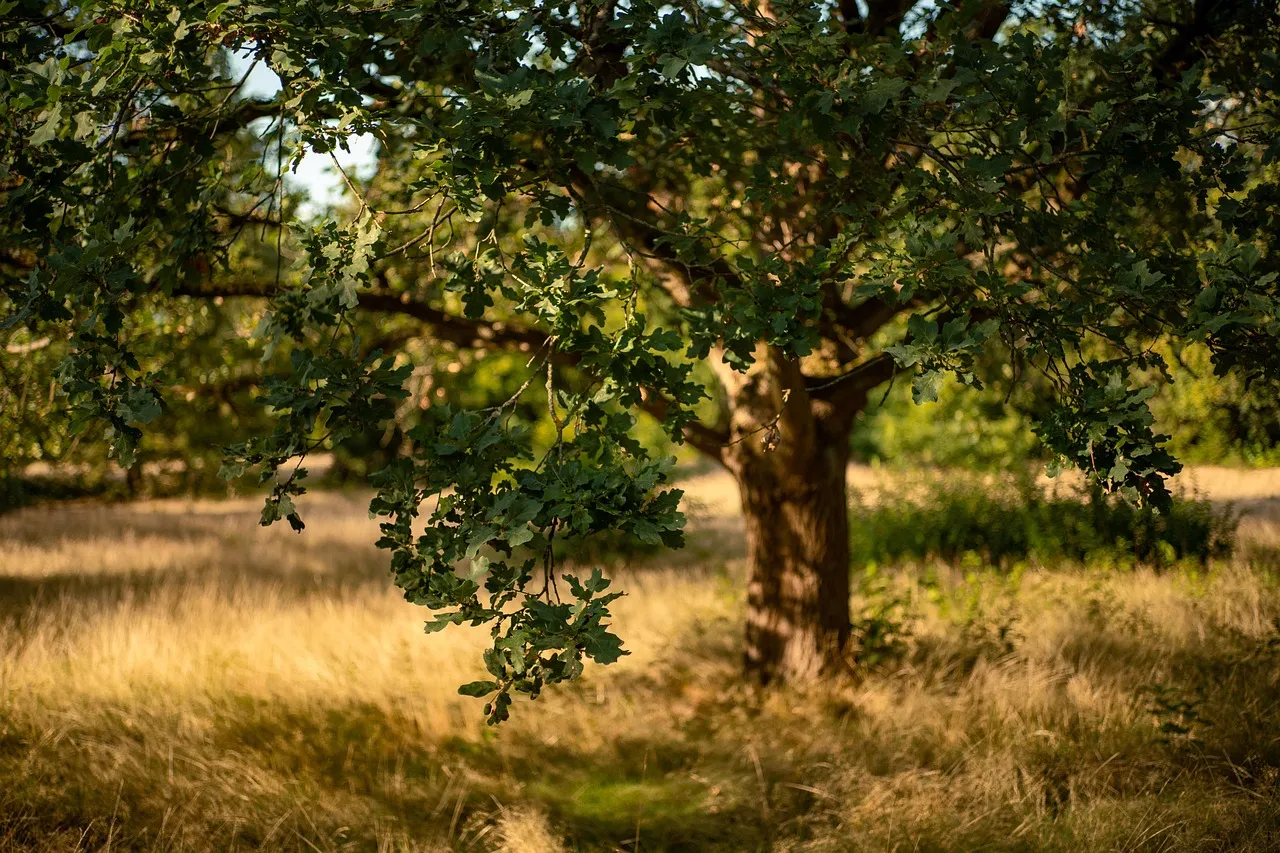
If you plant just one kind of native tree for birds, make it an oak. Ecologists keep repeating this, and homeowners keep ignoring it in favor of decorative imports anyway. Oaks support hundreds of species of caterpillars – often more than any other tree genus in the region – and those caterpillars are the primary baby food for warblers, chickadees, titmice, and countless other songbirds.
A single pair of chickadees may need thousands of caterpillars just to raise one brood. No oak, no caterpillars, no fledglings – it’s that direct. Acorns are the obvious bonus, feeding jays, woodpeckers, turkeys, and nuthatches through oak mast cycles, and blue jays even act as accidental oak planters by caching acorns that later sprout into the next generation of trees.
“Oaks support 534 different species of caterpillars. This is more than any other native tree or plant.”
Doug Tallamy, entomologist
#1 – Native Dogwoods (Cornus florida & Others): The Backyard Keystone You Feel Immediately
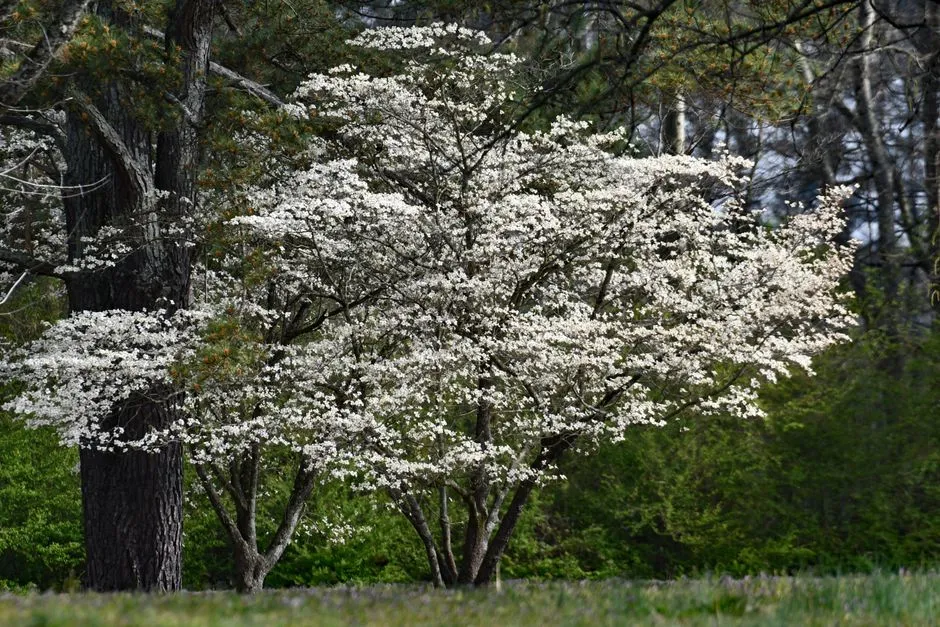
Ask any serious bird person which small tree changes a yard the fastest, and native dogwoods come up again and again. Flowering dogwood (Cornus florida) and other regional native dogwoods pack an incredible amount of value into a compact size. Their berries are so nutrient-dense that migrating thrushes, tanagers, and warblers often “refuel” heavily on dogwoods right before or after long flights. You can genuinely watch bird traffic spike the moment the berries ripen.
Dogwoods also host a variety of caterpillars and leaf-feeding insects that small birds can glean easily from the thin branches, and the layered branching creates perfect ambush perches for flycatching. Unlike big canopy trees that take decades to show real wildlife impact, a well-sited dogwood can start changing your backyard bird scene within just a few years – which is exactly why it earns the top spot.
The Bottom Line
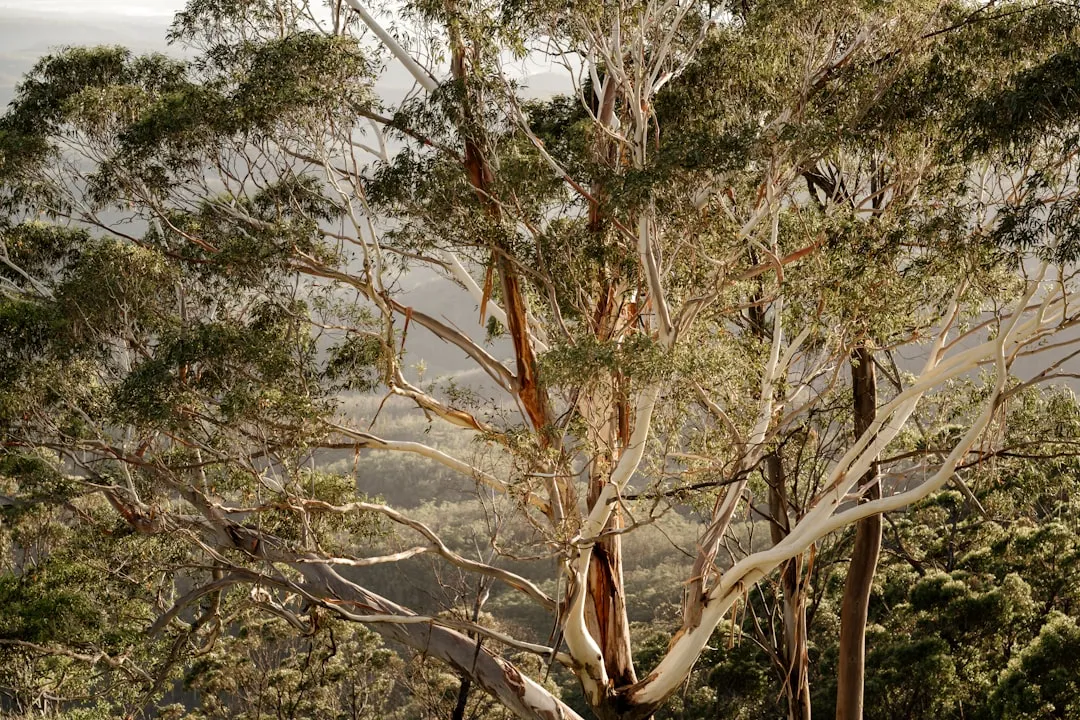
Zoom out, and a pattern jumps out immediately: birds don’t “sort of” prefer native trees – they depend on them. Oaks crank out caterpillars by the thousands. Dogwoods and serviceberries refuel exhausted migrants. Hackberries, hollies, and red cedars carry birds through the hardest months of winter. Sycamores and beeches offer homes and high-calorie nuts when almost nothing else does.
At a Glance: Who Feeds Birds When
- Early spring: Serviceberry, Tulip Poplar
- Summer nesting season: Oaks, Tulip Poplar, River Birch
- Fall migration: Native Dogwoods, Sycamore, American Beech
- Winter survival: Eastern Red Cedar, American Holly, Hackberry
The uncomfortable truth is that a yard full of lawn, exotic ornamentals, and rock mulch is nearly useless to wildlife, no matter how tidy it looks from the street. If you actually care about the birds in your backyard, your planting list needs to look a lot more like this one and a lot less like a big-box garden brochure. Every native tree you add is a vote for more birds, more song, and a wilder, richer neighborhood – so which of these would you plant first, and which one do you think doesn’t deserve the hype?

- 10 Native Trees Every Backyard Bird Depends on Eventually - August 4, 2026
- What It Means When Crows Begin Following a Hawk - August 4, 2026
- 7 Things That Attract Groundhogs Into a Garden - August 4, 2026