
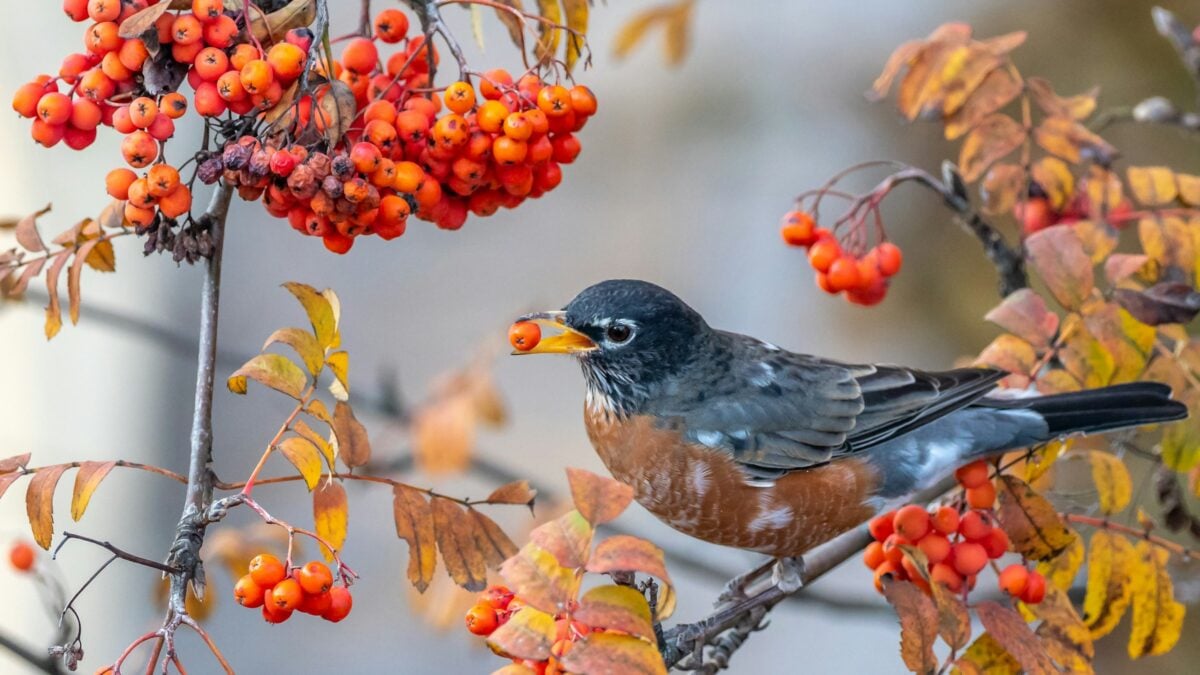
When the sun goes down in North America, most of us picture glowing eyes in the dark, coyotes howling, and owls silently cruising overhead. Night feels like the time when wildlife finally comes alive in the shadows. But here’s the twist: some animals become shockingly hard to find after sunset, even in places where they seem almost everywhere during the day.
These are the creatures that vanish into the dark, not because they are rare, but because they are experts at hiding, sleeping, or simply changing their routines the moment dusk arrives. Let’s walk through ten familiar North American animals that suddenly feel like ghosts at night – and why spotting them after sunset is way tougher than you’d expect.
#1 Eastern Gray Squirrel
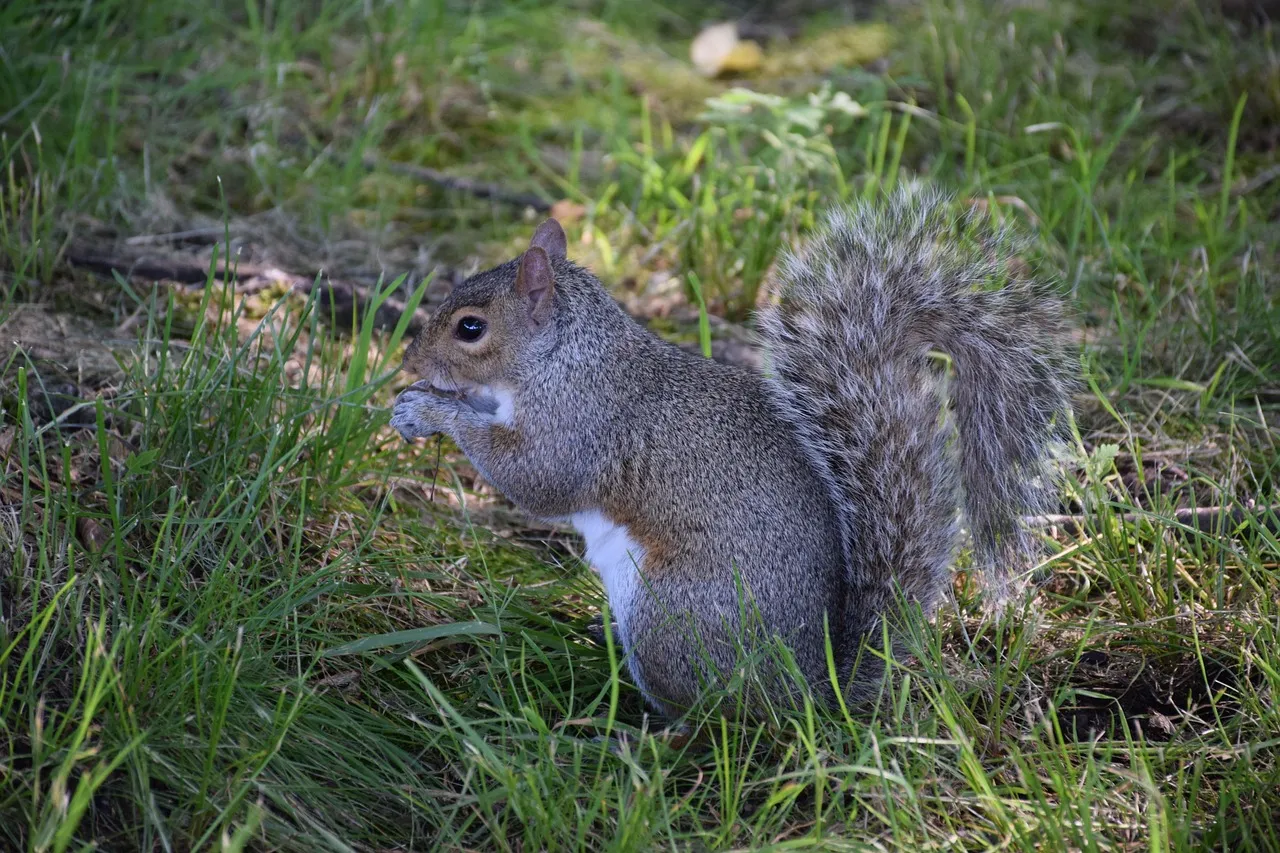
Think about how many gray squirrels you see on a normal afternoon: racing up tree trunks, arguing over acorns, or launching themselves between branches like caffeine-fueled gymnasts. Then try to find one at night – you basically can’t. Eastern gray squirrels are classic diurnal animals, which means they are active during the day and strongly shut things down when the light fades.
As sunset approaches, squirrels retreat to their nests, which are usually tucked high in tree cavities or bundled leafy dreys wedged between branches. There, they curl up and ride out the night, avoiding predators like owls and raccoons. Even if you walk right under a tree full of squirrels at midnight, you’re far more likely to hear the wind than a single claw scrape, because they stay still, silent, and practically invisible.
#2 American Robin
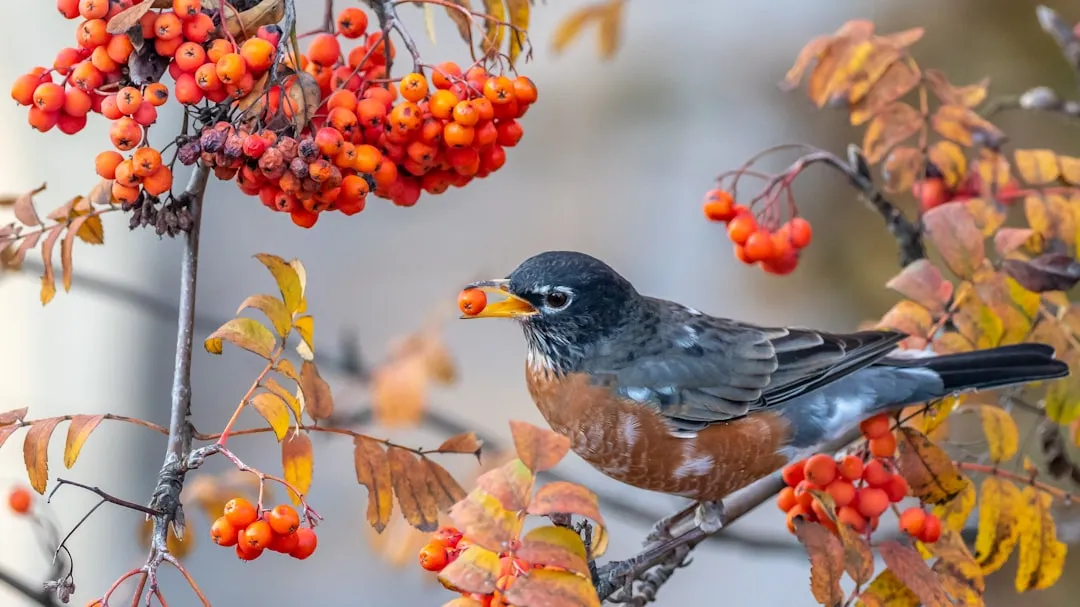
The American robin feels like the definition of a daytime bird: hopping across lawns, yanking worms out of the soil, and singing loud, clear songs from the nearest branch. In many neighborhoods, it’s one of the first birds people learn by sight. But after sunset, the bird that seemed everywhere a few hours earlier quietly disappears from view.
Robins spend the dark hours perched in roosts – often in dense trees or shrubs – where their orange chests and gray backs blend into the shadows. They go quiet for most of the night, so you lose the easiest way to notice them: their song. You might occasionally catch a faint call if they’re disturbed by a predator or bright light, but for the most part, the robins that defined your whole morning vanish into leafy hiding spots until dawn pulls them back out.
#3 White-Tailed Deer
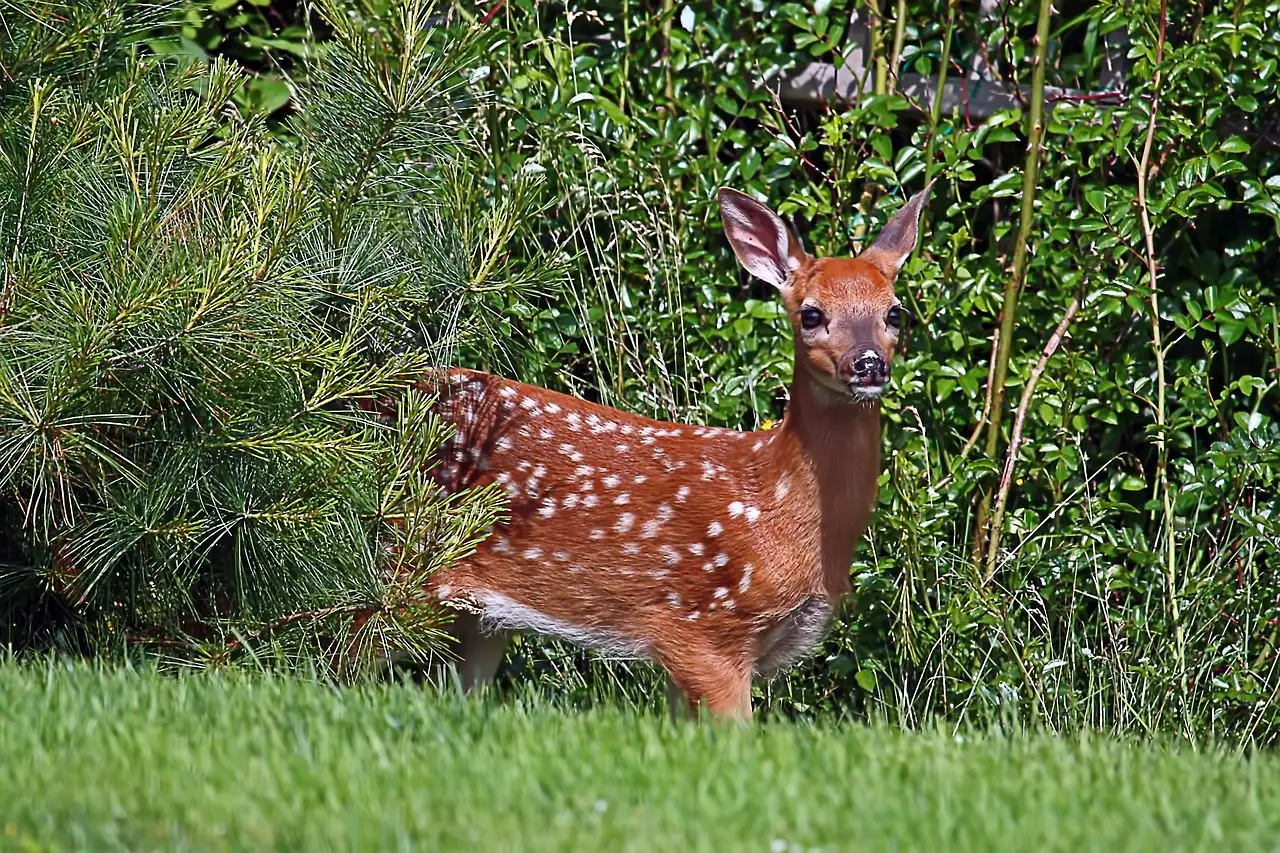
It sounds strange to say white-tailed deer are hard to find at night, especially if you’ve ever driven a rural road and suddenly seen one frozen in your headlights. But what you’re actually seeing in those rare moments is just how good they usually are at not being seen. Deer become much more cautious after dark, and they’re absolute masters of blending into the dim edges of fields and forests.
At night, white-tailed deer rely heavily on their hearing and sense of smell, often standing still for long stretches if they sense something strange. Unless you accidentally surprise one with a light or get extremely close, a deer can be grazing or resting just a short distance away and you’d have no idea. In big open meadows that feel full of deer at dusk, two hours later it can look like the entire herd has evaporated into the trees.
#4 Desert Cottontail Rabbit
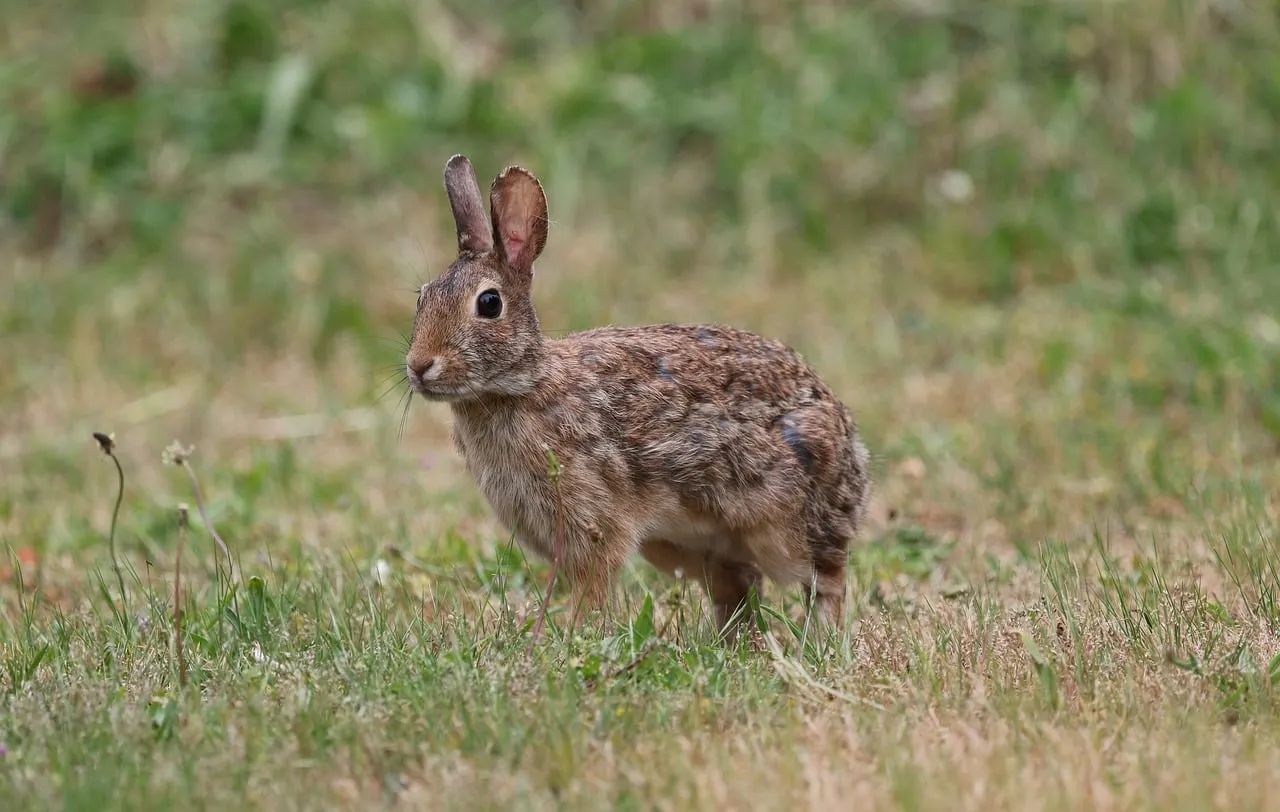
During the day in dry grasslands and desert edges, desert cottontails can seem pretty obvious – especially when they dart away with that little white tail flashing. But once the heat starts to drop and darkness spreads, they slip into a different mode. They often shift toward crepuscular behavior, meaning they are most active around dawn and dusk rather than deep into the night.
After sunset fully settles, desert cottontails lean hard on cover: clumps of shrubs, low bushes, or burrow entrances where they can pause and scan for coyotes, owls, and bobcats. Their pale brown fur blends so well with sandy soil and dried vegetation that even a flashlight beam can sweep past them without picking up more than a vague shape. Unless they move, they are just another shadow stitched into the landscape.
#5 American Bison
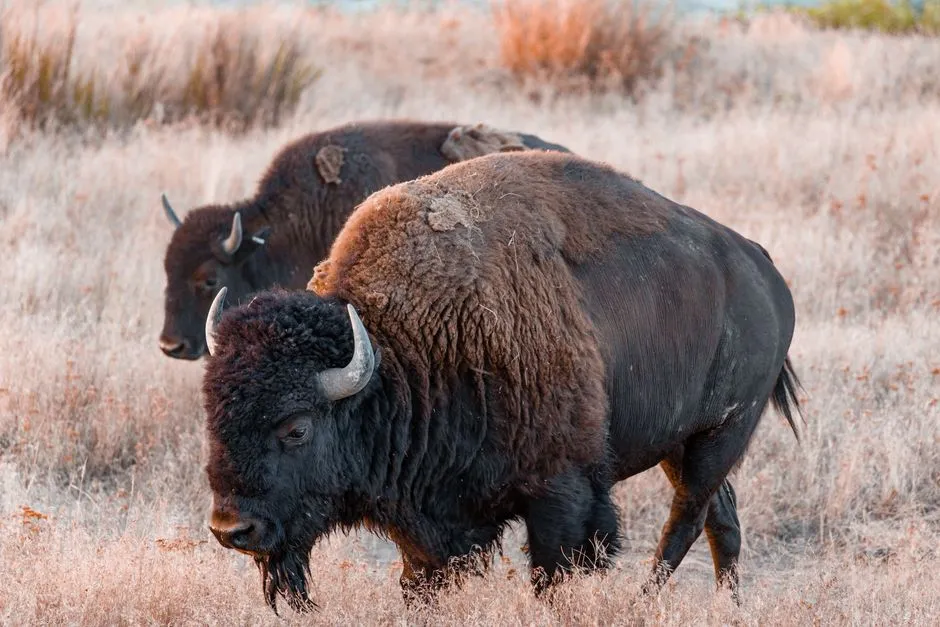
American bison are massive, heavy, and impossible to miss… during the day. On prairies and grasslands where they still roam, these animals stand out like living boulders against the horizon. But after sunset, even something this huge can become surprisingly hard to find. Out on open plains with little artificial light, the night sky is dark enough that an entire herd can vanish into a single dark band on the ground.
Bison tend to rest, ruminate, and move more slowly at night, often bedding down in slightly lower areas or near subtle rises in the land. From a distance, they just merge into the background. I remember standing on a viewpoint in a national park, knowing a herd of bison had been right there an hour earlier, and suddenly seeing nothing but a dark field. It felt almost eerie, as if dozens of giant animals had quietly folded themselves into the night.
#6 Bald Eagle
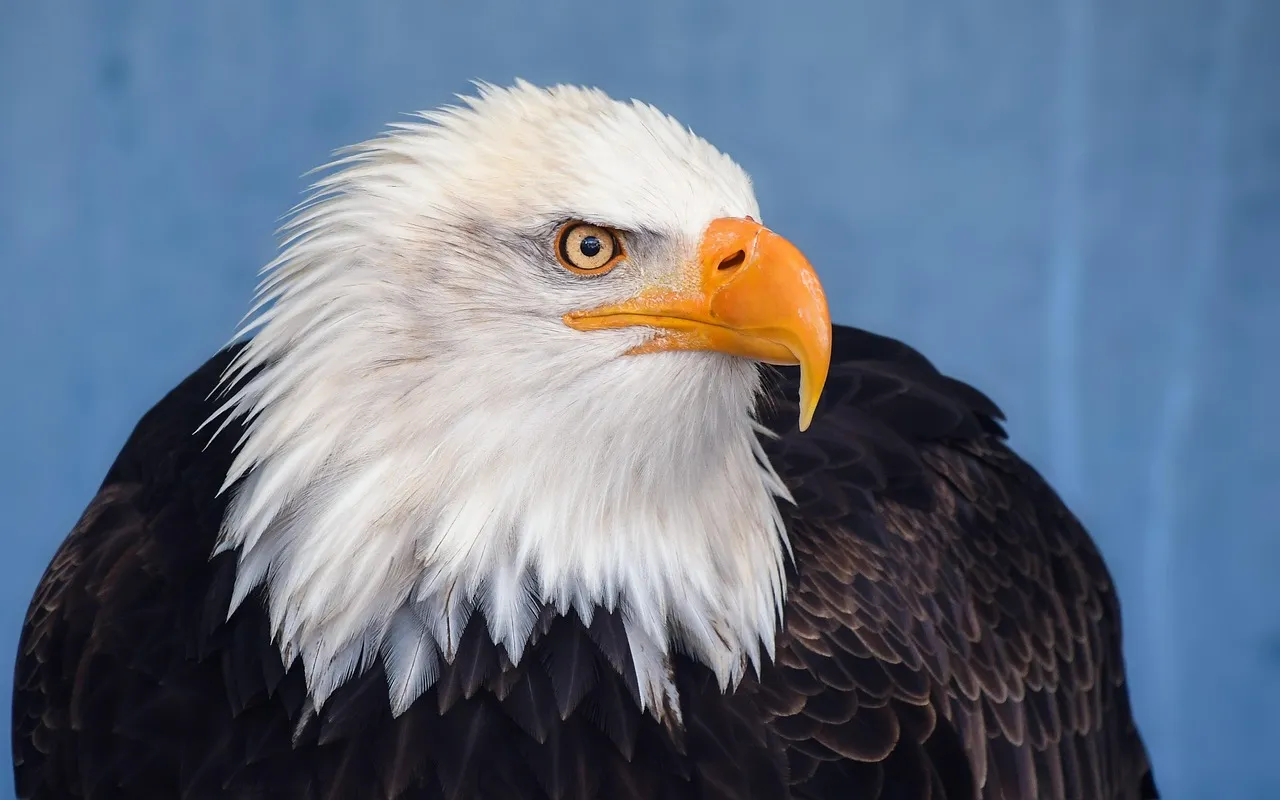
When people imagine iconic North American wildlife, the bald eagle is right at the top of the list. Daylight hours along lakes, rivers, and coasts can be full of soaring shapes and watchful birds perched in tall trees, scanning for fish. After sunset, though, that impressive presence seems to vanish entirely. Bald eagles are strongly tied to daylight, and once darkness comes, they settle down hard.
At night, bald eagles typically roost in tall trees, often in groups, but they sit motionless and silent unless something disturbs them. You almost never see them flying in the dark, and without motion or light to catch that bright white head and tail, the bird might as well be part of the tree. You can stand right beneath a roost that felt full of eagles during the afternoon and look up into what feels like an empty, quiet canopy.
#7 Monarch Butterfly
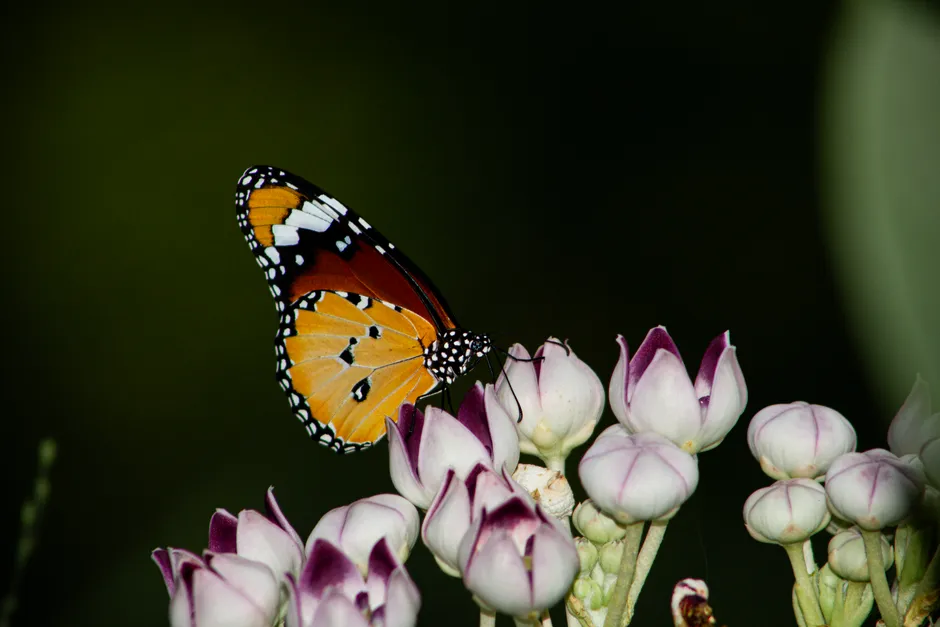
Monarch butterflies are one of the most famous migrants on the continent, fluttering through gardens, fields, and roadsides with those orange-and-black wings that are impossible to miss in the sun. But when the light disappears, so do they. Monarchs do not fly at night. Instead, they perch quietly, often clustering on branches, stems, or leaves where they can rest until the morning warms them again.
Once they are settled, their folded wings and still bodies blend into the background, especially among dried leaves or dark vegetation. If you have ever walked through a field at night that was buzzing with butterflies by day, it can feel oddly empty. The monarchs are still there, just hanging silently inches from your face, invisible unless you already know exactly where to look.
#8 Eastern Chipmunk
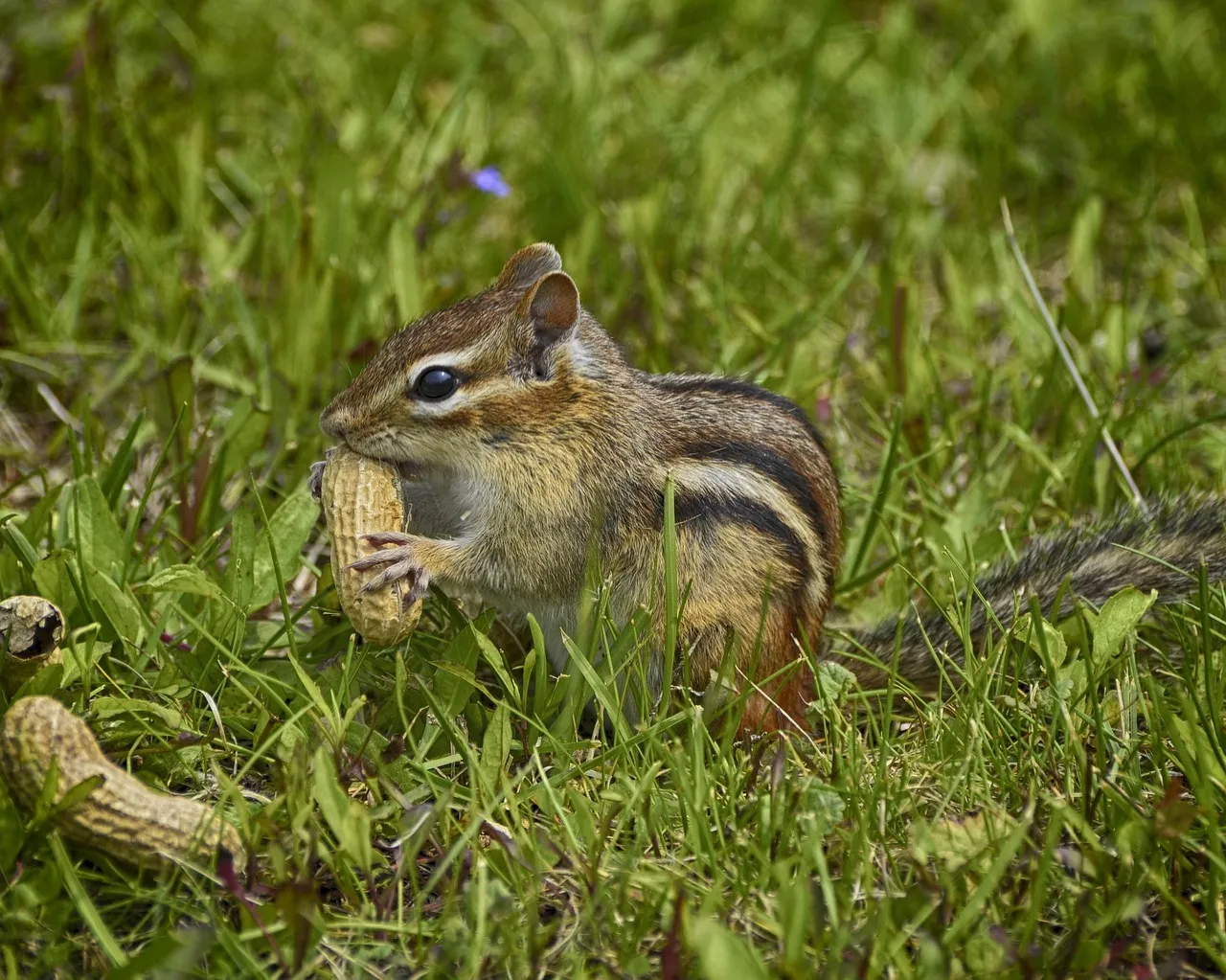
Eastern chipmunks are like the nervous energy of the forest floor: dashing between logs, stuffing their cheeks, and scolding anything that comes too close. You can hardly sit on a trail during the day without one appearing sooner or later. After sunset, though, the forest soundtrack shifts, and chipmunk chatter all but disappears. These small rodents retreat underground or into snug burrows as the dark takes over.
At night, an eastern chipmunk is almost never out in the open by choice, because that is when predators like owls, foxes, and weasels are on the hunt. Instead, they rely on their tunnels and hidden chambers to stay safe. Even if you are camping right above a whole network of chipmunk burrows, what you hear outside your tent will be wind, insects, maybe an owl – but not the daytime squeaks and scrambles of your chipmunk neighbors.
#9 Pronghorn
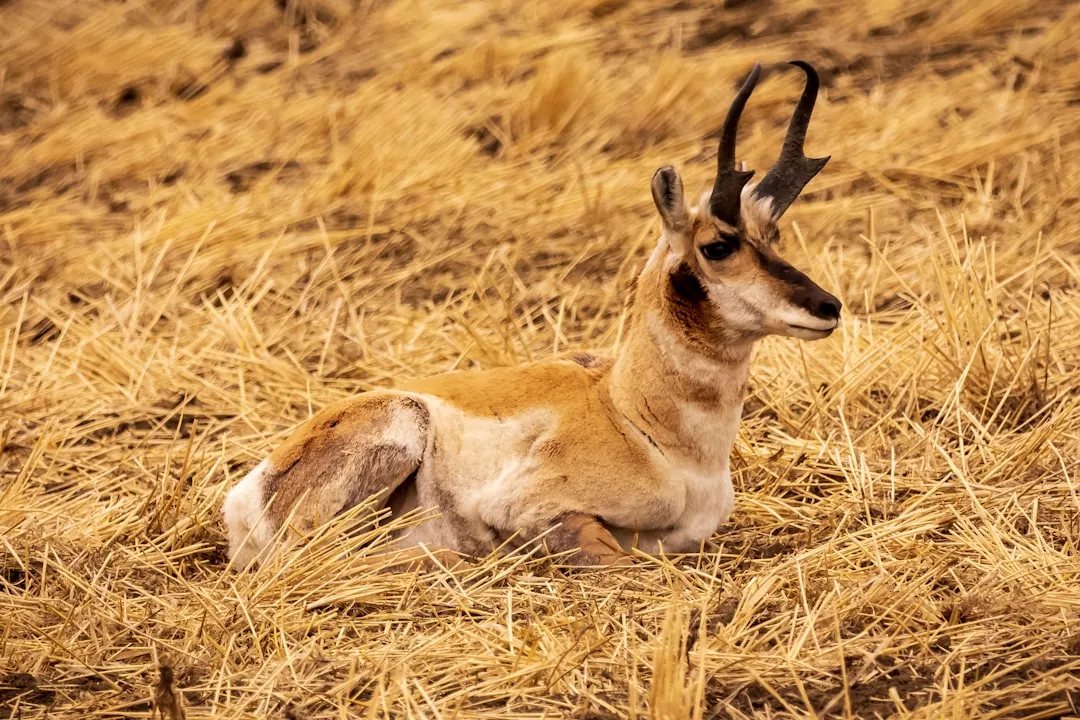
Pronghorns, sometimes casually called antelope in North America, are built for speed and wide-open spaces. During the day on the high plains and sagebrush country, you can pick them out from a long distance: tan bodies, white rumps, and elegant horns standing against the horizon. Once the sun dips, spotting them becomes a whole different game. Their pale bodies lose contrast in the dim light, and they tend to move more cautiously.
Pronghorns rely on keen eyesight, and much of their alert, watchful behavior is tied to daylight. At night, they often rest or stay relatively still in open areas, which strangely makes them harder to spot because they simply merge with the land. Without headlights, a spotlight, or a full moon, an entire group can stand just far enough away that you would never know some of the fastest land animals on the continent are quietly staring right back at you.
#10 Great Blue Heron
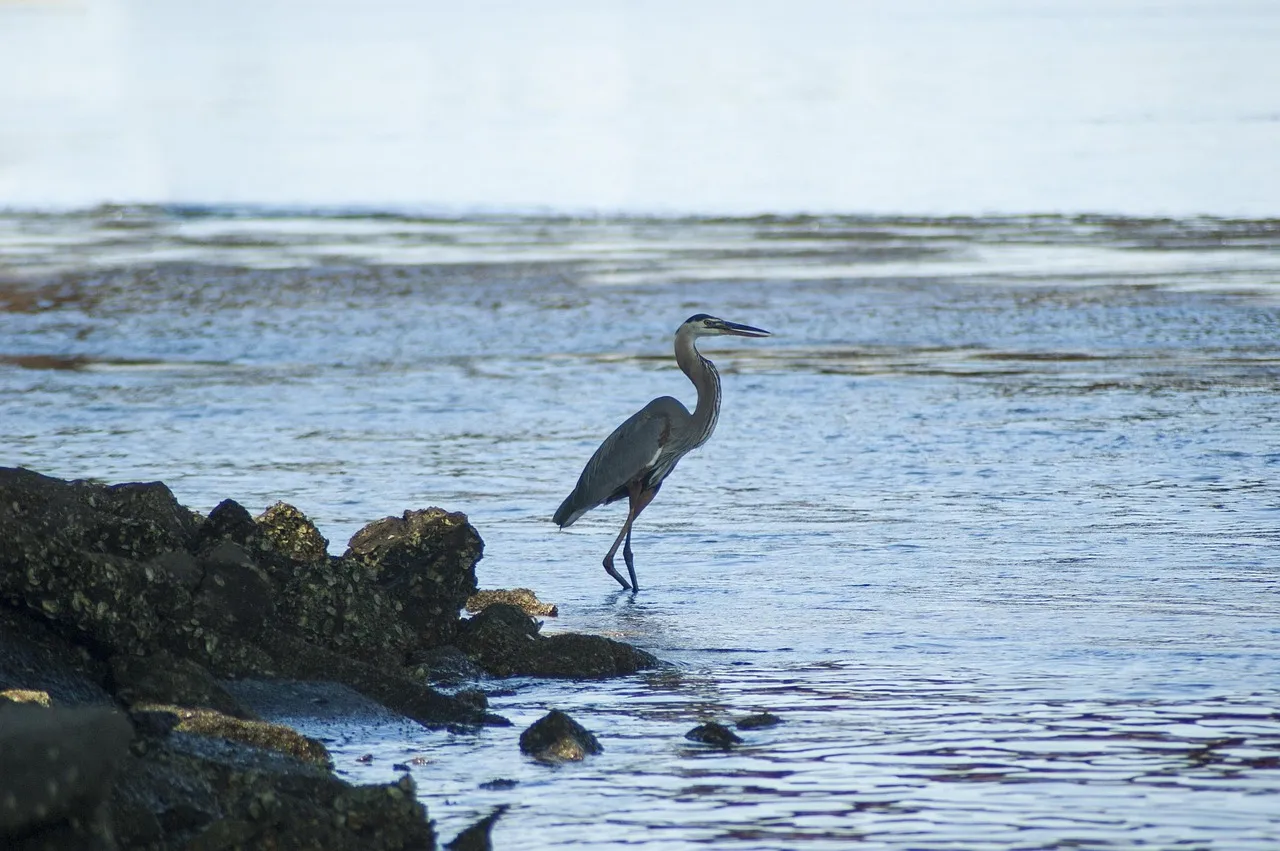
Great blue herons are like statues during the day, standing motionless in shallow water, waiting for fish to swim too close. They are tall, elegant, and usually easy to notice along shorelines, marsh edges, and ponds. After sunset, however, the same bird that seemed so obvious suddenly becomes incredibly hard to find. Their blue-gray feathers vanish into the dark water and reeds, and their movements slow down or shift to more hidden spots.
At night, great blue herons often roost in trees or calm, protected areas, where they keep a low profile to avoid disturbances and predators. Even in places where you watched one fishing all afternoon, it can feel like the bird teleported away at dusk. In reality, it is probably just a short flight away, tucked into a silent roost, blending into the night as thoroughly as any owl.
Conclusion: The Night Is Not As Crowded As We Think
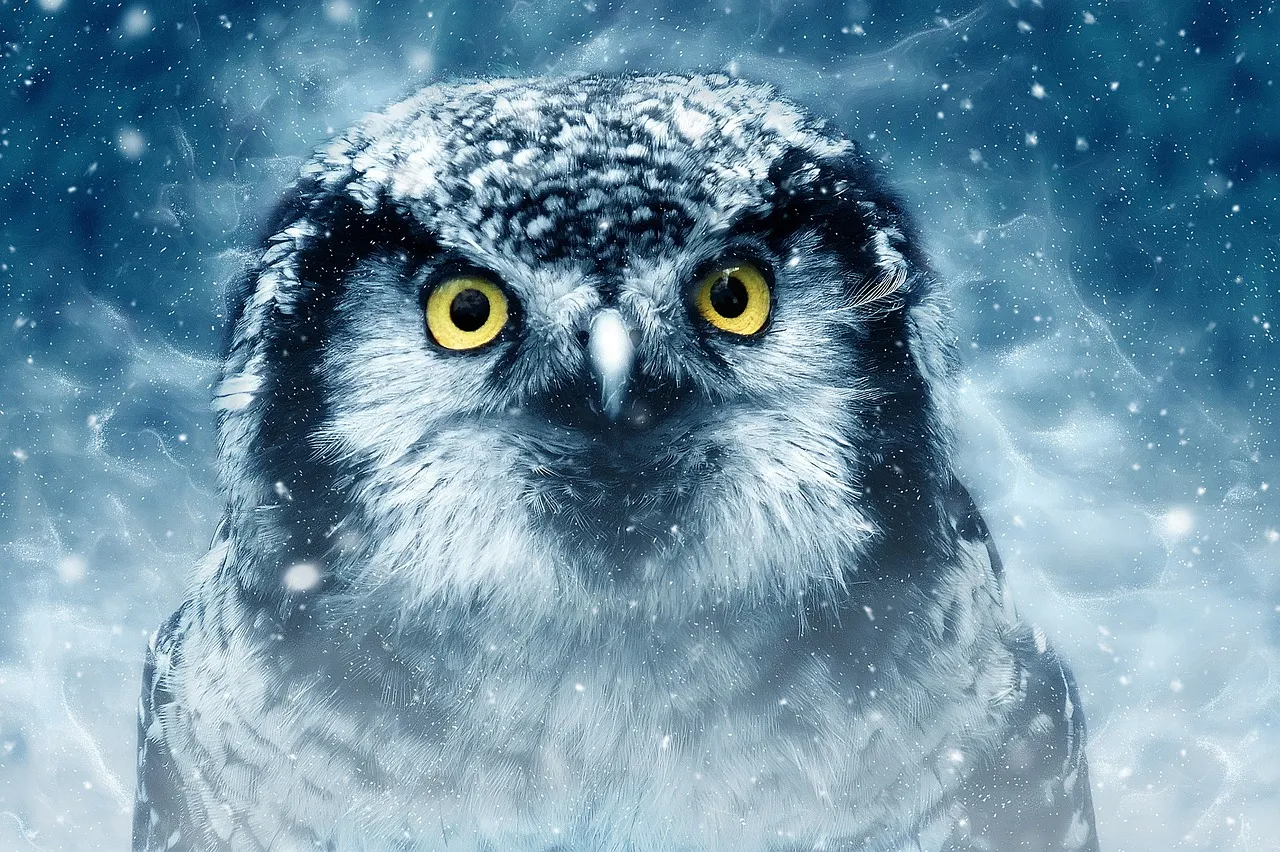
It is easy to imagine that once daylight fades, the world automatically fills with wild activity and glowing eyes behind every bush. The truth is more nuanced. Many of the animals we associate most strongly with North American landscapes – from squirrels and robins to bison and monarchs – actually retreat from view at night, choosing safety, sleep, or stillness over nocturnal adventure.
Knowing that makes a simple walk at dusk feel different. You start to realize that there is a whole quiet layer of wildlife all around you, hidden in treetops, burrows, grasses, and roosts, waiting for sunrise to step back into the spotlight. Next time you step outside after dark, will you think about all the animals you cannot see just as much as the ones you can?

- 10 North American Animals That Become Surprisingly Difficult to Find After Sunset - August 15, 2026
- 8 Things Porcupines Can Do With Their Quills That Most Americans Get Wrong - August 15, 2026
- 10 Small Ways Cats Make Difficult Days Feel Lighter for Moms - August 15, 2026