
You can drape fake cobwebs and plastic skeletons all over your porch, but some of the creepiest Halloween energy is already growing quietly in real gardens. Tucked between roses and hydrangeas are plants that have poisoned kings, inspired witches’ brews, and terrified entire villages long before horror movies existed. The wildest part is that many of them are still sold in perfectly innocent-looking nursery pots today.
Once you start learning their stories, it’s hard to walk past a lush hedge or pretty purple bell-shaped flower without wondering what else it’s hiding. I still remember the first time I learned that the innocent-looking shrub outside a friend’s house was historically linked to assassinations and oracles. It changes how you see “landscaping.” Let’s walk through ten poisonous garden plants whose real histories are far darker and stranger than any store-bought Halloween prop.
1. Belladonna (Deadly Nightshade): The Original “Beautiful Lady” Of Death
🔥 Would you like to save this?
We'll email this post to you, so you can come back to it later!
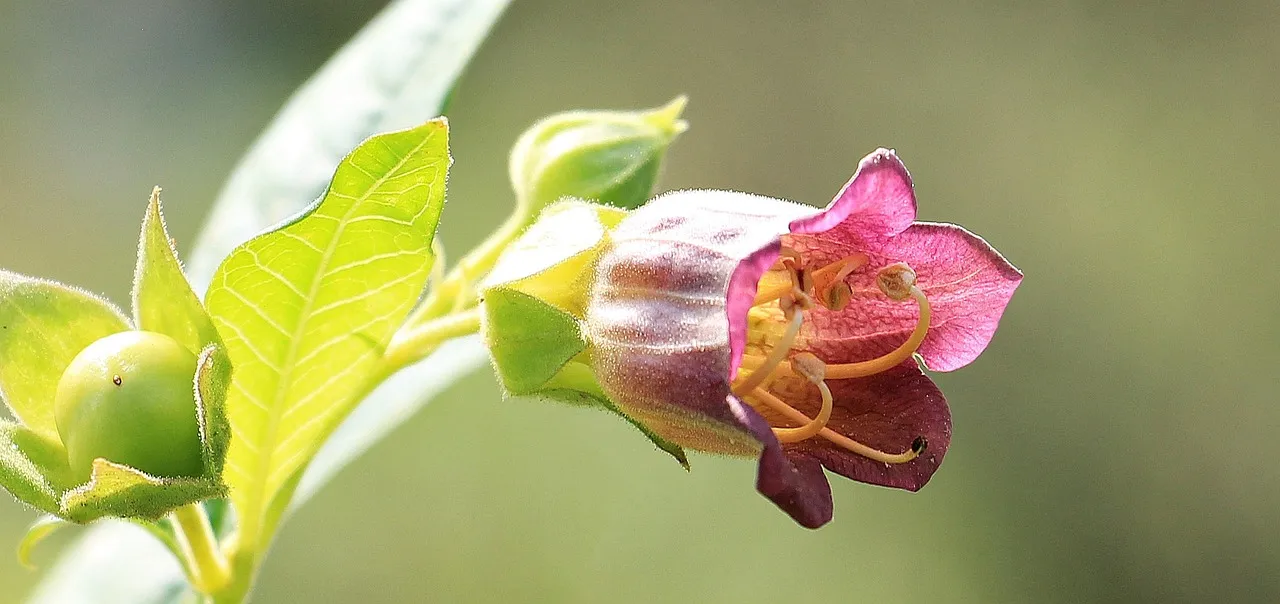
Deadly nightshade looks like something out of a fairy tale: glossy black berries, purple-tinged flowers, lush green leaves. It does not scream danger the way a skull-and-crossbones label might, and that contrast is exactly what makes it so unsettling. All parts of the plant are toxic, but the berries are especially treacherous because they look like candy to children and wildlife.
Historically, belladonna was used in ways that feel almost unbelievable now. Women in parts of Renaissance Europe reportedly used drops made from the plant to dilate their pupils because wide, dark eyes were considered stunning and seductive, even though the effect came along with blurred vision and potential long-term damage. On a far darker note, extracts from belladonna have been used in poisonous potions and alleged “witches’ ointments,” feeding stories about night flying and visions. Whether every legend is literal or not, the plant’s mix of beauty, hallucination, and lethality easily outspooks any plastic witch on the lawn.
2. Monkshood (Aconite): The Assassin’s Flower In A Cottage Garden Disguise
🔥 Would you like to save this?
We'll email this post to you, so you can come back to it later!
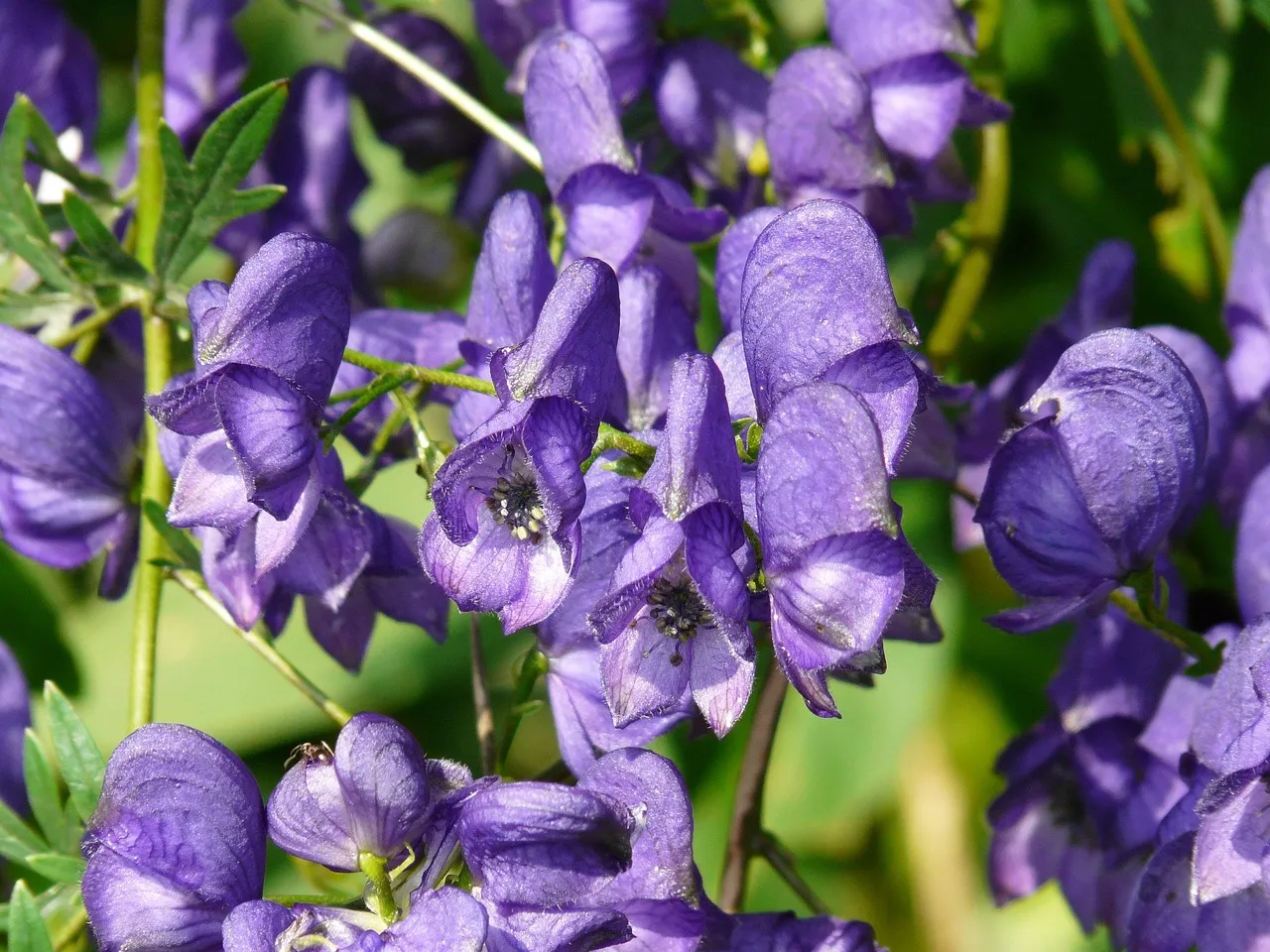
Monkshood is the kind of plant you’d expect to see in a cozy cottage garden photo: tall spires of deep blue or purple hooded flowers swaying in the breeze. Gardeners love it for late-season color, and you’ll even see it in high-end floral arrangements. But beneath that refined look is a poison so potent it has been linked with hunting, execution, and covert murder since ancient times.
Roots and leaves contain powerful toxins that can be absorbed even through broken skin, which is why some people now wear gloves just to handle it. Ancient accounts describe its use on spear tips and arrows, turning ordinary weapons into something far more terrifying. Even in more recent centuries, aconite has appeared in real criminal cases, not just mystery novels. It’s eerie to think that a plant admired for its aristocratic elegance may have sent more than a few victims to their graves in ways that left very little trace.
3. Foxglove: Heart Medicine Wrapped In A Poisonous Fairy Tale
🔥 Would you like to save this?
We'll email this post to you, so you can come back to it later!
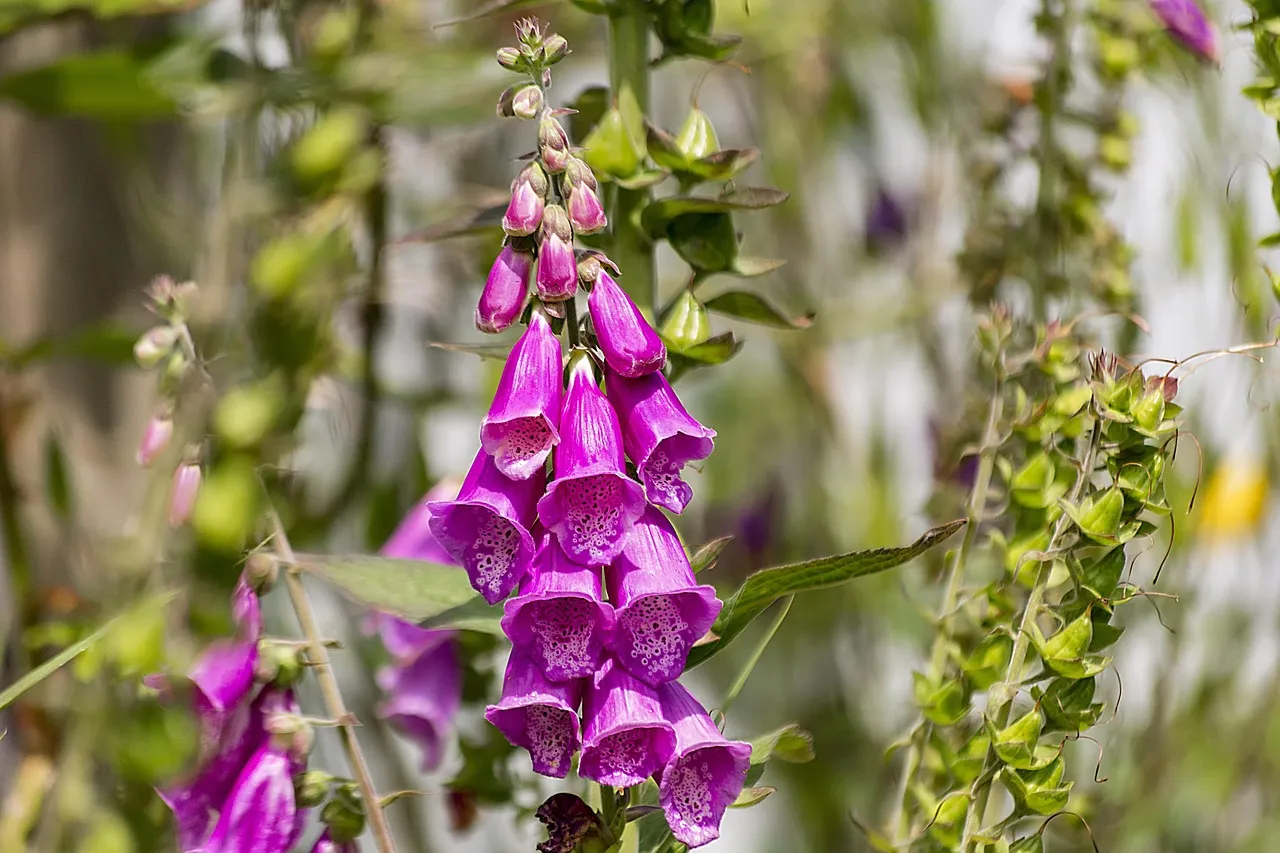
Foxglove looks like a flower out of a children’s storybook: towering spires dotted with dangling bell-shaped blooms in pinks, purples, and whites. Kids are drawn to stick their fingers inside the “gloves,” and folklore is full of charming tales about fairies wearing the blossoms as dresses or hats. Yet inside this storybook plant are compounds that can stop or steady a human heart, depending entirely on how they’re used.
From foxglove came digitalis, a powerful drug used under medical supervision to treat certain heart conditions. In the precise dose, it can help a struggling heart beat more efficiently; in the wrong amount, it can push a healthy heart into deadly rhythm disturbances. That razor-thin line between remedy and poison has given foxglove an almost mystical reputation. It is a plant that can both sustain life and end it, making those fairy-tale flowers feel more like something out of a gothic novel when you know the truth.
4. Oleander: The Poolside Beauty With A War-Torn Past
🔥 Would you like to save this?
We'll email this post to you, so you can come back to it later!
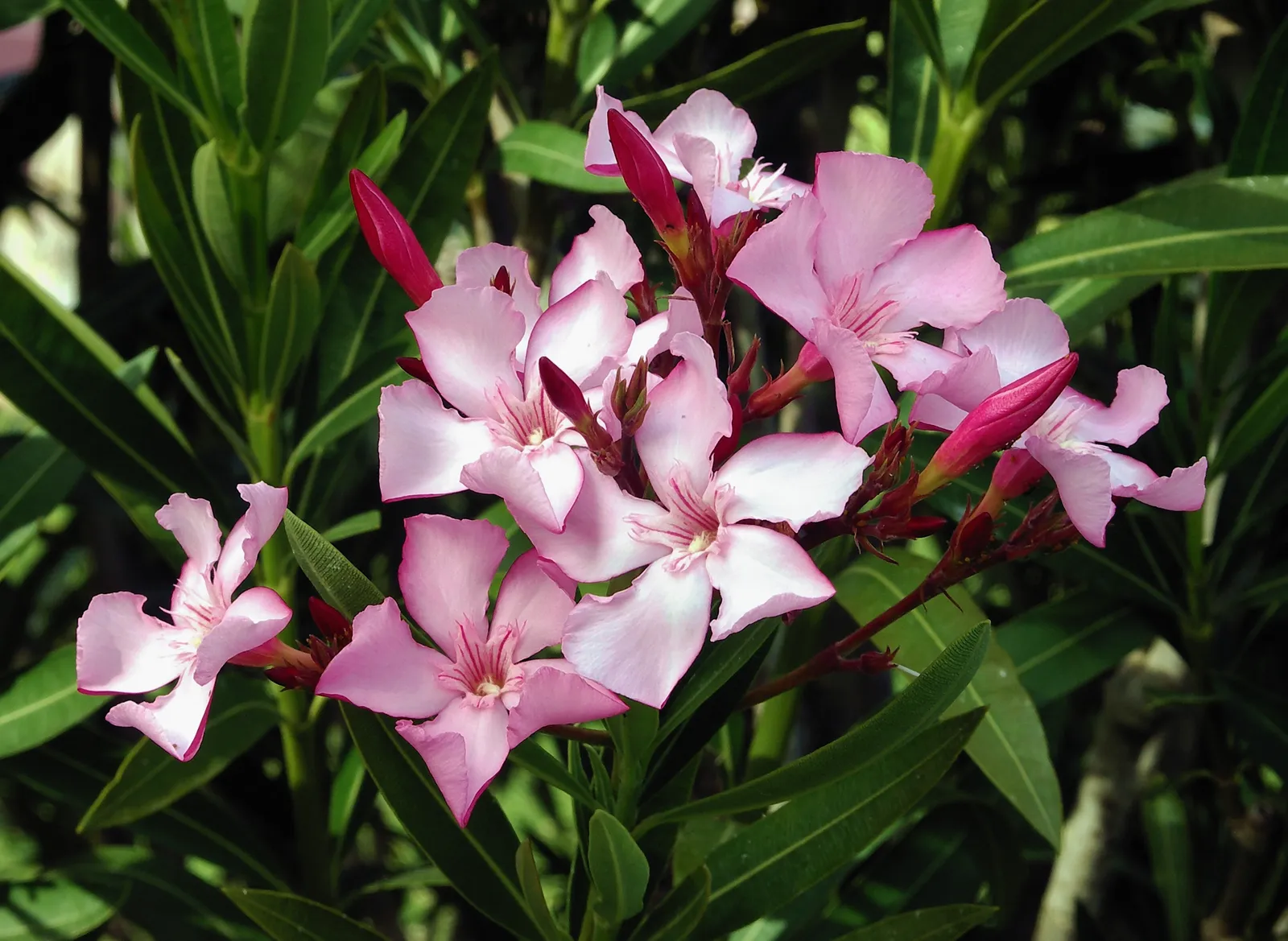
In warm climates, oleander is everywhere: lining highways, brightening pool edges, and filling hotel courtyards with showy pink, red, or white blossoms. It’s drought tolerant, tough, and always looks like it just came from a resort catalog. But every part of oleander is toxic, and its reputation in folklore and history is as harsh as its flowers are soft.
Old stories and historical accounts describe oleander branches being used accidentally in cooking fires or as skewers, with disastrous results for anyone who ate the food. Some tales from conflict zones and wartime hint at the plant’s toxins being known and feared long before anyone could name the specific chemicals involved. The idea that a casual bite of a leaf or a sip of contaminated water could be deadly gives a very different vibe to that pretty shrub by the hotel pool. When you know its backstory, oleander feels less like décor and more like a quiet, pastel-colored landmine.
5. Castor Bean Plant: Tropical Foliage Hiding One Of The World’s Notorious Toxins
🔥 Would you like to save this?
We'll email this post to you, so you can come back to it later!
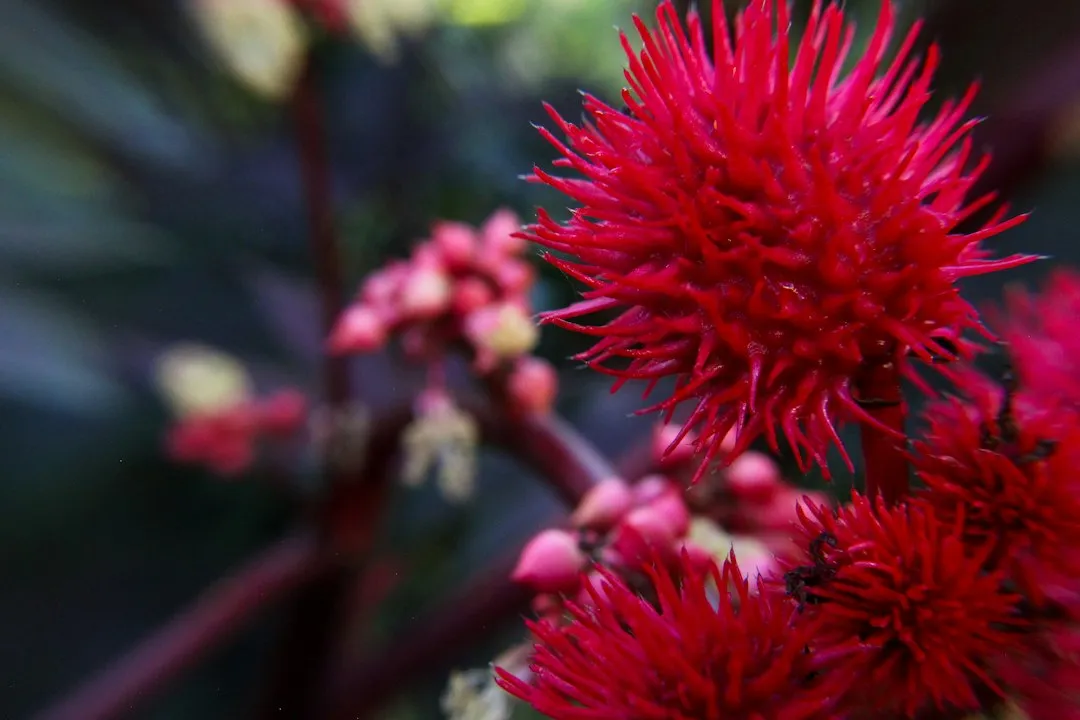
With its huge, star-shaped leaves and spiky seed pods, the castor bean plant adds a dramatic, almost jungle-like flair to gardens. It looks exotic and architectural, the kind of plant people grow when they want their yard to feel a bit more daring. But locked inside those decorative seeds is ricin, a toxin so infamous it has appeared in espionage cases and terror plots.
Ricin works by interfering with how the body makes proteins, and even a small amount can be extremely dangerous if the seed is chewed and digested. Castor oil, which comes from processed seeds, is safe after proper treatment, and that weird duality makes the plant even stranger. You have a garden ornamental whose seeds are both the source of a traditional laxative and of one of the most feared poisons in modern security briefings. Compared with the rubber snakes people toss into lawns for Halloween, that real-world contrast is far more chilling.
6. Yew: Immortal Cemetery Sentinel With A Deadly Secret
🔥 Would you like to save this?
We'll email this post to you, so you can come back to it later!
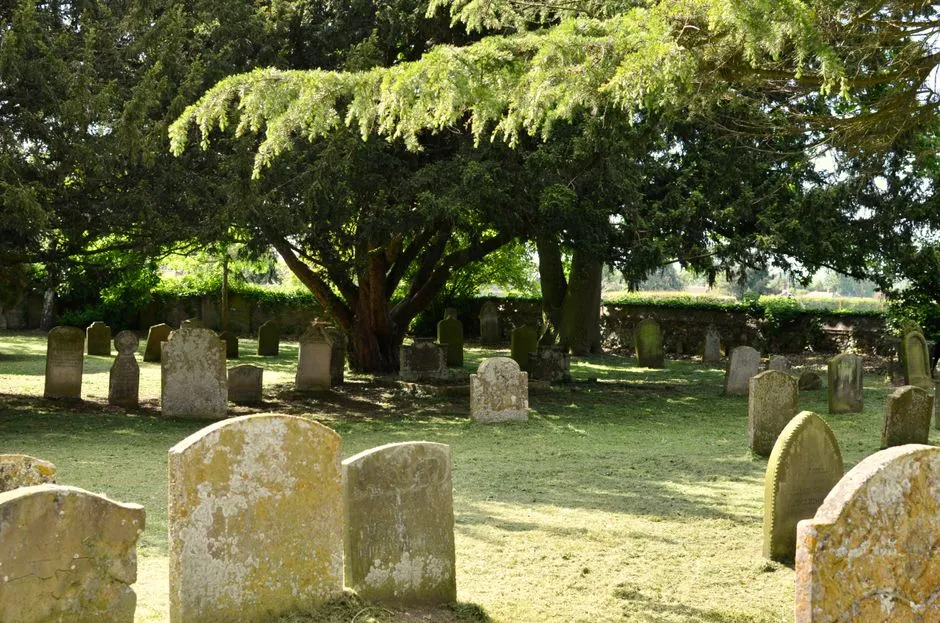
Yew hedges and trees show up in some of the most peaceful places you can imagine: manicured English gardens, old churchyards, quiet cemeteries. They’re associated with longevity and endurance, in part because they can live for an incredibly long time, sometimes centuries. The dark, evergreen needles give a sense of solemn calm, which is exactly why people plant them near graves and memorials.
What many visitors never realize is that almost every part of the yew is poisonous, including the leaves and seeds. Historically, yew has been associated with suicides, accidental livestock deaths, and grim folklore about travelers falling ill after sleeping beneath its branches. Modern medicine has pulled cancer-fighting compounds from yew bark, but the raw plant remains dangerous, especially if children are tempted by the fleshy red arils that sit around the seeds. You end up with this eerie combination: a tree of mourning, healing, and hidden poison all at once, silently watching over rows of tombstones.
7. Datura (Jimsonweed, Devil’s Trumpet): Hallucinations, Hysteria, And Night-Blooming Drama
🔥 Would you like to save this?
We'll email this post to you, so you can come back to it later!
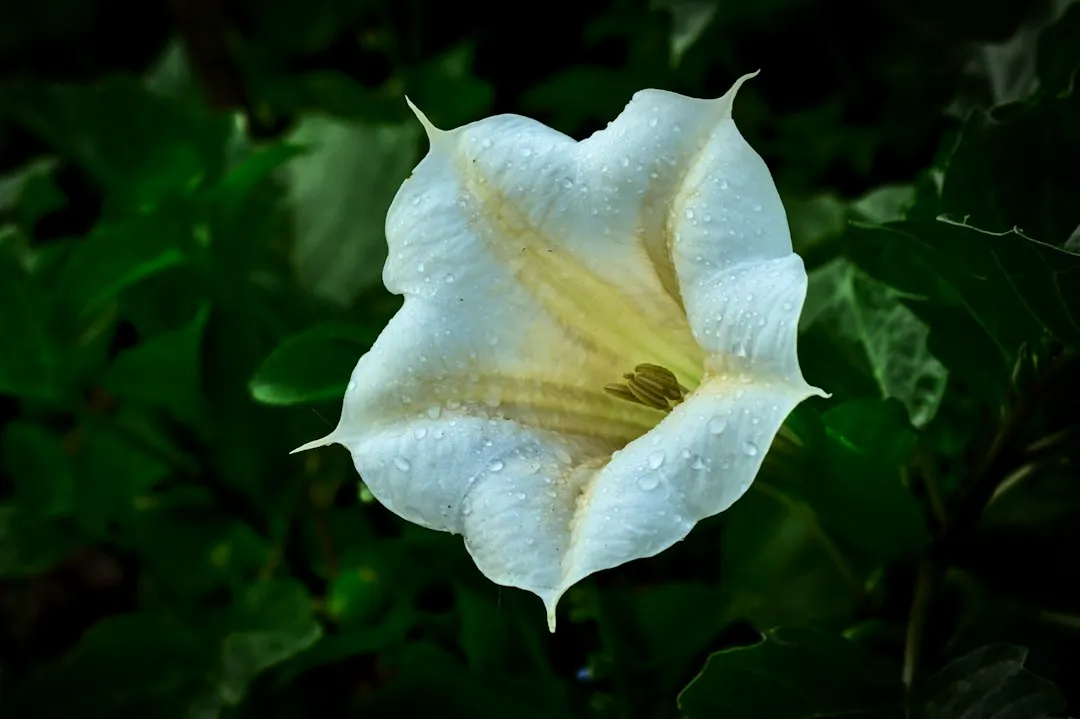
Datura does not look subtle. Its trumpet-shaped white or purple blooms open in the evening like something from a dream sequence, and the plant often shows up in wild or neglected edges of gardens. The spiky seed pods look every bit as aggressive as their reputation. Indigenous cultures and folk practitioners in different parts of the world have long known datura’s mind-altering properties, treating it with a mix of reverence and deep caution.
The plant’s toxins can cause confusion, terrifying hallucinations, and dangerous delirium that can last for days, with no clear line between spiritual vision and medical emergency. Historical episodes of “mass hysteria,” strange behavior, or reported curses sometimes line up suspiciously well with accidental datura ingestion, especially when seeds contaminated food or drink. In my own mind, it sits somewhere between a plant and an urban legend: the kind of thing you warn teenagers about in a half-joking, half-serious tone. Fake ghosts hanging from trees have nothing on a real flower that can make an entire village see things that are not there.
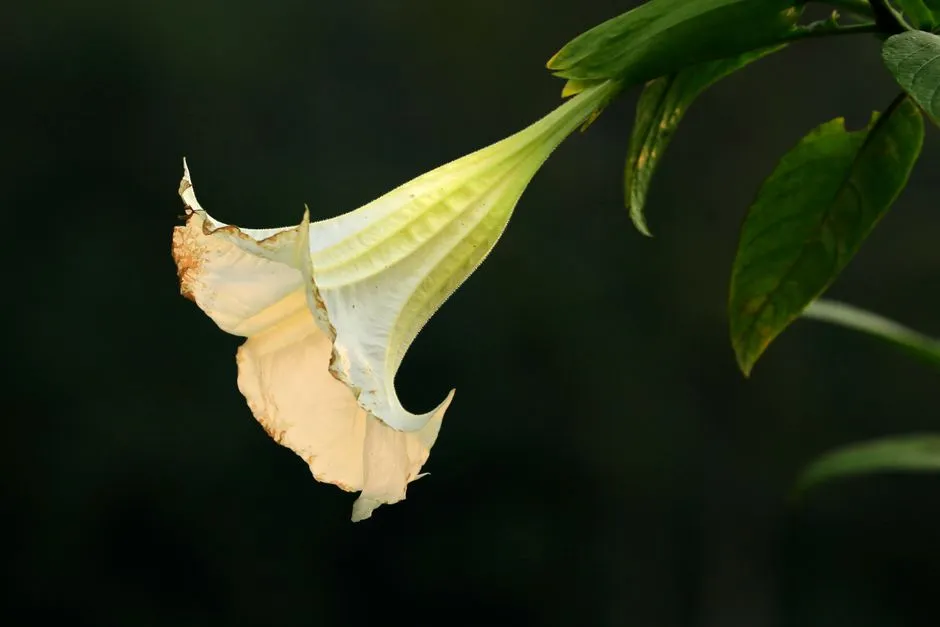
8. Angel’s Trumpet (Brugmansia): The Perfumed Nightmare On The Patio
🔥 Would you like to save this?
We'll email this post to you, so you can come back to it later!
Angel’s trumpet is that dreamy plant you see in photos of moonlit courtyards: long, drooping flowers that look like glowing trumpets, often releasing a powerful fragrance at night. People grow it in containers or near patios because the scent is most intense just when you’re likely to be outside relaxing. Yet that same plant contains potent toxins similar to those in belladonna and datura, and traditional stories around it are anything but relaxing.
In some regions, angel’s trumpet has been linked with tales of criminal misuse, coerced intoxication, and nightmarish loss of free will. The idea of a sweet-smelling plant that could be used to push someone into confusion or compliance is the stuff of modern horror thrillers, yet it grows calmly in ordinary backyards. It’s a perfect example of how real-life danger often wears a beautiful mask. Set against plastic skeletons and rubber bats, a fragrant flower with the potential to erase memory feels far more disturbing.
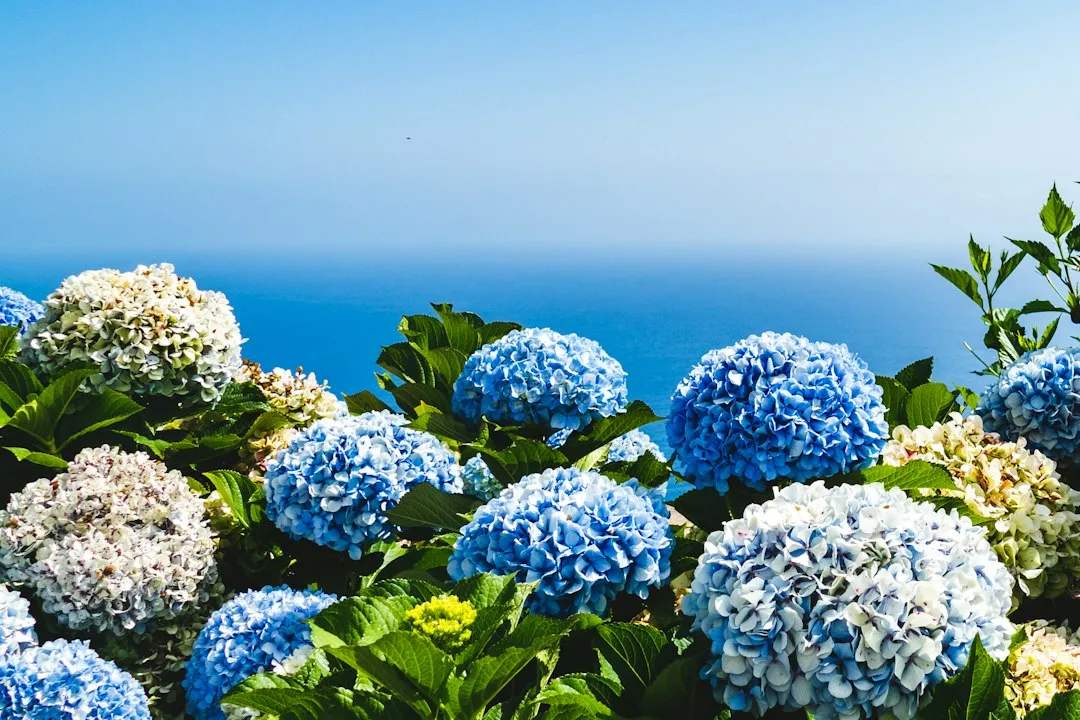
9. Hydrangea: Beloved Shrub With A Cyanide-Tinged Twist
🔥 Would you like to save this?
We'll email this post to you, so you can come back to it later!
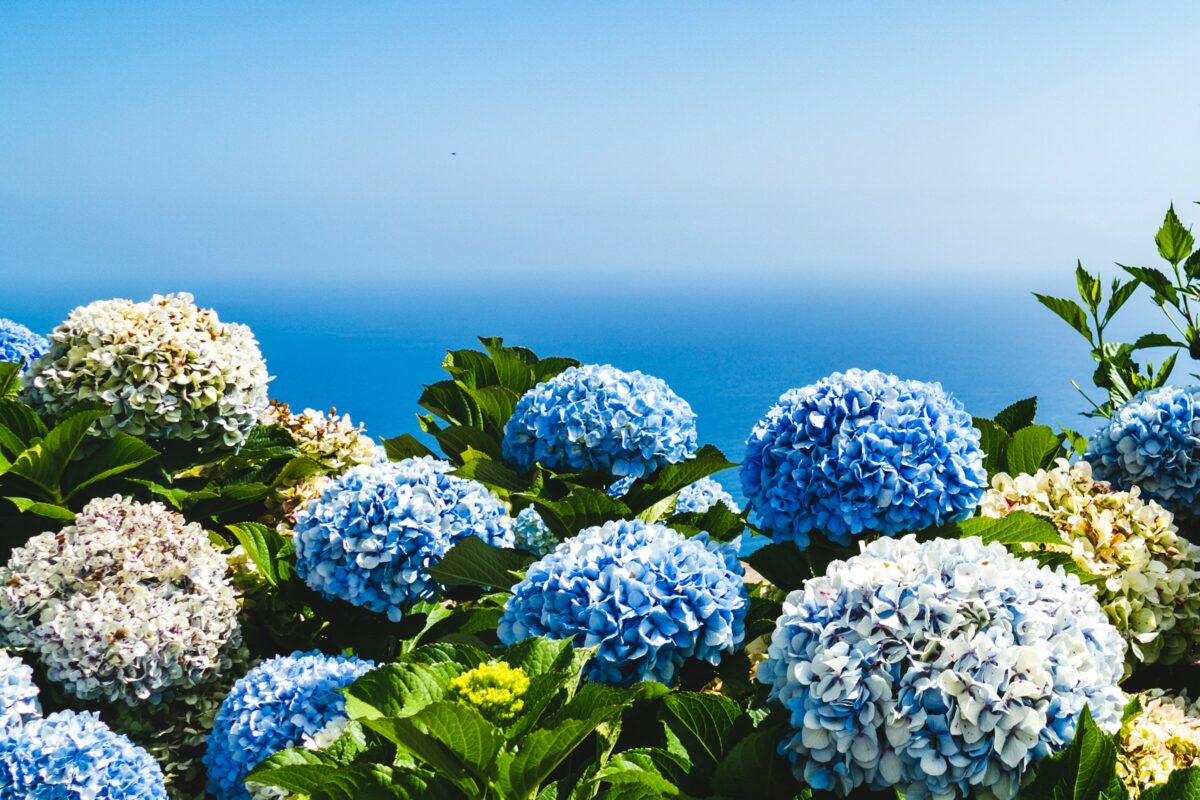
Hydrangeas are social-media darlings: big, pillowy flower heads in shades of blue, pink, and white that dominate wedding photos and garden tours. They symbolize gratitude and heartfelt emotions in modern flower language, and entire neighborhoods coordinate their front yards around them. On the surface, hydrangeas feel like the least threatening plant you could imagine decorating a garden with.
Less well known is that parts of the plant contain compounds that can release cyanide when metabolized, which is why chewing on stems or leaves is a bad idea. There have even been scattered reports over time of people trying to use hydrangea as a way to get high and winding up seriously ill instead. Does that make your neighbor’s hydrangea hedge a horror scene? Not exactly, but it does add a dark footnote to an otherwise wholesome plant. It is a reminder that even the most Instagram-ready flower can hide a chemistry set more intense than any fake green Halloween punch.
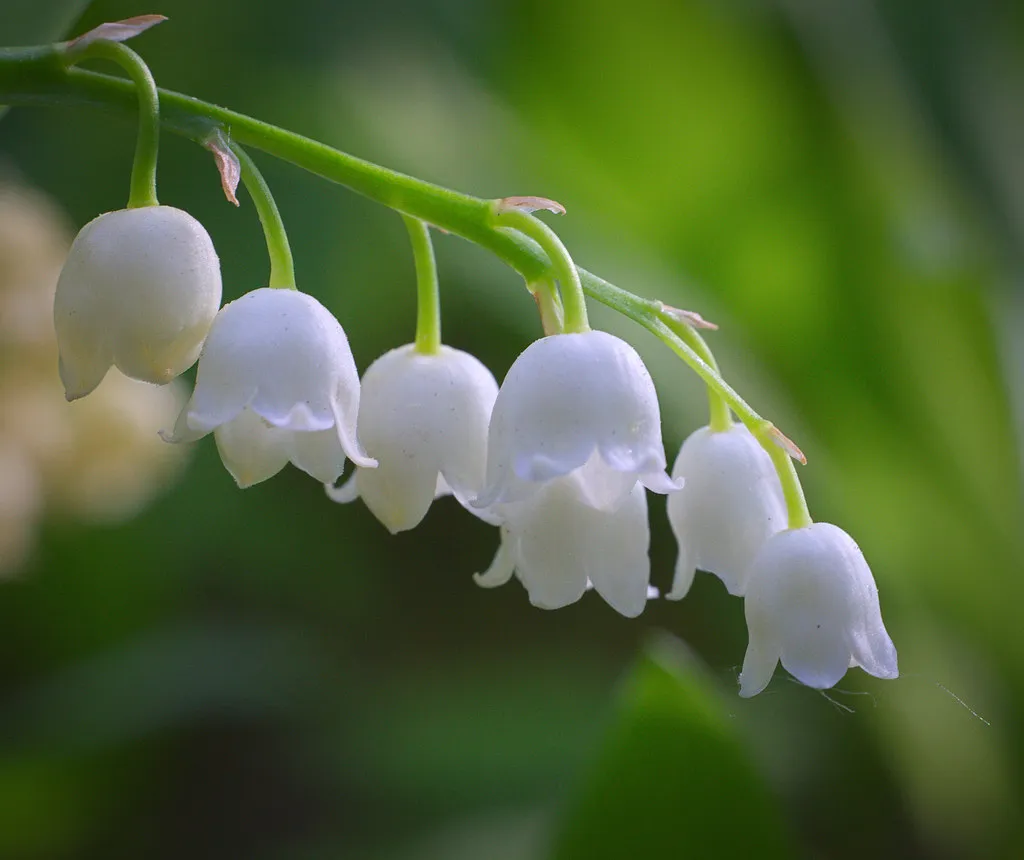
10. Lily Of The Valley: Tiny, Fragrant Bells With A Ruthless Edge
🔥 Would you like to save this?
We'll email this post to you, so you can come back to it later!
Lily of the valley is small but iconic: delicate white or pink bells dangling from slim stems, with a scent that is sweet and nostalgic. It shows up in bridal bouquets, vintage perfumes, and dreamy woodland garden designs. People associate it with purity, renewal, and springtime in storybooks and traditions, which makes its toxic nature feel almost like a twist in a thriller.
Similar to foxglove, lily of the valley contains cardiac-active compounds that can affect the rhythm and strength of the heartbeat. Ingesting parts of the plant, or even drinking water from a vase that held the flowers, can be risky for pets and children. The dissonance between its innocent symbolism and its ruthless chemistry is jarring. When you imagine those dainty bells chiming, you might also picture a warning instead of a lullaby, which is far creepier than any store-bought tombstone propped in the mulch.
Conclusion: The Real Haunted Garden Was Here All Along

🔥 Would you like to save this?
We'll email this post to you, so you can come back to it later!
Once you know these histories, Halloween decorations start to feel almost tame. Plastic gravestones and foam pumpkins are just props, but the plants rooted quietly in real soil have ended lives, shaped myths, and pushed the boundaries between medicine and murder for centuries. I honestly find a well-stocked old garden more unsettling than any haunted house, because the danger is subtle and absolutely real.
That doesn’t mean we should rip everything out and live with bare concrete; it just means we owe these plants respect. Wear gloves, teach kids not to snack on leaves, and maybe tell a few of the stranger stories at your next backyard gathering. In a world obsessed with jump scares and digital effects, there’s something grounding about remembering that nature has been writing horror and mystery long before we did. Next time you walk past a pretty shrub in October, will you still be more afraid of plastic spiders, or will you wonder what the roots of that plant have seen?

- 7 Everyday Habits That Can Make Your Senior Dog Happier - November 5, 2026
- 10 Enigmatic Structures That Continue to Puzzle Scientists Today - November 5, 2026
- 10 Strange Ruins in the Americas That Challenge What We Know About Early History - November 5, 2026