
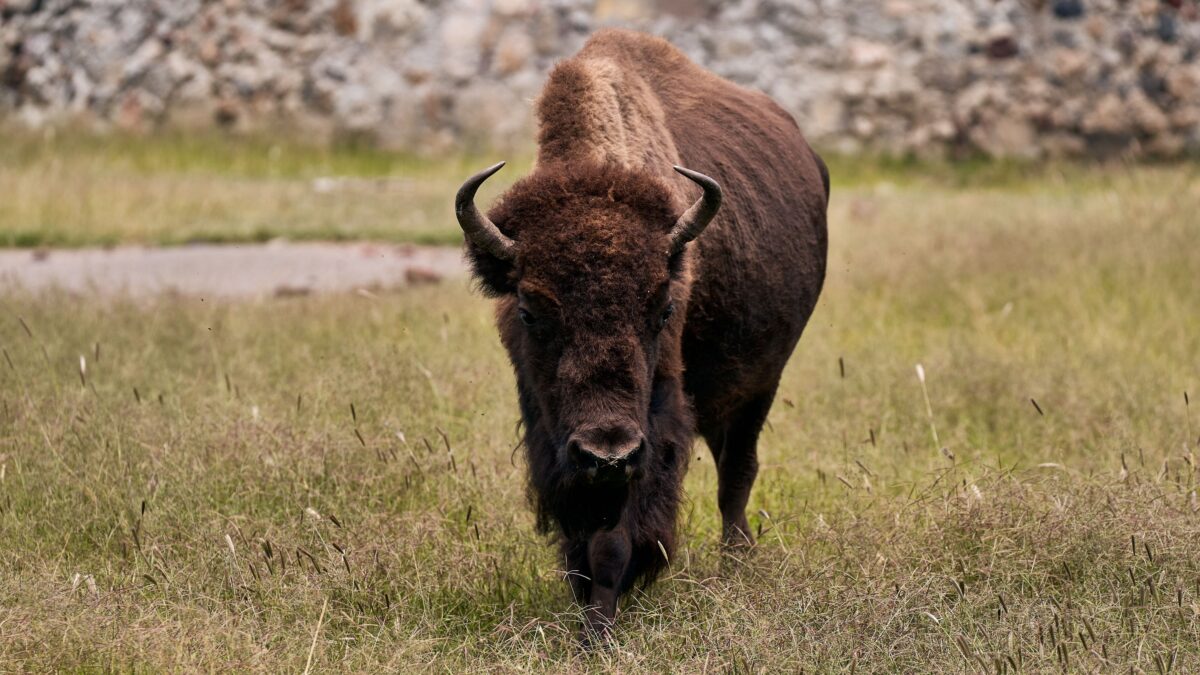
If you only know the American prairie from long drives past endless cornfields, you’re missing its real story. Hidden in the “flyover” heartland are pockets of wild grassland where bison still thunder, black-footed ferrets hunt prairie dogs, and night skies feel almost prehistoric.
These places are not theme parks; they are living, breathing experiments in how much of the old prairie we can still bring back. Some of them feel raw and unfinished, others are quietly polished, but all of them remind you that the Great Plains were once as wild and dramatic as any rainforest or coral reef. Here are ten destinations where that forgotten wildlife is making a comeback – and where you can still feel the pulse of a landscape most people have written off.
Tallgrass Prairie National Preserve, Kansas
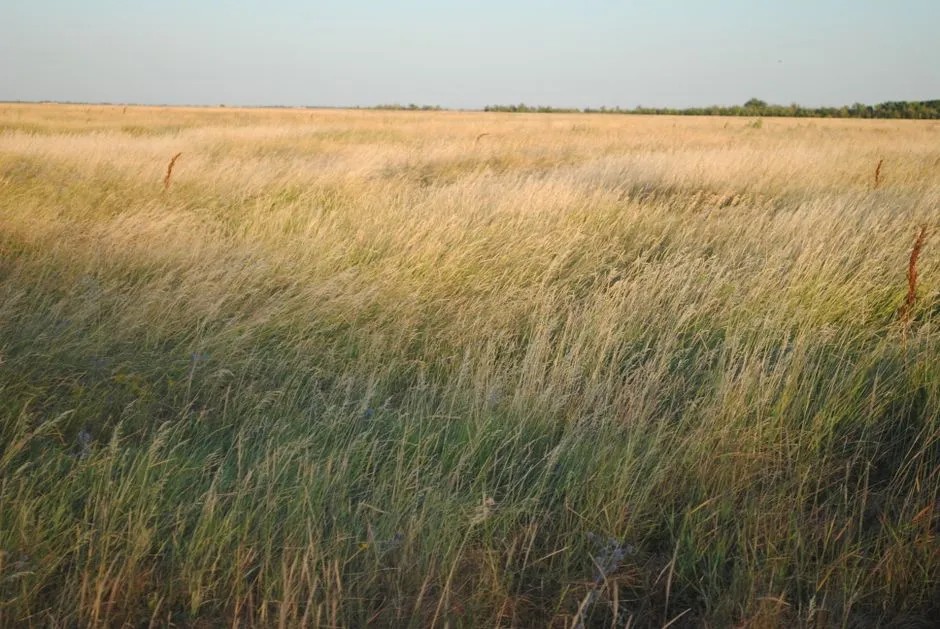
Walk into Tallgrass Prairie National Preserve and the first shock is sound, or rather the lack of it. No highways humming in the background, just wind in the big bluestem and the soft grunts of bison moving through a landscape that once stretched from Texas to Canada. Today, only a tiny fraction of tallgrass prairie survives, and this preserve in the Flint Hills protects one of the last large pieces.
What makes this place special is how intact the community feels: bison, greater prairie-chickens, coyotes, and a dizzying variety of grassland birds all sharing the same rolling hills. In spring, when the prescribed burns have just swept through, you’ll see scorched black slopes that look ruined – then within weeks they flush neon green and insects, meadowlarks, and butterflies explode back onto the scene. It’s a living lesson in how fire, grazing, and time knit prairie wildlife back together.
American Prairie, Montana
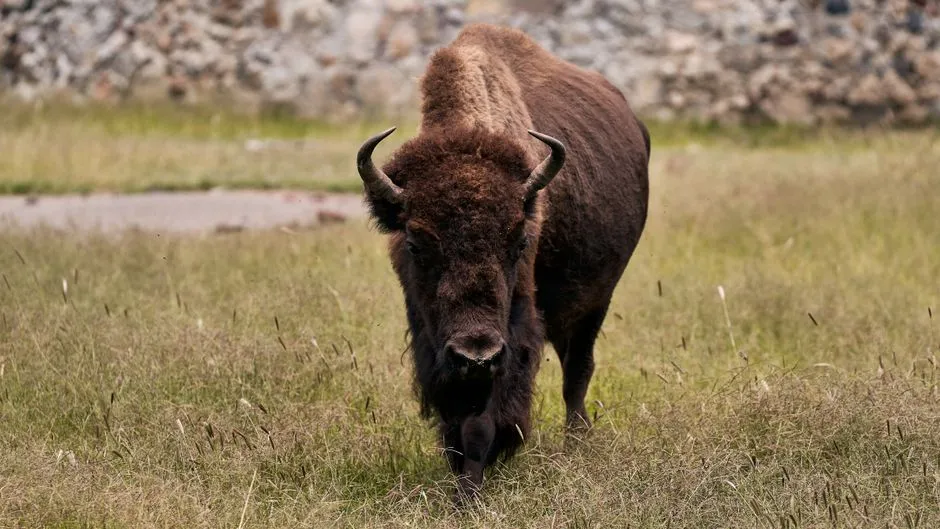
On the northern Great Plains of Montana, American Prairie is trying something that sounds almost outrageous in modern America: recreating a vast, free-roaming grassland ecosystem. This privately led conservation effort is stitching together ranches and public lands into a huge connected landscape where bison, pronghorn, elk, and predators can move more freely again. The scale alone feels different; the horizon just doesn’t seem to end.
Wildlife here is not arranged for your convenience, and honestly, that’s the appeal. You might scan for an hour before spotting a distant bison herd kicking up dust, or catch a burrowing owl glaring at you from a prairie dog town. The project is controversial in some ranching communities, but it forces a tough question: how much room are we willing to make for big, ambitious wildness in the twenty-first century, instead of just tiny, sanitized parks?
Konza Prairie Biological Station, Kansas
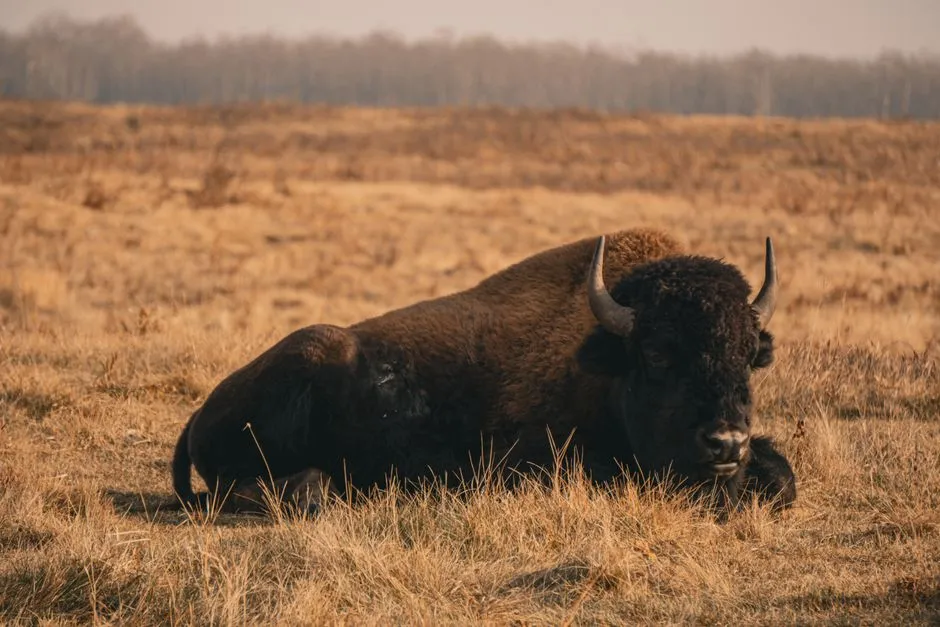
Konza Prairie is where the prairie goes to college – literally. Managed as a research station, this tallgrass preserve near Manhattan, Kansas is sliced into experimental plots that get burned on different schedules and grazed in different ways. It sounds clinical, but walking the public trails you feel more like you’ve stepped into a living laboratory of fire, grass, and hooves.
The wildlife response is surprisingly dramatic. Some birds pile into frequently burned areas; others prefer older, shaggy stands of grass. Bison have been reintroduced here, and watching them move through research plots makes the science feel personal: every hoofprint is a data point, every grazed patch a tiny experiment. Konza proves that understanding prairie wildlife deeply is not a luxury – it’s how we avoid repeating the same mistakes that nearly erased this ecosystem in the first place.
Wind Cave National Park, South Dakota
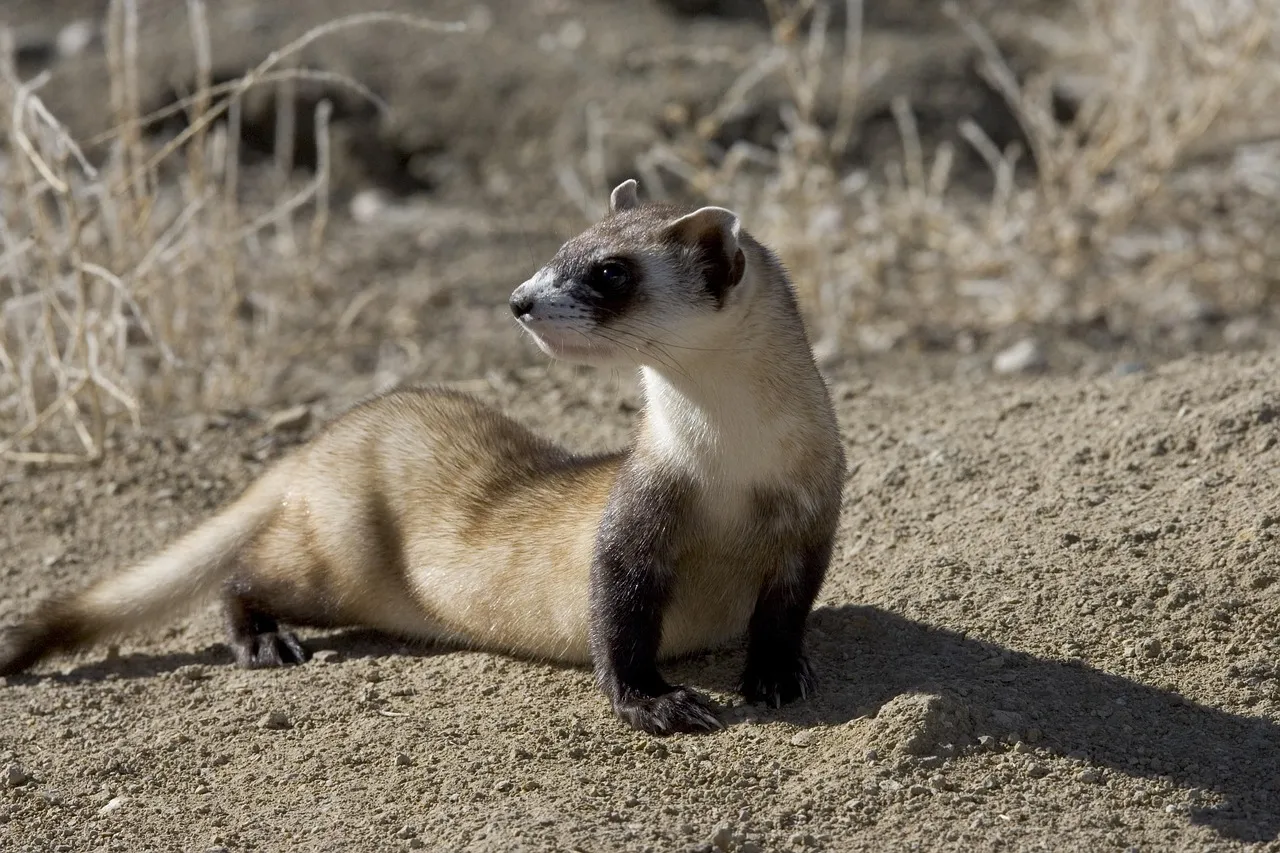
Most people go to Wind Cave for the underground world, but the real story, in my opinion, is happening above ground. The park’s mixed-grass prairie and ponderosa pine hills support bison, elk, pronghorn, prairie dogs, and one of the most quietly important reintroduction stories on the Plains: the black-footed ferret. Once thought extinct, these nocturnal hunters have been released here to reclaim their role as top predators in prairie dog colonies.
You’re unlikely to see a ferret unless you are out at night with serious luck, but that mystery adds to the feeling that something wild is happening just out of sight. In the daytime, you can watch entire prairie dog towns twitch with nervous energy as hawks circle above and coyotes skirt the edges. The surface looks calm from the road, but when you stand still and pay attention, you realize this grassland is a busy, dangerous neighborhood for its wild residents.
Fort Niobrara National Wildlife Refuge, Nebraska
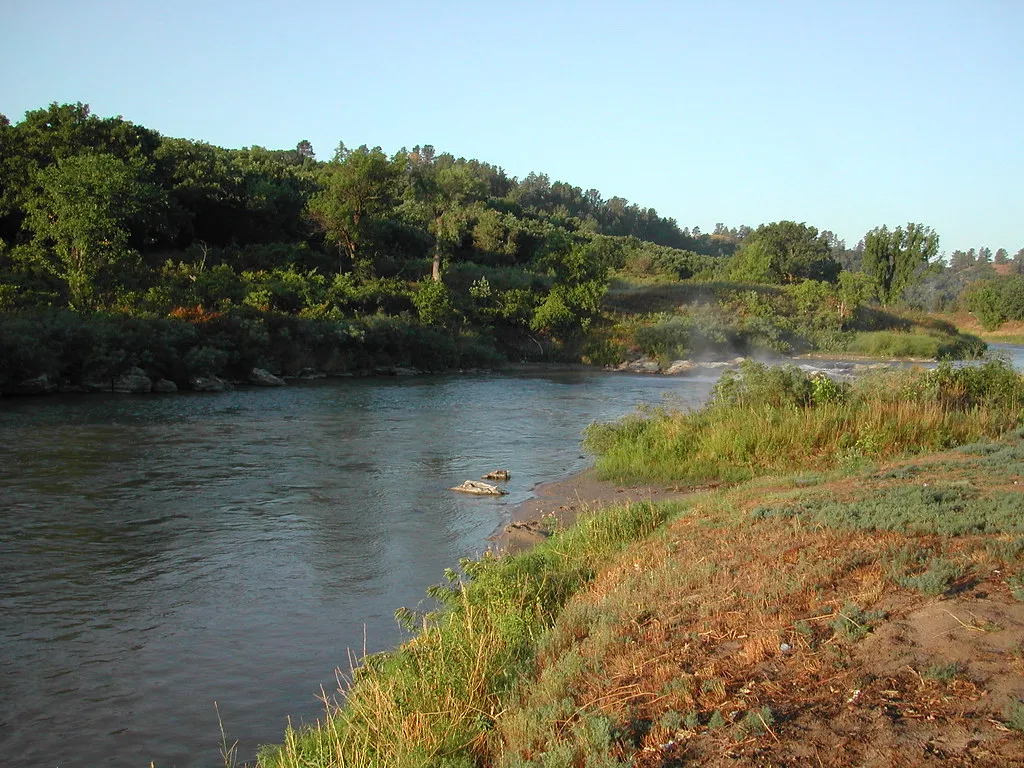
Perched along the Niobrara River in north-central Nebraska, Fort Niobrara fuses two worlds: rippling prairie on top, lush river corridor below. Bison and elk graze the uplands while songbirds, beavers, and otters work the wooded, spring-fed riverbanks. Float a canoe through one of the cooler summer stretches and you literally move from open grassland to almost canyonlike scenery in just a few bends.
This contrast creates a magnet for wildlife that need different habitats at different times of the year or even different times of the day. You might see a bald eagle riding a thermal above the prairie while, at almost the same moment, a chorus of frogs drowns out everything along the water. It’s a reminder that the prairie is not just about dry, flat grass; it is a mosaic, and when you keep enough pieces together, forgotten species suddenly have room to breathe again.
Sevilleta National Wildlife Refuge, New Mexico
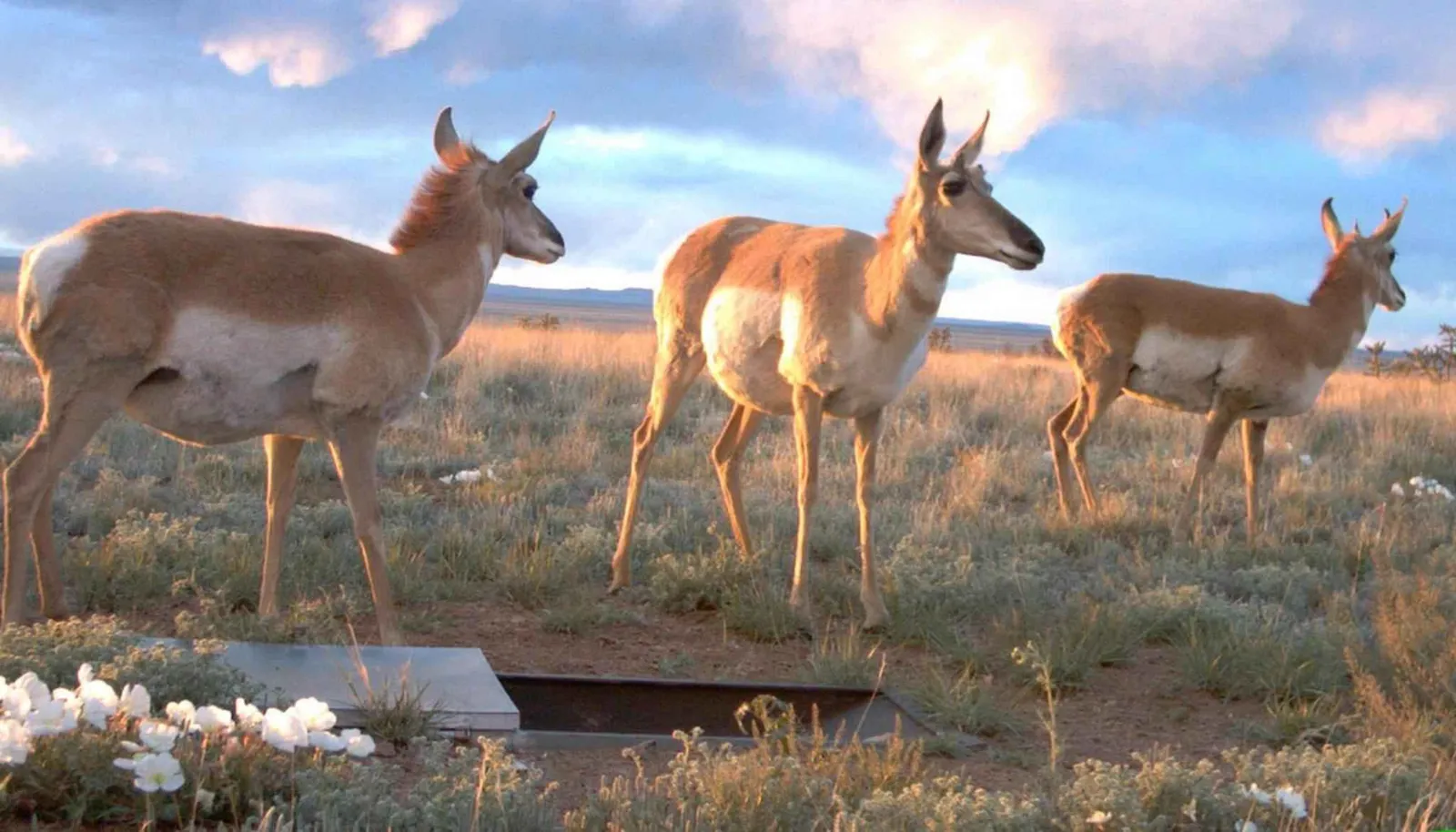
Sevilleta sits at one of those ecological crossroads that make biologists giddy: it is where shortgrass prairie, desert, woodland, and riparian habitats all collide in central New Mexico. That means pronghorn and mule deer share the landscape with roadrunners, rattlesnakes, and migratory birds that follow the Rio Grande. The refuge’s size and relative lack of tourist infrastructure give it a slightly wild-west feel, like you’ve arrived before the brochures were printed.
Because it is also a major research site, Sevilleta offers a glimpse into how climate change is reshaping prairie and desert wildlife. Some grassland birds are shifting ranges; some desert species are pushing upslope. You can sense an ecosystem in motion, trying to rebalance itself as rainfall patterns and temperatures change. It is fascinating and a little unsettling, like watching a play where the script is still being rewritten in real time.
Midewin National Tallgrass Prairie, Illinois

Just an hour or so from Chicago, Midewin might be the most surprising prairie on this list. It used to be a massive munitions plant, and now it is slowly morphing into the first national tallgrass prairie in the United States. The transformation is still in progress, with restoration fields, old bunkers, and newly seeded grasslands all stitched together, but that honesty is part of its charm.
Bison were reintroduced here, and seeing them against a skyline that sometimes hints at distant industry makes a blunt point: prairie recovery is not going to happen only in remote, postcard-perfect places. Grassland birds, monarch butterflies, and rare plants are returning as former factory lands soften back into living soil. If we are serious about saving forgotten prairie wildlife, we have to accept messy, in-between landscapes like Midewin as the new frontier.
Smoky Valley Ranch, Kansas
Smoky Valley Ranch, owned by a conservation group, feels like a scene from an older, rougher West. The land is carved by canyons and buttes, with shortgrass prairie stretching between them and a huge sky overhead. Bison roam here again, along with pronghorn and a generous cast of grassland birds that have been pushed out of more intensively farmed areas.
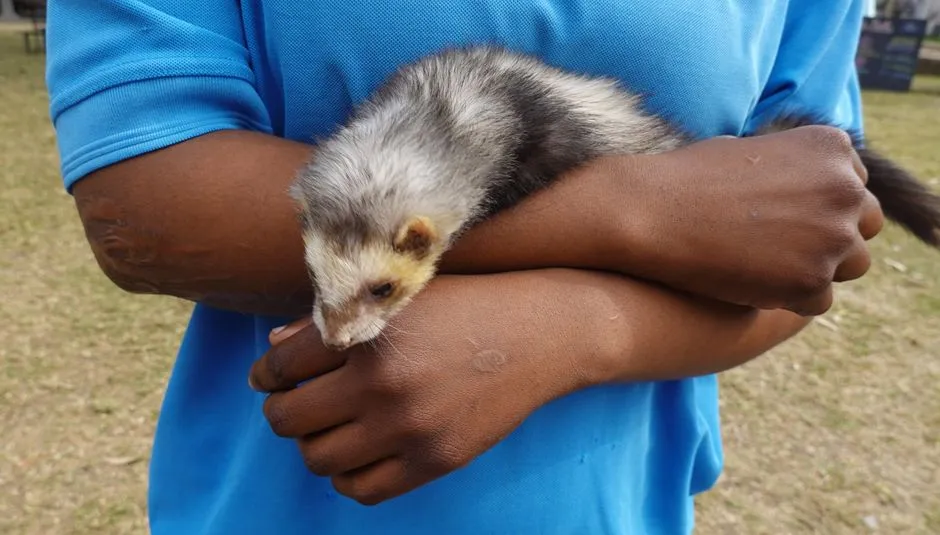
One of the most intriguing aspects is the presence of both prairie dogs and black-footed ferrets, predator and prey locked in a tense partnership that defines so much of the original prairie food web. Standing on a rise and looking across colonies that once would have covered miles, you get a sense of how far we have to go and how far we have already come. It is not a polished tourist stop; it is a working restoration, and in some ways, that makes every hawk, lizard, and scurrying rodent feel like a small, hard-won victory.
Valentine National Wildlife Refuge, Nebraska Sandhills
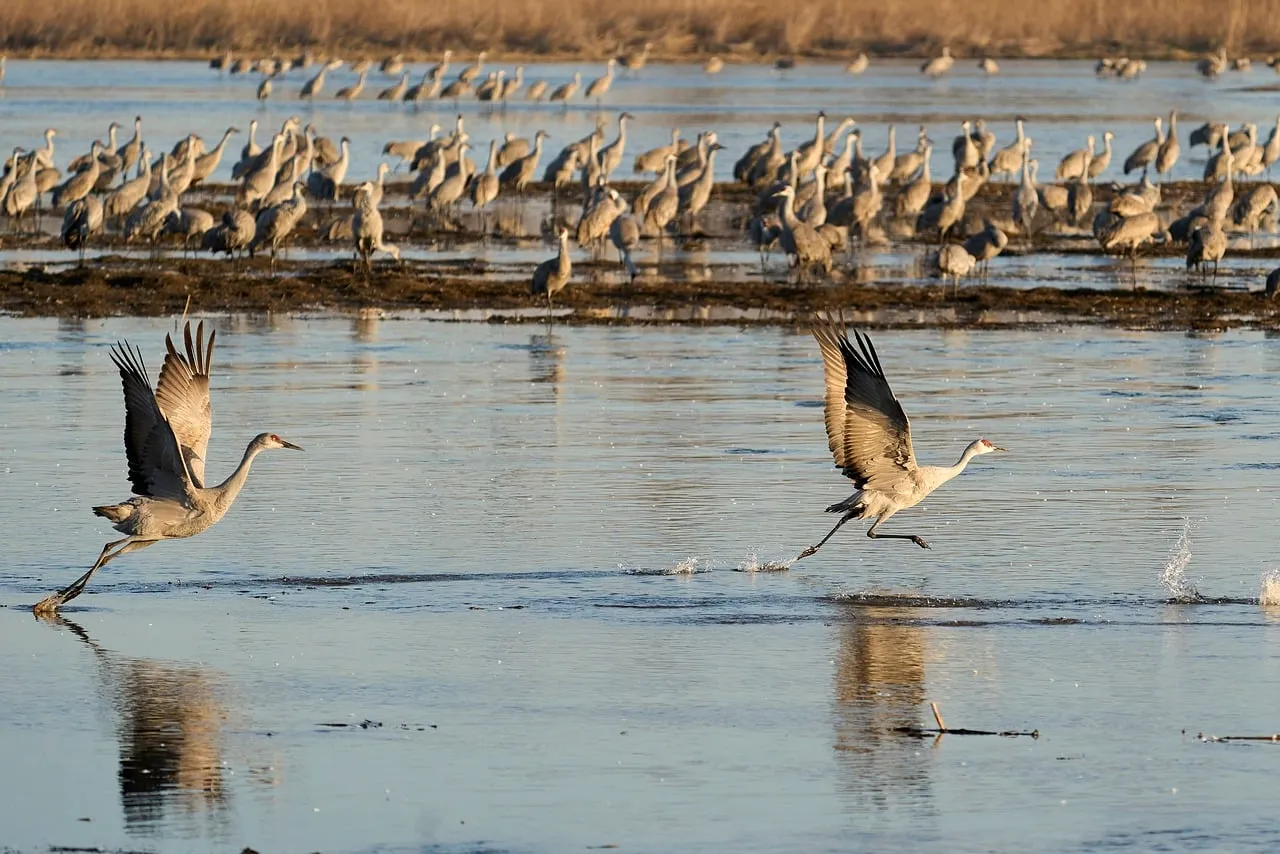
The Nebraska Sandhills look, at first, more like a strange inland ocean of grass-covered dunes than a traditional prairie. But beneath those rolling hills lie vast groundwater reserves, and wetlands tucked between the dunes turn this region into a haven for waterfowl, cranes, and secretive marsh birds. Valentine National Wildlife Refuge protects a big slice of this unique mix of grass and water.
Here, prairies are not just dry uplands; they are stitched seamlessly to shallow lakes and wet meadows thrumming with insects and amphibians. You might spot sharp-tailed grouse dancing in spring on nearby leks, or catch a glimpse of a coyote ghosting along a ridge at dusk. The Sandhills challenge the stereotype that prairie equals monotony, and they quietly host a level of biodiversity that rivals more famous coastal wetlands and forests.
Ranching for Wildlife: Private Prairie Reserves of the Texas Panhandle
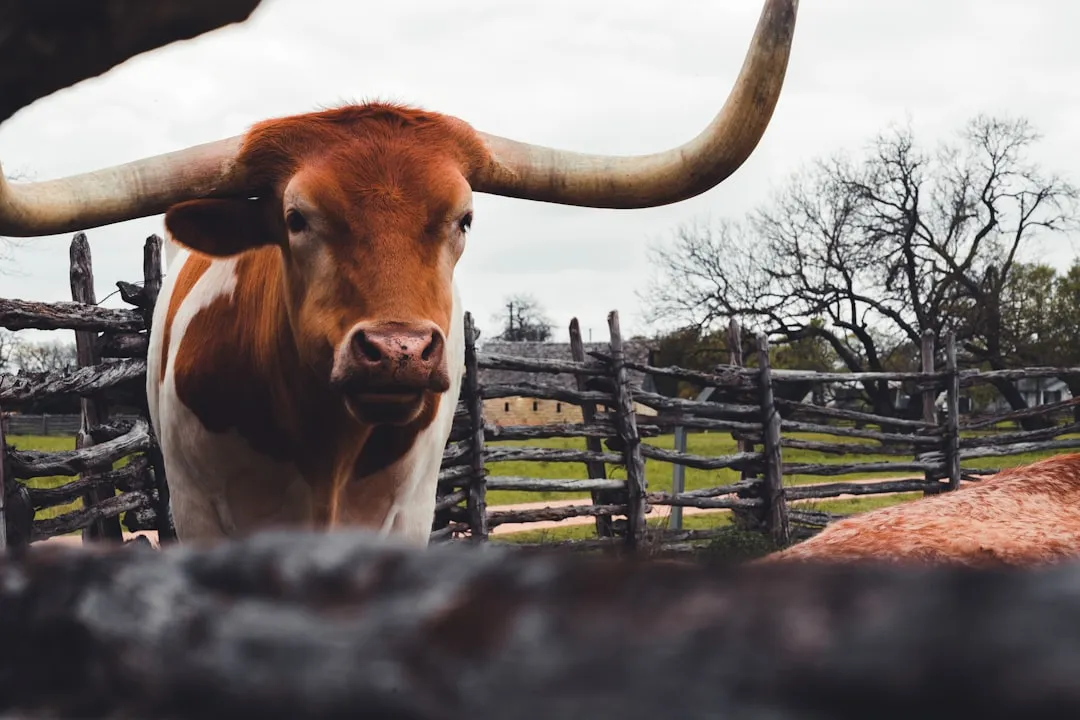
Across the Texas Panhandle, a patchwork of private ranches is managing land with wildlife in mind, sometimes under formal “ranching for wildlife” style initiatives, sometimes simply because the landowners care. These are not national parks, and that can make people skeptical, but the results on the ground can be impressive. Pronghorn, white-tailed deer, lesser prairie-chickens, and a suite of grassland birds find refuge in carefully grazed and minimally fragmented pastures.
On some of these properties, landowners are experimenting with rotational grazing and reduced fencing, trying to mimic the way bison once moved across the Plains. It is not a perfect recreation, but it is a pragmatic version of prairie recovery that has a real chance of scaling up. If we keep pretending conservation can only happen on public land, we will lose; these working ranches show that sometimes the most important wildlife decisions are made at a kitchen table, not in a government office.
Conclusion: The Prairie Comeback No One Is Talking About
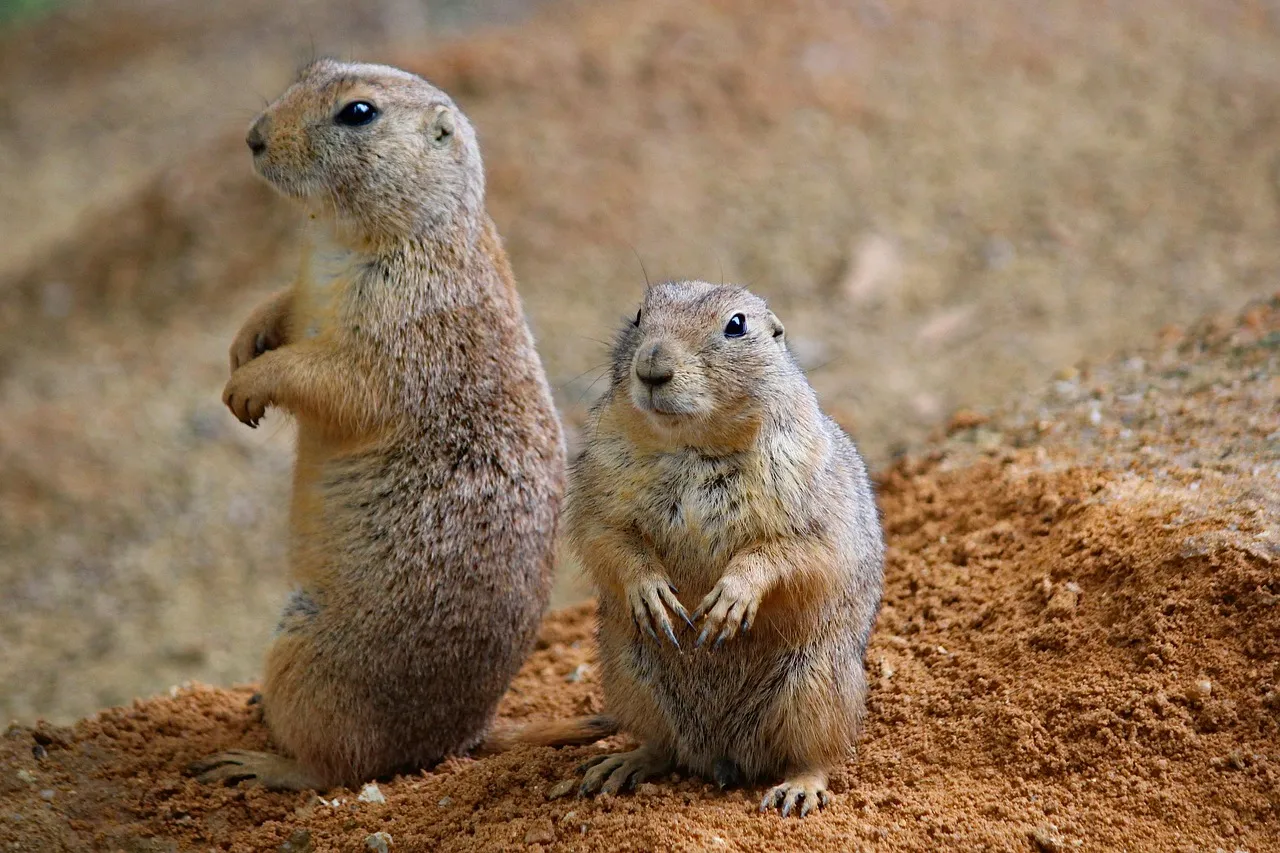
America tends to celebrate its mountains, coasts, and giant trees, while the prairies get treated like background noise. Yet in these ten places, you can feel a quiet revolution underway: bison thundering where they were once wiped out, ferrets slipping back into prairie dog towns, cranes and grouse dancing on leks that nearly went silent. This is not nostalgia; it is a bet that our future is richer when we share space with the full cast of native wildlife, not just the species that tolerate strip malls and golf courses.
Personally, I think the most radical thing about prairie conservation is how ordinary it looks at first glance. A patch of grass, a fence line, a sky. But linger, and you realize that every hawk circling, every burrowing owl glaring from a dirt mound, is evidence that we chose not to give up on this landscape after all. The real question is whether more of us will show up, support these efforts, and let the prairie’s forgotten wildlife write themselves back into our shared story – are we willing to look twice at the “empty” places we once drove past without a second thought?

- Does Your Cat Actually Miss You When You’re Gone? Scientists Finally Have the Answer - August 15, 2026
- 12 Incredible Animal Architects Whose Creations Will Astonish You - August 15, 2026
- 7 US States With the Most Prairie Dogs - August 15, 2026