


Wolves, as apex predators, play a crucial role in maintaining ecological balance across their natural habitats. Understanding their health indicators can help conservationists, researchers, and wildlife managers better protect these magnificent creatures and ensure their populations remain stable. Wolves display numerous physical and behavioral signs that indicate whether they’re thriving or struggling in their environment.
While wolves are incredibly resilient animals that have adapted to survive in some of the harshest environments on Earth, they still face numerous challenges in the wild. From habitat loss and fragmentation to conflicts with humans and disease outbreaks, monitoring wolf health has never been more important for conservation efforts. By recognizing the telltale signs of both thriving and troubled wolves, we can work to address issues before they become critical to population survival.
Sign #10 Healthy Body Condition
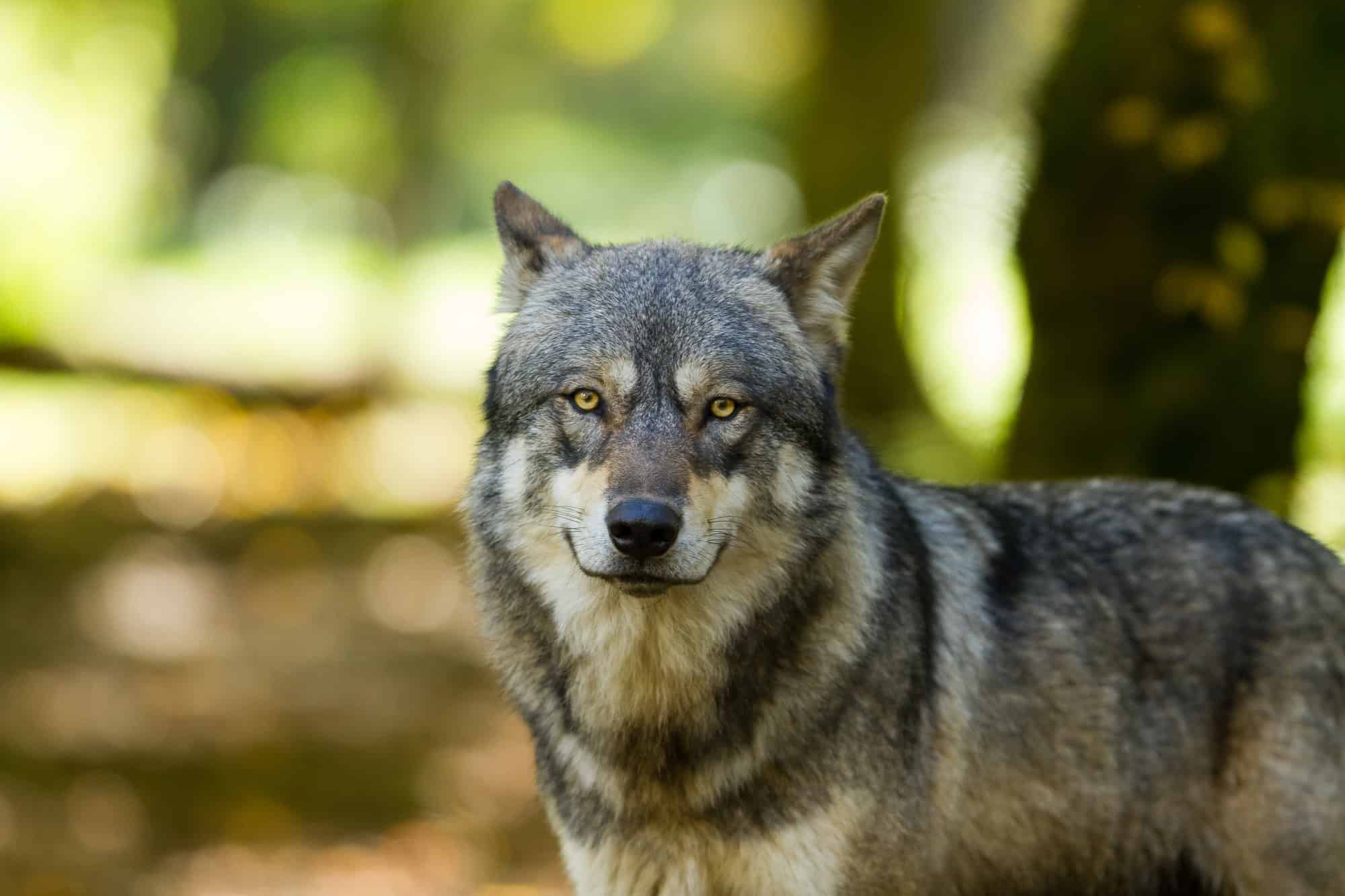
A thriving wolf maintains an optimal body condition that balances muscularity with appropriate fat reserves. Healthy wolves display a sleek but not emaciated appearance, with a slight tuck at the waist when viewed from above. Their ribs should not be prominently visible but can be felt with gentle pressure. A well-nourished wolf will have good muscle definition, particularly in the shoulders and hindquarters, without appearing obese.
The wolf’s coat also serves as a window into its overall health. A thriving wolf’s fur will be thick, lustrous, and appropriate for the season—denser in winter and slightly sparser in summer. Healthy wolves shed seasonally, with their winter coat typically being replaced during spring months. This natural cycle ensures they maintain proper thermoregulation throughout the year, an essential adaptation for survival in their often harsh environments.
Sign #9 Strong Social Bonds

Wolves are highly social animals, and healthy packs demonstrate strong bonds through complex social interactions. Thriving wolves engage in regular positive social behaviors including mutual grooming, play, coordinated hunting, and communal care of pups. The presence of clear but stable pack hierarchies indicates a well-functioning social group. Researchers have documented elaborate greeting ceremonies when pack members reunite, often characterized by face-licking, body-rubbing, and vocalizations that strengthen social cohesion.
These social bonds extend beyond mere companionship—they form the foundation of wolf survival strategies. Pack members coordinate their efforts during hunts, with different wolves taking specialized roles based on their strengths and position within the pack. Thriving packs demonstrate impressive teamwork, using advanced tactics to pursue, surround, and capture prey that would be impossible for a lone wolf to take down. This cooperative hunting increases their hunting success rate and ensures better nutrition for all pack members.
Sign #8 Successful Reproduction
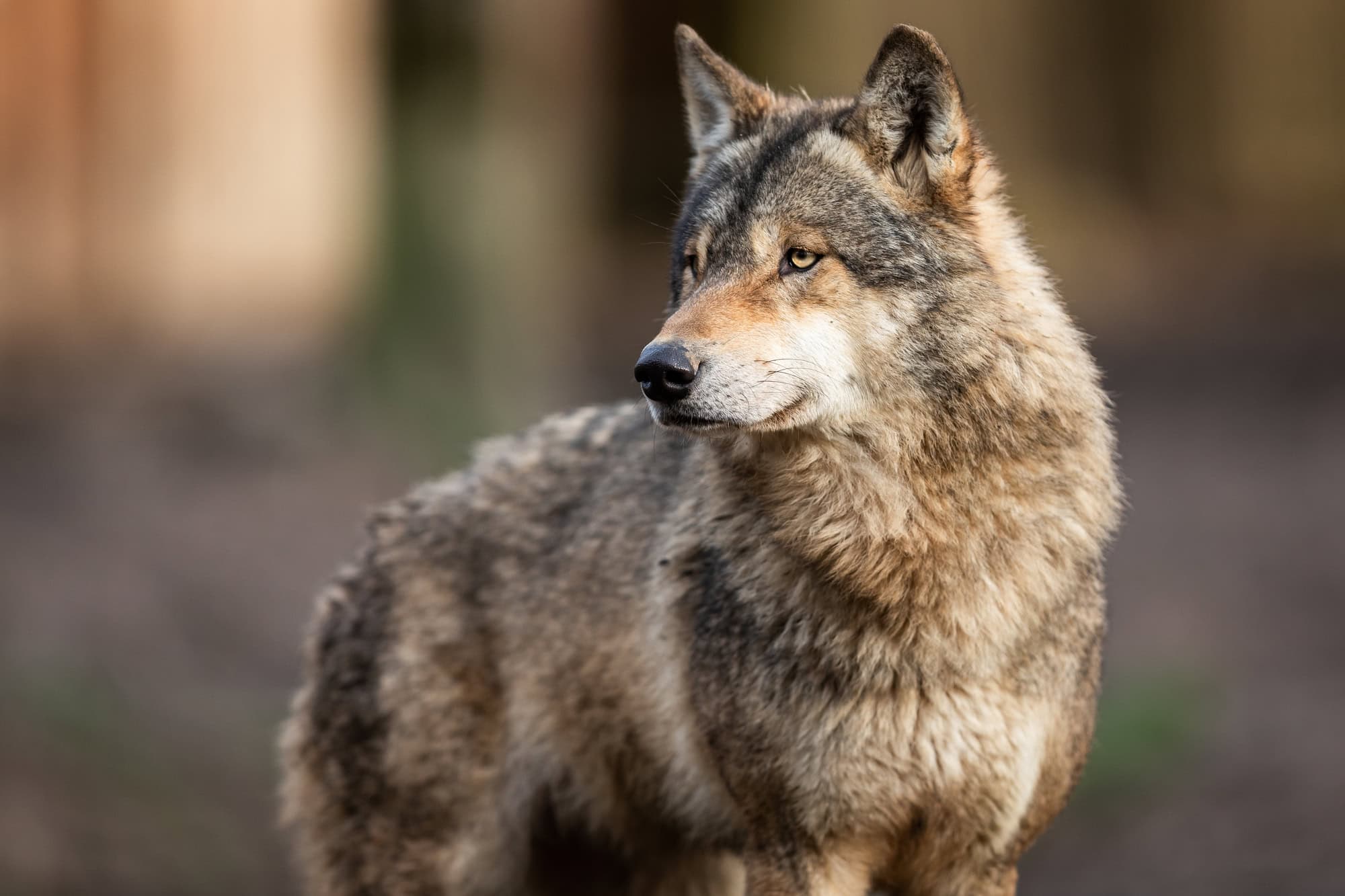
Perhaps the most definitive sign of a thriving wolf population is consistent reproductive success. Healthy wolf packs typically produce one litter per year, with the alpha female giving birth to 4-6 pups on average. In particularly favorable conditions with abundant prey, litter sizes may increase, sometimes reaching as many as 10-12 pups. Successful reproduction extends beyond merely producing offspring—it includes the pack’s ability to protect, feed, and raise these pups to maturity.
The survival rate of wolf pups serves as a critical indicator of pack health. In thriving populations, at least 50% of pups survive their first year, with mortality decreasing significantly after they reach about 6-8 months of age. Multiple generations coexisting within a pack demonstrates long-term reproductive success and indicates that the wolves have established themselves well in their territory. Researchers tracking wolf populations often use pup survival rates as a key metric for assessing overall population health and viability.
Sign #7 Established Territory
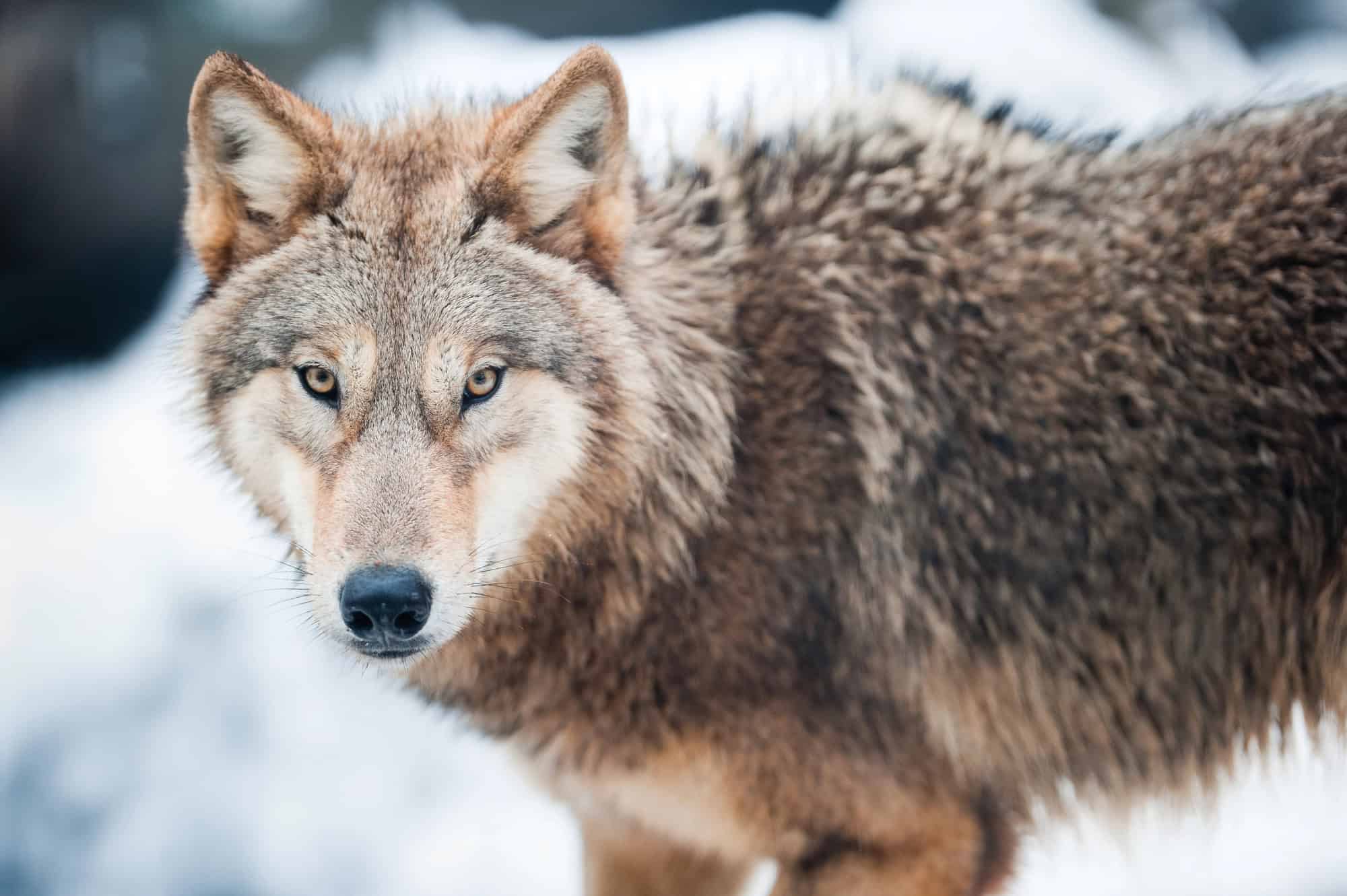
Wolves that are thriving maintain well-defined territories that they actively defend and utilize efficiently. A healthy wolf pack’s territory typically ranges from 50 to 1,000 square miles, depending on prey density, habitat type, and pack size. Within these territories, thriving wolves establish regular travel routes, den sites, and rendezvous areas that they may use for multiple years. They mark these territories through scent marking, howling, and other communication methods that help minimize physical conflicts with neighboring packs.
The ability to maintain a consistent territory over time indicates that a wolf pack has successfully secured adequate resources for survival. Researchers track territory size and stability as indicators of environmental quality and pack health. In areas with abundant prey, territories tend to be smaller and more stable. Conversely, in regions with scarce resources, territories expand but may be harder to defend, potentially leading to increased inter-pack conflict. A thriving wolf pack adapts its territorial behavior in response to changing environmental conditions while maintaining core areas critical for reproduction and pup-rearing.
Sign #6 Efficient Hunting Success

Thriving wolves demonstrate impressive hunting efficiency, with success rates typically ranging from 10-20% for large prey like elk or moose. While this may seem low, it represents a remarkable achievement given the dangers and energy expenditure involved in taking down animals that can significantly outweigh the wolves themselves. A healthy wolf pack develops specialized hunting strategies adapted to their specific prey and habitat, maximizing their chances of success while minimizing risk of injury to pack members.
Evidence of successful hunts can be observed through the wolves’ feeding patterns and kill sites. Thriving wolves typically consume most parts of their prey, including organs, muscle tissue, and even breaking open bones to access nutritious marrow. They often cache surplus food by burying it, returning later when fresh kills aren’t available. This efficient use of resources helps wolves survive during periods when hunting conditions are poor or prey is scarce. Researchers studying wolf populations often monitor kill rates and prey selection as indicators of both wolf health and ecological impact.
Sign #5 Appropriate Vocalizations
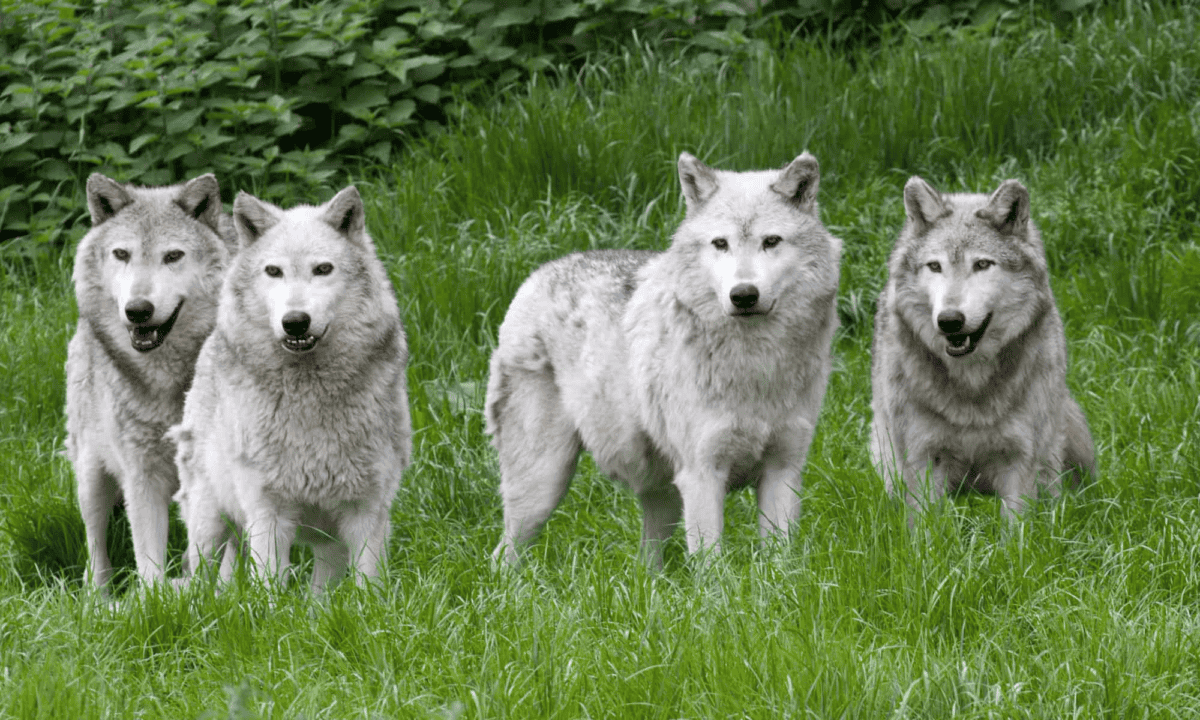
Wolves are highly vocal animals, and healthy packs use a sophisticated range of sounds to communicate effectively. The iconic wolf howl serves multiple purposes, including territory announcement, pack assembly, and social bonding. Thriving wolves howl with strong, clear vocalizations that can carry for miles across their territory. These howls typically occur more frequently during breeding season and when packs are separated during hunting activities. Regular howling sessions, particularly with multiple pack members joining in chorus, indicate strong social bonds and territorial confidence.
Beyond howling, healthy wolves utilize an array of other vocalizations including growls, whines, barks, and yips, each serving specific communicative functions. Researchers have identified distinct “dialects” among different wolf populations, suggesting cultural transmission of vocal patterns within packs. The frequency and context of these vocalizations provide valuable insights into pack dynamics and individual wolf health. Sudden changes in vocalization patterns may indicate stress or disruption to normal pack functioning, while consistent, varied vocalizations typically signal a thriving wolf group.
Sign #4 Appropriate Seasonal Adaptations
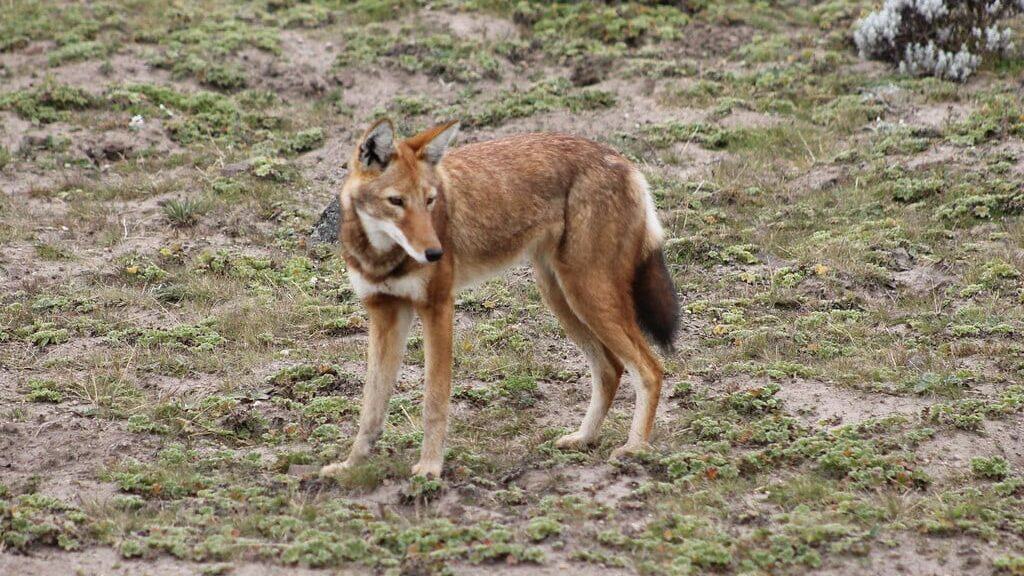
Thriving wolves display remarkable adaptability to seasonal changes in their environment. In winter, healthy wolves grow dense undercoats that provide crucial insulation against extreme cold, while their outer guard hairs help shed snow and repel moisture. Their metabolism adjusts to conserve energy during lean winter months, allowing them to travel up to 30 miles daily when necessary to find food. Winter hunting strategies often shift toward targeting larger prey that provides more calories per hunt, maximizing energy efficiency.
During warmer seasons, wolves shed their winter coats and adjust their hunting and movement patterns. Spring and summer represent critical periods for raising pups, and healthy wolves adapt their behaviors accordingly. Pack members establish rendezvous sites where pups can safely play and develop while adults hunt. Food is often regurgitated for younger pack members, ensuring proper nutrition during critical growth periods. Thriving wolves maintain appropriate body weight throughout seasonal transitions, neither becoming emaciated during winter nor overweight during periods of prey abundance.
Sign #3 Parasite Resistance

All wild wolves carry some parasite load, but thriving wolves demonstrate effective resistance to debilitating infestations. Healthy wolves can tolerate normal levels of common parasites like ticks, fleas, intestinal worms, and heartworm without showing significant negative effects. Their robust immune systems, developed through natural selection over thousands of generations, allow them to maintain functionality even when exposed to various pathogens. Regular grooming behaviors, both self-directed and social grooming among pack members, help control external parasites.
Researchers examining wolf health often assess parasite loads through scat analysis and, when possible, blood sampling during capture-and-release studies. Moderate parasite presence is actually normal and expected in wild wolves, but thriving individuals show no signs of severe infestation such as extreme weight loss, poor coat condition, or reduced activity levels. Interestingly, some studies suggest that wolves self-medicate by occasionally consuming certain plants with anti-parasitic properties, demonstrating their remarkable adaptive capacity to maintain health in challenging environments.
Sign #2 Appropriate Play Behavior
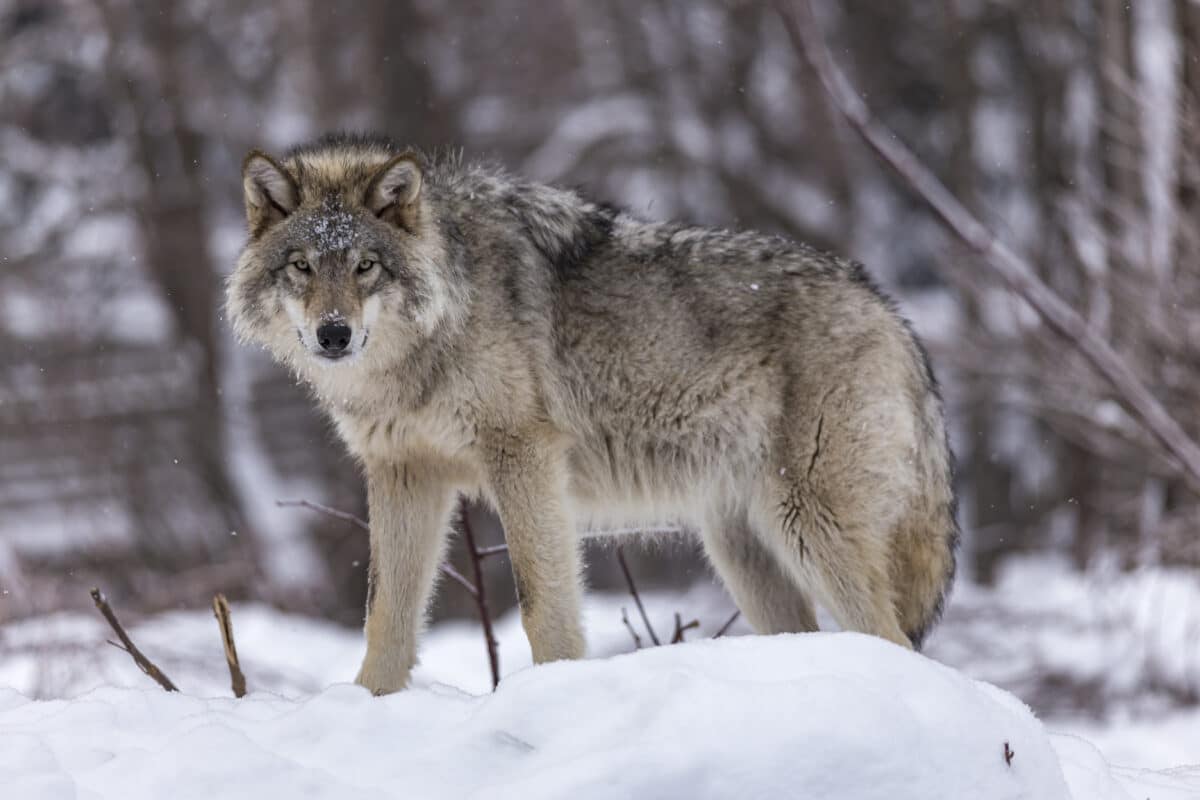
Play behavior serves crucial developmental and social functions in wolf packs, and its regular occurrence signals a thriving group. Healthy adult wolves engage in play with packmates throughout their lives, not just as juveniles. These interactions include chase games, play fighting, object play with sticks or bones, and even playful “ambushes” of other pack members. Such behaviors strengthen social bonds, practice hunting skills, establish pack hierarchies without serious injury, and provide cognitive stimulation essential for these highly intelligent animals.
Wolf pups in thriving packs engage in particularly frequent and vigorous play, which develops crucial physical and social skills they’ll need as adults. Researchers have documented complex play sequences that mimic adult hunting behaviors, teaching coordination and teamwork from an early age. The presence of regular play behavior indicates that wolves have sufficient energy reserves beyond mere survival needs—essentially, they’re doing well enough that they can afford to expend energy on activities beyond hunting and territorial defense. In stressed or struggling packs, play behaviors typically decrease significantly as wolves focus their limited energy on essential survival activities.
Sign #1 Genetic Diversity

Healthy wolf populations maintain sufficient genetic diversity, which provides resilience against disease and environmental changes. While this isn’t immediately visible in individual wolves, population-level genetic health manifests in several observable ways. Thriving wolf populations show normal variation in physical traits like coat colors and patterns, size differences within normal ranges, and absence of obvious congenital defects. The ability to successfully reproduce with normal litter sizes and healthy offspring indirectly indicates good genetic health.
Genetic diversity in wolves depends largely on population connectivity and size. Isolated wolf populations face greater risks of inbreeding depression, which can lead to reduced fertility, compromised immune function, and increased vulnerability to disease. Conservation efforts increasingly focus on maintaining or restoring habitat corridors that allow for gene flow between different wolf populations. DNA sampling has become an important tool in wolf conservation, helping researchers monitor genetic health and identify areas where intervention may be needed to maintain robust wolf populations with sufficient genetic diversity.
Trouble Sign #4 Abnormal Solitary Behavior

While wolves occasionally disperse from their birth packs to find mates and establish new territories, persistent solitary behavior outside of these natural dispersal periods often indicates serious problems. A healthy wolf naturally seeks the safety, hunting efficiency, and social benefits that pack life provides. Wolves found living alone for extended periods may be suffering from disease, injury, or social rejection that prevents normal pack integration. These lone wolves typically struggle to hunt efficiently, defend territory, and survive harsh conditions without the support of packmates.
Research shows that solitary wolves have significantly higher mortality rates than their pack-dwelling counterparts. They must rely on smaller prey they can take down alone, leading to nutritional stress and increased risk of starvation. They also face greater vulnerability to territorial conflicts with other predators and established wolf packs. Conservation managers monitoring wolf populations pay particular attention to abnormally high rates of solitary behavior, as this may indicate underlying population stress factors such as habitat fragmentation, human disturbance, or disease outbreaks affecting social structures.
Trouble Sign #3 Mange and Severe Parasite Infestations
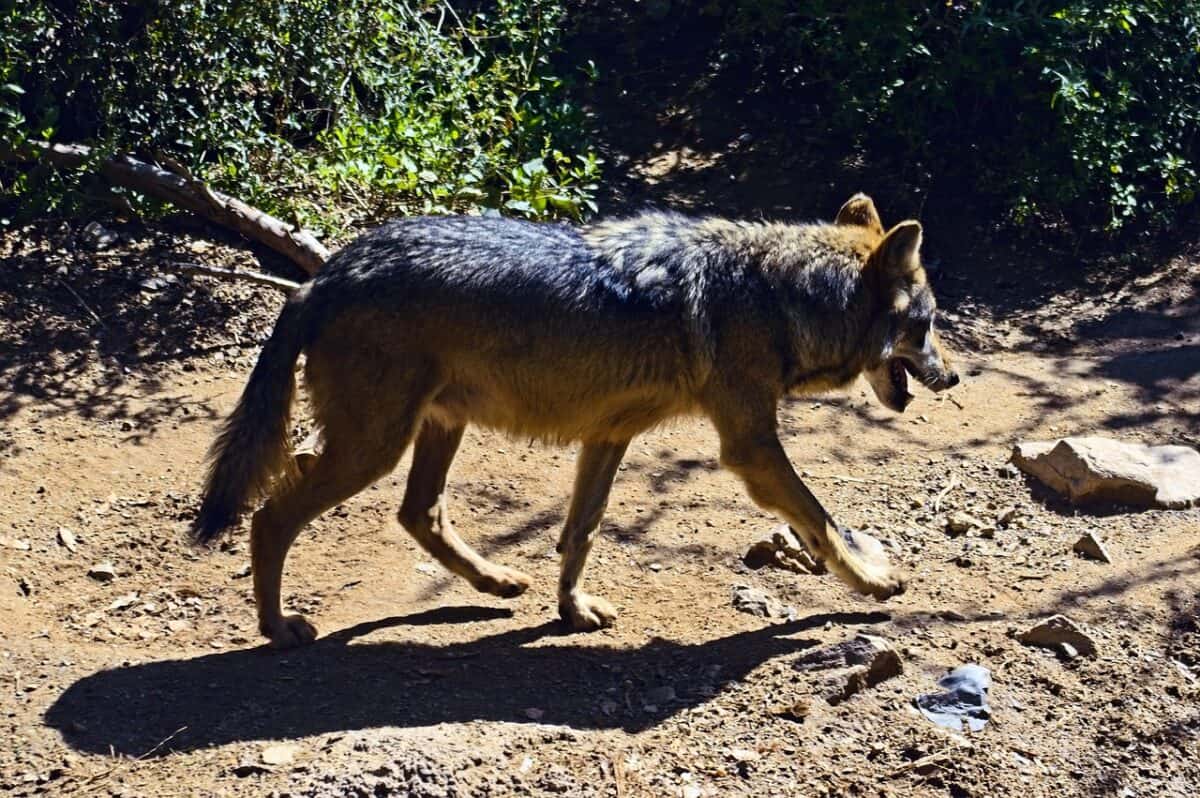
Sarcoptic mange, caused by microscopic Sarcoptes scabiei mites, represents one of the most visibly devastating conditions affecting wolves. Infected wolves suffer intense itching that leads to excessive scratching, hair loss, and compromised skin integrity. As the condition progresses, affected wolves develop crusty, thickened skin, extensive baldness, and secondary infections that can ultimately prove fatal. Severe mange dramatically reduces a wolf’s ability to thermoregulate, particularly devastating in northern climates where temperatures routinely drop well below freezing.
Beyond mange, unusually heavy burdens of other parasites including ticks, intestinal worms, or heartworm signal serious health issues in wolves. These infestations often indicate an underlying immune compromise, poor nutritional status, or environmental stressors affecting the population. Heavy parasite loads create a devastating cycle—they weaken the wolf, reducing hunting efficiency, which further compromises nutritional status and immune function, allowing parasites to proliferate even more. Wildlife managers consider abnormal parasite loads important warning signs that may require intervention through habitat management or, in extreme cases, medical treatment of affected individuals.
Trouble Sign #2 Abnormal Proximity to Human Settlements

Healthy wolves with access to natural prey typically maintain a cautious distance from human settlements. When wolves begin regularly approaching human communities, feeding from garbage dumps, or showing reduced fear of humans, it often signals serious ecological disruptions. This behavioral change may indicate prey depletion in their natural habitat, territorial displacement by other packs, or habituation to human food sources. Whatever the cause, this proximity dramatically increases the risk of human-wolf conflicts that usually end badly for the wolves.
Wildlife biologists consider abnormal human-proximity behavior particularly troubling because it often leads to lethal management actions when wolves threaten livestock or pets. It also increases the risk of wolves being struck by vehicles or killed illegally by humans. When conservation teams observe wolves exhibiting these behaviors, it typically triggers investigations into underlying ecological issues that may be forcing wolves to abandon their natural hunting patterns. Addressing these root causes—whether through habitat restoration, prey management, or waste management near wolf territories—offers the best hope for returning wolves to more natural behavioral patterns and reducing conflict.
Trouble Sign #1 Unhealthy Body Condition

Wolves in poor physical condition exhibit several unmistakable warning signs. Emaciated wolves show prominent ribs, hip bones, and spinal vertebrae, with noticeable muscle wasting particularly around the shoulders and hindquarters. Their coats often appear dull, patchy, or improperly shed for the season. Such extreme weight loss indicates serious nutritional deficiencies that compromise virtually all aspects of wolf health and behavior, from hunting ability to reproductive success to immune function.
Poor body condition rarely affects just a single wolf—it typically signals pack-wide or even population-level problems. Potential causes include prey population crashes, disease outbreaks, extreme weather events, or habitat loss. Unhealthy body condition creates a dangerous downward spiral, as physically compromised wolves become less efficient hunters, further worsening their nutritional status. Conservation efforts must address these underlying causes quickly when poor body condition is observed across multiple wolves, as this condition significantly increases mortality risk and can lead to rapid population declines if left unaddressed.
Conclusion: The Importance of Monitoring Wolf Health

Understanding the signs of both thriving and troubled wolves provides essential insights for conservation efforts worldwide. Wolves serve as indicator species whose health reflects broader ecosystem conditions, making their monitoring valuable beyond the species itself. As apex predators, wolves influence entire food webs, and their presence in healthy numbers can increase biodiversity and ecological resilience. By recognizing early warning signs of wolf population stress, conservationists can implement targeted interventions before problems become severe.
Modern wolf conservation employs increasingly sophisticated monitoring techniques, from GPS collaring and remote camera traps to genetic sampling and citizen science reporting. These methods help researchers track wolf health metrics across vast landscapes and multiple populations. The challenges facing wolf conservation remain significant, including habitat fragmentation, climate change, disease, and continued conflicts with human activities. However, our growing understanding of wolf health indicators offers hope that with proper management and public support, these iconic predators can continue to thrive in suitable habitats worldwide.
As we continue to share landscapes with wolves, recognizing the difference between normal wolf behavior and signs of trouble becomes increasingly important. Education about these indicators helps reduce misunderstandings and fosters coexistence. By working together to ensure wolf populations

As a little kid, I fell in love with nature, wildlife, and animals. Living in the USA, South Africa, Italy, China and Germany gave me the opportunity to discover the world's Wildlife. My favorite animals are Mountain Gorillas, Siberian Tigers, and Great White Sharks.
I'm a certified PADI Open Water Diver, went to Everest Base Camp and Trekked Gorillas in Uganda. I hold a Master of Science in Economics and Finance.
Please send any feedback to feedback@animalsaroundtheglobe.com
- 10 Most Unique Reptiles You will See in the US - July 21, 2026
- 3 Dangerous Invasive Species the USA Must Eradicate - July 21, 2026
- 10 Things That Calm Cats And 4 That Make Them Nervous - July 21, 2026