
Raising chickens can be incredibly rewarding, yet many chicken keepers find themselves dealing with frustrating that can impact their flock’s health and egg production. The good news? Most common coop issues have straightforward solutions that don’t require major reconstruction or expensive equipment.
Whether you’re battling persistent odors, dealing with overcrowding issues, or struggling with ventilation problems, these practical fixes can transform your coop into a thriving environment. From simple adjustments to clever workarounds, addressing these problems early can save you time, money, and heartache down the road. Let’s dive into the most effective solutions that experienced chicken keepers swear by.
Poor Ventilation Causing Moisture Buildup
Inadequate airflow can result in excessive moisture, ammonia buildup and respiratory issues for your chickens, preventing respiratory problems, reducing moisture buildup, and keeping your coop from becoming a breeding ground for disease. The telltale signs include condensation on windows, musty odors, and chickens showing respiratory distress like coughing or sneezing.
Install vents or windows that can be opened and closed as needed to regulate airflow, ensuring the coop has adequate ventilation to allow the excess water vapors in the air to escape, usually accomplished by placing shed vents into the eaves of the coop. As a rule of thumb, plan for about one square foot of vent space for every ten square feet of coop floor space. Position intake vents low and exhaust vents high to create natural air circulation patterns.
Inadequate Space Leading to Overcrowding
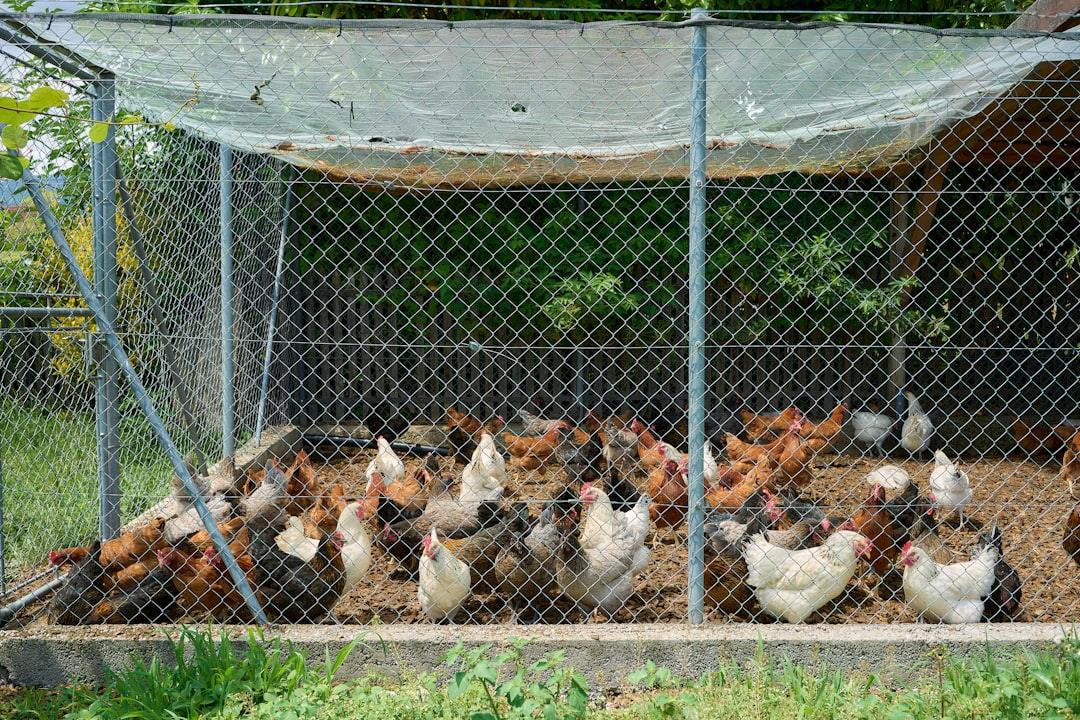
Overcrowding in the coop can lead to stress, aggressive behavior, and increased risk of diseases, with each chicken needing at least four square feet of space in the coop and ten square feet of outdoor space. Crowded conditions also make it harder to keep the coop clean and can lead to egg breakage and pecking problems.
A good rule of thumb is to provide at least four square feet of space per bird inside the coop, and at least eight to ten square feet of space per bird in the outdoor run, so if you have six chickens, your coop should be at least 24 square feet in size, and your outdoor run should be at least 48 to 60 square feet. Consider building an additional run or reducing your flock size if expansion isn’t possible.
Predator Entry Points and Security Gaps
Many coop designs overlook potential entry points for rats, mice, snakes, raccoons, and other creatures, so inspect your coop regularly, sealing any gaps, holes or weak points unwanted visitors could access. Small critters like rats, minks, and weasels can squeeze through small cracks in walls, windows, or fencing, so fill any gaps that measure less than ¼”.
Implement secure locks on doors and windows, and consider installing a wire mesh apron around the perimeter to deter burrowing predators. Hardware cloth will stand up to any common backyard chicken predator, while raccoons have been known to open up simple hook, pin, or throw latches, making a 2-step lockable latch most secure.
Accumulation of Waste and Poor Sanitation
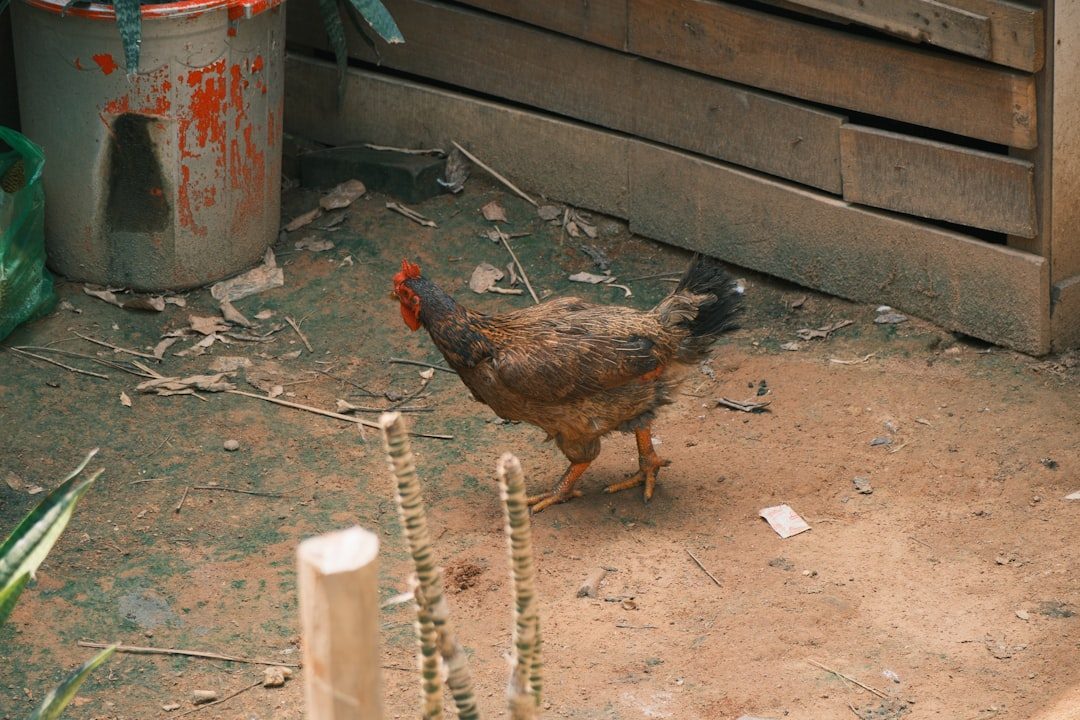
A buildup of feces and debris can harbor bacteria and parasites harmful to your flock. Poor sanitation creates the perfect breeding ground for diseases and attracts unwanted pests to your coop area.
Schedule a regular cleaning routine, removing soiled bedding, droppings and debris, then thoroughly disinfect the entire coop periodically to maintain optimal hygiene. As a general rule of thumb, aim to clean your coop at least once a week, or more frequently if you have a large number of birds or if the weather is particularly humid or wet. Use the deep litter method during winter months to help compost waste naturally while providing insulation.
Inappropriate Bedding Choices
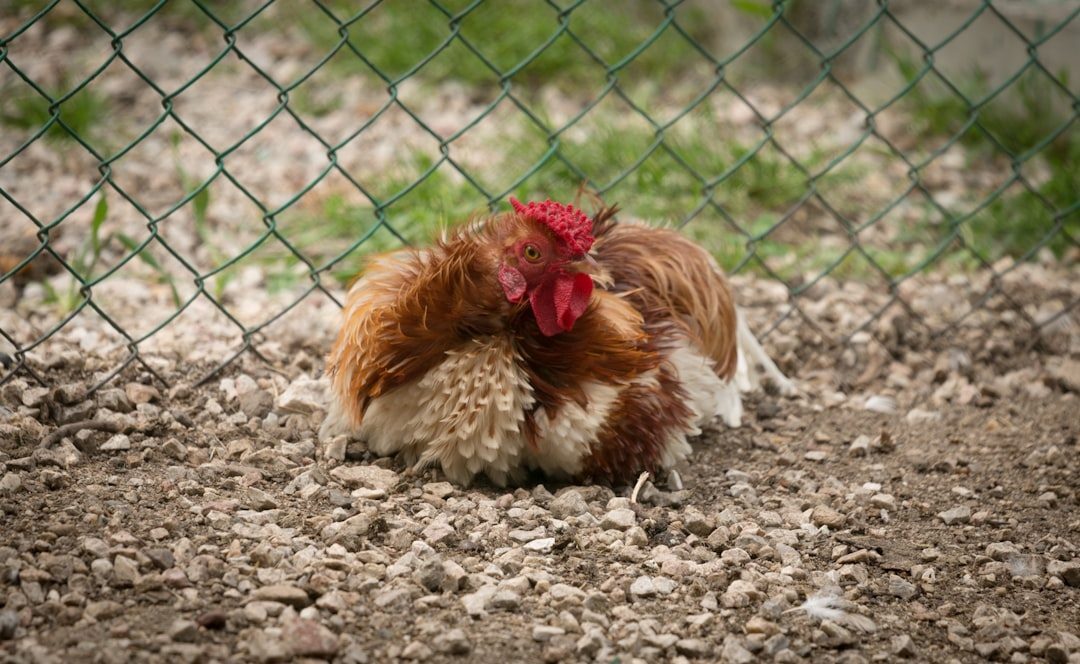
Straw, wood shavings or pine needles can serve as excellent bedding options, but avoid cedar shavings, which may emit toxic fumes, ensuring the bedding remains dry and odor-free by replacing it regularly, as a thick layer of bedding also helps insulate the coop during colder months.
Consider replacing straw with kiln-dried pine shavings, as pine shavings absorb moisture much better than straw, and winter bedding should be kept at least 6 inches deep in places where temperatures regularly dip below freezing. Change bedding whenever it becomes wet, compacted, or starts producing strong odors.
Insufficient Lighting for Egg Production
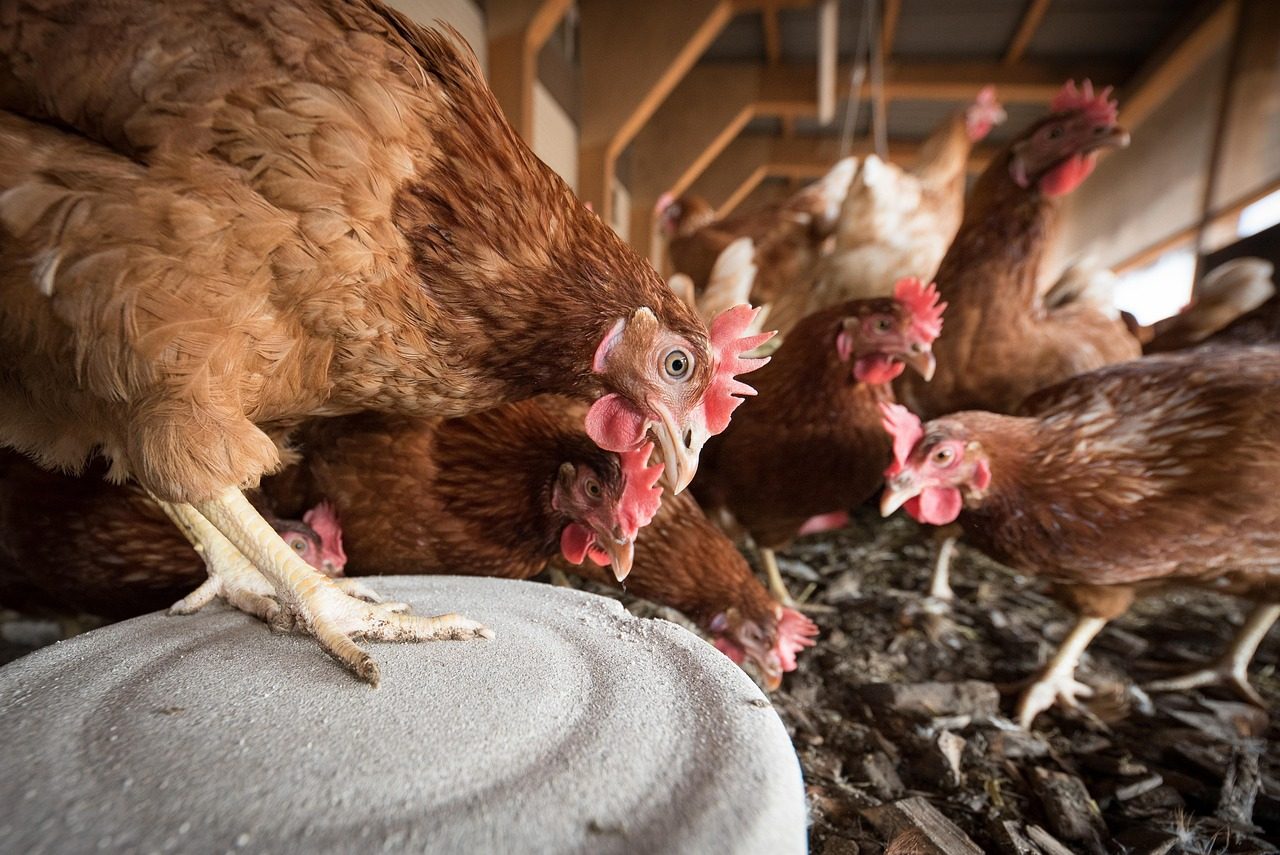
Light exposure provides optimal health and egg production, with natural light being best, so position the coop to receive ample sunlight throughout the day, providing at least 14 to 16 hours of light per day to stimulate egg-laying and prevent behavioral issues. Hens need consistent lighting to maintain their laying cycle, especially during shorter winter days.
If natural light is limited, supplement it with artificial lighting. Use a timer to gradually increase light in the morning rather than suddenly switching it on, which can stress the birds. LED bulbs are energy-efficient and produce less heat than traditional bulbs, making them safer for coop use.
Delayed Egg Collection Problems

Leaving eggs in the nesting boxes for extended periods can make hens broody or encourage egg-eating behavior, so make it a daily habit to collect eggs, ensuring they’re clean and intact, as prompt collection also reduces the risk of attracting pests. Delayed collection also increases the chances of eggs being damaged or becoming dirty.
Collect eggs at least twice daily, ideally in the morning and again in the afternoon. This prevents eggs from sitting too long and reduces the temptation for hens to start pecking at them. Clean collection helps maintain egg quality and prevents bacterial contamination.
Incorrect Coop Placement and Drainage Issues
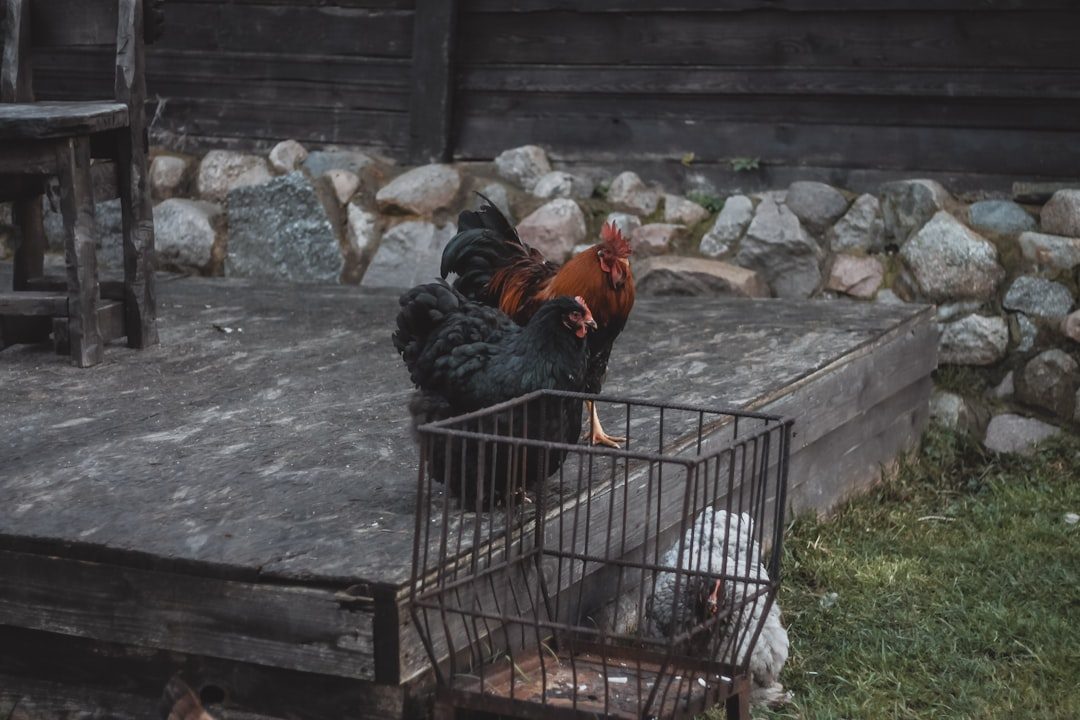
Building the coop too far from the house can mean less oversight for predator attacks, but building too close might also be an annoyance with smells and noise, so choose a well-drained area away from low-lying regions and elevate the coop to prevent water from entering during heavy rainfall, implementing proper drainage systems to avoid water accumulation, and it should also face the sun to provide ample natural light.
Do not allow snow to build up in the run, as melting snow contributes to muddy run conditions that can cause chickens to track unnecessary moisture into the coop, so add a roof, cover or shield your run from rain, snow and sleet. Install gutters and downspouts to direct water away from the coop foundation.
Wrong Hardware and Wire Mesh Selection
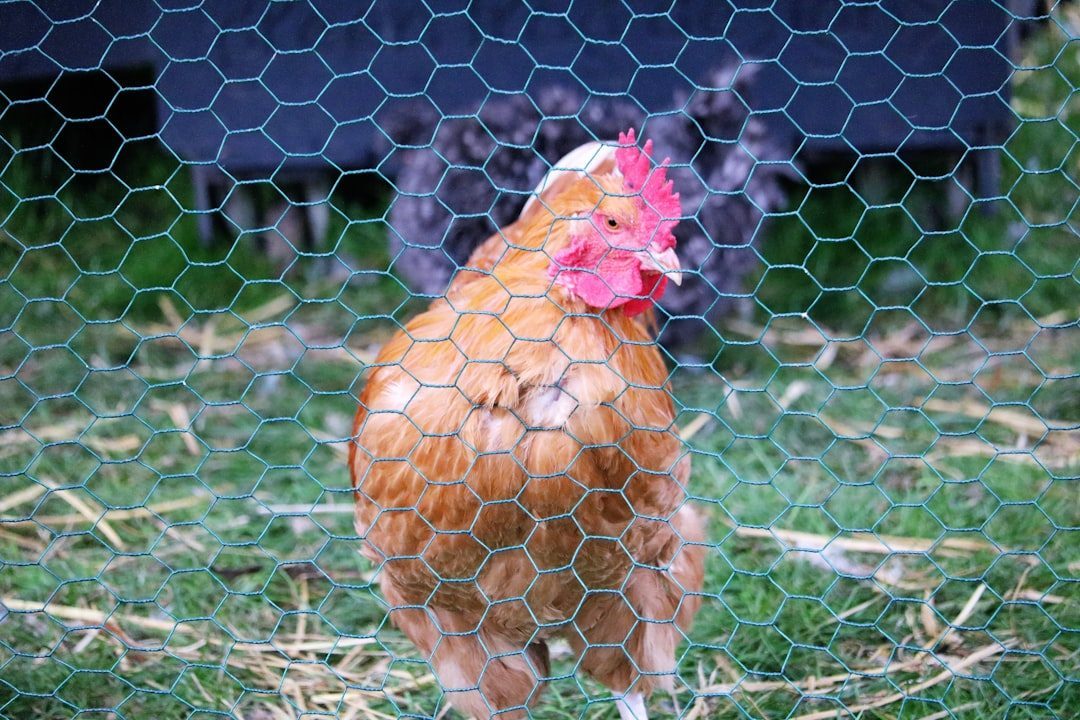
Many new chicken-keepers mistakenly buy chicken wire when building their coops because it’s right there in the name and it seems to make sense, but chicken wire is not a secure material for enclosing chicken coops and chicken runs, as it’s a relatively weak mesh that can be ripped apart or gnawed open, and the openings are large enough for raccoon hands or bobcat paws to reach through and snag chickens.
Hardware cloth is sturdy and can be purchased in smaller gauge than other wires, as some predators can squeeze through remarkably small holes, so use hardware mesh with small holes (1/2 inch or smaller) at the bottom of the coop to prevent snakes from squeezing through, and seal all gaps and holes in the coop and secure doors tightly. Invest in quality hardware cloth with ½-inch or smaller openings for maximum protection.
Inadequate Nesting Box Setup
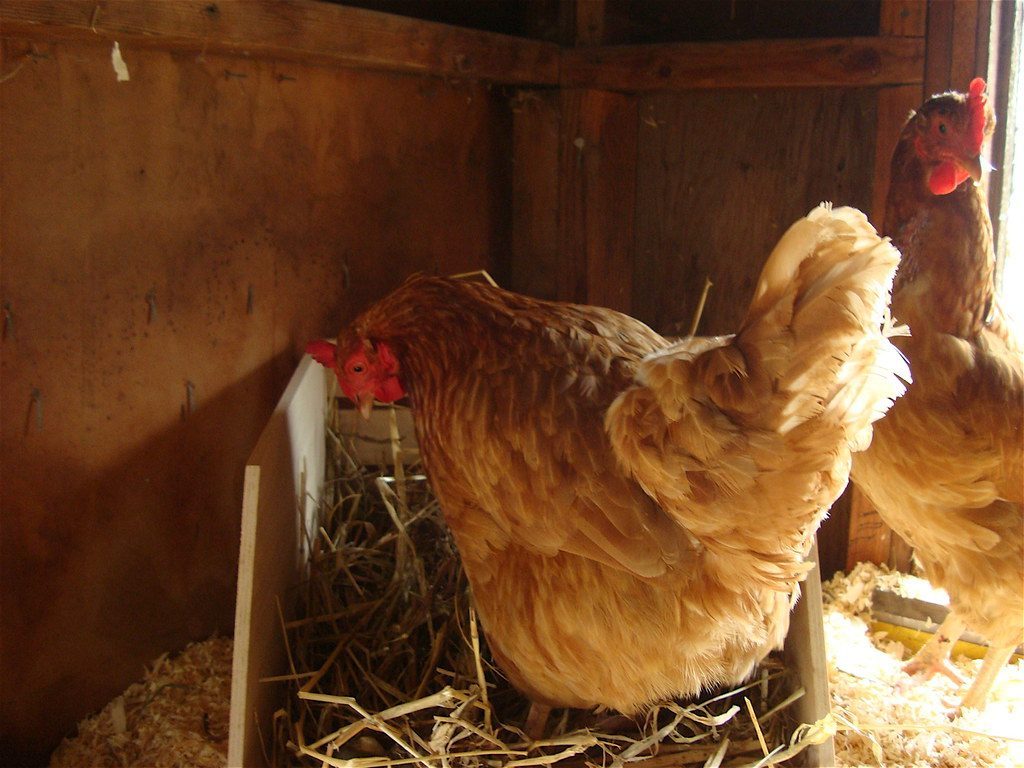
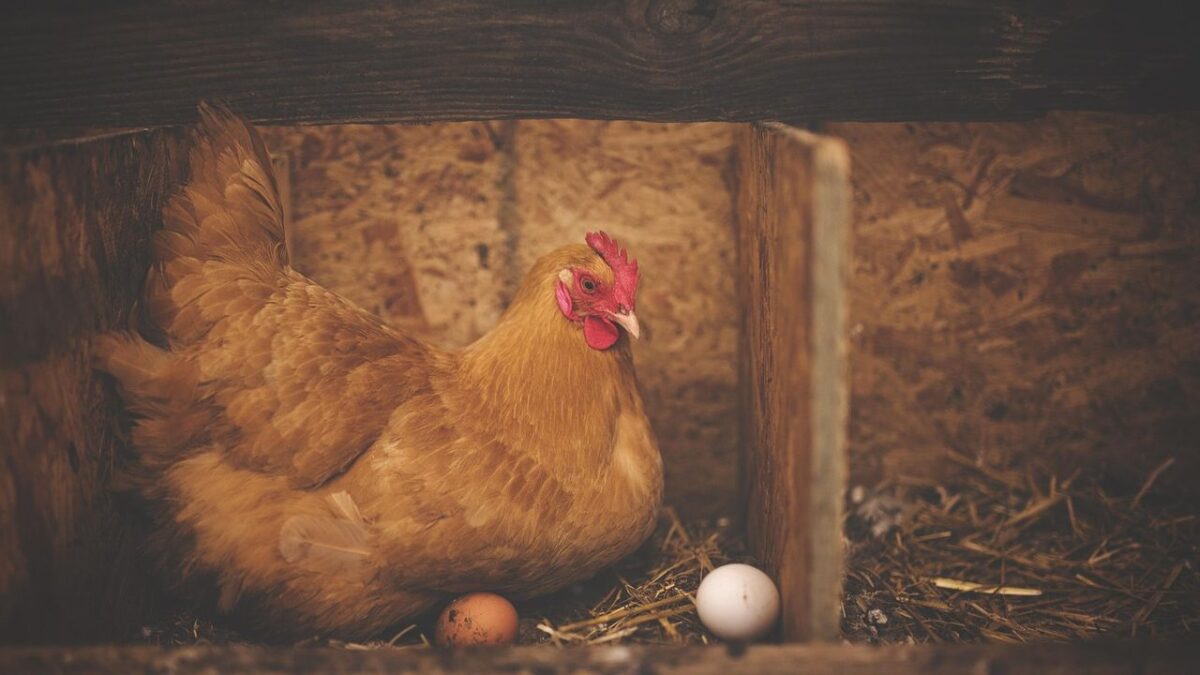
Having the proper number of nesting boxes in your coop is essential for keeping your laying hens happy, as not enough nesting boxes can lead to cracked eggs or hens laying their eggs in other random places around the coop, so allow at least 1 nesting box for every 4-5 laying hens you will be keeping. Poorly designed or positioned boxes can result in floor eggs and territorial disputes among hens.
Position nesting boxes 12 to 18 inches off the ground and make them slightly darker than the rest of the coop to appeal to hens’ natural instincts. Add comfortable bedding like straw or wood shavings, and consider using fake eggs or golf balls to encourage hens to lay in the proper location rather than finding hidden spots around the yard.
These simple fixes can dramatically improve your coop’s functionality and your flock’s wellbeing. Remember that prevention is always easier than trying to solve problems after they’ve become entrenched. Regular maintenance and observation will help you catch issues early before they become major headaches.
What challenges have you faced with your chicken coop? Share your experiences in the comments below!
