
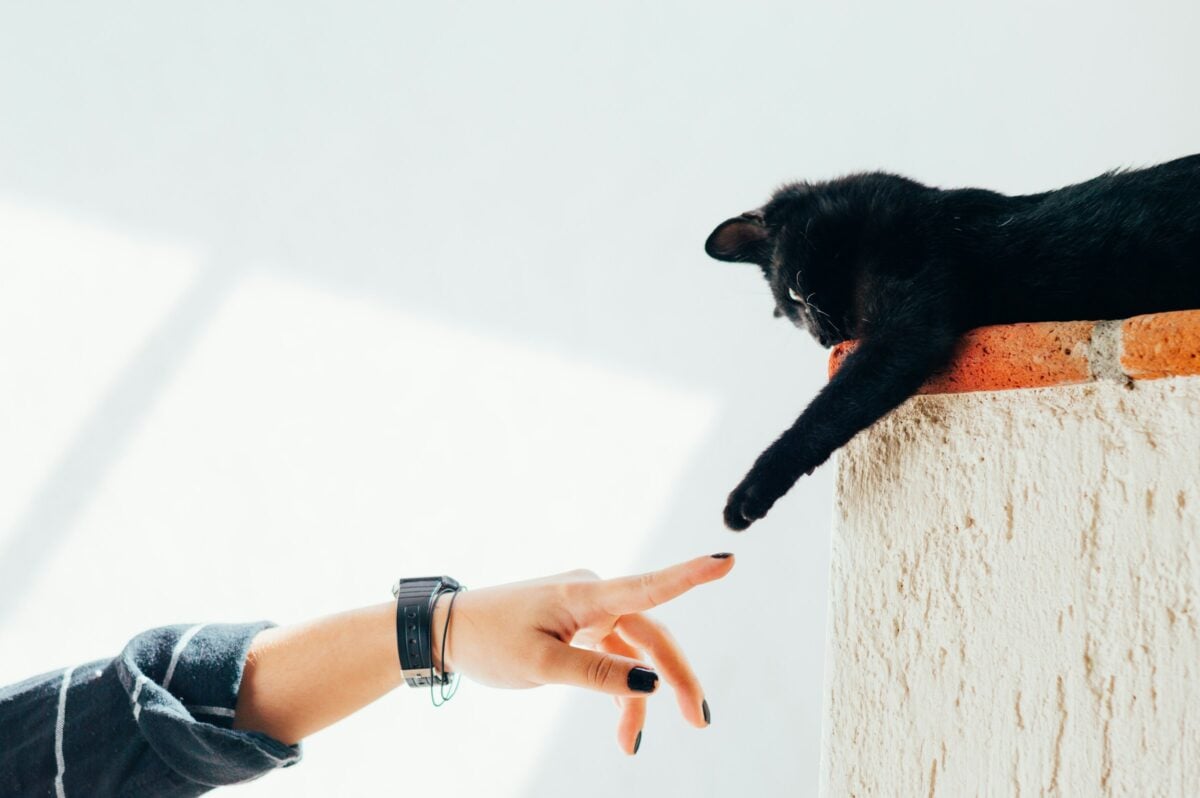
Some days as a mom feel like a never‑ending loop of messes, meals, and meltdowns. The laundry pile looks like a mountain range, someone is crying over the wrong color cup, and you’ve reheated your coffee three times and still haven’t finished it. On those days, a cat wandering into the room might seem like a tiny, almost irrelevant detail.
But those tiny details are often what keep you from completely burning out. A cat’s quiet presence, ridiculous zoomies, or rumbling purr can slice through the tension of a hard day in a way that feels almost unfairly simple. It is not magic, and it does not fix the real problems, but it can shift your nervous system just enough to breathe again. That small shift can be the difference between snapping and softening.
1. Their purring literally calms your nervous system
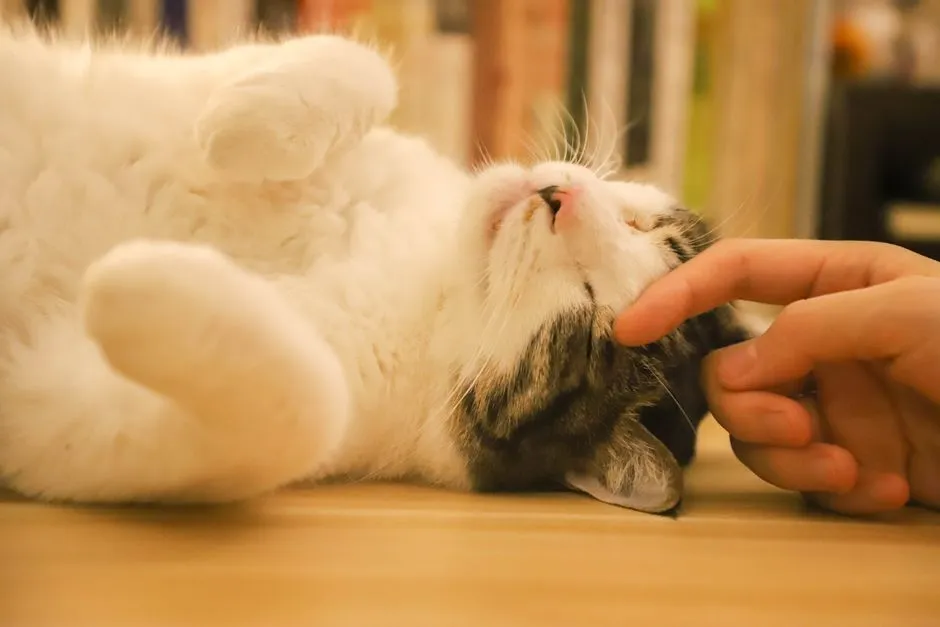
It sounds dramatic to say that a purring cat can change your body chemistry, but there is real science behind that soft rumble. Low‑frequency vibrations, like those in a cat’s purr, are associated with relaxation responses in humans and may help lower heart rate and ease muscle tension. When you’ve had a day full of noise, tantrums, and mental overload, that steady vibration against your chest or lap can feel like someone turning down the volume inside your head.
As a mom, you may not have thirty minutes to meditate, but you might have two minutes to sit on the edge of the bed with the cat curled up beside you. Think of your cat as a furry, self‑activated white‑noise machine that also happens to love you. Those short pockets of nervous‑system reset add up over time, especially on the days when you feel stuck in fight‑or‑flight mode from morning till night. It is a tiny intervention, but tiny does not mean trivial.
2. Their routines give your chaotic day a gentle rhythm
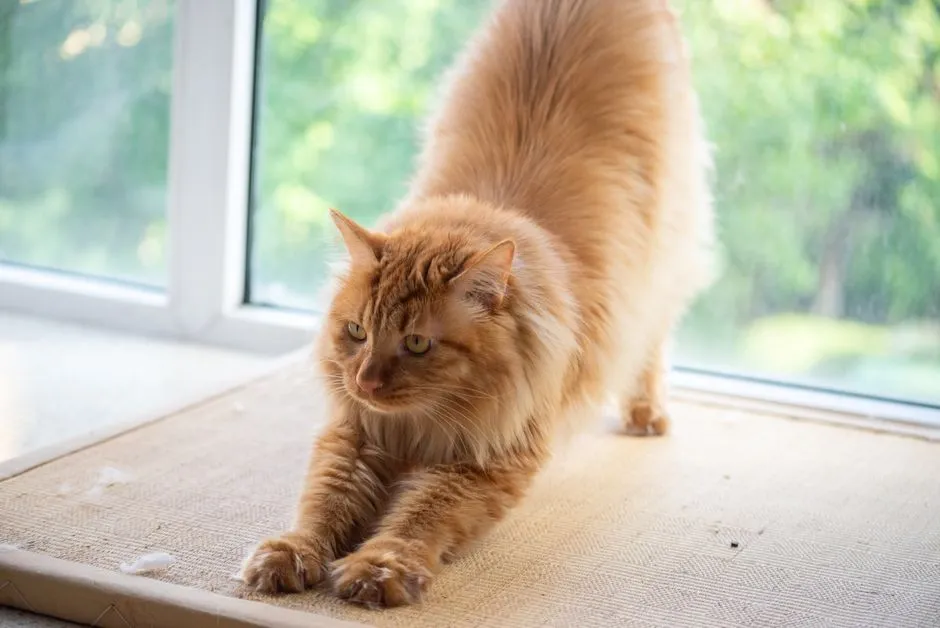
Cats are quiet little clock keepers. They expect breakfast at a certain time, find their sunny spot at another, and patrol the hallway every evening like they are supervising the night shift. When you feel like the day has completely run off the rails, their predictable patterns can be oddly grounding. There is something reassuring about the fact that no matter how wild the day is, the cat still wants dinner at six.
For moms juggling school runs, work calls, and bedtime battles, these small anchors matter. Filling the food bowl, refreshing water, or doing a quick litter scoop takes seconds, but it often acts like a reset button: here is one simple thing you can do, and you can do it well, right now. It is a tiny structure in the middle of chaos, and sometimes that is exactly what keeps you from spiraling.
3. Their playfulness pulls you out of your head
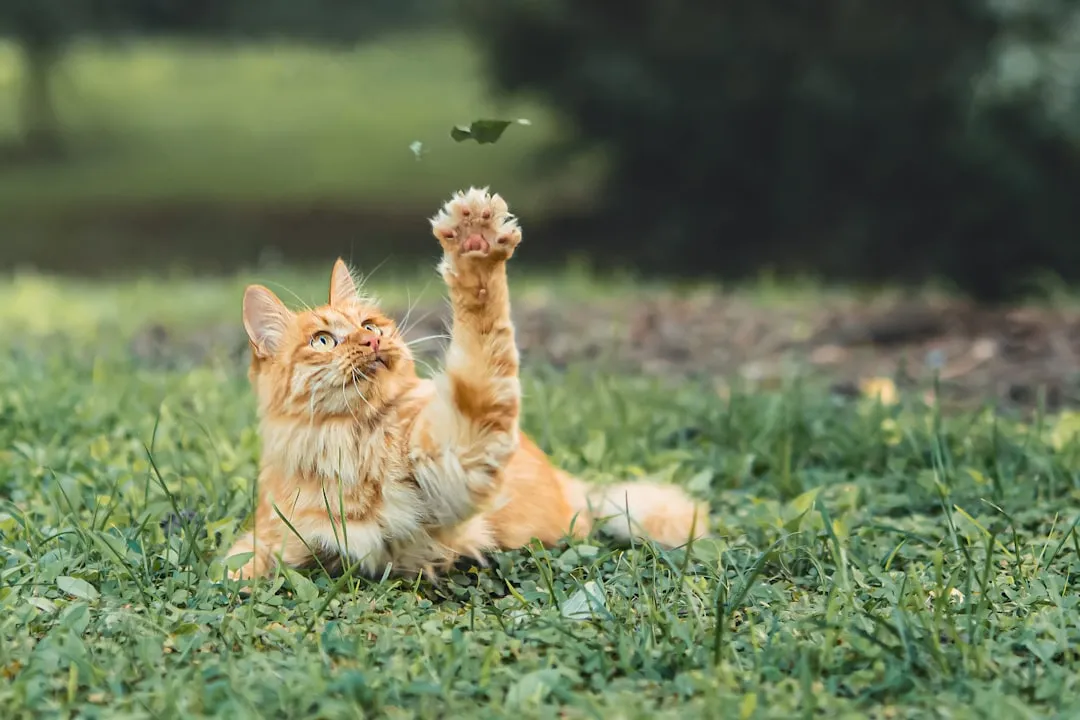
On hard days, your mind can feel like a browser with too many tabs open, all buzzing with worry. Then your cat absolutely wipes out trying to catch a feather wand, or does the sideways bunny‑hop zoomies across the hallway, and your brain is forced to come back into the present. You cannot overthink the future while you are laughing at a furry creature trying to murder a crumpled receipt.
This kind of spontaneous play is more than just cute; it disrupts rumination. You get a tiny hit of joy, a flash of shared silliness, and your breathing changes without you even noticing. When your kids join in, it becomes a family moment instead of a lonely, stressed‑out one. On the days when everything feels heavy, that thirty seconds of laughter can feel like a window cracked open in a stuffy room.
4. Their quiet company makes you feel less alone
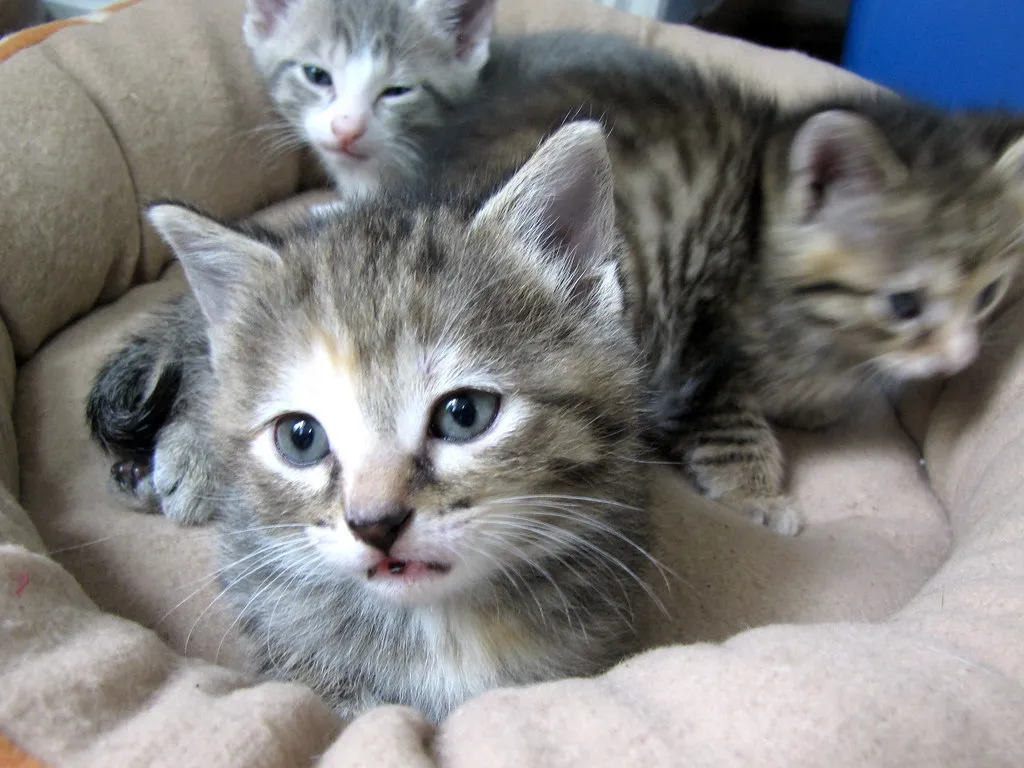
Motherhood can be surprisingly lonely, even if you are never technically by yourself. There are moments at 3 a.m., rocking a sick baby or worrying about a teenager, when you feel like the only person awake in the world. Then you feel a small weight hop onto the bed, and your cat curls against your leg like they are clocking in for night duty. It does not solve the problem, but it makes the moment less stark.
Humans are wired for connection, and it does not always have to be verbal. The simple presence of another living being, breathing and warm, can ease the sharp edges of isolation. A cat following you from room to room, napping nearby while you work, or sitting outside the bathroom door like your tiny bodyguard sends a quiet message: you are not doing this day completely on your own. That matters more than most people admit.
5. They give kids a soft way to learn empathy (which helps you, too)
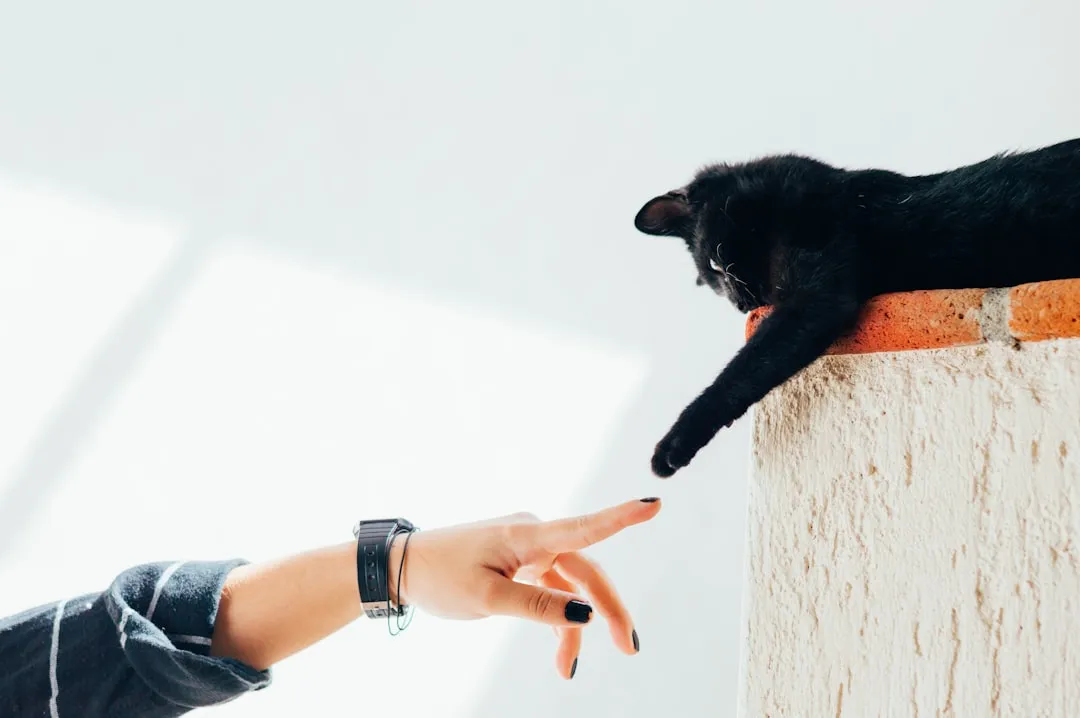
One of the most underrated ways cats help moms is by becoming a gentle training ground for kids’ empathy. When children learn to stroke softly, watch for tail flicks, refill the water dish, or notice when the cat wants space, they are practicing awareness of another being’s feelings and needs. That skill does not stay with the cat; it spills over into how they treat siblings and, eventually, you.
On a hard day, it is a small relief to see your child sit quietly and talk softly to the cat after a meltdown. It gives them a way to regulate themselves and feel nurturing instead of out of control, which in turn gives you a minute to breathe. Over time, the presence of a pet often shifts the emotional tone of a home: kids argue, then team up to find the cat’s favorite toy; frustration turns into shared curiosity. That emotional softening takes some of the pressure off you as the only source of comfort and connection.
6. They encourage micro‑breaks you would otherwise skip
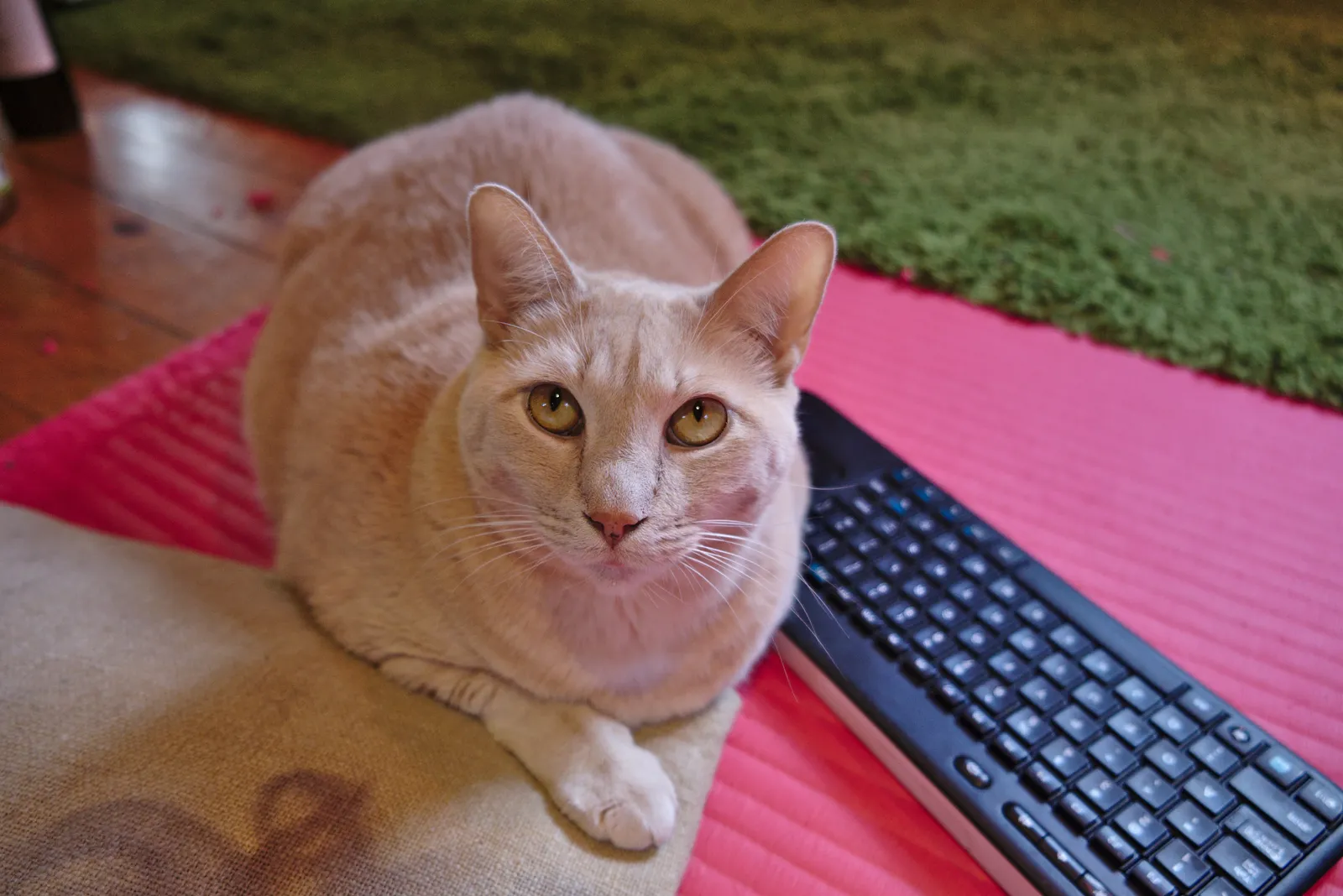
If you are like many moms, you tend to power through the day without stopping until you hit a wall. Cats are experts at interrupting that pattern. They walk across your keyboard, flop dramatically on your notes, or meow until you follow them to the food bowl or the window. It is mildly annoying in the moment, but it is also your body’s chance to step away for a second.
Those micro‑breaks are not laziness; they are basic nervous‑system maintenance. Standing up to refill the food, pausing to scratch a chin, or taking ten seconds to watch your cat chatter at a bird outside changes your posture and your breathing. Think of your cat as that friend who forcibly drags you out for a five‑minute walk when you would otherwise stay glued to your stress. They are not subtle, but they are surprisingly effective.
7. Their grooming and napping habits remind you to care for yourself
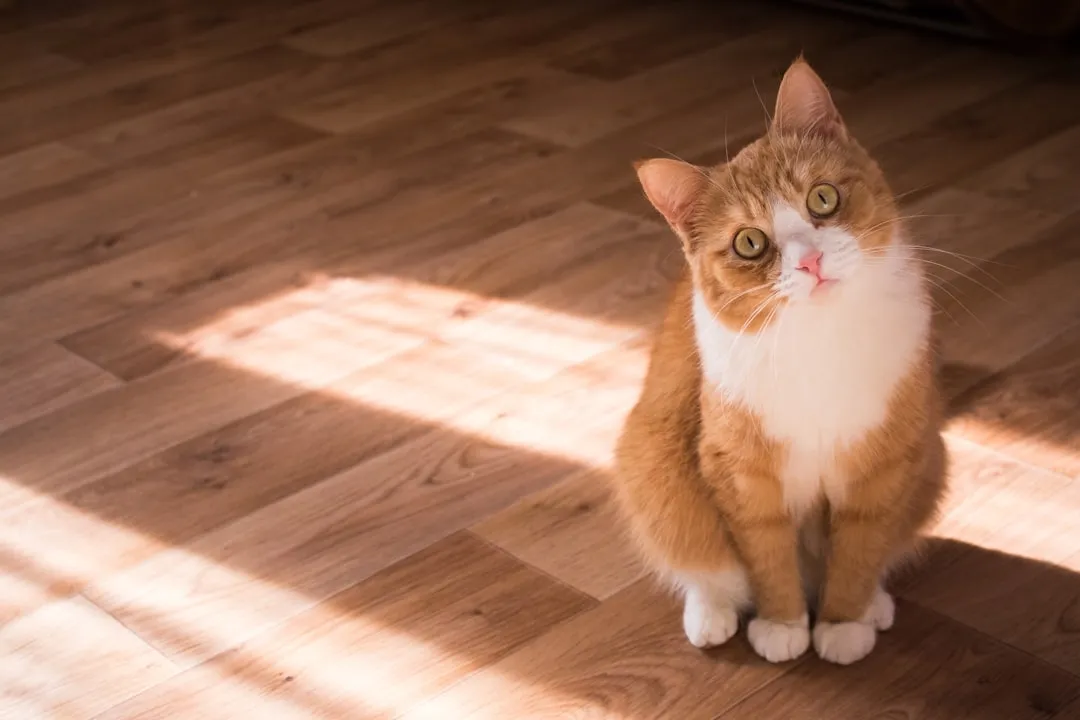
Cats have zero guilt about resting. When they are tired, they sleep. When their fur feels off, they groom. They do not earn their breaks; they simply take them. For moms used to tying rest to productivity, watching a cat unapologetically sprawl in a sunbeam can feel almost confrontational. It is a living reminder that rest is normal, not a prize for suffering.
On difficult days, seeing your cat stretch, yawn, and settle in can act like a nudge: when was the last time you drank water, or sat down without your phone, or closed your eyes for two minutes? You might not be able to copy their schedule, but you can borrow the principle. Taking one small, cat‑inspired act of self‑care – a slow stretch, a glass of water, a five‑minute lie‑down – can shift how the rest of the day feels, even if the to‑do list stays exactly the same.
8. Their weirdness makes your home feel less like a pressure cooker
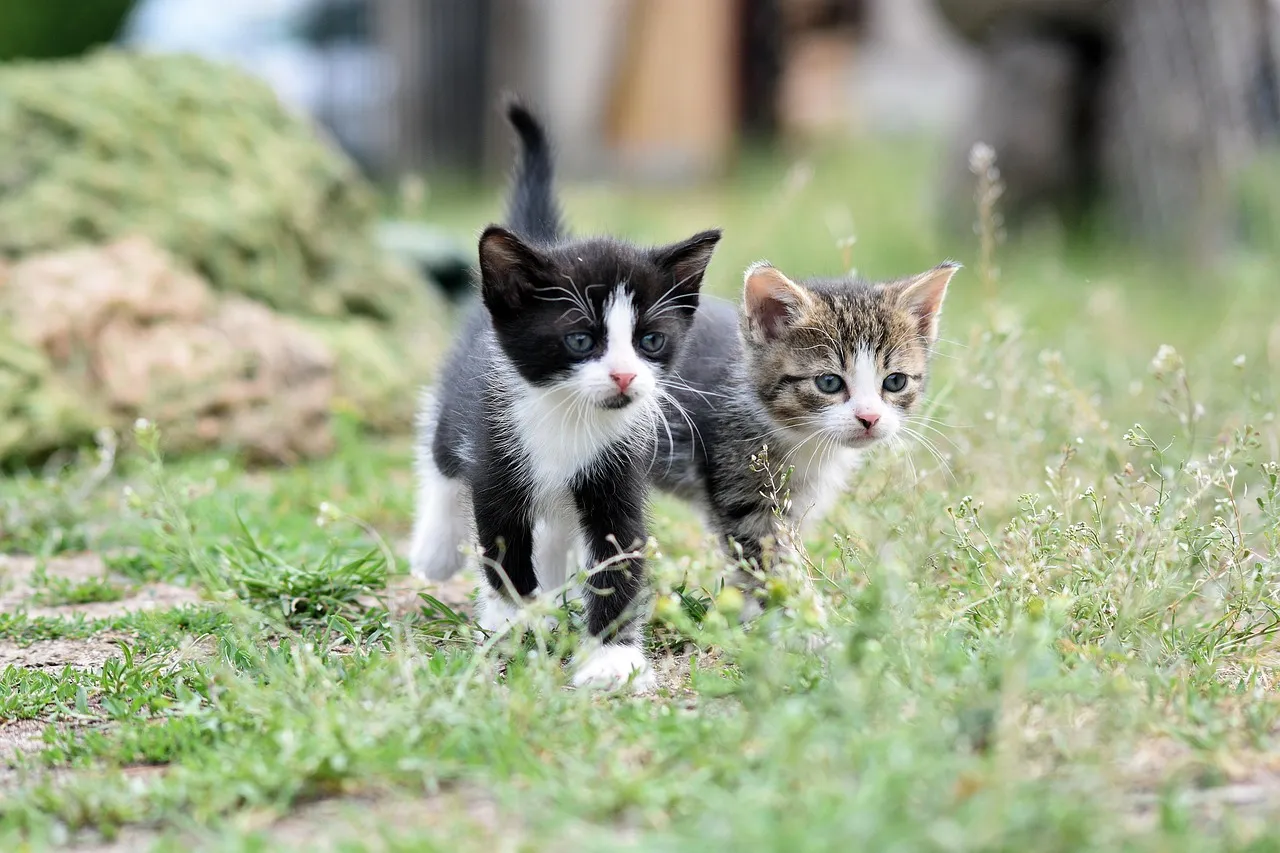
There is something disarming about an animal who decides that the cardboard box is superior to the expensive bed you bought, or who stares at a random corner of the ceiling like it insulted their ancestors. That kind of delightful weirdness brings a sense of play into the house. When everyone is wound tight, a cat sprinting out of nowhere or trying to fit into a tiny bowl breaks the seriousness of the moment.
In a home where the expectations on moms are often sky‑high – perfect schedules, perfect meals, perfect emotions – a creature that just unapologetically exists exactly as it is can be refreshing. You do not have to be the perfect calm parent every second; your house can be a place where odd, imperfect, hilarious things happen. That lowers the emotional temperature for everyone, including you.
9. They create tiny rituals that become emotional lifelines
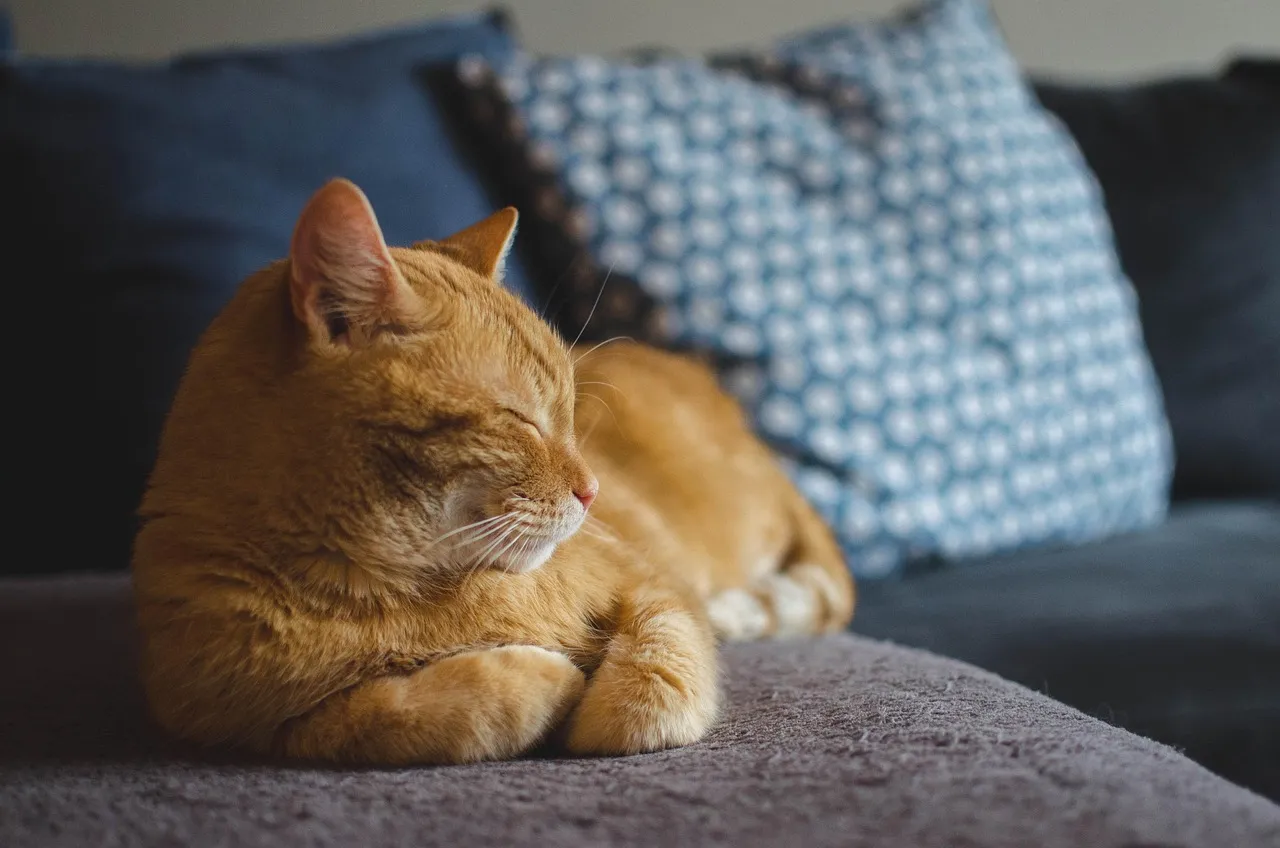
Maybe your cat greets you at the door every time you return from school drop‑off, or curls up on your lap during the first sip of your morning coffee, or joins you on the couch once the kids are finally asleep. These little rituals can become emotional lifelines on hard days. No matter how messy the middle of the day is, there is something small and good you can count on.
Rituals like these give your brain clear markers: here is the start of the day, here is a pause, here is the wind‑down. They help your body understand that the stressful moment is not the whole story. When you sit down and the cat appears as if on cue, it can feel like your own private signal that you are allowed to exhale now. That predictability is soothing in a life stage where so much feels unpredictable.
Personally, I still remember a season when my kids were little and I felt permanently frayed. My old tabby started showing up every night the minute I finally sat down, planting herself firmly on my lap like she was pinning me in place. At first it felt inconvenient; I wanted to get up and keep doing things. Eventually I realized she was the only one in the house insisting I stop. That silly ritual is probably the reason I did not burn out even harder in that phase.
10. They remind you that joy can be small and still count
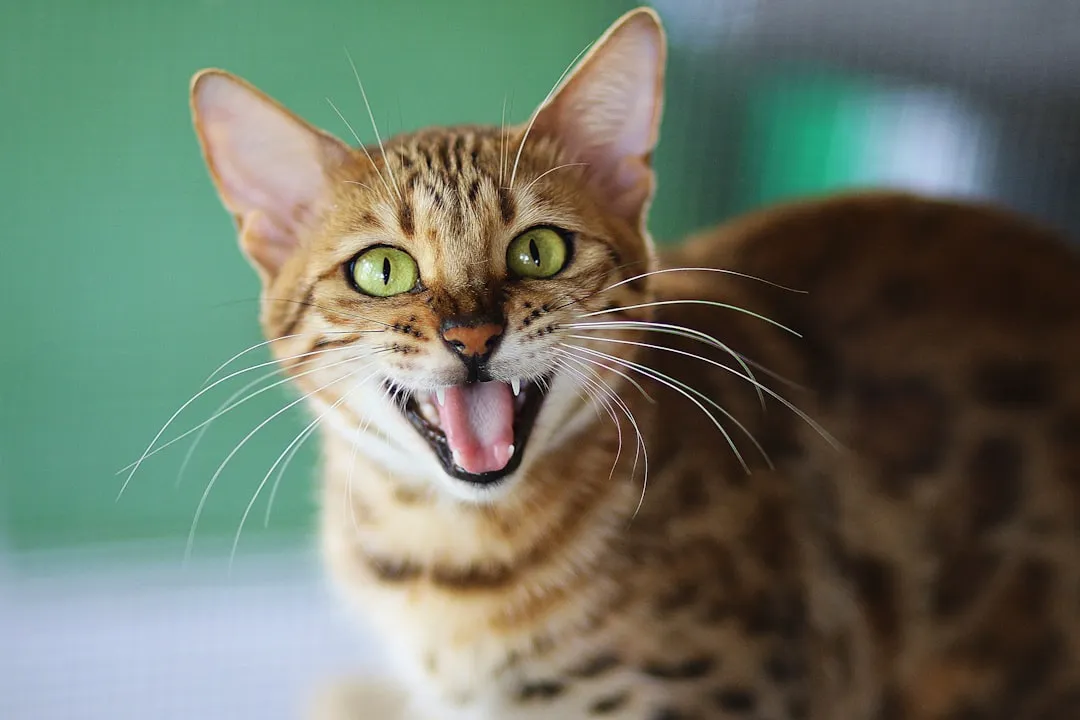
On really hard days, it is easy to feel like unless something big changes – a full night of sleep, a vacation, a magically organized home – nothing will ever feel lighter. Cats push back against that idea without saying a word. They find joy in dust motes, sun patches, and chasing their own tail. Their whole life is built on noticing and enjoying tiny things that most humans rush past.
Watching a cat go all in on batting a bottle cap around the kitchen floor can be a quiet lesson: small moments are not consolation prizes; they are the building blocks of how your day actually feels. As a mom, your life is already made of small pieces – five minutes here, a deep breath there, one calm response instead of a snap. Your cat simply invites you to honor those pieces instead of dismissing them as nothing.
Conclusion: Cats do not fix hard days, but they soften the edges
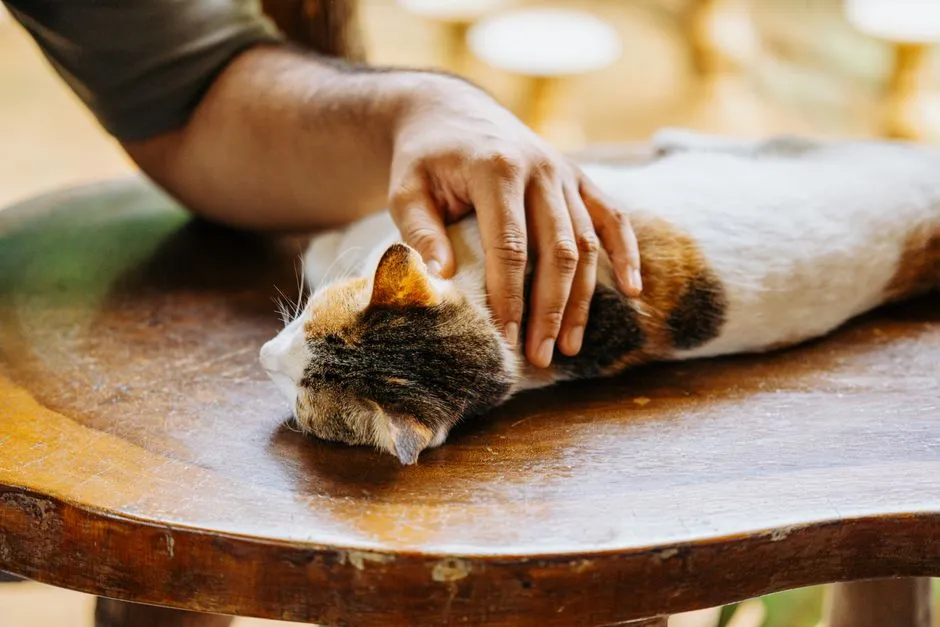
It is tempting to romanticize pets as emotional cure‑alls, but that is not fair to you or to them. Cats will not make the baby sleep, clear your inbox, or resolve a teenager’s attitude. What they can do – and what they quietly do incredibly well – is soften the edges of your hardest days. They offer nervous‑system relief through purrs, break up your stress with silliness, anchor your routine with simple care tasks, and create companionship that makes motherhood feel less like a solo endurance test.
In my opinion, that is not small at all. In a culture that often tells moms to be endlessly self‑sacrificing, having a creature in the house that insists you pause, laugh, and pay attention to tiny pockets of comfort is a kind of rebellion. Cats do not rescue you from your life; they sit with you in it and make the weight a little easier to carry. On the rough days, that might be one of the most underrated kinds of support you can have – who would have guessed such a big difference could come from something so small?

- 10 Small Ways Cats Make Difficult Days Feel Lighter for Moms - August 15, 2026
- 8 Astonishing Creatures That Can Resurrect From Near Death - August 15, 2026
- Where to Go Birdwatching in Florida - August 15, 2026