
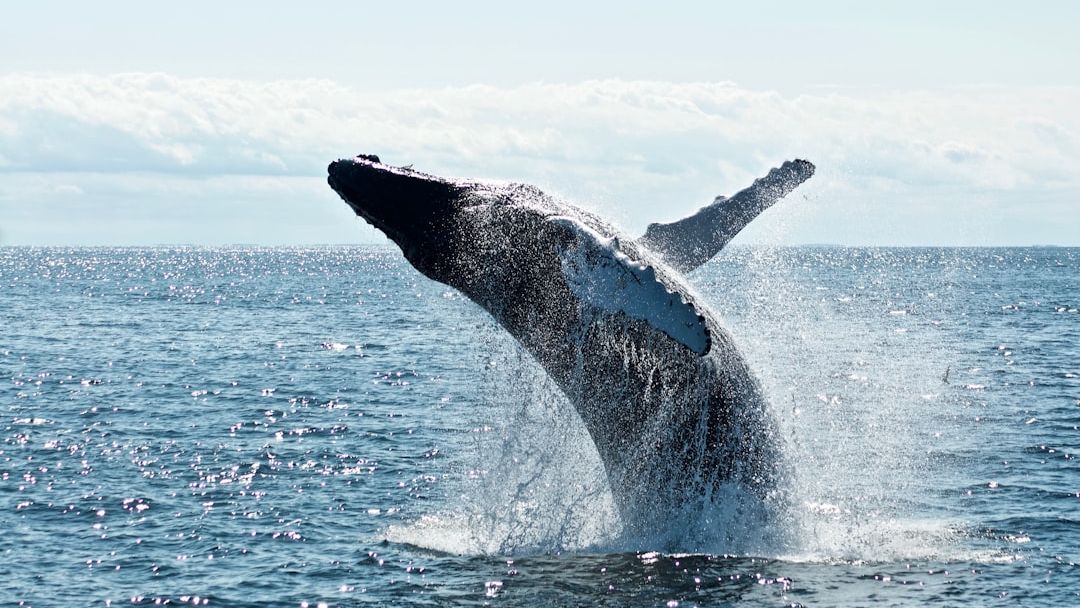
There is something almost otherworldly about watching a creature the size of a school bus explode out of the ocean and crash back into the sea in a wall of white foam. These massive mammals weigh upward of 40 tons and measure about 50 feet in length, spouting misty exhales of air, poking their heads from the sea, slapping their tails, and even fully jumping from the water in spectacular breaching displays. It is one of those experiences that grabs you somewhere deep and doesn’t let go.
Here’s the thing: you don’t need a passport or an exotic expedition to witness it. The United States is quietly one of the greatest whale watching destinations on the planet, with opportunities stretching from the icy fjords of Alaska to the sun-warmed waters of Hawaii. Since whales patrol the United States coast in every month, you can meet up with them on your own schedule, from the long days of the Alaskan summer to Virginia Beach’s winter sunshine. Let’s dive in.
1. Alaska: Where Giants Rule the Wild
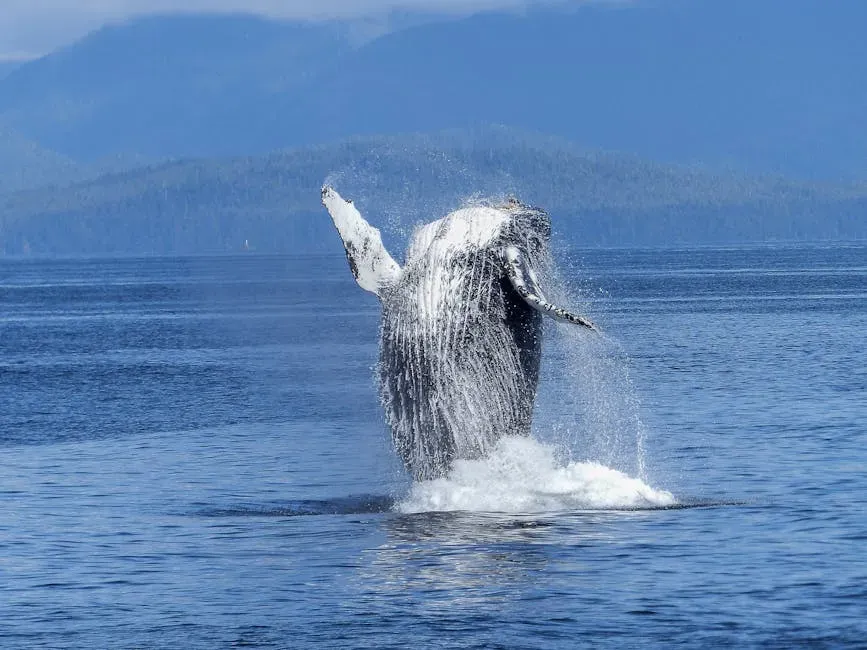
Honestly, if you’ve never considered Alaska for whale watching, this is your wake-up call. Alaska’s Inside Passage, particularly the waters around Juneau and Glacier Bay, provides opportunities to witness humpback whales, orcas, and even the elusive blue whales against a backdrop of stunning glaciers. The scenery alone is worth the trip, but pair it with a 50-foot humpback breaching just off your boat, and you’ve got a memory that lasts a lifetime.
Coastal Alaska serves as feeding grounds for a population of around 10,000 humpback whales that breed in Hawaii during the winter, and up to 60 feet long and 40 tons in weight, humpbacks are fabled for singing eerie and intricate songs while on their trans-Pacific journeys. Migrating humpback whales gather from May through September in the nutrient-rich waters off Juneau, and whale watching tours troll the Inside Passage, a narrow waterway that makes it easier to spot whales and dolphins as they feed and relax after the long journey from their winter breeding grounds.
2. Hawaii: The Warm-Water Winter Wonderland
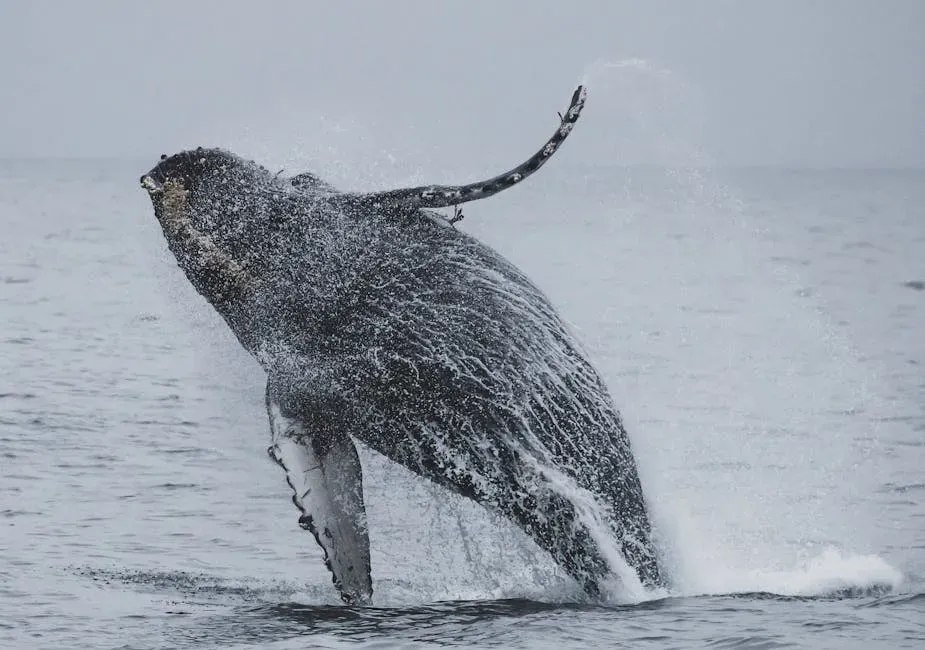
Most people think of Hawaii as a beach holiday. Few realize it is also one of the most spectacular whale watching destinations on earth. Scientists estimate that two thirds of the entire humpback whale population returns to Hawaii to breed, calve and nurse their young. That is an astonishing number, and it means your odds of a sighting here are remarkable.
Known as the whale watching capital of Hawaii, Maui is home to the protected Maui Nui Basin, where humpback whales gather in large numbers, and the waters around Lahaina and Kaanapali are particularly popular for boat tours, offering some of the best opportunities to witness humpbacks up close. The best time for whale watching in Hawaii is during the winter months, from November through April, with peak sightings typically occurring between January and March. I think few places on earth offer this kind of front-row seat to nature.
3. California: Year-Round Action on the Pacific
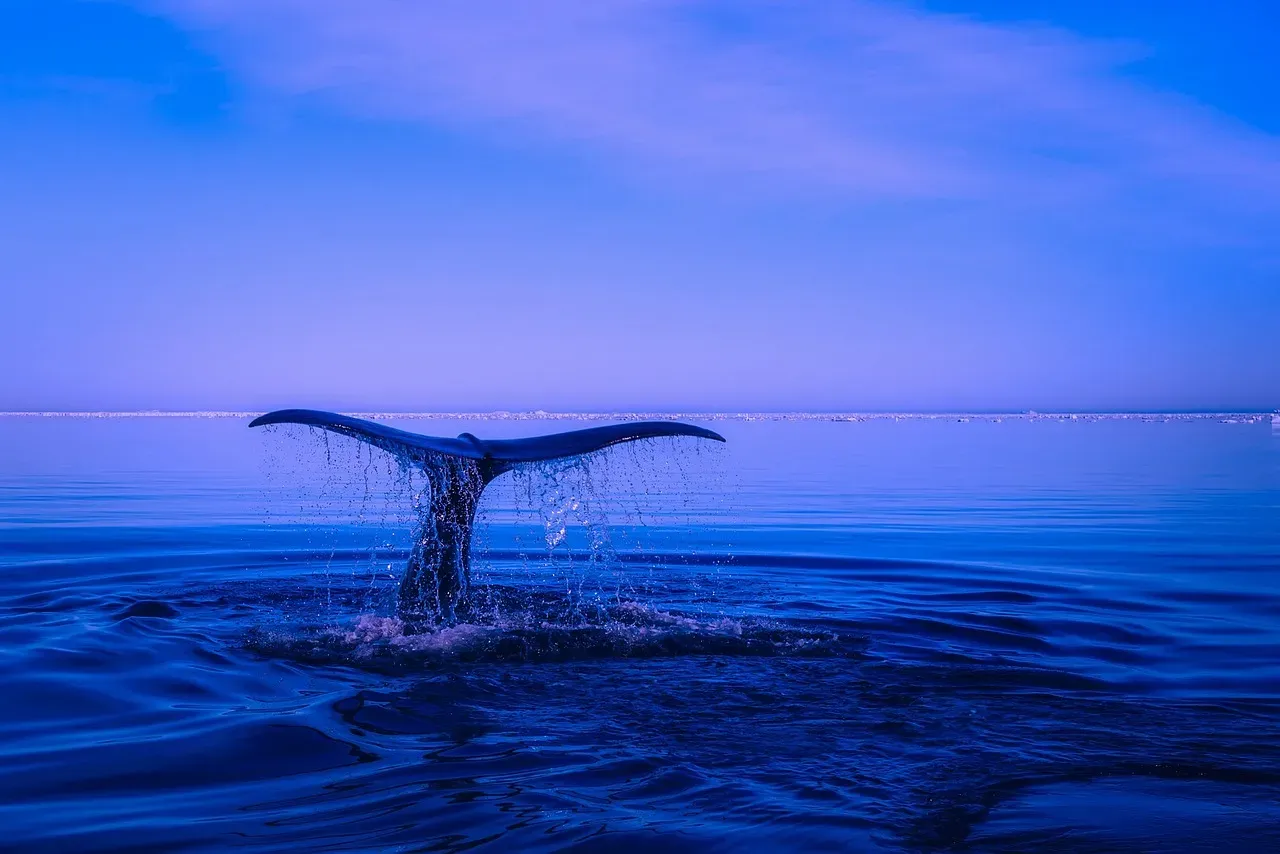
California is, without question, a whale watching powerhouse. Each year, about 20,000 gray whales make an epic 6,000-mile journey between Alaska and Mexico, traveling from feeding grounds in the Bering Sea to mating and breeding lagoons along Baja California, making for one of the most amazing wildlife migrations on the planet. Think of it like the world’s most dramatic commute, playing out right off the California coastline.
In Southern California, you can see gray whales from December through April, the occasional orca especially in December and January, blue whales from May through October, and minke whales from August through October, with prime land viewing at Point Vicente Interpretive Center, Point Dume in Malibu, and Cabrillo National Monument in San Diego. Some experts believe the 200-foot-high cliffs off Orange County’s Dana Point serve as a landmark for migrating whales, and the unusually high number of whales traveling along this stretch of coast has earned it the designation of Dolphin and Whale Watching Capital of the World.
4. Washington State: Orca Country in the Pacific Northwest
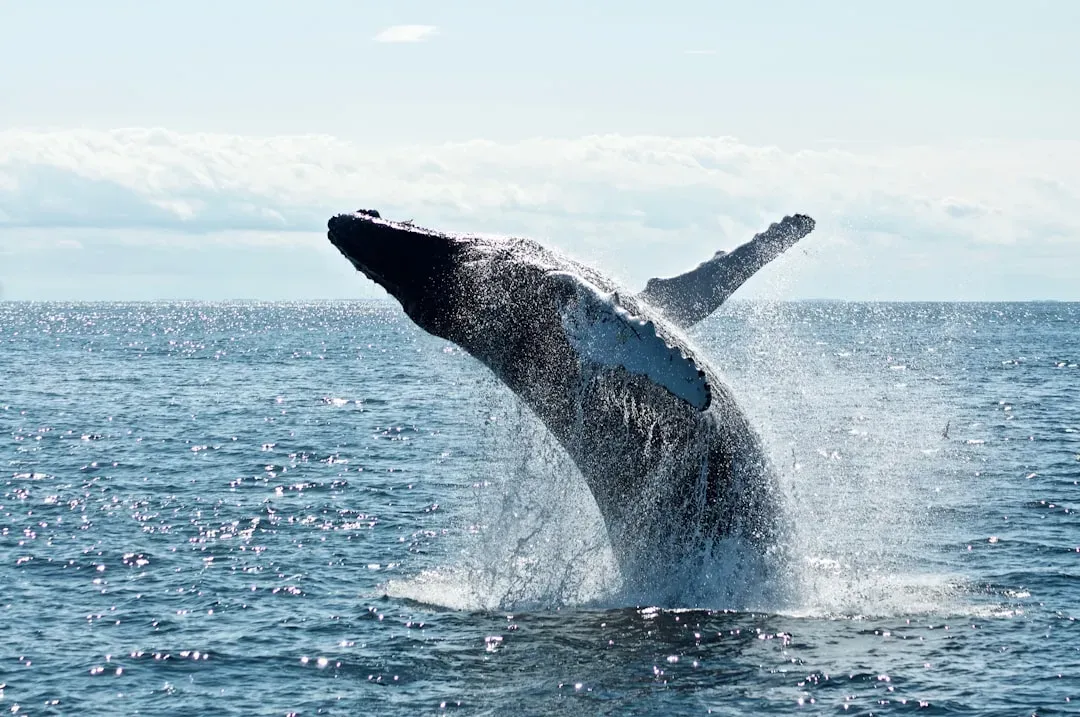
Washington State is, in my opinion, one of the most underrated whale watching destinations in the country. In the middle of the Strait of Juan de Fuca, about 170 kilometers northwest of Seattle, are the San Juan Islands, and these verdant islands and the sparkling waters surrounding them make a spectacular setting to view orcas, with nearby Lime Kiln Point State Park being a great place to view the black-and-white whales from the shore.
Orcas can be seen in the San Juan Islands all year, and humpback, gray, and minke whales migrate to and through the Salish Sea on their journey between colder feeding areas in the north in summer and warmer breeding areas in the south in winter. Plan your visit between mid-May and mid-October, and many tour companies claim you’ll have a roughly nine-in-ten chance of spotting whales from the boat deck. Those are seriously good odds.
5. Oregon: Cliffside Views and Coastal Magic
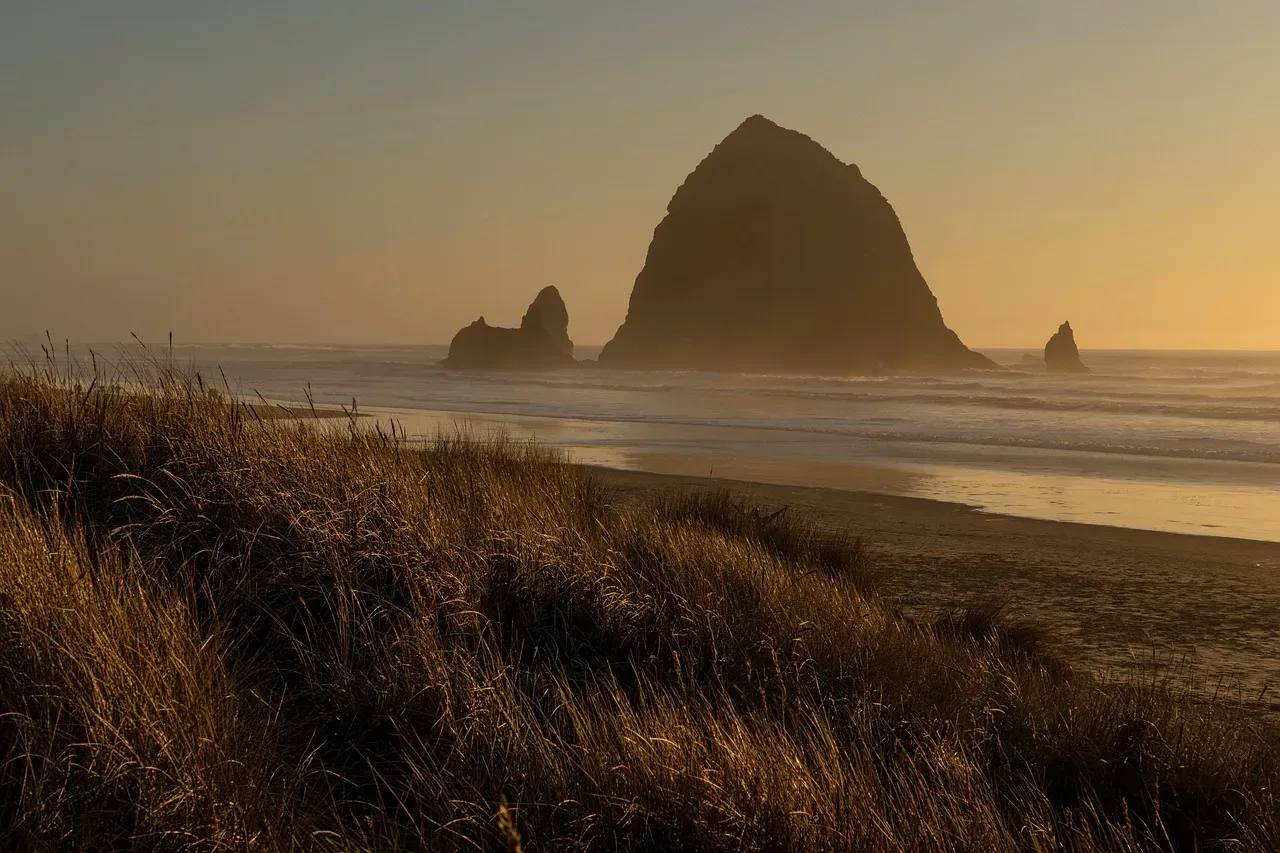
Oregon doesn’t always get the whale watching spotlight, but it absolutely deserves it. Known as the Whale Watching Capital of the Oregon Coast, Depoe Bay provides an excellent vantage point for spotting gray whales as they migrate along the Pacific coastline. What makes Oregon special is how accessible it all is: you can literally pull your car over at a clifftop overlook and watch whales without even getting on a boat.
Though you may be more likely to catch sight of whales during the winter and spring or summer migrations, you might spot one or two during the rest of the year as well, and there are an estimated 200 whales that consider the waters of the Oregon coast home between June and October. On the Oregon Coast, resident gray whales and humpbacks are especially prevalent from June through October, and blue whales also pass through. Combine a coastal road trip with a whale tour and you’ve got one of the finest nature adventures in the American West.
6. Massachusetts: New England’s Legendary Whale Waters
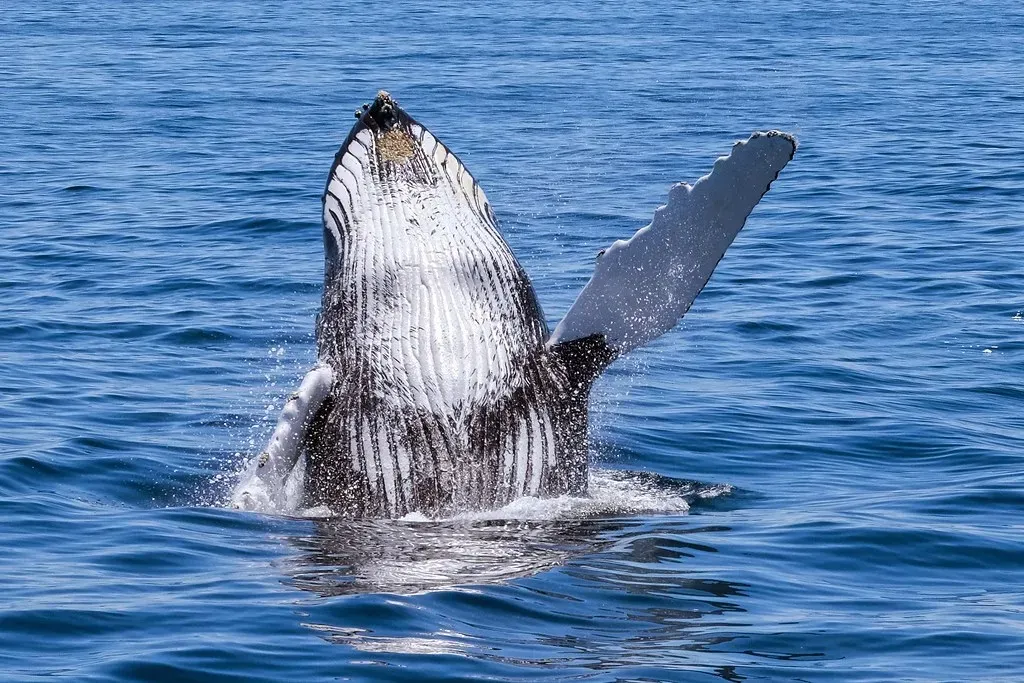
New England and whale watching have a deeply intertwined history. Whale watching along the East Coast originated in Provincetown, Massachusetts in the 1970s, and the most common destination for those vessels was an area that is now Stellwagen Bank National Marine Sanctuary. So in many ways, Massachusetts is where this whole beloved pastime began.
Whales’ primary feeding grounds are located in Stellwagen Bank National Marine Sanctuary, an 842-square-mile marine reserve located between Cape Cod and Cape Ann in Massachusetts Bay, and the warm, shallow waters of Stellwagen Bank boast plenty of mackerel, herring, Atlantic cod, bass, and krill, making it one of the most biologically diverse ecosystems in North America. Types of whales you can see here include humpback, finback, minke, pilot, and the rare right whales. The sheer variety on offer is staggering.
7. New York: Whale Watching Right Off Long Island
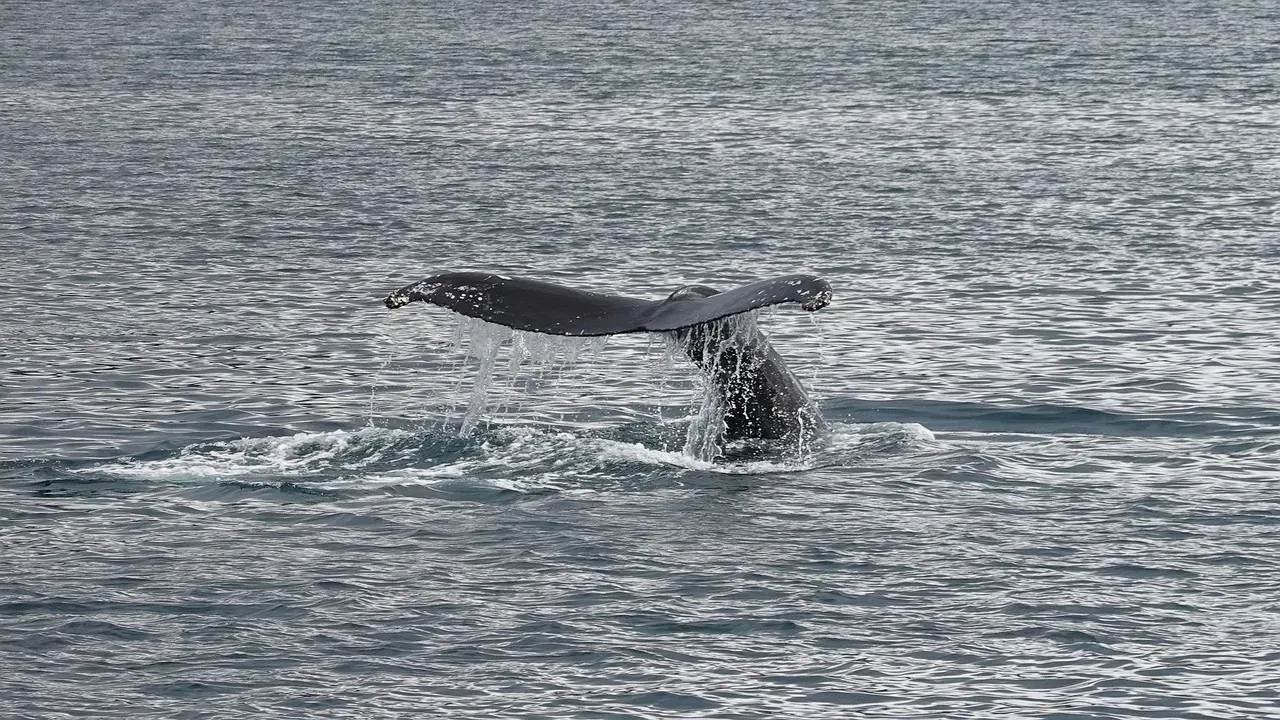
It might seem surprising, but New York State is a legitimate whale watching destination. Let’s be real: most people associate New York with skyscrapers, not spouting humpbacks. Yet the waters just off Long Island tell a completely different story. You’ll find at least 25 different species of whales feeding from the abundant coastline off of Long Island, and setting sail from Montauk gives you an exciting whale watching experience where you’ll not only have the chance to see whales but dolphins, seals, and sea turtles, as well.
Off Long Island, New York, the best time to go is from July through September, when you can spot sperm whales, blue whales, finbacks, humpbacks, and right whales, with tours departing from Sheepshead Bay in Brooklyn or Montauk on the eastern tip of Long Island. Imagine telling people you went whale watching a quick drive from Times Square. Their faces alone would be worth it.
8. New Jersey: A Hidden Gem for East Coast Sightings
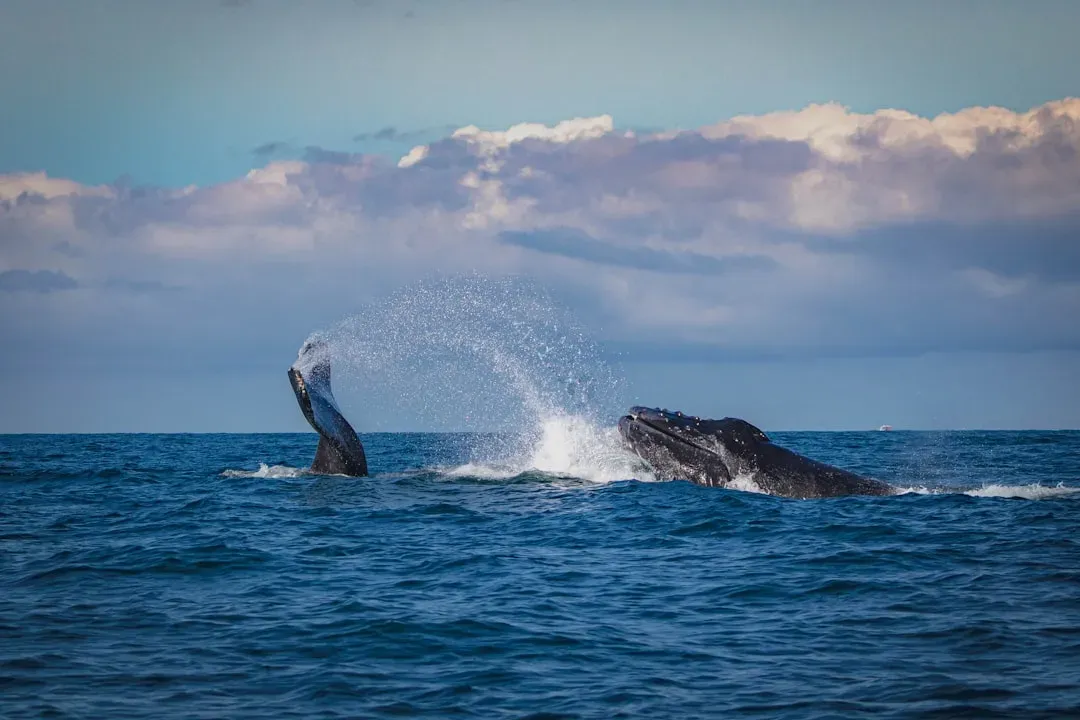
New Jersey rarely makes anyone’s whale watching bucket list, which is honestly a shame. Humpback whales feed on eels and herring off Cape May, an East Coast whale watching destination with a long season that extends all the way from March through December, and Cape May whale watching tours spot everything from Atlantic bottlenose dolphins to massive blue whales, with humpbacks making the most frequent appearances, measuring up to 50 feet from tip to tail.
Most of the whales near Cape May aren’t migratory; they visit the local waters to feed, which offers a great opportunity to view them nearly year-round, and you can even reserve a spot with the Research Center and become a Citizen Scientist for a few hours while assisting a team with ongoing research. That citizen science angle is genuinely cool, and it means your trip contributes something real to marine conservation. I’d say that’s worth the drive down the Garden State Parkway.
9. Virginia: Winter Whale Watching with a Sunny Twist
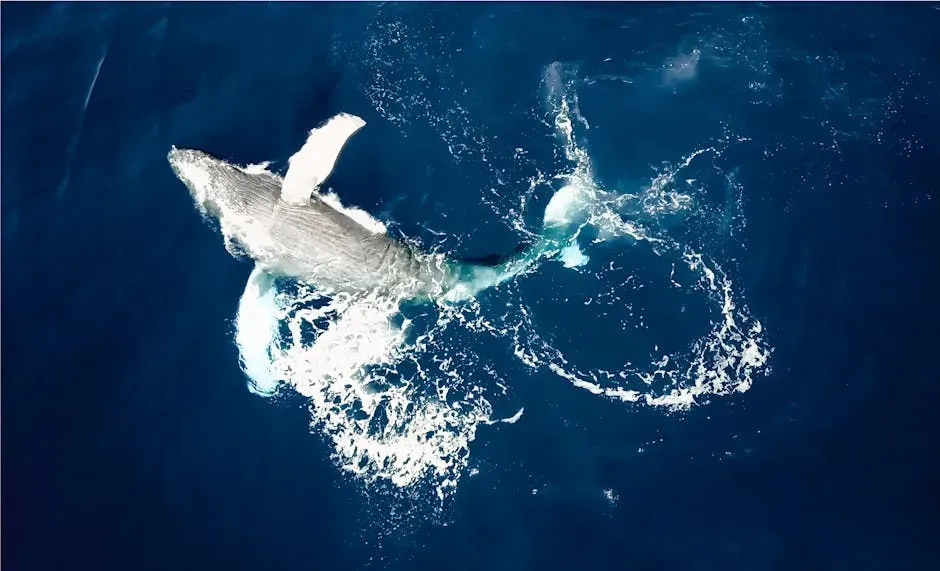
Virginia Beach is not typically the first place that comes to mind when planning a whale watching trip. That’s exactly why it deserves more attention. After a long swim from the chilly Bay of Fundy, humpback whales enjoy the warm waters of Virginia Beach between December and March, making it a great destination for whale watching, with peak whale watching season in January and February, and pods of dolphins patrolling the coast as well.
Virginia Beach offers a chance to witness the migration of humpback and fin whales, and dolphin sightings are also common, adding to the marine spectacle. The fact that you can potentially experience whale watching in warm winter sunshine, rather than braving a freezing Pacific coast, gives Virginia a unique and underappreciated advantage. It’s hard to say for sure, but Virginia might just be the most pleasant surprise on this entire list.
10. Maine: Rugged Coastlines and Rich Feeding Grounds
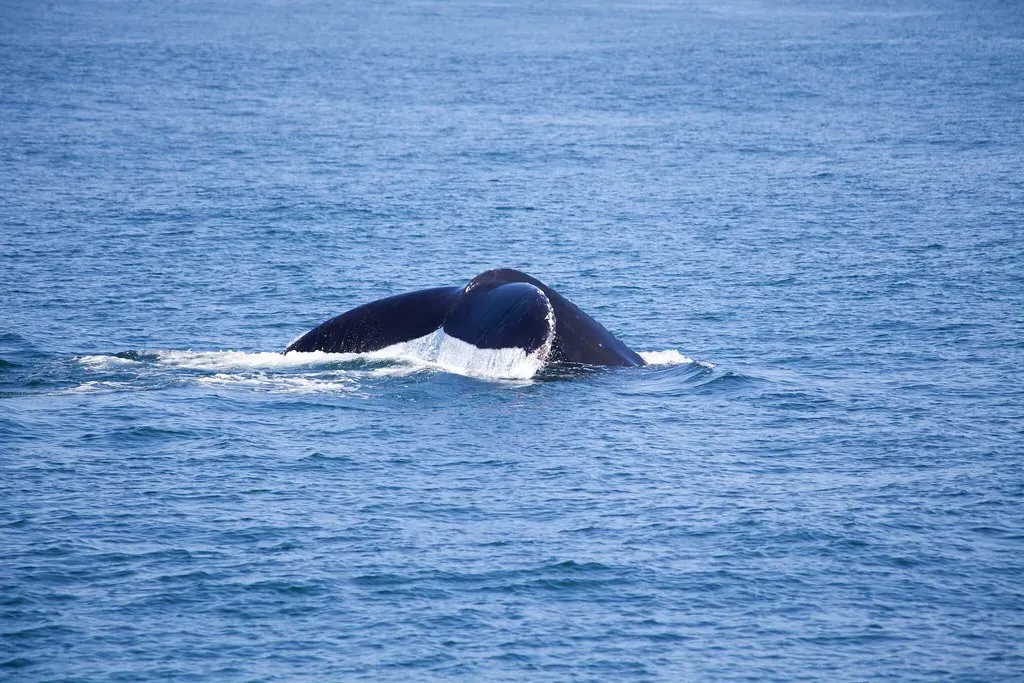
Maine closes out this list with a fittingly dramatic flourish. There is something deeply fitting about whale watching in a state defined by its raw, rocky coastline and cold, nutrient-dense waters. In the coastal waters of the United States, there are stretches of sea where pods take up more-or-less permanent residence, and Maine’s waters are a prime example of migratory routes that attract whales during specific parts of the year. The Gulf of Maine is a biological hotspot that draws species in impressive numbers.
Maine’s whale watching season runs from mid-April through October, overlapping with the same rich feeding grounds that make neighboring Massachusetts so prolific. Each spring, hundreds of whales arrive in the waters of the region to spend summer feasting on sand lance, also known as sand eel, a small fish that is just 3 to 6 inches long and serves as the main food for giant sea mammals that need to eat roughly one and a half tons per day. The idea that something so enormous depends on something so tiny is one of those facts that genuinely stops you in your tracks.
Conclusion: The Ocean Is Calling
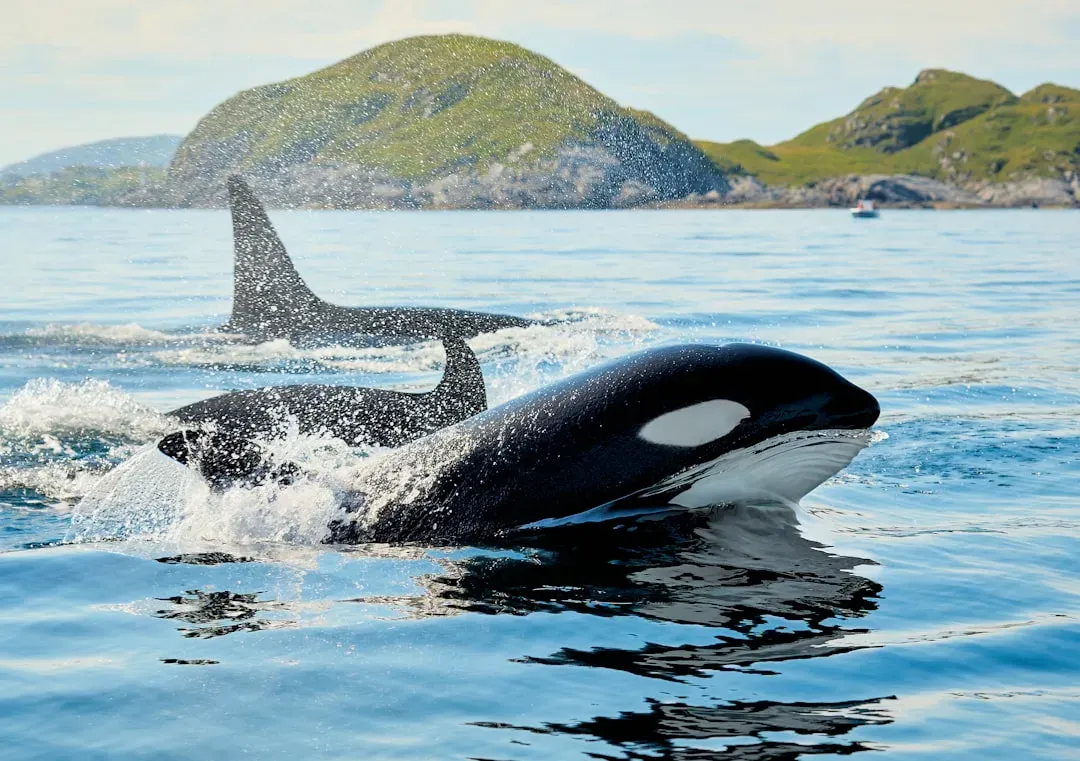
Whale watching is one of those rare experiences that genuinely lives up to the hype. Whether you are watching an orca slice through the waters of Washington’s San Juan Islands, spotting a humpback breach off Cape Cod, or drifting through the warm Hawaiian blue while a giant surfaces beside your boat, the emotional impact is something no photograph can fully capture.
Whales nurture each other, form friendships, grieve, play, sing, and cooperate with one another, and the blue whale is the world’s largest animal, with a heart the size of a Volkswagen Beetle. When you truly absorb that fact while watching one surface just yards from your boat, the world feels a little more vast and a little more wonderful all at once.
Ten states, thousands of miles of coastline, and an ocean full of giants waiting to be discovered. The only question left is: which one will you visit first?
