
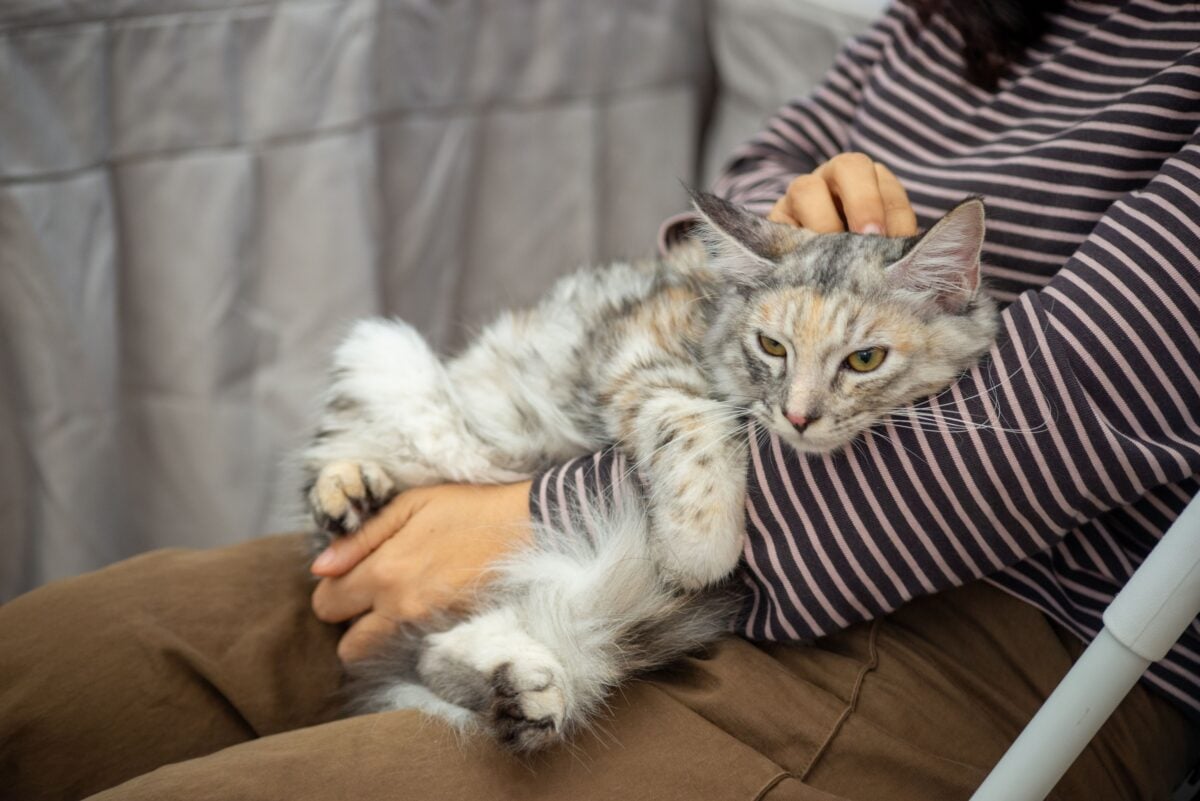
Most people expect a hiss or a puffed-up tail when a new pet comes home. Real feline stress is often much quieter than that. A cat can look perfectly fine to a casual observer while its routines, posture and habits are shifting in ways that are easy to miss.
Cats are territorial animals that rely heavily on scent, predictable routines and familiar spaces. When a dog, a kitten or another animal arrives, the whole map of the home changes. Learning to read the small signals can make the difference between a smooth adjustment and a tense, drawn-out standoff.
1. They Spend More Time Hiding or Staying Up High
🔥 Would you like to save this?
We'll email this post to you, so you can come back to it later!
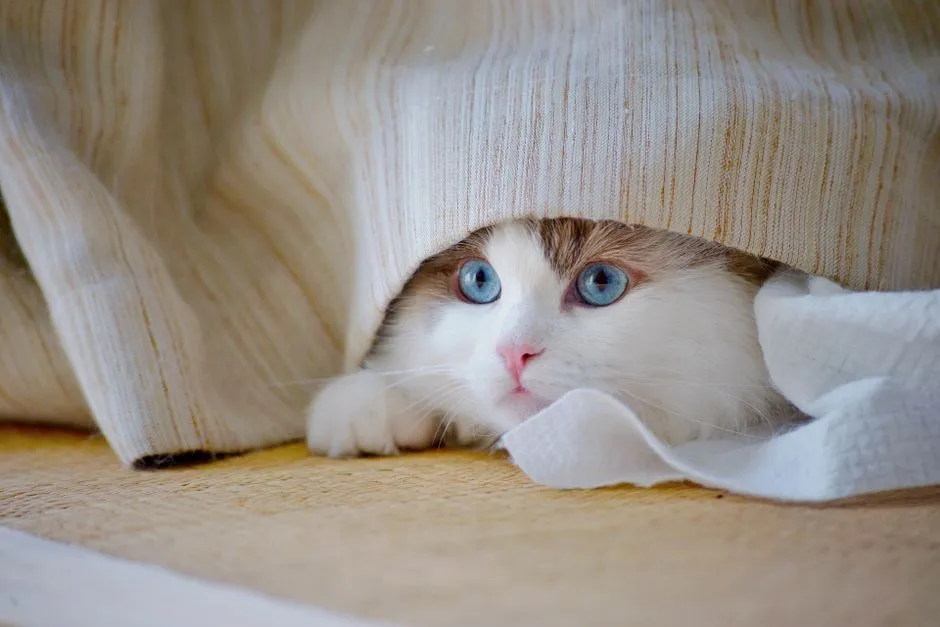
A cat that suddenly vanishes under the bed or perches on top of the wardrobe is often making a safety decision. Hiding and climbing are natural ways for cats to gain distance and a better view of anything unfamiliar. It isn’t necessarily fear in the dramatic sense, more a careful way of gathering information.
Give them those options rather than coaxing them out. Tall cat trees, shelves and covered beds let a cat watch the newcomer without feeling cornered. Forcing interaction tends to slow down the adjustment, not speed it up.
2. Their Eating Habits Shift

🔥 Would you like to save this?
We'll email this post to you, so you can come back to it later!
Appetite is one of the first things stress can touch. Some cats eat less, some pick at their food, and a few eat faster than usual, especially if another animal is nearby. A skipped meal or two may be a passing reaction.
Still, cats that stop eating for more than a day or so should be checked by a vet, since not eating can become a serious problem for cats. Feeding the animals in separate rooms, or at least well apart, usually helps. Competition over a bowl is stressful even when nobody is fighting.
3. Litter Box Habits Start to Change
🔥 Would you like to save this?
We'll email this post to you, so you can come back to it later!
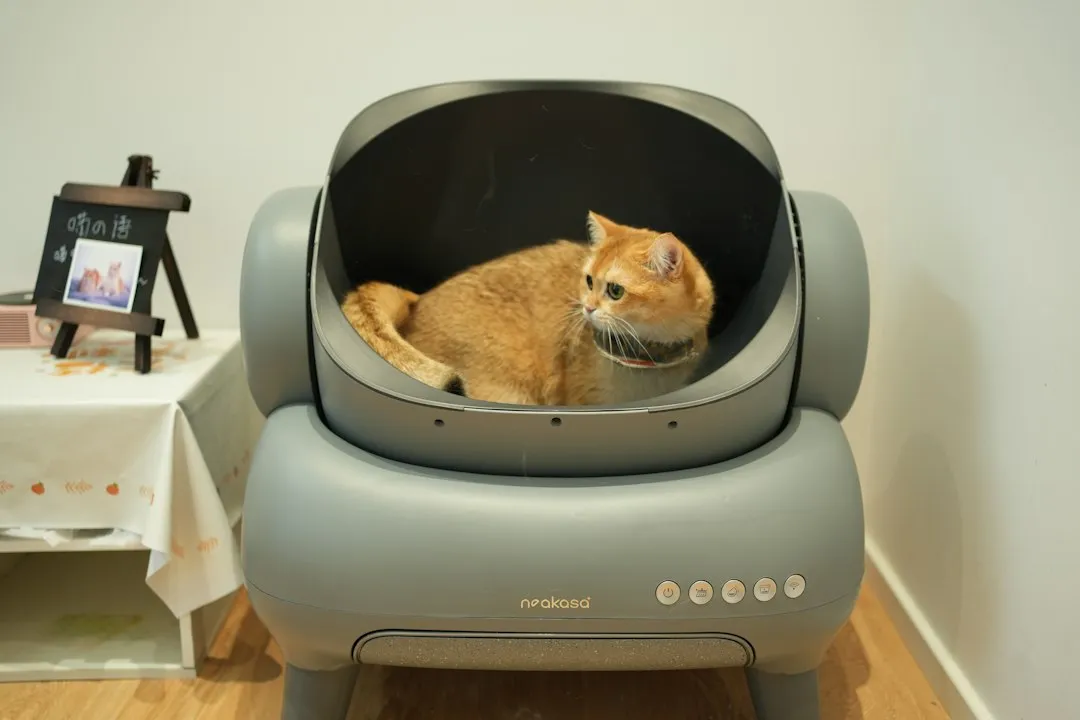
Going outside the box is a classic sign of household stress, and it’s often misread as spite. In reality it can signal that the cat doesn’t feel safe reaching or using its usual spot. A box placed in a corridor the new pet now patrols can quickly become unappealing.
Veterinary behavior guidance generally suggests having enough boxes, commonly one per cat plus one extra, in quiet and separate places. It’s also worth ruling out medical causes if the problem lingers. Urinary issues can look very similar to a behavior problem.
4. Grooming Becomes Excessive, or Disappears
🔥 Would you like to save this?
We'll email this post to you, so you can come back to it later!
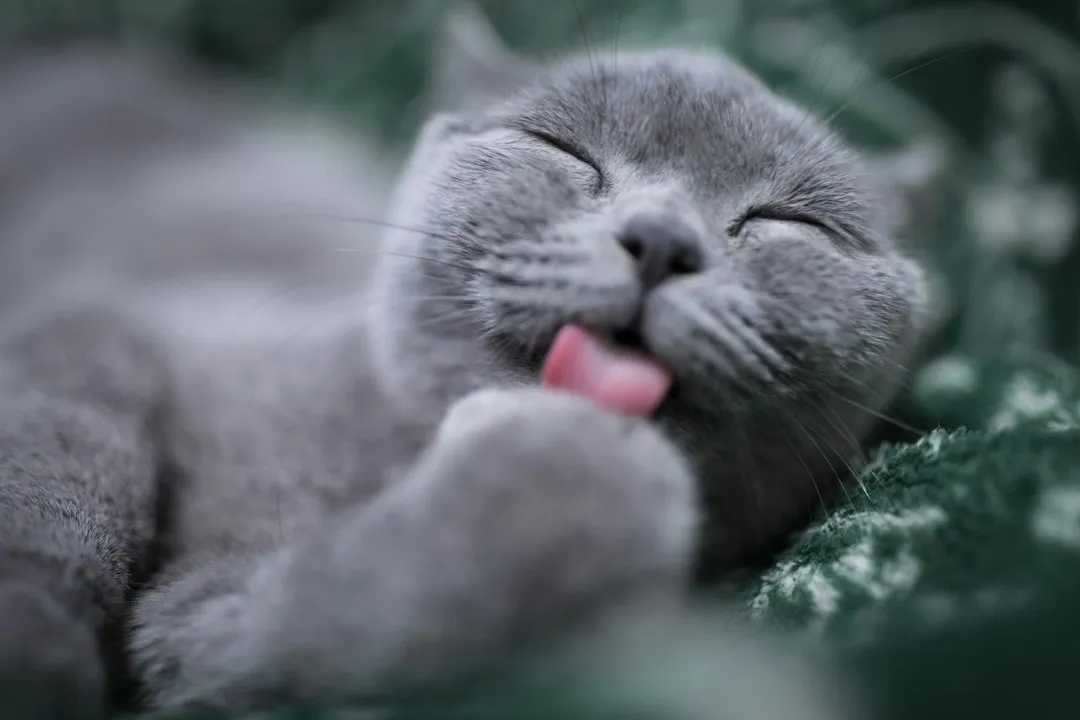
Grooming is how cats self-soothe, so stress can push it in either direction. Some cats lick one patch of fur repeatedly, sometimes leaving thin or bare spots. Others let their coat go scruffy because they simply don’t feel relaxed enough to groom.
Either change deserves attention, especially if it continues for weeks. Skin problems and pain can cause similar signs, so a vet visit is a sensible step. Meanwhile, reducing pressure in the home often does more than any trick or product.
5. Body Language Gets Smaller and Tighter
🔥 Would you like to save this?
We'll email this post to you, so you can come back to it later!
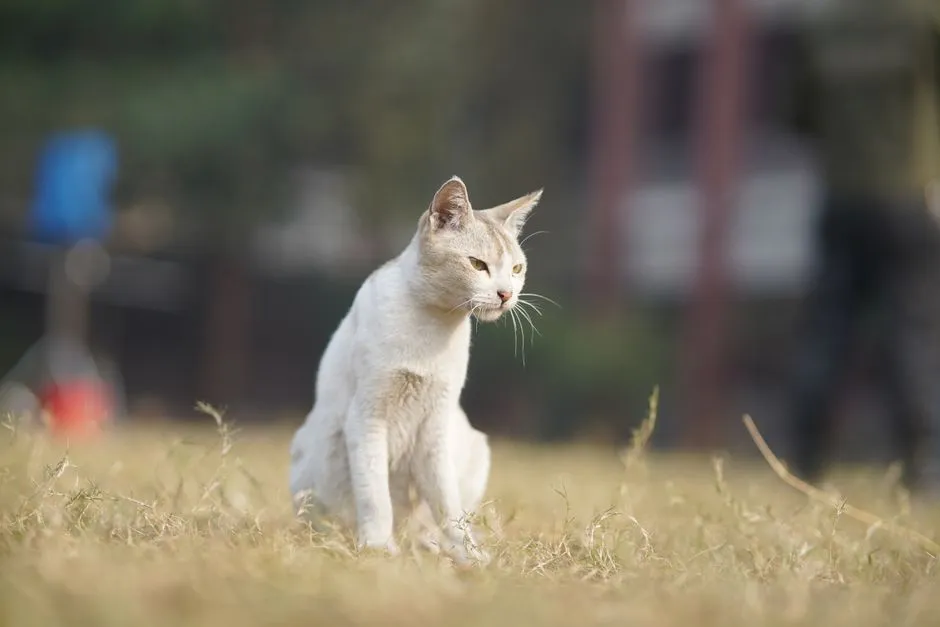
Subtle posture changes tell a lot. A cat may crouch low, tuck its paws under its body, flatten its ears slightly or hold its tail close. These are easy to mistake for calm resting, yet the muscles are often tense and the eyes stay locked on the newcomer.
Dilated pupils and a twitching tail tip are other small clues. A genuinely relaxed cat usually looks loose, with soft eyes and slow blinks. If you see the tight version, it’s a good moment to give everyone more space.
6. They Mark Territory in Quieter Ways
🔥 Would you like to save this?
We'll email this post to you, so you can come back to it later!
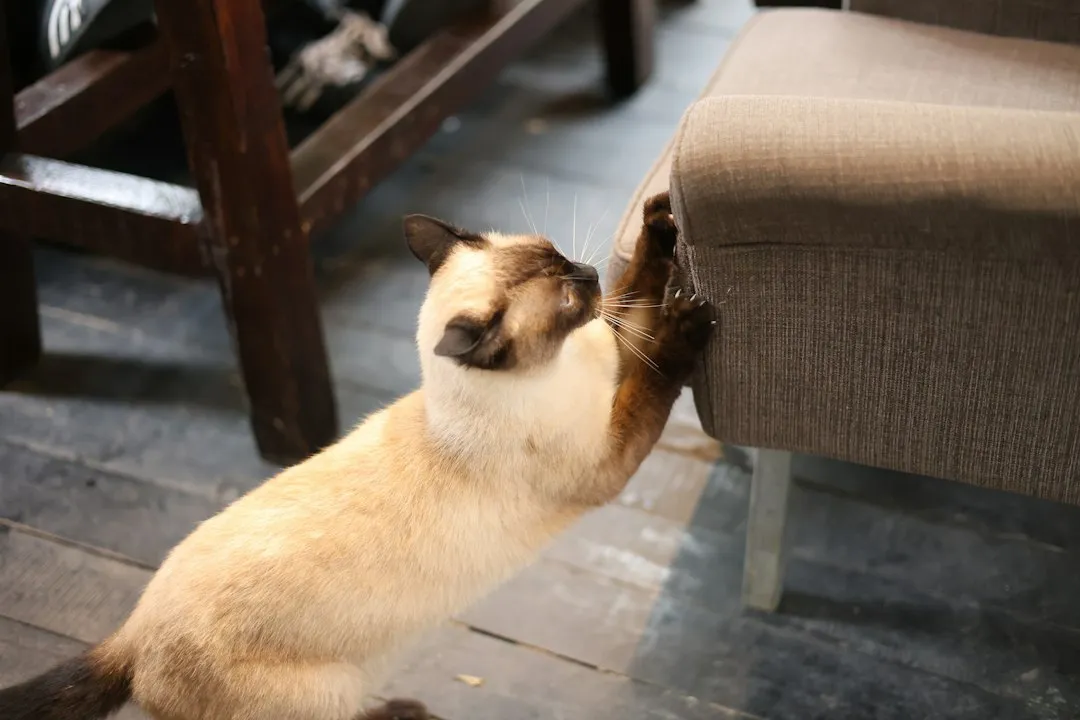
Spraying gets the headlines, but cats also mark through cheek rubbing and scratching. Both leave scent, which helps a cat feel secure. You may notice more rubbing against furniture, doorframes or even your legs than usual.
Scratching is also communication, since it leaves both a visual mark and scent from glands in the paws. Providing sturdy scratching posts in shared areas gives that urge a good outlet. Spraying, if it does happen, is a sign to talk with your vet about stress and possible causes.
7. Their Sleep Patterns Get Disrupted
🔥 Would you like to save this?
We'll email this post to you, so you can come back to it later!
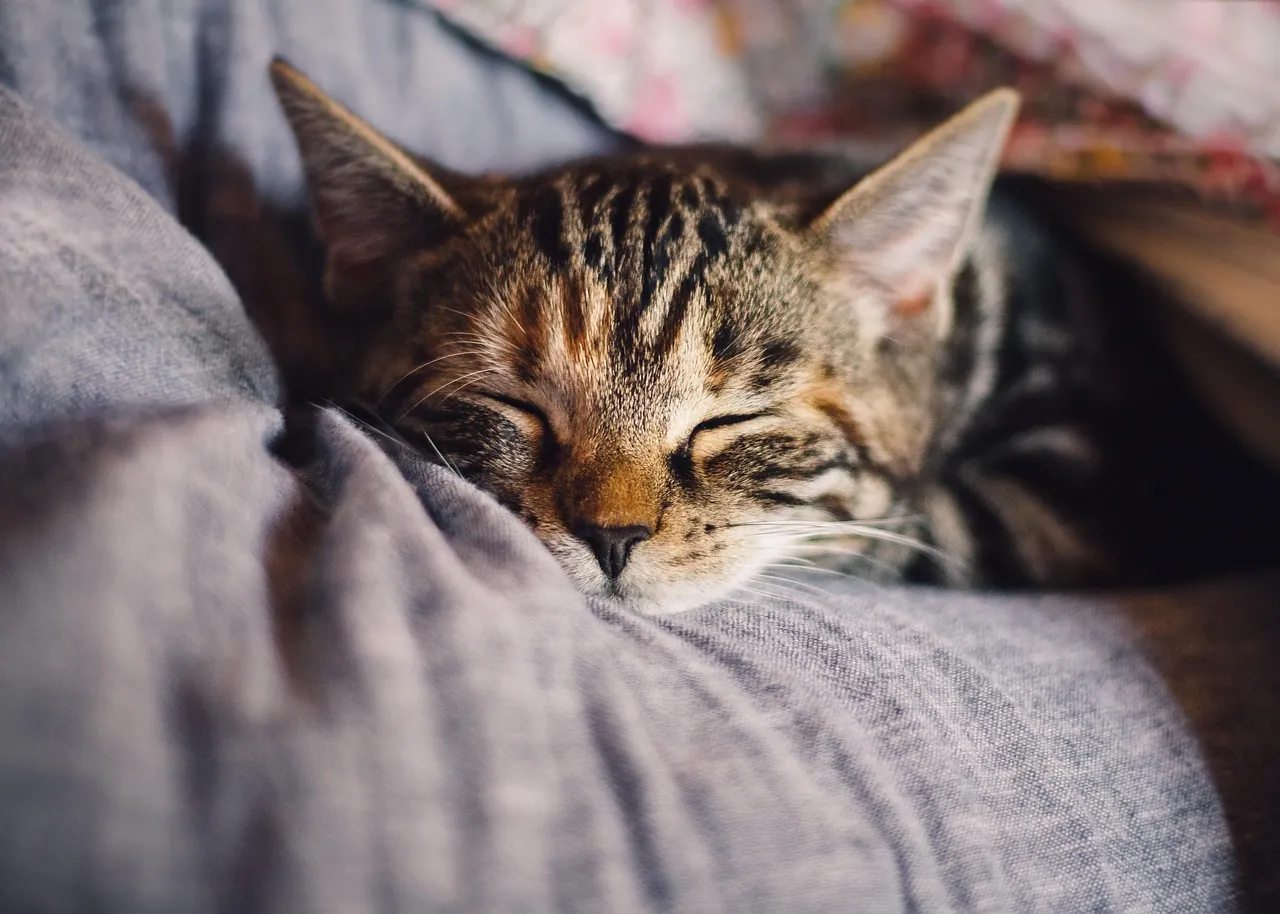
Cats sleep a lot, so changes can be easy to spot once you look for them. A cat that normally naps in the living room may start sleeping in a closet, or stay oddly alert even while resting. Some seem to sleep more, as if avoiding the situation entirely.
Others become restless at night, patrolling or listening at a closed door. Both reactions can be part of adjusting to a new scent and new sounds. Quiet, protected sleeping spots help a great deal.
8. They Become Clingier, or More Distant
🔥 Would you like to save this?
We'll email this post to you, so you can come back to it later!
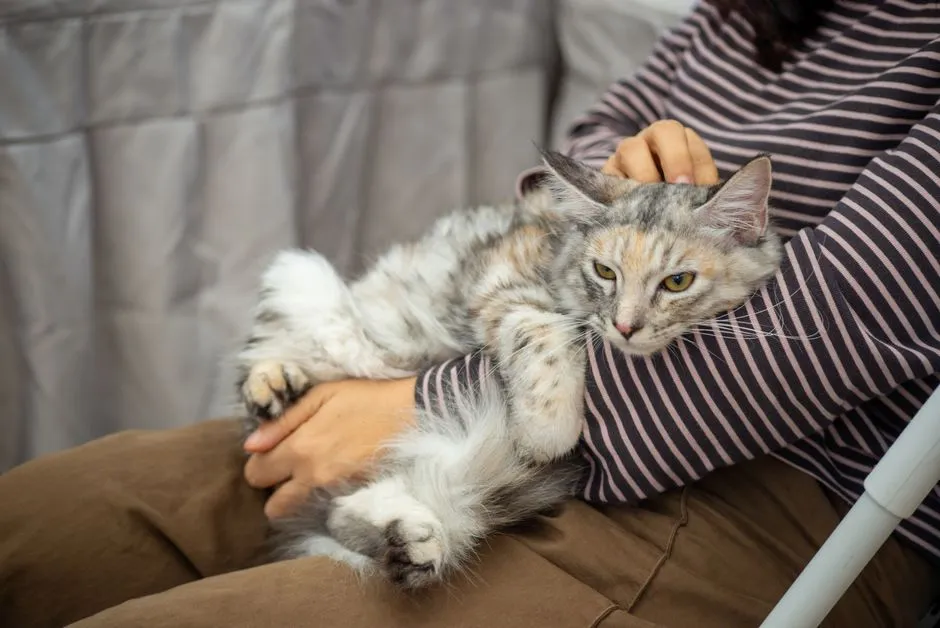
Some cats respond by sticking to their person like glue. Following you from room to room or demanding more lap time can be a request for reassurance. It’s sweet, though it’s also a sign that your cat may feel unsettled.
Other cats withdraw and seem to lose interest in play or affection. Neither reaction is wrong, and personalities vary widely. Keeping up your usual one on one routines, even for ten minutes of play, reminds your cat that its place with you hasn’t changed.
9. They Watch, Stalk or Avoid the Newcomer
🔥 Would you like to save this?
We'll email this post to you, so you can come back to it later!
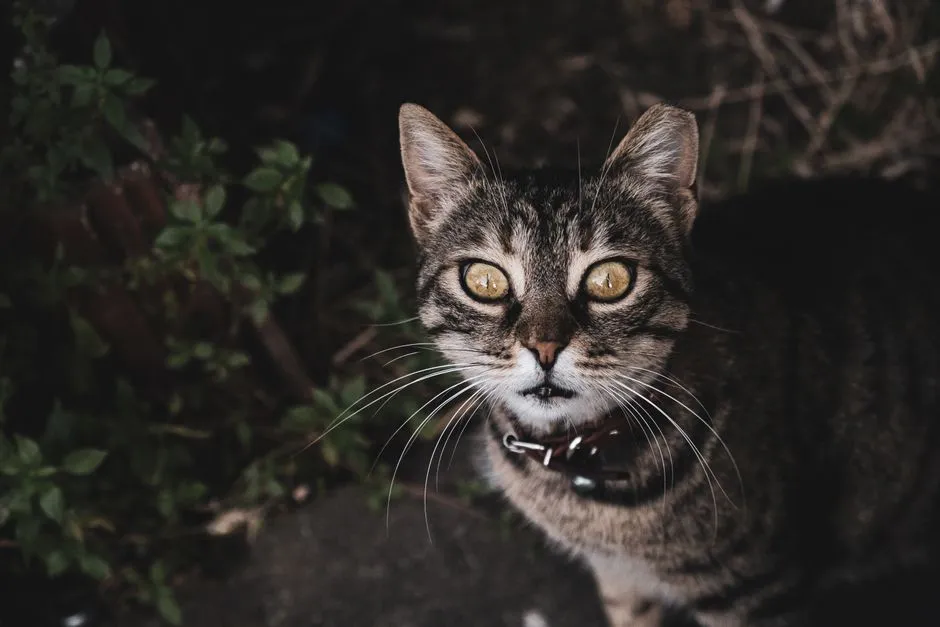
Intense staring is a common early behavior. A cat might sit motionless watching the new animal, or silently follow it around at a distance. That can look like curiosity, but it may also be tension building.
Avoidance is just as telling, such as taking a long detour to bypass a room. Gradual introductions, using scent swapping with blankets and short visual meetings through a baby gate, are widely recommended by veterinary and shelter groups. Rushing the first face to face meeting is among the most common mistakes.
10. Their Play and Curiosity Change
🔥 Would you like to save this?
We'll email this post to you, so you can come back to it later!
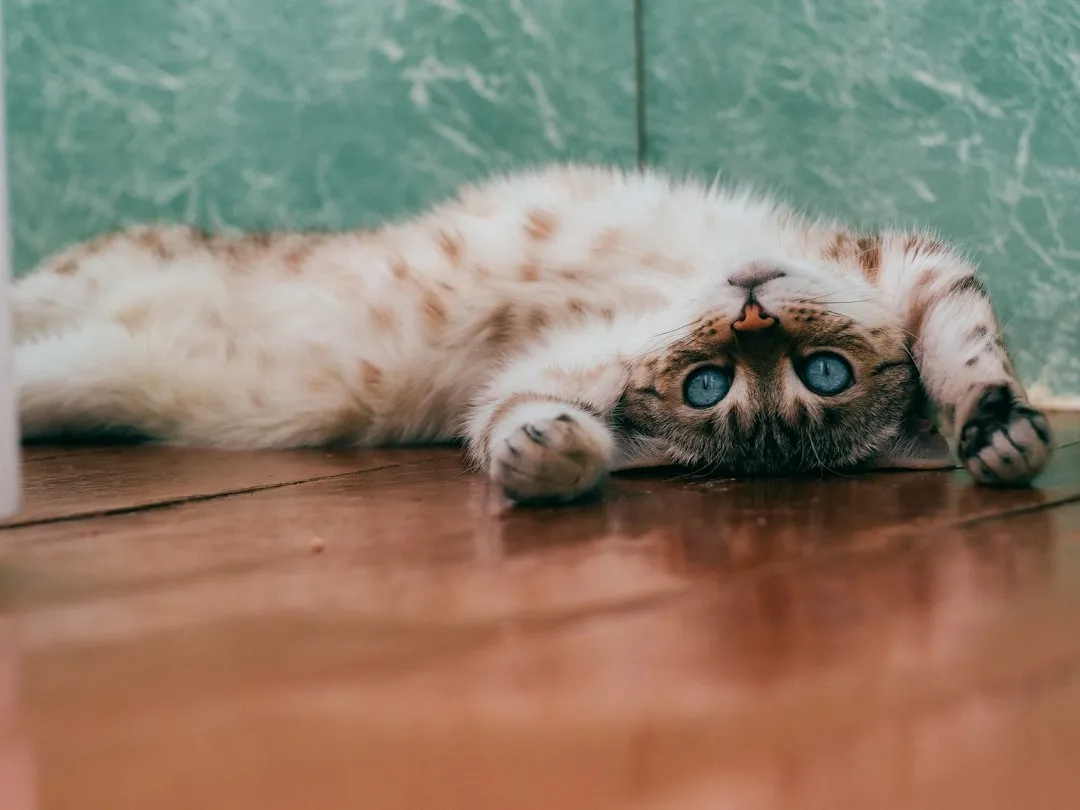
Play can be a useful barometer. A cat that stops chasing toys may be too stressed to enjoy them, while another might play more roughly or turn toys into an outlet for pent up energy. Watching which direction your cat goes helps you adjust.
On the hopeful side, renewed play is often one of the first signs that a cat is settling in. Short sessions with a wand toy can build confidence and burn off nervous energy. Rewarding calm moments near the newcomer with treats helps connect the new animal with something good.
Final Thoughts
🔥 Would you like to save this?
We'll email this post to you, so you can come back to it later!
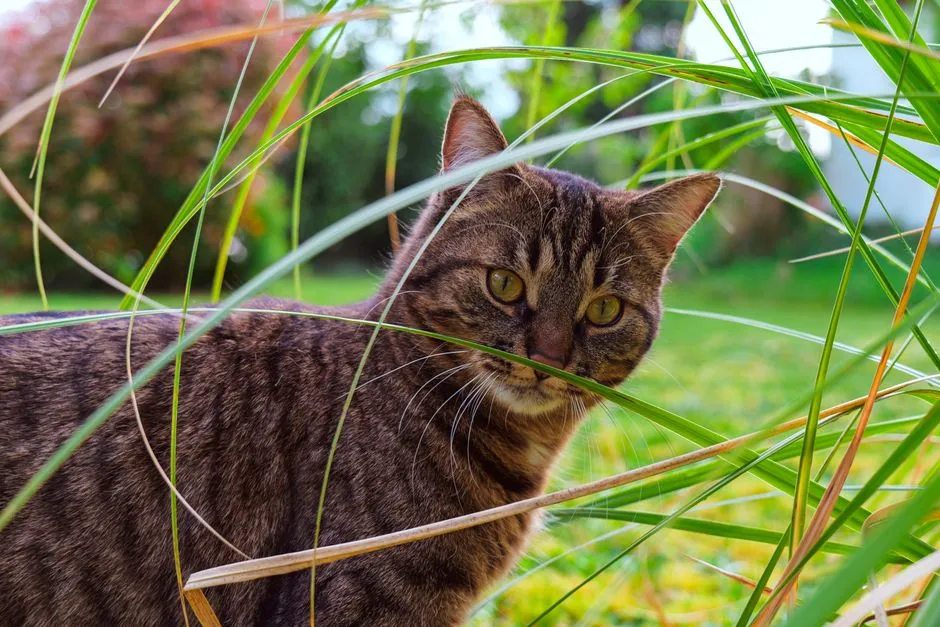
Here’s my take: most households underestimate how long cats need. People often expect a few days, then feel disappointed when things stay awkward, yet gradual adjustment over weeks is common and not a sign of failure.
Patience beats clever tricks every time. Give your cat space, routine and choices, and watch the small signals instead of waiting for a loud one. If stress signs persist or your cat stops eating, ask a vet or a qualified behaviorist for help.

- 10 Common Garden Pests That Are Actually Beneficial To Your Backyard Ecosystem - November 5, 2026
- 10 Unusual Reasons Older Adults Bond More Deeply With Certain Dog Breeds - November 5, 2026
- The Cheetah: The Speed King of the Animal Kingdom - November 5, 2026