
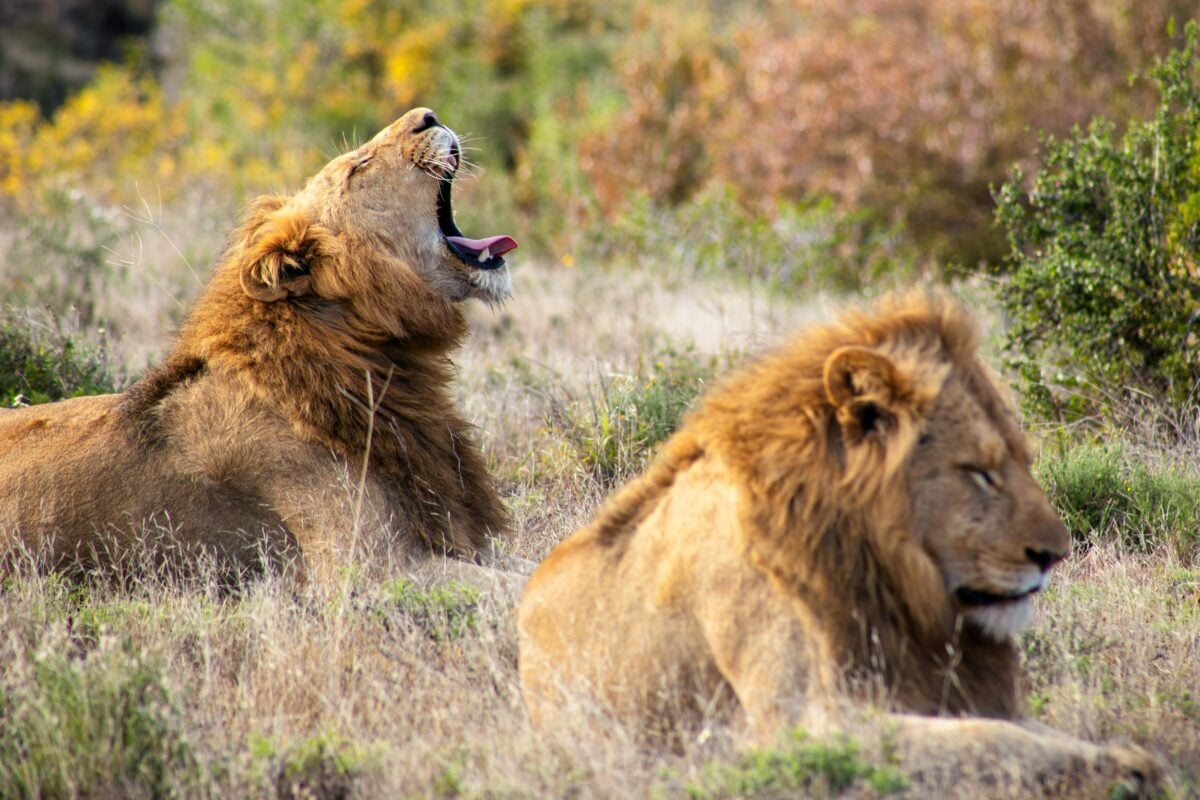
Lions, often dubbed the “kings of the jungle,” are renowned for their majestic presence and formidable hunting prowess. However, beneath this regal exterior lies a complex social structure that defies many common misconceptions. Let’s delve into ten surprising aspects of lion social behavior that might challenge what you thought you knew.
1. Lions Are the Only Truly Social Big Cats
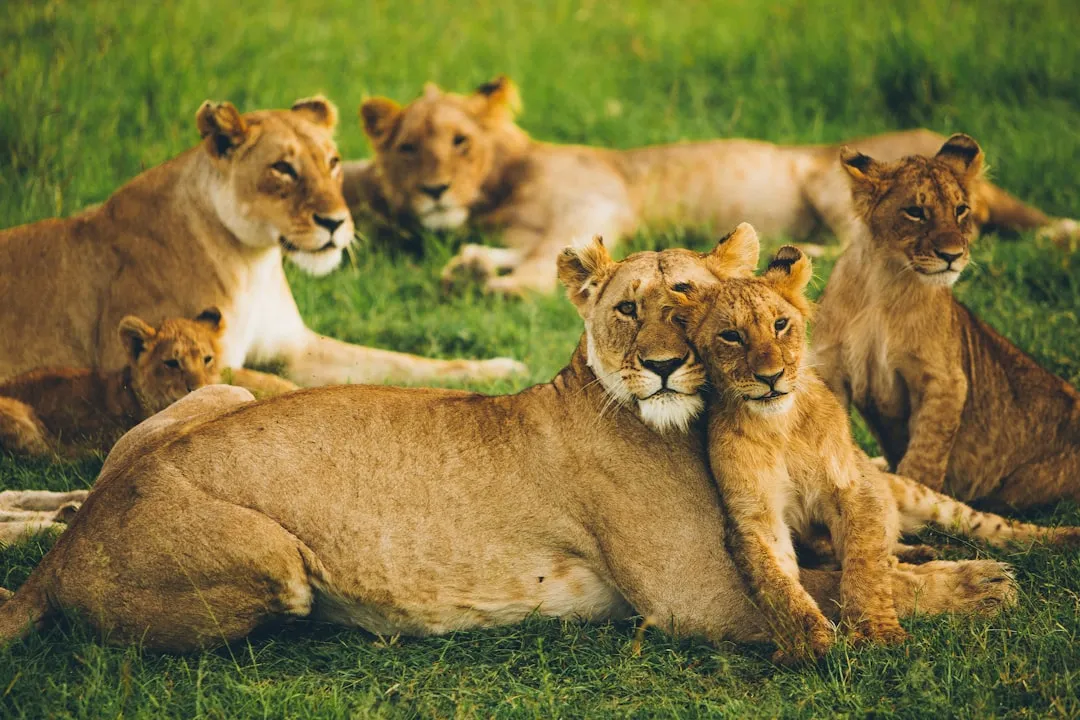
While most big cats are solitary creatures, lions break the mold by forming structured groups known as prides. These prides typically consist of related females, their offspring, and a coalition of males. This social arrangement is unique among felines and plays a pivotal role in their survival strategies.
The cohesion within a pride allows for cooperative hunting and shared responsibilities in rearing cubs. This communal lifestyle provides advantages in defending territory and resources, setting lions apart from their more solitary relatives.
2. Female Lions Are the Primary Hunters
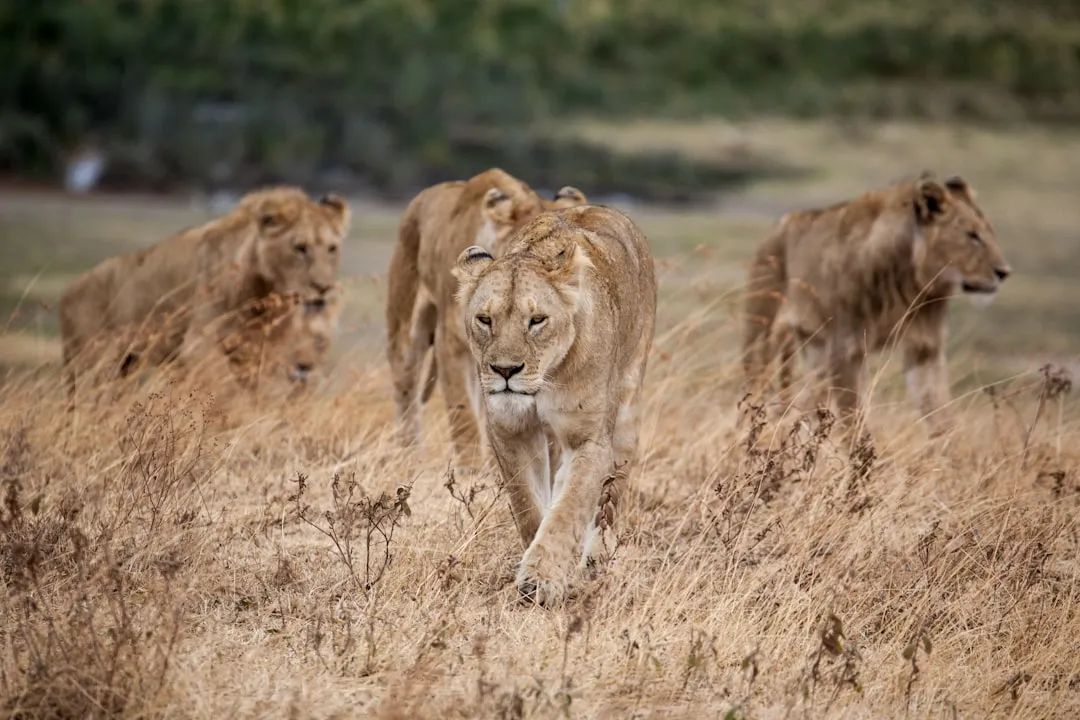
Contrary to the image of the male lion as the dominant hunter, it’s the lionesses who take on the primary role in securing food for the pride. Their agility and cooperative tactics make them adept at bringing down prey.
Males, with their imposing manes and larger size, often stay back to protect the pride’s territory. However, they do participate in hunts, especially when targeting larger prey that requires additional strength.
3. Male Lions Often Form Coalitions
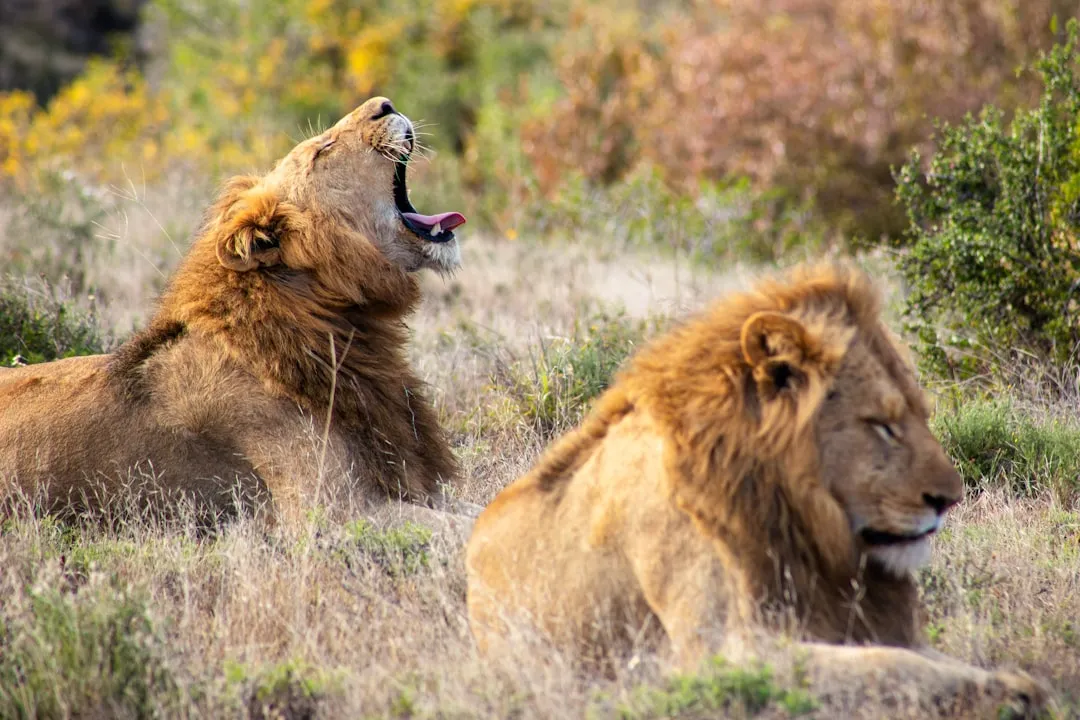
Instead of leading solitary lives, male lions frequently form coalitions with their brothers or other related males. These alliances enhance their ability to take over and defend prides, ensuring their genes are passed on.
Such coalitions can be formidable, often outcompeting lone males. This strategy increases their tenure within a pride, providing more opportunities for reproduction.
4. Lionesses Synchronize Births
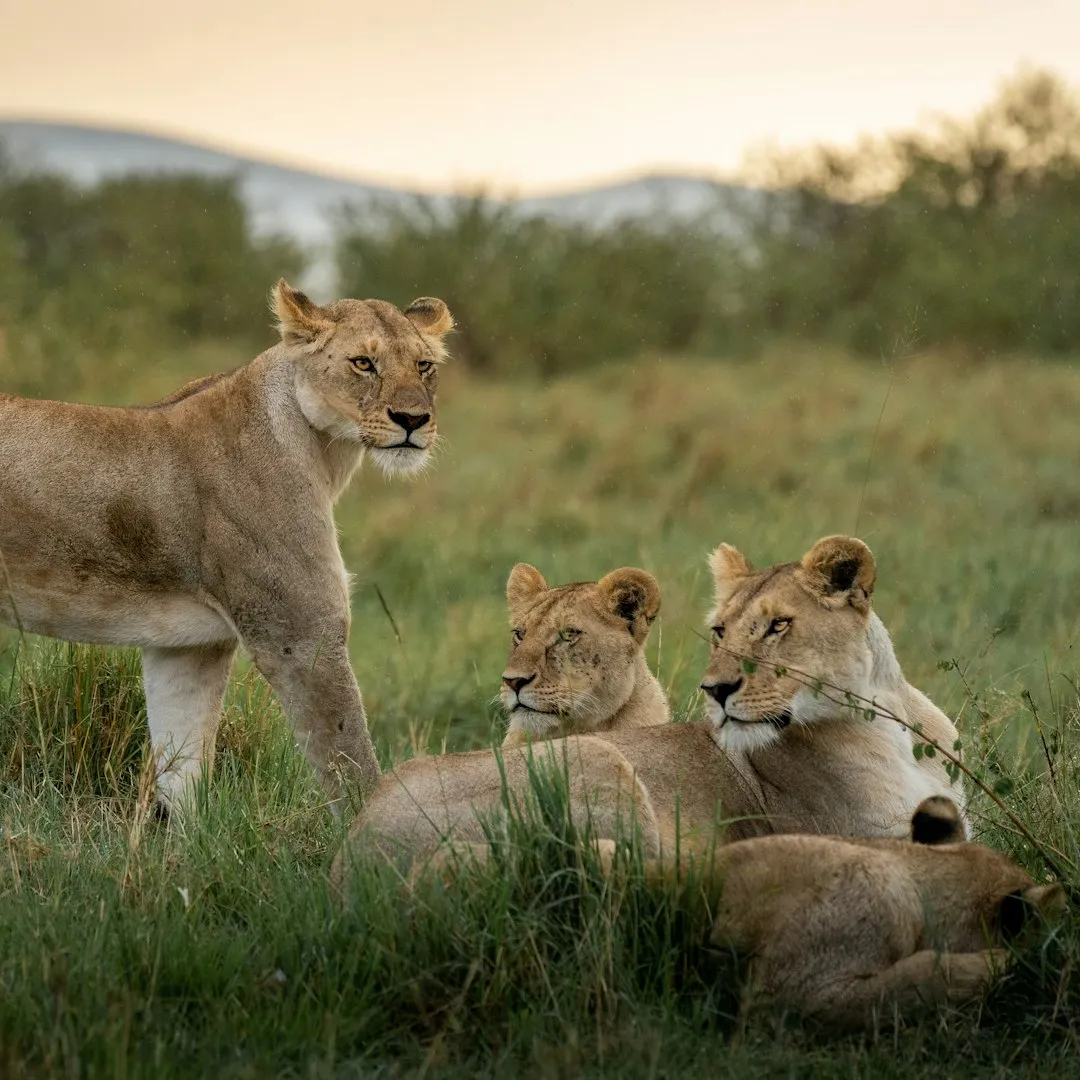
In a remarkable display of coordination, lionesses within the same pride often synchronize their reproductive cycles. This results in cubs of similar ages, fostering communal nursing and care.
This synchronization ensures that cubs have playmates and that the responsibilities of motherhood are shared, increasing the survival rates of the young.
5. Cubs Are Raised Communally
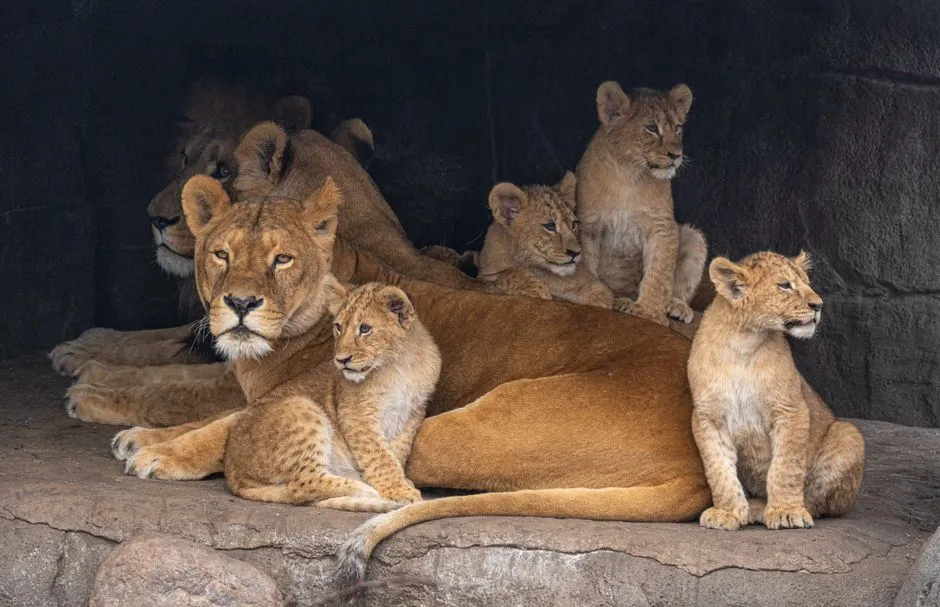
Beyond synchronized births, lionesses also engage in communal rearing of their young. Cubs are nursed by multiple females, not just their biological mothers.
This collective approach provides cubs with better protection and more consistent nourishment, enhancing their chances of reaching adulthood.
6. Male Lions Practice Infanticide
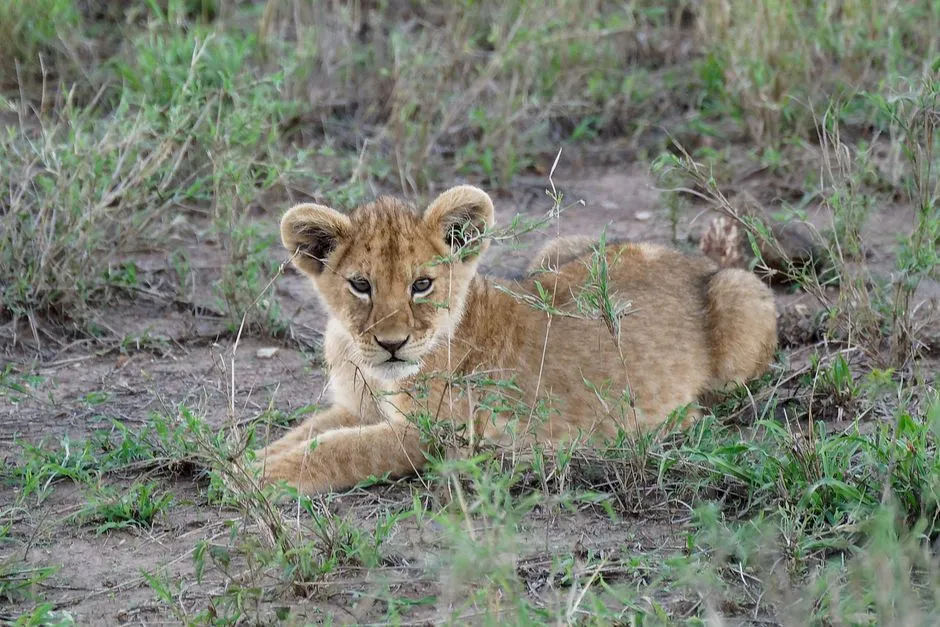
A darker aspect of lion behavior is the practice of infanticide. When new males take over a pride, they often kill existing cubs.
This brutal act brings lionesses back into estrus more quickly, allowing the new males to sire their own offspring and ensure the propagation of their genes.
7. Lions Are Territorial and Mark Their Domains
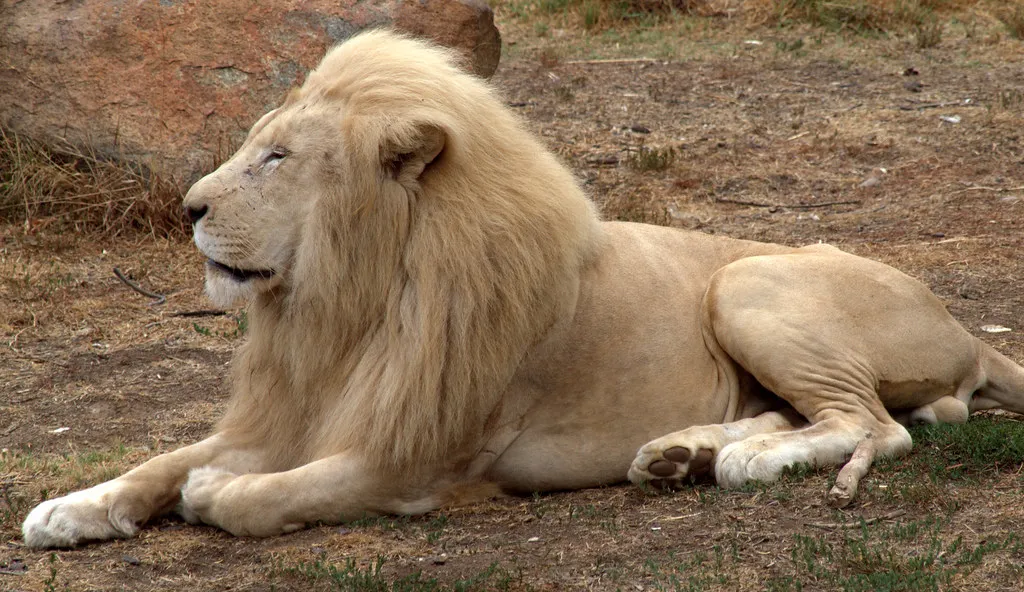
Lions are highly territorial animals. They mark their domains using scent markings and roaring, which can be heard up to five miles away.
These behaviors serve as warnings to other lions, helping to prevent conflicts and maintain the pride’s control over valuable resources.
8. Lions Exhibit Complex Communication
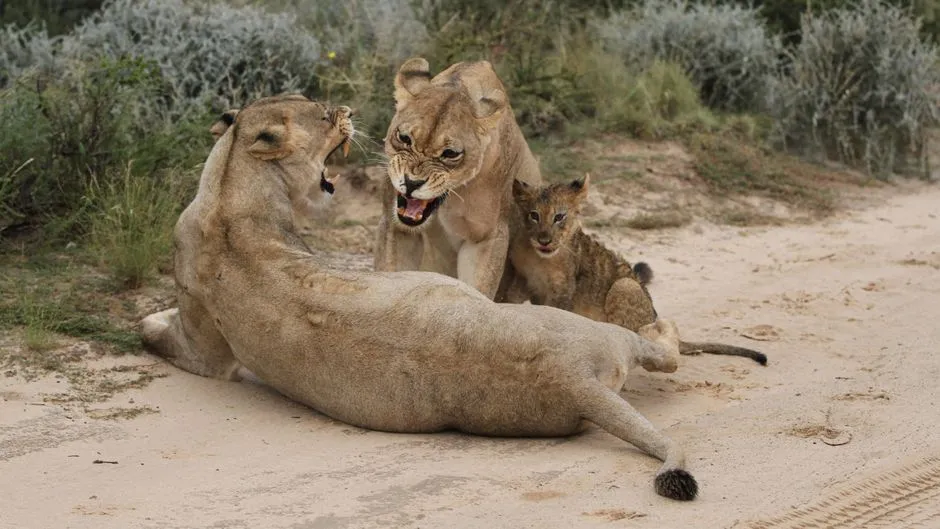
Beyond roaring, lions employ a range of vocalizations, facial expressions, and body postures to communicate. These include growls, purrs, and head rubs.
Such intricate communication helps maintain social bonds within the pride and coordinate group activities like hunting.
9. Lions Can Be Active Both Day and Night
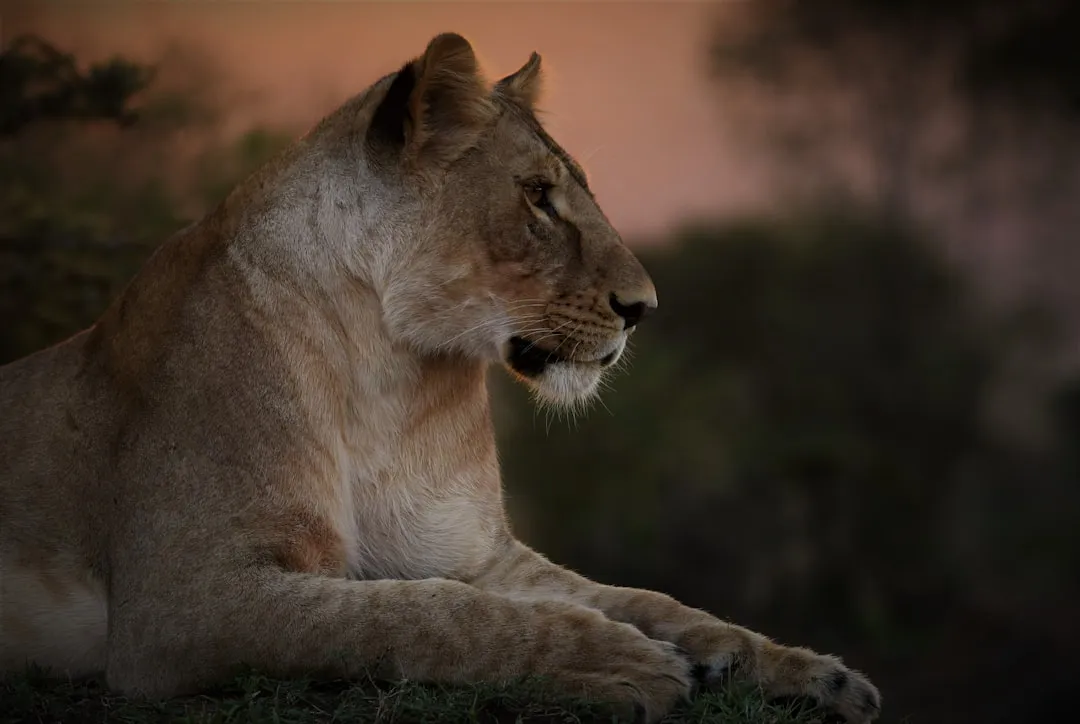
While often perceived as nocturnal, lions are actually crepuscular, meaning they are most active during dawn and dusk. However, they can adapt their activity patterns based on factors like prey availability and human disturbances.
This flexibility allows them to optimize hunting and social interactions, ensuring the pride’s needs are met.
10. Male Lions’ Manes Serve Multiple Purposes
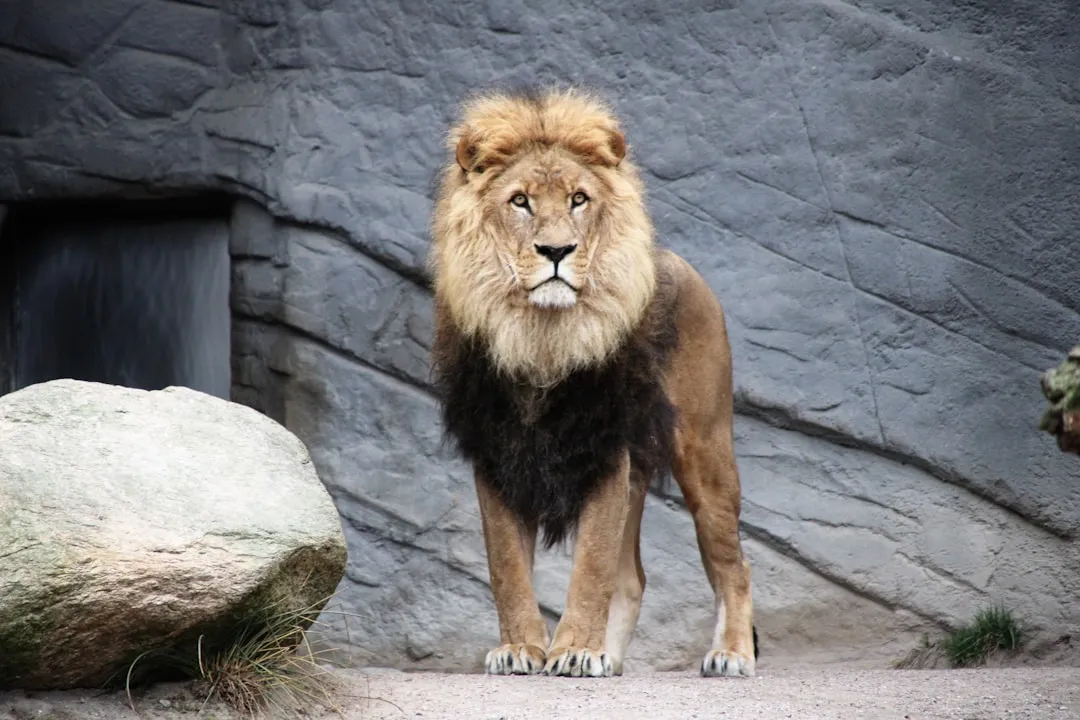
The iconic mane of a male lion is not just for show. It serves as a signal of health and virility to potential mates and as a deterrent to rival males.
Additionally, the mane provides some protection during fights, cushioning blows to the neck and head.
In conclusion, the social dynamics of lions are intricate and multifaceted, challenging many common misconceptions. Understanding these behaviors not only deepens our appreciation for these majestic creatures but also underscores the importance of their conservation. As we continue to learn about lions, it becomes evident that their social structures are as complex and fascinating as any human society.
