
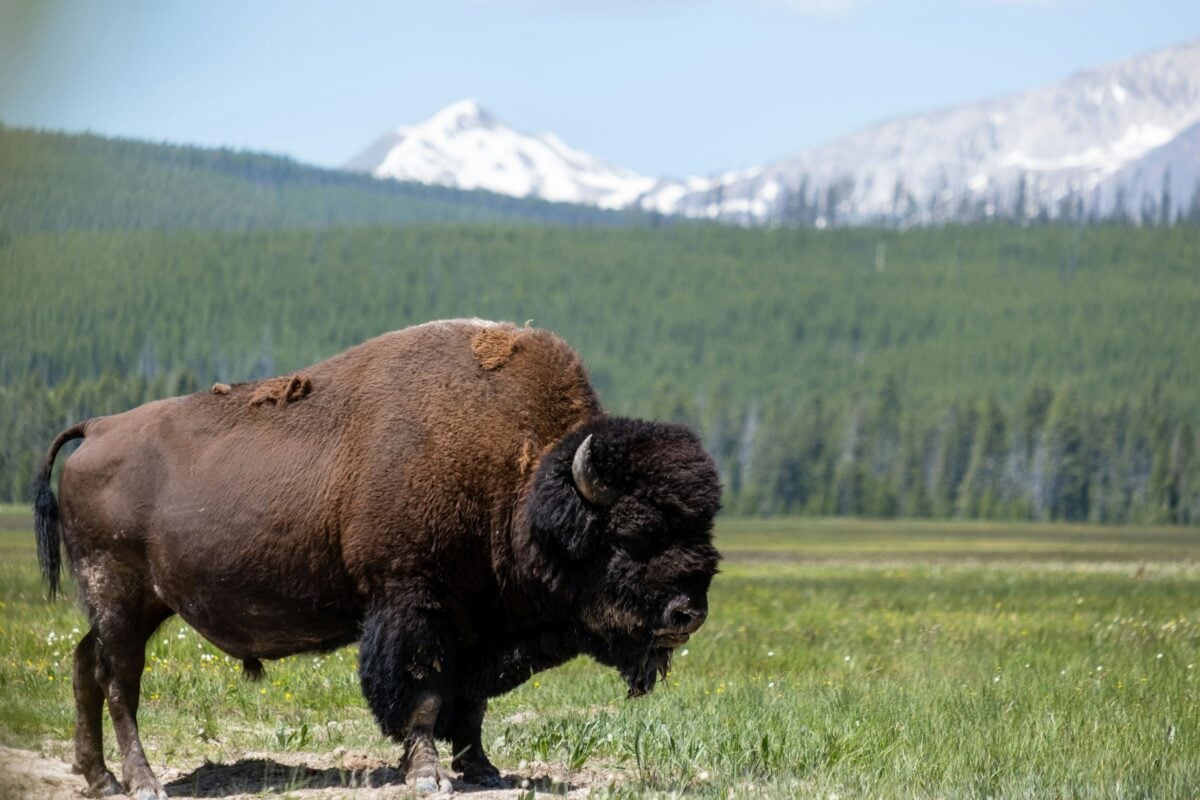
Stand at the edge of a prairie where bison have been living and you’ll notice something odd. The land isn’t uniform. Some patches are cropped short, others stand tall and shaggy, and a few bare, dusty circles sit in between like someone pressed a giant thumb into the soil.
That patchwork isn’t random, and it isn’t just the result of animals eating lunch. Bison do a surprising amount of landscape work with their mouths, hooves, bodies, and even their droppings. Here are ten ways they leave their mark.
They Create a Patchwork Instead of a Lawn
🔥 Would you like to save this?
We'll email this post to you, so you can come back to it later!
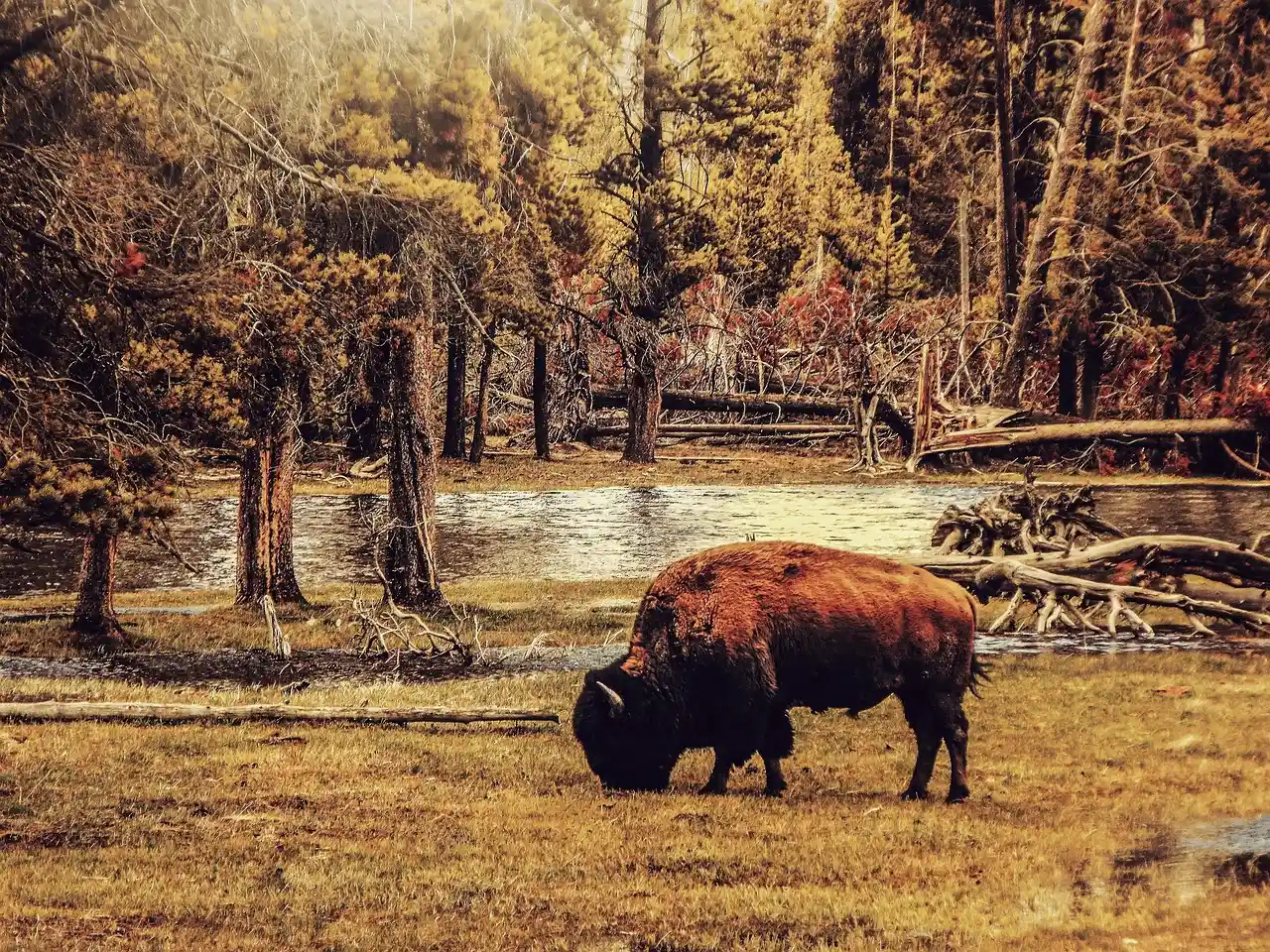
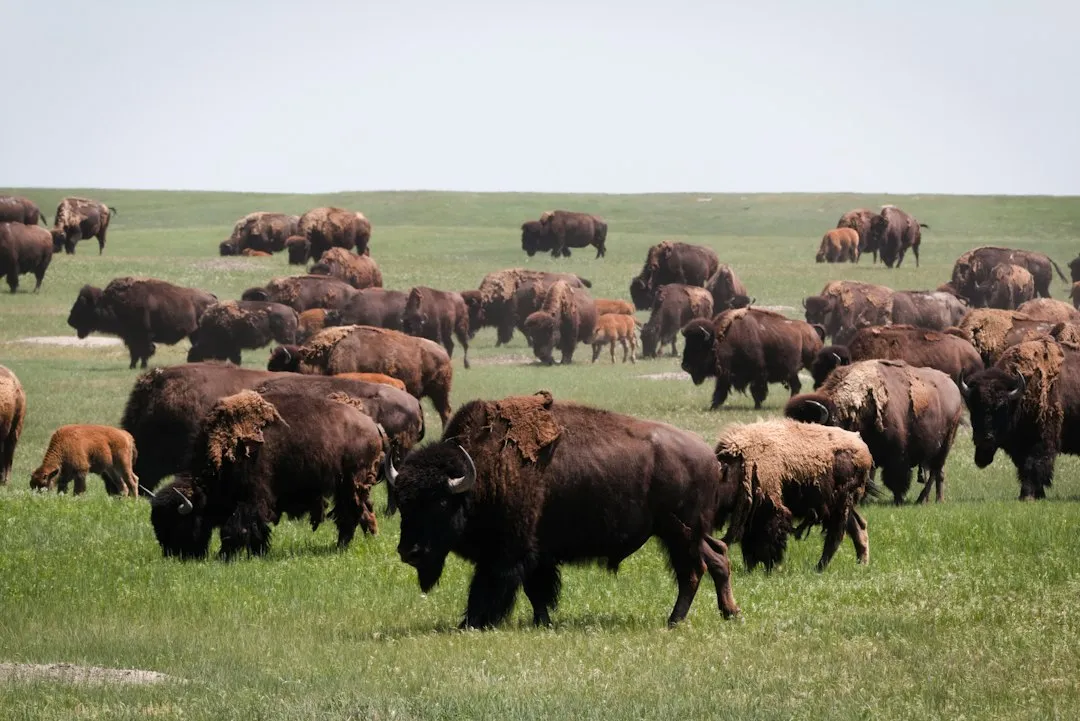
Bison don’t graze evenly. They tend to return to the same spots, where the grass is fresh and nutritious, and leave other areas alone for long stretches. Over time, that habit produces a mosaic of short, heavily grazed patches beside taller, ungrazed vegetation.
This variety matters. Different animals, insects, and birds need different grass heights, so a mixed landscape supports more kinds of life than a uniform one would.
Their Wallows Become Tiny Seasonal Wetlands
🔥 Would you like to save this?
We'll email this post to you, so you can come back to it later!
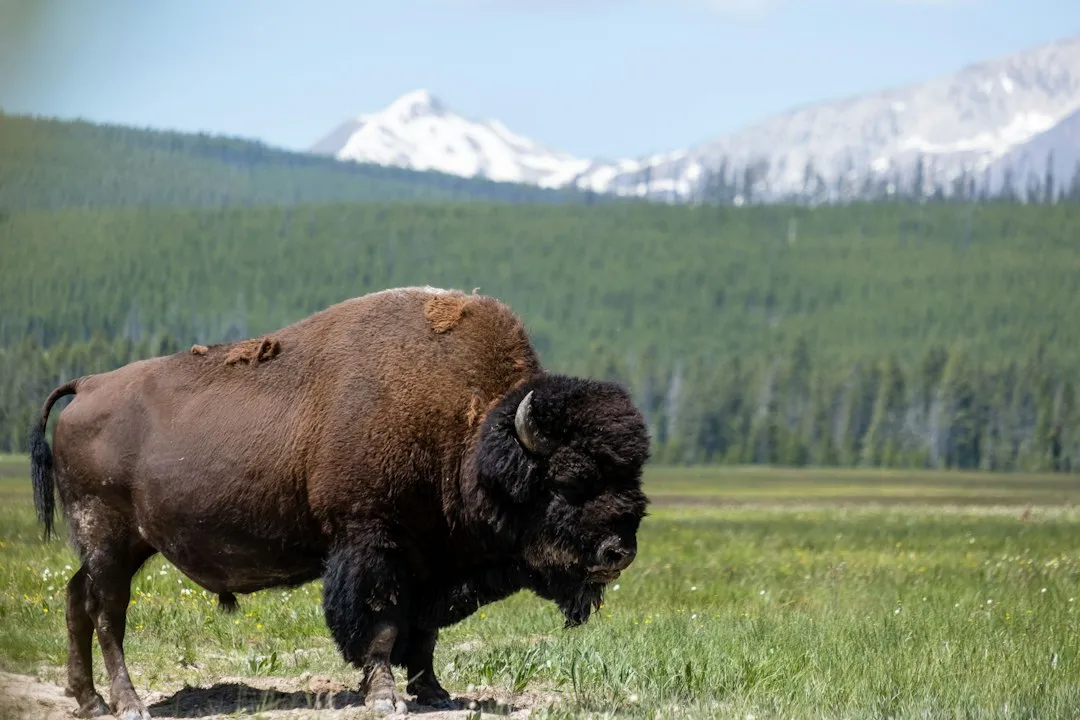
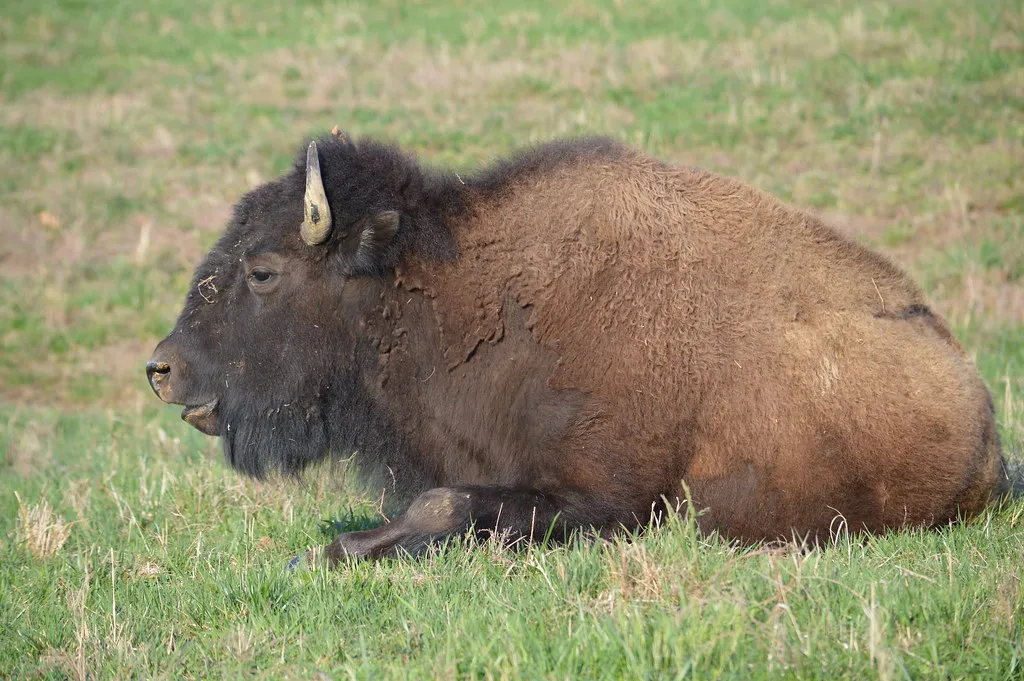
Bison roll in the dirt, and they do it a lot. Repeated rolling in the same place wears a shallow depression into the ground, called a wallow. Bulls in particular use them during the breeding season, though bison of all kinds roll to shed hair and ease itchy skin.
When rain arrives, some wallows hold water for a while. Those small pools can serve as temporary habitat for amphibians and insects, and they host plants that wouldn’t thrive on the surrounding drier ground.
Hooves Break Up Hard Ground and Help Seeds Settle
🔥 Would you like to save this?
We'll email this post to you, so you can come back to it later!
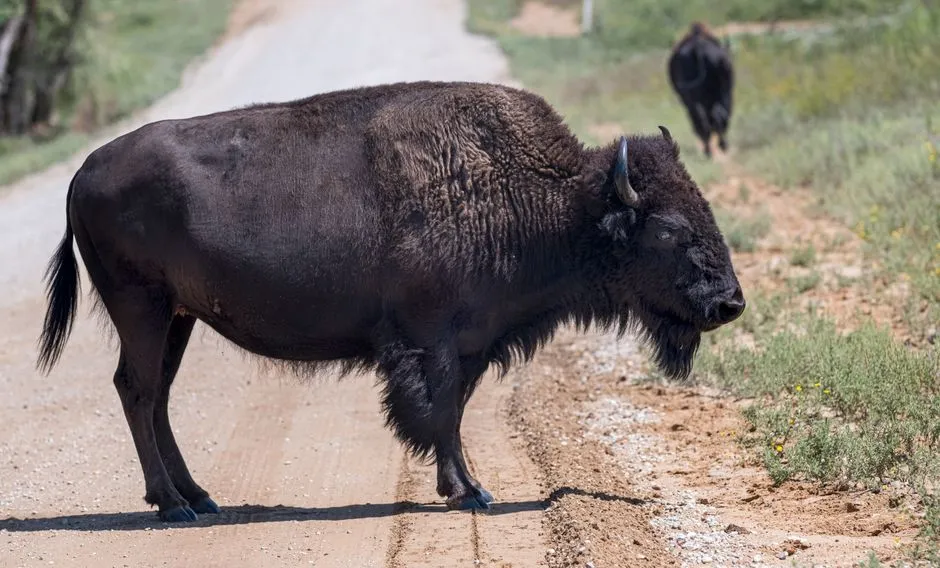
A bison is a very heavy animal, and its hooves press into the soil with every step. On a prairie, that trampling can break up crusted ground and push seeds into contact with the earth. Seeds that sit on hard, bare surfaces often struggle, while those nudged into loosened soil have a better shot at germinating.
The effect isn’t uniform, and too much trampling in one place can harm plants. Still, in a healthy, moving herd, the disturbance tends to be patchy rather than constant.
Seeds Hitch Rides in Fur and Dung
🔥 Would you like to save this?
We'll email this post to you, so you can come back to it later!
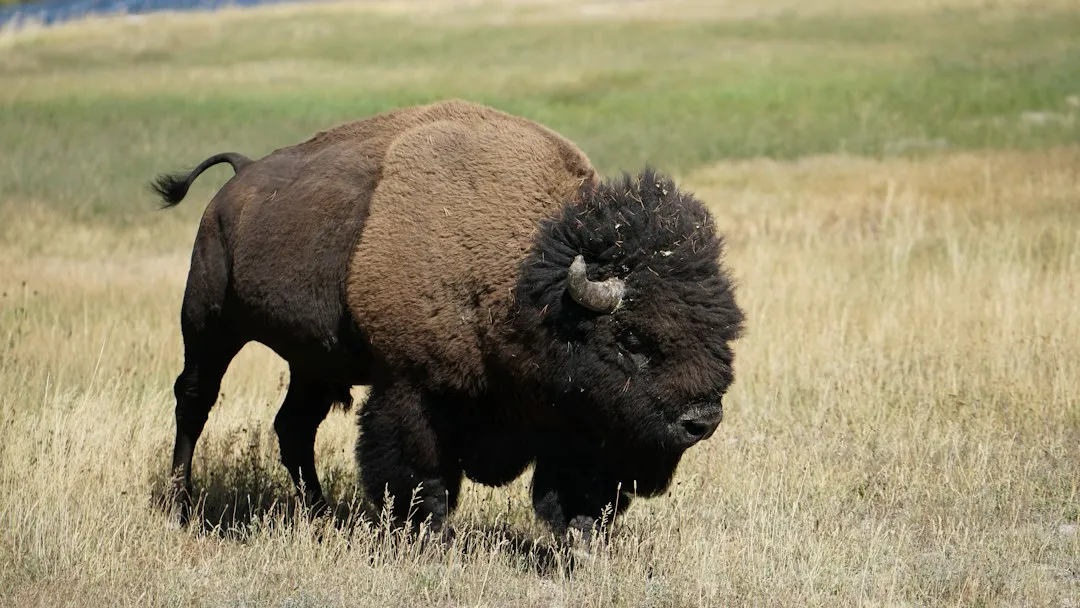
Plants have found clever ways to use large animals as couriers. Seeds can cling to a bison’s thick coat and drop off miles away. Others pass through the digestive tract and get deposited with a built-in packet of fertilizer.
Researchers have documented bison carrying seeds in both ways. It’s a slow, quiet form of plant dispersal that helps native species move across the landscape.
Dung Recycles Nutrients Across the Prairie
🔥 Would you like to save this?
We'll email this post to you, so you can come back to it later!
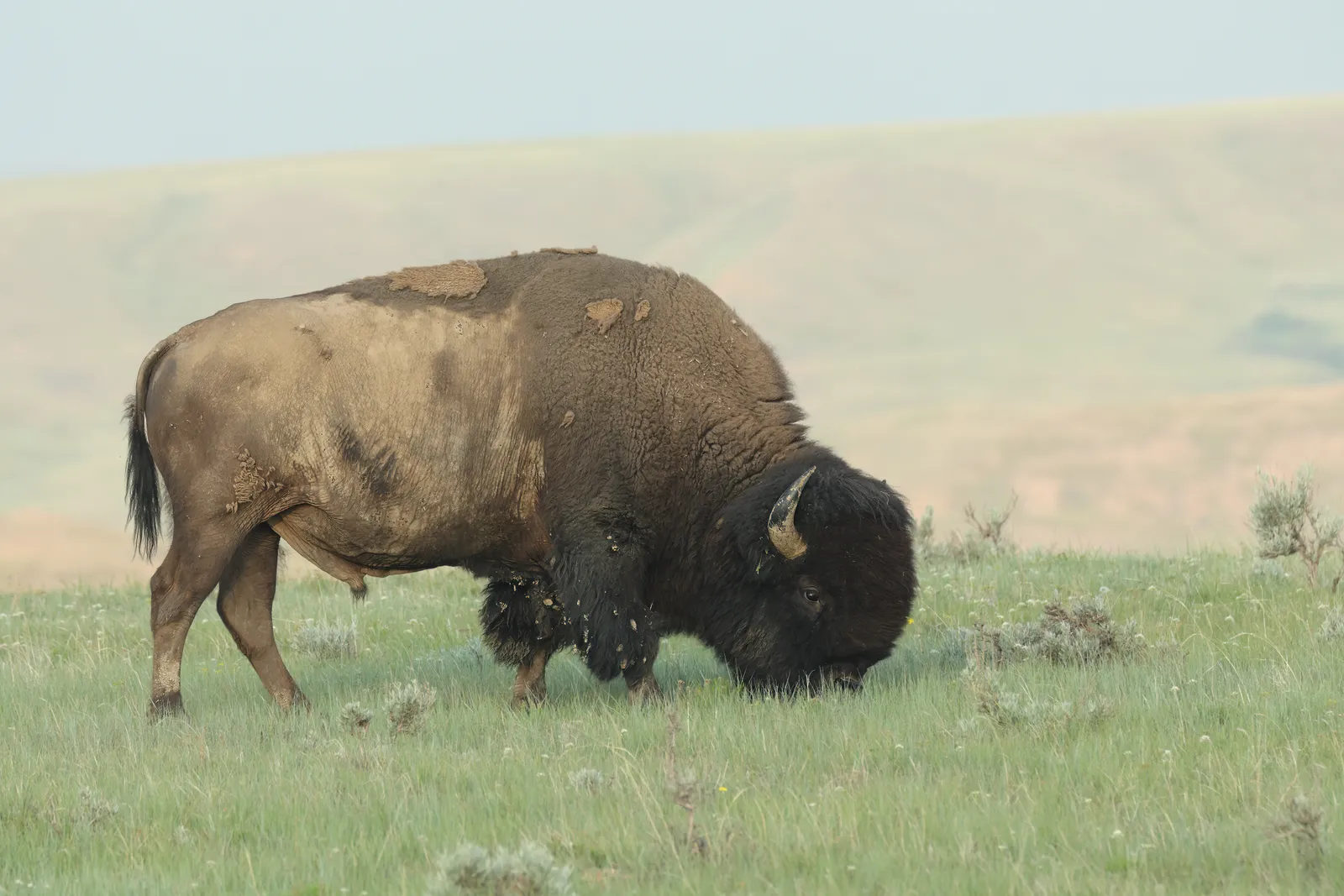
Grass takes up nutrients from the soil, and bison eat the grass. What goes in must come out, and the droppings return nitrogen and other nutrients to the ground in concentrated spots. Those patches often green up noticeably, which can in turn draw bison back to graze there again.
Dung also feeds a small army of decomposers. Beetles and other insects work through it, and birds forage among those insects, so one pile supports a surprisingly busy little community.
Selective Grazing Gives Wildflowers a Chance
🔥 Would you like to save this?
We'll email this post to you, so you can come back to it later!
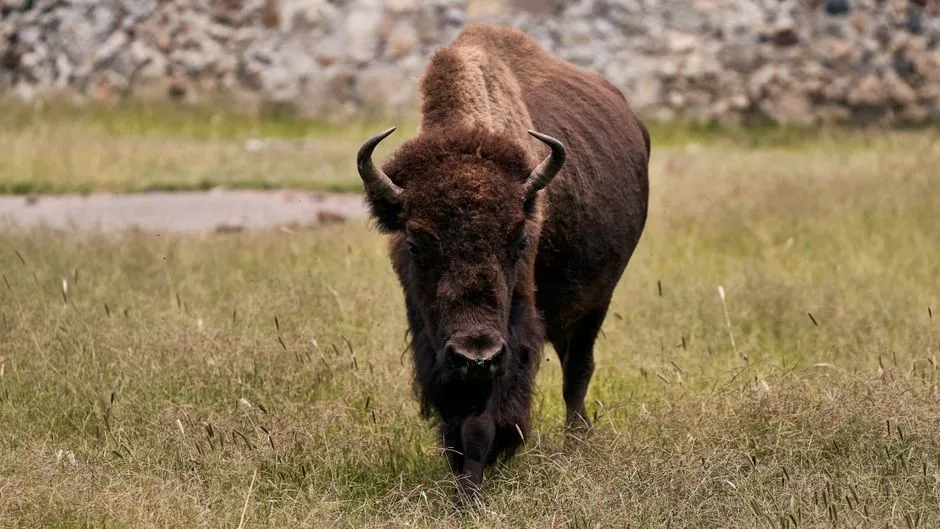
Bison prefer grasses over most flowering plants. That preference matters because it keeps the most aggressive grasses from crowding everything else out. With dominant grasses held in check, wildflowers and other broadleaf plants get more light and room.
Studies of prairies with bison have often found greater plant diversity than in comparable areas without them. The details vary by site and by how many animals are present, so it isn’t a guaranteed outcome everywhere.
They Work Alongside Fire
🔥 Would you like to save this?
We'll email this post to you, so you can come back to it later!
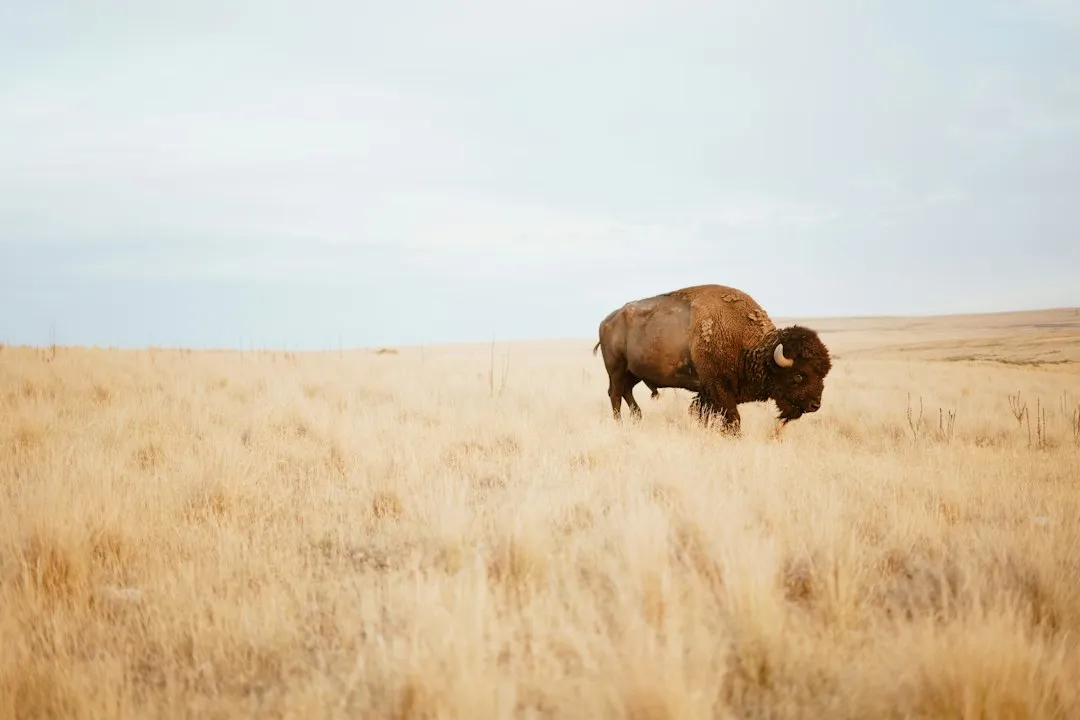
Prairies evolved with fire, and bison are drawn to recently burned ground. New growth after a burn is tender and nutritious, so herds often concentrate there. Researchers sometimes call this relationship patch burn grazing.
The result is a shifting pattern, with burned areas heavily grazed while unburned areas rest and grow tall. Over a few years, the pattern moves around, which adds even more structural variety to the grassland.
Their Presence Shapes Habitat for Other Wildlife
🔥 Would you like to save this?
We'll email this post to you, so you can come back to it later!
Many grassland birds depend on a mix of vegetation heights. Some species nest in tall, dense grass, while others prefer short or sparse ground. Bison grazing helps produce both conditions side by side.
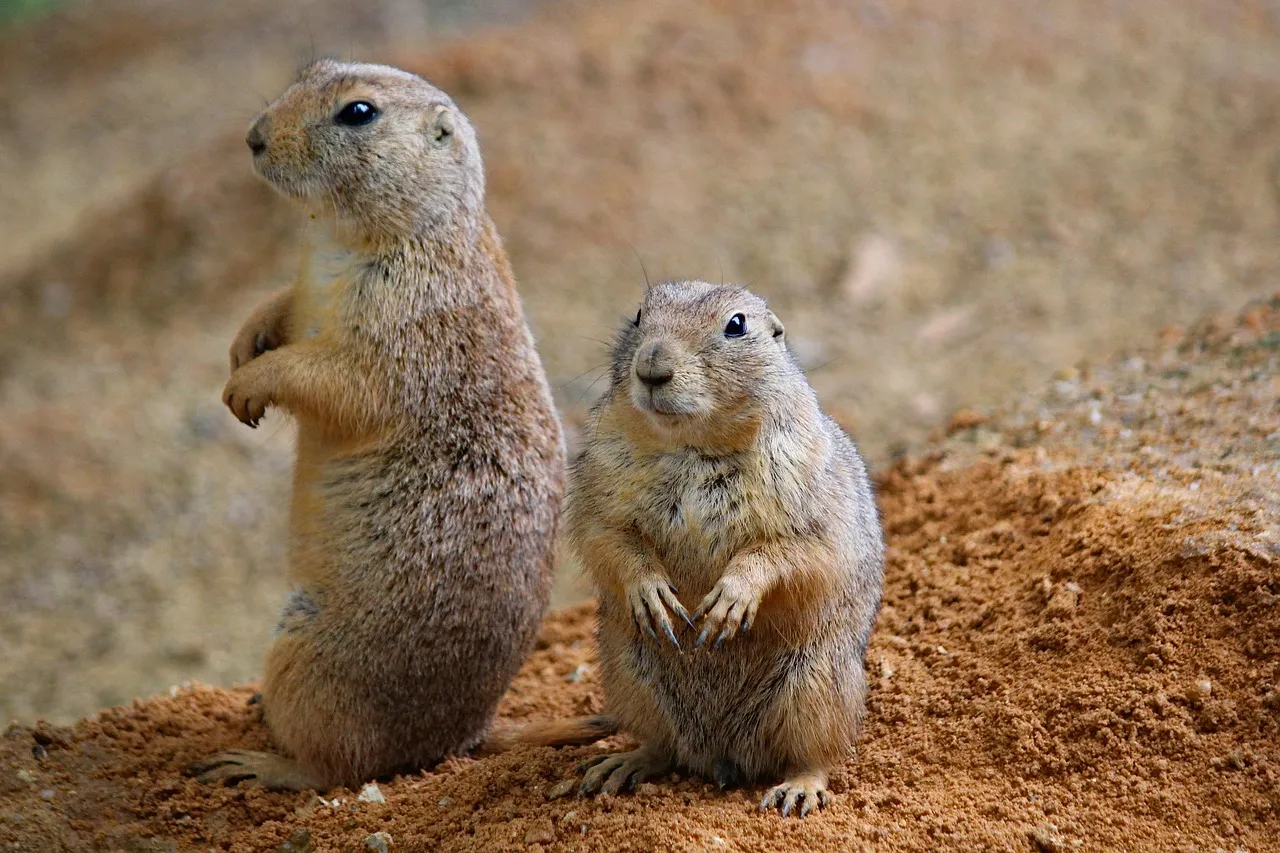
Prairie dogs are another example. They often favor short grass, which lets them spot predators, and bison grazing can help maintain that kind of open habitat. The two species have long been associated on the Great Plains, and many other animals benefit from the combination.
Wallows and Grazing Help Grasslands Handle Drought
🔥 Would you like to save this?
We'll email this post to you, so you can come back to it later!
Variety can act like insurance. When a grassland contains many plant species with different root depths and growth habits, some are likely to cope better when conditions turn dry. Bison help maintain that diversity, which may make a prairie more resilient.
I’d put this one carefully, though. Resilience depends on many factors, including herd size, land management, and weather. Bison are one important piece, not a cure-all.
They Shape Landscapes at a Scale Cattle Often Don’t
🔥 Would you like to save this?
We'll email this post to you, so you can come back to it later!
People sometimes assume bison and cattle do the same ecological job. They overlap, but they aren’t identical. Bison have historically roamed widely, and their grazing tends to be more uneven and less fixed to water sources than cattle under typical ranch management.
Cattle can be managed to benefit grasslands too, and good ranching matters enormously. Still, the way free-ranging bison move, roll, and select plants produces effects that are hard to copy exactly.
Final Thoughts
🔥 Would you like to save this?
We'll email this post to you, so you can come back to it later!
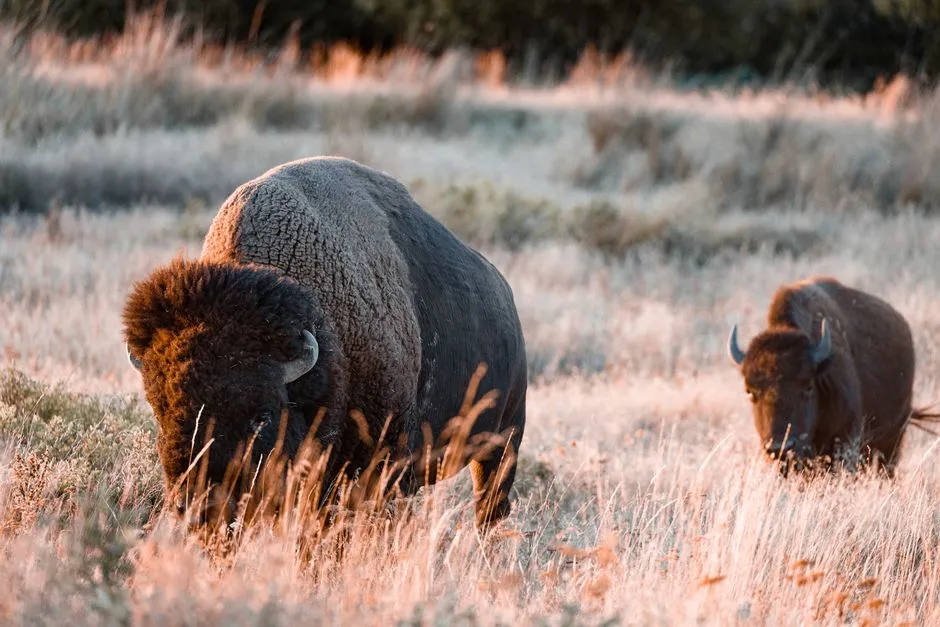
My take is simple: we’ve spent too long thinking of bison as living lawnmowers. They’re closer to landscape designers, working through habit and appetite rather than plan. Every wallow, trampled seedbed, and uneven patch of grass is part of a system that took thousands of years to settle into place.
That’s a good reason to value restored herds, even small ones. Bring bison back to a prairie, and you aren’t just adding an animal. You’re restarting a set of processes that grasslands were built around.

- Beyond the Bark: Decoding Your Dog’s 12 Most Common Vocalizations - November 5, 2026
- 12 Surprising Facts About North American Mountain Lions You Never Knew - November 5, 2026
- Wild Salmon Populations Are Rebounding in the Pacific Northwest, A Sign of Healthier Rivers - November 5, 2026