
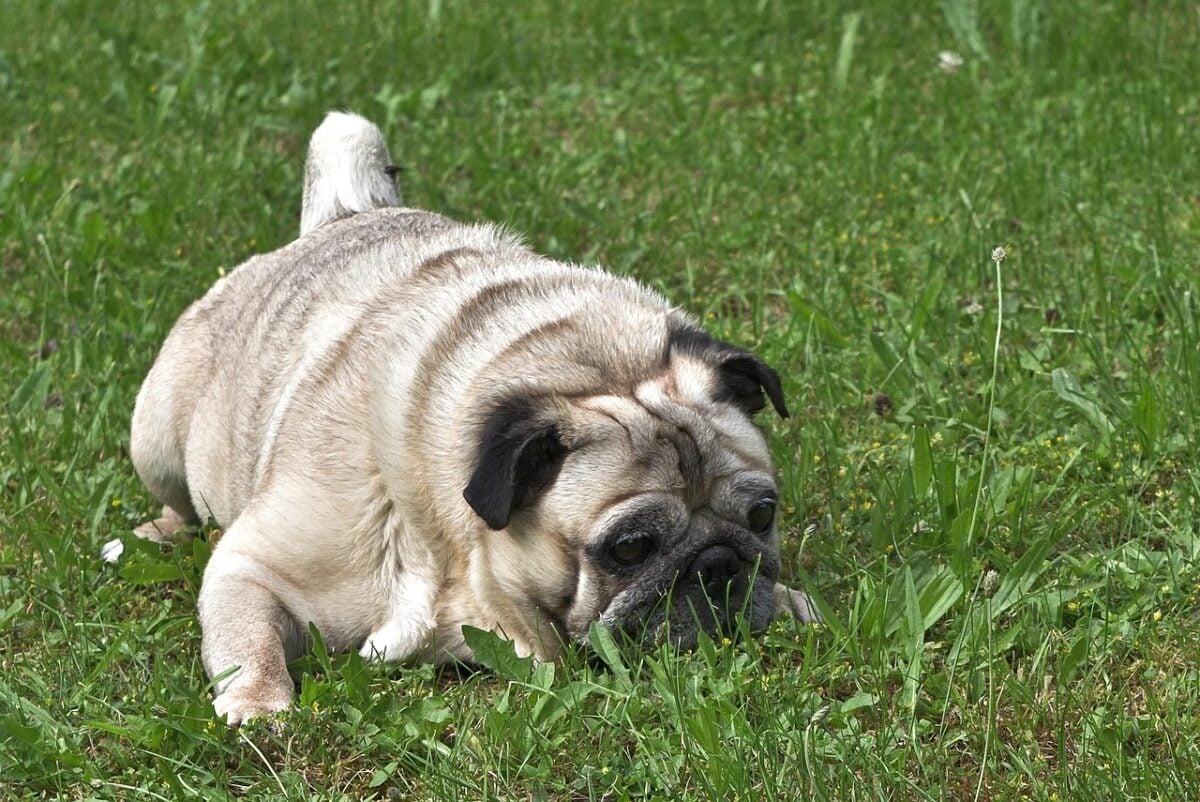
Most people picture a big garden as a dog’s dream come true: open grass, fresh air and a whole day to play. It’s a lovely idea, and that’s exactly why the reality surprises so many owners. Give a dog all day outdoors and it doesn’t just lie in the sun. It patrols, investigates, hunts, hides things and sometimes invents jobs you’d rather it hadn’t.
Some of these habits are harmless. Some are quietly waving a red flag. A few can put your dog in real danger. Animal behavior specialists have explanations for every one of them, and the habit waiting at #1 helps explain almost all the others. Let’s count down.
#10 – It Runs a Full Security Patrol
🔥 Would you like to save this?
We'll email this post to you, so you can come back to it later!
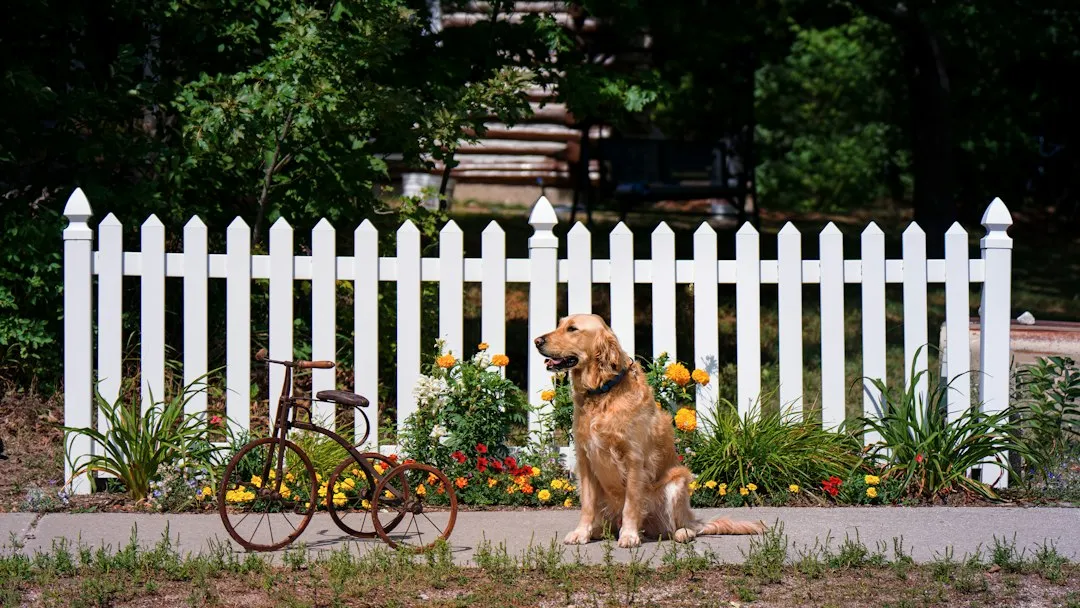
Your dog’s first job of the day isn’t play. It’s inspection.
Dogs are boundary-checkers by nature. Within minutes of going outside, many will trace the fence, hedge or wall line, nose low, tail up. They’re checking what changed overnight: a new scent, a gap, a visitor. Picture a night watchman making his rounds, only furrier and far more thorough.
This is normal, and it’s a big part of why gardens feel so rewarding to dogs. A patrol is a mix of exploration, scent-reading and territory management. Many dogs even settle into a routine, walking the same loop at the same times each day.
Here’s the twist: the style of patrol matters. A relaxed amble with frequent sniffing is healthy. A rigid, repetitive route that wears a bare track along the fence line is a different story.
Behaviorists often link that kind of pacing to frustration or under-stimulation. A dog doing laps at speed, barking at the boundary, isn’t guarding. It’s usually stuck.
Watch for these signs of a stressed patrol:
- The same path walked again and again
- Fixed staring at one gap or gate
- Difficulty settling after coming inside
But the next habit explains why that patrol takes so long…
#9 – It Reads the Scent News
🔥 Would you like to save this?
We'll email this post to you, so you can come back to it later!
Your dog isn’t wandering aimlessly. It’s reading.
Sniffing is the main way dogs gather information, and a garden is packed with it. Foxes, cats, birds, insects and neighboring dogs all leave traces. To your dog, each patch of lawn is a layered report on who passed through and roughly when.
Dogs have a specialized nose. The commonly cited figure is up to around 300 million scent receptors, against roughly 6 million in humans. Dogs also have a separate organ, the vomeronasal organ, that picks up chemical signals such as pheromones. That’s a lot of extra equipment for reading the neighborhood.
Here’s where well-meaning owners trip up. Hurrying a dog along mid-sniff feels harmless, but researchers who study dog cognition point out that sniffing is a core need, not a bad habit. Cutting it short is a bit like snatching a newspaper out of your hands halfway through the headline.
A garden gives your dog uninterrupted time to do it. That’s a big reason a dog can seem calmer and more satisfied after a good sniff session than after a fast game of fetch.
And if you think sniffing is the only thing happening on that lawn, wait until you see what the sun does…
#8 – It Hunts for the Perfect Sunny Spot
🔥 Would you like to save this?
We'll email this post to you, so you can come back to it later!
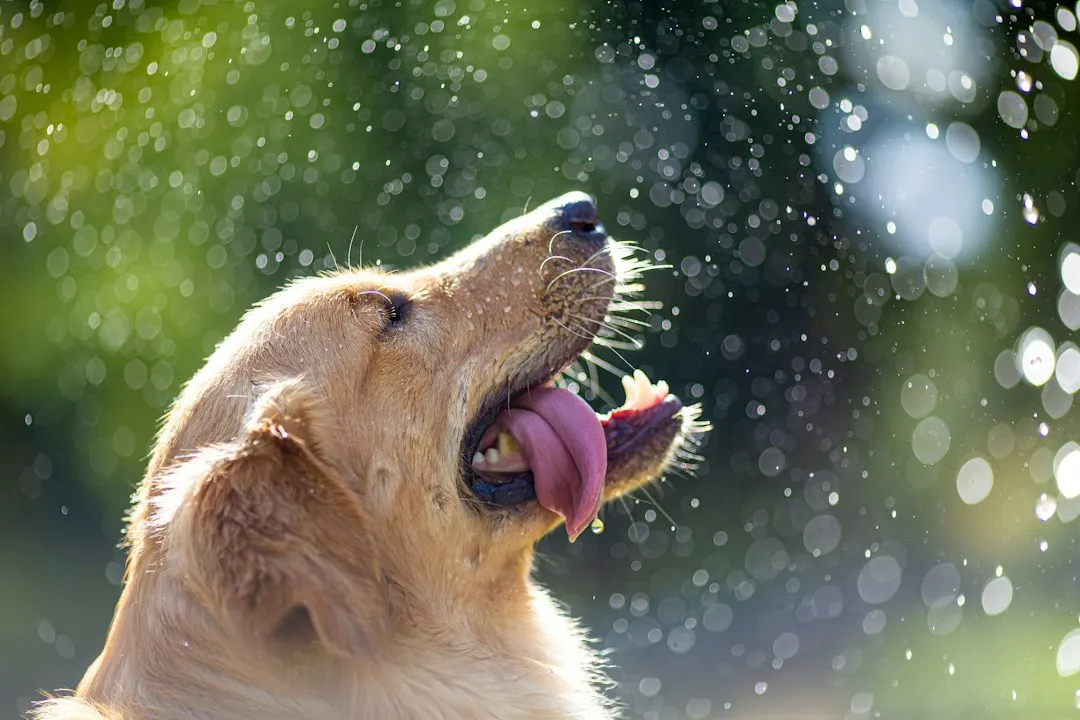
Sunbathing looks like pure relaxation. It can also be risky.
Dogs are drawn to warm patches. Most will happily doze on a sunny lawn or warm patio, then shift into shade when they overheat. That’s normal thermoregulation, and it’s one reason a garden is so useful.
The catch is that dogs cool down differently from us. They pant, and they sweat only a little through their paw pads. Dogs can overheat far faster than most people realize. Heavy panting, thick drool, bright red gums, stumbling or collapse are emergency signs that call for a vet right away.
Dark coats, thick coats, flat-faced breeds, puppies and older dogs are the most vulnerable. Hot decking, paving and artificial turf can also burn paws and radiate heat back at your dog, even on a day that feels merely warm to you.
Fast Facts
- A dog’s normal body temperature is roughly 101 to 102.5°F, higher than ours.
- Vets generally treat anything above about 104°F as a heat emergency.
- Dark asphalt and paving can get far hotter than the air, sometimes enough to hurt paws on a merely warm day.
- Flat-faced breeds such as pugs and bulldogs struggle most to pant effectively.
Plenty of owners say a dog “knows when it’s had enough.” Many vets disagree, and warn that leaving a dog outside all day in hot weather is a serious mistake. A dog that’s having fun doesn’t always make the safe choice.
Before a hot day:
- Provide deep, permanent shade
- Leave fresh water in a heavy, tip-proof bowl
- Check surfaces with the back of your hand
The next habit is the one that sends owners straight to the vet’s website…
#7 – It Eats Grass (and Anything Else Green)
🔥 Would you like to save this?
We'll email this post to you, so you can come back to it later!
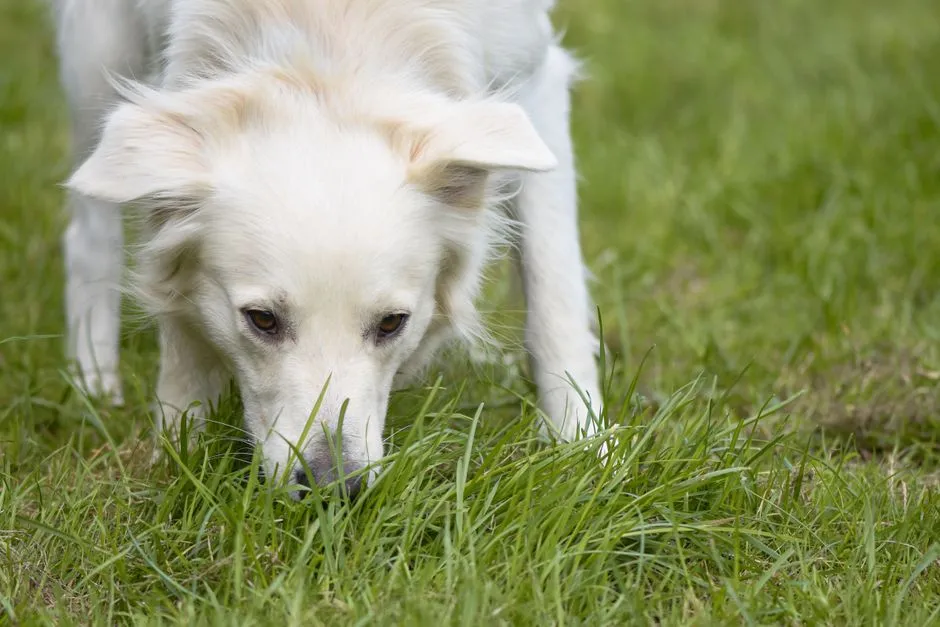
Grass-eating baffles owners, and honestly, it baffles scientists too.
Popular explanations include an upset stomach, extra fiber, boredom or simply liking the taste. No single explanation has been firmly proven. Many dogs graze without any sign of illness, and most don’t vomit afterward.
Occasional grazing is generally considered common in dogs. A sudden increase in grass-eating, especially with vomiting, lethargy or appetite loss, is worth a call to your vet.
The bigger danger is what’s on the grass and around it. Lawn chemicals, slug bait, fertilizer and cocoa-shell mulch can all be hazardous to dogs. So can compost bins, which can grow molds that are dangerous when swallowed. Some common garden plants are toxic as well.
Experts advise checking the toxicity of anything planted within your dog’s reach, including:
- Foxglove
- Oleander
- Azalea
- Sago palm
- Spring bulbs such as daffodils
But grazing is calm compared with what happens next…
#6 – It Explodes Into Zoomies
🔥 Would you like to save this?
We'll email this post to you, so you can come back to it later!
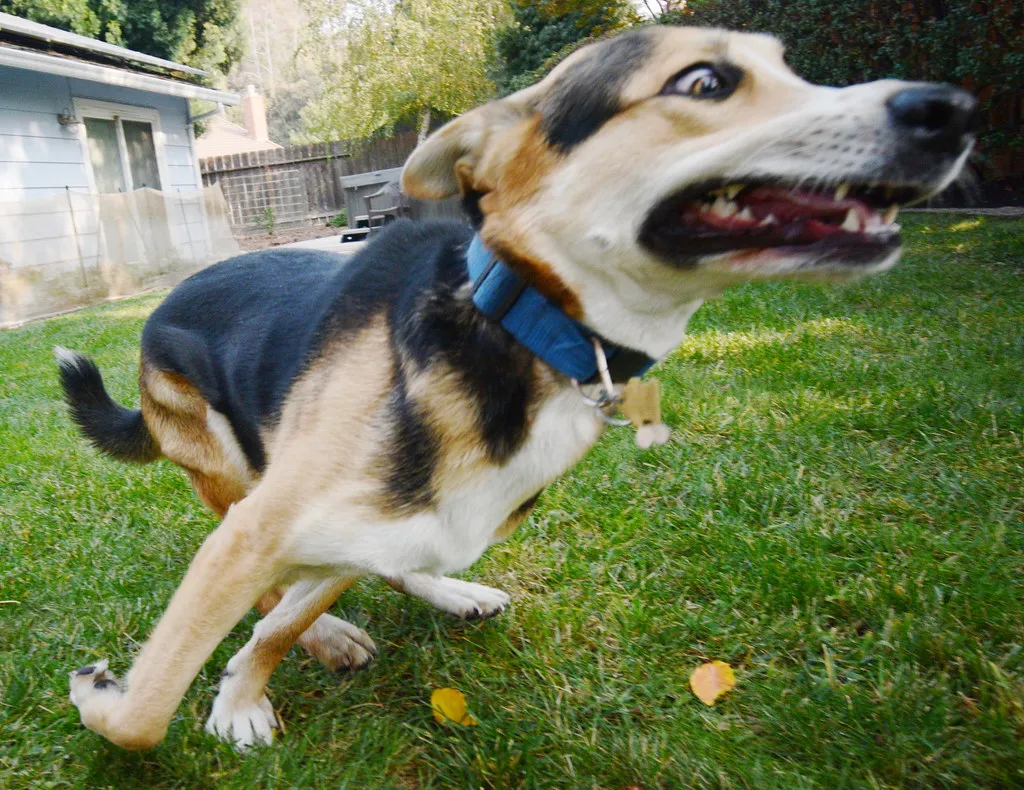
One second it’s snoozing. The next, it’s a furry missile.
Those sudden, wild sprints have a name: frenetic random activity periods, or FRAPs. Dogs often do them after a bath, after play, when you come home or when excitement spills over. Puppies and young dogs tend to do them most, but plenty of grown dogs still burst out of nowhere.
Zoomies are widely seen as normal, healthy energy release, and many behaviorists consider them a sign of a dog feeling relaxed and safe. You’ll often spot the tell: a play bow, a tucked rear end, then a flat-out blur around the lawn.
A garden is the ideal place for them, with one condition. Wet grass, tight turns and hard garden furniture turn a joyful sprint into a slip-and-crash risk.
Sharp edges, low stakes, ornamental stones and slippery decking are the usual culprits. Clear a loop of open space and your dog will often use it, like a tiny racetrack.
Never chase a zooming dog. It teaches the dog that running away is a game. Instead, step back and let it burn off the energy.
Dogs also do something just as instinctive with your belongings, and it explains the holes…
#5 – It Buries Treasure
🔥 Would you like to save this?
We'll email this post to you, so you can come back to it later!
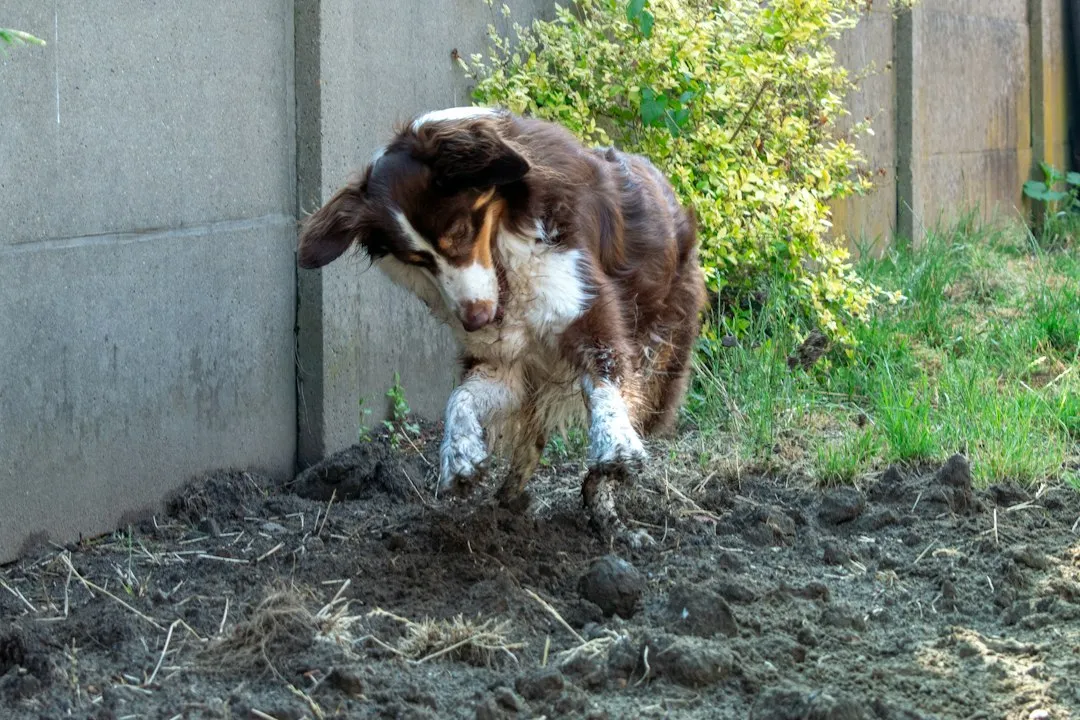
Your dog may be saving a bone for later, even though dinner is guaranteed.
Burying is a classic caching instinct. Wild canids hide surplus food to protect it from rivals and to eat it when food runs short. Domestic dogs inherited the habit, even if their bowl never runs empty.
Dogs commonly bury bones, chews, toys and sometimes things they simply find valuable. Many finish the job with a push of the nose, nudging soil or leaves over the item, like a tiny funeral for a rawhide.
Some dogs will dig their treasure back up days later, perfectly on target. That’s the scent-tracking talent from earlier doing its work.
Worth Knowing
- The usual stash: bones, chews, toys and the odd “found” object.
- The usual method: dig, drop, then nose the soil back over the top.
- The usual retrieval tool: that same powerful sense of smell.
- The usual problem: meaty leftovers don’t keep well underground.
The practical problem is spoiled food. Buried meaty bones and chews can rot and carry bacteria, and a dog that digs them up later can end up with an upset stomach.
A dog hiding things isn’t being naughty. It’s following ancient programming. If it bothers you, take the high-value chew away once it has been enjoyed, and offer just one at a time.
But the next habit is the one that makes owners gag…
#4 – It Rolls in Something Revolting
🔥 Would you like to save this?
We'll email this post to you, so you can come back to it later!
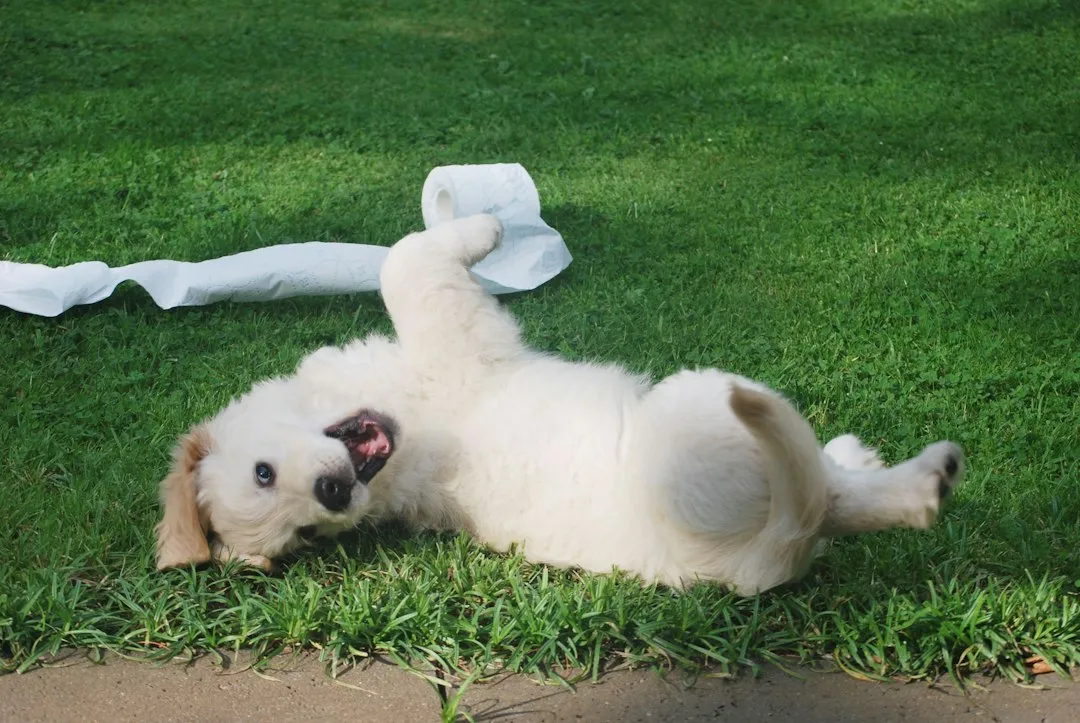
Fox poop. Dead worms. Whatever that was. Your dog wears it like perfume.
Why dogs do this is still debated. Leading theories include masking their own scent, carrying scent information back to their group, or simply enjoying the smell. Nobody has settled the question for certain.
What we do know is that the behavior is very common and very deliberate. Dogs often sniff first, then drop a shoulder and twist onto their back, wearing an expression that looks suspiciously like bliss.
Wildlife feces and carcasses can carry parasites and bacteria. Washing your dog thoroughly afterward is sensible, and so is wearing gloves.
Here’s an opinion many owners dislike: scolding doesn’t fix this. Your dog won’t connect your anger with a roll that happened minutes earlier. Prevention works better, through recall training and clearing droppings from the garden.
But the loudest behavior of all is coming up next…
#3 – It Barks at Everyone Who Walks Past
🔥 Would you like to save this?
We'll email this post to you, so you can come back to it later!
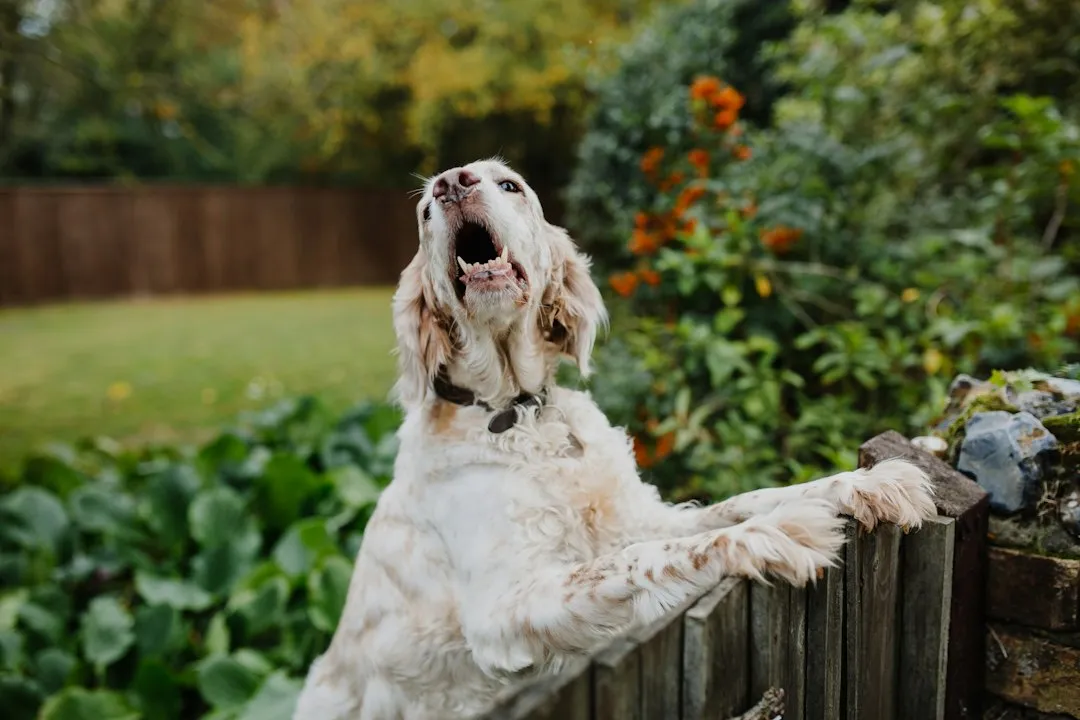
Your dog thinks its barking works. Actually, it’s right.
Think about it from its side. A person walks past, the dog barks, the person keeps walking. From a dog’s perspective, the barking made the intruder leave, every single time.
That’s why fence barking becomes such a stubborn habit. It’s reinforced dozens of times a day, with the mail carrier and the jogger giving it a perfect success rate. Boredom, alertness, excitement and frustration at a barrier can all feed it.
Behaviorists often call the frustration version “barrier reactivity.” The dog can see, hear and smell the trigger but can’t reach it, so arousal builds and builds.
Quick Compare
- Healthy alert bark: a few barks, a loose body, and a quick return to normal once the person is gone.
- Barrier frustration: non-stop barking, a stiff or lunging body, and trouble calming down afterward.
Here’s the controversial part. Many owners think a dog on guard duty is happy and busy. Many trainers argue the opposite: leaving a dog alone to rehearse this routine all day can make it worse, not better.
Useful steps include:
- Blocking the view with solid panels or planting
- Rewarding calm behavior when people pass
- Staying outside with your dog during busy times
The next habit hurts your lawn, and it may be sending you a message…
#2 – It Digs Like It’s Paid By the Hole
🔥 Would you like to save this?
We'll email this post to you, so you can come back to it later!
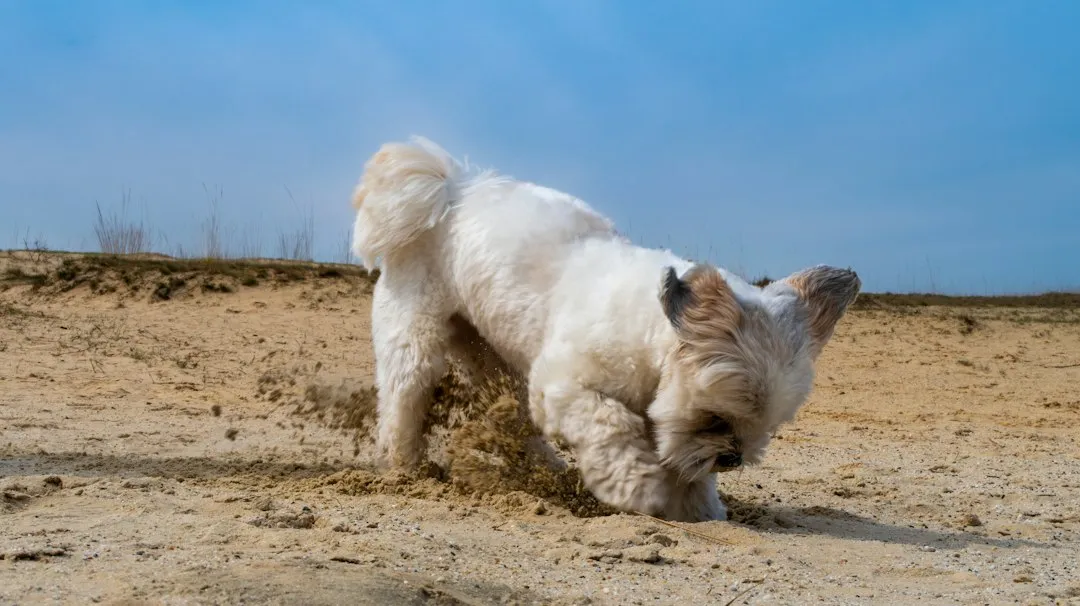
Digging isn’t random vandalism. It almost always has a job.
Terriers were bred to go after burrowing animals. Dachshunds and similar breeds share that heritage. Nordic breeds such as huskies may dig cool hollows to lie in. Others dig to escape, to chase scents or just to burn off energy.
Many dogs find digging inherently rewarding, whether or not anything is buried there. The soil smells good, moves satisfyingly and responds to effort. For a dog with nothing else to do, it’s the best show in the yard.
Common reasons include:
- Hunting for rodents or insects
- Cooling off in warm weather
- Escaping a boundary
- Boredom or excess energy
Telling a dog off rarely works, because the motivation stays. Most trainers recommend giving the instinct a legal outlet.
But the biggest truth about garden dogs is still ahead, and it changes everything…
#1 – It Invents a Job Because Nobody Gave It One
🔥 Would you like to save this?
We'll email this post to you, so you can come back to it later!
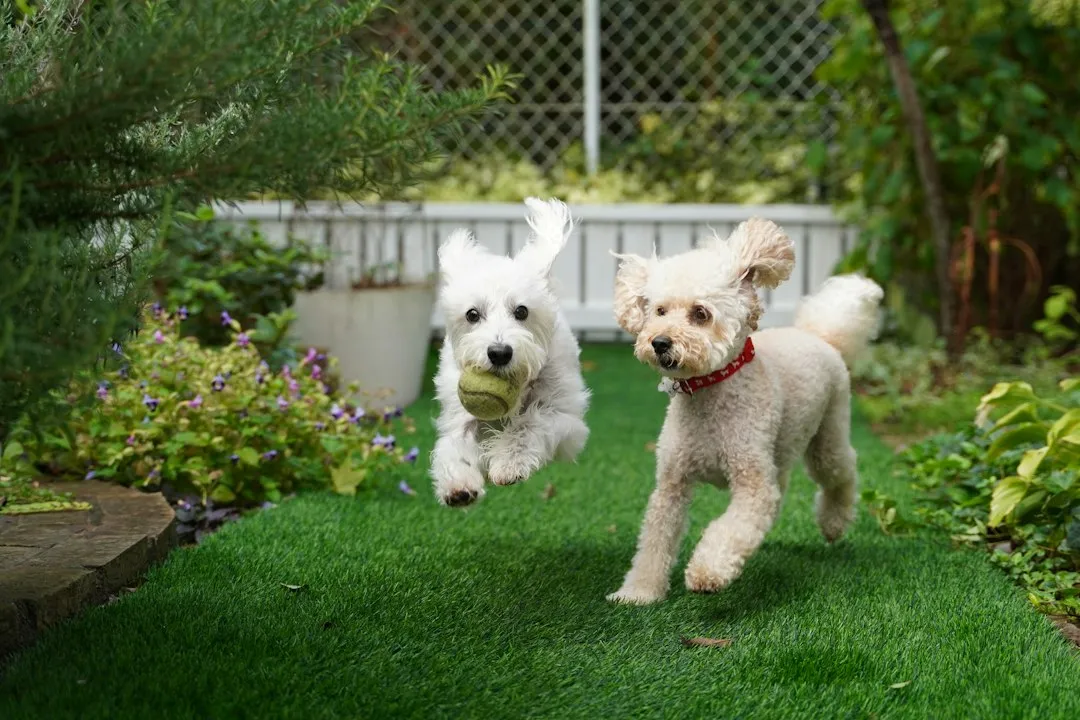
Here’s the secret: a garden doesn’t tire a dog out by itself.
Many dogs left in a garden don’t exercise much at all. They wait. They watch the door. Adult dogs sleep a lot, often around 12 to 14 hours a day, but the waking hours still need something to do.
Without that, dogs invent their own entertainment. That can mean digging, barking, chewing furniture, pacing the fence or tearing up plants. In other words, nearly every habit on this list gets louder when a dog is bored.
Dogs are social animals, and many are happiest when the “activity” involves you.
Here’s the opinion that annoys some owners: a garden is a bonus, not a substitute for walks, training and company. Many behaviorists agree that mental work tires dogs out more reliably than space alone.
Enrichment ideas that cost almost nothing:
- Scatter-feeding part of the meal in the grass
- Hiding treats around the garden
- Short training sessions outside
- A snuffle mat or cardboard puzzle box
So what does all of this add up to? Your dog’s garden day is far busier than it looks. It patrols, sniffs, sunbathes, grazes, sprints, buries, rolls, barks and digs, and almost every habit has an instinct behind it.
My take: a garden is not a babysitter, and we should stop treating it like one. Heat, toxic plants, chemicals and boredom are real risks, and the “bad” habits make a lot more sense once you see them as a dog trying to fill an empty day.
Give your dog a safe space, a job and your attention, and the lawn stops being a stage for trouble. It becomes the best part of its day. Which of these does your dog do most, and which one surprised you?

- 10 Common Garden Pests That Are Actually Beneficial To Your Backyard Ecosystem - November 5, 2026
- 10 Unusual Reasons Older Adults Bond More Deeply With Certain Dog Breeds - November 5, 2026
- The Cheetah: The Speed King of the Animal Kingdom - November 5, 2026