
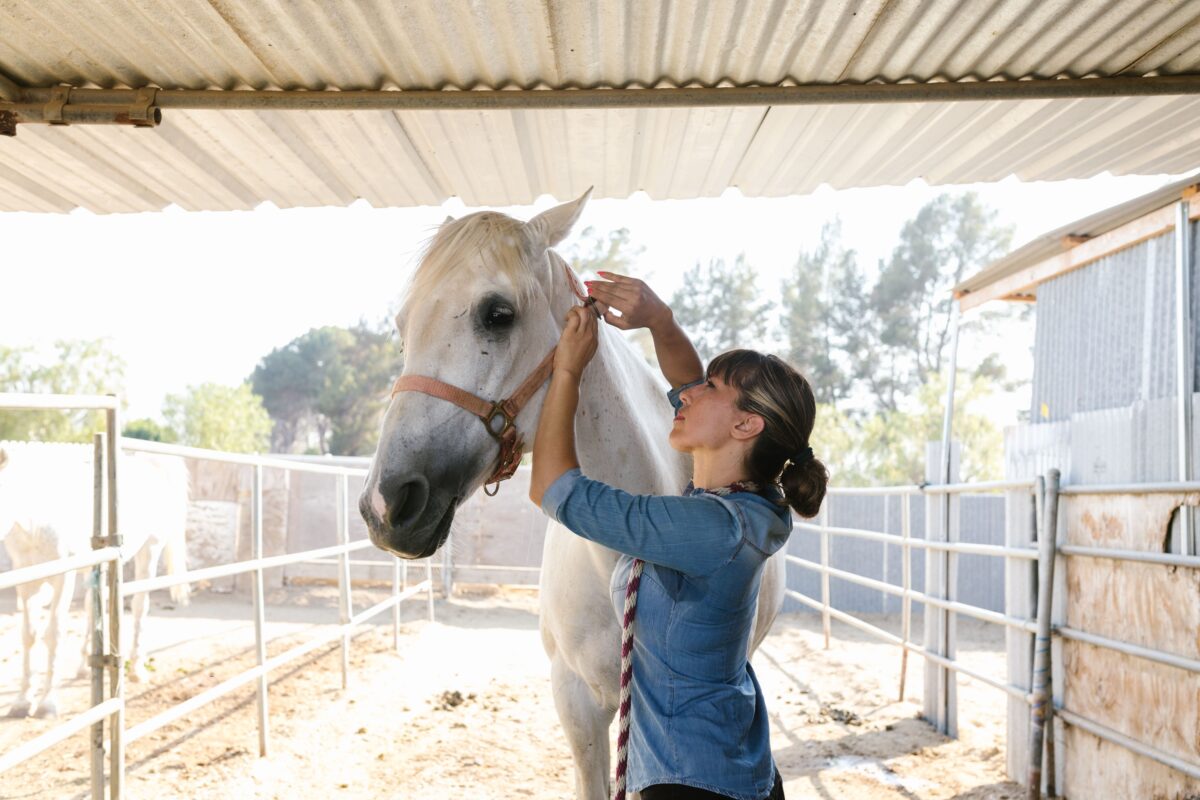
Walk through a pasture at feeding time and you’ll notice something. The older horses, the ones who haven’t felt a saddle in years, are often the first to lift their heads when they hear a bucket rattle. Retirement doesn’t switch off a horse’s interest in the world.
People tend to assume that a horse without a job has nothing left to anticipate. Horses, though, live by routine, comfort, and company, and none of those things require a rider. So what does a retired horse actually wait for each day? The answer is a little more charming than you might expect.
1. The Sound of Mealtime
🔥 Would you like to save this?
We'll email this post to you, so you can come back to it later!
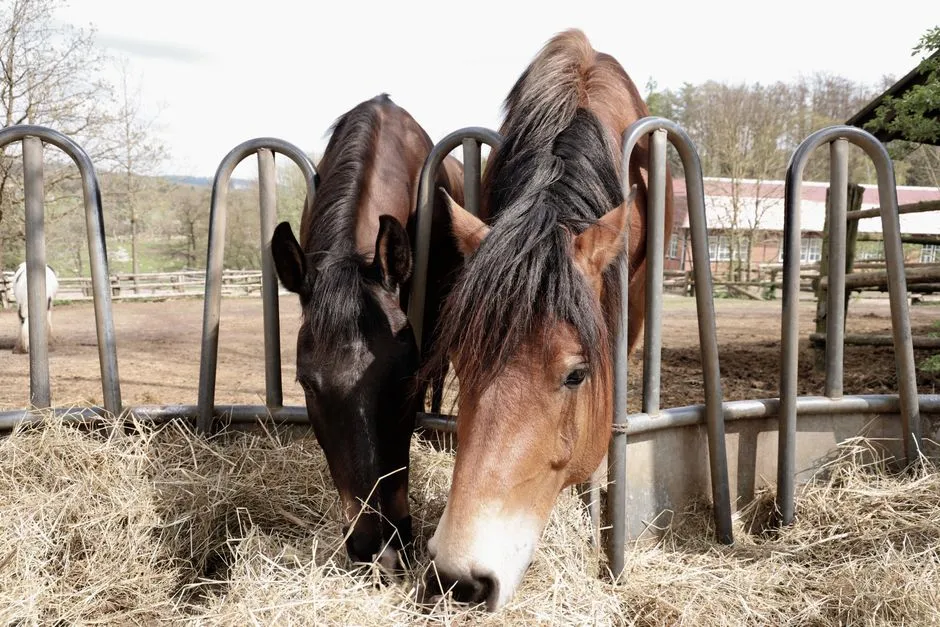
Few things organize a horse’s day like feeding. Horses are built to eat small amounts almost constantly, and their bodies and minds are tuned to expect food at predictable times. Many horses learn the sounds of a feed room, a hay cart, or a particular truck long before the food appears.
For an older horse, meals can matter even more. Senior horses often need softer feeds, soaked hay pellets, or specially formulated senior diets, especially if their teeth are worn. A warm, soaked mash on a cold morning is the sort of simple pleasure that can make a retired horse nicker at the gate.
2. Time Out on Pasture
🔥 Would you like to save this?
We'll email this post to you, so you can come back to it later!
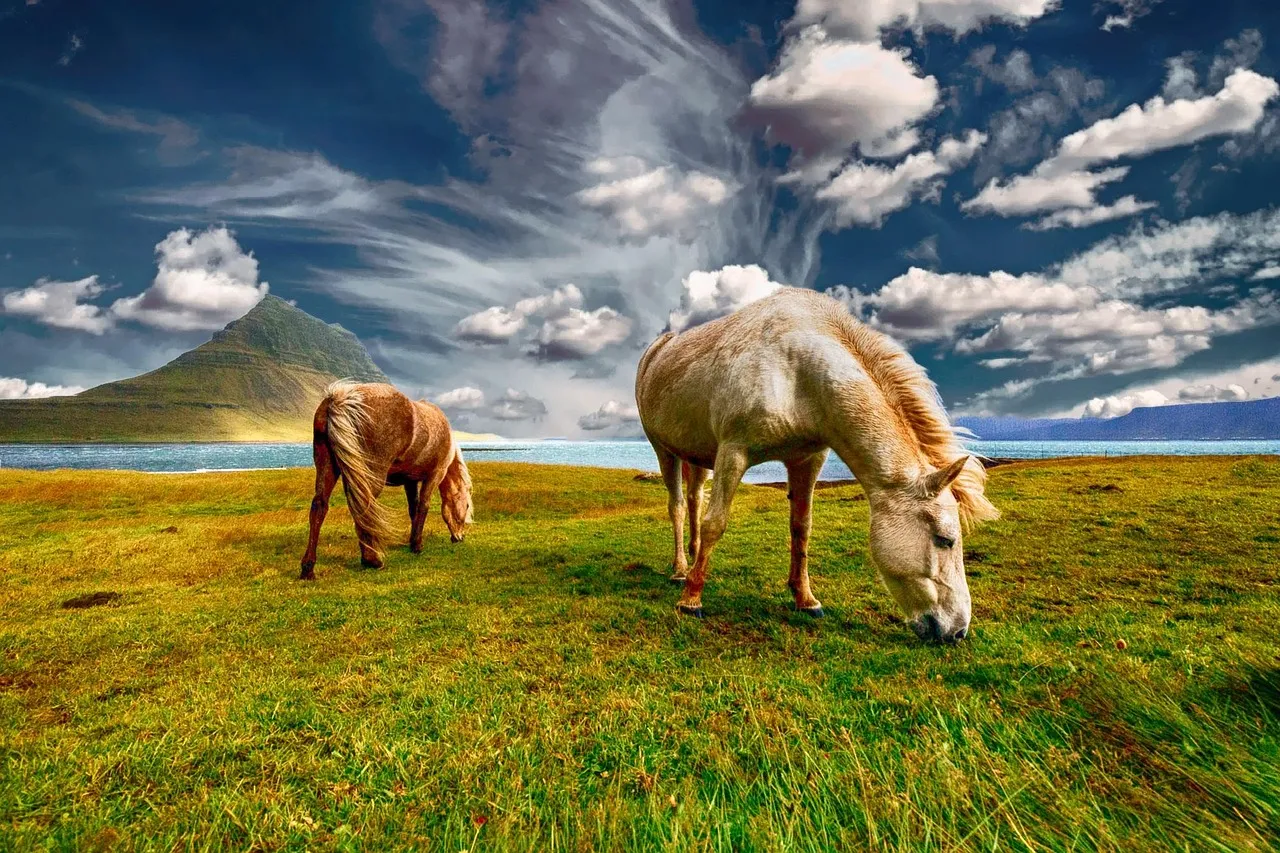
Grazing is natural behavior for horses, and turnout gives them the chance to move, graze, and look around at their own pace. Even a stiff, slower horse usually prefers open space to a stall. Steady, low-level movement is also helpful for aging joints.
Older horses often settle into favorite spots, like a sunny slope or the shade of a particular tree. You may see a retiree walk straight to the same patch every morning. It’s a small ritual, yet it clearly gives structure to their day.
3. Familiar Herd Friends
🔥 Would you like to save this?
We'll email this post to you, so you can come back to it later!
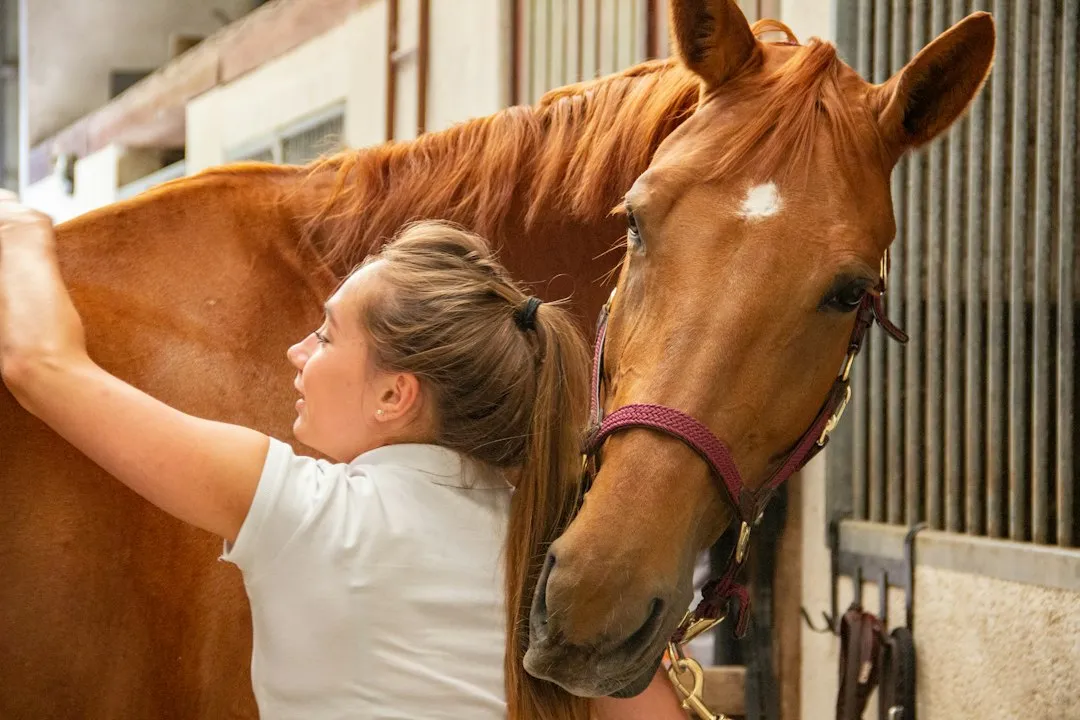
Horses are herd animals, and companionship is a core need rather than a bonus. A retired horse still wants a friend nearby, whether that’s a long-time pasture mate, a donkey, or a pony. Social bonds can be deeply stable, and many horses pair up with a preferred companion.
Being separated from that buddy can cause real stress. Caretakers of older horses often try to keep established pairs together, even when moving them to a new barn. Grooming each other at the fence line, with those gentle nibbles along the withers, is one of the sweetest sights in retirement.
4. A Good Scratch and a Gentle Grooming
🔥 Would you like to save this?
We'll email this post to you, so you can come back to it later!
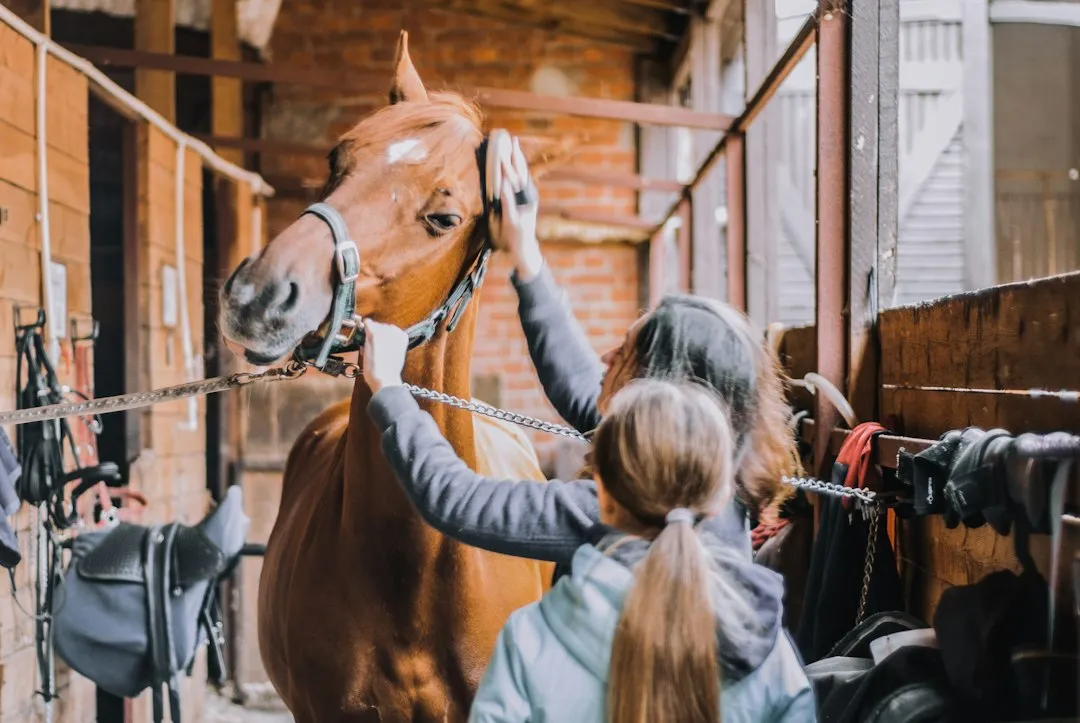
Mutual grooming is a natural social behavior in horses, and many enjoy human grooming too. An older horse may lean into a soft brush, stretching a lip or tilting a neck when you hit the right itchy spot. Shedding season, in particular, makes a currycomb feel like a spa treatment.
Grooming also gives you a chance to check in. You can notice new lumps, sore spots, weight changes, or skin issues early. For the horse, it’s quiet attention without any demands attached, which may be the best part.
5. Predictable Daily Routine
🔥 Would you like to save this?
We'll email this post to you, so you can come back to it later!
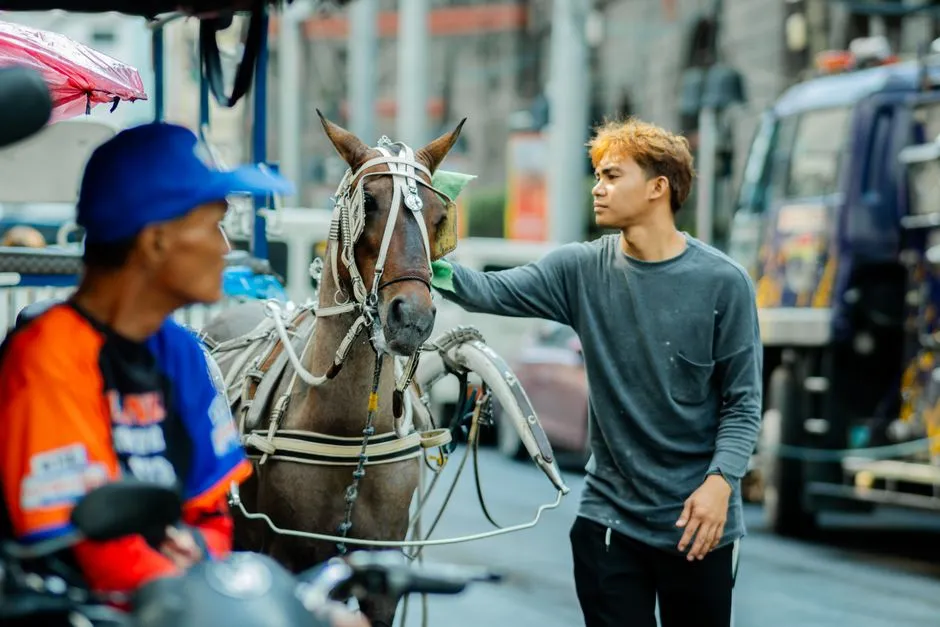
Horses generally do well with consistency. Feed times, turnout, and bringing in at night create a rhythm they can rely on. Older horses, who may be more sensitive to change, often seem especially comforted by it.
You’ll often see a retired horse waiting at the gate a few minutes before the usual time. That isn’t a coincidence. Their internal clock is sharp, and the pattern of the day gives them security as their bodies change.
6. Human Visits and Treats
🔥 Would you like to save this?
We'll email this post to you, so you can come back to it later!
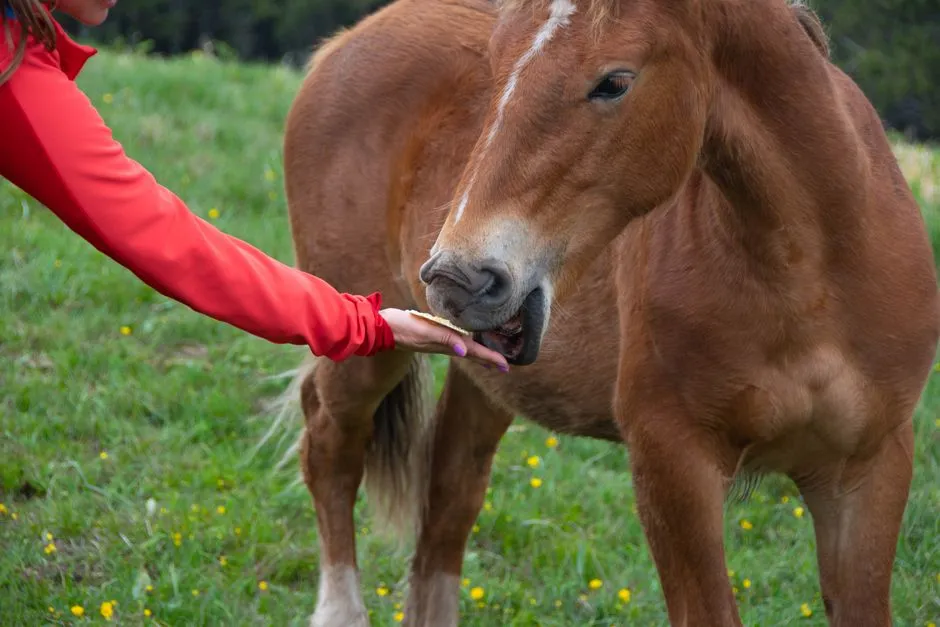
Many retired horses still light up when their person arrives. A familiar voice, a hand on the neck, or a quiet minute leaning on the fence can be rewarding for a horse that’s used to human company. Plenty of horses seem to recognize the people who care for them.
Treats are part of the appeal, though moderation matters. Older horses can have health issues like insulin resistance or Cushing’s disease (PPID), so check with your vet about what’s safe. Carrot pieces or a handful of approved hay cubes are often fine, but sugary snacks may not be.
7. Comfortable Rest and Good Shelter
🔥 Would you like to save this?
We'll email this post to you, so you can come back to it later!
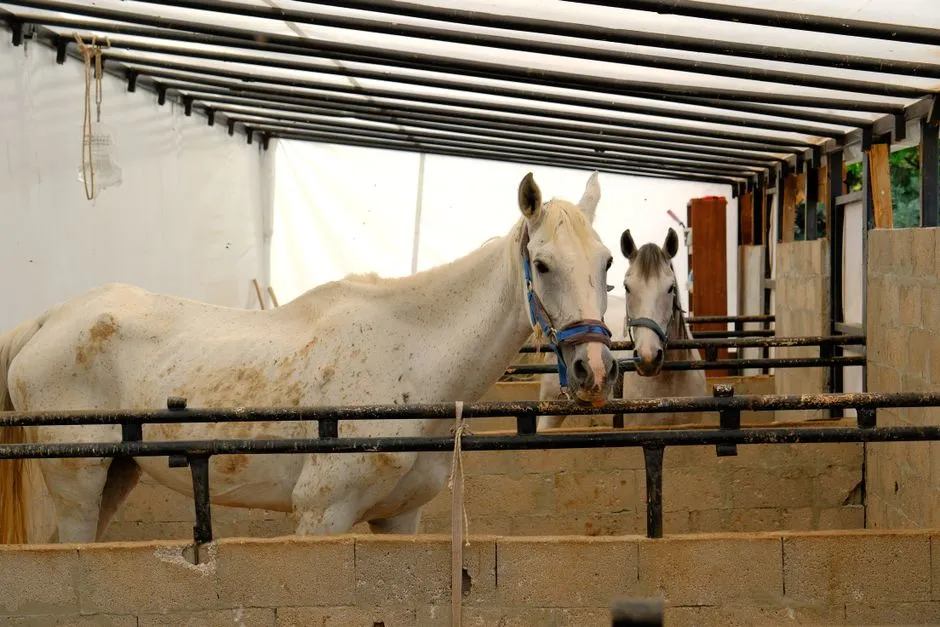
Rest matters more as horses age. A deep, dry bed, a wind break, or a shed that keeps off rain and summer sun can make a big difference in how a stiff horse feels. Many older horses lie down to sleep for short stretches, so soft, clean footing helps.
Weather can feel harder on seniors. In winter, a well fitted blanket may help a thin or arthritic horse stay comfortable, depending on climate and condition. In summer, shade and fresh water are the equivalent of a good armchair.
8. Gentle Movement and Light Activity
🔥 Would you like to save this?
We'll email this post to you, so you can come back to it later!
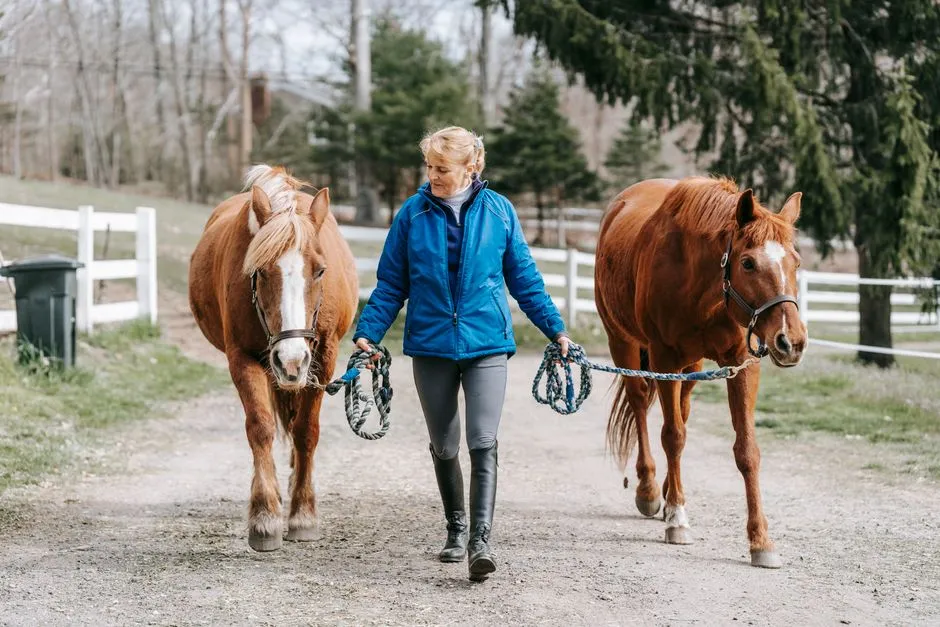
Retirement doesn’t have to mean doing nothing. Many vets support gentle, regular movement for older horses, since it can help keep joints and muscles from stiffening. Slow hand walks, a stroll down the lane, or simply turnout on varied ground can all help, depending on the horse’s health.
Some horses actually enjoy a light job, like going for a walk with a friend or visiting new surroundings. It’s worth talking to your vet about what’s right for your horse. The goal isn’t fitness for a competition, but a little variety and purpose.
9. Attentive Health Care
🔥 Would you like to save this?
We'll email this post to you, so you can come back to it later!
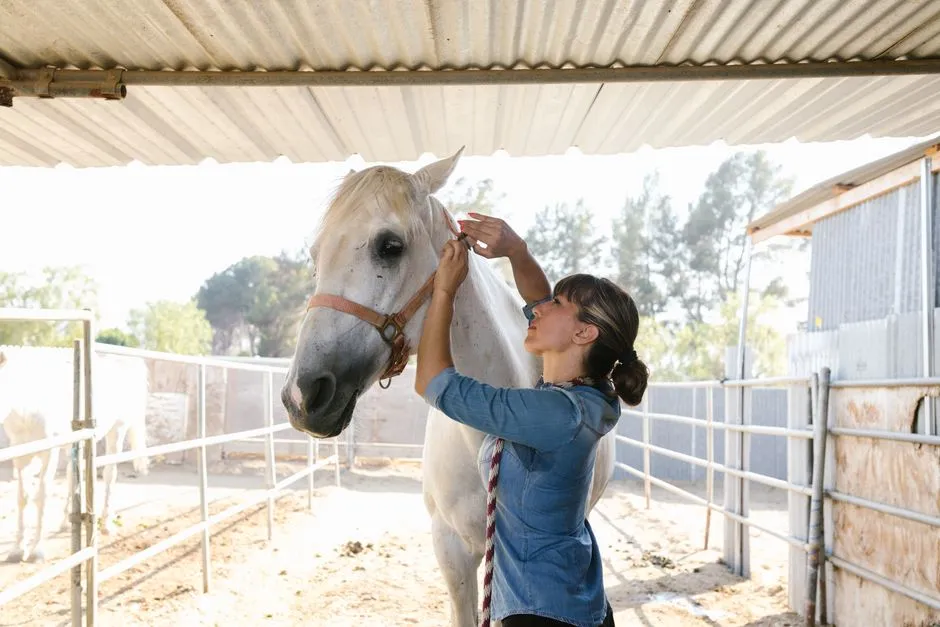
This one is less obvious from the horse’s point of view, yet it shapes their comfort every day. Regular dental work, hoof trims, parasite control, and vet checkups help catch problems like worn teeth, arthritis, or metabolic disease. A horse that feels good is simply more able to enjoy everything else on this list.
Horses can’t tell you where it hurts, so subtle changes matter. Dropping feed, standing differently, or lagging behind the herd may all be clues. Consistent care is arguably the quietest form of affection we can give them.
10. Simply Being Part of the Place
🔥 Would you like to save this?
We'll email this post to you, so you can come back to it later!
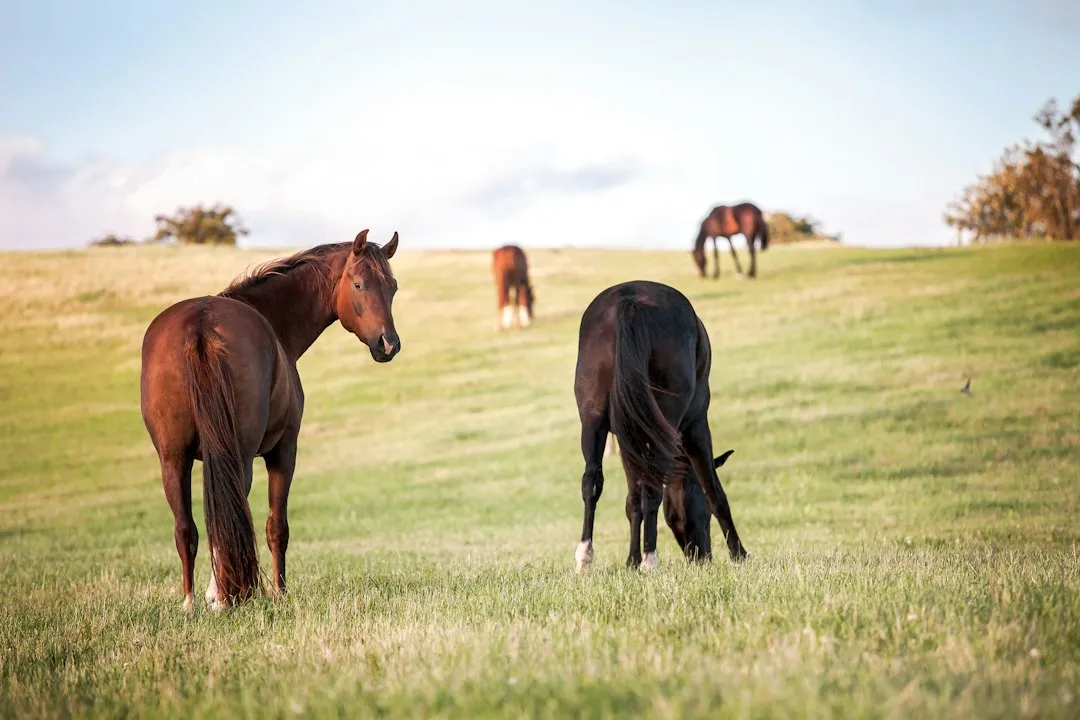
Older horses often become the calm fixtures of a barn or farm. They know the gate, the fence line, the sounds of the neighbors, and the people who show up each day. That familiarity gives them a sense of belonging, and for horses, feeling settled is huge.
Some retirees even take on a mentor role, steadying younger horses with a calm presence. Whether or not that’s a conscious choice, it’s common to see a young horse relax beside an unbothered elder. It’s a gentle second career that doesn’t require a saddle.
Final Thoughts
🔥 Would you like to save this?
We'll email this post to you, so you can come back to it later!
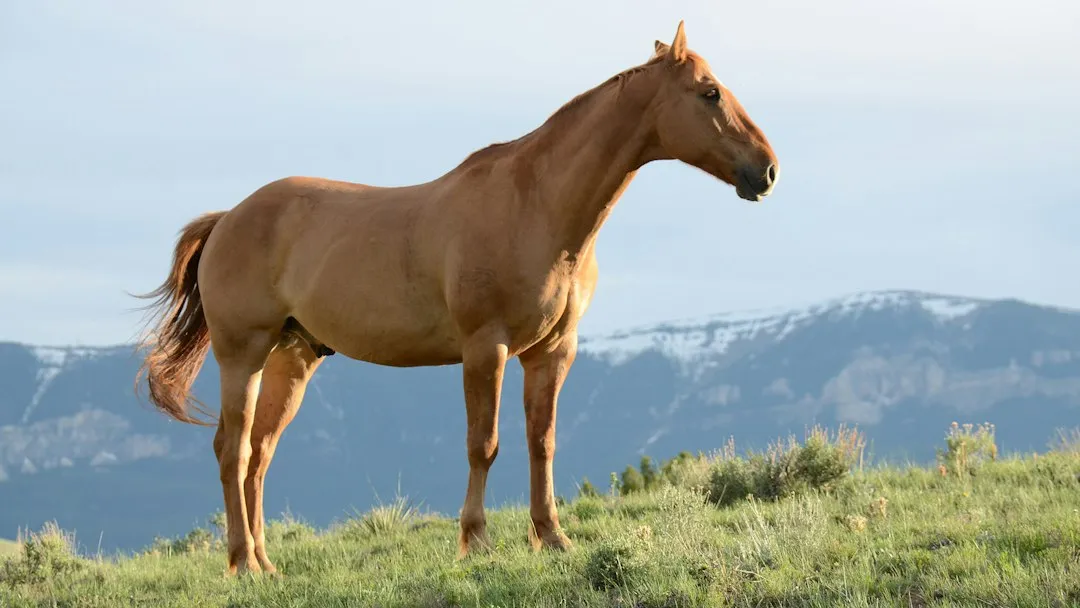
Here’s my take: we owe retired horses more than a field and a feed bucket. They’ve given years of work, patience, and trust, and the least we can do is make their last chapters rich in the things they actually care about, like food, friends, comfort, and a familiar face.
A horse’s worth was never in the ride. If you have a senior at home, spend an unhurried evening just being with them. Chances are they’ve been looking forward to it all day.

- 7 Everyday Habits That Can Make Your Senior Dog Happier - November 5, 2026
- 10 Enigmatic Structures That Continue to Puzzle Scientists Today - November 5, 2026
- 10 Strange Ruins in the Americas That Challenge What We Know About Early History - November 5, 2026