
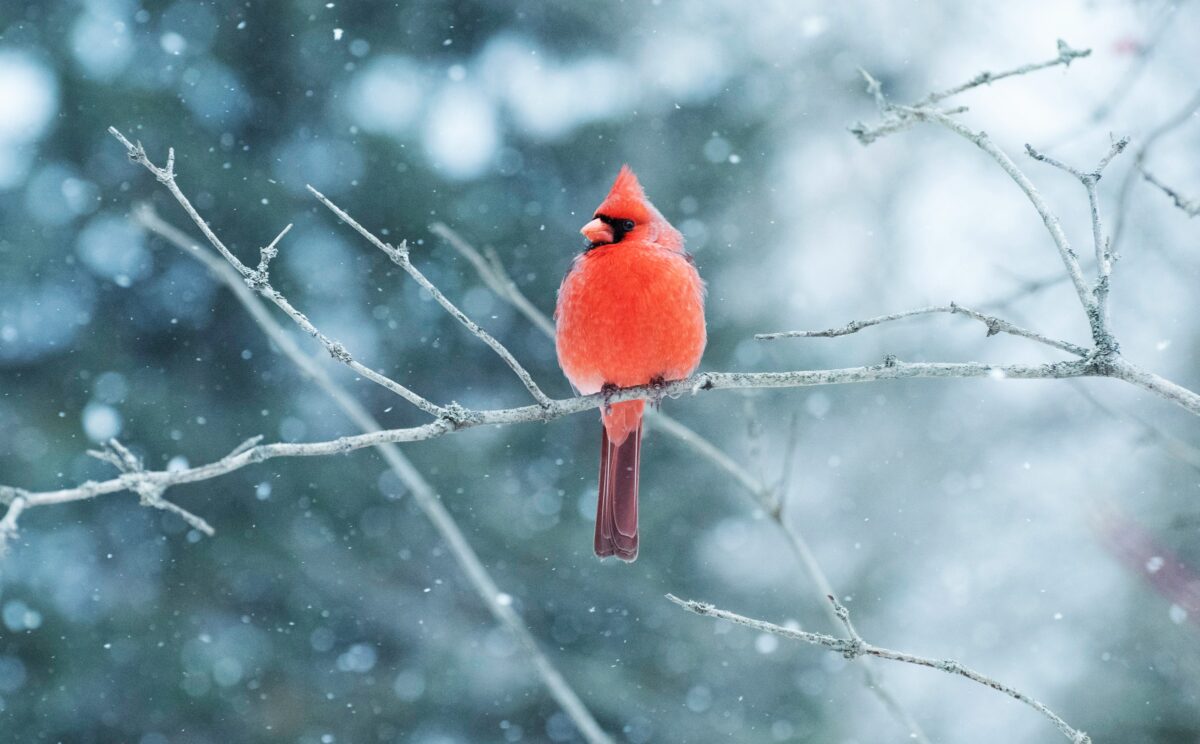
A male cardinal on a snowy branch is one of those sights people stop for. The red looks almost unreal against all that white and gray. Most of us watch for a few seconds, then go back to our coffee.
Yet a lot is happening in those quiet moments. Cardinals stay put through winter instead of migrating, so they have to solve the cold problem with behavior, body tricks, and a good memory of the neighborhood. Once you know what to look for, your window view gets a lot more interesting.
They Fluff Up Into Feathered Insulation
🔥 Would you like to save this?
We'll email this post to you, so you can come back to it later!
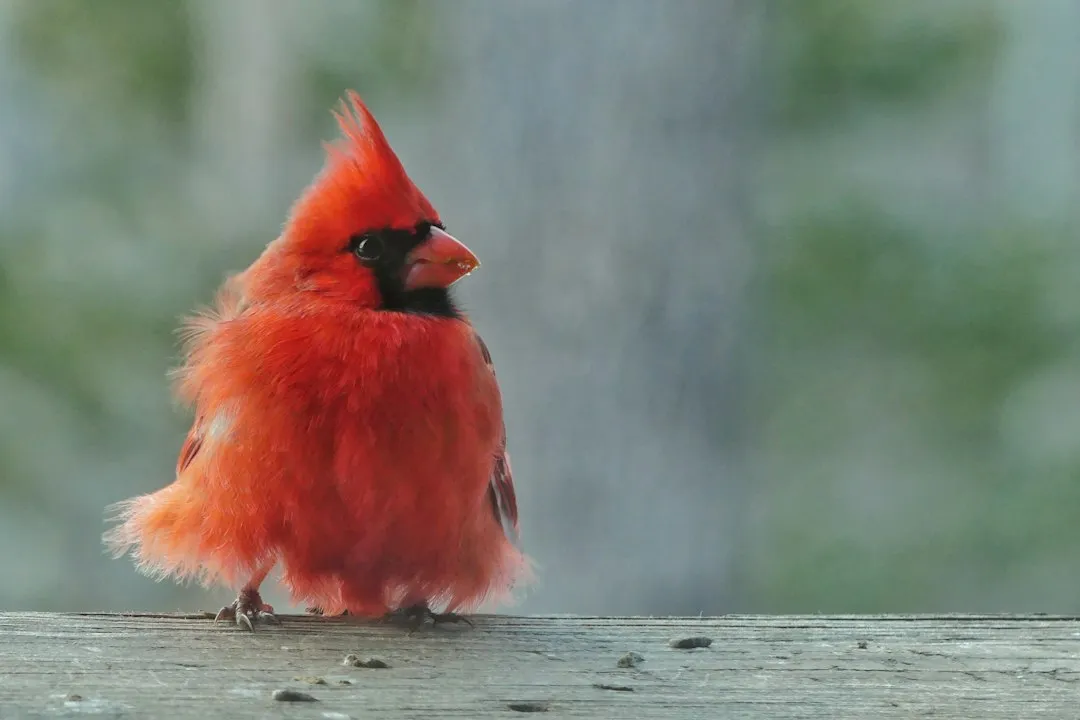
On a bitter morning, a cardinal often looks rounder than usual, almost like a small red ball. That’s deliberate. The bird raises its feathers to trap a layer of air close to its body, and trapped air is a decent insulator.
It’s the same idea as a puffy jacket. You might mistake a fluffed cardinal for a sick or oddly plump one, but it’s usually just a healthy bird managing its heat.
They Tuck Their Feet and Bill Away
🔥 Would you like to save this?
We'll email this post to you, so you can come back to it later!
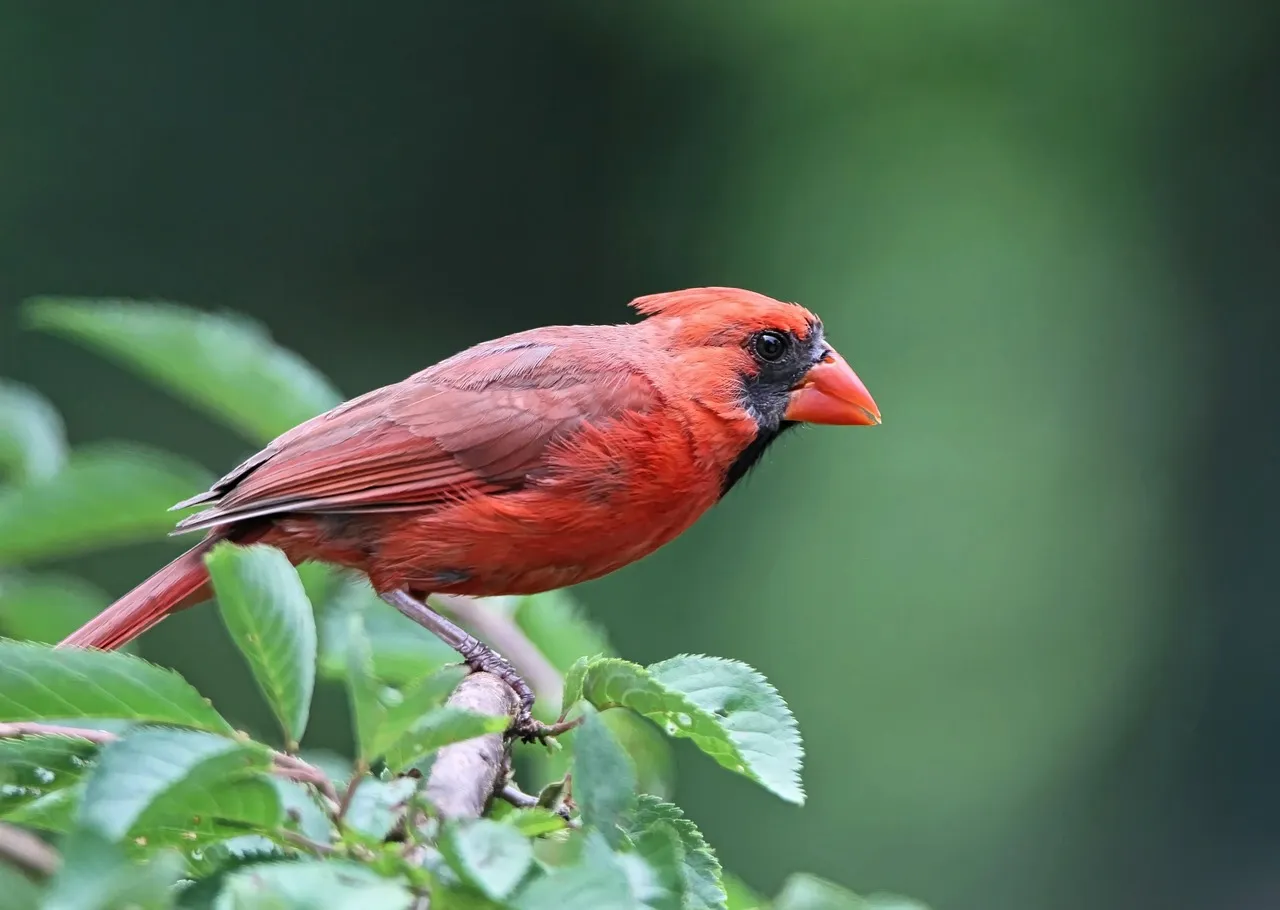
Watch a cardinal perched in the cold for a minute or two and you may notice one foot disappear into its belly feathers. Birds commonly do this to cut heat loss from bare legs and feet. Sometimes they hunker down so low that both feet vanish.
Many birds also tuck the bill into shoulder feathers during rest. It’s an easy habit to miss, since the bird just seems to be sitting still. In reality it’s saving energy, which matters a lot when winter days are short.
They Shiver to Make Heat
🔥 Would you like to save this?
We'll email this post to you, so you can come back to it later!
Birds can shiver, just as we do. Tiny muscle contractions generate warmth, and a cardinal can keep this up through a cold night. You usually can’t see it, because it’s subtle and happens mostly while they roost.
The catch is that shivering burns fuel. That helps explain why a cardinal’s biggest job in winter is simply eating enough to get through the night.
They Load Up on Food Late in the Day
🔥 Would you like to save this?
We'll email this post to you, so you can come back to it later!
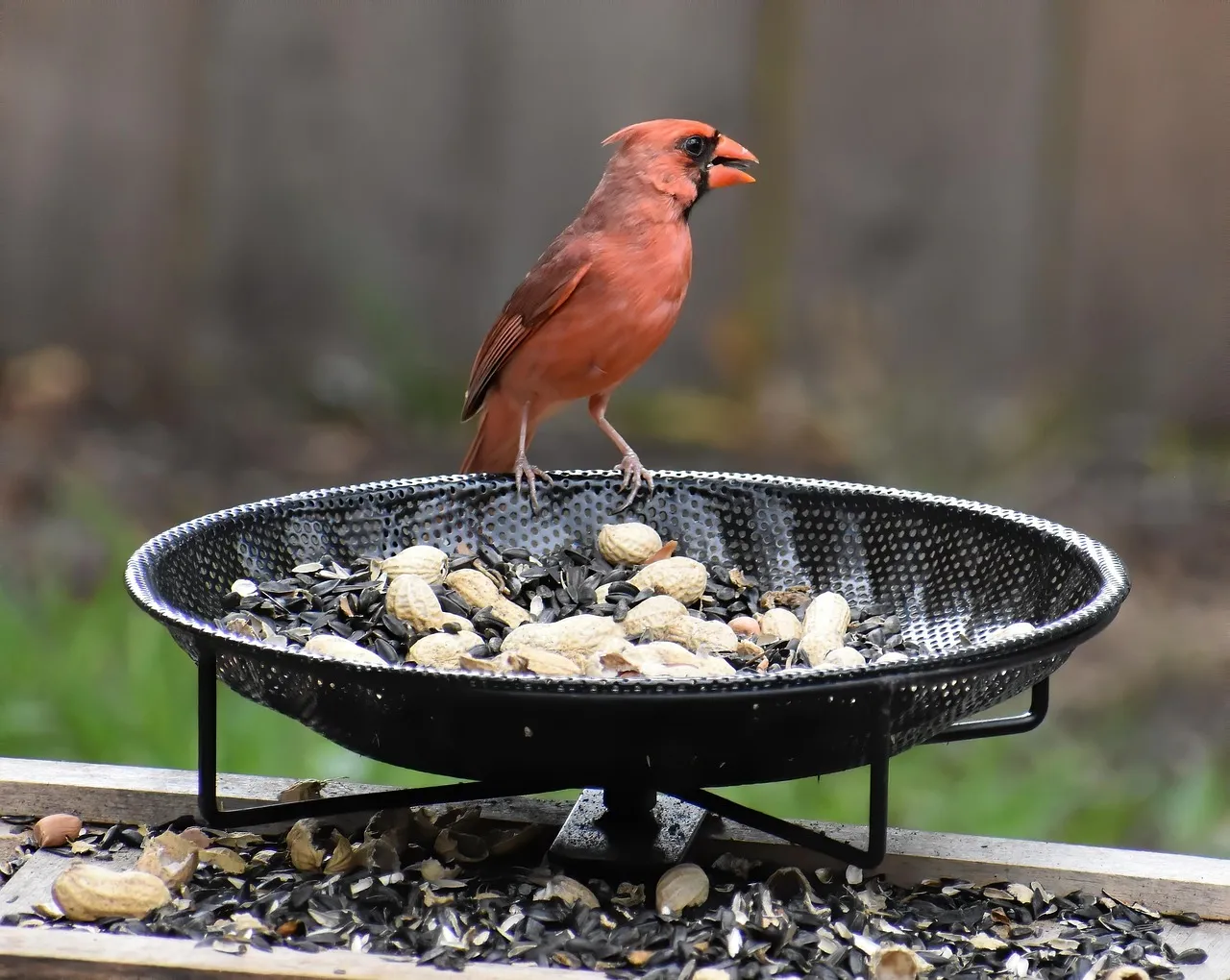
If you feed birds, you’ve probably noticed cardinals arriving in the last light of the afternoon. That timing makes sense. A full crop at dusk means more energy to burn while the bird sits out a long, freezing night.
Early morning is the other busy window, since the bird has spent hours without eating. Offering food at both ends of the day gives them the best shot at covering those two gaps.
They Lean Heavily on Seeds With Fat
🔥 Would you like to save this?
We'll email this post to you, so you can come back to it later!
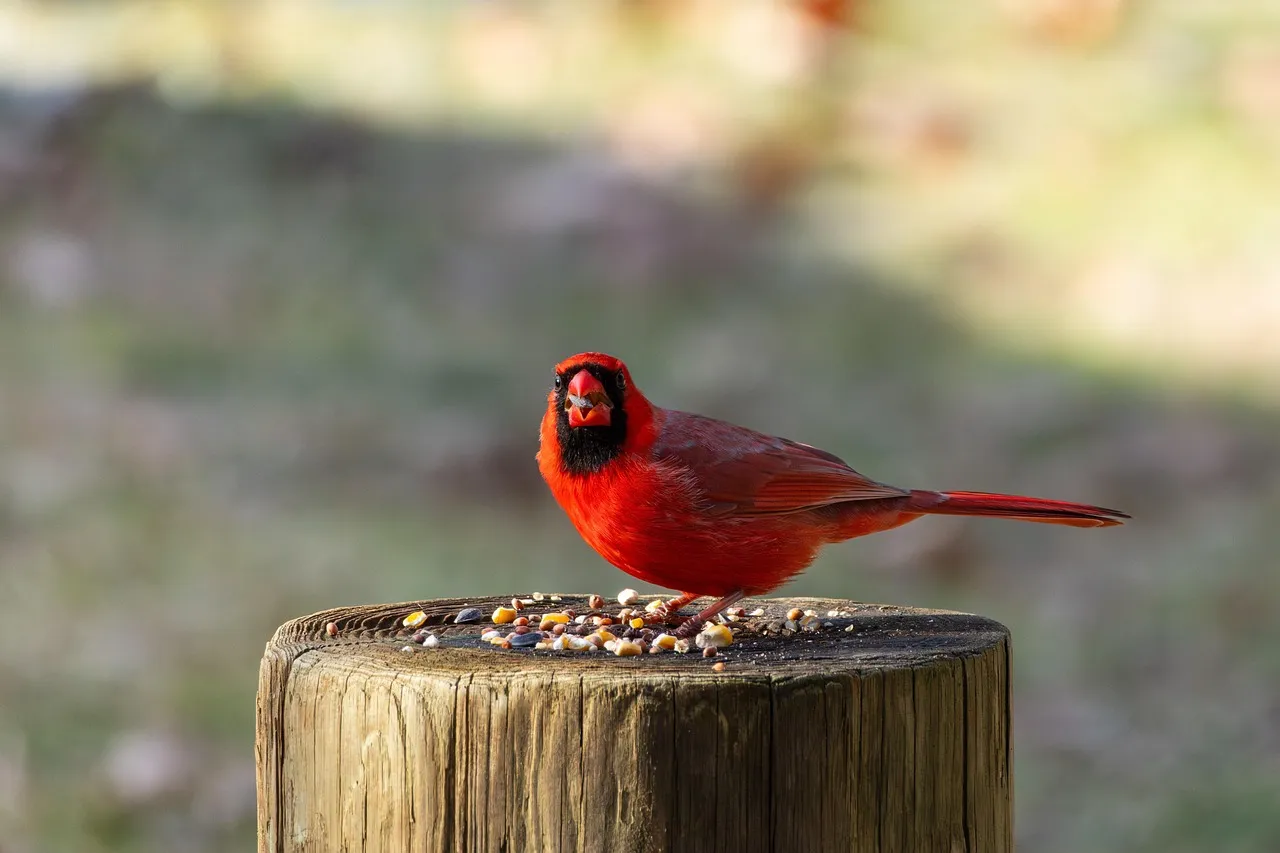
Cardinals eat a mix of seeds, fruit, and insects, but in winter the insects are mostly gone and seeds become the main menu. Black oil sunflower seeds and safflower are well-known favorites at feeders. Their thick, cone-shaped bills are built for cracking hulls.
Seeds rich in fat pack a lot of energy into each bite. In deep cold, that’s exactly what a small bird needs, which is why a feeder stocked with the right seed can be genuinely helpful.
They Hide in Dense Cover
🔥 Would you like to save this?
We'll email this post to you, so you can come back to it later!
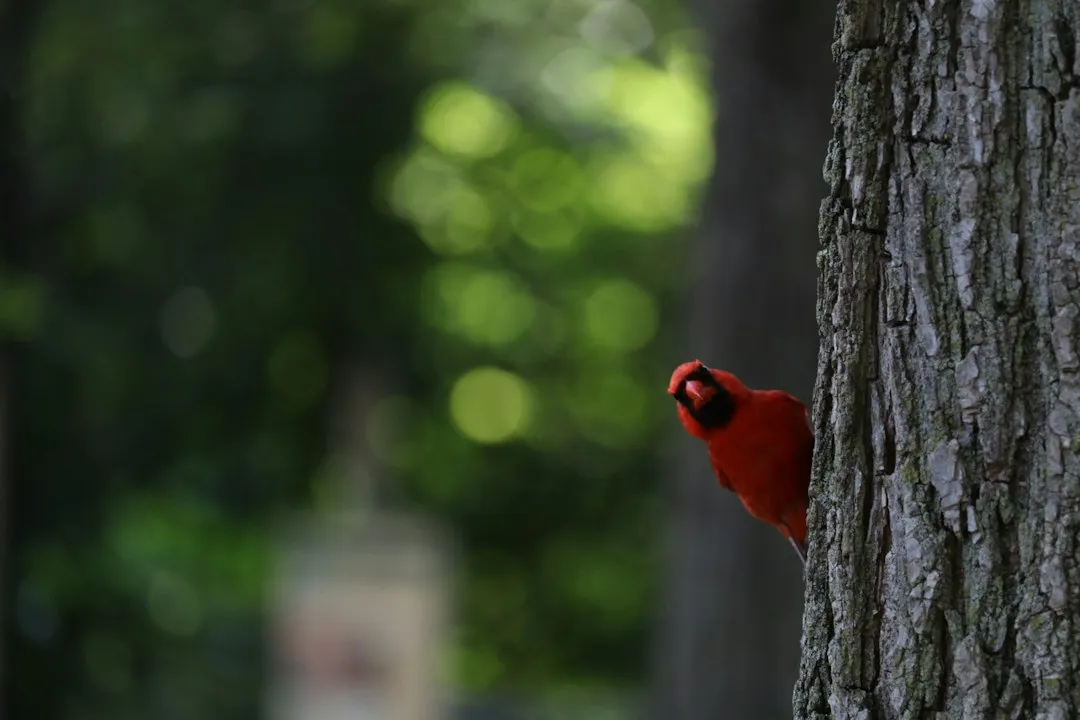
When the wind picks up, cardinals tend to disappear into thick shrubs, evergreens, and tangles of vines. Dense foliage breaks the wind and offers some protection from predators too. A bare yard, however pretty, is a poor place to spend a storm.
That’s why an overgrown corner of a garden can matter more than a fancy feeder. Evergreen shrubs near a feeding spot give cardinals a quick place to duck when a hawk shows up.
They Form Loose Winter Flocks
🔥 Would you like to save this?
We'll email this post to you, so you can come back to it later!
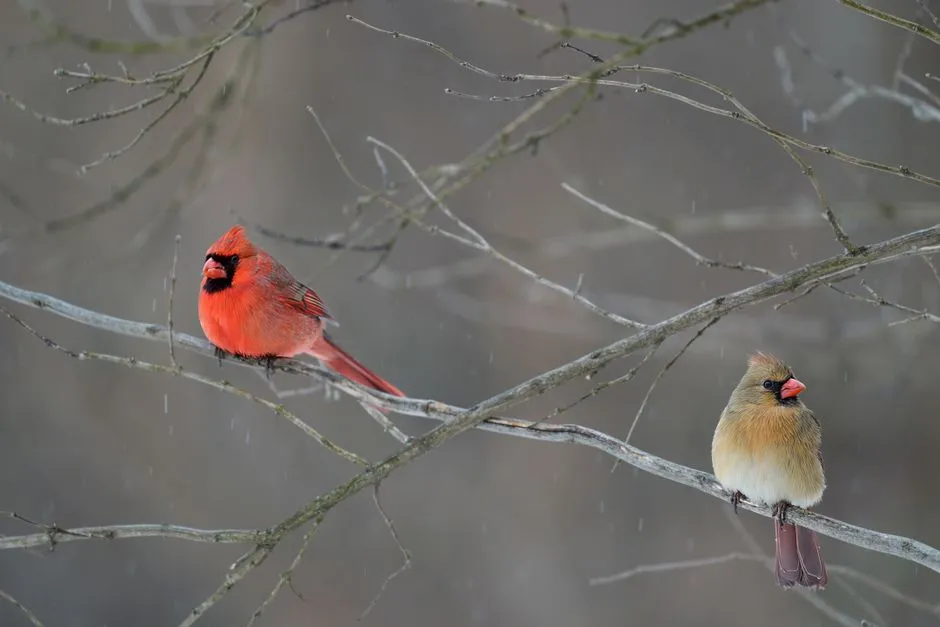
Cardinals are territorial in breeding season, with pairs defending their space. In winter, that attitude softens. Many will feed in small groups, sometimes alongside sparrows, juncos, and other birds.
Extra eyes help. In a group, someone is usually watching for danger, so each bird can spend more time eating and less time looking over its shoulder.
They Keep Singing, Even When It’s Freezing
🔥 Would you like to save this?
We'll email this post to you, so you can come back to it later!
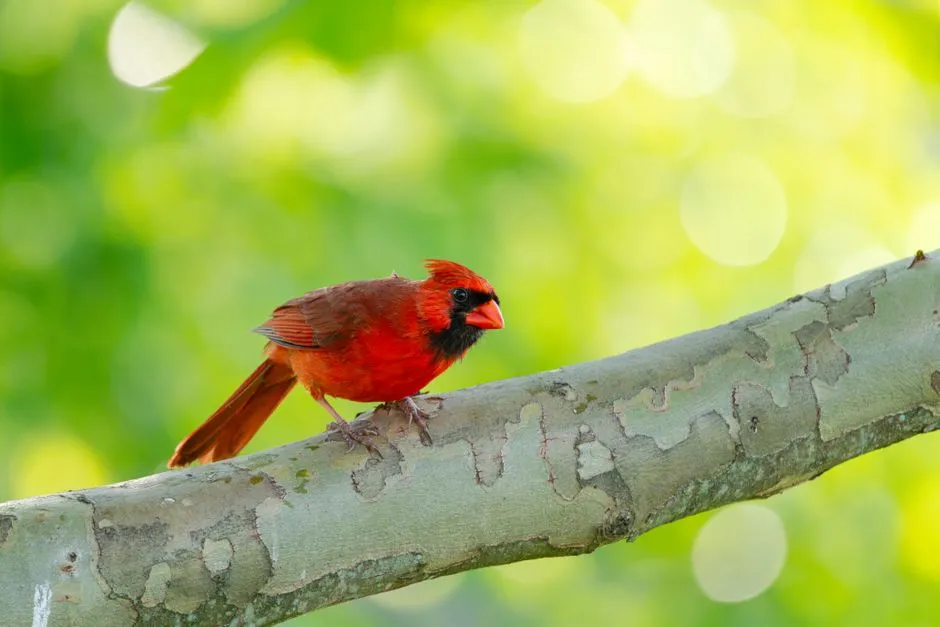
Many people think of birdsong as a spring thing. Cardinals, though, can be heard singing on cold, clear days well before the weather warms, and females sing too, which is less common among North American songbirds. Late winter can bring the first practice sessions of the year.
It’s easy to miss if you aren’t listening. A bright, whistled song on a frosty morning is often a cardinal sizing up the coming breeding season.
They Know Exactly Where the Food Is
🔥 Would you like to save this?
We'll email this post to you, so you can come back to it later!
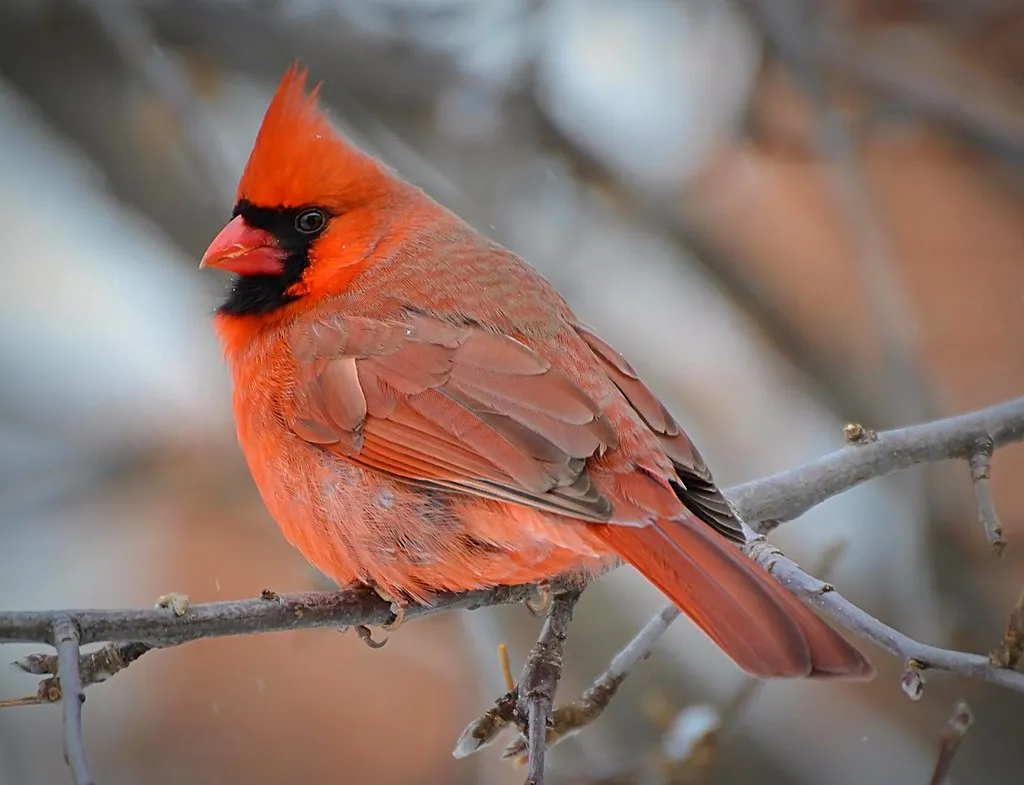
Cardinals don’t wander randomly. They tend to stay within a fairly small area year round, so they get to know a neighborhood well, including which yards have reliable feeders and where berries hang on late. That familiarity is a real survival advantage in lean months.
It also explains why the same bird seems to show up at the same time each day. You’re not imagining a pattern, because routine saves energy, and saving energy is the whole game in winter.
They Keep Their Red Through the Gloom
🔥 Would you like to save this?
We'll email this post to you, so you can come back to it later!
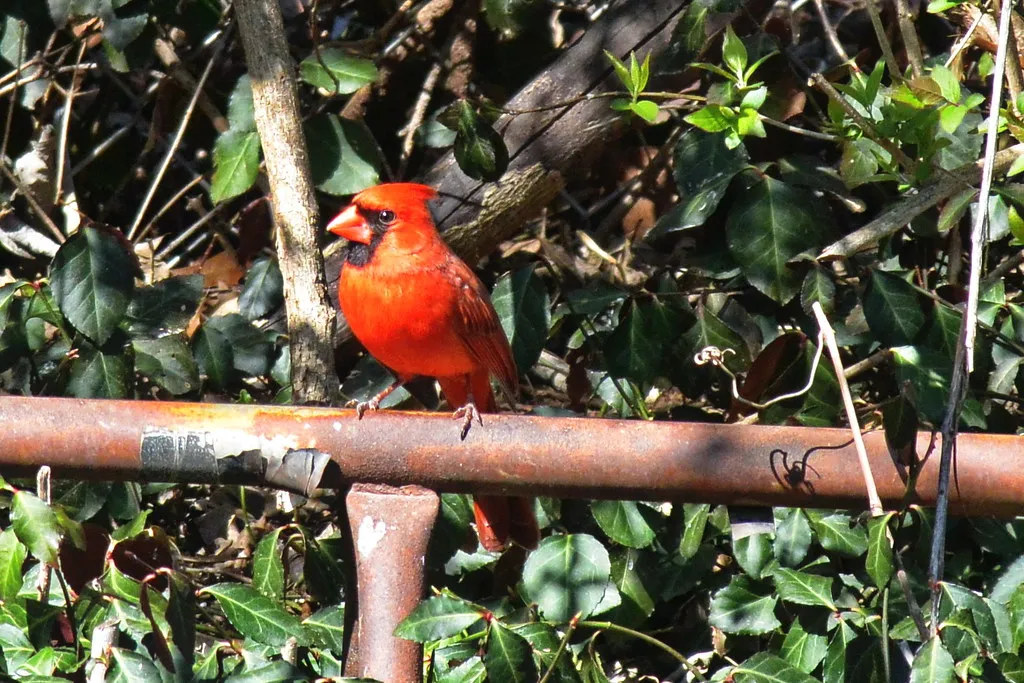
Unlike some birds that dull down for winter, male cardinals stay vividly red. Their color comes largely from pigments in their diet, which is one reason their feathers can look richer in some places and duller in others. Fresh feathers after the late summer molt also help.
Against snow, that color is a bit of a gamble, since it’s easy for predators to spot. Still, cardinals have persisted in cold regions for a very long time, which suggests the trade works out well enough.
Final Thoughts
🔥 Would you like to save this?
We'll email this post to you, so you can come back to it later!
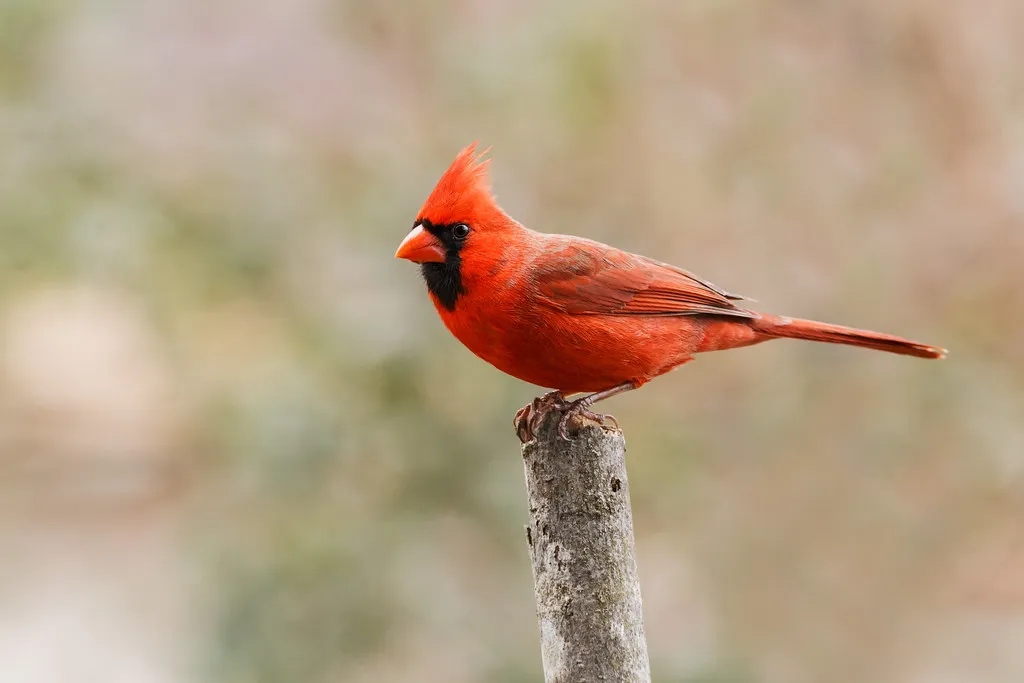
I think cardinals get overlooked precisely because they’re so common. We treat them as scenery, when they’re really tiny survivalists working hard every single day of winter. That’s a better story than most of us give them credit for.
So here’s my take: put out some sunflower or safflower seed, leave a bit of messy cover in the yard, and watch for a few minutes longer than usual. You’ll start noticing things you’ve been missing all along. The best part is that none of it requires anything more than patience.

- 7 Everyday Habits That Can Make Your Senior Dog Happier - November 5, 2026
- 10 Enigmatic Structures That Continue to Puzzle Scientists Today - November 5, 2026
- 10 Strange Ruins in the Americas That Challenge What We Know About Early History - November 5, 2026