


Rabies is one of the most serious and deadly viral diseases affecting dogs and other mammals, including humans. Transmitted through the saliva of infected animals, it causes severe neurological damage and can be fatal once symptoms appear. Understanding rabies, its symptoms, causes, and preventive measures is critical for dog owners to safeguard their pets and themselves from this life-threatening virus.
#1 What is Rabies?

Rabies is a viral infection caused by the Lyssavirus. It primarily spreads through the bite of an infected animal, introducing the virus into the bloodstream. Once the virus reaches the brain, it causes severe inflammation, resulting in neurological symptoms and, ultimately, death. In dogs, rabies progresses rapidly after symptoms appear, and without prompt intervention, it is almost always fatal. Rabies is classified as a zoonotic disease, meaning it can be transmitted to humans, making it a public health risk.
#2 What Are the Symptoms of Rabies in Dogs?
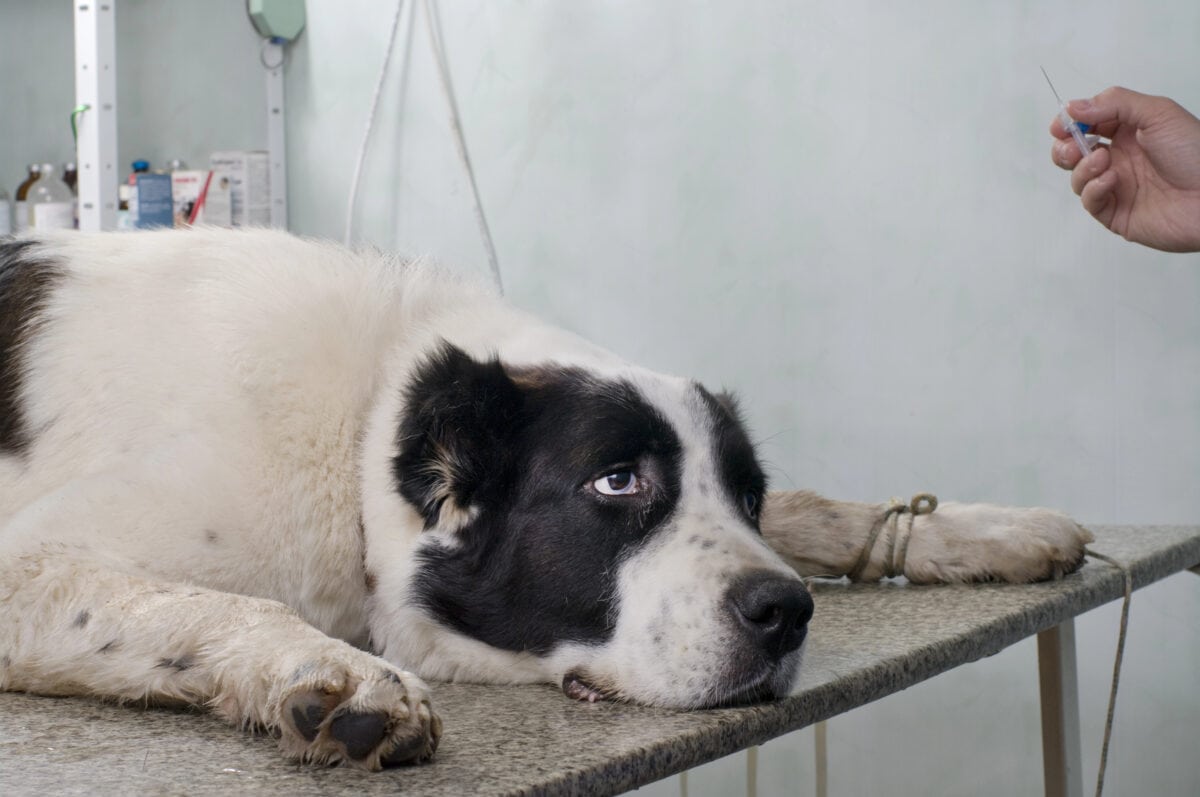
Rabies presents in two forms: furious rabies and paralytic (dumb) rabies. The symptoms vary depending on the form but generally progress through three stages: prodromal, furious, and paralytic.
Prodromal Stage: Lasting 2-3 days, dogs exhibit behavioral changes. Friendly dogs may become aggressive, while aggressive dogs may become unusually docile.
- Anxiety or nervousness
- Animal seeks solitude
- Fever
- Behavioral changes
Furious Stage: During this phase, which can last from 1 to 7 days, dogs become highly excitable and may display erratic behavior.
- Mad dog Syndrome
- Aggression and unprovoked biting
- Hypersensitivity to sound, light, and touch
- Excessive salivation (foaming at the mouth)
- Disorientation or uncoordinated movements
Paralytic Stage: The virus eventually affects the dog’s muscles and causes paralysis. This stage often leads to death.
- Weakness or loss of coordination
- Difficulty swallowing
- Paralysis, starting with the face and throat muscles
- Coma and death
Early recognition of these symptoms can help control the spread of rabies, though once neurological symptoms appear, the disease is almost always fatal in dogs.
#3 How is Rabies Diagnosed in Dogs?

Diagnosing rabies in dogs can be difficult because early symptoms mimic those of other illnesses. However, if rabies is suspected, immediate action must be taken. The following steps are generally taken to diagnose rabies:
- Postmortem Diagnosis: Unfortunately, definitive diagnosis of rabies is only possible through a postmortem examination of brain tissue, which reveals the presence of the virus.
- Observation: Veterinarians will carefully observe behavioral and physical symptoms in the dog to rule out other conditions.
- Quarantine: If rabies is suspected, the dog may be quarantined for a specified period (usually 10 days) to monitor for any progression of symptoms.
#4 Is There a Cure for Rabies in Dogs?

Unfortunately, there is no cure for rabies once symptoms appear. However, there have been rare cases of dogs surviving the virus with aggressive treatment. Immediate action must be taken if your dog is bitten or exposed to a wild animal. Wash the wound thoroughly and seek veterinary attention right away. Your vet may recommend a booster rabies vaccination depending on your dog’s vaccination status. Quarantine or euthanasia may be recommended if the dog shows symptoms and rabies exposure is confirmed. The best way to protect your dog from rabies is through prevention, which includes vaccination and avoiding contact with wild animals.
#5 How Can You Prevent Your Dog from Getting Rabies?

The most effective way to prevent your dog from getting rabies is by keeping their vaccinations up to date, though once neurological symptoms appear, the disease is almost always fatal in dogs. In most areas, it is required by law to vaccinate dogs against rabies. Additionally, keep your dog on a leash when outside and do not allow them to interact with wild animals. If your dog does come into contact with a potentially rabid animal, seek veterinary care immediately.
Follow these steps to prevent rabies in dogs:
- Vaccination: Regular rabies vaccinations are required by law in many areas, and they provide effective immunity against the virus. Always keep your dog’s vaccinations up to date.
- Leashing and Supervision: Keep your dog on a leash during walks and avoid allowing them to roam freely, especially in areas with a high wildlife population.
- Avoiding wildlife contact: Discourage your dog from approaching wild animals or strays, as these are common carriers of rabies.
- Immediate veterinary care: If your dog is bitten or scratched by another animal, seek immediate veterinary attention, as a rabies booster shot may be needed.
- Regular checkups: Make sure your dog visits the vet regularly for wellness checkups, which include vaccination updates.
Less commonly, rabies can also spread through exposure to open wounds, mucous membranes, or scratches that come into contact with infected saliva.
#6 Can Humans Get Rabies from Dogs?

Yes, humans can get rabies from dogs if bitten by an infected animal. It is important to take precautions when handling an animal with suspected rabies and seek medical attention immediately if bitten. An immediate series of rabies injections are required if a dog with no vaccination schedule bites you. Vaccination, monitoring the animal and prevention measures decreases the risk of humans contracting rabies from dogs.
#7 What Should You Do if You Find a Stray Dog with Rabies?

If you come across a stray dog exhibiting symptoms of rabies, it is important to contact animal control or your local health department immediately. Do not attempt to handle the animal yourself. They will have the necessary training and equipment to safely capture the dog and prevent the spread of the virus.
#8 Is There a Vaccine for Rabies in Dogs?

Yes, there is a vaccine for rabies in dogs. It is recommended to vaccinate puppies at 12-16 weeks of age, followed by a booster shot one year later. After the initial shots, it is typically recommended to vaccinate every 1-3 years, depending on the vaccine used. Consult with your veterinarian for their recommended vaccination schedule.
#9 Can Dogs Still Get Rabies if They Have Been Vaccinated?

While vaccinations greatly reduce the risk of dogs getting rabies, there is still a small chance of infection. If your dog has been vaccinated and comes into contact with a potentially rabid animal, they may need to receive a booster shot to ensure their immunity. It is important to keep your dog’s vaccinations up to date to protect them in case of exposure.
#10 How Can You Help Spread Awareness and Prevent Rabies in Dogs?

One of the most important things you can do to help prevent rabies in dogs is to spread awareness. Educate yourself and others on the symptoms, treatment, and prevention of rabies. Additionally, make sure your own dog is properly vaccinated because vaccination remains the most effective defense against rabies. Observe responsible pet ownership practices such as keeping your dog leashed, avoiding contact with wild animals, and seeking prompt veterinary care when necessary.
