
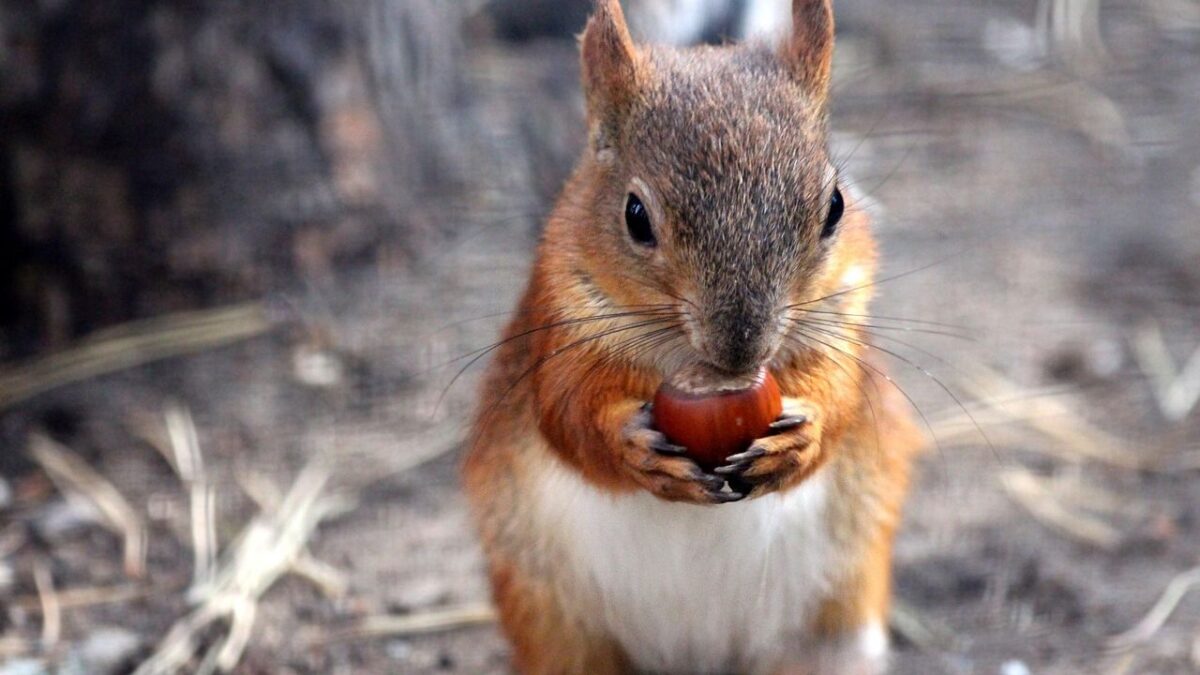
1. Walnuts
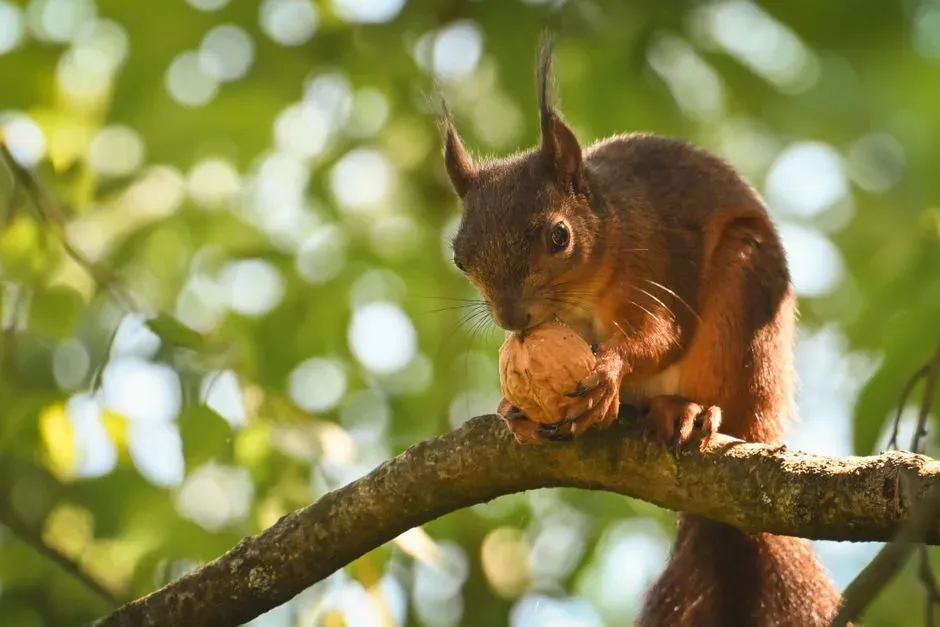
Walnuts rank high on a squirrel’s list when they appear in the neighborhood. The thick shells protect the meat inside through winter, and squirrels often carry them some distance before tucking them into shallow holes. This habit spreads walnut trees across new ground over time.
Observers notice squirrels testing walnuts by shaking them first. Damaged or empty shells get eaten on the spot, while sound ones disappear into the soil. The process repeats across many yards each season.
2. Hazelnuts
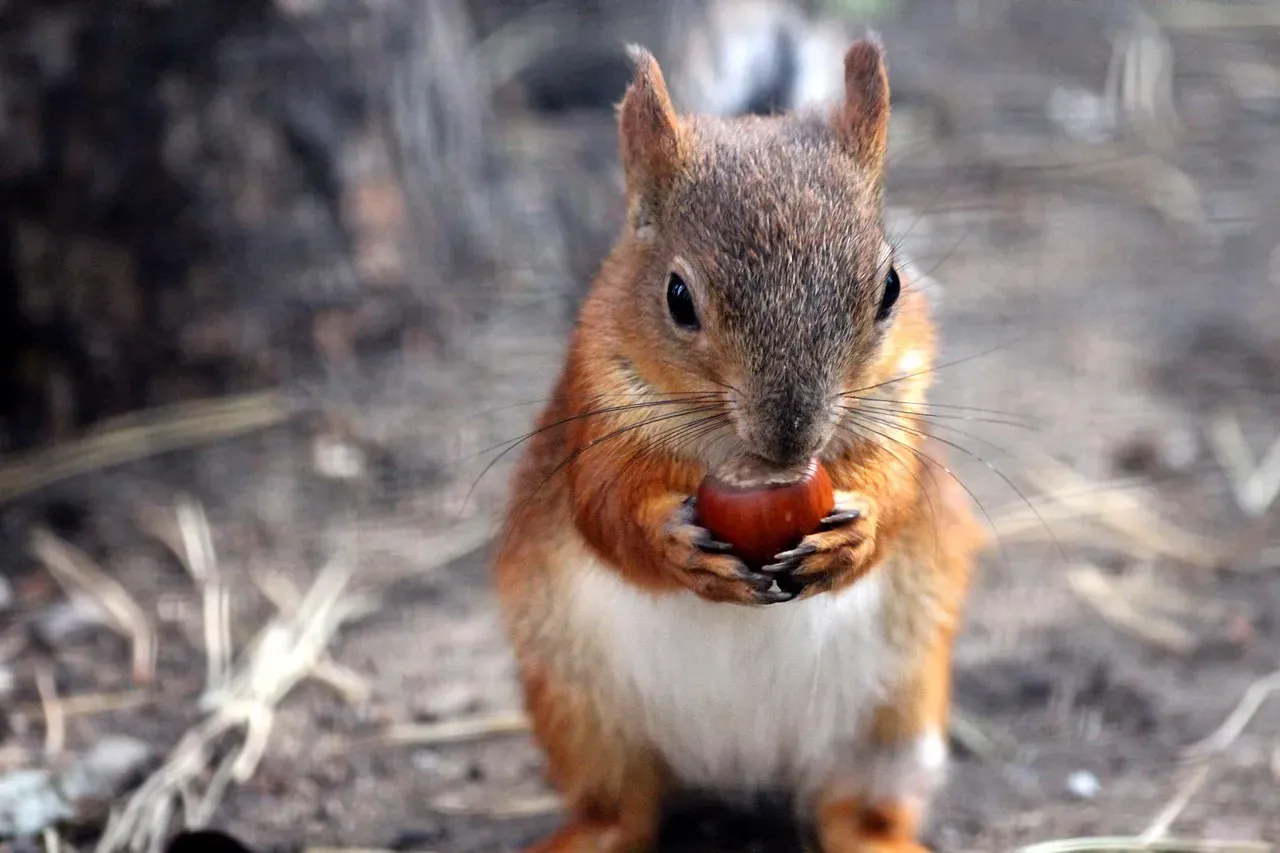
Hazelnuts offer a compact, high-energy package that travels easily in a squirrel’s cheeks. These smaller nuts fit neatly into garden soil without much effort. Squirrels often choose spots near shrubs or under leaf litter for extra cover.
Because hazelnuts ripen earlier than many other nuts, they provide an early start to the caching season. A single squirrel may hide dozens in one afternoon. The buried nuts sometimes sprout the following spring if left undisturbed.
3. Beechnuts
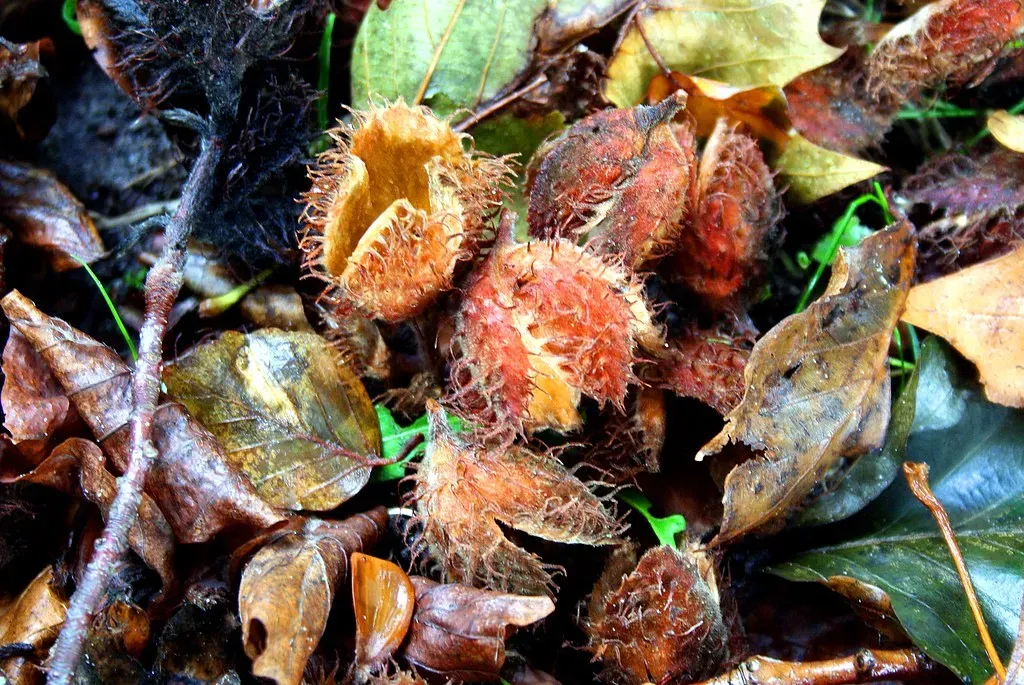
Beechnuts appear in mast years when beech trees produce heavy crops. Squirrels gather them quickly and scatter them across nearby lawns and edges of woods. The thin shells make them easy to handle yet still protective enough for storage.
These nuts add variety to the winter menu and help squirrels avoid putting all their food in one type of cache. Yards with mature beech trees nearby often see increased digging activity in late summer and early fall.
4. Fungi
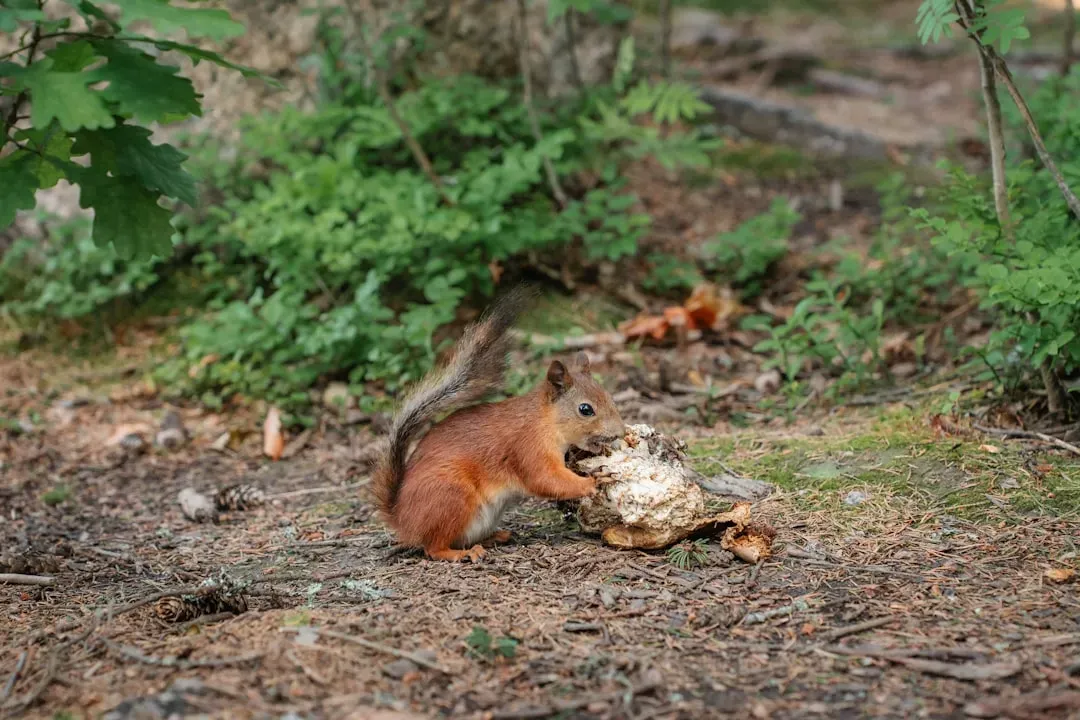
Some squirrels, especially red squirrels in certain regions, bury or cache pieces of fungi alongside nuts. The choice stands out because fungi can spoil faster than hard-shelled nuts, yet the animals still treat them as worth saving. Scientists continue to study how the squirrels select and store these items without rapid decay.
Observations show the practice varies by habitat and season. In areas with abundant mushrooms, the behavior appears more often. The exact cues squirrels use to decide which fungi merit burial remain unclear, which keeps researchers returning to the question.
5. Sunflower seeds
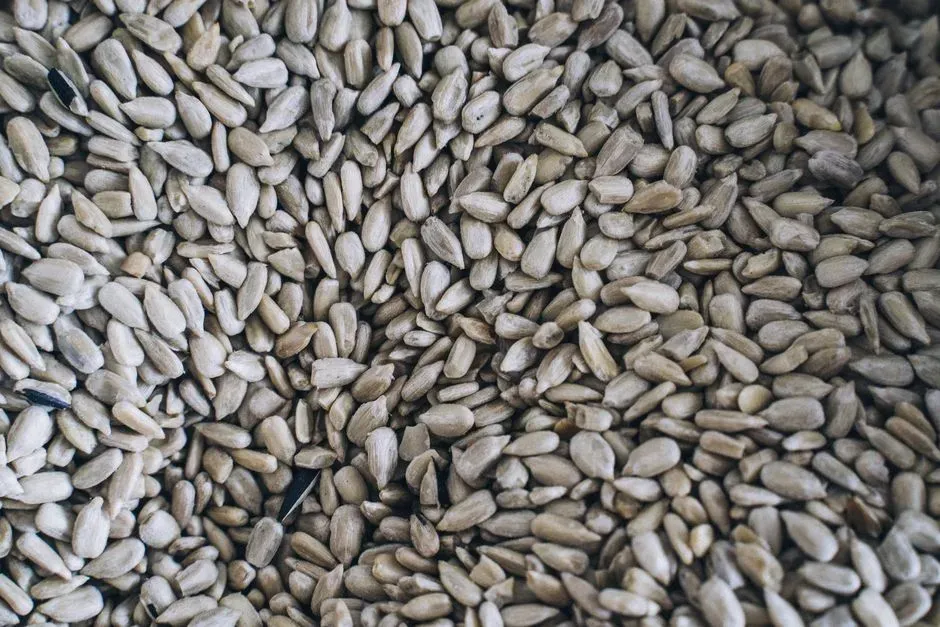
Sunflower seeds from bird feeders or garden plants frequently end up buried. Squirrels raid feeders and then move the seeds to safer ground locations. The small size allows many to fit into one shallow hole.
This caching helps explain why sunflower volunteers sometimes appear in unexpected corners of a yard. The seeds provide quick energy when other foods run low. Squirrels seem to favor them during periods of high activity.
6. Hickory nuts
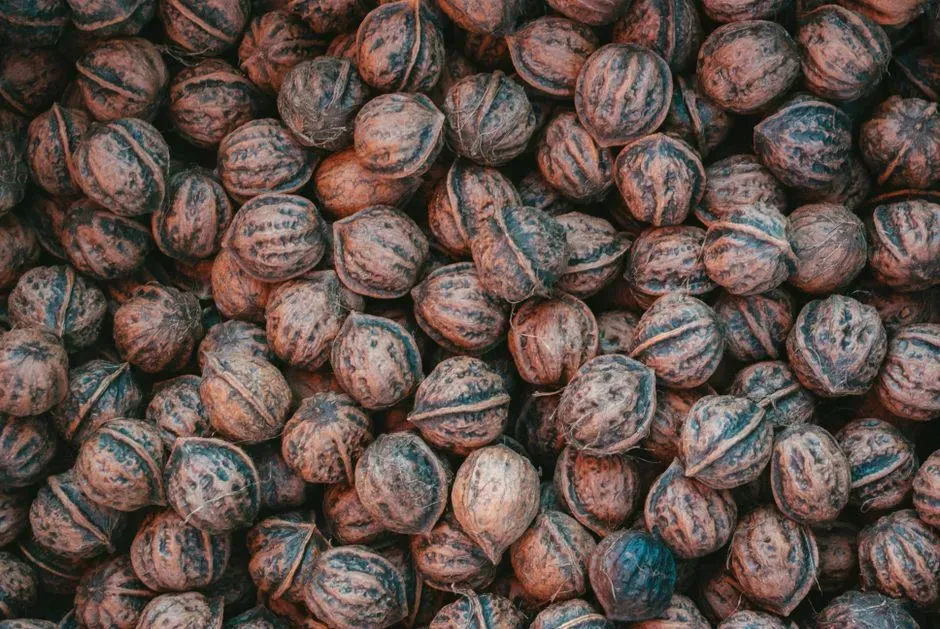
Hickory nuts deliver a rich reward once the hard shell is opened. Squirrels carry them from trees to open ground and bury them individually or in small groups. The nuts store well through cold months.
Yards near hickory groves see regular visits during harvest time. The animals often return to the same general areas year after year. Leftover nuts that escape notice can grow into new saplings.
7. Pecans
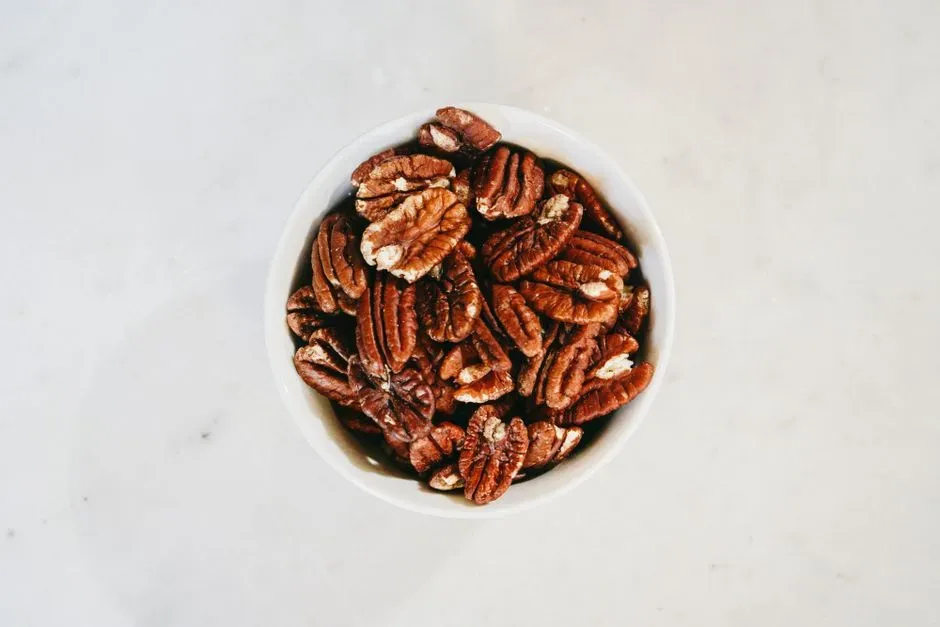
Pecans appear in regions where the trees grow and sometimes travel farther when squirrels move them. Their elongated shape makes them recognizable in the soil. Squirrels treat them much like other large nuts, testing and then hiding the best specimens.
Buried pecans contribute to occasional volunteer trees in suburban landscapes. The nuts hold up well against moisture and temperature swings. This reliability makes them a steady part of the scatter-hoarding routine.
8. Sweet chestnuts
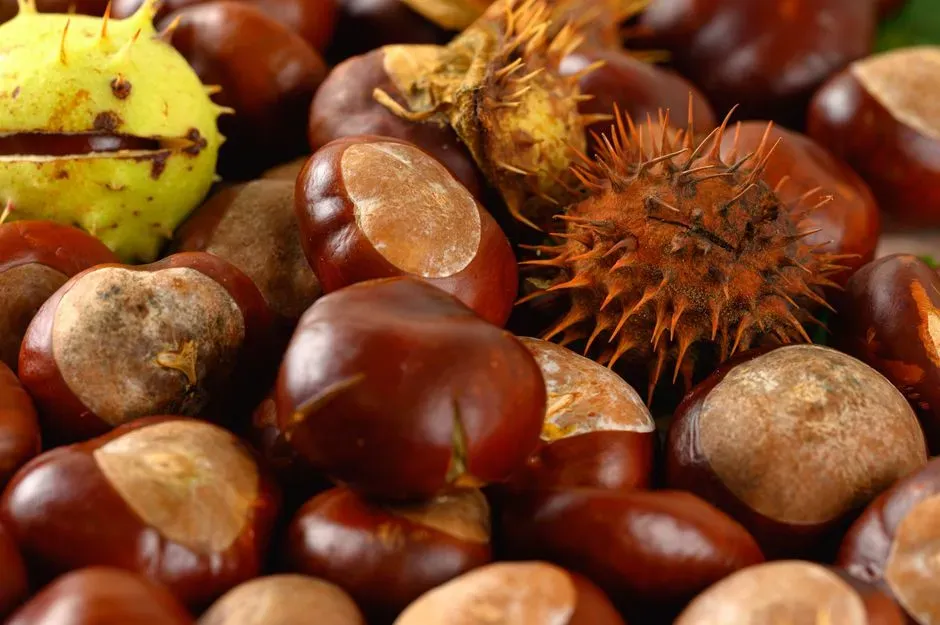
Sweet chestnuts offer another sizable option when available. Squirrels gather them from trees and move them to garden beds or lawn edges for burial. The spiny husks fall away before caching begins.
These nuts add seasonal variety in areas where chestnut trees thrive. Squirrels balance their caches with different nut types to reduce risk if one source fails. The practice supports both the animals and future tree growth.
9. Peanuts
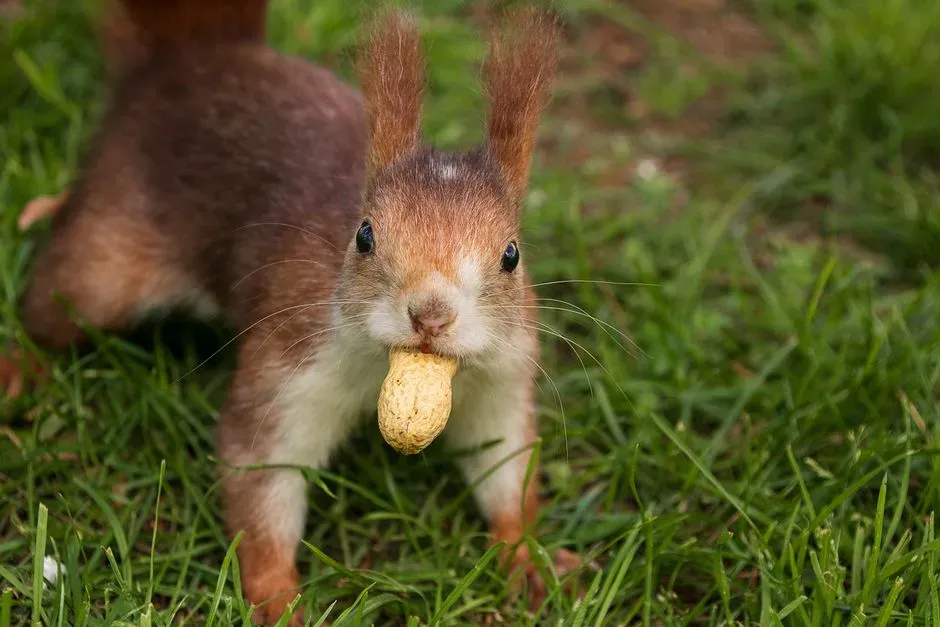
Peanuts from feeders or dropped snacks get carried away and buried like native nuts. Though not a natural woodland food, squirrels treat them as valuable finds. The soft shells require less effort to manage than some wild nuts.
Backyard peanut caches often appear near feeding stations. The buried seeds sometimes sprout if conditions allow. This behavior shows how adaptable squirrels remain when human-provided foods enter the mix.
10. Pumpkin seeds
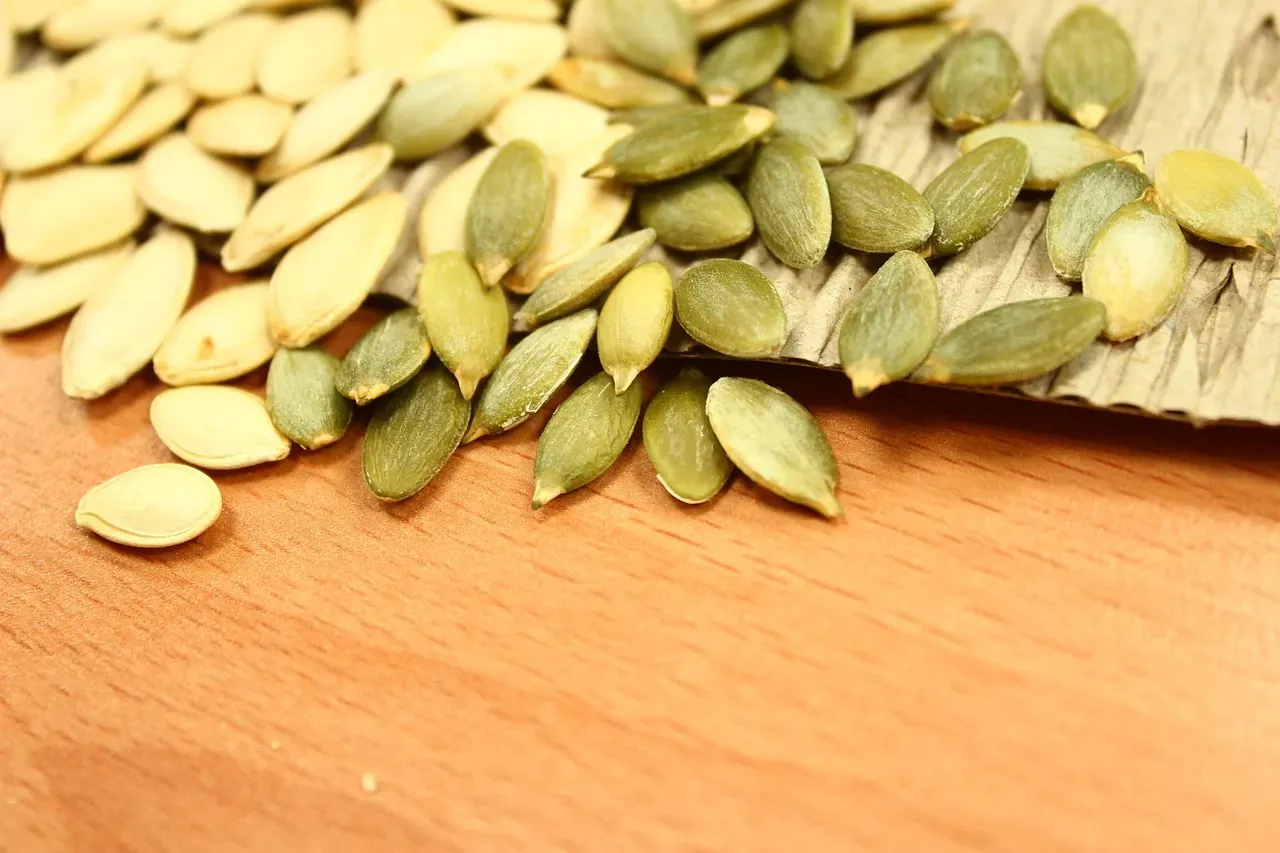
Pumpkin seeds from garden waste or Halloween decorations occasionally find their way underground. Squirrels collect the flat seeds and tuck them into convenient holes. The light weight makes transport simple.
These seeds add a quick carbohydrate source to the stored supply. Yards with pumpkin patches or compost piles see more of this activity in autumn. Any overlooked seeds may grow into new vines the next year.
Squirrels keep turning ordinary yards into living pantries, and their choices remind us how much we still have to learn about the small decisions that shape the landscape around us. The holes in the grass are never just holes. They mark a quiet partnership between animal instinct and the plants that follow.
- These 7 Historic US Battlefields Are Sacred Grounds Of Remembrance - August 2, 2026
- The JWST Found A Jekyll-and-Hyde Galaxy In The Early Universe - August 2, 2026
- 10 Heartwarming Ways A Chihuahua Shows They’ve Bonded With You - August 2, 2026