
Most of us treat a yard like a to-do list. Mow it, edge it, rake it, repeat. Now picture one corner where you simply stop, no mower, no trimmer, no tidying, for twelve full months.
It sounds like neglect, yet what unfolds there is surprisingly orderly. Seasons do their work, and the patch tends to tell a story that a trimmed lawn never gets the chance to tell. Here’s what you can reasonably expect to see.
1. Dormant Seeds Wake Up

🔥 Would you like to save this?
We'll email this post to you, so you can come back to it later!
Soil usually holds a hidden seed bank, a reserve of seeds left by earlier plants, wind, and birds. Once mowing stops, many of those seeds finally get the light and space they need. Within weeks, you’ll often notice plants you never planted.
Some will be familiar, like clover, dandelions, and grasses. Others may surprise you, depending on your region and what grew nearby years ago. It’s a bit like opening a time capsule you didn’t know you owned.
2. The Plant Mix Gets Messier, Then More Diverse

🔥 Would you like to save this?
We'll email this post to you, so you can come back to it later!
Early on, fast growers tend to take over. Annual weeds sprint ahead because they’re built to colonize bare or disturbed ground. It can look chaotic, and that’s normal.
Over a full year, the mix usually shifts as perennials and taller grasses settle in. Exactly what you get varies a lot by climate and soil, so treat any prediction loosely. The point is that the patch keeps changing rather than staying fixed.
3. Pollinators Start Showing Up
🔥 Would you like to save this?
We'll email this post to you, so you can come back to it later!
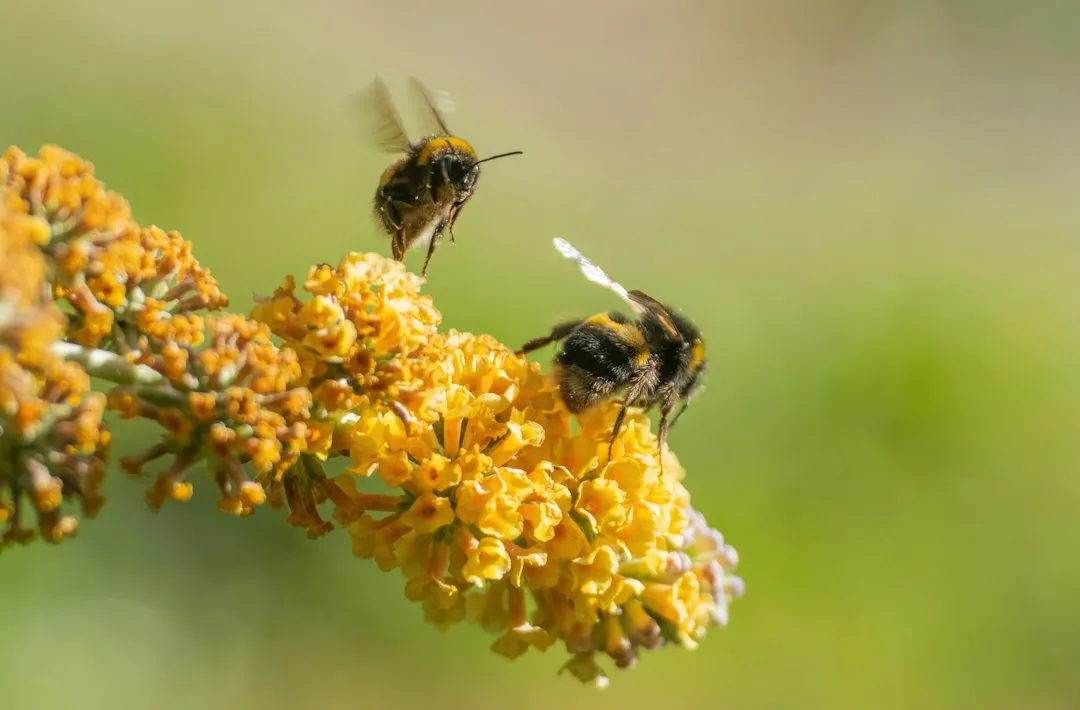
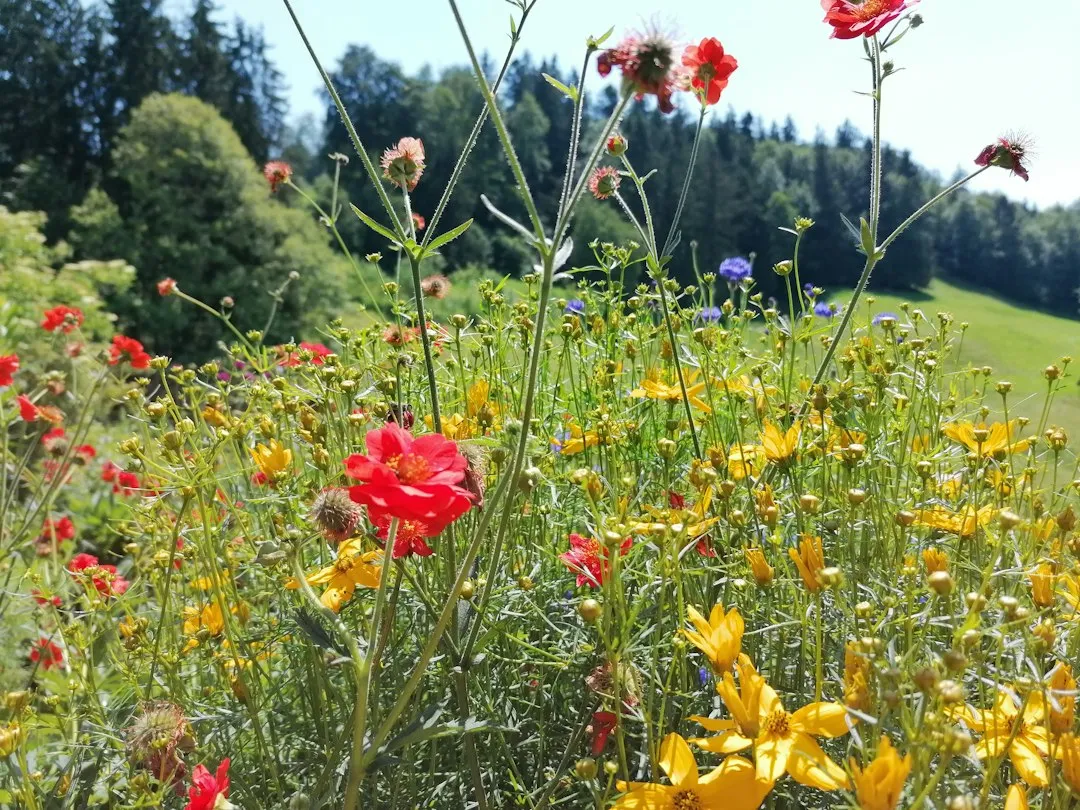
Flowers that would have been clipped off by the mower now get to bloom. Bees, hoverflies, butterflies, and other insects tend to follow, since even weedy flowers like clover offer nectar and pollen. Research on reduced mowing has linked it with more flowers and more pollinator activity in lawns.
You don’t need a meadow to notice the difference. Sit near the patch on a warm afternoon and you’ll likely hear it before you see it. That low hum is a decent sign something useful is happening.
4. Insects and Spiders Move In
🔥 Would you like to save this?
We'll email this post to you, so you can come back to it later!
Longer vegetation creates layers, and layers create habitat. Tall stems, leaf litter, and hollow plant material give insects places to feed, hide, and overwinter. Spiders often show up soon after because there’s plenty to catch.
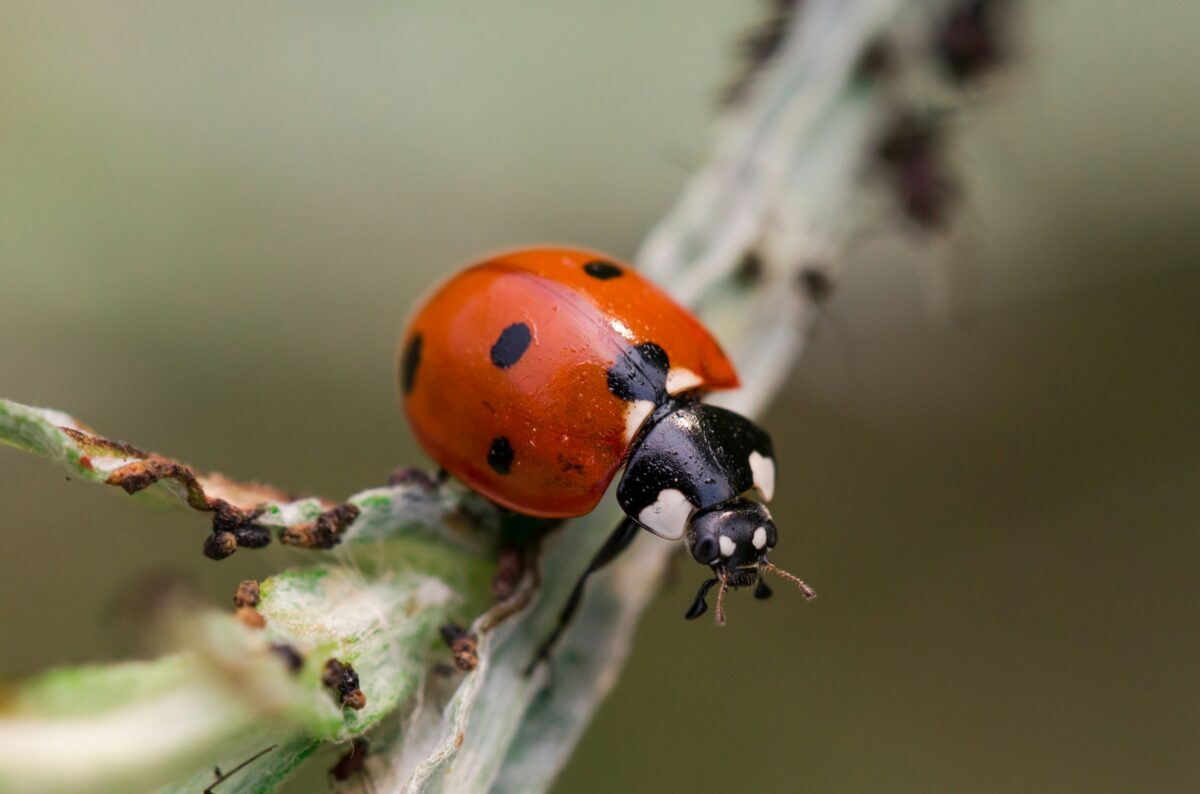
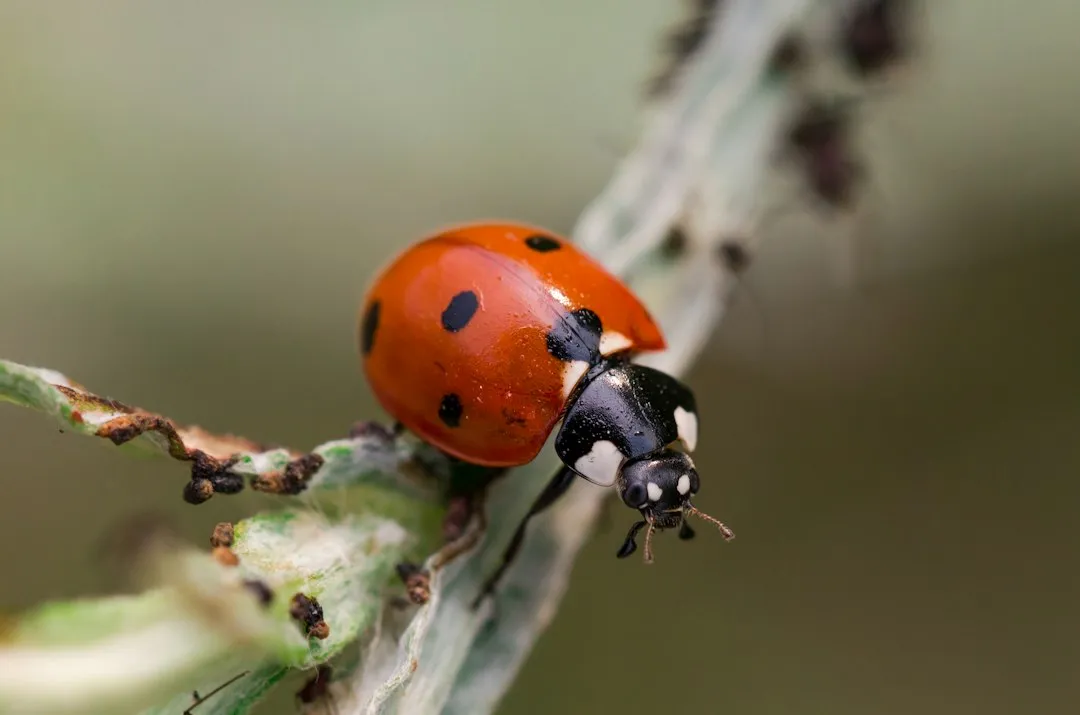
Some of those residents are the kind gardeners welcome, such as ground beetles and ladybugs that eat pests. Others are just quietly part of the food web. Either way, a short lawn offers far fewer of these hiding spots.
5. Birds and Small Wildlife Take Notice
🔥 Would you like to save this?
We'll email this post to you, so you can come back to it later!
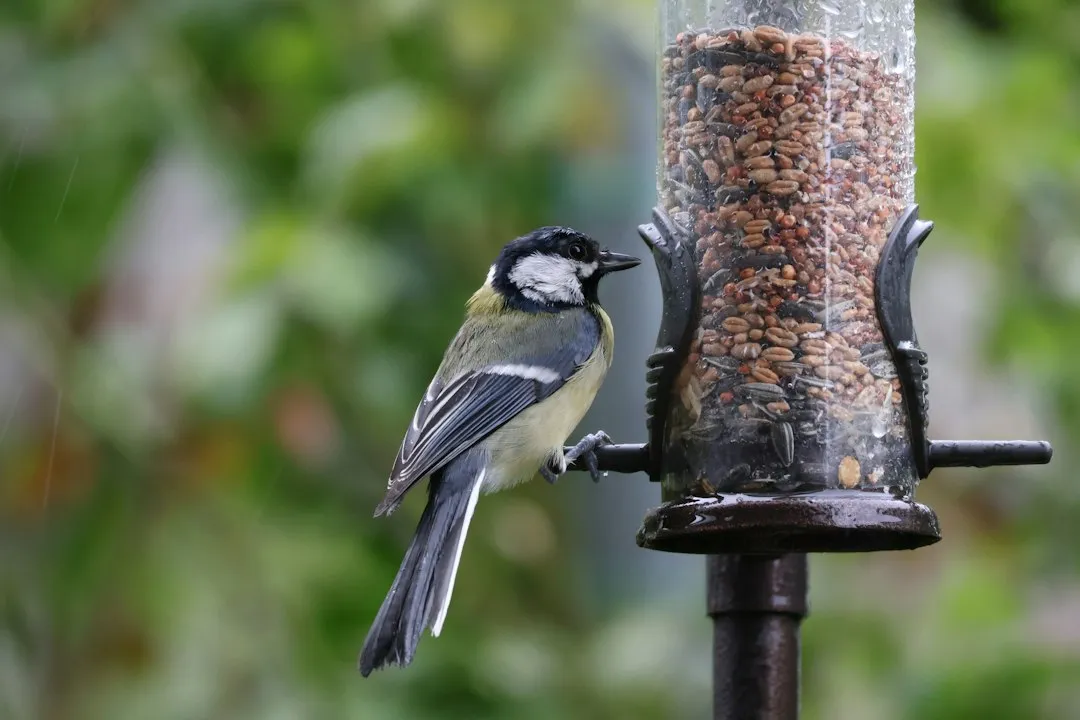
Where insects gather, birds follow. Seed heads left standing through autumn can feed finches and sparrows, and dense cover offers shelter from weather and predators. Even a small patch can become a regular stop on a bird’s route.
Small mammals, frogs, and toads may also use the cover, depending on where you live. I wouldn’t promise any particular visitor, though. What shows up depends on what’s already living nearby.
6. The Soil Slowly Improves

🔥 Would you like to save this?
We'll email this post to you, so you can come back to it later!
Without constant cutting, roots grow deeper and dead plant material stays put. That litter breaks down and feeds soil organisms, which is how healthy soil builds up. Undisturbed ground also tends to keep its structure better than ground that’s regularly compacted or bare.
Don’t expect a dramatic transformation in one year. Soil changes slowly, and the gains are gradual. Still, the direction of travel is generally positive.
7. Water Soaks In Better

🔥 Would you like to save this?
We'll email this post to you, so you can come back to it later!
Deeper roots and a thicker plant cover can help rain soak into the ground instead of running off. Leaf litter also shades the soil, which slows evaporation during dry spells. The effect is modest on a small patch, but it’s real in principle.
You might notice the area stays a little greener or damper after heat waves than the mowed lawn beside it. That’s not guaranteed, since it depends on the plants and weather. Still, it’s worth watching.
8. Some Unwanted Plants Take Hold
🔥 Would you like to save this?
We'll email this post to you, so you can come back to it later!
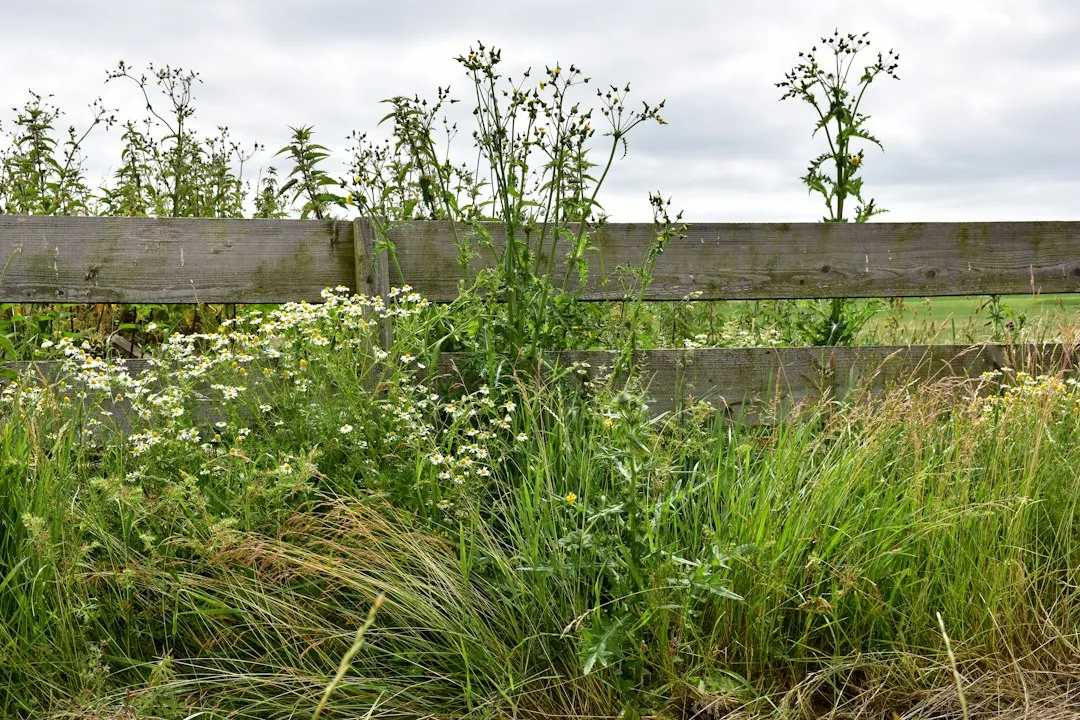
Here’s the less charming part. Invasive or aggressive species can move in quickly when nothing is cutting them back. Thistles, brambles, and tree seedlings are common examples, and some regions have noxious weed rules that apply to your property.
Check your local regulations before you start, especially if the patch is near a boundary or road. Pulling out any seedlings of invasive plants you recognize is a sensible compromise. A hands-off year doesn’t have to mean blind to what’s growing.
9. The Look Divides Opinion
🔥 Would you like to save this?
We'll email this post to you, so you can come back to it later!
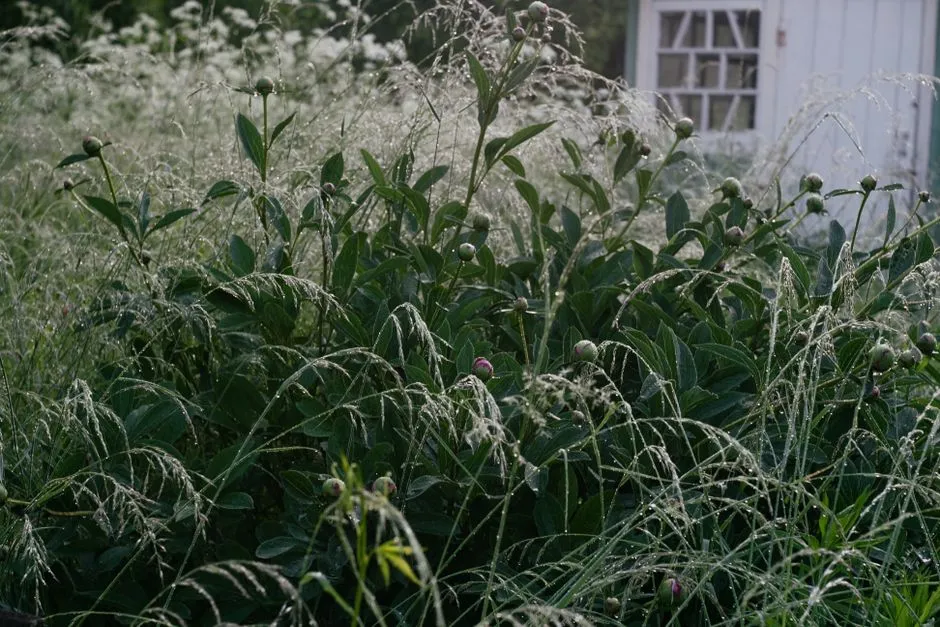
A shaggy patch can read as intentional or as abandoned, and neighbors don’t always agree on which. Some towns have rules about grass height, so it’s worth checking before you commit. A small sign saying it’s a wildlife patch, or a neat mown border around it, signals care.
That tidy edge matters more than you’d think. A crisp line makes tall growth look deliberate. It’s a cheap trick, and it works.
10. You Start Seeing Your Yard Differently
🔥 Would you like to save this?
We'll email this post to you, so you can come back to it later!
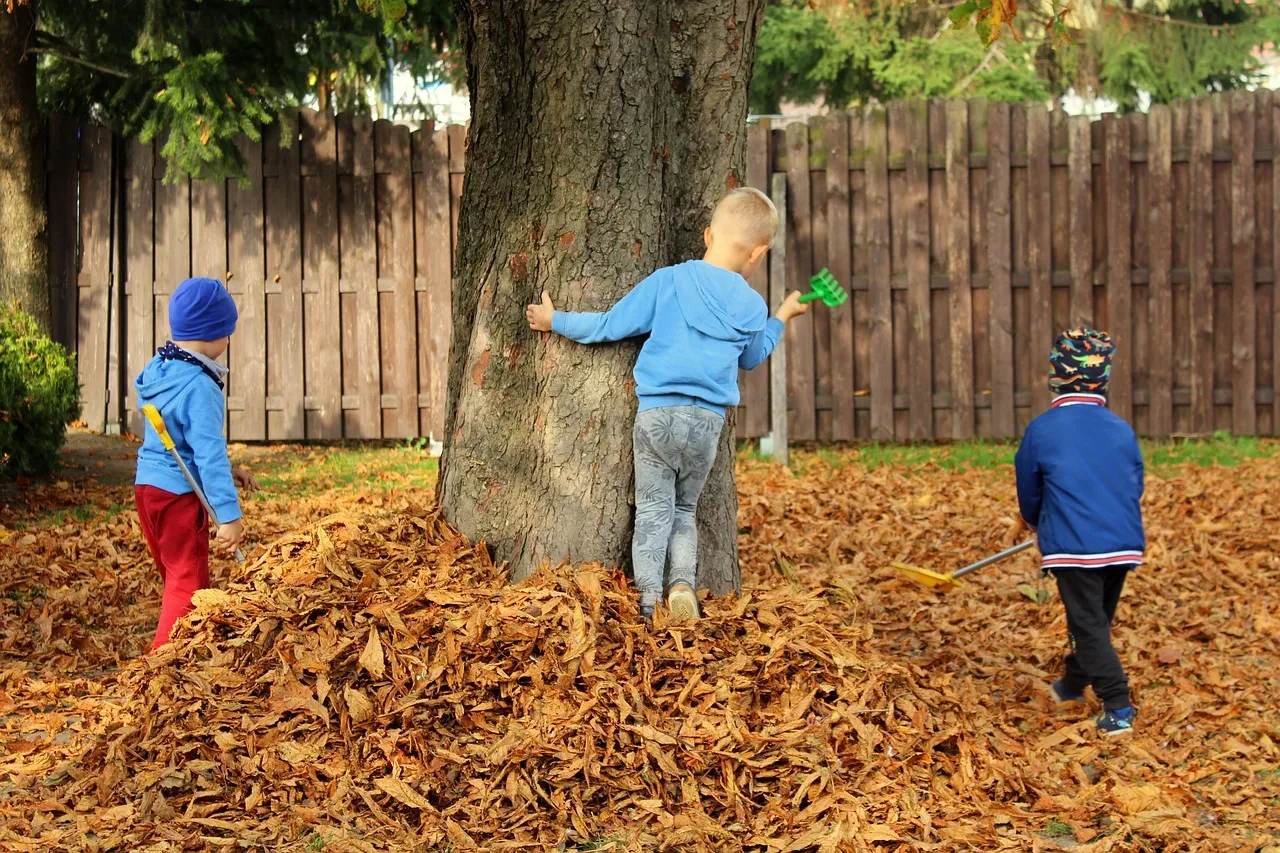
This one is harder to measure. Watching one corner change through spring, summer, autumn, and winter makes you more curious about what’s actually living there. You may find yourself checking on it the way you’d check a slow-moving show.
By the end of the year, you’ll have a clear picture of what your land does when left alone. That knowledge can guide what you mow, plant, or keep wild next. Plenty of people end up expanding the patch.
Final Thoughts
🔥 Would you like to save this?
We'll email this post to you, so you can come back to it later!
I think every yard should have a corner like this. It costs nothing, takes less work than a lawn, and teaches you more than a gardening book will. The only real price is a bit of tolerance for scruffiness.
Start small, trim a neat border, pull the invasives you spot, and then let the year run. Perfect lawns are overrated, and a patch left alone might be the most interesting square of ground you own.

- 7 Everyday Habits That Can Make Your Senior Dog Happier - November 5, 2026
- 10 Enigmatic Structures That Continue to Puzzle Scientists Today - November 5, 2026
- 10 Strange Ruins in the Americas That Challenge What We Know About Early History - November 5, 2026