
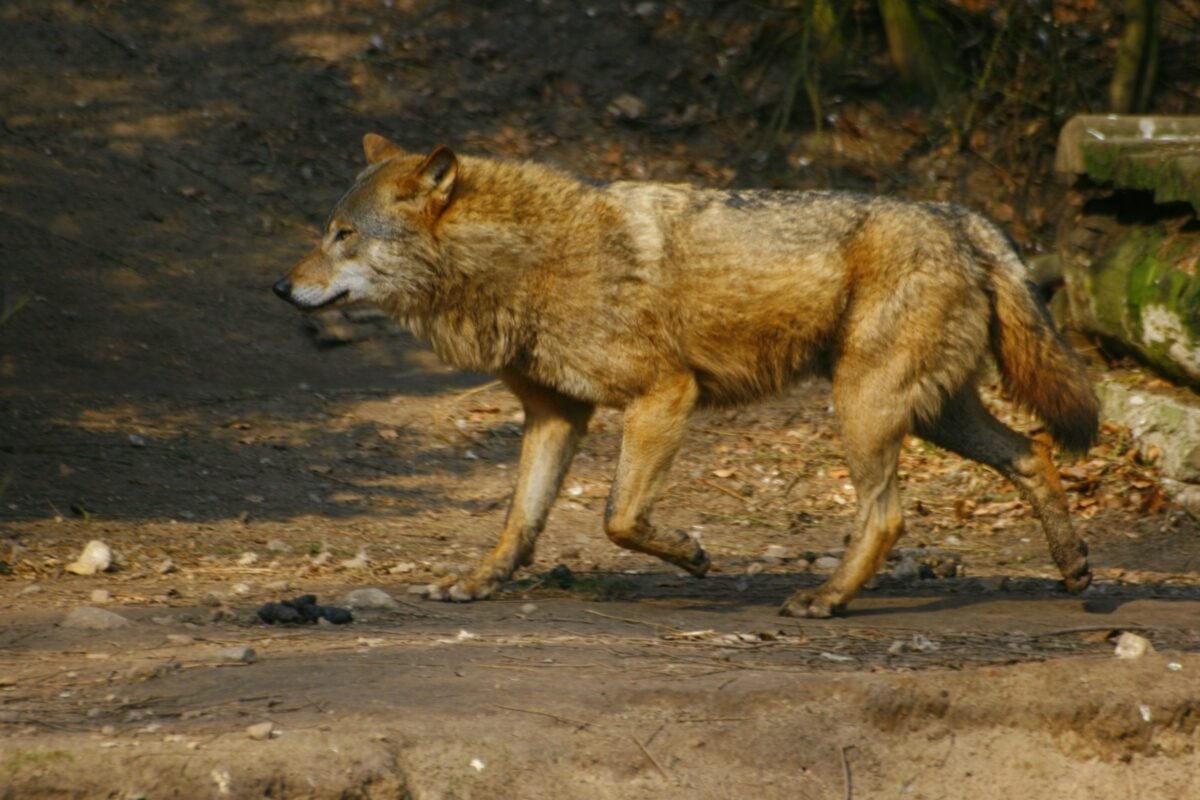
Most people think they know wolves. Howling at the moon, hunting in packs, maybe a scene from a nature documentary where a group brings down an elk in the snow. That image isn’t wrong, exactly, but it’s incomplete in a way that undersells just how specialized these animals really are.
Strip away the mythology and what’s left is an animal built with a stack of finely tuned abilities that, taken individually, would each be impressive in a single-species predator. Wolves happen to carry nearly all of them at once. Here’s a closer look at ten areas where wolves genuinely stand apart from the rest of the predator world.
A Nose That Works Like Long-Range Radar
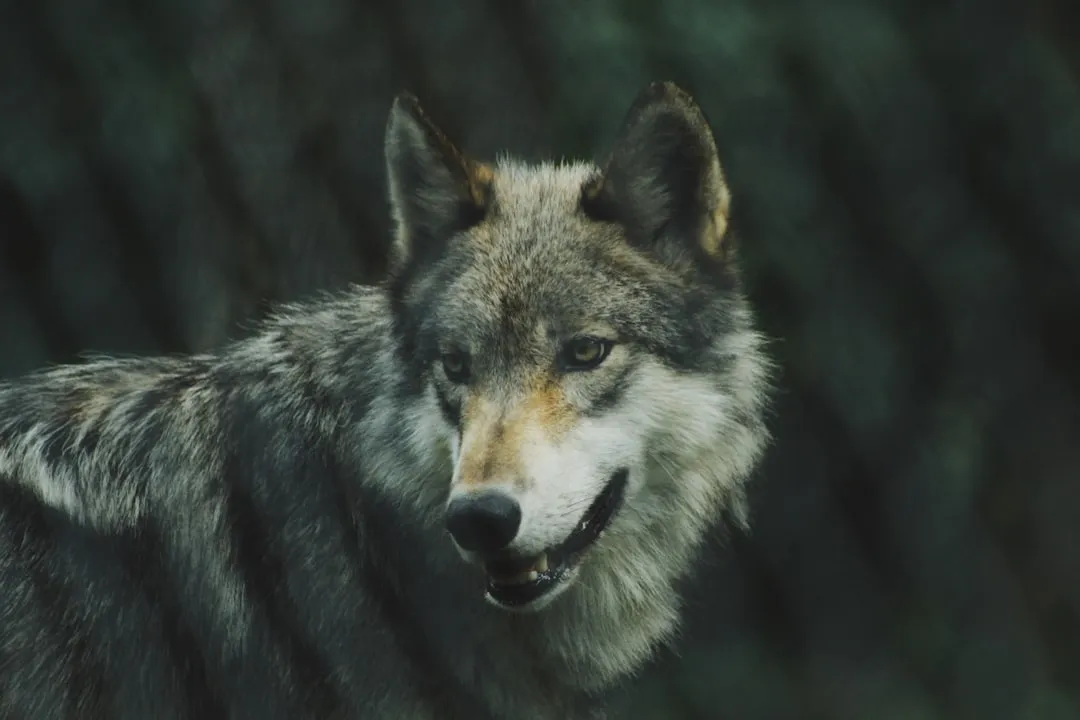
A wolf’s sense of smell isn’t just good, it’s operating on a different scale than almost anything else that hunts on land. Under favorable wind conditions, even the most favorable conditions produce a detection range of about 1.75 miles, which represents a particularly keen sense of smell. That’s more than a mile and a half of open ground where a deer or elk has no idea it’s already been noticed.
This isn’t a party trick. Wolves typically travel until they cross the scent trail of a prey species ahead of them, then move directly toward that prey in an effort to catch it. Part of what makes this possible is sheer biological hardware, since wolves have an olfactory system up to 100 times more powerful than humans. That gap in capability shapes almost everything else about how a wolf moves through its world.
Turning a Hunt Into Genuine Teamwork
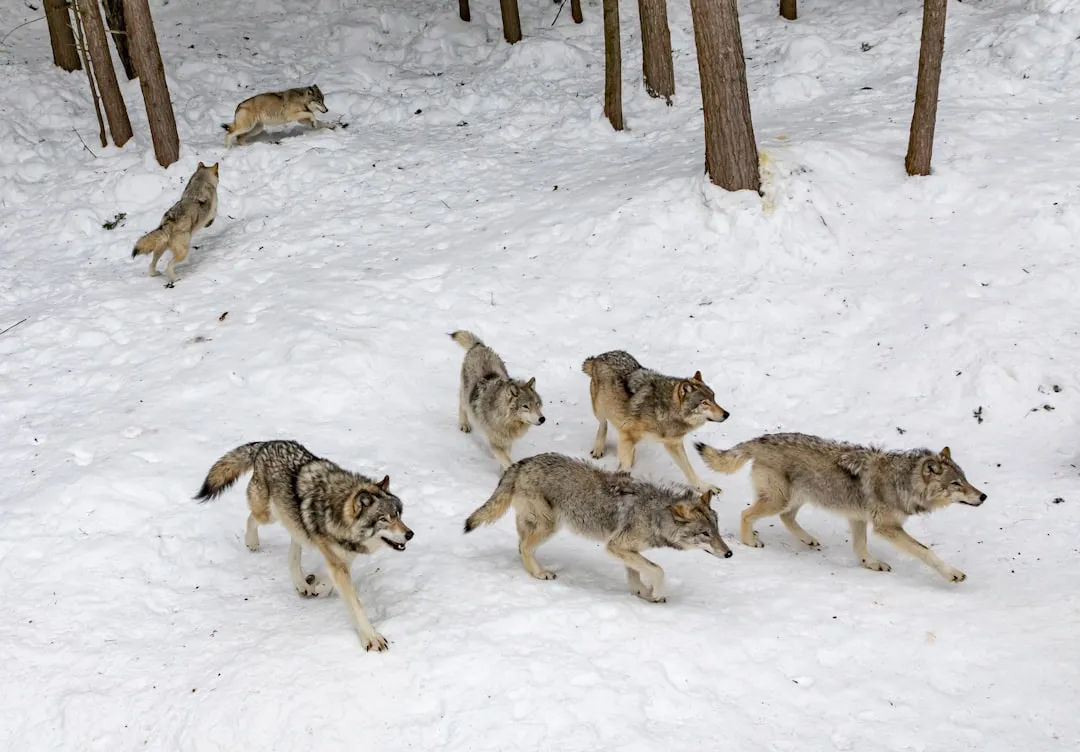
Bringing down an animal five or six times your own body weight isn’t something a single predator does casually, and wolves have built an entire hunting playbook around solving that problem together. Rather than relying on sheer strength, wolves often use cunning tactics to secure prey, with cooperative hunting being one of their most effective methods, where they work together to outmaneuver and exhaust their target. Two recognized versions of this show up again and again in field observations.
Ambushing happens when one or more wolves hide and wait for other pack members to drive prey toward them. The other approach, relay running, is different again, since it’s a cooperative, continuous chase in which pack members take turns playing different roles in the collective behavior. Researchers do debate how much of this reflects deliberate planning versus simpler shared instincts, but the outcome speaks for itself regardless of the mechanism behind it.
A Howl That Can Travel for Miles
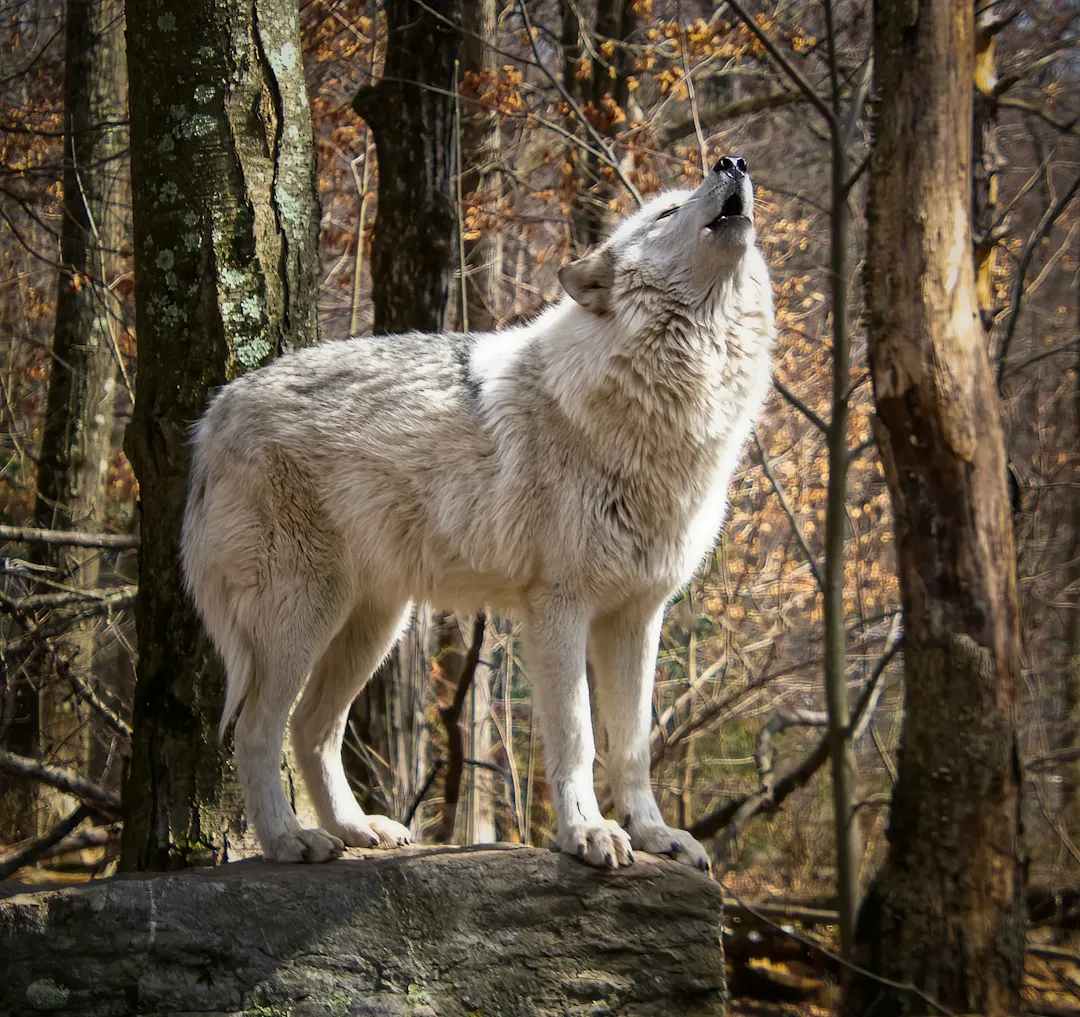
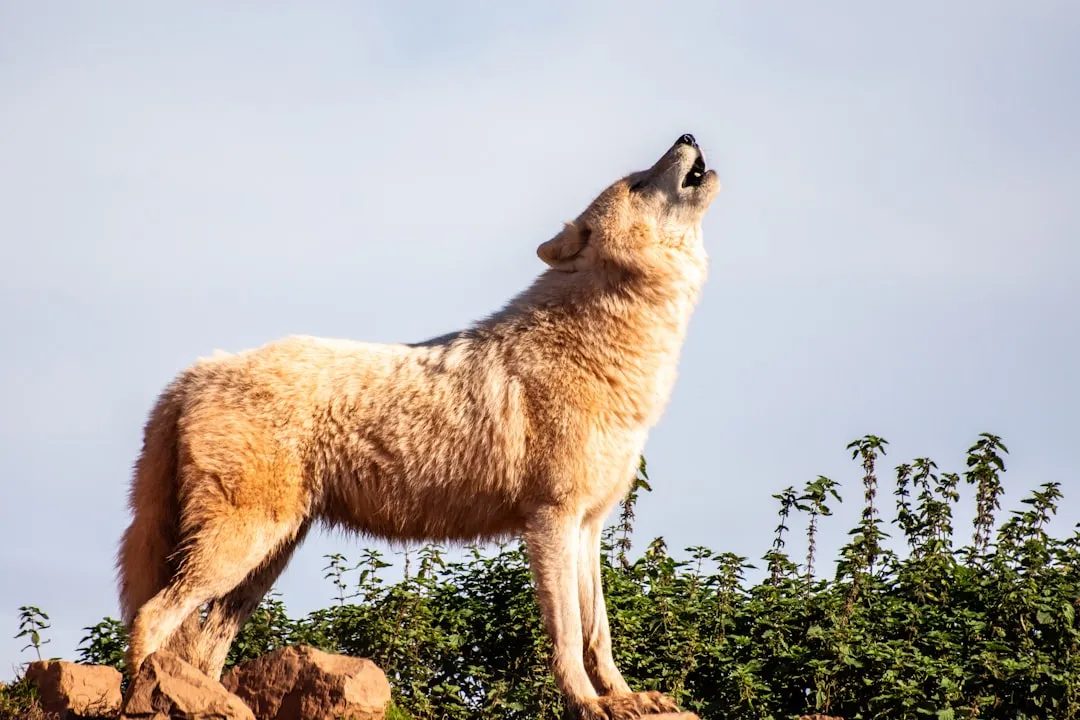
Few sounds in nature carry the way a wolf howl does. In open terrain, a wolf howl can be heard as far as 10 miles away, turning a single vocalization into a communication tool that spans entire valleys. That range matters because wolves use howling for more than one purpose at once.
Biologists don’t know all the reasons wolves howl, but they may do so before and after a hunt, to sound an alarm, or to locate other pack members when separated. It also functions as a kind of long-distance property line, since howling is one way that packs warn other wolves to stay out of their territory. No other land predator broadcasts information across that kind of distance quite so effectively.
Built for the Long Haul
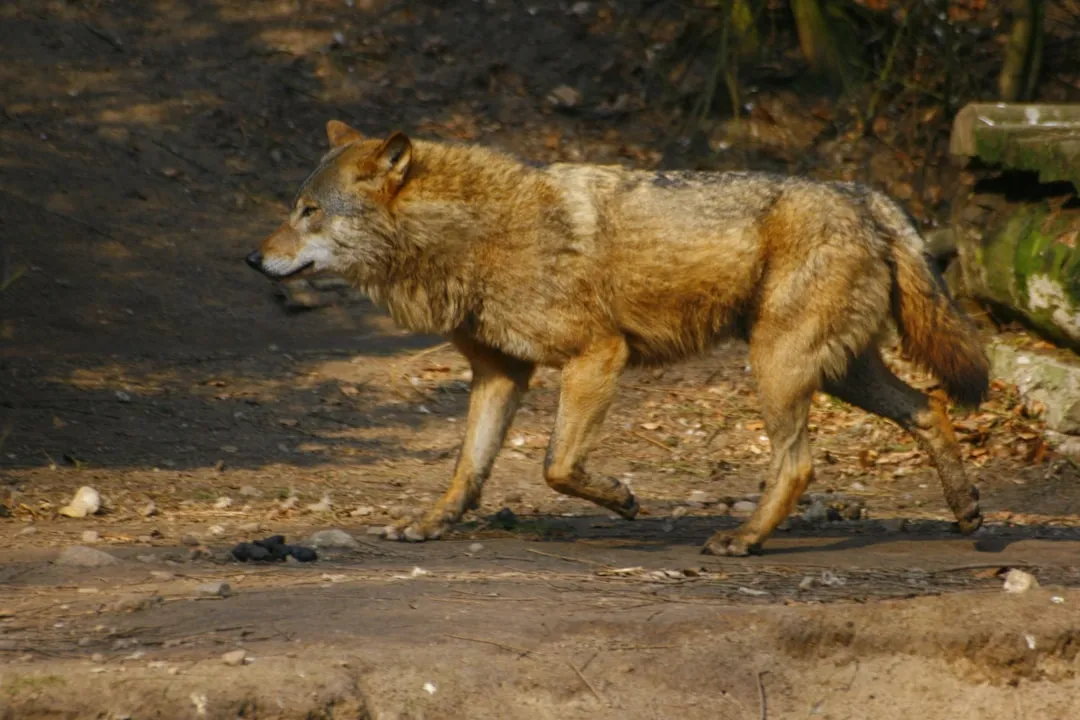
Speed gets the headlines, but endurance is really the wolf’s specialty. On a typical day, wolves may travel as far as 30 miles, usually trotting along at about 5 miles per hour but capable of speeds as high as 45 miles per hour in short bursts. That combination of a sustainable cruising pace and an explosive top gear is rare among predators of similar size.
Some individuals push this even further. Lone dispersing wolves have traveled as far as 500 miles in search of a new home, crossing unfamiliar territory, rival packs, and unpredictable terrain along the way. Few other land carnivores treat that kind of distance as a routine part of life rather than an exceptional event.
Raising Young As a Genuine Family Unit
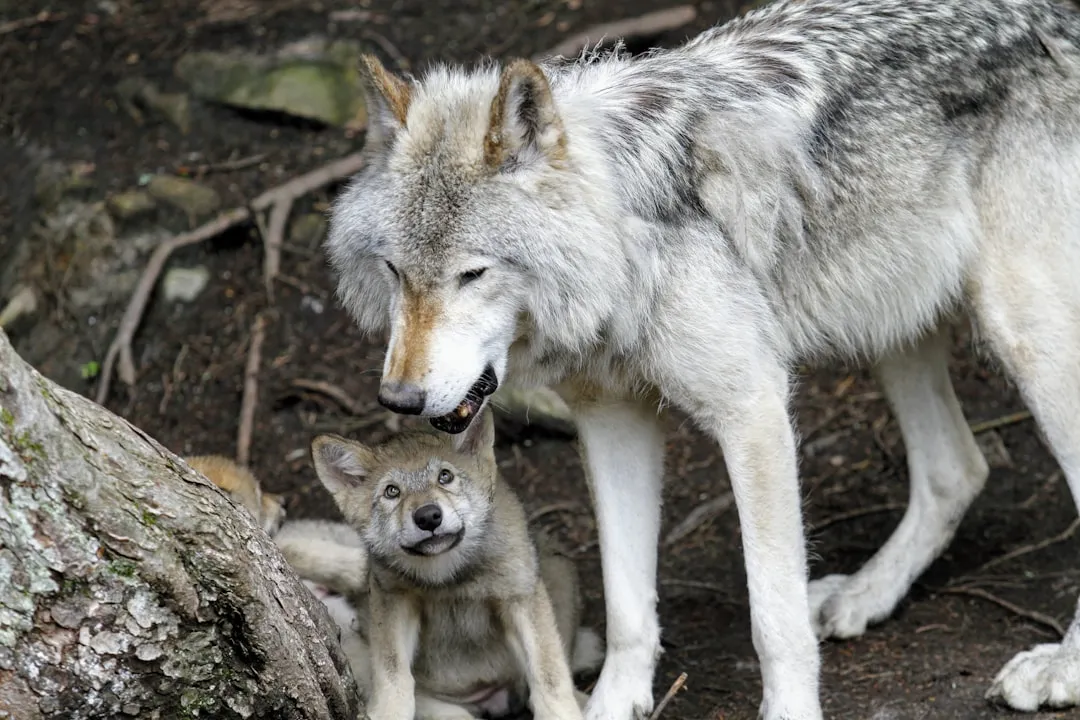
Wolf packs aren’t random groups of unrelated animals thrown together for convenience. In nature, wolf packs are a family unit consisting of a mated pair and their offspring, though occasional variations to this structure do exist. That family framework changes how young wolves are raised and how long they’re allowed to develop before they’re expected to contribute.
The selective advantage of hunting in these family packs appears to be parental provisioning of offspring, giving young wolves time, sometimes measured in years, to mature and perfect their hunting abilities. That’s a slow, patient investment in the next generation that few other predators can afford to make in the wild.
Ears Tuned to Catch What Others Miss
Smell might get most of the attention, but a wolf’s hearing is nearly as remarkable in its own right. Next to smell, hearing is the most acute of the wolf’s senses, allowing detection of sound as far as six miles away in forest and ten miles in open country. That’s a functional early warning system that operates around the clock, regardless of wind direction.
Frequency range plays a role too. Wolves hear well up to a frequency of 25 kHz, well beyond the upper limit of human hearing and into territory that lets them pick up the rustling and high-pitched calls of small animals that would otherwise go unnoticed. Combined with scent, it gives them two independent, long-range ways of reading the landscape before ever laying eyes on it.
Thriving Across Wildly Different Landscapes
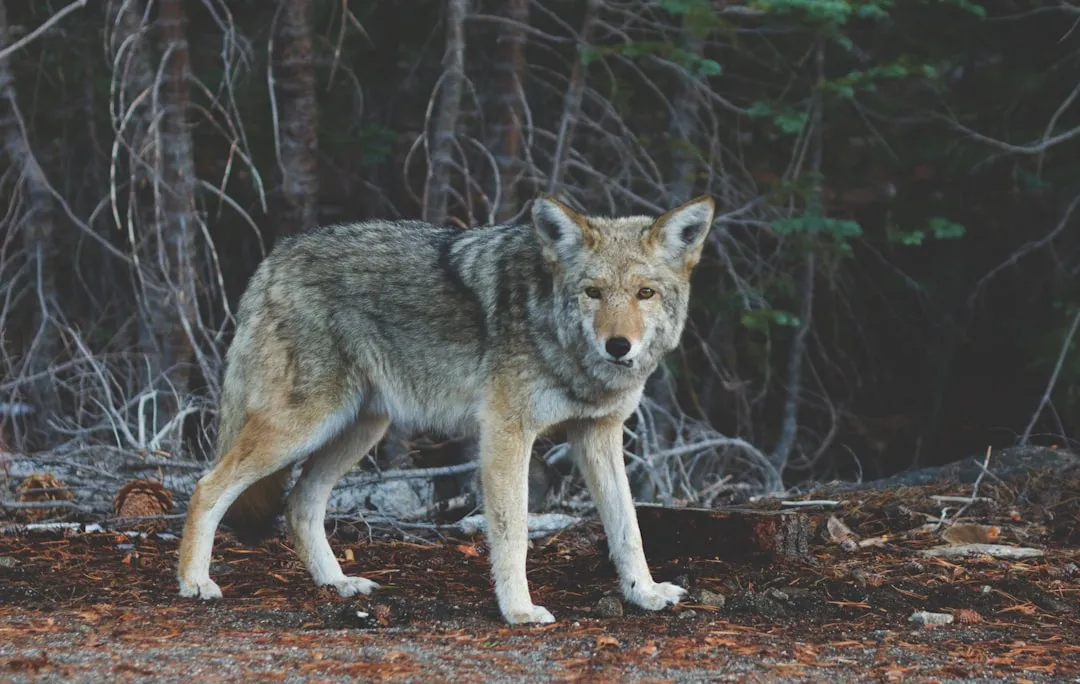
Few large predators have managed to adapt to as many different environments as wolves once did, and to some degree still do. The gray wolf was once widespread throughout North America, Central America, Europe, Asia, and even parts of Africa, and now exists primarily in parts of the northern United States, Canada, and Eurasia. Even today, small populations persist in places like Arizona, southern Europe, Scandinavia, Egypt, and Ethiopia, a strikingly broad spread for one species.
Part of that adaptability shows up in how flexible territory size actually is. Territory size depends heavily on prey density and availability, so wolves in Minnesota, where white-tailed deer are abundant, don’t need to travel far to find food, while wolves in Alaska, where prey density is lower, may need much larger territories. That willingness to recalibrate based on local conditions is a big part of why the species has survived in so many different climates.
A Body Built for Both the Chase and the Grab
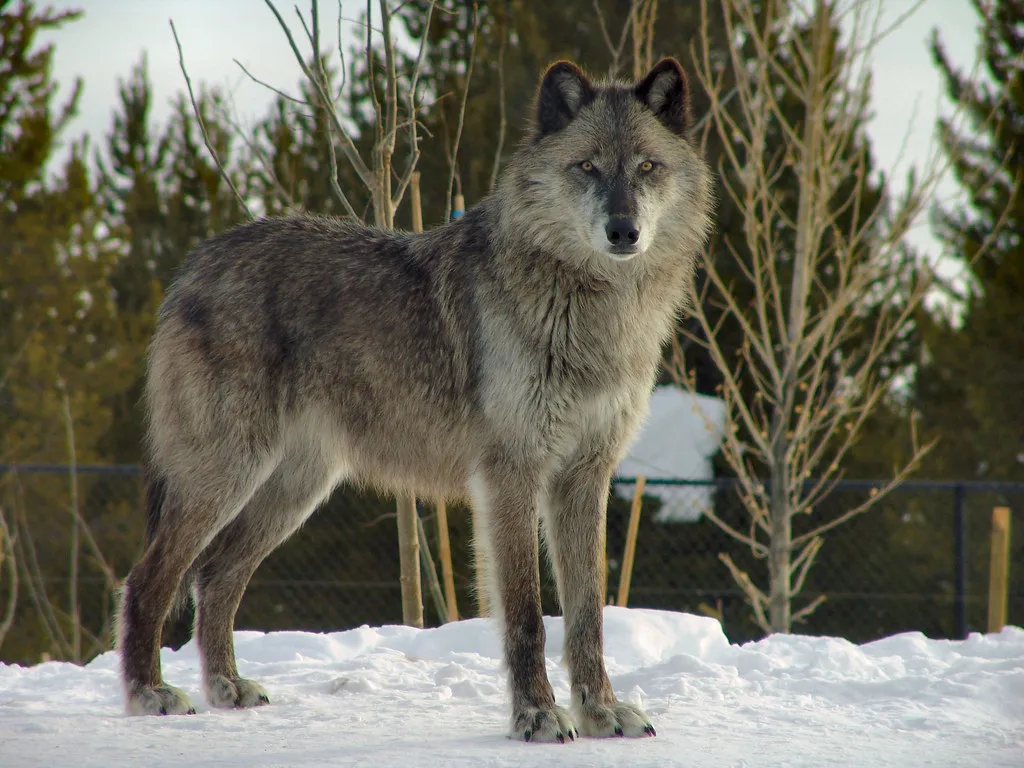
Underneath all the strategy and endurance is an animal that’s simply well engineered for the physical work of hunting. Their jaws are not to be underestimated, since a wolf’s bite force is roughly 400 to 1,500 psi, two to five times that of a typical German shepherd, more than enough to crush bone when needed. That’s a serious mechanical advantage once a chase actually ends.
The rest of the body is built to get them there in the first place. A deep, narrow chest with splayed front legs lets their rear feet follow the same path as their front feet, moving them across ground efficiently, while that same deep chest houses large lungs that keep the body well oxygenated during sustained effort. It’s a frame designed less for a single explosive burst and more for hours of steady, tireless movement.
Settling Territorial Disputes Without Constant Bloodshed
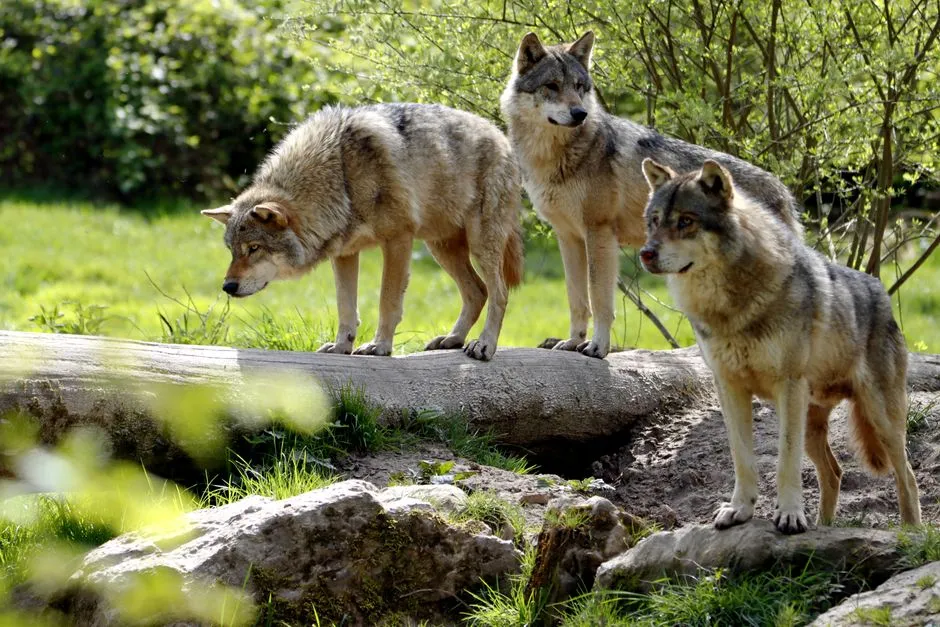
Wolves have developed a surprisingly efficient way of avoiding unnecessary fights over territory, relying on signals rather than confrontation whenever possible. Scent plays a major role here, since wolves have two scent glands, one near the rear and another near the base of the tail, used to mark territory that can range from 50 to 1,000 square miles. That marking effectively posts boundaries long before any physical encounter needs to happen.
Howling adds another layer of information to that system. Inter-pack howling can help wolves identify the size and strength of different packs, often determining whether they decide to attack or retreat, which means conflicts get assessed acoustically before anyone commits to a fight. It’s a form of long-distance risk assessment that few other predators bother to develop to this degree.
Reshaping an Entire Ecosystem Around Them
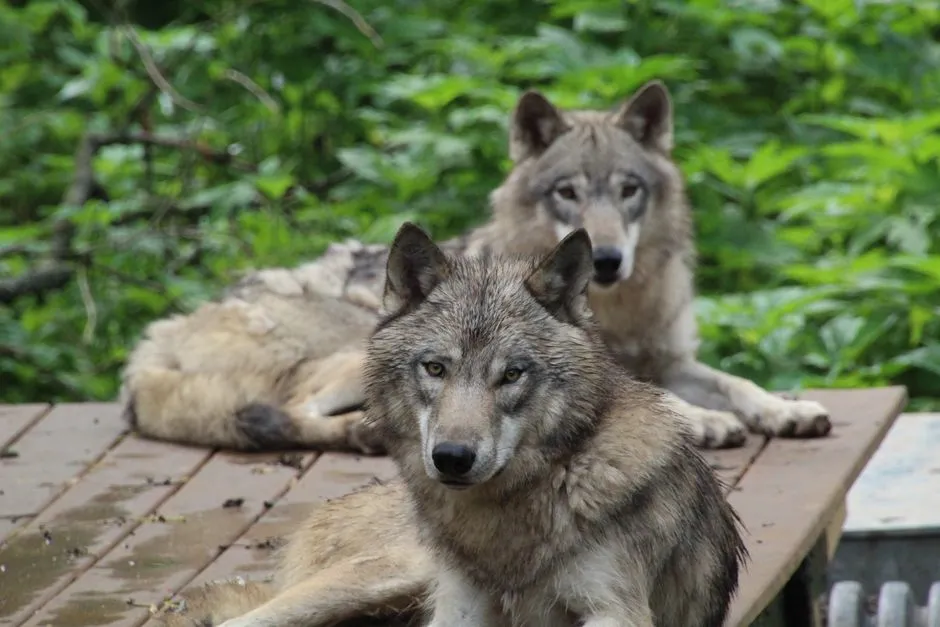
Perhaps the most striking thing wolves do is something most predators never manage at all, which is visibly reorganize the ecosystem they live in. When gray wolves were reintroduced into Yellowstone National Park in 1995, it resulted in what scientists describe as a trophic cascade through the entire ecosystem. The mechanism behind it traces back to elk behavior, since during the roughly seven decades wolves were absent from the park, elk grew accustomed to grazing tender native willows without much predation risk, and the resulting elk population led to a decline in the deciduous trees elk eat, a decline in beavers tied to the loss of willow and aspen, and a decline in songbirds.
The recovery numbers are tangible. Before 1995, only a single beaver colony remained in Yellowstone, and by 2023 that number had grown to nine and was still rising. It’s worth noting that not every ecologist agrees on the exact scale of this effect, since a rebuttal published in 2025 challenged aspects of the original trophic cascade analysis and argued it overstated the strength of the pattern. Even accounting for that debate, though, no other North American predator has been studied so closely for its ripple effects on plants, rivers, and other animal populations, which says something on its own about the role wolves play at the top of a food web.
Ten categories, and in every single one wolves aren’t just competent, they’re specialists. What makes the species genuinely rare isn’t any one skill on this list taken alone. Plenty of predators have sharp senses, or strong legs, or social structures of some kind. It’s the fact that wolves stack nearly all of these traits into a single animal, and then organize that animal into a cooperative unit, that puts them in a category by themselves. If there’s an argument to be made for why wolves deserve more credit than the folklore usually gives them, it’s this: the reputation was never really about mystery or menace. It was about competence, built layer by layer, and that’s a far more interesting story than the one most of us grew up hearing.
