

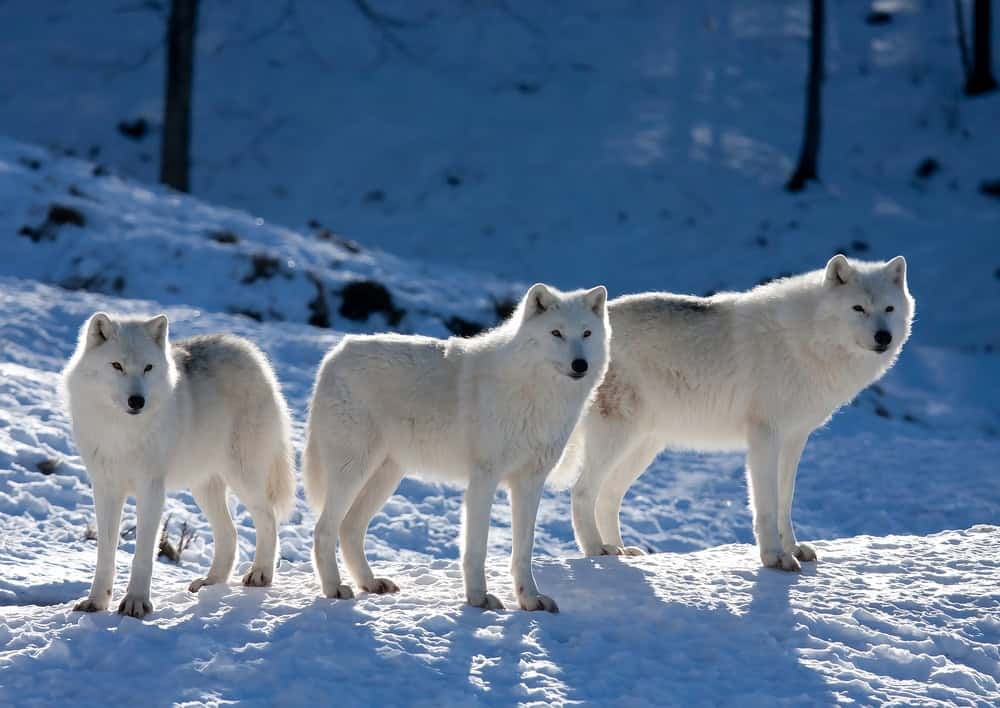
Have you ever wondered what wolves do when the world turns white and cold? These magnificent creatures may seem like they vanish into the snowy abyss, but the truth is far more fascinating. Wolves are mysterious, and their winter habits are nothing short of astonishing. Prepare to be surprised, intrigued, and inspired as we delve into the secretive winter world of wolves.
Wolves Keep Warm with Social Snuggling

When temperatures drop, wolves have a heartwarming way to keep cozy. They huddle together in a tight-knit group, sharing body heat and conserving energy. This behavior, known as social thermoregulation, is a testament to their strong social bonds. Imagine a furry blanket of warmth, where each wolf plays a critical role in keeping the pack comfortable. It’s like a family gathering around a fireplace, each member contributing to the warmth and comfort of the group. This communal snuggling not only keeps them warm but also strengthens their social ties.
Wolves Change Their Diet to Survive

Winter’s chill brings a scarcity of food, and wolves must adapt their diet to survive. While they typically hunt large prey like deer and elk, the snow can make these hunts more challenging. Instead, wolves may shift their focus to smaller animals, such as hares and rodents, or even scavenge for carrion. This dietary flexibility is crucial for their survival, showcasing their adaptability and resourcefulness. It’s a survival game, where every meal counts, and wolves are the ultimate strategists.
Wolves Use Their Paws as Snowshoes

Wolves are built for winter, and their paws are a testament to this. With a large surface area and thick fur, their paws act like natural snowshoes, allowing them to move efficiently over snow. This adaptation gives them an edge in pursuing prey and navigating the challenging winter landscape. Picture a graceful dance across the snow, where each step is calculated and precise. Their paws are not just tools for movement but are vital for their survival in the harsh winter months.
Wolves Rely on Their Keen Sense of Smell

In the winter, when visibility is often limited, wolves rely heavily on their acute sense of smell. This powerful sense allows them to detect prey hiding beneath the snow or to sense the presence of rival packs. It’s a sixth sense that guides them through the winter wilderness, much like a compass guiding a traveler through a foggy night. Their noses become their most trusted allies, ensuring they can find food and stay one step ahead of danger.
Wolves Communicate Through Howls

The haunting sound of a wolf’s howl is amplified in the winter air, carrying messages across vast distances. Wolves use howling to communicate with their pack, coordinate hunts, and mark their territory. It’s an ancient language, rich with meaning and emotion, echoing across the snowy landscape like a mysterious melody. Each howl is unique, a signature of identity, and a call to unity. The winter howl is more than a sound; it’s a symbol of connection and survival.
Wolves Form Stronger Pack Bonds

Winter is a time when wolves strengthen their pack bonds, relying on each other more than ever. The harsh conditions demand cooperation and trust, fostering a sense of unity and loyalty. It’s a season of bonding, where challenges become opportunities to grow closer. Imagine a team working in perfect harmony, each member contributing to the success of the whole. The winter months forge relationships that are as resilient as the wolves themselves.
Wolves Build Snow Dens

While wolves don’t hibernate, they do create cozy snow dens to shelter from the worst of the winter weather. These dens provide protection from the wind and cold, offering a safe haven for rest and recovery. It’s like building a fortress in the snow, a place of refuge and security. These dens are more than just shelters; they are symbols of resilience and ingenuity, crafted with care and precision.
Wolves Travel Long Distances

Despite the challenges of winter, wolves are known for their impressive long-distance travel. They can cover vast territories in search of food, often traveling 30 miles or more in a single day. This relentless wanderlust is driven by necessity, as they seek out new hunting grounds and opportunities. Picture a journey through a winter wonderland, where every step is purposeful and determined. Their endurance and persistence are awe-inspiring, a testament to their strength and will.
Wolves Adapt Their Hunting Strategies

Winter hunting requires wolves to adapt their strategies to the conditions. The snow can hinder their usual tactics, so they must be creative and resourceful. Wolves may use the snow to their advantage, driving prey into deep drifts where they can be more easily caught. It’s a game of strategy and cunning, where wolves must outthink their prey. Their ability to adapt and innovate is a key to their success, showcasing their intelligence and skill.
Wolves Play in the Snow

Winter isn’t all about survival; wolves also find time for play. They engage in playful activities, such as chasing each other through the snow or pouncing on snowdrifts. This play serves as practice for hunting and strengthens social bonds within the pack. Imagine a joyful frolic in a snow-covered playground, where laughter and camaraderie reign. Their playfulness is a reminder that even in the harshest conditions, joy can be found.
Wolves Conserve Energy

Energy conservation is crucial for wolves in winter, and they have developed strategies to minimize energy expenditure. By reducing unnecessary movement and resting frequently, wolves conserve precious energy for hunting and survival. It’s a delicate balance, where every action is weighed against its cost. This conservation mindset is a lesson in efficiency, showing how wolves make the most of their resources.
Wolves Follow Migrating Prey

Some wolves follow migrating prey animals, such as caribou or elk, to ensure a steady food supply. This seasonal migration requires careful planning and coordination within the pack. It’s like a grand journey, where the destination is survival and the path is guided by instinct. Their ability to track and follow prey over long distances is a testament to their intelligence and adaptability.
Wolves Use Camouflage

The winter landscape provides a natural camouflage for wolves, allowing them to blend into their surroundings. Their thick, gray coats mimic the colors of the snow and forest, aiding in stealth and surprise during hunts. This natural disguise is a powerful tool, turning them into ghostly figures that move unseen through the winter world. Their camouflage is more than just a physical trait; it’s a symbol of their connection to the environment.
Wolves Maintain a Hierarchical Structure

Even in winter, wolves maintain a strict hierarchical structure within the pack. This social order ensures that resources are shared fairly and that the pack functions smoothly. It’s a system of leadership and cooperation, where each member knows their role and responsibilities. The hierarchy is not just a structure; it’s the backbone of their society, fostering stability and harmony.
Wolves Exhibit Strong Parental Care

Winter can be a challenging time for wolf pups, and parental care is crucial for their survival. Adult wolves provide warmth, protection, and food, nurturing the next generation with dedication and love. It’s a family affair, where every member plays a part in raising the young. This nurturing behavior is a heartwarming reminder of the importance of family and community, even in the wild.
Wolves Inspire Awe and Wonder

Wolves in winter are a symbol of resilience, mystery, and beauty. Their ability to thrive in harsh conditions inspires awe and wonder, capturing the imagination of all who encounter them. They are more than just animals; they are legends of the wild, embodying the spirit of survival and adventure. As you ponder the secretive winter world of wolves, ask yourself: What other mysteries lie hidden in the snowy wilderness?

As a little kid, I fell in love with nature, wildlife, and animals. Living in the USA, South Africa, Italy, China and Germany gave me the opportunity to discover the world's Wildlife. My favorite animals are Mountain Gorillas, Siberian Tigers, and Great White Sharks.
I'm a certified PADI Open Water Diver, went to Everest Base Camp and Trekked Gorillas in Uganda. I hold a Master of Science in Economics and Finance.
Please send any feedback to feedback@animalsaroundtheglobe.com
- 10 Most Unique Reptiles You will See in the US - July 21, 2026
- 3 Dangerous Invasive Species the USA Must Eradicate - July 21, 2026
- 10 Things That Calm Cats And 4 That Make Them Nervous - July 21, 2026