
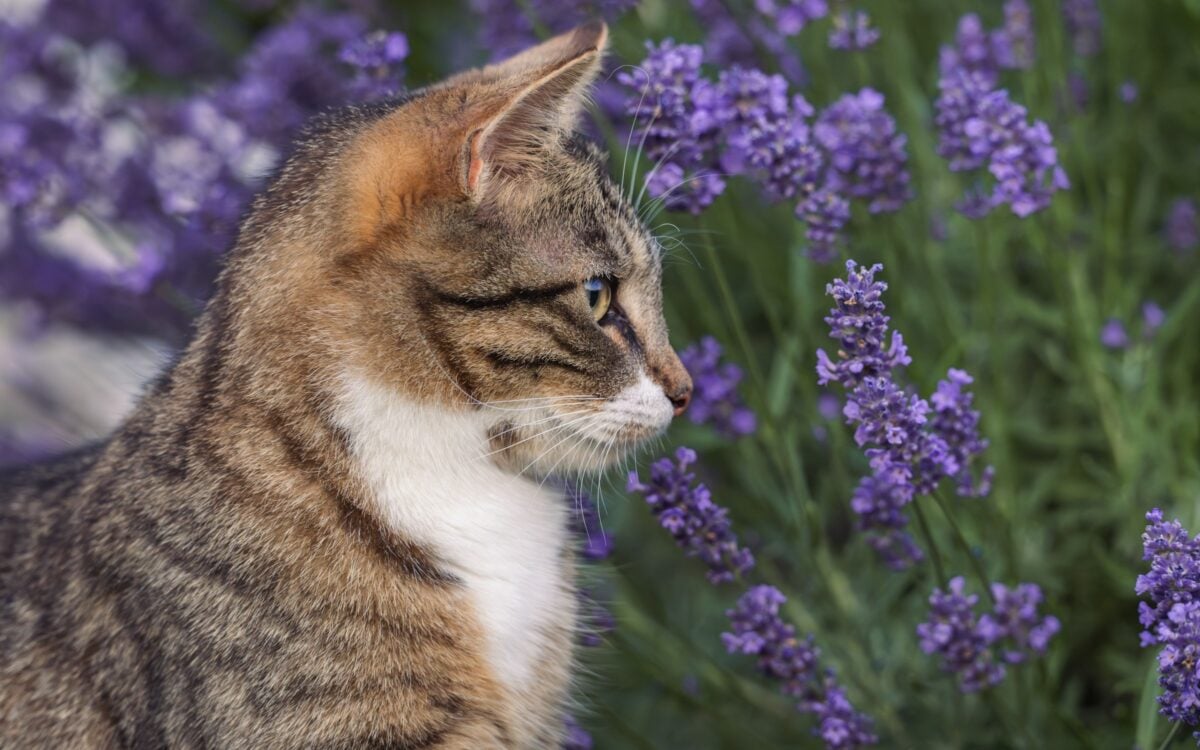
Cats have a reputation for being aloof, but anyone who has lived with one knows the truth is more nuanced. They notice routines, moods, tones of voice, and the smallest changes in their space. They also tend to show stress quietly, which means many of us miss the signs until a habit has already caused harm.
Some of the mistakes below come from good intentions. Others come from old myths that just won’t go away. Here are ten things worth dropping from your routine, along with the reasons behind each one.
1. Never Punish Your Cat With Yelling or Physical Force
🔥 Would you like to save this?
We'll email this post to you, so you can come back to it later!
Hitting, flicking, or shouting at a cat doesn’t teach what you hope it teaches. Cats don’t connect a delayed scolding with something they did minutes ago. What they do learn is that you can be unpredictable, and that makes you less safe to be around.
Fear can show up as hiding, hissing, or even more scratching and biting. Veterinary and behavior groups generally recommend reward based training instead. Redirect the behavior, praise the good choice, and give the cat a better outlet.
2. Never Declaw Your Cat
🔥 Would you like to save this?
We'll email this post to you, so you can come back to it later!
Declawing sounds like a simple nail trim, but it isn’t. It involves amputating the end bone of each toe, and it’s a surgery that many veterinary organizations strongly discourage. It’s banned or restricted in a number of countries and some places in the United States.
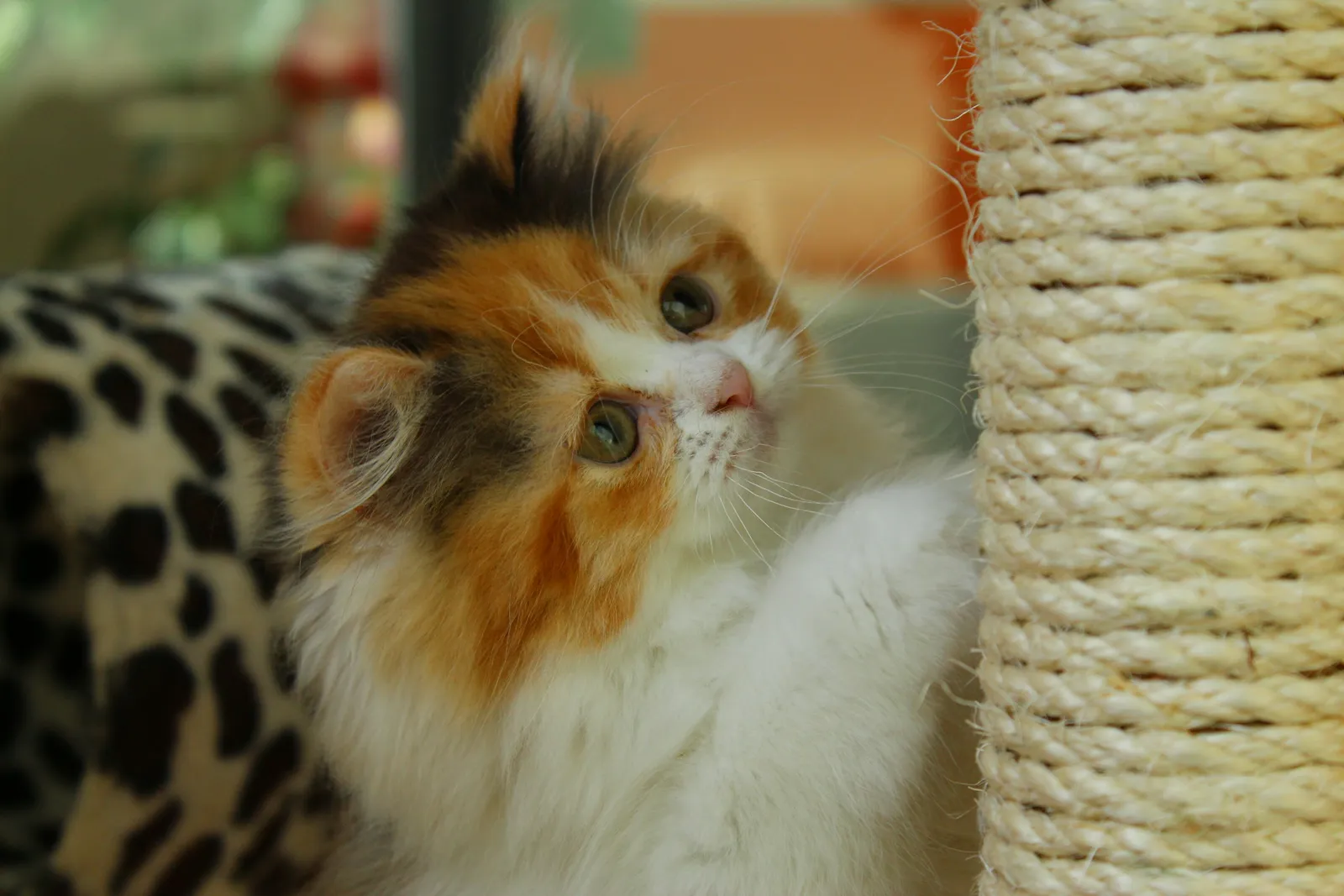
Cats can be left with pain and may be more prone to litter box problems or biting afterward. Regular nail trims, sturdy scratching posts, and soft nail caps are kinder options. Scratching is normal cat behavior, so the goal is to guide it, not erase it.
3. Never Give Your Cat Human Medication
🔥 Would you like to save this?
We'll email this post to you, so you can come back to it later!
It’s tempting to reach into your own medicine cabinet when your cat seems unwell. Don’t. Common pain relievers such as acetaminophen and ibuprofen can be dangerous or deadly for cats, because their bodies process drugs very differently from ours.
Even small doses can cause serious harm. Always call your vet or an animal poison hotline first if you think your cat has swallowed something, or if they seem to be in pain. Guessing at a dose isn’t worth the risk.
4. Never Feed Toxic Foods
🔥 Would you like to save this?
We'll email this post to you, so you can come back to it later!
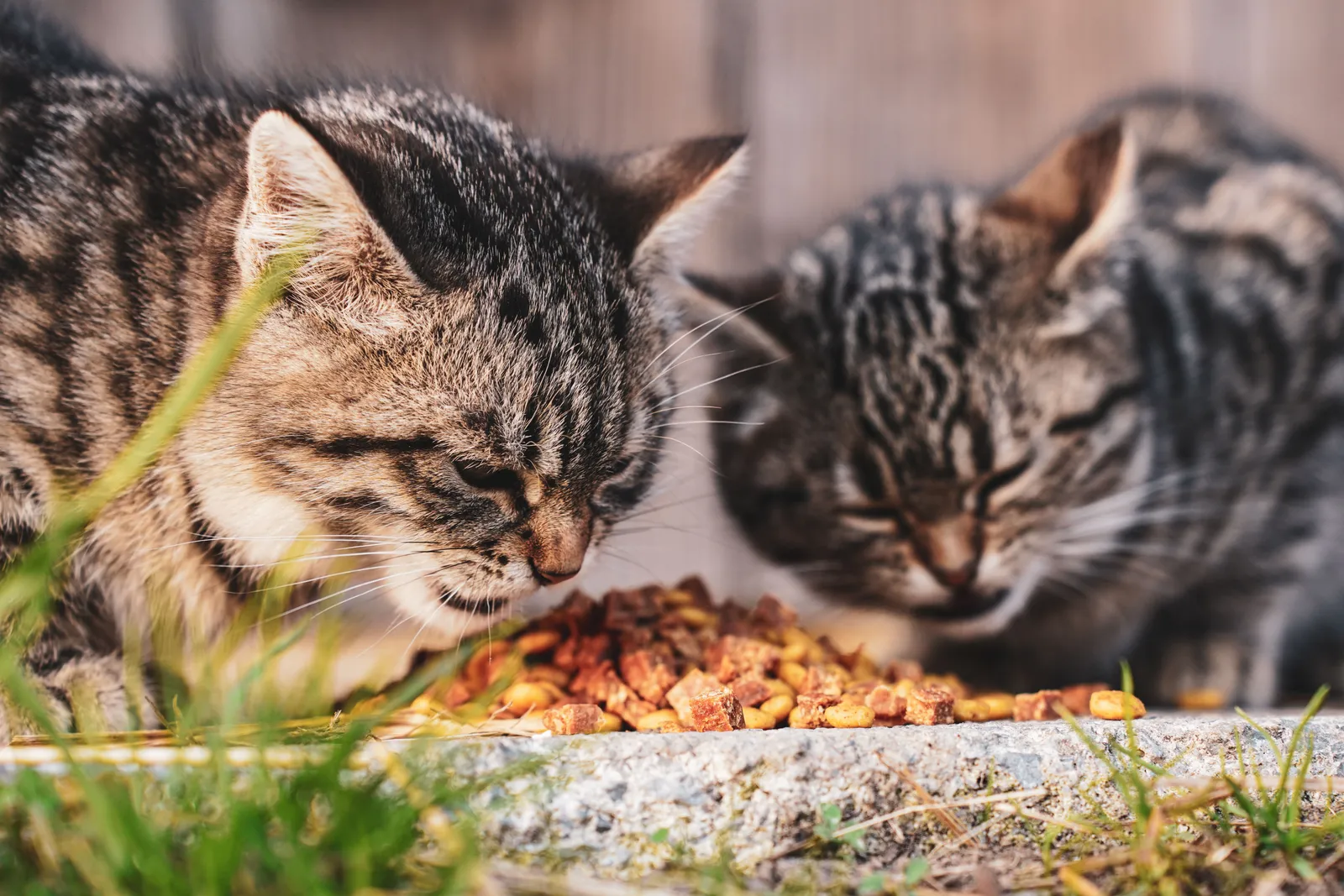
Several everyday foods are unsafe for cats. Onions, garlic, chocolate, grapes and raisins, alcohol, and caffeine are all on the commonly cited list of things to keep away from them. Lilies are another well known hazard, and even small exposure to the plant can seriously harm a cat’s kidneys.
Cats are obligate carnivores, so they need a diet built around animal protein and complete cat food. Treats from your plate, even harmless ones, can add up and upset their stomachs or weight. When in doubt, check with your vet before sharing anything new.
5. Never Ignore Changes in Litter Box Habits
🔥 Would you like to save this?
We'll email this post to you, so you can come back to it later!
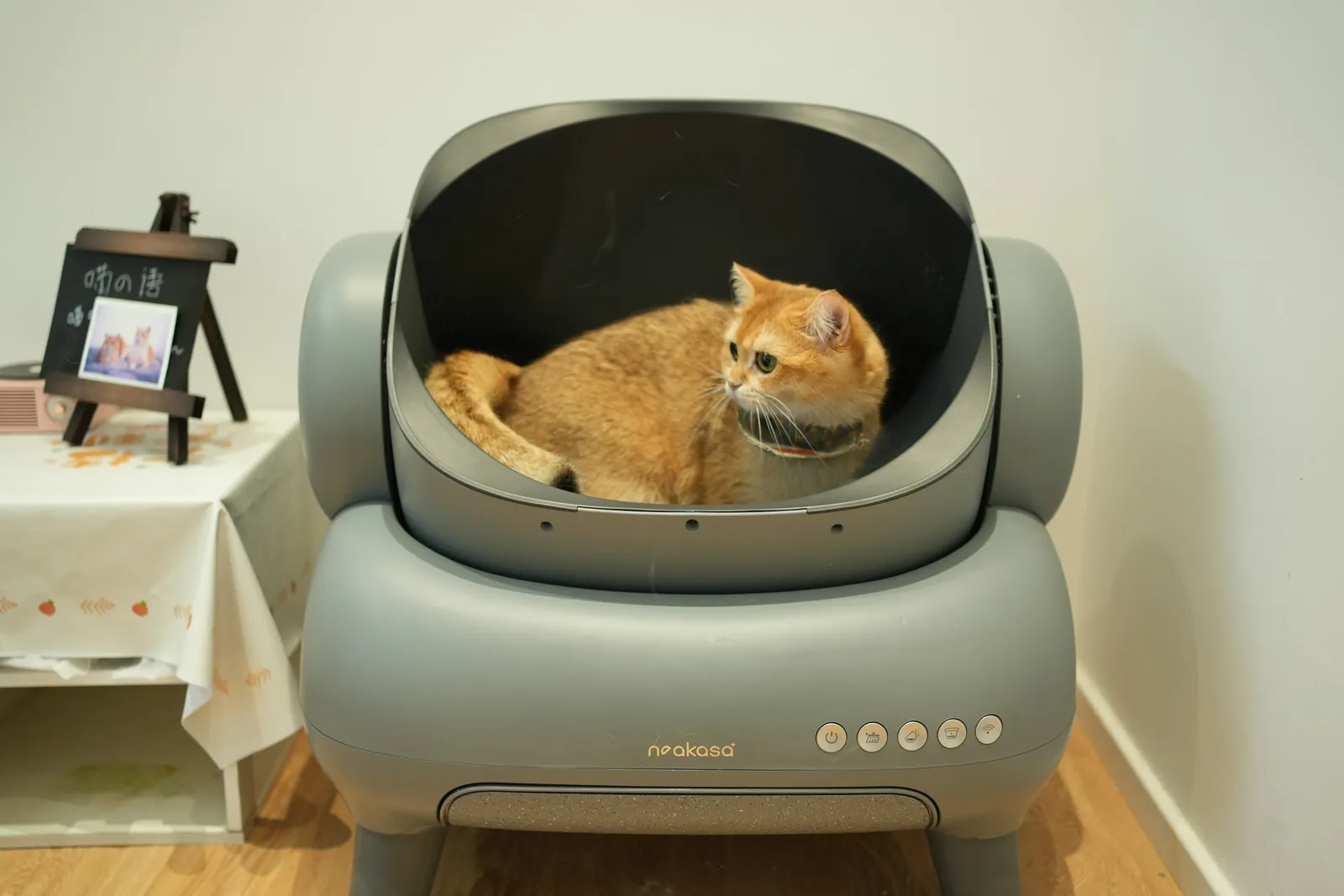
When a cat suddenly stops using the litter box, it’s rarely spite. More often it’s a message. Urinary problems, pain, stress, or a box that’s too dirty can all be the cause.
Straining to urinate or frequent trips with little output deserve prompt veterinary attention, especially in male cats, since blockages can become emergencies. Scold them and you’ll only add stress to the problem. Look for the cause instead, starting with a vet visit.
6. Never Skip Vet Visits Because Your Cat Seems Fine
🔥 Would you like to save this?
We'll email this post to you, so you can come back to it later!
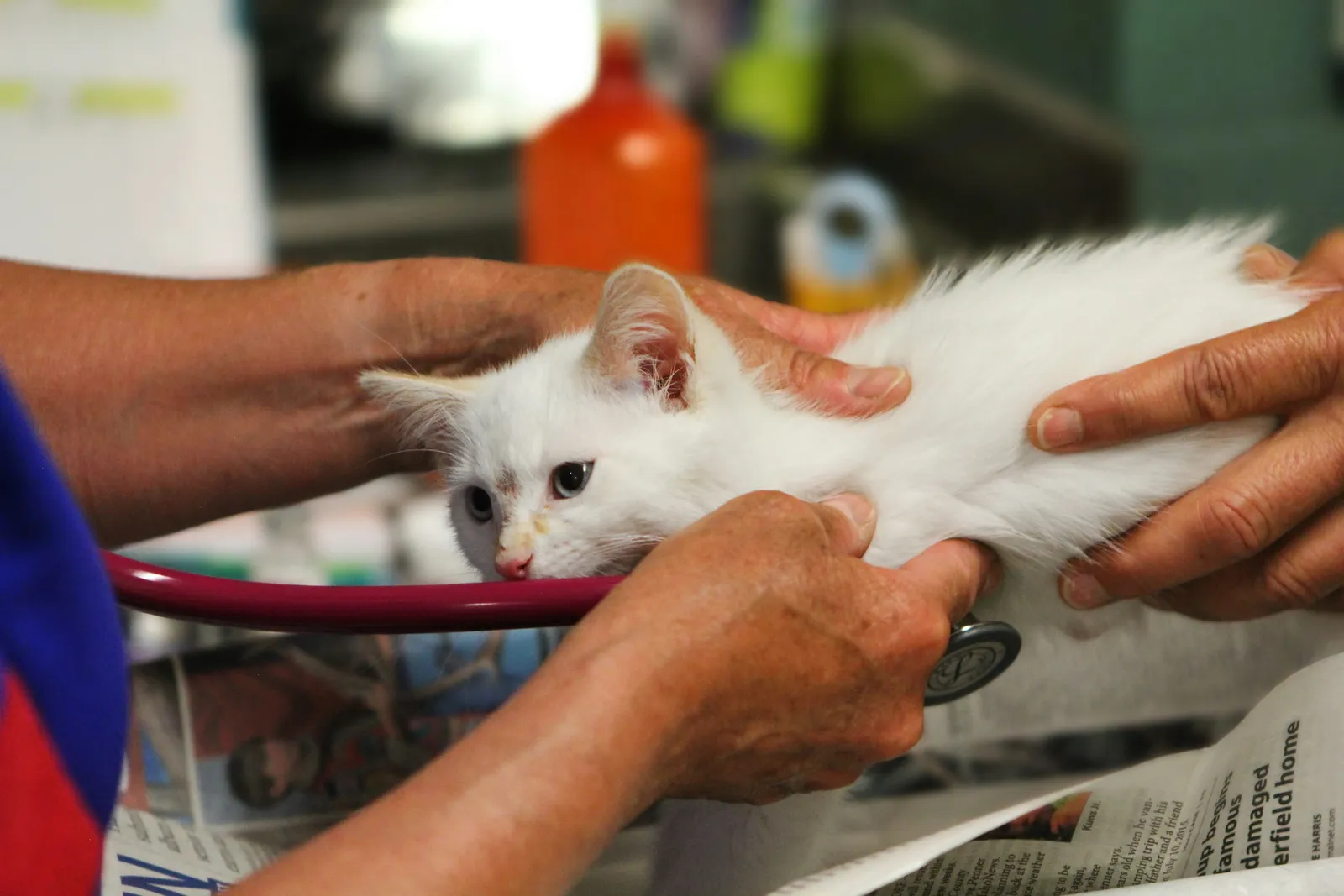
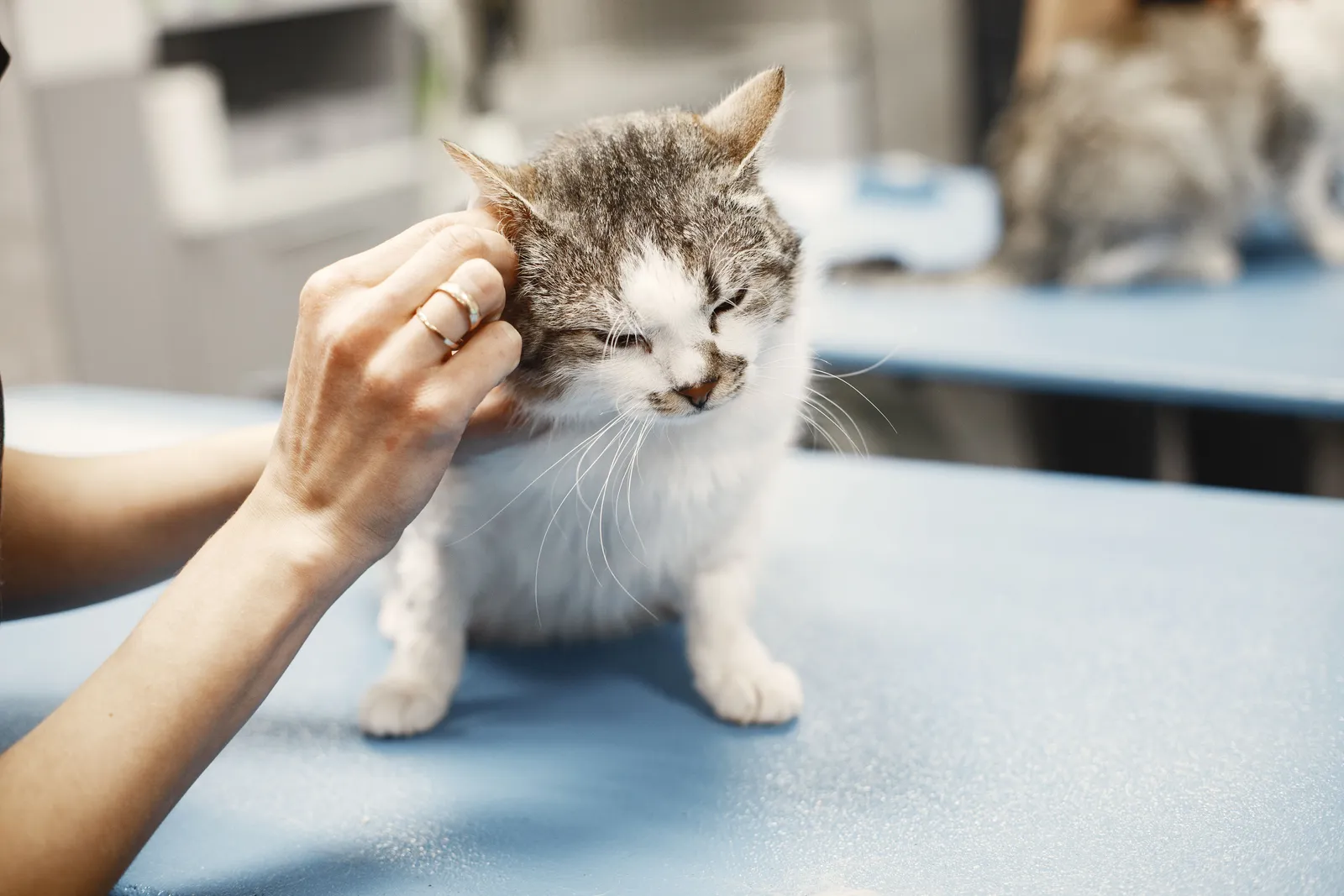
Cats are skilled at hiding illness, a trait that likely goes back to their survival instincts. By the time a cat looks obviously sick, a condition may have been developing for a while. Regular checkups give your vet a chance to catch trouble early.
Routine care also covers vaccines, dental checks, parasite prevention, and weight monitoring. Indoor cats need this too. A yearly visit is a common baseline, though your vet may suggest more often for kittens and seniors.
7. Never Force Interaction When Your Cat Wants Space
🔥 Would you like to save this?
We'll email this post to you, so you can come back to it later!
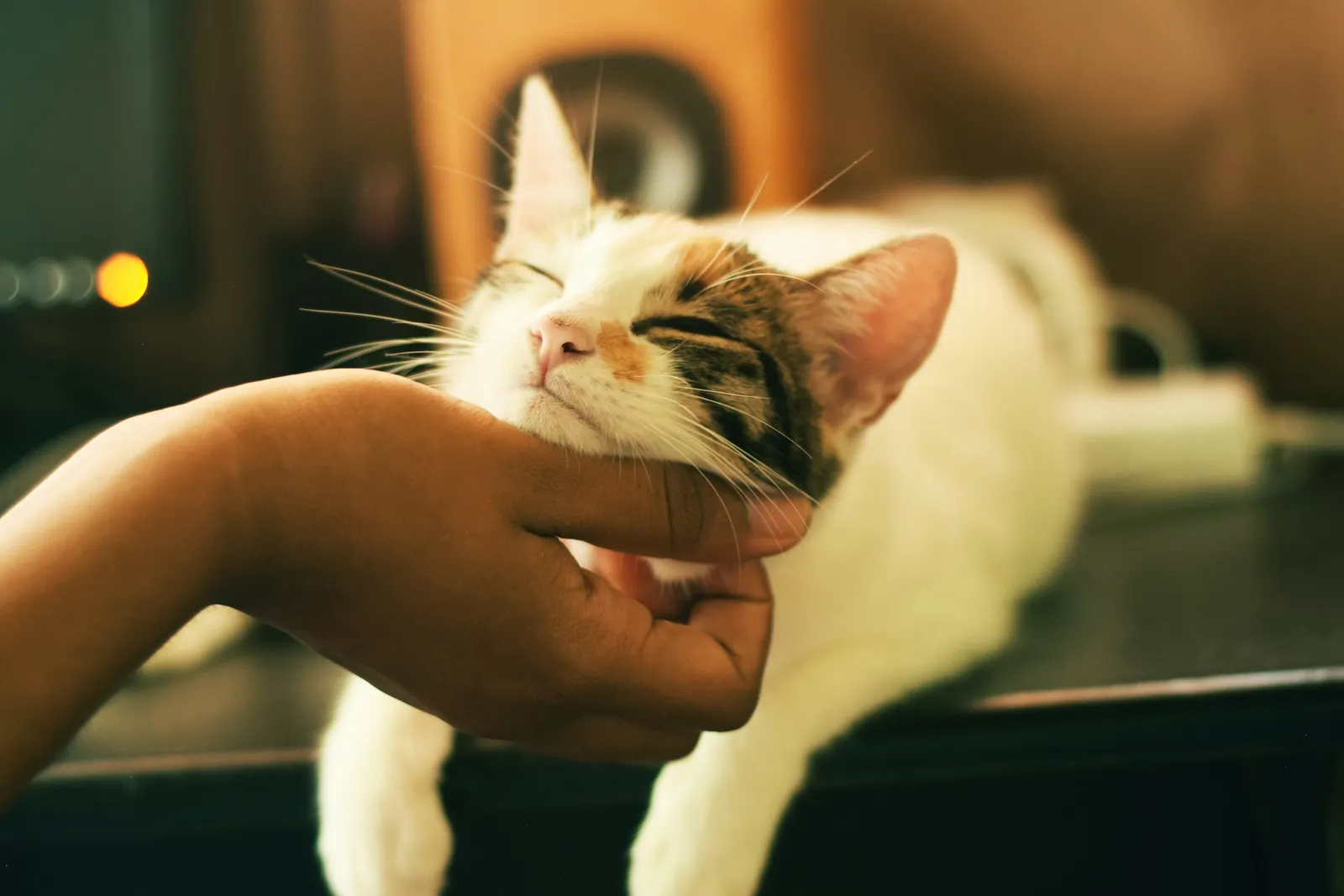
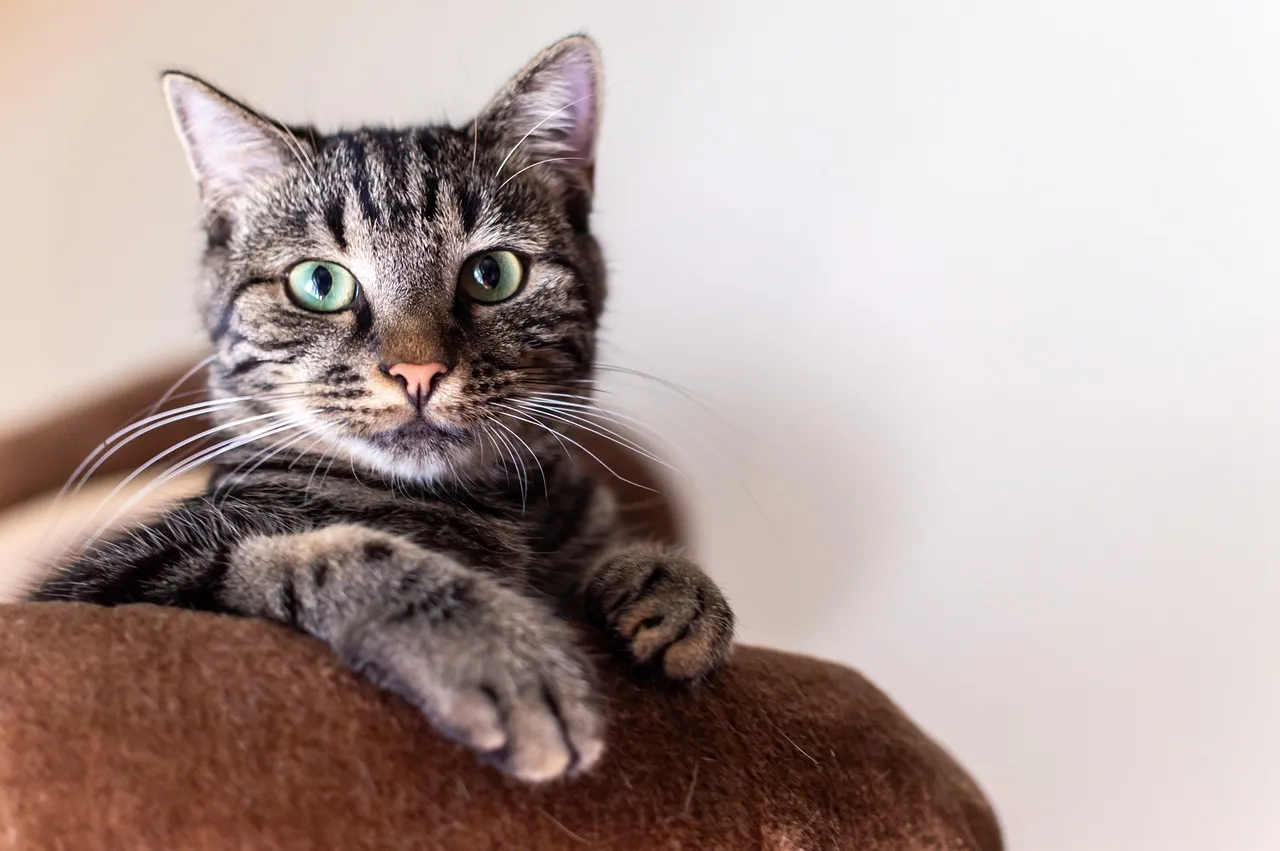
Picking up a cat who’s squirming, or pulling them out from under the bed, can break trust fast. Cats like having a say in how and when they’re touched. Flattened ears, a twitching tail, or a stiff body are signs that they’ve had enough.
Let them come to you, and learn the spots they enjoy being petted, often the cheeks and chin. Many cats dislike belly rubs, even when they roll over and show their tummy. Respecting a no is how you earn more yeses.
8. Never Let Your Cat Roam Without Thinking About Safety
🔥 Would you like to save this?
We'll email this post to you, so you can come back to it later!
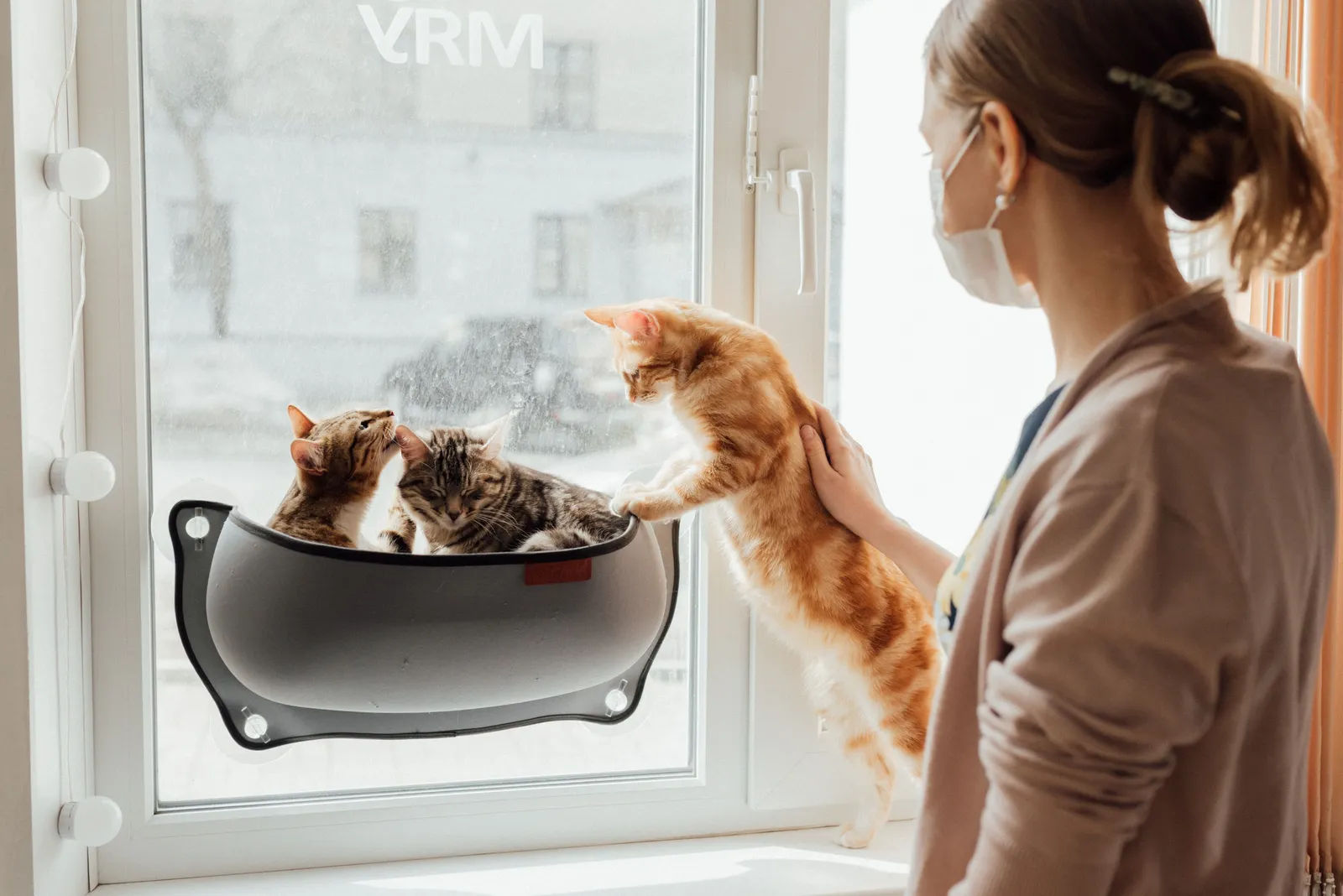
Letting a cat outdoors unsupervised exposes them to cars, other animals, parasites, and diseases. Many vets and welfare groups recommend keeping cats indoors or giving them safe outdoor access, such as a catio or a harness walk. Free roaming cats can also affect local wildlife, especially birds.
Whatever you choose, make sure your cat is microchipped and wears a breakaway collar with identification. Indoor life can be rich if you provide climbing spaces, window perches, and play. A bored cat is an unhappy one.
9. Never Use Essential Oils or Strong Chemicals Around Them
🔥 Would you like to save this?
We'll email this post to you, so you can come back to it later!
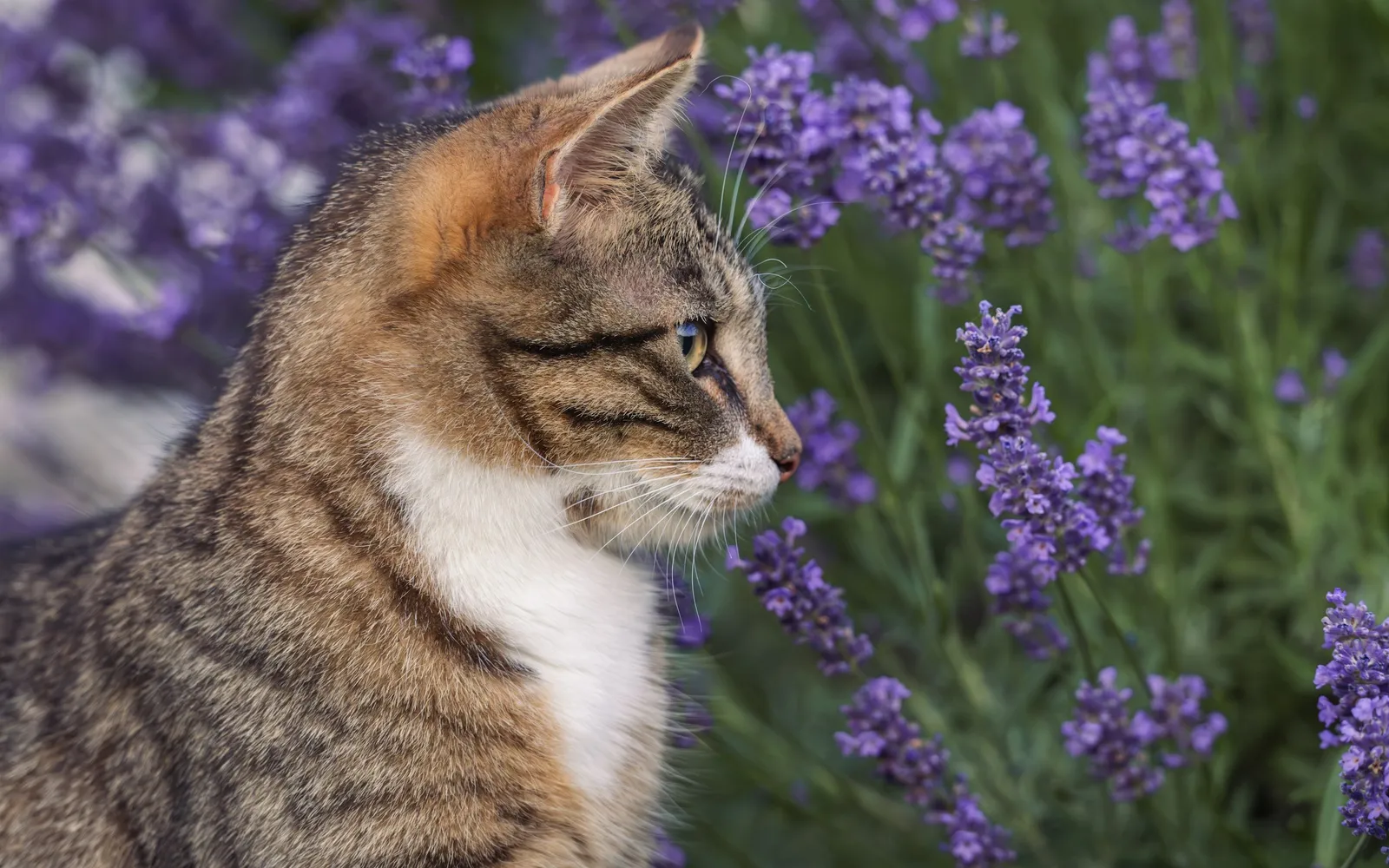
Cats can be especially sensitive to certain substances, partly because their livers handle some compounds poorly. Many essential oils, including tea tree, are considered risky for cats, whether they’re applied to the skin or diffused in the air. Some household cleaners and phenol based products are a concern too.
Cats also groom themselves, so anything on their fur or paws ends up in their mouths. Keep products stored safely and ventilate rooms after cleaning. If your cat shows drooling, tremors, or trouble breathing after exposure, contact a vet right away.
10. Never Treat a Cat Like a Small Dog
🔥 Would you like to save this?
We'll email this post to you, so you can come back to it later!
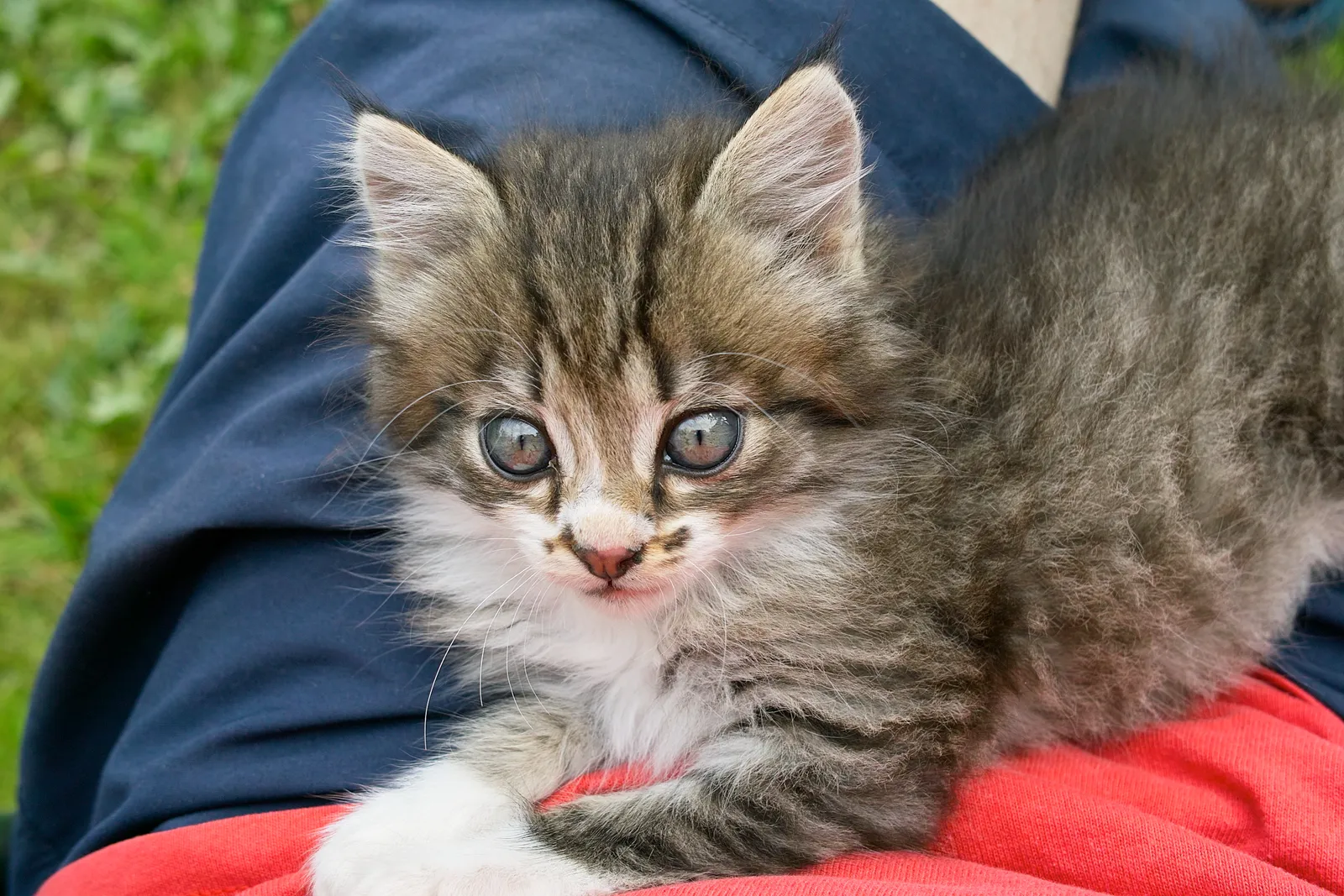
Cats aren’t dogs, and expecting them to act like one leads to frustration on both sides. They communicate differently, they often prefer routine, and they need territory they can control. Vertical space, hiding spots, and separate resources like food, water, and litter boxes help them feel secure.
They also need hunting style play, even if it’s just a wand toy for a few minutes a day. Moving house, new pets, or rearranged furniture can unsettle them, so introduce changes gradually. Understanding what a cat actually is makes living with one far easier.
Final Thoughts

🔥 Would you like to save this?
We'll email this post to you, so you can come back to it later!
If I had to boil it all down, I’d say most cat mistakes come from assuming a cat should adapt to us. I think that’s backward. They’re small, subtle animals who rely on us for nearly everything, and the least we can do is learn their language.
Skip the shortcuts, ask your vet when you’re unsure, and let patience do the heavy lifting. A cat that feels safe tends to repay you in quiet, unmistakable ways.

- 12 Surprising Facts About North American Mountain Lions You Never Knew - November 5, 2026
- Wild Salmon Populations Are Rebounding in the Pacific Northwest, A Sign of Healthier Rivers - November 5, 2026
- 8 Fascinating Facts About Owls You Never Knew - November 5, 2026