


The invisible tempest of solar storms, with their charged particles and magnetic fields, often seem as distant as the stars themselves. Yet, these astronomical phenomena have a surprisingly tangible impact on our earthly existence. From communication blackouts to power grid failures, the repercussions of solar storms can ripple through our everyday lives in profound and unexpected ways. This article delves into ten notable instances where solar storms significantly affected life on Earth, offering a glimpse into the fascinating intersection of space weather and our terrestrial world.
Understanding Solar Storms

Before we dive into specific events, it’s crucial to understand what solar storms are. They are disturbances on the Sun, particularly during periods of heightened solar activity, that send charged particles and radiation toward Earth. This radiation can interact with our planet’s magnetic field, leading to geomagnetic storms that can disrupt satellites, communications, and power systems.
The Carrington Event of 1859
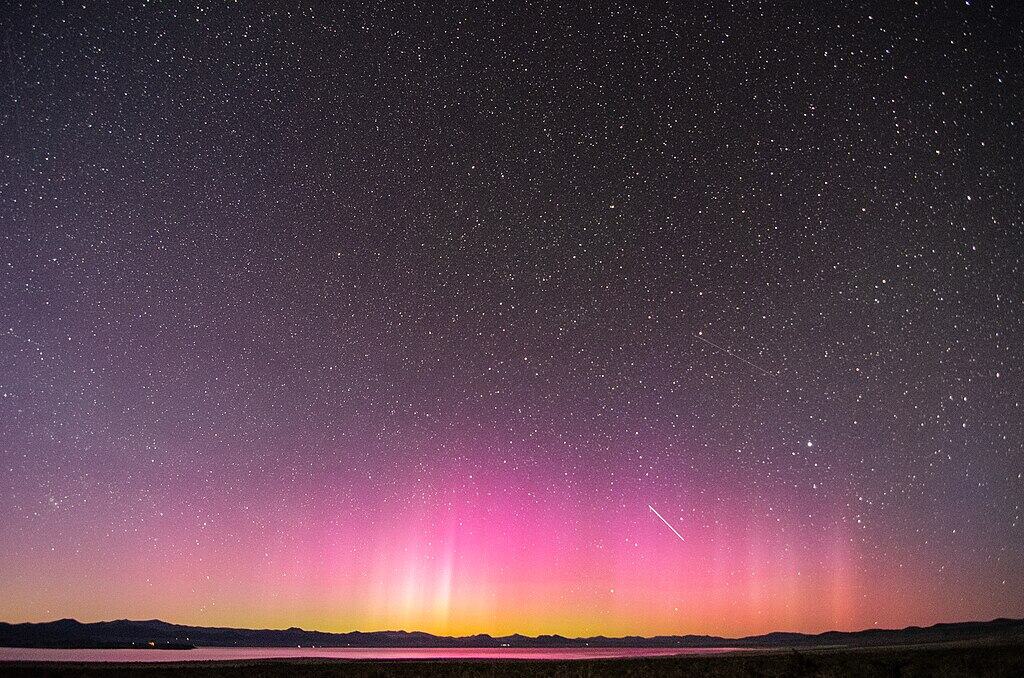
Perhaps the most renowned solar storm, the Carrington Event remains unparalleled in its intensity. In September 1859, a massive coronal mass ejection (CME) hurled charged particles toward Earth, igniting spectacular auroras as far south as the Caribbean. Telegraph systems across the globe experienced failures, with sparks showering from equipment and some operators able to send messages even after disconnecting batteries, using only the electricity induced by the storm.
The Solar Storm of 1921
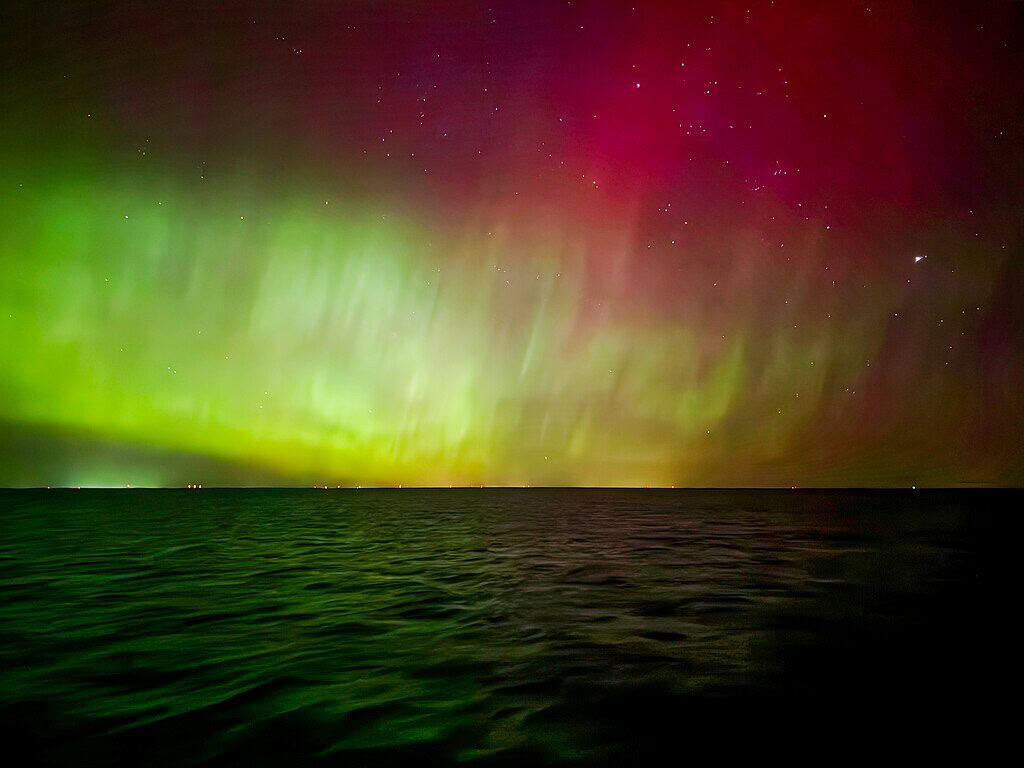
Often dubbed the “New York Railroad Storm,” this solar event in May 1921 caused widespread geomagnetic disturbances that affected telegraph and telephone services. The storm’s magnetic interference resulted in communication blackouts and even ignited fires in several telegraph exchange buildings, showcasing the destructive potential of solar activity.
Disruption in February 1958
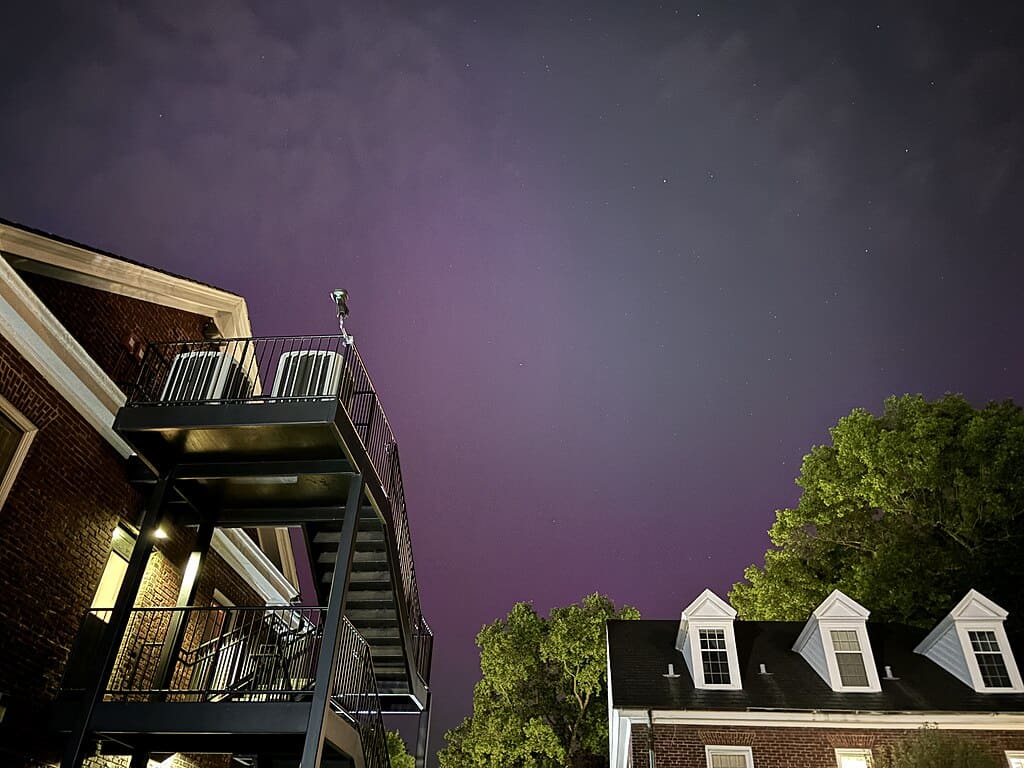
This solar storm marked the onset of new awareness about space weather’s impact on modern technology. February 1958 saw a geomagnetic storm that severely disrupted radio communications. It was a critical moment for aviation and maritime operations, relying heavily on this mode of communication, prompting further research into space weather prediction and mitigation.
The 1972 Solar Flare
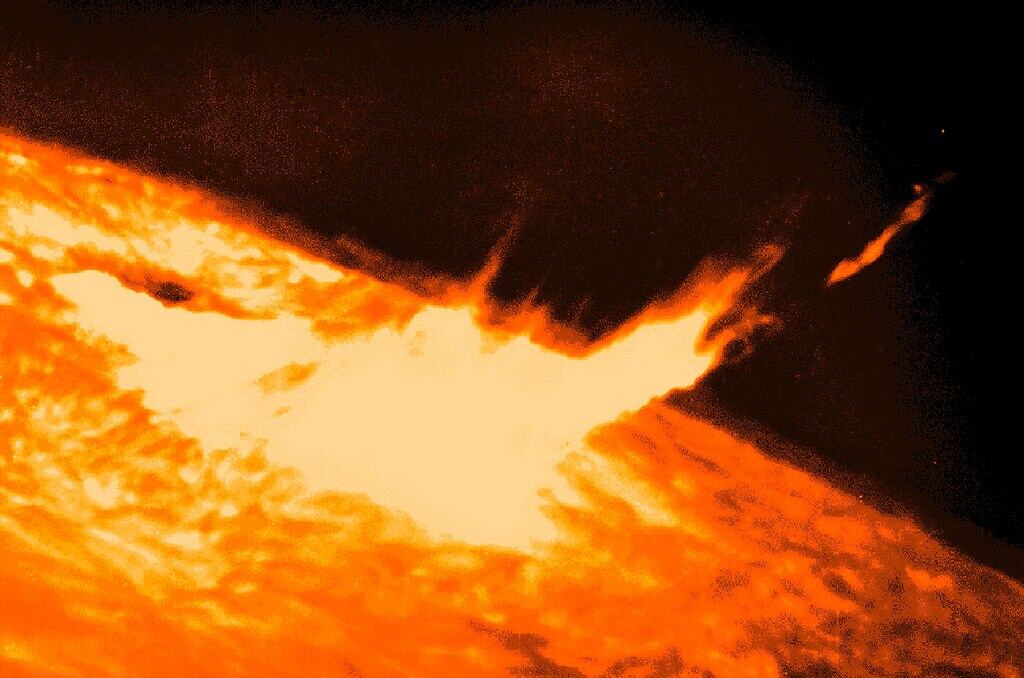
The August 1972 solar storm was notable for its impact on naval operations during the Vietnam War. A series of CMEs caused widespread electrical disturbances, leading to the unintended detonation of sea mines. This event underscored the potential of solar storms to interfere not only with civilian infrastructure but also with military operations.
Power Outage in Quebec, 1989
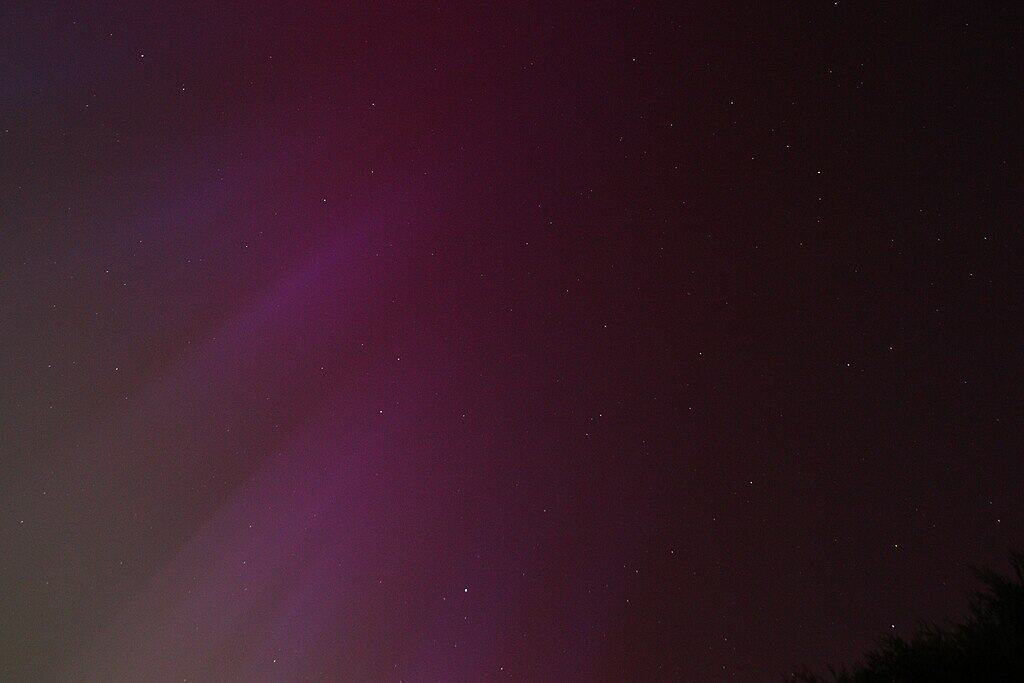
On March 13, 1989, a particularly powerful geomagnetic storm struck Earth, leading to the collapse of the Hydro-Québec power grid. Millions were left without electricity for over nine hours, and the event caused significant economic damage. This incident highlighted the vulnerabilities of power grids and spurred advancements in monitoring and preparing for solar-induced disruptions.
The Halloween Storms of 2003
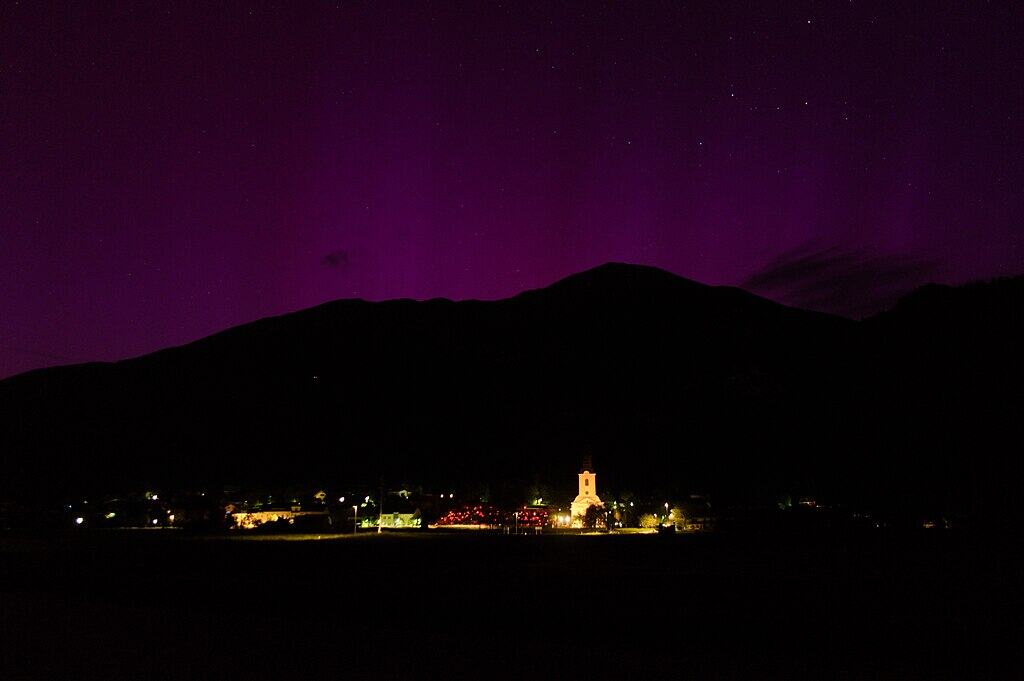
In late October and early November 2003, a series of powerful solar storms known as the “Halloween Storms” struck Earth, disrupting satellite communications, GPS systems, and causing power outages in Sweden. These events also forced airlines to reroute flights to avoid exposure to high radiation levels, emphasizing the broad reach of solar storm effects.
Disruptive Solar Activity in 2005
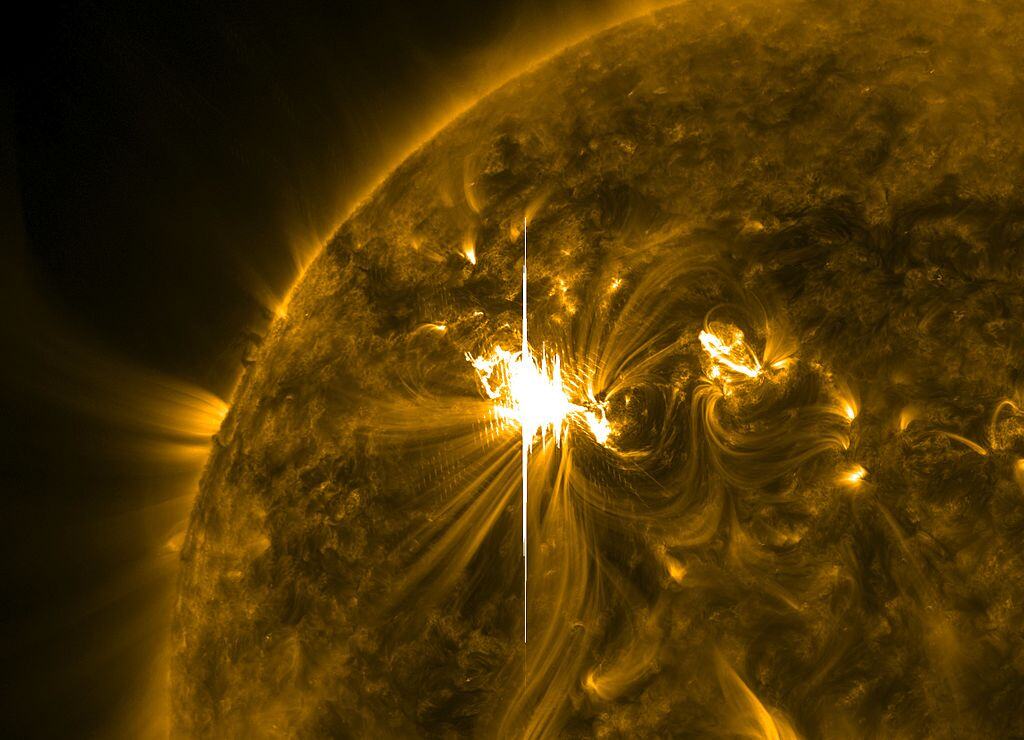
In January 2005, solar flares and CMEs disrupted GPS signals, affecting navigation systems worldwide. This storm highlighted the increasing dependence on satellite technology and the necessity for robust systems capable of withstanding solar-induced disturbances.
2012’s Near Miss
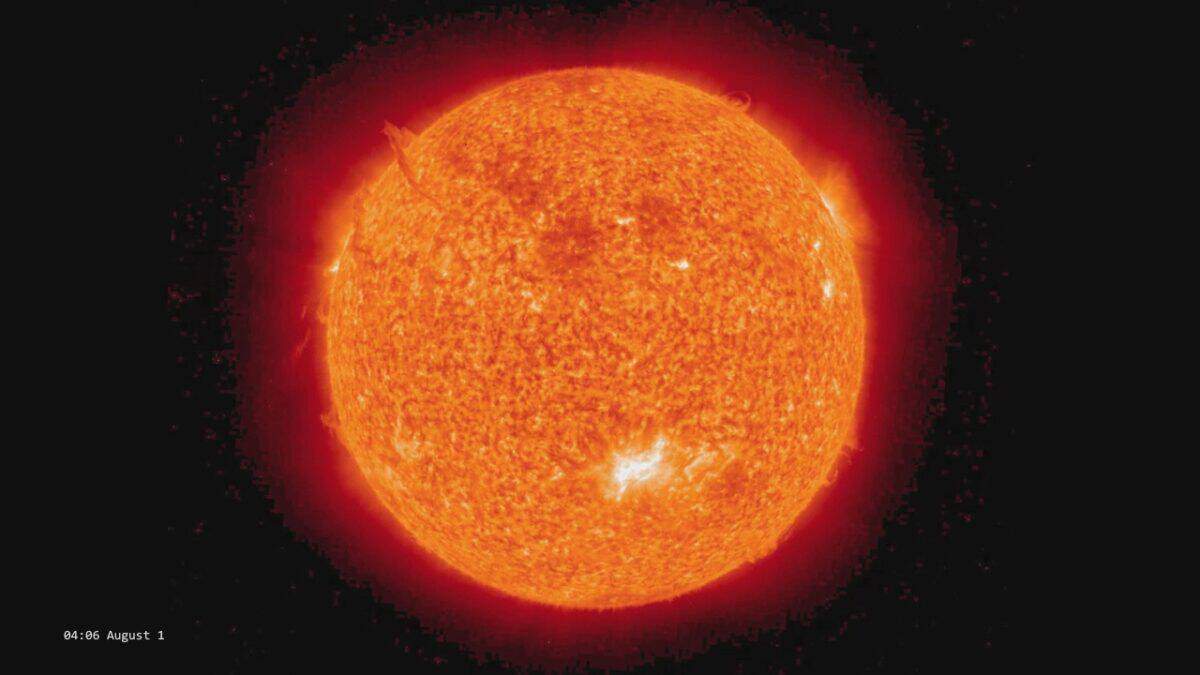
In July 2012, Earth narrowly avoided a catastrophic solar storm when a CME missed us by about a week. Had it occurred, the storm could have rivaled the Carrington Event in intensity, potentially causing widespread technological disruptions and significant economic loss. This close call serves as a stark reminder of the ever-present threat posed by solar weather.
The March 2015 Solar Storm
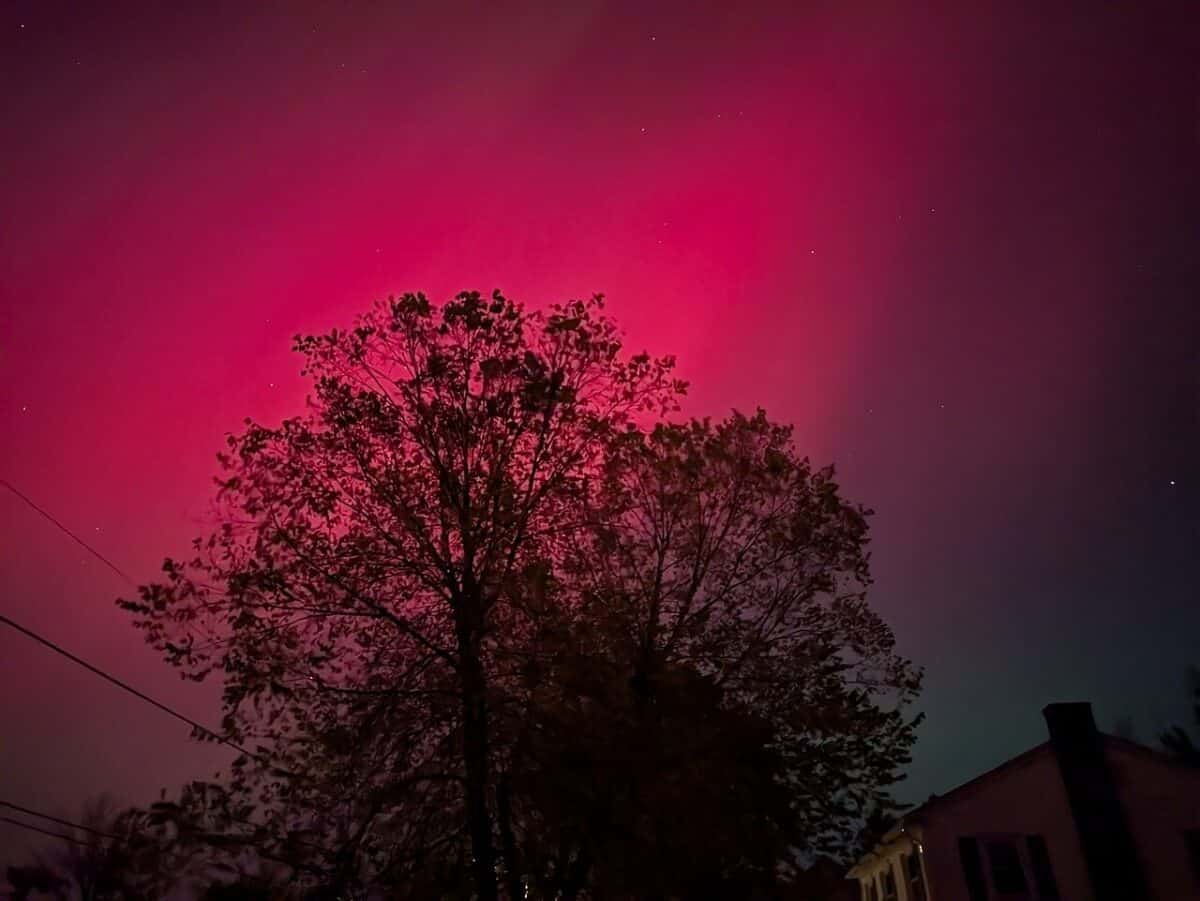
This solar storm in March 2015, though moderate compared to others, prompted concerns as it affected satellite communications and power grids in some regions. It was significant enough for airlines, especially those operating polar routes, to adjust their flight paths to maintain safety, due to potential radiation hazards at high altitudes.
Space Weather Awareness in 2017
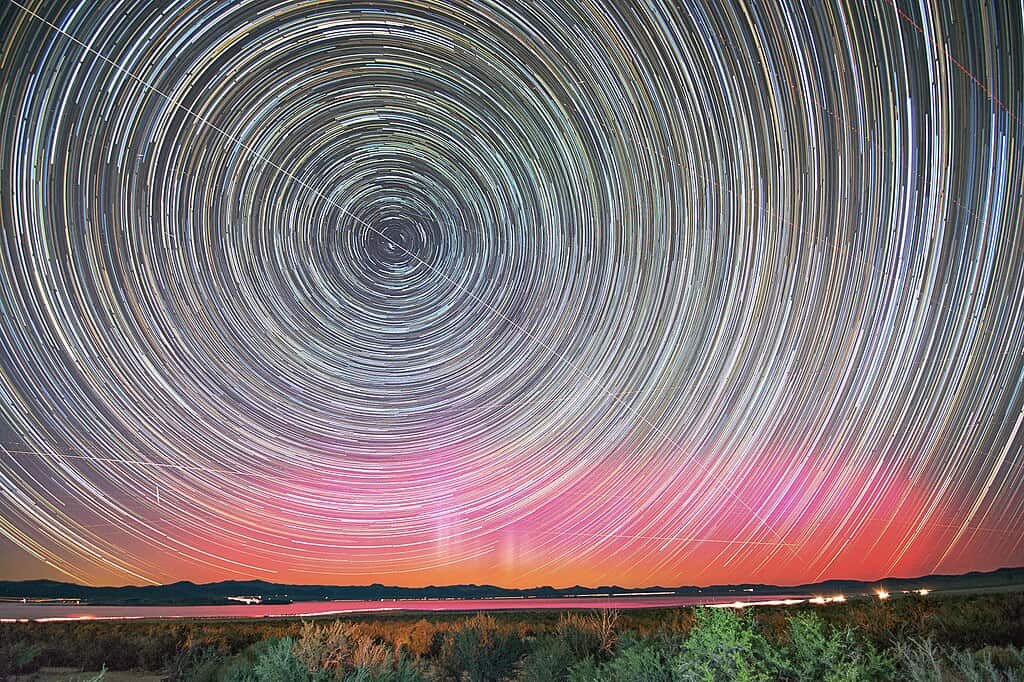
September 2017 saw a series of powerful solar flares that disrupted communication systems globally. This event was significant not just for its impact but also for the increased awareness and preparation it prompted among industries and governments, emphasizing the importance of solar weather forecasting capabilities.
Conclusion: Learning from Solar Storms
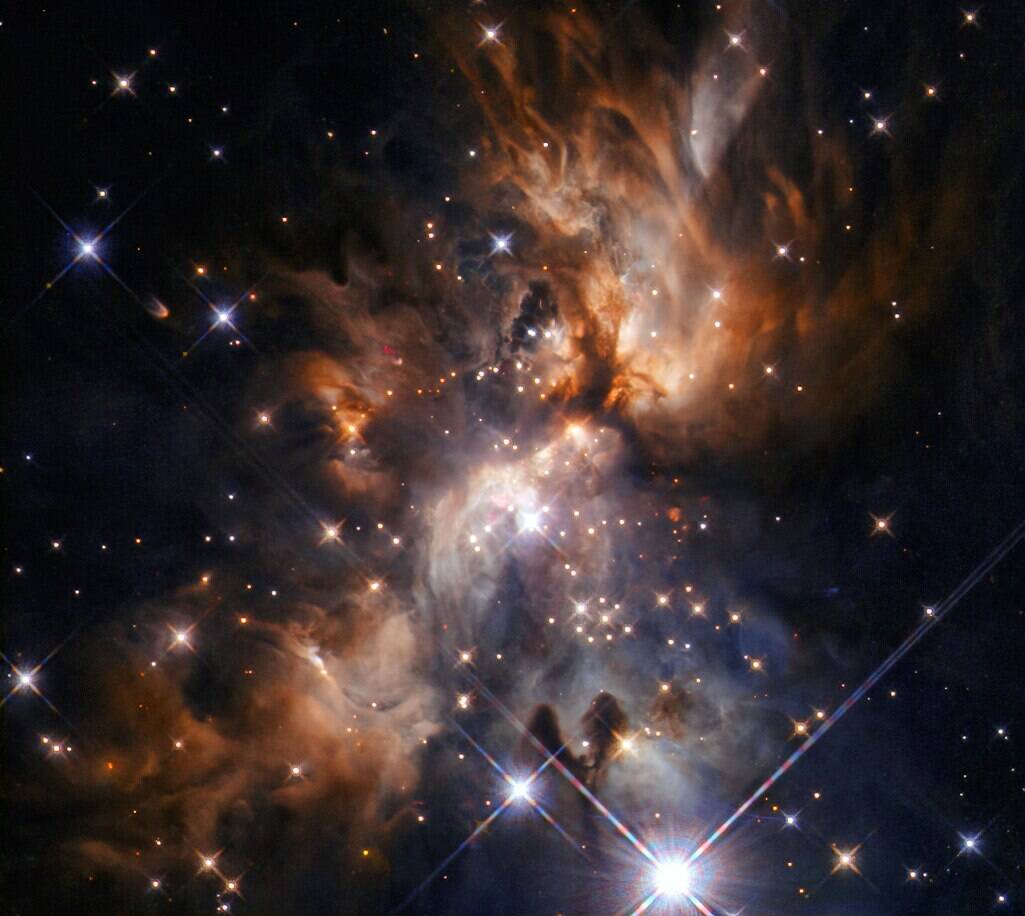
These examples illustrate that while we may gaze at the Sun as a source of warmth and light, it occasionally reminds us of its formidable power through solar storms. By understanding the historical impacts of these events, we can better prepare for future occurrences, mitigating their effects on modern society. As we continue to advance technologically, vigilance and preparation become ever more crucial to safeguarding our infrastructure against the unpredictable whims of space weather.

As a little kid, I fell in love with nature, wildlife, and animals. Living in the USA, South Africa, Italy, China and Germany gave me the opportunity to discover the world's Wildlife. My favorite animals are Mountain Gorillas, Siberian Tigers, and Great White Sharks.
I'm a certified PADI Open Water Diver, went to Everest Base Camp and Trekked Gorillas in Uganda. I hold a Master of Science in Economics and Finance.
Please send any feedback to feedback@animalsaroundtheglobe.com
- The 10 Rarest Dog Breeds Making a Comeback in America - July 19, 2026
- 13 Creatures That Survived Mass Extinctions - July 19, 2026
- 12 Pets That Are Perfect for Seniors - July 19, 2026