
Most people think of their backyard as their own peaceful territory. A place for weekend grilling, maybe some gardening, a bit of quiet time in the sun. What they don’t realize is that they’re sharing it with some of the most ruthlessly efficient hunters on the planet. Not lions. Not hawks. Creatures far smaller, often invisible, operating on a scale that makes them easy to miss and even easier to underestimate.
The thing is, size and lethality have almost nothing to do with each other at this scale. When you think of a fearsome predator, animals like lions or sharks might come to mind. Yet some of Earth’s best hunters could fit on a fingernail or in the palm of a hand. Once you start noticing these creatures, your backyard will never look quite the same again. Here are ten tiny predators living right outside your door.
#1: The Dragonfly – The Most Lethal Hunter on Earth
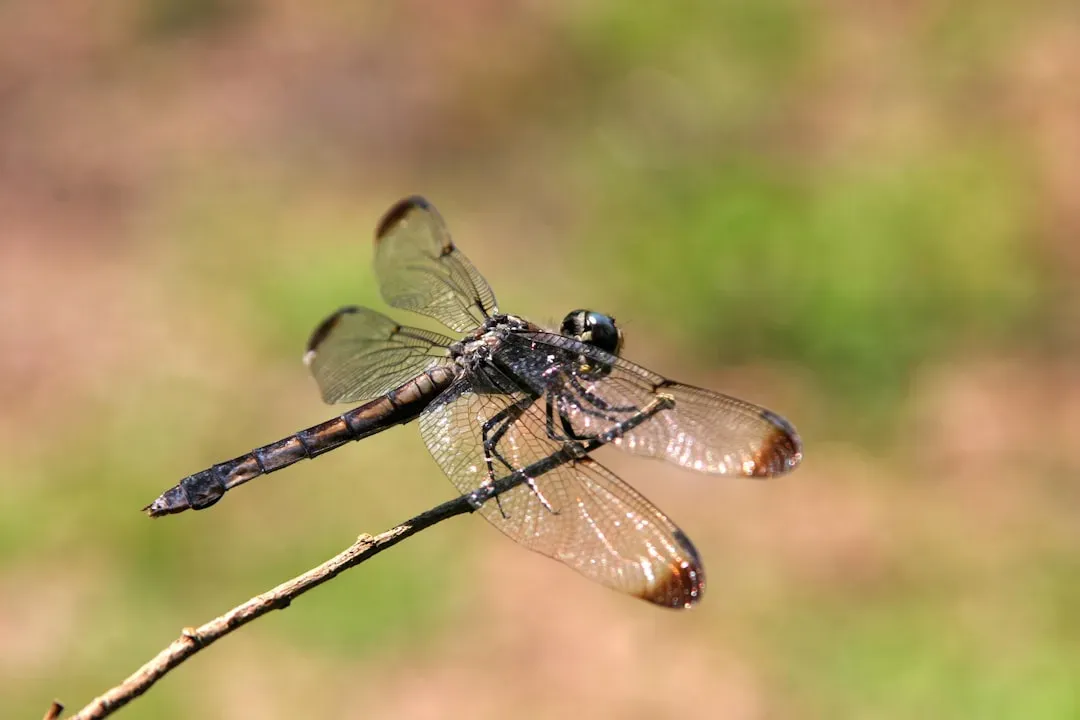
They look delicate, hovering above a birdbath or drifting through the summer haze. Don’t be fooled. With up to a 97% hunting success rate, dragonflies are one of the top predators on Earth. For context, lions manage a roughly one-in-four success rate. The dragonfly is simply in a different category.
As a dragonfly swoops through the air, it catches prey midflight with its four front legs stretched out like a basket. As aquatic juveniles, the larvae sit and wait for prey in the water, and their lower jaws are armed with a grabber claw that can shoot out to snatch a meal. The predator instinct runs through every stage of their life.
Dragonflies can gobble up hundreds of insects per day, including mosquitoes, flies and other biting insects, making them valuable neighbors. There are more than 3,000 species of dragonflies, and about 450 of those species can be found in North America. They’re not just residents of your yard. They’re active pest control, working every single day.
Dragonfly hunting is more like ambush predation. The dragonfly comes from behind and below, and the prey doesn’t know what’s coming. They’re able to reach speeds of 50 km/h with only three wing beats, dive, fly backward and upside down, and pivot 360 degrees. Few predators anywhere on the planet can match that combination of speed, agility, and precision.
#2: The Praying Mantis – A Camouflaged Ambush Artist
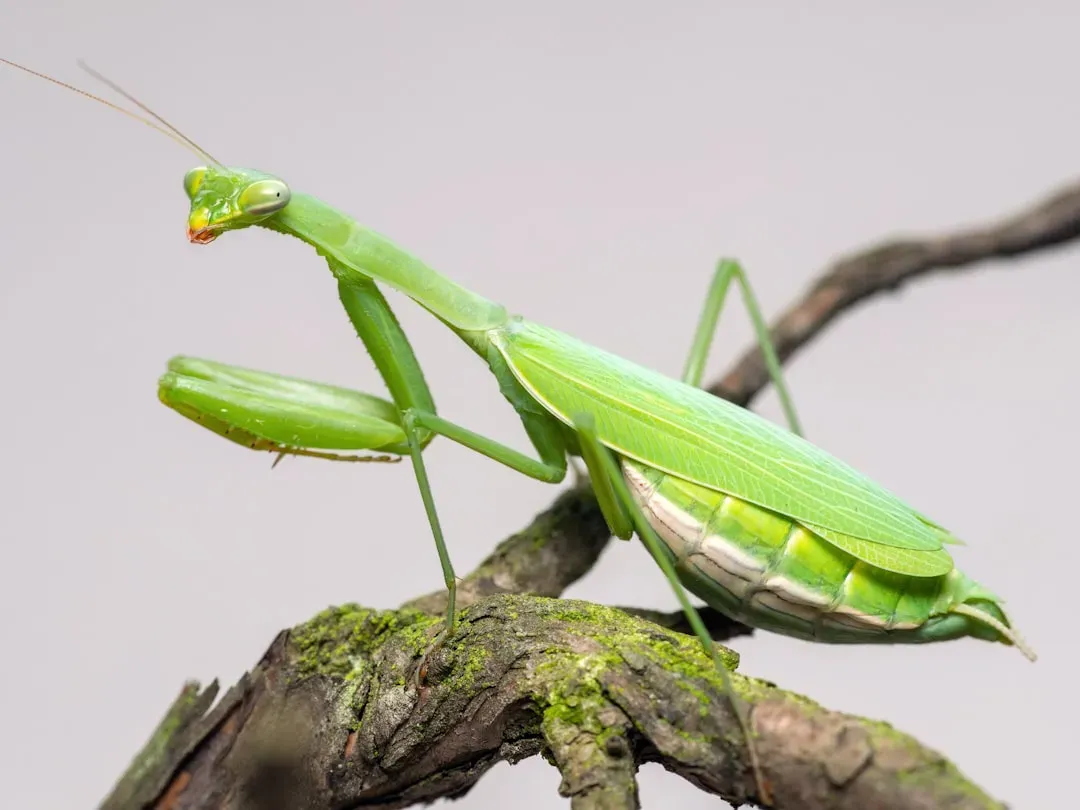
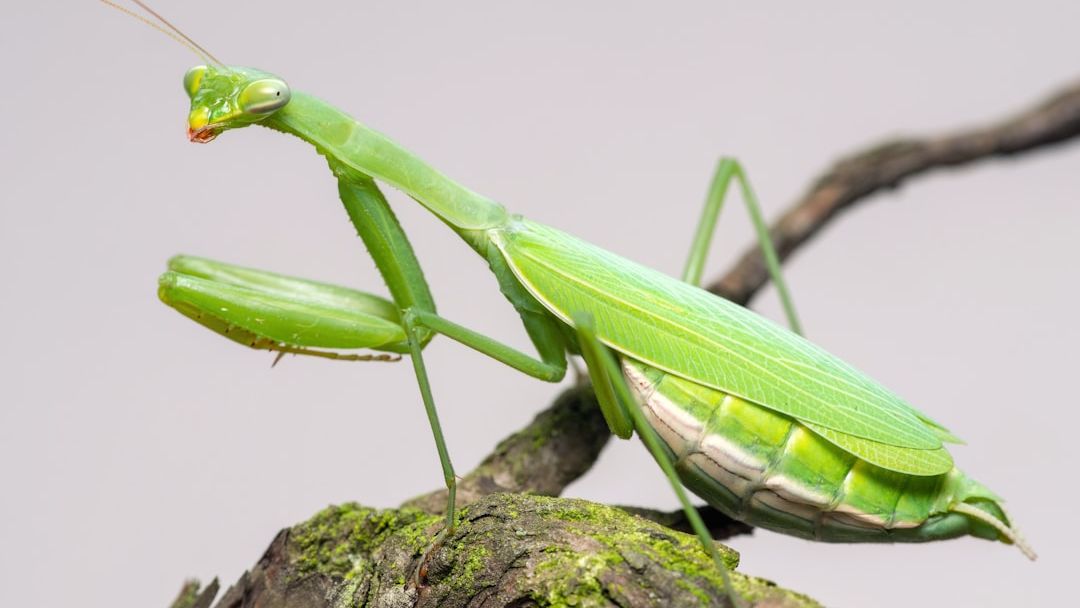
This alien-like insect is a master of patience and disguise, waiting motionless for hours before ambushing prey. With their triangular heads and swiveling eyes, they are expert predators that help control pests like flies, moths, and even aphids. The way a mantis holds still while everything around it moves is genuinely unsettling, in the best possible way.
With their iconic raptorial legs, praying mantises are one of the coolest-looking killers out there. As generalist predators, they eat pretty much anything that’s not too big to catch. They use camouflage to hide in their surroundings, some are green to mimic plants, others are brown to blend with bark and grass, and ambush anything that looks tasty and strays too close.
Praying mantises are drawn to gardens rich with vegetation and insects. Their presence indicates a healthy ecosystem and acts as natural pest control. If you spot one clinging to a stem in your garden, resist the urge to interfere. It’s doing exactly what it should be doing.
#3: The Ladybug – A Killer Dressed in Polka Dots
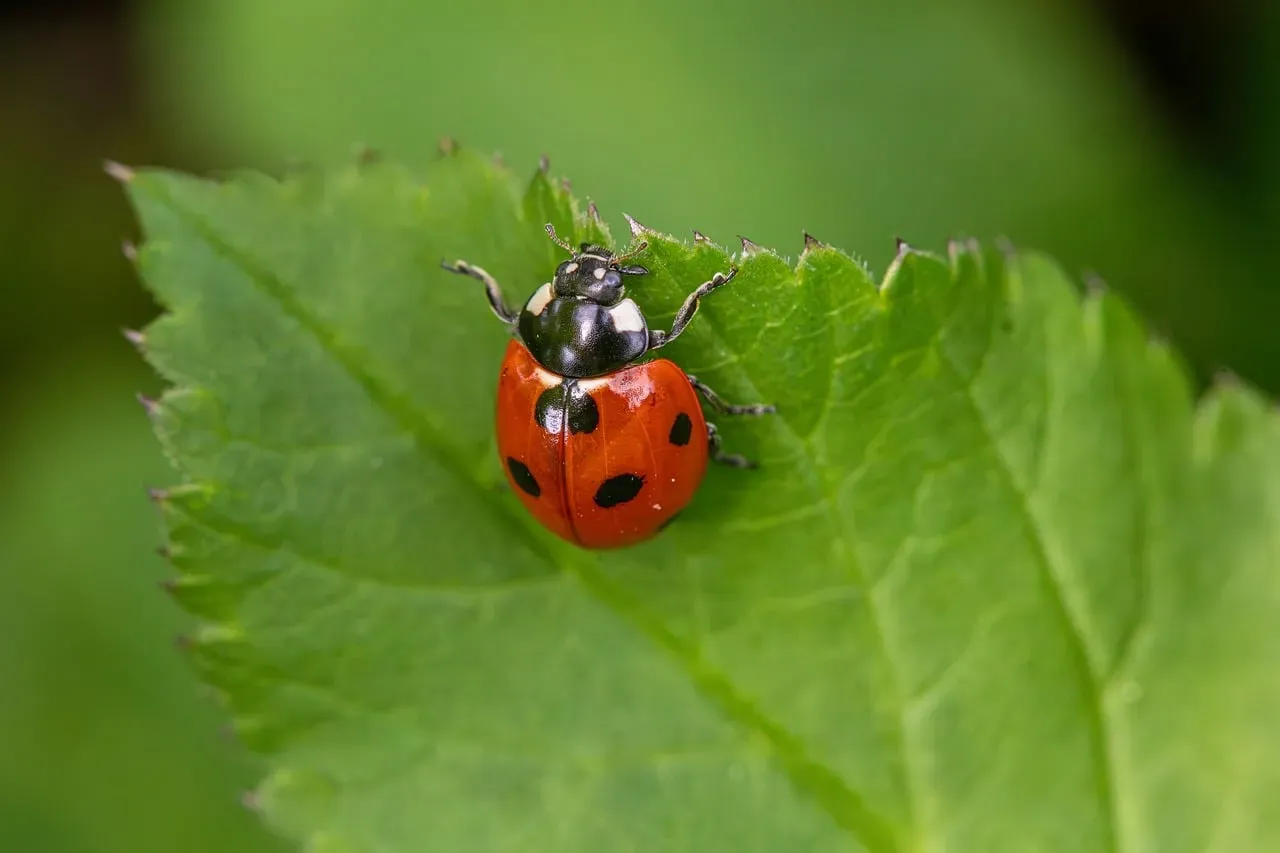
They’re the darling of the garden world, cheerful and bright, stuck on pencil cases and children’s backpacks everywhere. Yet the ladybug is, at its core, a voracious predator. These brightly colored insects are voracious predators of aphids and other pests. A single ladybug can consume thousands of aphids over its lifespan. That cheerful red shell hides a serious appetite.
Ladybugs are attracted to gardens with flowering plants and plenty of aphids to feast on. Their presence signals a healthy, thriving yard. Gardeners who rely on pesticides often miss this entirely. The chemical solution kills the very hunters that would have solved the problem naturally.
Pesticides don’t discriminate between the bugs you want to keep and the ones you’re worried about. Natural enemies are sensitive to insecticides, and spraying can easily destroy their populations. Using insecticides to solve pest problems right now often results in pest population booms down the road, since no natural enemies are left to keep them in check. The ladybug is a perfect example of why this matters.
#4: The Wolf Spider – Eight Eyes and Zero Webs
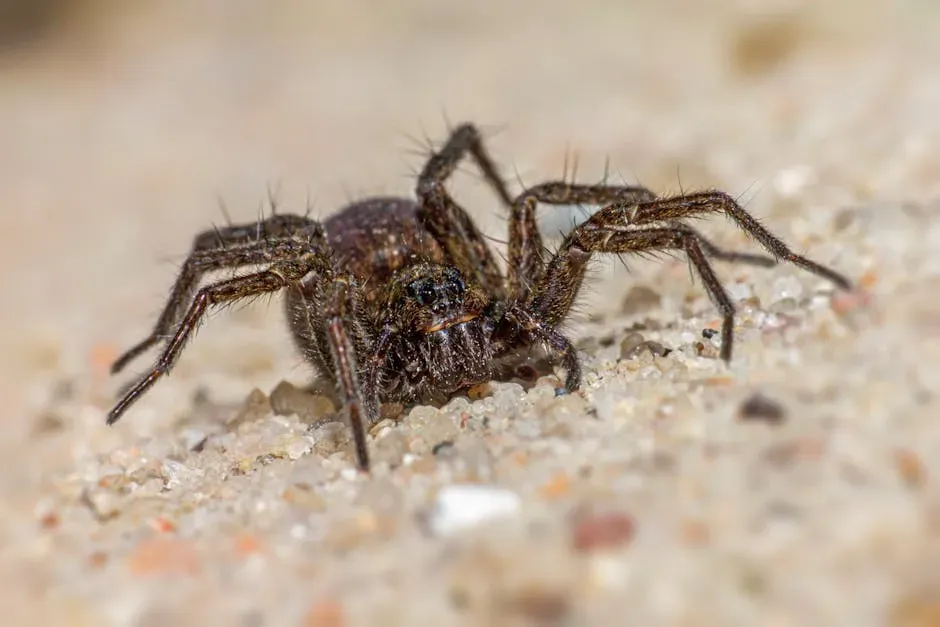
Most people picture spiders as passive hunters, sitting in webs and waiting. The wolf spider doesn’t operate that way. Recognizable by its eight reflective eyes, the wolf spider is an active nighttime hunter that helps control garden pests. It stalks, chases, and catches prey directly, with speed and precision that’s startling for something so small.
Wolf spiders roam across lawns, through leaf litter, and beneath wood piles after dark. They’re one of the more commonly encountered spiders in , though most homeowners never know they’re there. Their size can cause alarm, but they’re remarkably useful. Predatory arthropods are one of the foundations of an ecosystem. They keep other insect populations in check, contributing to the balance between herbivores, decomposers, and parasites.
Wolf spiders are also dedicated parents in their own right. Females carry their egg sac attached to their body, and once the eggs hatch, the spiderlings ride on their mother’s back for a period. It’s a surprisingly tender detail for such an effective hunter, and a reminder that predator behavior is rarely as simple as it first appears.
#5: The Jumping Spider – Tiny, Curious, and Surprisingly Brilliant
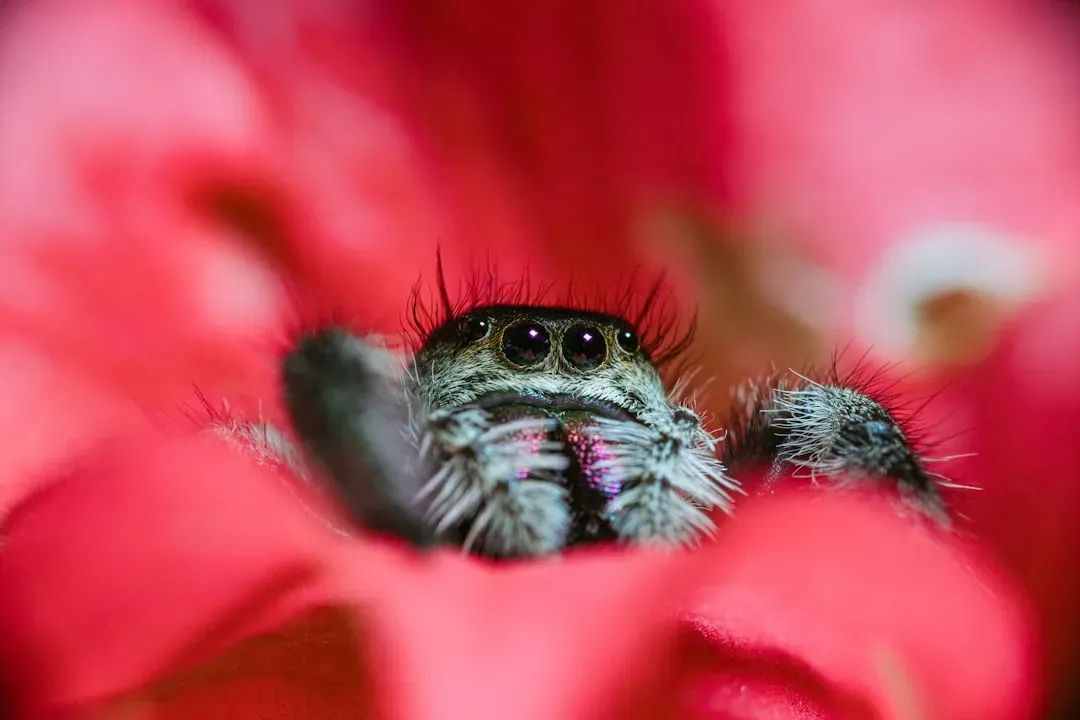
These curious creatures are tiny but mighty. Known for their agile leaps and oversized eyes, they actively hunt rather than spin webs, preying on flies, beetles, and other pests. Their front-facing eyes give them a weirdly expressive face, and they’re known for tilting their heads when they spot something, almost as if they’re thinking it over.
All spiders are predators. Jumping spiders are special: instead of building a web to ensnare their prey, they actively hunt for small insects. They can also leap many times their own body length to catch prey, making them disproportionately effective hunters for their tiny size.
Jumping spiders thrive in gardens with plenty of prey and hiding spots. Their presence helps reduce the population of unwanted insects in your yard. They’re harmless to humans and genuinely fascinating to watch. If one locks eyes with you from a fence post, it’s not aggression. Pure curiosity, from a hunter that’s also surprisingly self-aware.
#6: The Short-Tailed Shrew – America’s Only Venomous Mammal
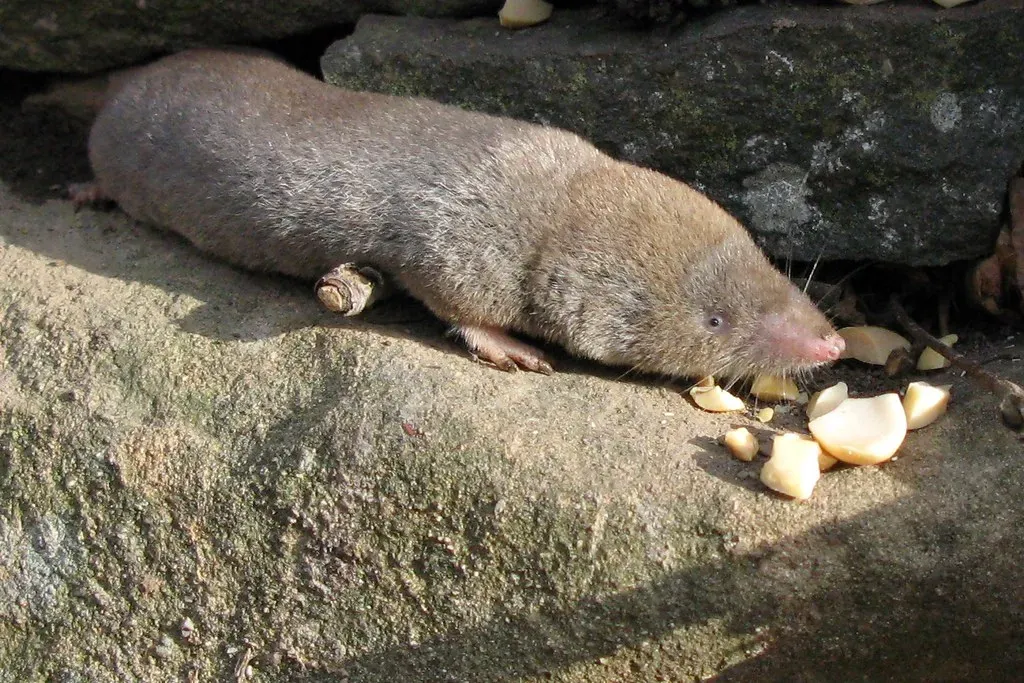
This one tends to genuinely surprise people. The short-tailed shrew is one of only a handful of venomous mammals on Earth, a distinction that feels like it should belong to something much larger, something with warning coloration that could star in a Netflix documentary. Instead, it looks something like a gray marshmallow with a pointy nose, scurrying through the leaf litter of an ordinary suburban yard.
If you live in the eastern half of the United States, there is a reasonable chance that one is living in your yard right now. The venom, delivered through the shrew’s grooved teeth, works as a paralytic. The shrew uses it not to kill outright, but to immobilize prey including toads, mice, beetles, earthworms, and snails, and then cache it alive for later.
The short-tailed shrew is the only venomous mammal in the entire United States, according to the Maryland Department of Natural Resources. The saliva of these shrews contains a neurotoxin that they can administer when biting their prey. The toxin is enough to either kill or paralyze their catch, making it easier to eat. The idea of a living pantry stocked with paralyzed prey is one of the stranger things happening in any American backyard right now.
Because of their extraordinarily fast metabolic rate, with a heartbeat of the masked shrew recorded at 1,200 times per minute, shrews must feed voraciously, night and day. They don’t get to stop. An animal that small, with a metabolism that furious, has no option but to hunt constantly.
#7: The Assassin Bug – Armed with a Toxic Syringe
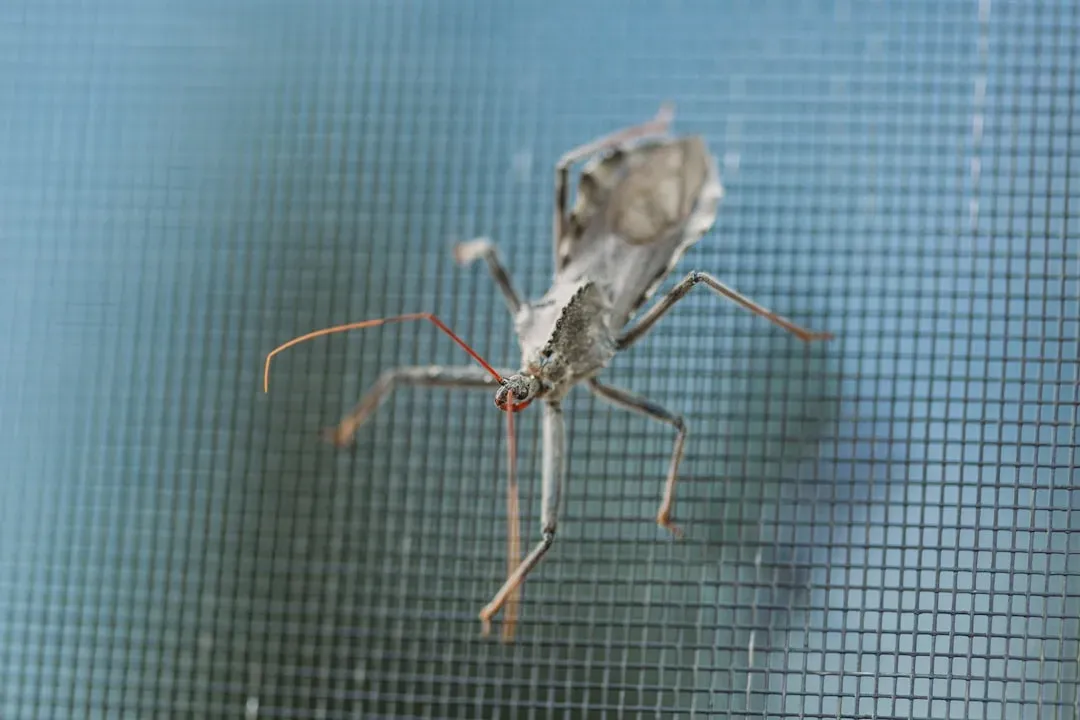
Assassin bugs, with their stealthy approach, are nature’s tiny predators. Equipped with a sharp proboscis, they inject a toxic enzyme into prey. This makes them effective hunters but dangerous if handled by humans. They’re found hiding in garden plants and leaf litter, and they’re far more common than most people realize.
Armed with a powerful stabbing rostrum, these predatory insects hunt other bugs but don’t hesitate to defend themselves against humans. Unlike their kissing bug relatives, most assassin bugs don’t transmit disease but compensate with extraordinarily painful bites. Anyone who has accidentally handled one tends to remember the experience clearly.
Wheel bugs, a type of assassin bug, are unique predators recognized by the cogwheel-like structure on their thorax. While beneficial for pest control, their bite is notably painful, often compared to a bee sting. These bugs are not aggressive but will defend themselves if handled. Their predatory nature helps keep garden pests in check, making them a crucial part of the ecosystem.
#8: The Garden Toad – A Slow-Moving Pest-Eating Machine
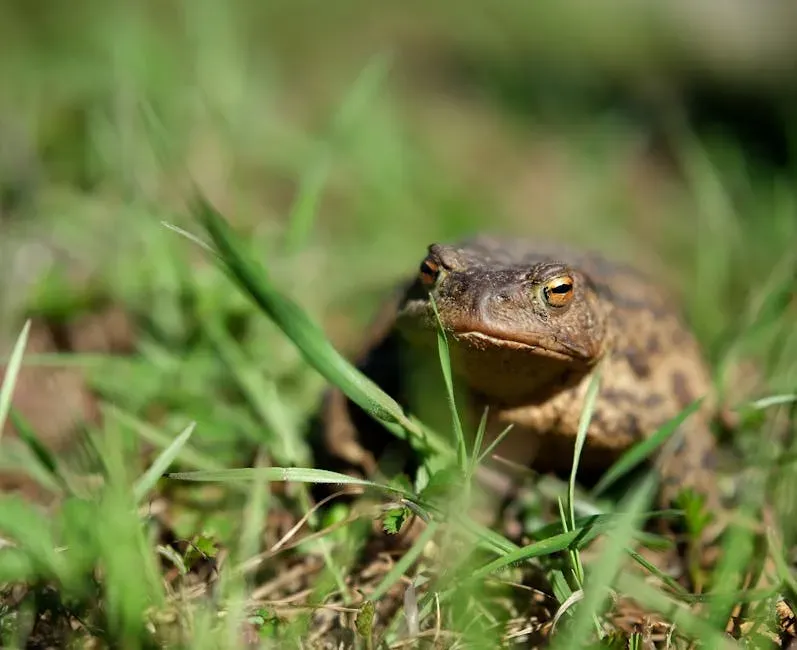
Toads don’t look predatory. They sit in the damp shade and blink slowly, and it’s easy to think of them as garden ornaments rather than hunters. The reality is rather different. Unassuming but invaluable, garden toads can consume up to 10,000 pests like beetles and slugs in a single growing season. Toads are drawn to moist, shady areas near water features or under dense plants.
That appetite makes the toad one of the most productive pest control agents in any American backyard, doing its work quietly through the long warmth of spring and summer. Their hunting method is deceptively simple: sit, wait, flick. The toad’s sticky tongue is extraordinarily fast, snatching prey in a fraction of a second. Slow-looking, yes. Slow-hunting, absolutely not.
Creating a toad-friendly yard is one of the more practical things a gardener can do. Providing shelter by placing overturned pots or logs in shady spots encourages their presence. It’s equally important to avoid using chemicals in areas where toads are active, since toads absorb substances through their permeable skin, making them particularly vulnerable to garden pesticides.
#9: The Lacewing – A Delicate-Looking Aphid Destroyer
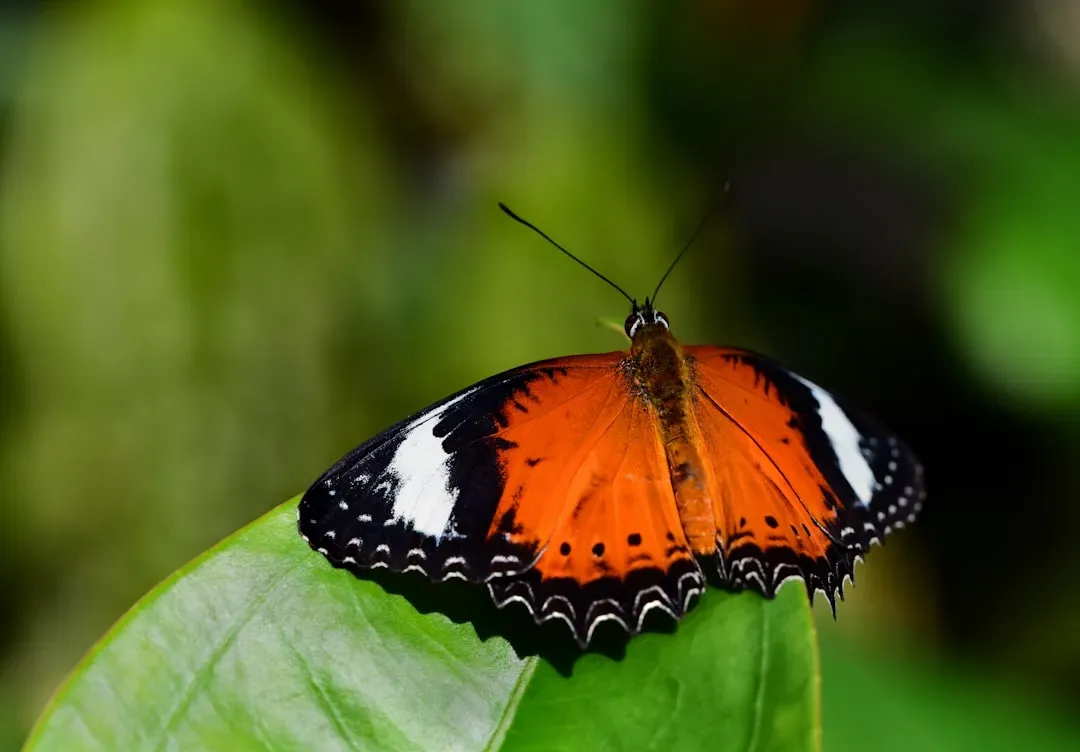
With their translucent wings and fragile appearance, lacewings look like they belong in a fairy tale rather than on the front lines of garden warfare. But the larval stage is another matter entirely. Lacewings are voracious predators of aphids and other soft-bodied insects. The larvae are sometimes called “aphid lions,” which is an accurate if slightly alarming description.
Many might already be familiar faces, such as lady beetles, spiders, lacewings, and dragonflies. These hunters catch their prey by chasing it down or waiting in ambush. Lacewing larvae are particularly aggressive, often consuming dozens of aphids in a single night. Adults, by contrast, primarily feed on pollen and nectar, making them useful pollinators as well.
Just like many other bugs, some natural enemies look quite different as larvae than as adults. This lacewing larva will not have wings until adulthood, but its long jaws are perfect for hunting aphids. Recognizing this dual nature is part of what makes the lacewing such an interesting garden inhabitant. One creature, two completely different ecological roles, working in your favor both ways.
#10: The Black Widow Spider – Silent, Precise, and Always Close
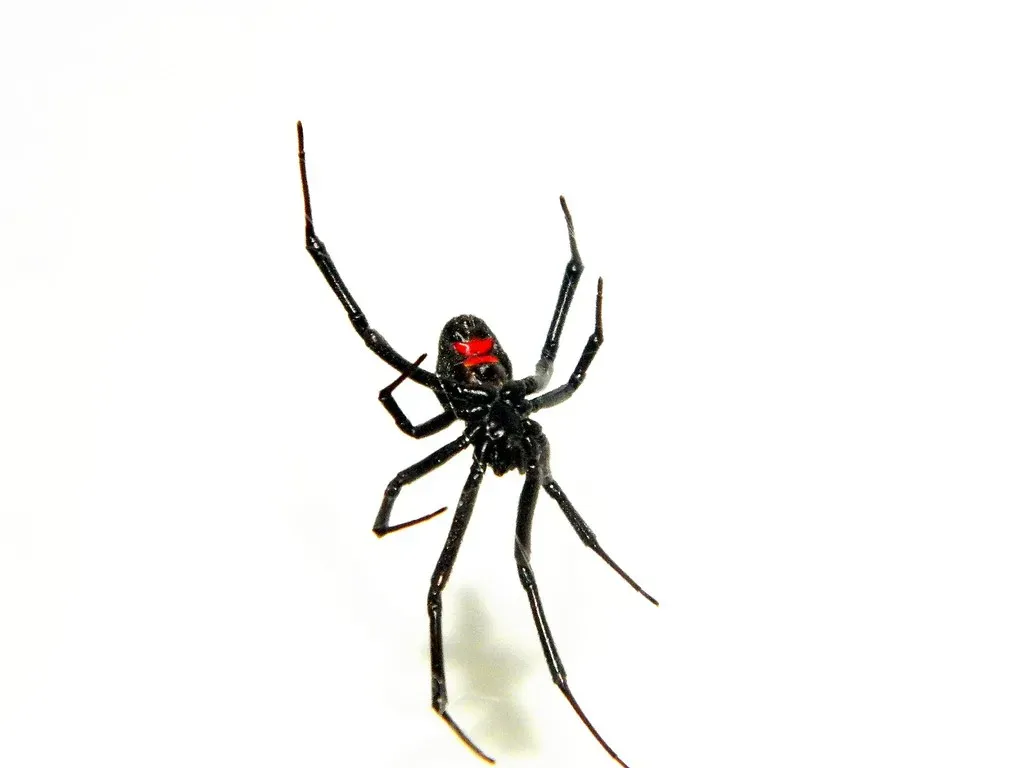
There’s a reason the black widow occupies such a specific place in the public imagination. Black widows pack venom 15 times stronger than a rattlesnake’s, though they deliver much less when they bite. Females are particularly dangerous and typically hide in woodpiles, under eaves, or in garden clutter. They are not aggressive hunters in the way a dragonfly or an assassin bug is. They build, wait, and let the prey come to them.
The black widow is among the most dangerous spiders in . Both are reclusive, often hiding in woodpiles, sheds, or garage corners. Bites can lead to muscle cramps, fever, or tissue damage. The web they spin is irregular and messy-looking compared to the geometric beauty of an orb weaver, but it’s brutally effective at trapping insects, and occasionally larger prey.
The black widow also performs a genuinely useful ecological function. As a predator of insects including beetles, flies, and other garden pests, it quietly suppresses populations that might otherwise get out of hand. These aren’t exotic creatures that belong in a documentary. They’re almost certainly within a few feet of your back door right now. That fact is either unsettling or fascinating, depending on your perspective.
Conclusion: Your Backyard Is a Working Ecosystem, Not a Garden Set
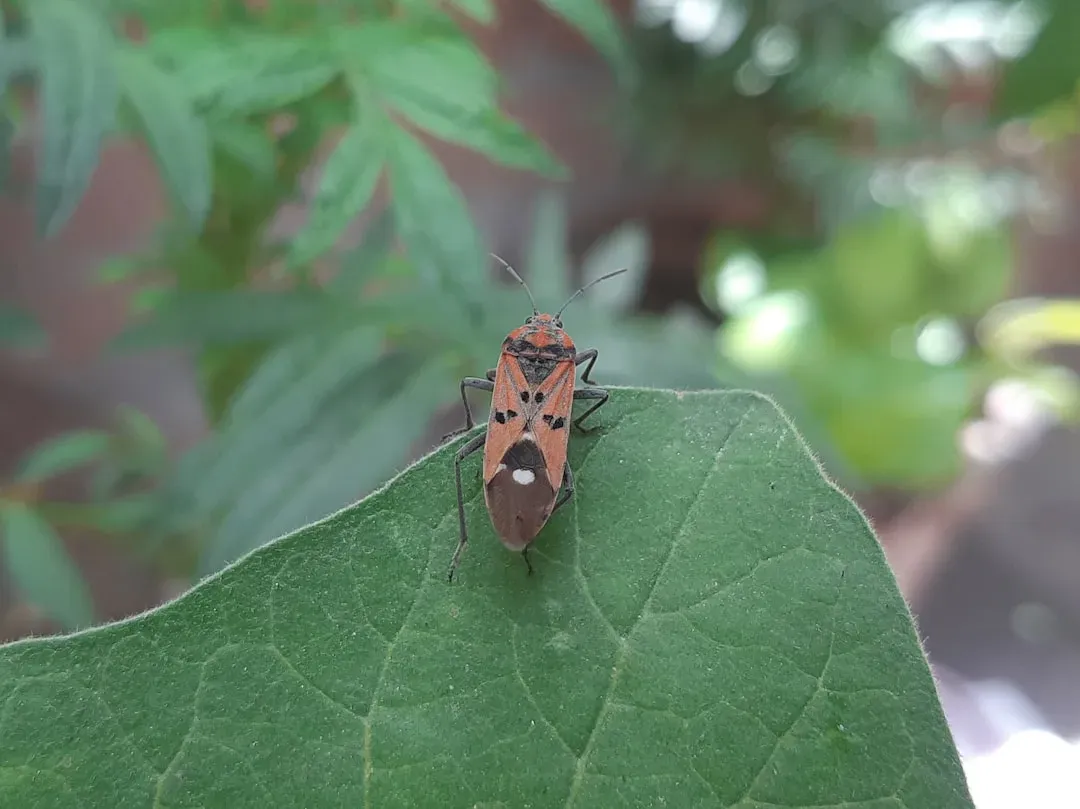
Here’s the honest view: the cultural instinct to sanitize backyards, to spray everything, eliminate the unsightly, and keep only what looks neat, is working directly against the very creatures doing the most useful biological labor in those spaces. Beneficial predators are the Earth’s natural pest control. Entomologists estimate that only one to three percent of all insects are categorized as pests. This means the vast majority of bugs in your garden have a beneficial role, whether they eat the pests, pollinate, aerate the soil, or serve as food for vertebrate predators like bats and birds.
Every creature on this list is, in its own way, managing the health of your yard without asking for anything in return. The dragonfly works the air. The shrew patrols the leaf litter. The toad sits in the shade and slowly dismantles an insect population. None of them need human help. What they need is for humans to stop interfering.
The real takeaway isn’t fear. It’s proportion. These predators existed in long before the backyards existed, and they’ll keep doing their work quietly, efficiently, and invisibly whether you notice them or not. The only question is whether you choose to appreciate the intricate system already running beneath your feet, or keep reaching for the pesticide. One of those choices supports a thriving ecosystem. The other slowly dismantles it.

- 10 Fierce Facts About Jaguars - July 22, 2026
- 7 Cosmic Mysteries Astronomers Still Can’t Solve - July 22, 2026
- 11 Signs Your Pet Dog Is Truly Happy and Feeling Loved in Your Home - July 22, 2026