
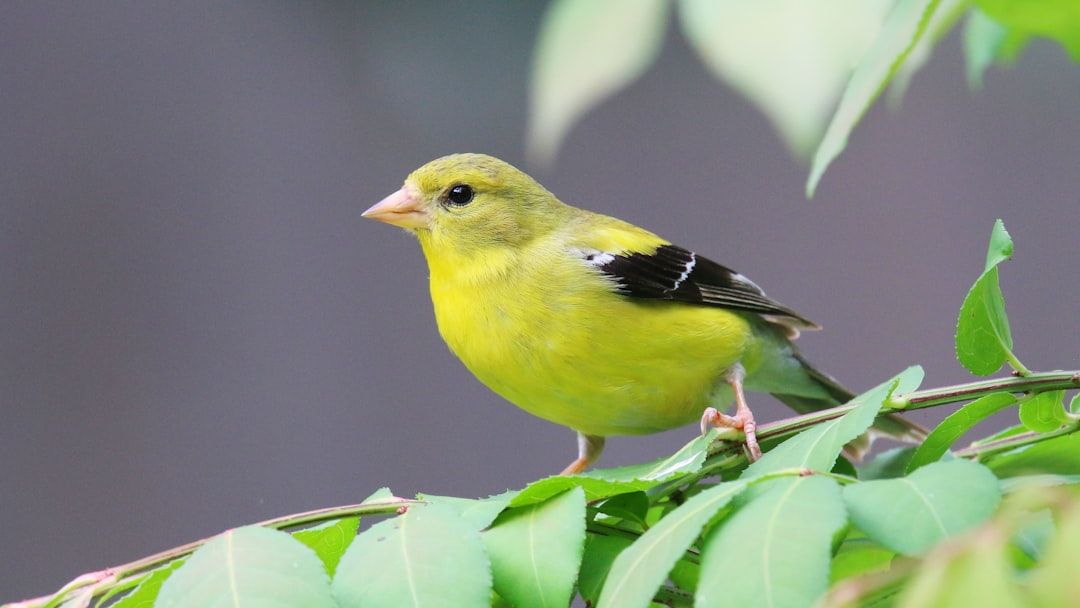
Creating a natural bird sanctuary in your own backyard has never been more rewarding or important. With urban development continuously encroaching on natural habitats, our gardens and yards have become critical oases for countless bird species seeking food, shelter, and nesting sites. The incredible diversity of birds that can visit your backyard might surprise you, from tiny chickadees to majestic blue jays, each bringing their own unique charm and ecological benefits.
You don’t need a bird feeder to attract songbirds to your yard or garden. Providing natural food sources and water can benefit wildlife while still providing plenty of viewing opportunities for bird lovers. Rather than relying solely on commercial feeders, natural approaches create sustainable ecosystems that support both resident and migratory species throughout the seasons. So let’s dive into the fascinating world of backyard birds and discover how simple, natural methods can transform your outdoor space into a thriving avian community.
Northern Cardinals: The Brilliant Red Showstoppers
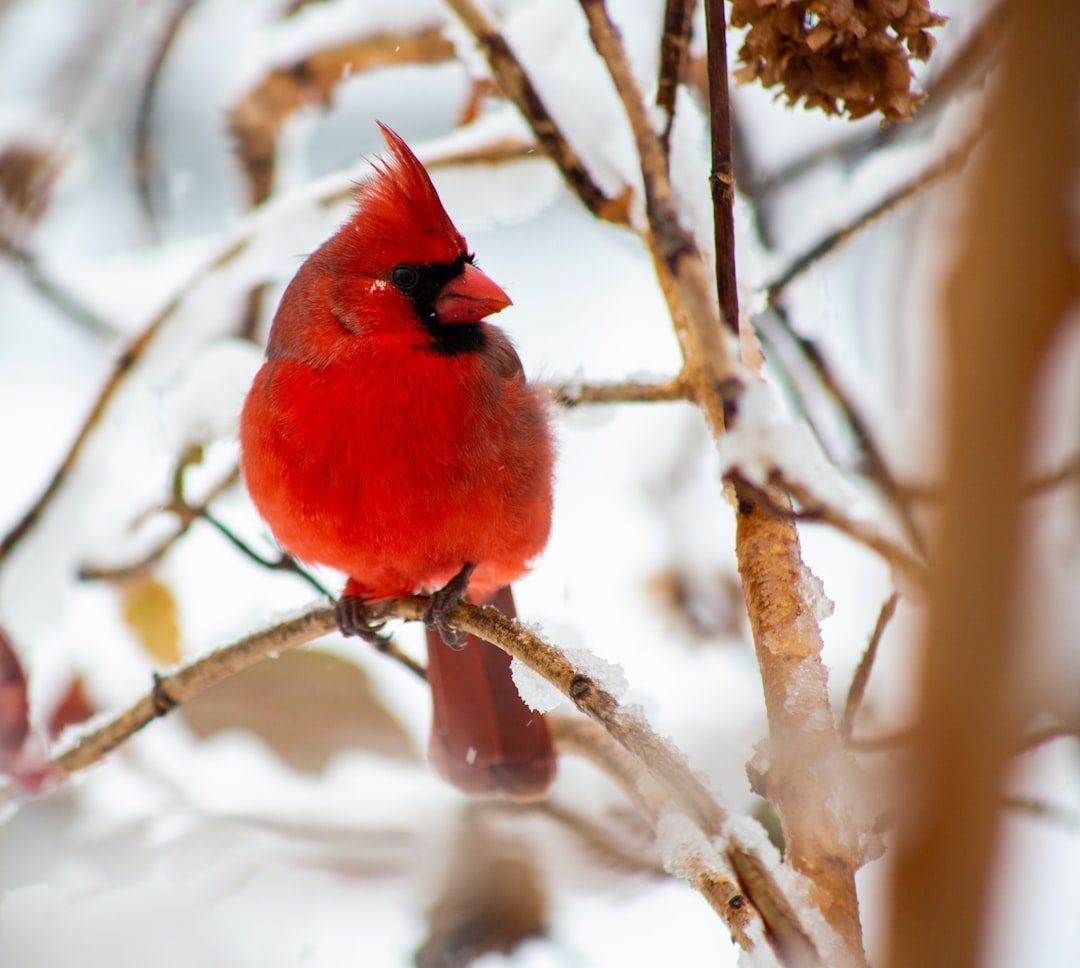
With its black face and crimson crest, beak, and body, the male Northern Cardinal, or “redbird” to many, is one of the most recognized and well-known birds in North America. Though less showy, females are also splendid, wearing soft, tawny feathers instead of the male’s bright red plumage. These stunning year-round residents don’t migrate, making them reliable garden visitors throughout all seasons. Their distinctive “birdy-birdy-birdy” whistles and sharp chip calls create a delightful soundtrack to any morning coffee routine.
Attracting cardinals naturally requires understanding their feeding preferences and habitat needs. Northern Cardinals love black oil sunflower seeds, which offer the right mix of fat and protein. Cardinals are seed eaters and prefer sunflower seeds and safflower seeds. They also enjoy peanuts and dried fruits. However, the most sustainable approach involves native trees and shrubs that produce berries (like dogwoods, serviceberries, cherries, blueberry) which provide natural nutrition throughout the seasons.
American Robins: The Cheerful Harbingers of Spring
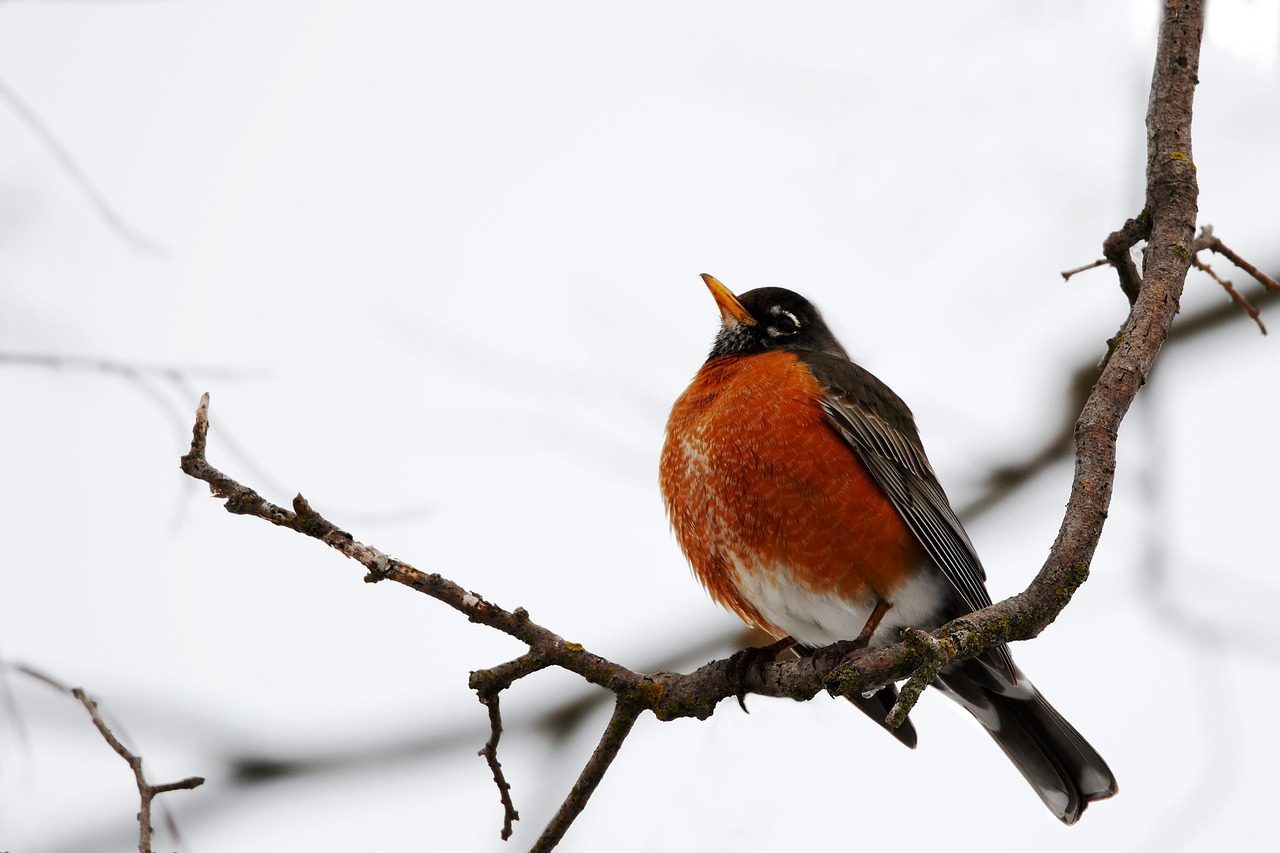
Often seen running upright across lawns and meadows while foraging for worms, robins can be found from cities and towns to parks and forests, where their rich, throaty songs provide a constant soundtrack to our daily lives. Although Robins are considered one of the key harbingers of spring, only some birds in northern states travel south during winter. These beloved thrushes with their rusty orange bellies are actually year-round residents in most areas, simply changing their behavior and locations seasonally.
Robins are omnivorous and feed on a variety of foods, including earthworms, insects, fruits, and berries. They also enjoy suet cakes and mealworms. Leave small piles of branches and leaves around your yard. These will attract ground-dwelling invertebrates – perfect for birds like American robins and northern flickers. Creating natural brush piles and maintaining areas of bare soil where robins can hunt for worms makes your yard irresistible to these charming birds. Water features like shallow birdbaths positioned at ground level also appeal to their bathing preferences.
Black-capped Chickadees: The Acrobatic Socialites
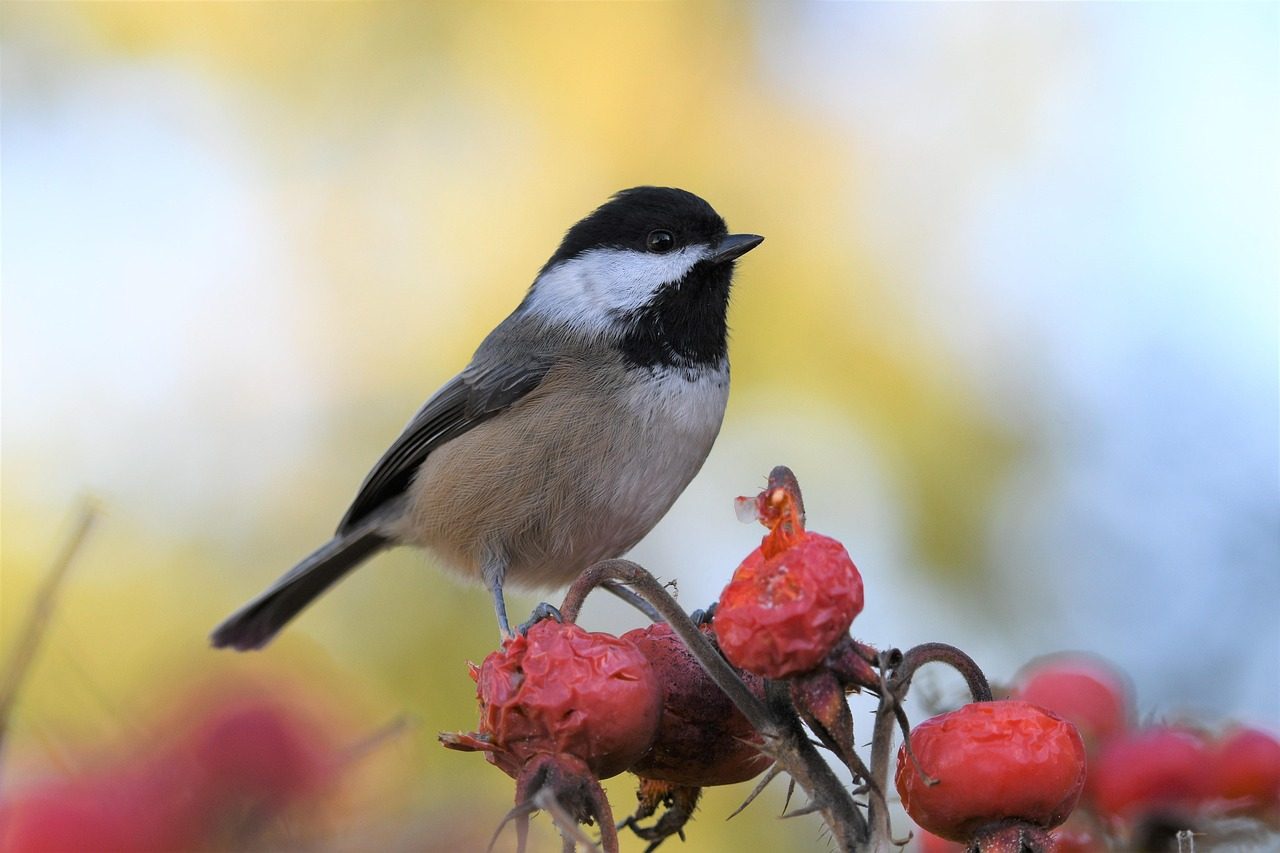
Then you’ll want to get to know the black-capped chickadee! This is one of the friendliest common small birds in America, and adorable to boot. Chickadees are one of the easiest birds to attract to feeders, for suet, sunflower, and peanuts. They don’t mind using tiny hanging feeders that swing in the wind, and also readily visit window feeders. These energetic little acrobats travel in flocks and often lead mixed-species groups through woodlands and backyards. Their distinctive “chickadee-dee-dee” call becomes more urgent when they spot predators, serving as nature’s alarm system.
To attract chickadees naturally, focus on creating the habitat they crave. Planting willow, alder, and birch trees provides future nesting habitat for chickadees. Birds, like the common chickadee, require native trees and plants close to their nest in order to find enough insects to feed their nestlings. Feeders and nest boxes are often used by chickadees; consider putting up a nest box to attract a breeding pair. Make sure you put it up well before breeding season. Black-capped Chickadees are especially attracted to a box when it is filled with sawdust or wood shavings.
American Goldfinches: The Sunshine Specialists
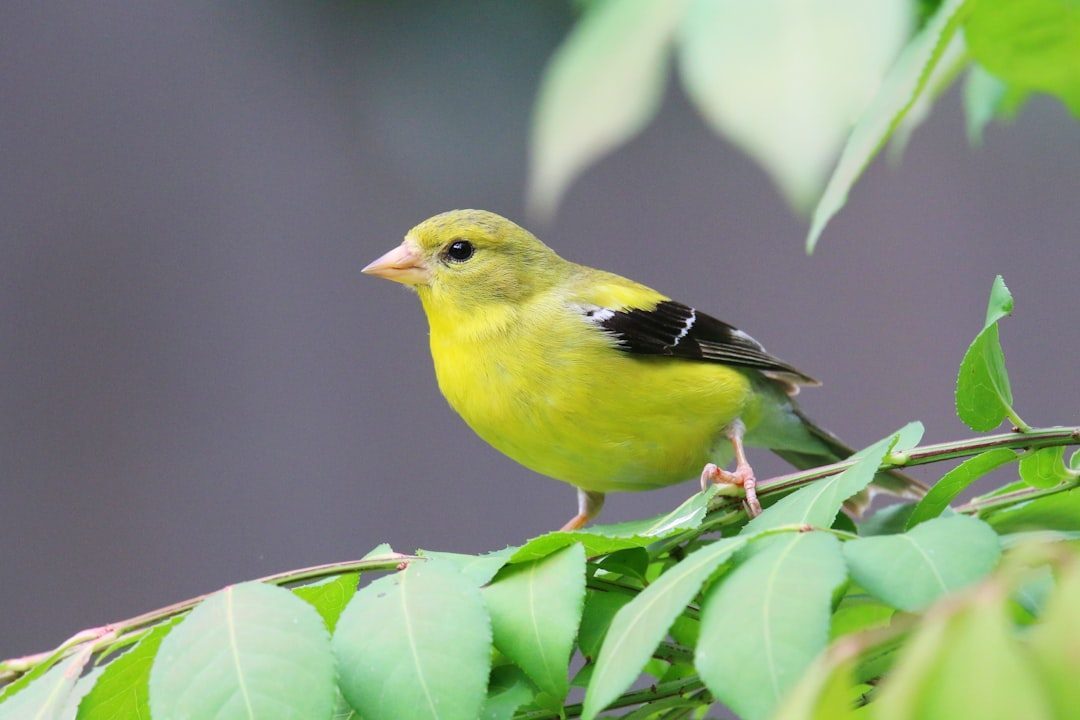
In the spring and summer, bright yellow-and-black American goldfinches are impossible to miss. To attract more goldfinches, offer thistle feeders. American Goldfinches – These bright beauties flock to feeders with thistle (nyjer) seed. These delightful finches undergo dramatic seasonal plumage changes, appearing as brilliant golden gems in summer and more subdued olive-brown birds in winter. Their undulating flight pattern and sweet twittering calls make them easy to identify as they move between feeding areas.
The secret to attracting goldfinches lies in understanding their specialized diet. Not only are American goldfinches common birds, but they also stand out from the others because of their bright yellow feathers. They feed solely on seeds and plants, only eating insects occasionally by mistake. Beyond traditional seed plants, These small backyard birds also love to dine on seeds from plants in the garden. In the winter, their coloration is more muted, but they’re still around and active. Hold off on cutting back flower beds until spring so goldfinches, titmice, doves, quail and other birds can shelter in them when searching for seeds and insects in winter.
Blue Jays: The Intelligent Mimics
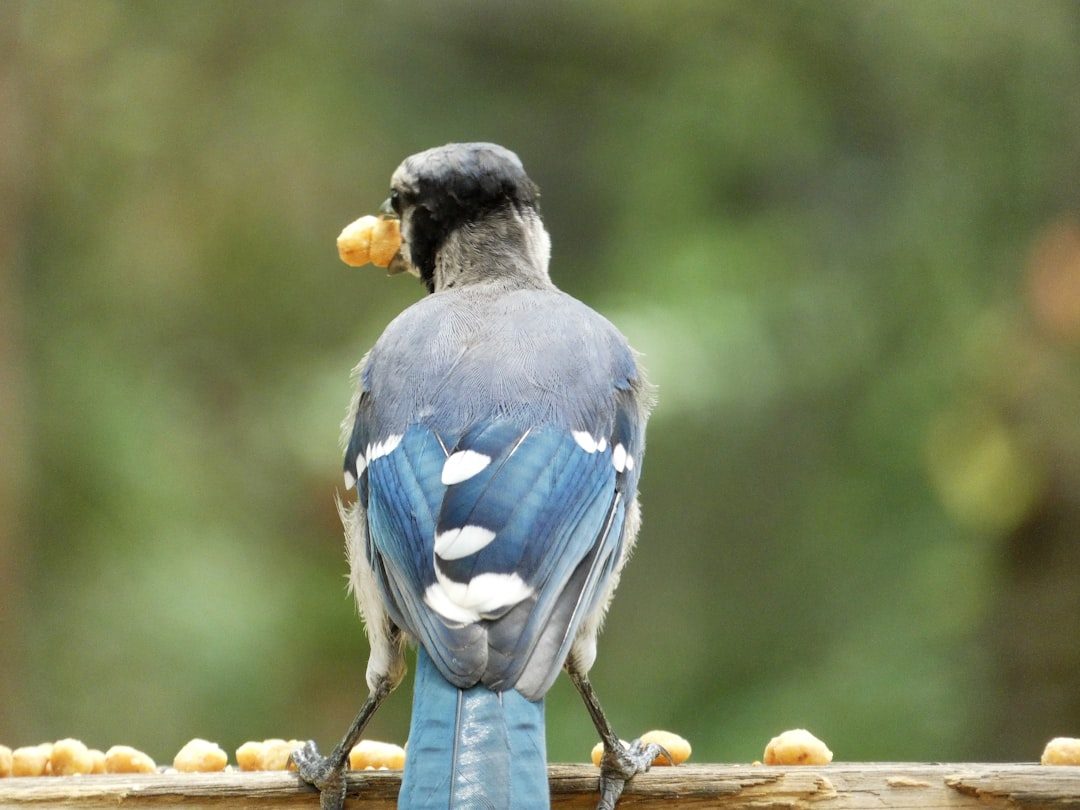
Blue Jays command attention with their striking blue, white, and black coloration. Their vibrant blue wings and tail feathers contrast beautifully with their white chest and distinctive black necklace marking. These intelligent corvids also sport a prominent blue crest they can raise or lower depending on their mood. Their loud “jay-jay-jay” call carries across neighborhoods, but they can also produce a wide variety of sounds and calls. Blue Jays often mimic the calls of hawks, particularly Red-shouldered Hawks, to scare other birds away from food sources. These remarkable birds demonstrate problem-solving abilities that rival those of many mammals.
Blue Jays – These adaptable birds are enthusiastic about peanuts, sunflower seeds, and even suet. These include cherry, honeysuckle, raspberry, serviceberry, grape and plum. They attract birds like brown thrashers, robins, thrushes, waxwings, woodpeckers, orioles, cardinals, towhees and grosbeaks. Blue jays particularly appreciate oak trees, which provide acorns for winter storage. Creating a diverse landscape with both evergreen and deciduous trees gives these intelligent birds the varied habitat they need for foraging, nesting, and shelter throughout the year.
White-breasted Nuthatches: The Upside-down Climbers
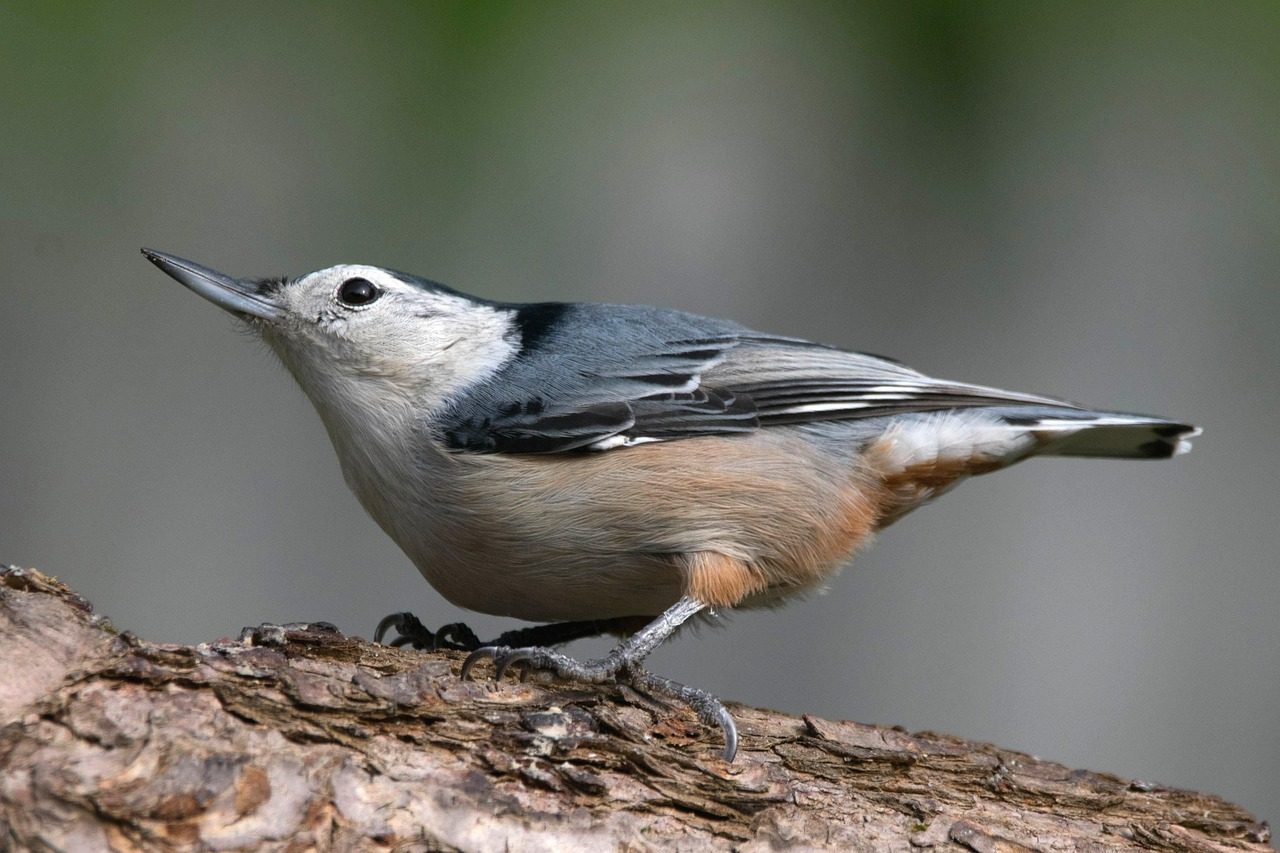
A white-breasted nuthatch is easy to spot due to this backyard bird’s unique habit of hopping around upside-down. The nuthatch will eat just about everything you serve at feeders and has a special love for large seeds like peanuts and acorns. They jam these nuts into tree crevices and whack them to open and pry out the meat. Nuthatches often walk headfirst down tree trunks and cling to bird feeders upside down. They have shorter tails and longer bills than chickadees. Nuthatches often cache bugs, seeds and nuts away in small crevices to find and eat later.
These fascinating birds require mature trees for their acrobatic lifestyle. Nuthatches perform a peculiar tree-climbing technique using only their strong legs and feet. Unlike woodpeckers, nuthatches do not use their tails as props and climb trees in all directions, including vertically head-down as they look for small invertebrates hiding in tiny cracks in the bark. Nuthatches feed primarily on insects during the warmer months and switch to seeds during the colder months. When possible, don’t cut down dead trees, also called snags. Snags are favored foraging and nesting places for many species of birds. Maintaining older trees with textured bark provides the perfect hunting grounds for these remarkable climbers.
Downy Woodpeckers: The Gentle Drummers
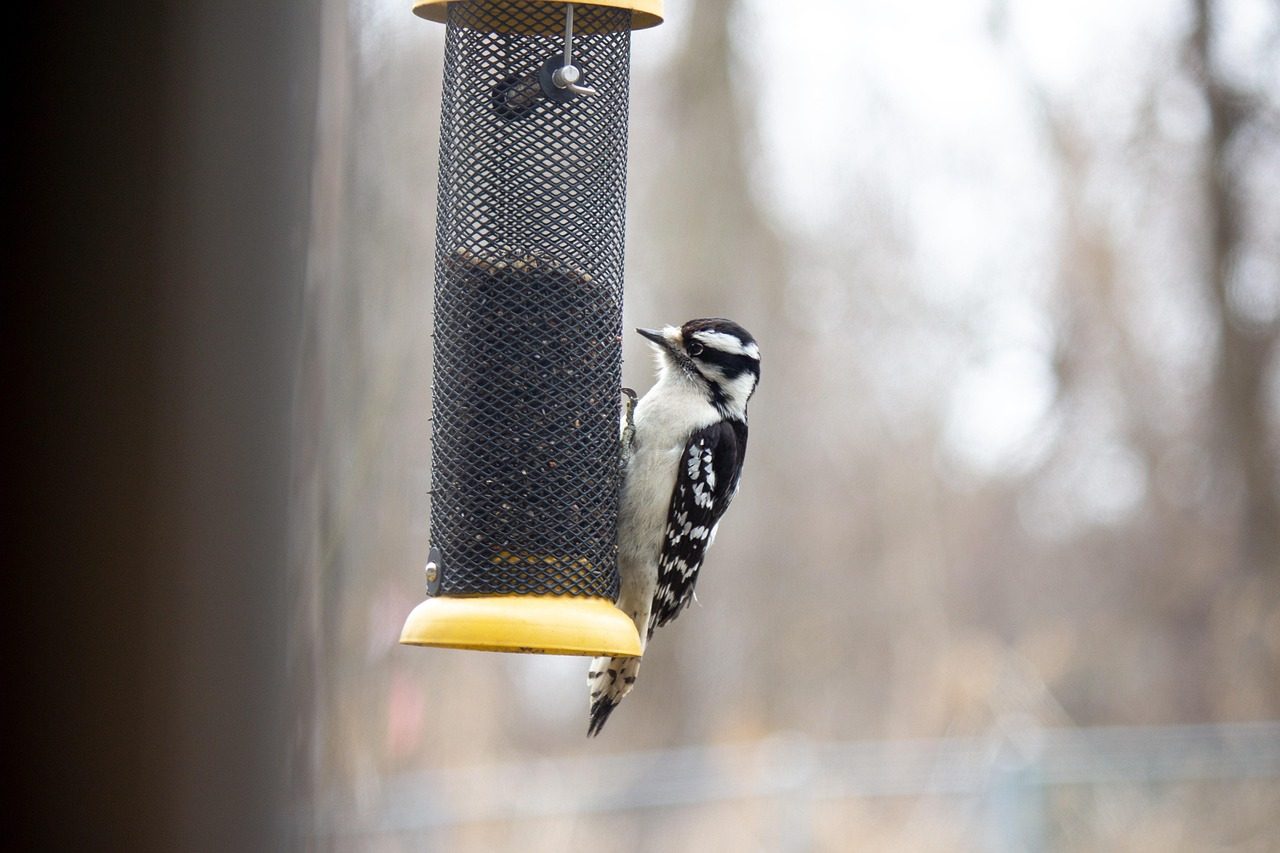
Woodpeckers are backyard birds too, and the Downy Woodpecker is one of the most common. This sparrow-sized woodpecker loves to visit backyards with trees of all sizes. Pairs forage on those trees as well as in bushes for bugs and other small creatures. Downy woodpeckers are the smallest North American woodpeckers, often joining flocks with other small birds like chickadees and nuthatches. Like other woodpeckers, they excavate holes in trees for nesting and roosting, but they usually target dead trees. These gentle woodpeckers rarely damage healthy trees, making them welcome guests in any garden.
Woodpeckers: These birds are known for their suet-loving habits and will readily visit feeders. Nuthatches: These acrobatic birds can cling to the cage and enjoy the suet. Chickadees: These energetic birds will frequent suet feeders for a quick energy boost. However, natural attraction methods work exceptionally well. Woodpeckers – Suet feeders can attract Downy and Red-bellied Woodpeckers, both common in Arkansas. spreadable suet that can be easily smeared on tree bark or a feeder to attract birds such as chickadees, nuthatches, catbirds, cardinals, mockingbirds, wrens, woodpeckers for a natural feeding experience that mimics their wild foraging behavior.
House Finches: The Rosy-colored Songsters
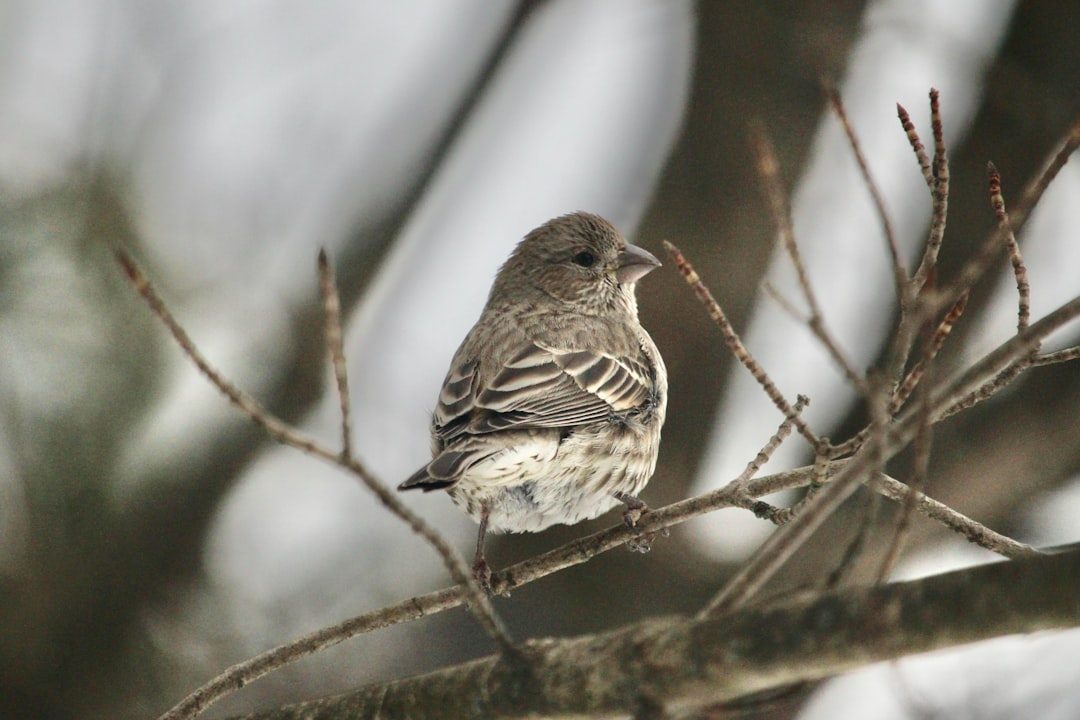
House Finches are lovely, rose-colored birds with beautiful rambling songs. What a great bird to have in the backyard! These sparrow-sized finches have become very much adapted to living near people and occur in all sorts of backyards and gardens. A small bird, males stand out thanks to a dollop of red on their faces that diminishes as it stretches down their necks and breasts. Females are all brown with light striping on their breasts. Possibly the most common visitor to feeders throughout the U.S., House Finches are found in suburbs and urban areas.
House finches are seed eaters and prefer thistle, sunflower seeds, and safflower seeds. They also enjoy fruit and insects. To attract house finches, you can use a tube feeder or a hopper feeder with small perches. Natural attraction focuses on providing diverse seed sources. They are happy to visit feeders to eat seeds but also forage on the ground and in bushes for bugs. Like other backyard birds, House Finches also enjoy bird baths. Planting native wildflowers that produce small seeds and maintaining areas where they can forage naturally creates an ideal environment for these adaptable songsters.
House Wrens: The Cavity-nesting Chatterboxes
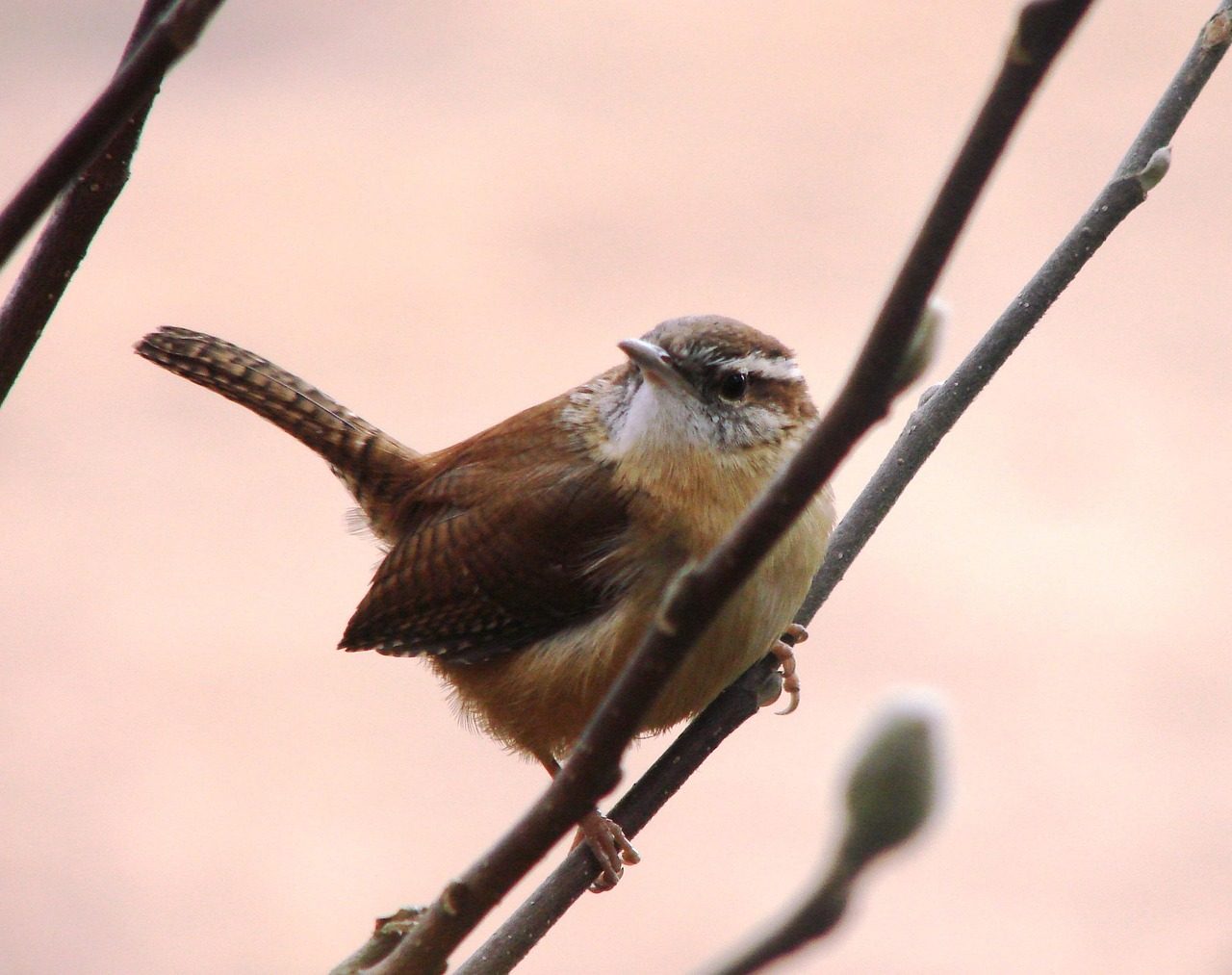
If you’ve ever been scolded by a plucky little brown bird, chances are good it was a House Wren. As the name suggests, this common wren species thives in urban and suburban spaces, gracing backyards, parks, and hedgerows with its cheerful, bubbly song. These birds can be furtive, but when defending their territory or nests, they become conspicuous, bouncing from perch to perch with their lightly striped tails held high, incessantly chattering at the intruder.
Wrens: House wrens and Carolina wrens may also visit suet feeders. Carolina wrens and other insect eating birds welcome suet feeders during the winter time when insects are scarce. The brush piles provide shelter for bird species like the Carolina wren. House Wrens nest in natural or manmade cubbies, but before they do, male House Wrens will often build several partially completed potential nests for their partners to choose from. Once a nest is chosen, the female completes the build by adding lining. Creating dense shrub areas and leaving natural brush piles provides both nesting opportunities and insect-rich foraging areas these energetic birds require.
Eastern Bluebirds: The Azure Pest Controllers
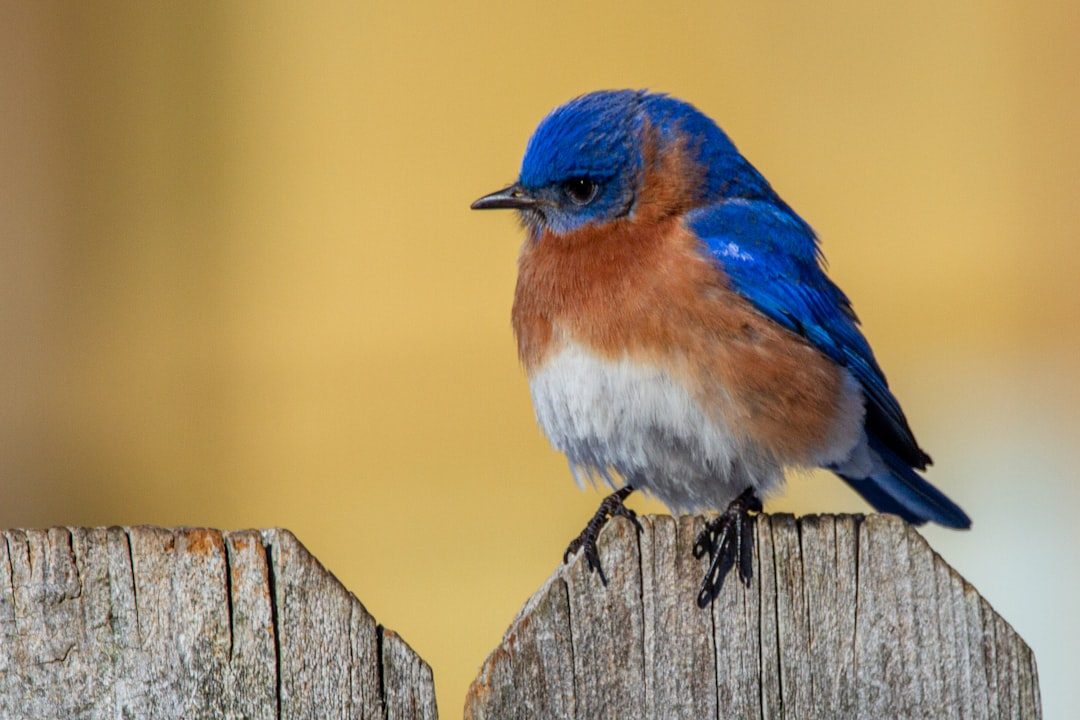
Bluebirds not only add a rare azure color to your yard, but these tiny blue flyers are the ultimate in backyard pest control. There are slight differences among the three, but one thing they all have in common is their love for insects. These stunning members of the thrush family represent one of conservation’s greatest success stories, having rebounded from severe population declines thanks to dedicated nest box programs and habitat restoration efforts. Their gentle nature and striking appearance make them among the most sought-after backyard visitors.
Bluebirds relish native berries in fall and winter, so consider planting blackberries, bayberries, eastern red cedars, hawthorns, or sumacs to attract these pretty pest controllers. Planting a variety of grasses, shrubs, trees and flowering perennials will attract the most birds. Red Chokeberry or Early Lowbush Blueberry will attract fruit and berry-eating birds and wildlife, while Cardinal Flower and Trumpet Honeysuckle are favorites of Ruby-throated Hummingbirds. Maintaining open areas with scattered perches where bluebirds can hunt for insects while providing native berry-producing plants creates the perfect habitat blend these beautiful birds need to thrive.
Conclusion
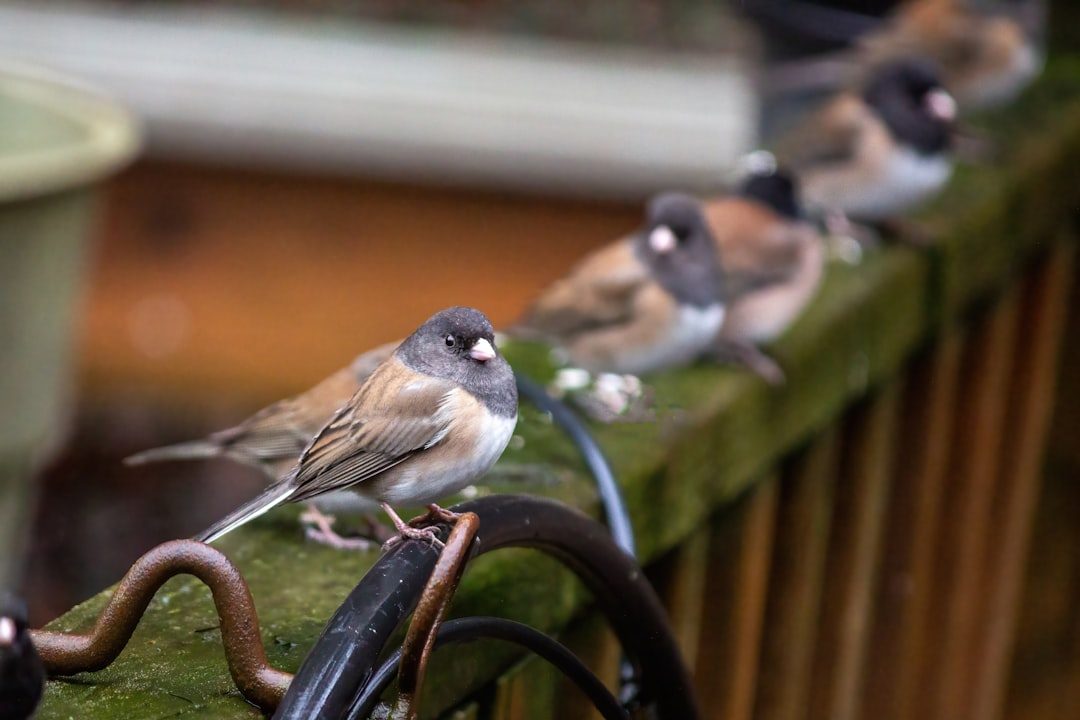
Creating a naturally attractive backyard for birds transforms your outdoor space into a living, breathing ecosystem that benefits both wildlife and your daily well-being. To attract birds naturally, first you need to attract insects. Growing native plants in your yard can be the best way to attract many species of birds to the area and increase nesting success for chickadees and other species. The beauty of natural bird attraction lies in its sustainability and the authentic behaviors it encourages, from the acrobatic antics of nuthatches to the territorial displays of wrens.
Remember that patience and consistency yield the greatest rewards in bird watching. By providing food, shelter, water, and safety, you can create a bird paradise in your yard that attracts birds year-round. Each species brings its own unique personality and ecological benefits to your garden sanctuary. What do you think about transforming your backyard into a natural bird haven? Tell us in the comments.

- 7 Surprising Benefits of Spending Time Outdoors With Your Dog Every Day - July 10, 2026
- 7 Costly Mistakes When Starting a Hobby Farm - July 10, 2026
- 9 Animals Making a Comeback Across Missouri - July 10, 2026