
Nature does not play by the rules we write for it. We grow up thinking the animal kingdom is a brutal, zero-sum game – eat or be eaten, predator or prey. Simple. Clean. Predictable. Except it almost never is. Across every ecosystem on the planet, creatures are quietly breaking all the rules, forging unexpected alliances that challenge everything we think we know about how animals relate to one another.
Symbiotic interactions can significantly influence ecological dynamics and species diversity, as they often involve complex adaptations and coevolution. What makes these relationships so jaw-dropping is that many of them exist between species that, by all logic, should be competing for survival or actively trying to kill each other. Instead, they cooperate. They help. They form partnerships so strange and so effective that scientists are still trying to fully understand them.
From ocean floors to African savannahs, from rainforest canopies to coral reefs, the evidence is everywhere. So let’s dive in – some of what you’re about to read may genuinely surprise you.
Clownfish and Sea Anemones: The Original Odd Couple
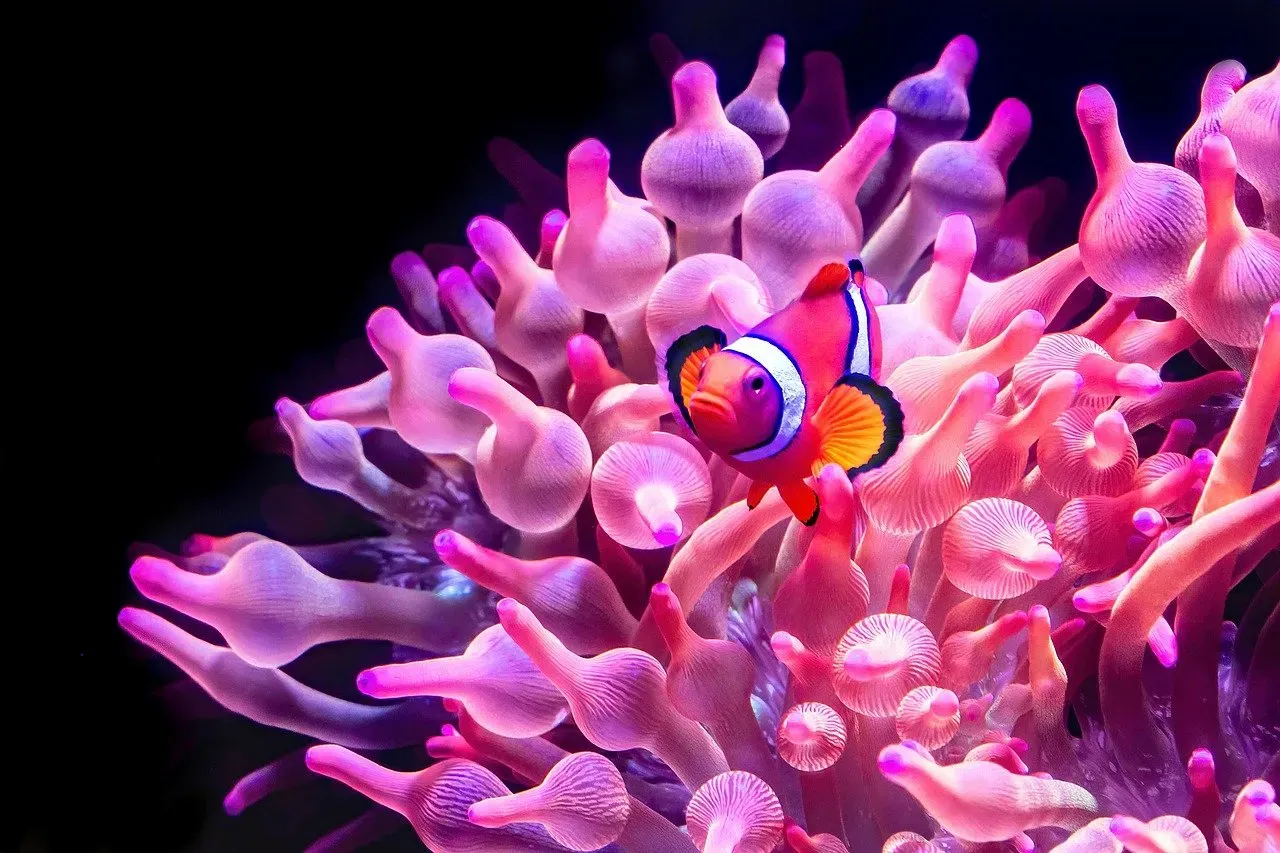
Let’s be real, most people know this one from a certain animated Pixar movie. But the actual biology is even more remarkable than the story. Clownfish live among the tentacles of sea anemones, which protect them from predators, while the fish help the anemones keep clean and provide them with nutrients through their waste.
Each clownfish species has co-evolved to live within one or more of ten different anemone species for almost their entire lives, and this mutualistic relationship is one of the key triggers for the fish’s diversity, since different anemones live in different habitats, causing clownfish to adapt and diversify accordingly.
The fish provide their hosts with cleaning services and protection, chasing off anemone predators such as butterflyfish, and nitrogen from the fish’s excrement enables the algae within the anemone’s tissues to carry out photosynthesis, nourishing both algae and anemone, while in return the plant provides a safe home for both.
What strikes me most about this partnership is how genuinely ancient it is. Fish-anemone mutualisms have evolved on at least 55 occasions across 16 fish families over the past 60 million years. Sixty million years. That is not a coincidence. That is nature voting, again and again, for cooperation over conflict.
Pistol Shrimp and Goby Fish: A Blind Architect and Its Bodyguard
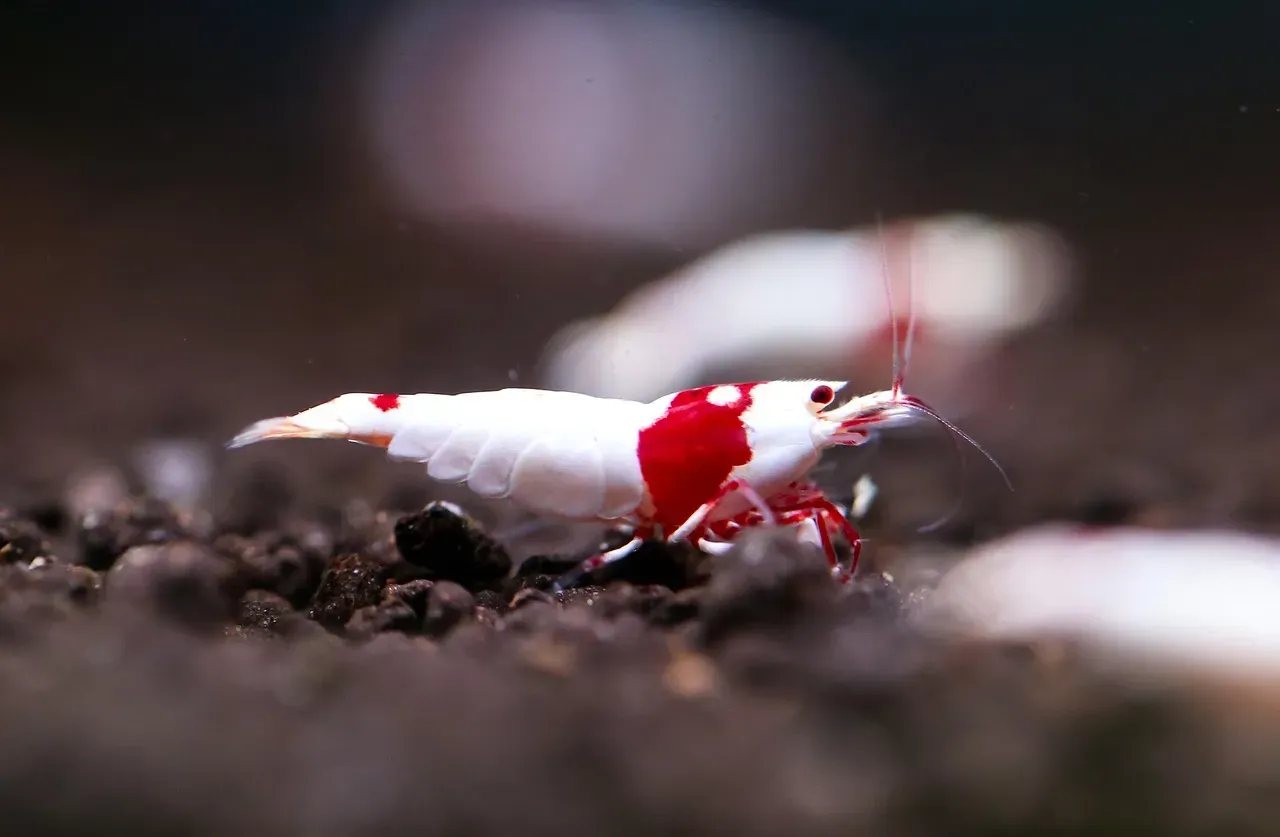
Imagine hiring a roommate who builds your entire house, maintains it, and keeps it spotless – but who is essentially blind and completely helpless without you watching the door. That is the pistol shrimp’s situation. The pistol shrimp is a tiny powerhouse with big claws but terrible eyesight, and the goby fish serves as its trusty lookout, while the shrimp digs a burrow in the sand for both of them to call home, and in return the goby keeps watch for danger.
The communication between these two is astonishing in its precision. In many cases the shrimps maintain contact with the gobies using their long antennae, and the gobies signal to the shrimps using specific fin flicks. When danger approaches, that signal is life or death.
Some species of pistol shrimps rival whales for the accolade of noisiest creature in the ocean – pretty impressive given the size difference. Yet for all that explosive power, they cannot survive without a watchful partner. This is a truly mutualistic example of symbiosis, and for many goby species it appears to be an obligate relationship on the reef.
Oxpeckers and Large Mammals: Helpful Friends or Sneaky Freeloaders?
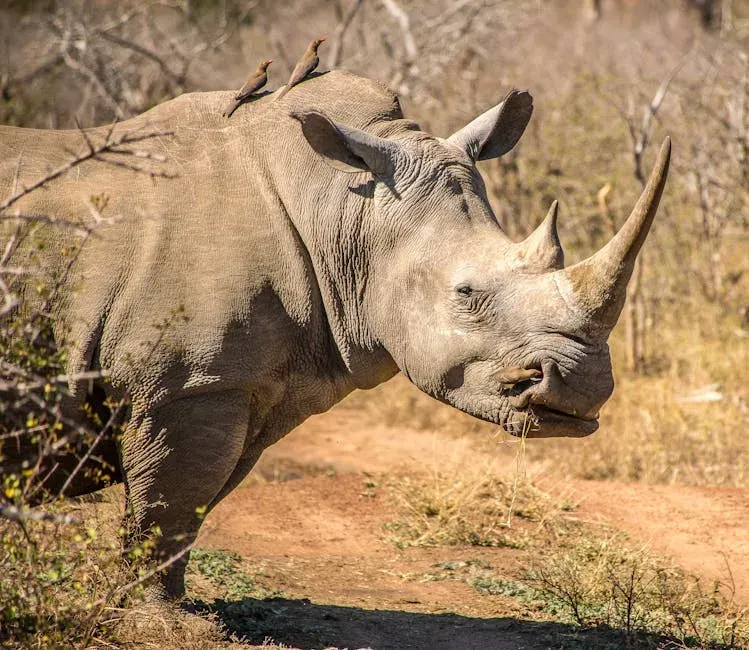
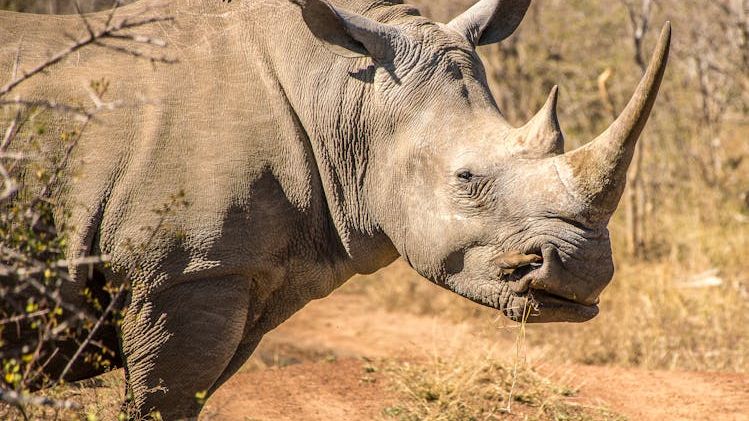
Here is a partnership that gets more complicated the closer you look. For a long time, the relationship between oxpecker birds and large African mammals like rhinos, zebras, and wildebeest was considered a textbook win-win. Red and yellow-billed oxpecker birds spend much time sitting on large mammals where they consume parasites such as ticks, these noisy birds also have keen eyesight and raise the alarm should a predator arrive, and ecologists once believed this symbiotic relationship was mutually beneficial.
However, more recent studies show these birds can go too far and dig into skin, creating wounds that attract egg-laying flies and infections, and many ecologists now consider this relationship closer to parasitism than pure mutualism.
Still, the story has a twist that brings the mammals back into the deal. Red-billed oxpeckers provide another important service for black rhinos – they warn their hosts of approaching danger. The oxpecker among a herd also acts as a lookout, letting off a shrill warning call if it detects danger, which positively benefits the mammal it is on. Honestly, it’s hard to say for sure where genuine mutualism ends and exploitation begins here – and that ambiguity is exactly what makes this one fascinating.
Honeyguide Birds and Humans: A Million-Year-Old Alliance
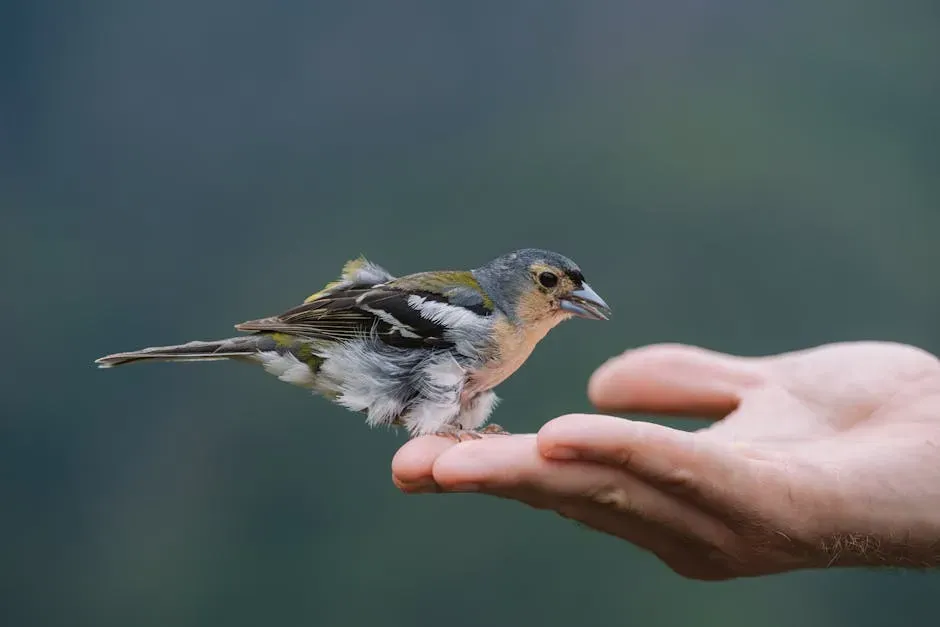
This one is extraordinary. Not just in the animal kingdom – but in all of natural history. The greater honeyguide bird has developed a cooperative relationship with humans that is, as far as scientists can tell, the only proven mutualistic bond between a wild bird and our species. Over millennia, the honeyguide and honey hunters have evolved a mutualistic relationship in which the bird guides the human to the bee’s nest, the hunter gets the honey, and the honeyguide gets the leftovers.
Greater honeyguides are territorial and scout out the location of wild bee nests in their territory, each territory may contain multiple honey bee nests, and to attract the attention of a honey hunter the honeyguide emits a distinctive chattering call.
At least 44 distinct African ethnic groups exhibit this type of mutualistic relationship with honeyguides. Think about that number. Across an entire continent and thousands of generations of people, this bird and humans kept striking the same deal. It is much more likely that this mutualistic relationship between humans and honeyguides evolved over a very long period – and since we’re talking about evolutionary timeframes, this could potentially mean millions of years.
Warthogs and Banded Mongooses: An Unlikely Spa Treatment
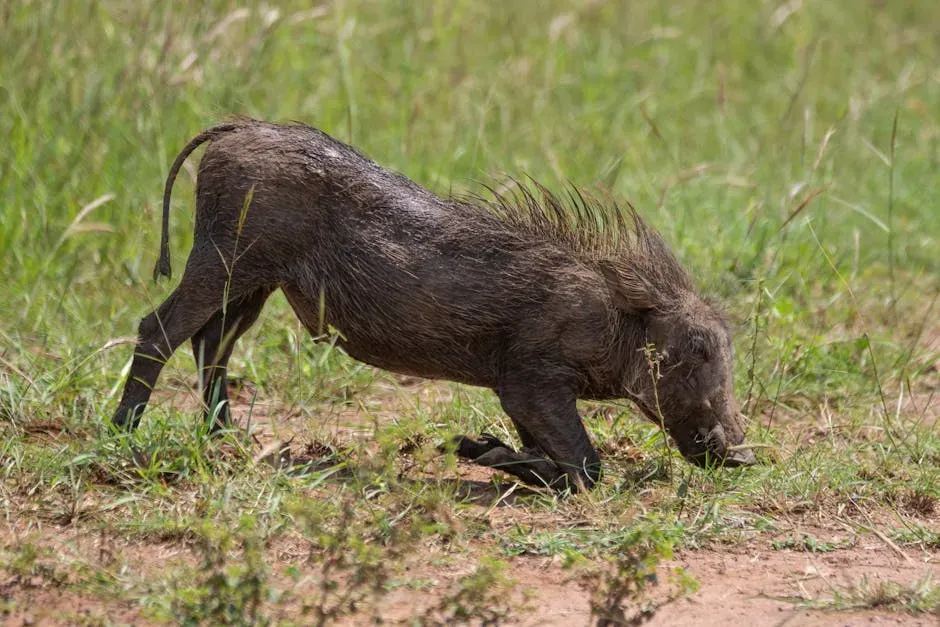
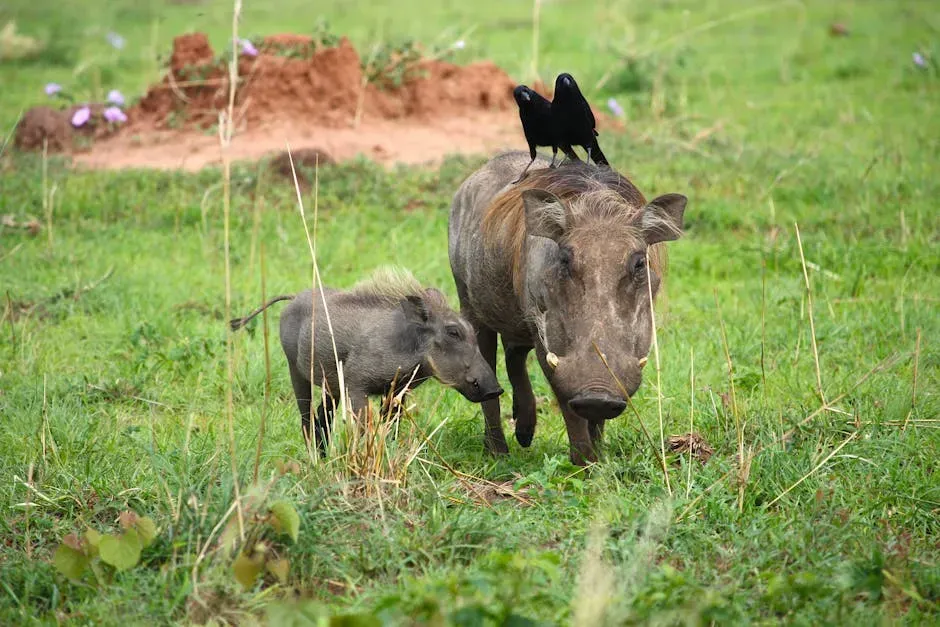
Here is a pairing that sounds like the setup of a joke but is, in reality, one of nature’s most touching partnerships. Warthogs lie down when mongooses get close, so the more adventurous mongooses climb on them and pluck away ticks, and in return hungry mongooses receive a tasty tick dinner plus protection from predators like snakes and birds of prey, with this behavior regularly observed in Uganda’s Queen Elizabeth National Park.
While many mammals indulge in mutual grooming to remove ticks, it is unheard of for one mammal species to groom another – yet cross-species cooperation regularly occurs between warthogs and banded mongooses in Uganda’s Queen Elizabeth National Park.
The warthog essentially turns into a grooming station, lying completely still while tiny mongooses scramble across its body. It is surprising because warthogs don’t trust easily. The fact that they do it at all says something profound about how deeply embedded these cooperative instincts really are.
Cleaner Fish and Their Unlikely Clients
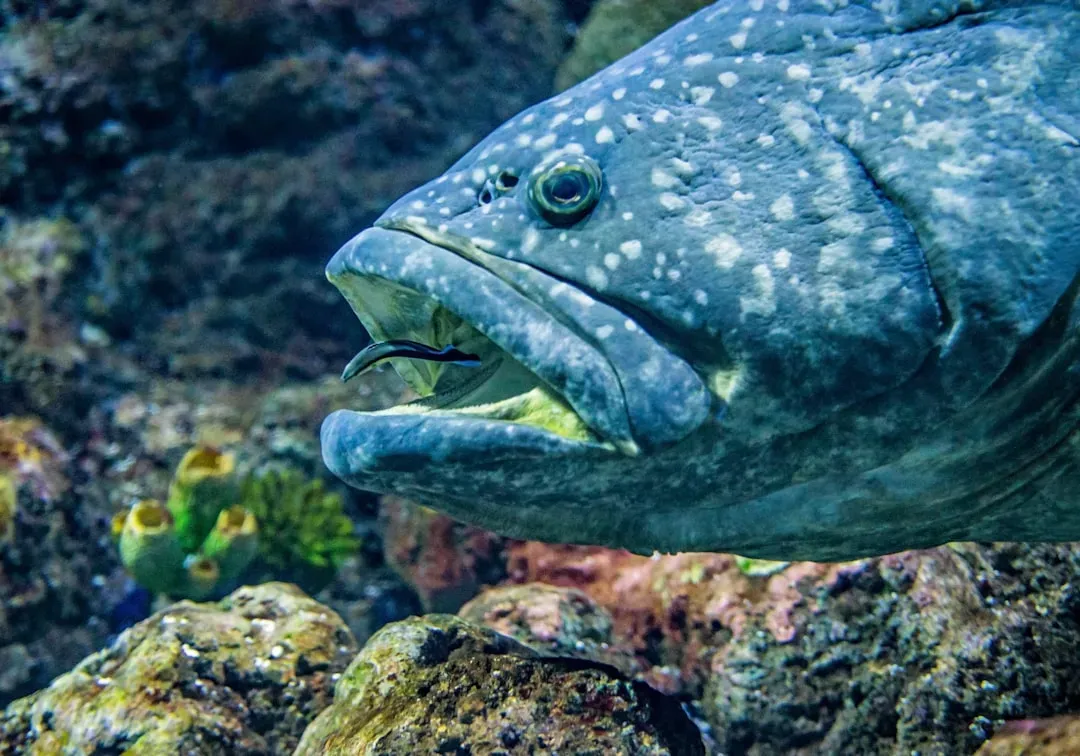
Imagine walking into a dentist’s office, opening wide, and trusting that the person with sharp tools in your mouth has no intention of hurting you. That is essentially what large predatory fish do every single day at what marine biologists call “cleaning stations.” One of the most famous examples of mutualism is found in the ocean, where cleaner fish such as wrasses eat parasites and dead skin off larger client fish, the cleaner fish gain a meal, while the client fish enjoy a grooming service.
In the waters surrounding the Hawaiian Islands, green sea turtles regularly visit underwater cleaning stations where convict tangs and other reef fish nibble away parasites and dead skin, this mutually beneficial relationship keeps the turtles healthy and the fish well-fed, and beyond benefiting individuals, these cleaning stations play a vital role in maintaining reef health by reducing parasite loads and promoting biodiversity.
The predator-prey dynamic gets completely inverted here. The large fish could easily swallow the cleaner. It simply doesn’t. Mutualism can lead to highly specialized partnerships that become critical to the survival of both species. At the cleaning station, the instinct to hunt is switched off entirely – and both animals are better off for it.
Ethiopian Wolves and Gelada Monkeys: The Predator Who Plays Pacifist
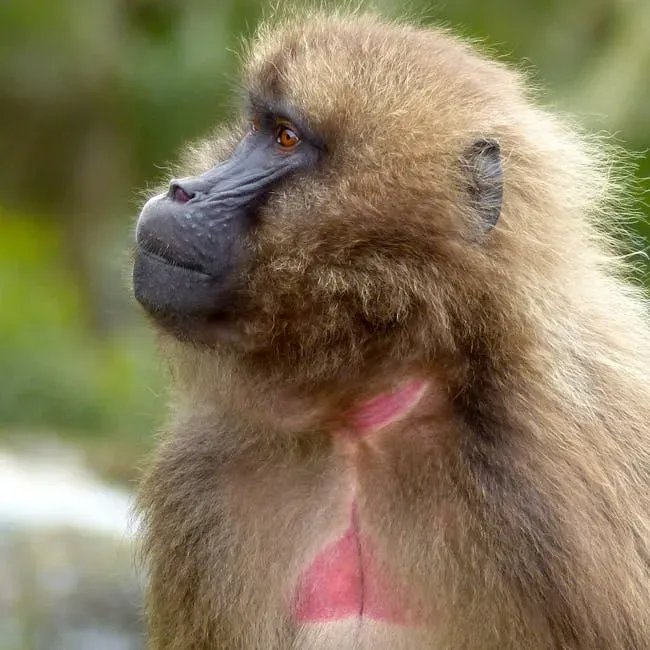
This one genuinely blew my mind when I first read about it. The Ethiopian wolf is a predator. The gelada monkey is, by size and type, exactly the kind of prey such a wolf might target. Yet something remarkable happens when these two species meet. In Ethiopia, Gelada monkey herds allow predatory Ethiopian wolves in their midst, because the wolves hunt and kill rodents that eat the same grasses and vegetation as gelada monkeys, and amid a monkey herd, wolves are more likely to capture rodents who potentially feel safer in the group and spend less time scanning for approaching predators.
Rather surprisingly, the wolves don’t capture and kill the monkeys, even though they’re the right size prey for them, and experts think that wolf scent also deters monkey predators like cats and birds.
This is about as close as nature gets to a predator actively choosing not to hunt. Both species derive real benefit, and the whole thing hinges on an extraordinary mutual tolerance. It is the kind of relationship that makes you wonder how many similar dynamics we have simply never observed closely enough to document.
Remoras and Manta Rays: The Ultimate Hitchhiker
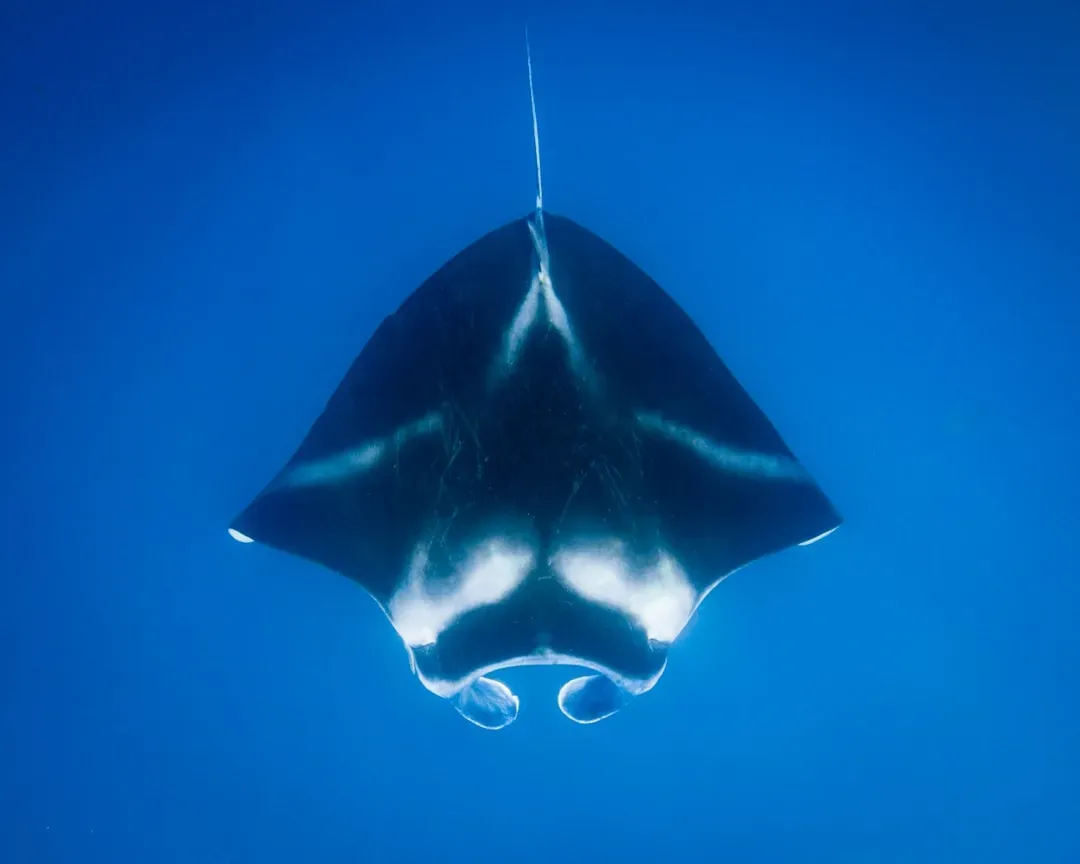
If you could latch onto the side of one of the ocean’s most majestic creatures, eat for free, and get a full-body cleaning service in return – wouldn’t you? The remora has figured this out completely. In the waters of Florida Keys and Flower Garden Banks national marine sanctuaries, manta rays and remoras form a partnership that is both functional and fascinating, where remoras attach themselves to manta rays using a suction disk on their heads, this hitchhiking behavior allows the remoras to save energy while traveling and access food scraps left behind by the rays, and in return remoras help keep the manta rays clean by eating parasites and dead skin.
Remoras attach themselves to a variety of marine animals including manta rays, sharks, turtles, and many large fish species, in every case receiving free transportation and a steady supply of food scraps, and in return their hosts receive a complimentary skin treatment as remoras remove parasites and dead skin.
Think of it like being a mobile car wash that gets to travel the ocean for free. This mutualistic relationship demonstrates how even the largest creatures in the ocean can benefit from teamwork. The remora’s suction disk, by the way, is actually a modified dorsal fin – evolution finding yet another creative solution to the art of living together.
Ants and Aphids: Tiny Farmers and Their Even Tinier Livestock
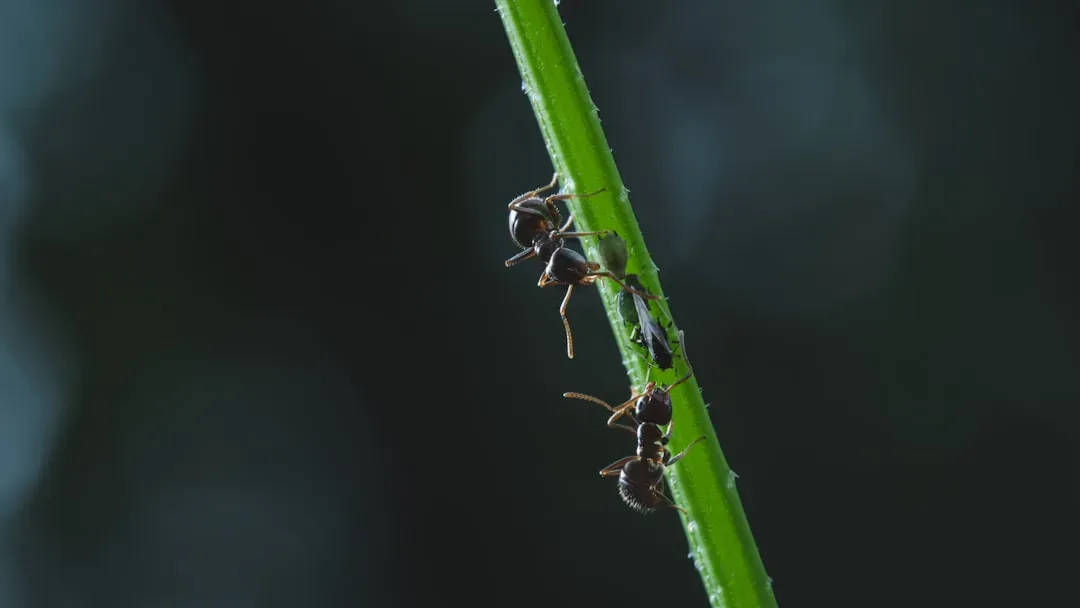
Nature invented farming long before we did. The relationship between ants and aphids is essentially agriculture on a miniature scale, and it is one of the most bizarrely tender partnerships in the insect world. Ants love the taste of aphid honeydew, aphids suck sap from fleshy plant parts and are often seen in spring feasting on fresh plant growth, ants spot the sap-sucking aphids and this is a cause for celebration because ants love to eat the honeydew, the sticky substance the aphids secrete, and they love it so much that ants are spotted milking aphids with their antennae.
What do the aphids get in return? Ants protect aphids from predators and parasites. It’s a bodyguard-for-food deal, and it works stunningly well. Some ant species have even been observed carrying aphids to better feeding locations, sheltering them underground during winter, and moving them away from plants that are no longer productive.
In defensive mutualism, one side of the relationship receives food and shelter, and in return helps their partner to defend against predators, parasites or other threats. The ant-aphid relationship is one of the purest expressions of this dynamic in all of nature. A predator protecting its food source not by eating it, but by nurturing it. Wild.
Coral and Zooxanthellae Algae: The Hidden Partnership Holding Reefs Together
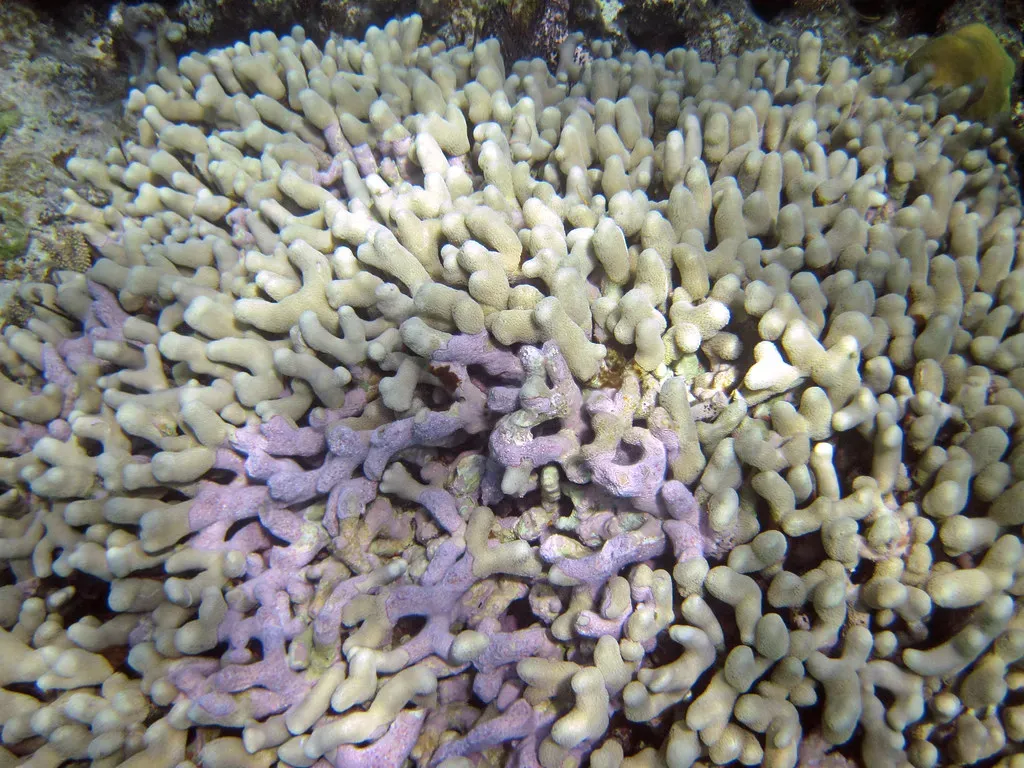
We tend to think of coral reefs as the ocean’s most dazzling scenery. What most people don’t realize is that the entire spectacle depends on a microscopic partnership that has been running quietly for hundreds of millions of years. Zooxanthellae are tiny algae that live within the tissues of coral polyps forming a mutualistic relationship, the coral provides the algae with a safe habitat, access to sunlight, water, and carbon dioxide, and in return the zooxanthellae use these ingredients and photosynthesis to produce oxygen and sugars which nourish the coral, additionally the algae help remove natural waste further boosting the coral’s health.
Corals may look like rocks or plants, but they are actually marine animals, and the bright colours of reef-building corals come from the zooxanthellae algae they have a mutualistic relationship with.
The moment this relationship breaks down – usually due to rising ocean temperatures – the coral expels its algae, turns ghostly white, and begins to die. That process, called coral bleaching, is one of the most visible ecological crises happening right now in 2026. Biodiversity loss can easily upset these relationships, and competition among species can be disrupted by the introduction of invasive forces that destroy an ecosystem’s natural harmony. This partnership is not just beautiful. It is foundational to life in the ocean as we know it.
Conclusion: What These Partnerships Tell Us About Life Itself
Here is the thing about all ten of these relationships. Not one of them fits neatly into the predator-prey story we were taught. These contrasting strategies reveal the incredible flexibility of evolutionary processes in shaping interactions across the animal kingdom, and understanding these relationships helps us see how symbiosis isn’t just about comfort or convenience but is a driving force of evolution.
The natural world is not simply a battlefield. It is also, in very real and measurable ways, a web of negotiations. Tradeoffs. Unlikely trust. The rich tapestry of life on Earth is held together by the complex relationships unfolding in nature every minute of every day, and every single species, however small, plays a crucial role in ensuring that the threads don’t unravel.
What strikes me most, after looking at all of these, is that cooperation keeps appearing as a survival strategy – not as an exception, but as a rule. From a blind shrimp trusting a fish with its life, to a wild bird guiding human ancestors to honey for millions of years, nature keeps arriving at the same conclusion: sometimes, working together is the most powerful thing any creature can do.
The next time you think of the natural world as purely red in tooth and claw, remember the remora on the manta ray, the clownfish in the anemone, the mongoose on the warthog’s back. Which of these partnerships surprised you the most? Drop your thoughts in the comments below.
