
#1 Alaska
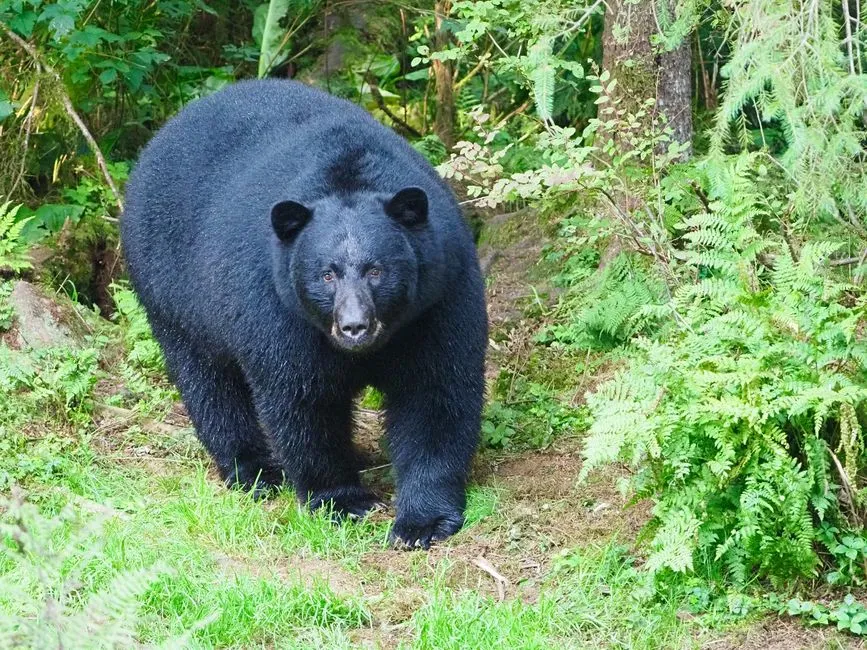
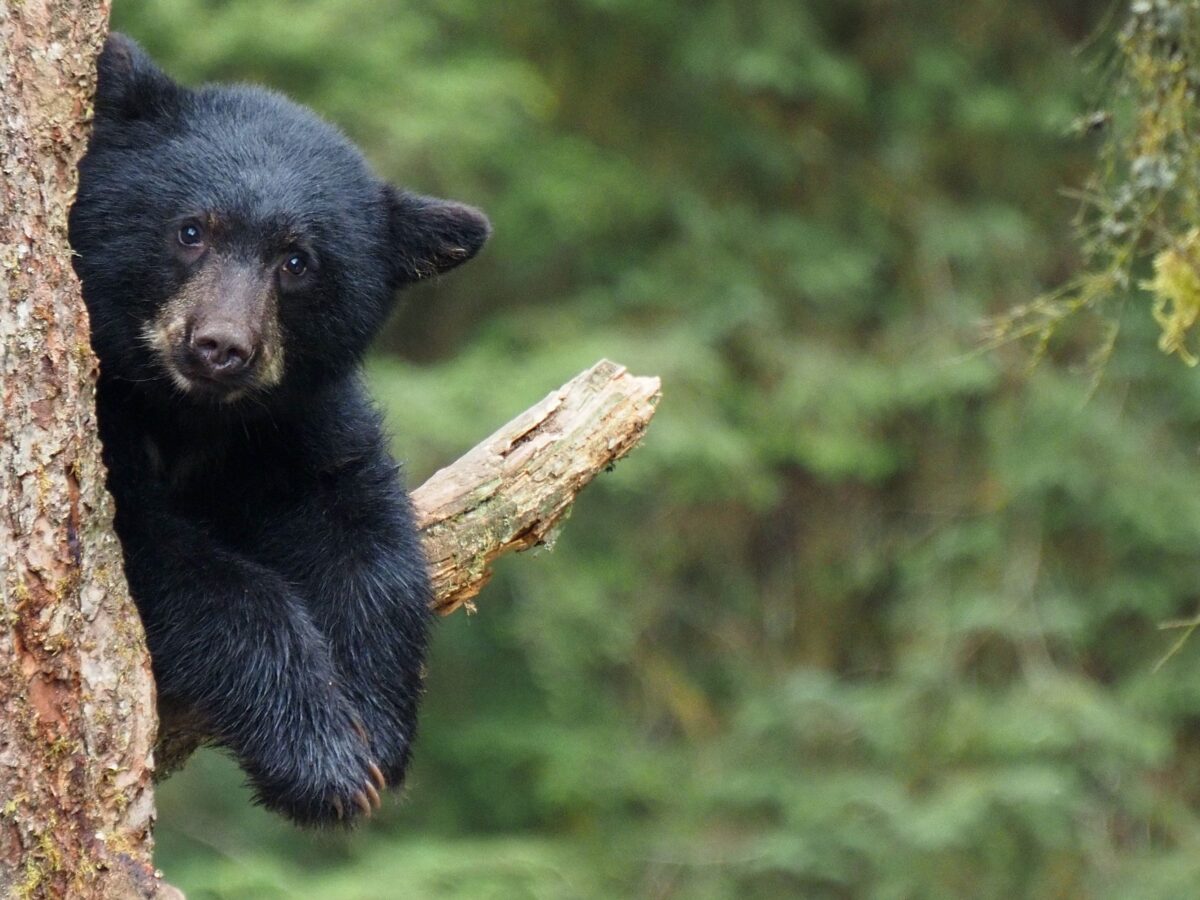
Alaska sits in a category of its own when it comes to black bear numbers. Alaska boasts more than 100,000 black bears, by far the largest population in the United States. Some estimates push even higher, with Alaska holding the largest single-state black bear population at roughly 100,000 to 200,000 animals depending on the survey method used.
What makes Alaska such a bear stronghold isn’t mystery so much as geography. Alaska’s notoriously long winters and low human population density reduce pressure on bear habitat, allowing it to support one of the planet’s highest concentrations of medium- to large-sized predators. Black bears there aren’t confined to a single region either. According to the Alaska Department of Fish and Wildlife, black bears are the most abundant and widely distributed of the three North American bear species living in the state, living in most of Alaska’s forested areas and most of the state’s islands, and in the summer, they fish for spawning salmon in Alaska’s rivers.
#2 California
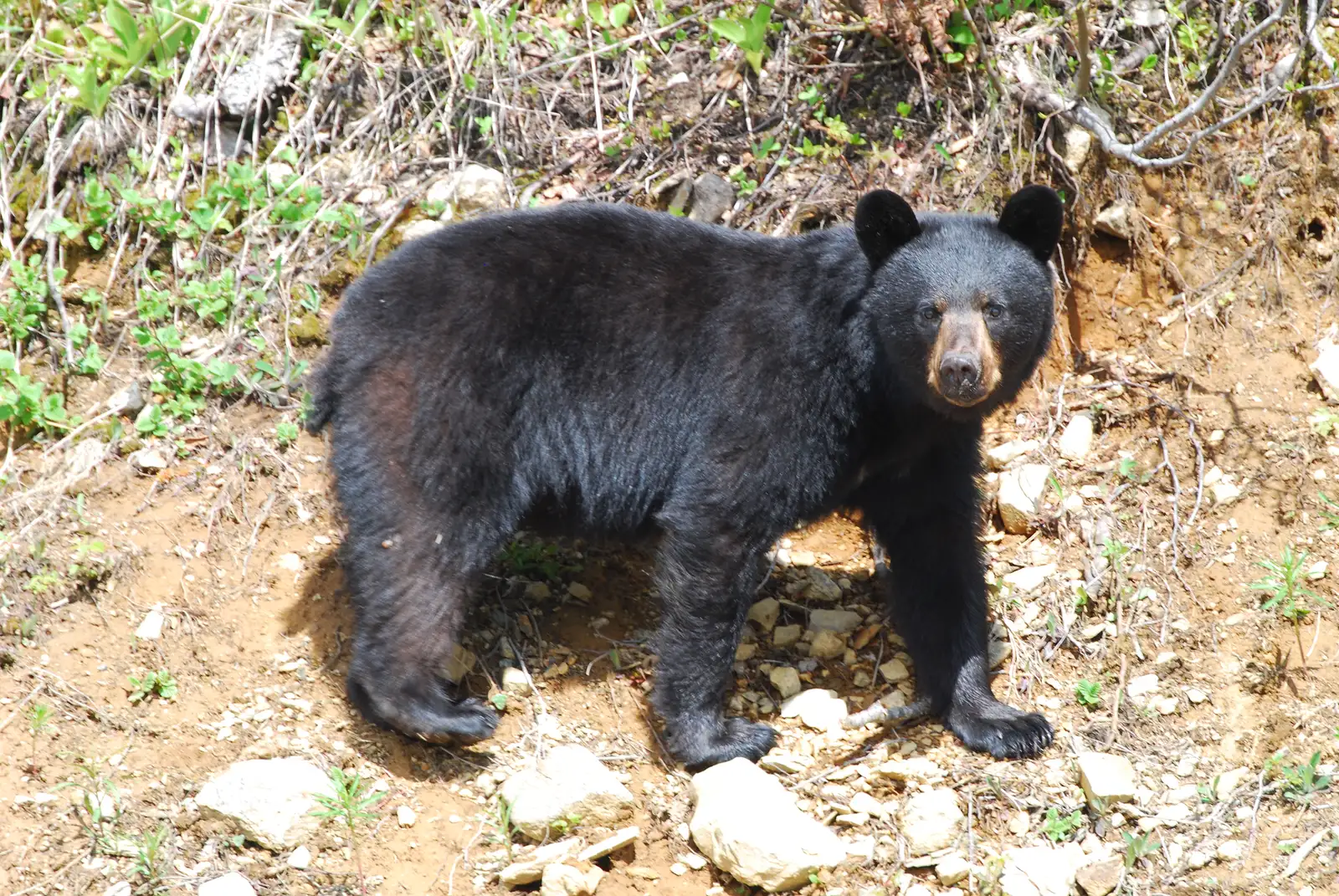
California holds the title for the largest black bear population anywhere in the contiguous United States, a fact that surprises people who associate the state more with beaches and highways than with wildlife. California holds the largest black bear population in the contiguous US, and different sources on the subject vary widely, but the California Department of Fish and Wildlife estimates that 49,000 to 71,000 live across the state. Older estimates put the figure lower, closer to a range between 30,000 and 40,000, but nearly every source agrees the trend has been upward for years.
The state’s bear population isn’t spread evenly. These bears occupy roughly 40 percent of California’s land area, especially in the mountains and forested regions. Wildlife officials have had to adapt their approach as the population grows and spreads. Agency biologists say the population has been stable for the past decade, which is impressive given the state’s 39 million people and heavy recreation pressure.
#3 Maine
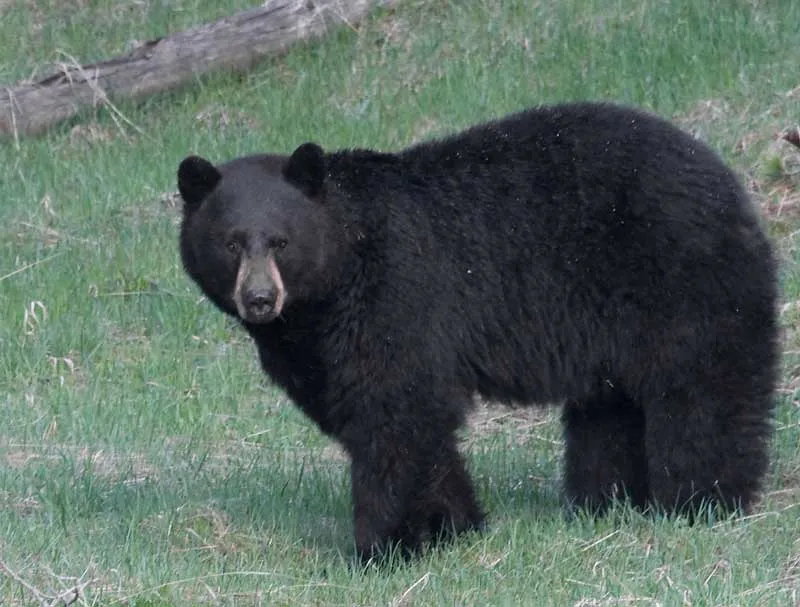
Maine is the undisputed bear capital of the Northeast, and its numbers back that up convincingly. Maine has more black bears than any other New England state, with the state’s Department of Inland Fisheries and Wildlife estimating there are more than 35,000 black bears in the state. Some regional estimates place the figure as high as 36,000, making it one of the densest bear populations east of the Mississippi.
The state’s geography plays a huge role here. Maine’s black bear population is thriving in extensive forest and wetland areas across most of the state, with the northern, northwestern, and eastern parts of Maine providing especially ideal habitats. Wildlife managers keep a close eye on things every season, since state wildlife officials manage hunting seasons and monitor bear harvest each year to keep the population sustainable without letting it spiral into conflict zones.
#4 Idaho
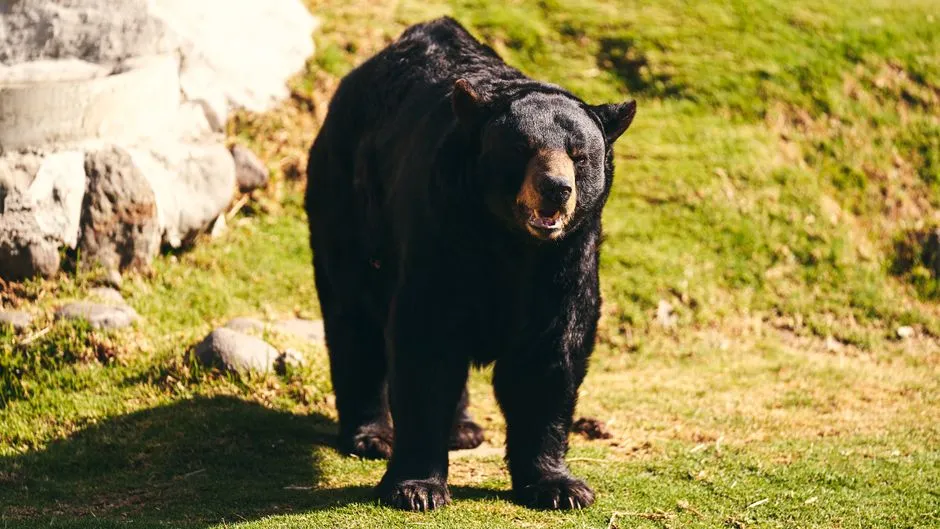
Idaho doesn’t get the same national attention as Alaska or California, but its backcountry hides a genuinely massive bear population. Idaho’s rugged backcountry hides a serious number of black bears, and a recent breakdown of the most bear-populated states reports that Idaho has between 20,000 and 30,000 black bears, with the higher end likely in years with good mast crops. That kind of range reflects how much food availability from year to year can shift the numbers.
The terrain does a lot of the heavy lifting when it comes to supporting that many bears. Those numbers line up with the state’s huge blocks of national forest and wilderness, especially in the Panhandle and central mountains, where the state’s mix of huckleberries, elk carcasses, and remote drainages gives bruins plenty to eat and lots of escape cover. It’s the kind of landscape that barely changes from one century to the next, which helps explain why the bear population has stayed so consistently strong.
#5 Oregon
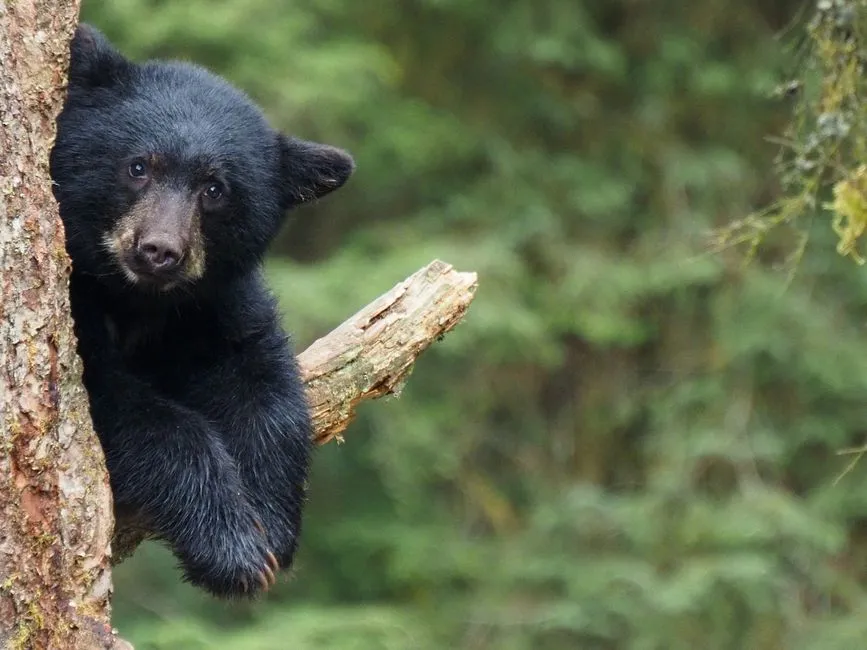
Oregon’s forests, especially the Cascade Range, provide exactly the kind of cover and food sources black bears thrive on. Oregon’s black bear population is estimated between 25,000 and 30,000 animals, with many living in the Cascade Range and other forested mountains. That estimate has held fairly steady over recent years, according to wildlife agency tracking.
Much of what keeps Oregon’s numbers strong comes down to climate and habitat consistency. Dense forests and milder climates provide year-round cover and abundant food for bears. Rather than relying on guesswork, state wildlife managers monitor harvest data to inform their understanding of population trends, which gives Oregon one of the more data-driven bear management programs in the Pacific Northwest.
#6 Washington
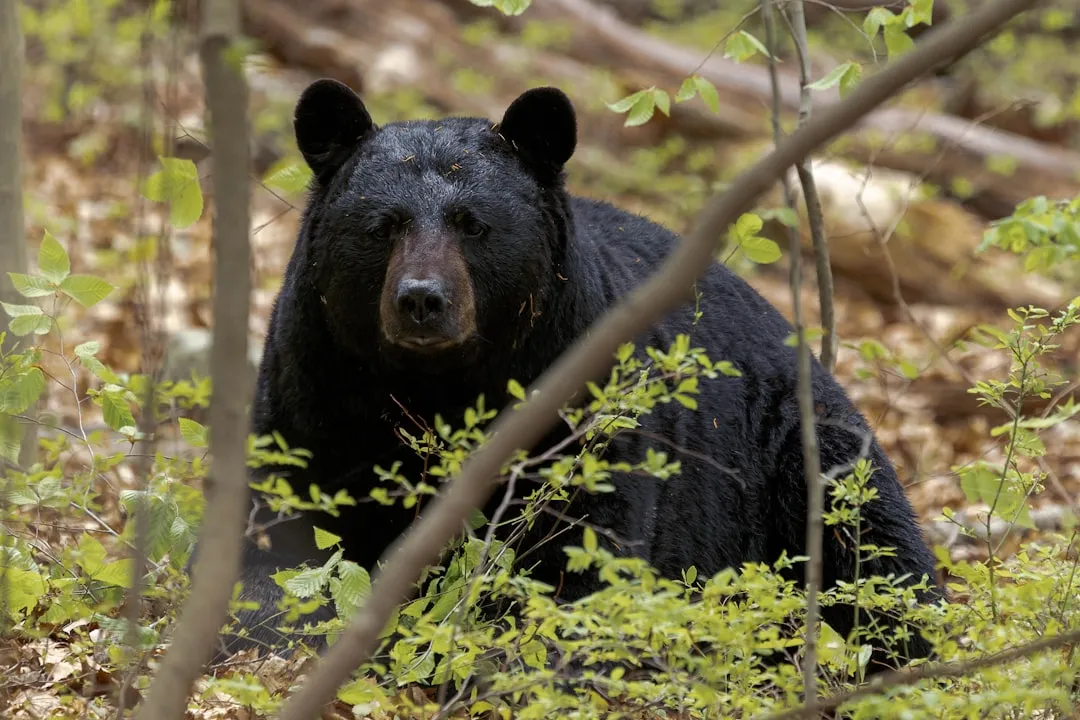
Washington rounds out the trio of Pacific Northwest states with serious bear numbers. Washington supports approximately 25,000 to 30,000 black bears, particularly in rugged forests along coastal and inland mountain ranges. The terrain here mirrors Oregon’s in many ways, favoring dense timber and steep, remote drainages where bears can roam largely undisturbed.
Food availability is a major factor in why the population holds steady year after year. These habitats supply a steady mix of berries, nuts, and vegetation that bears rely on throughout the year. As with its neighboring states, the Washington Department of Fish and Wildlife tracks harvest and habitat use to help manage bears, and sightings remain common for anyone spending time in the state’s remote forest zones.
#7 Wisconsin
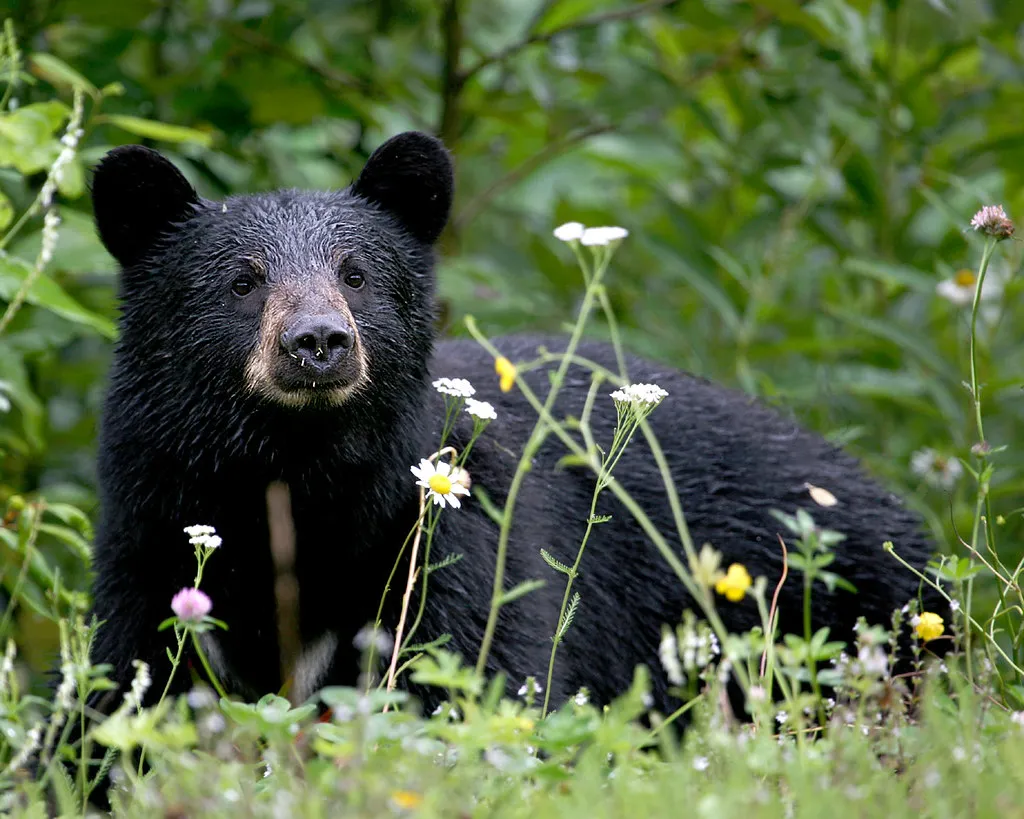
Wisconsin might not be the first state that comes to mind for bear country, but its northern forests support a surprisingly large population. Wisconsin’s black bear population is estimated at about 24,000 animals, mostly in the northern forested regions where cover and food are abundant. That figure has climbed steadily as forest habitat in the northern part of the state has matured over recent decades.
What sets Wisconsin apart from some of the western states on this list is the density of the population relative to its size. The northern third of the state, dominated by mixed hardwood and conifer forest, holds the overwhelming majority of the state’s bears. It’s a reminder that big bear numbers aren’t just a western or Alaskan phenomenon; the upper Midwest has quietly become one of the country’s stronger bear regions too.
#8 North Carolina
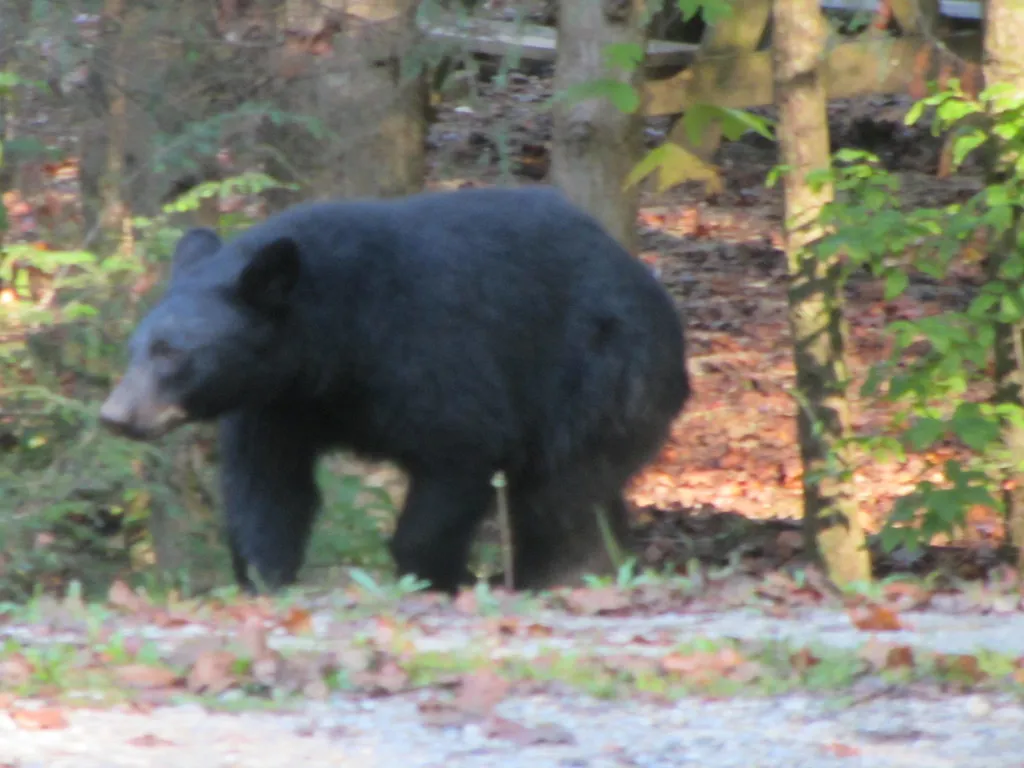
North Carolina stands out not just for its numbers but for the sheer size of its bears. That mix of agriculture and swamp produces some of the heaviest black bears on the continent, and the population has expanded into the mountains and Piedmont as well, with statewide estimates now putting North Carolina among the top tier of bear states. The coastal plain region in particular has become known for producing exceptionally large individuals.
The state’s coastal population is especially notable among wildlife biologists. North Carolina has the densest coastal population on the continent, with bears averaging the largest body sizes recorded for the species. That combination of high density and impressive body size has made North Carolina a genuine hotspot for both bear research and bear hunting.
#9 Pennsylvania
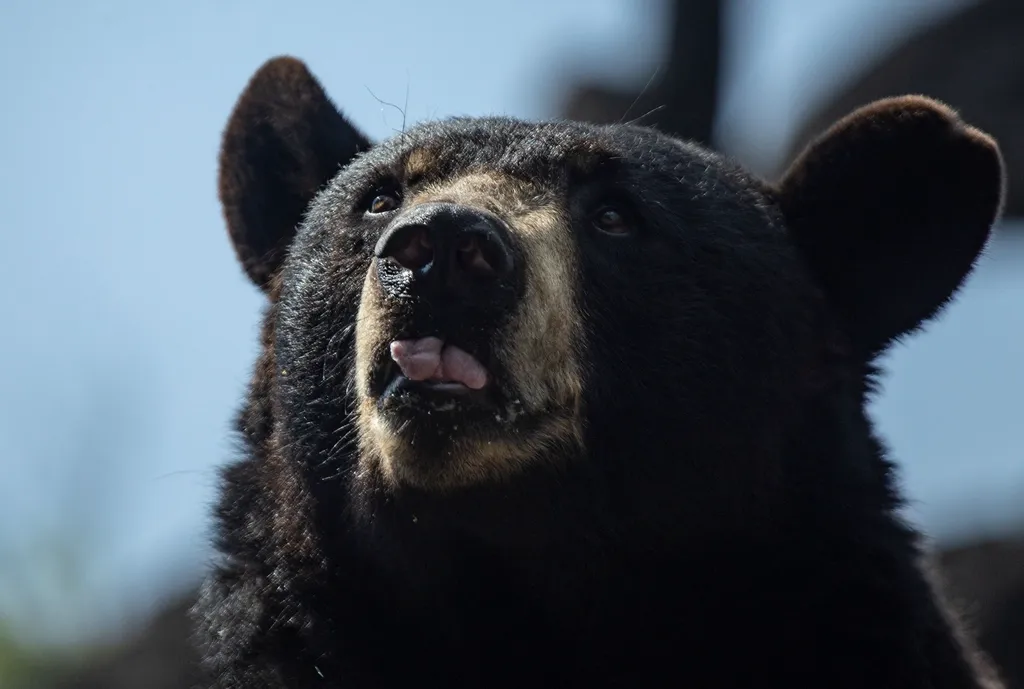
Pennsylvania’s black bear recovery over the past several decades counts as one of the quieter wildlife success stories in the eastern United States. Pennsylvania holds a population between 18,000 and 20,000 bears, a dramatic rise from the much smaller numbers recorded just a few generations ago. Forest regrowth on land that was once farmed has played a major role in that turnaround.
Much of the state’s bear range now overlaps with areas that were cleared or heavily hunted a century ago. Forest regrowth on abandoned farmland and modern hunting regulation have driven the recovery not just in Pennsylvania but across several eastern states that share similar histories. Pennsylvania’s bears are now found across much of the state, with particularly strong numbers in the northern and central mountain regions.
#10 Montana
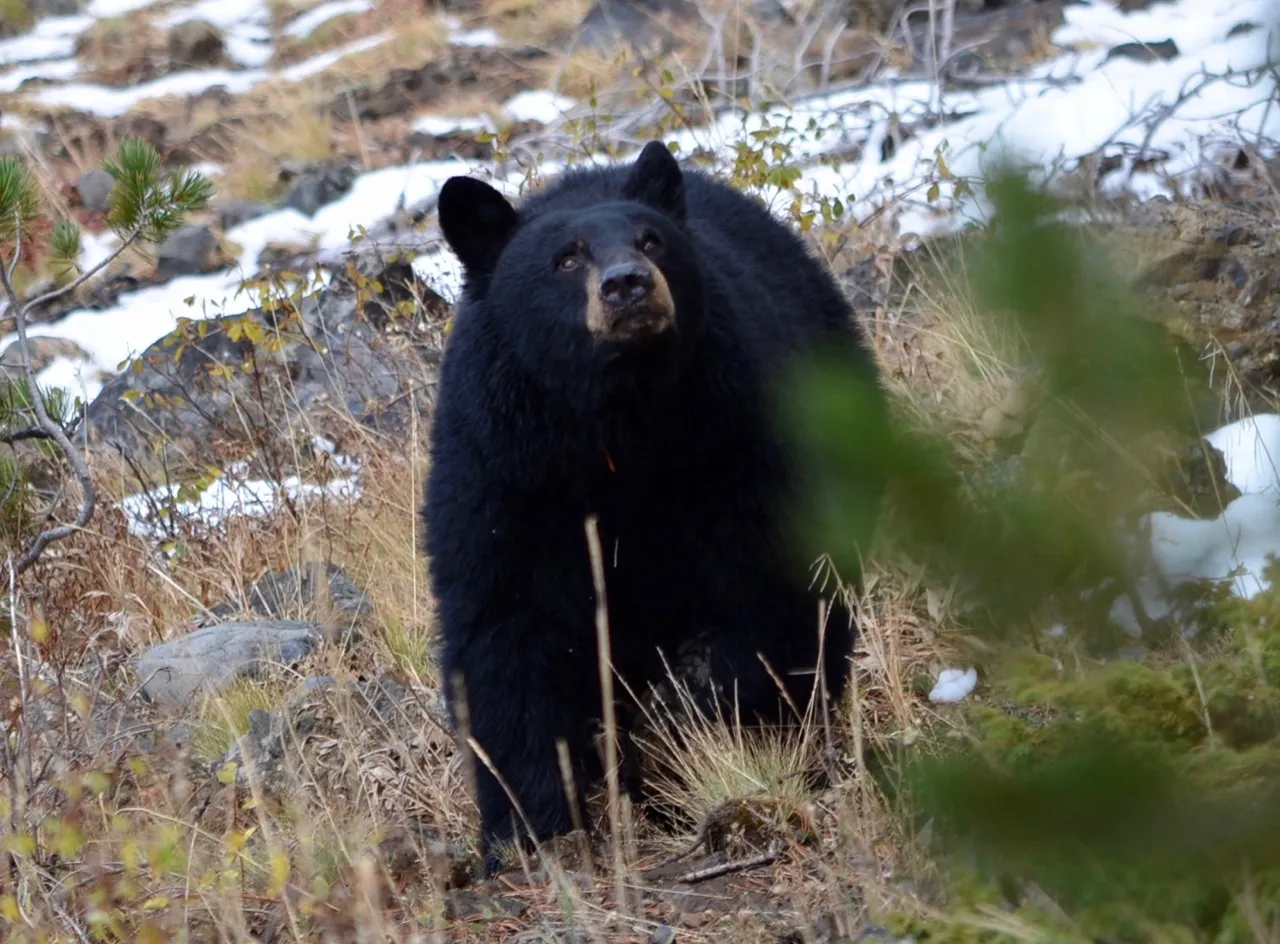
Montana rounds out this list with a population that some officials believe is still undercounted. Montana has around 15,000 black bears, though state wildlife officials believe the population might be even larger than previously estimated. The state’s vast wilderness areas and low human density create ideal conditions for bears to thrive largely out of sight.
Montana is unusual in that it hosts both black bears and a substantial grizzly population, something few other states can claim. The state also has the largest grizzly population in the country after Alaska, and Montana allows controlled hunting of bears twice a year. That dual bear presence makes Montana one of the more ecologically rich states in the country for anyone interested in large carnivores.
Final Thoughts
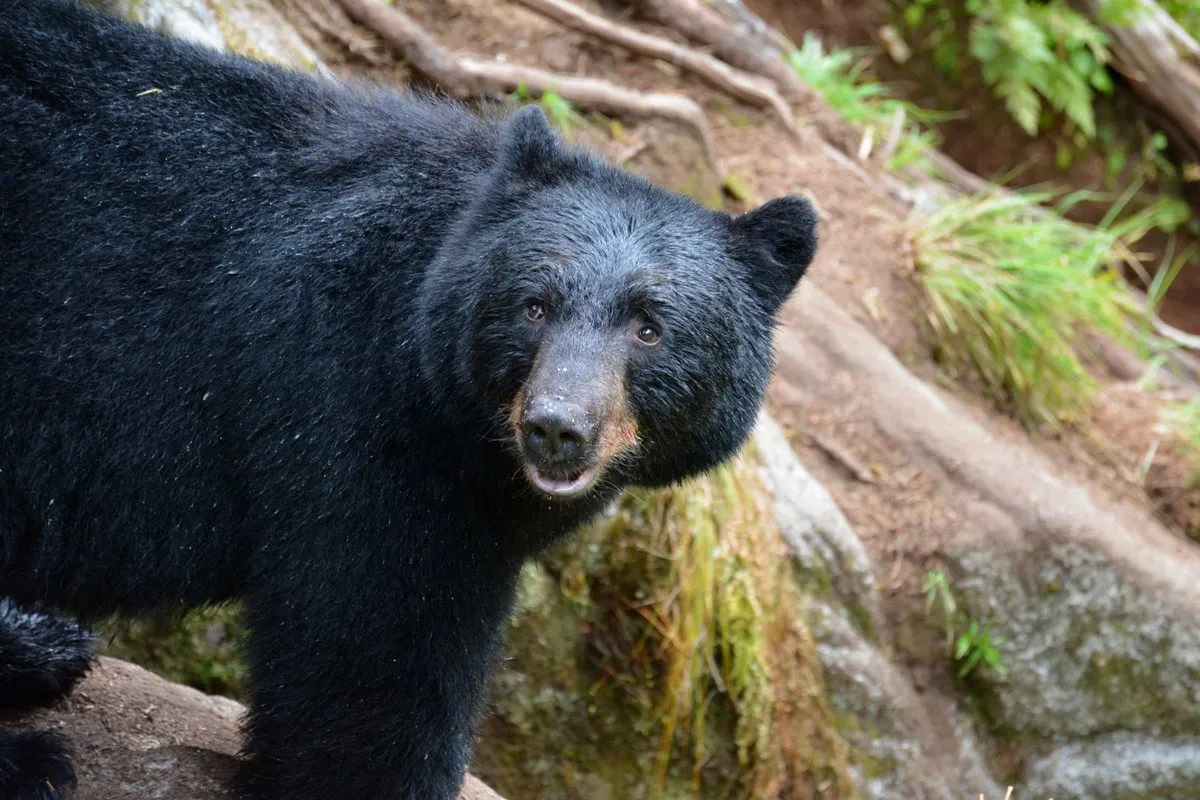
Looking at this list as a whole, one thing becomes obvious pretty quickly: black bears aren’t struggling in America, they’re expanding. Today, the total U.S. black bear population is estimated to be between 250,000 and 300,000 animals, and that number has grown rather than shrunk over the past several decades thanks to forest regrowth, hunting regulations, and reduced habitat fragmentation in key states.
My honest take is that this success story deserves more attention than it gets. We spend so much time hearing about species in decline that it’s easy to overlook a large, adaptable predator quietly reclaiming territory across the eastern half of the country. States like Pennsylvania and North Carolina prove that wildlife recovery isn’t always dramatic or headline-grabbing; sometimes it just happens steadily, forest by forest, decade by decade, until one day you look up and realize the bears never really left, we just stopped noticing they were coming back.

- 10 US States With the Highest Black Bear Populations - August 16, 2026
- 7 Ways to Deal With Pet Loss, According to Experts - August 16, 2026
- 7 Secret Lives of Animals After Dark - August 16, 2026