
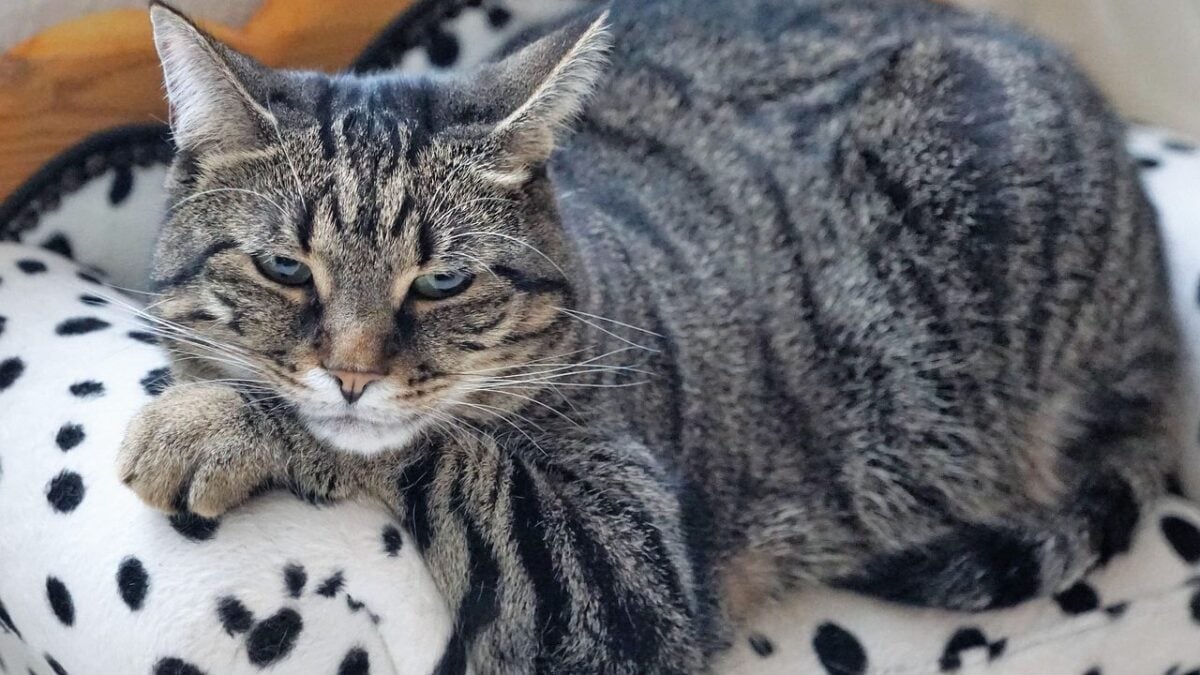
1. Sudden Withdrawal and Hiding in Dark, Quiet Places
🔥 Would you like to save this?
We'll email this post to you, so you can come back to it later!
Most cat owners accept a bit of alone time as part of their cat’s personality. Cats are famously independent, and finding them tucked behind the couch or under a bed isn’t automatically alarming. The problem is when that behavior becomes persistent, prolonged, and out of character.
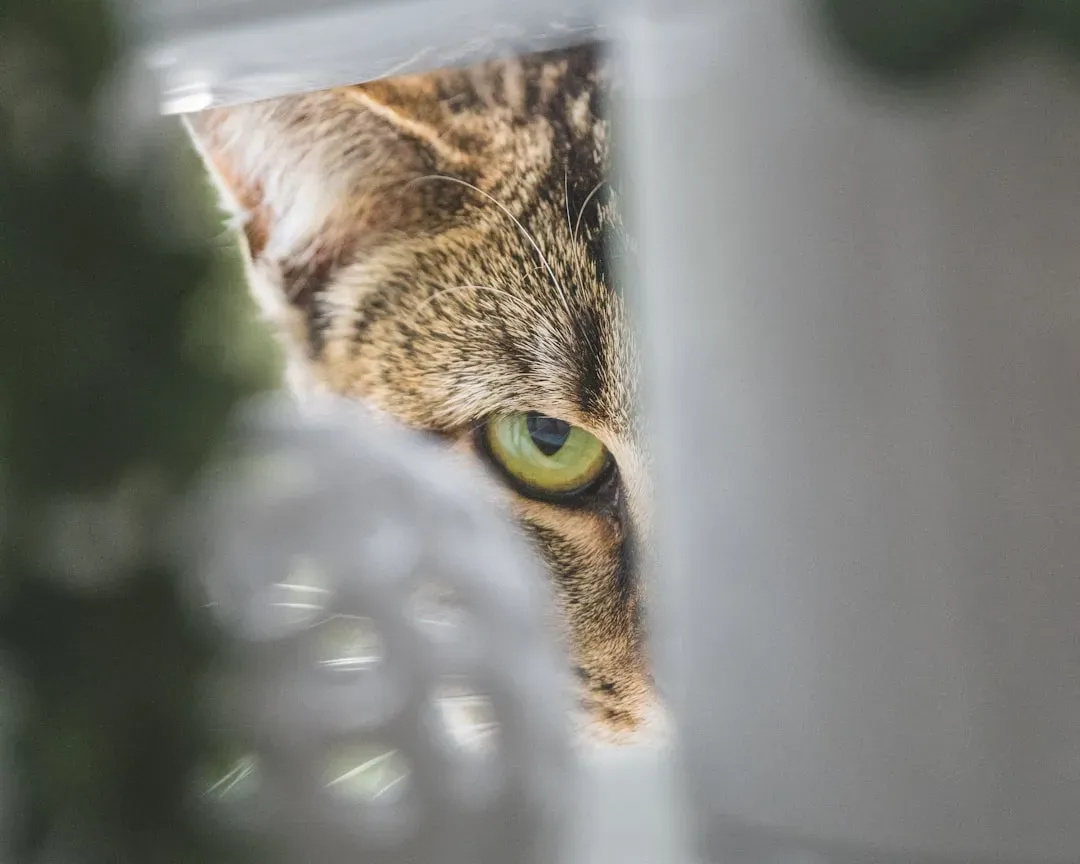
Though cats enjoy the occasional hideaway nap, frequent or extended hiding can indicate stress or pain – if your cat is suddenly spending most of their day under the bed or behind the couch, take note. This isn’t just introversion. It’s a deliberate retreat from the world.
Avoiding interaction, hiding for long periods, or losing interest in toys and playtime can all be signs of discomfort or illness, and cats in pain may retreat to quiet, dark places to rest undisturbed. If the cat who used to greet you at the door is now nowhere to be found for hours on end, that shift matters.
2. Dramatic Changes in Grooming Habits
🔥 Would you like to save this?
We'll email this post to you, so you can come back to it later!
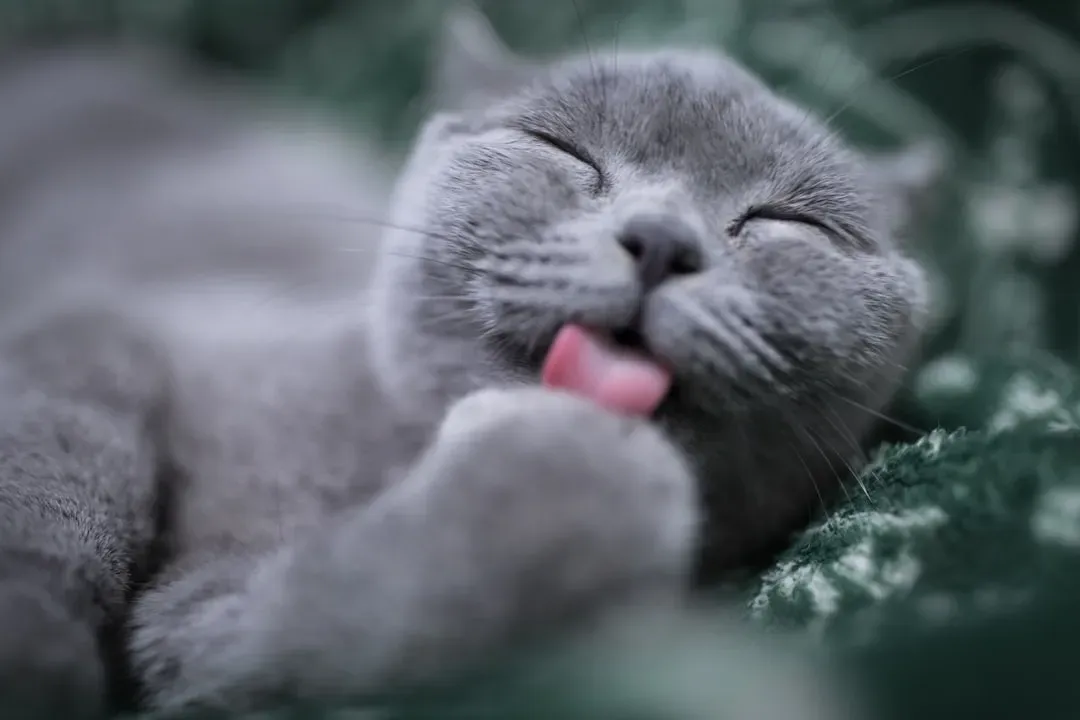
Grooming is one of the clearest windows into a cat’s wellbeing. Cats are usually meticulous groomers, spending a good portion of the day cleaning their fur, keeping it sleek and smooth – when illness creeps in, that grooming habit often fades, and you might notice dull, greasy, or matted fur because the cat is too tired or sore to care for themselves.
The opposite is equally concerning. Excessive grooming, especially in a specific area, might indicate pain or discomfort there. A cat licking the same patch of skin repeatedly isn’t being fussy. They may be responding to localized pain they can’t otherwise communicate.
Referred pain is a common cause of excessive grooming in a particular location – for example, a cat might overgroom the base of their tail or lower back area excessively if they have kidney problems. That connection between an internal problem and a surface behavior is easy to miss, and easy to dismiss as just a quirk.
3. Loss of Appetite or Sudden Changes in Eating Behavior
🔥 Would you like to save this?
We'll email this post to you, so you can come back to it later!
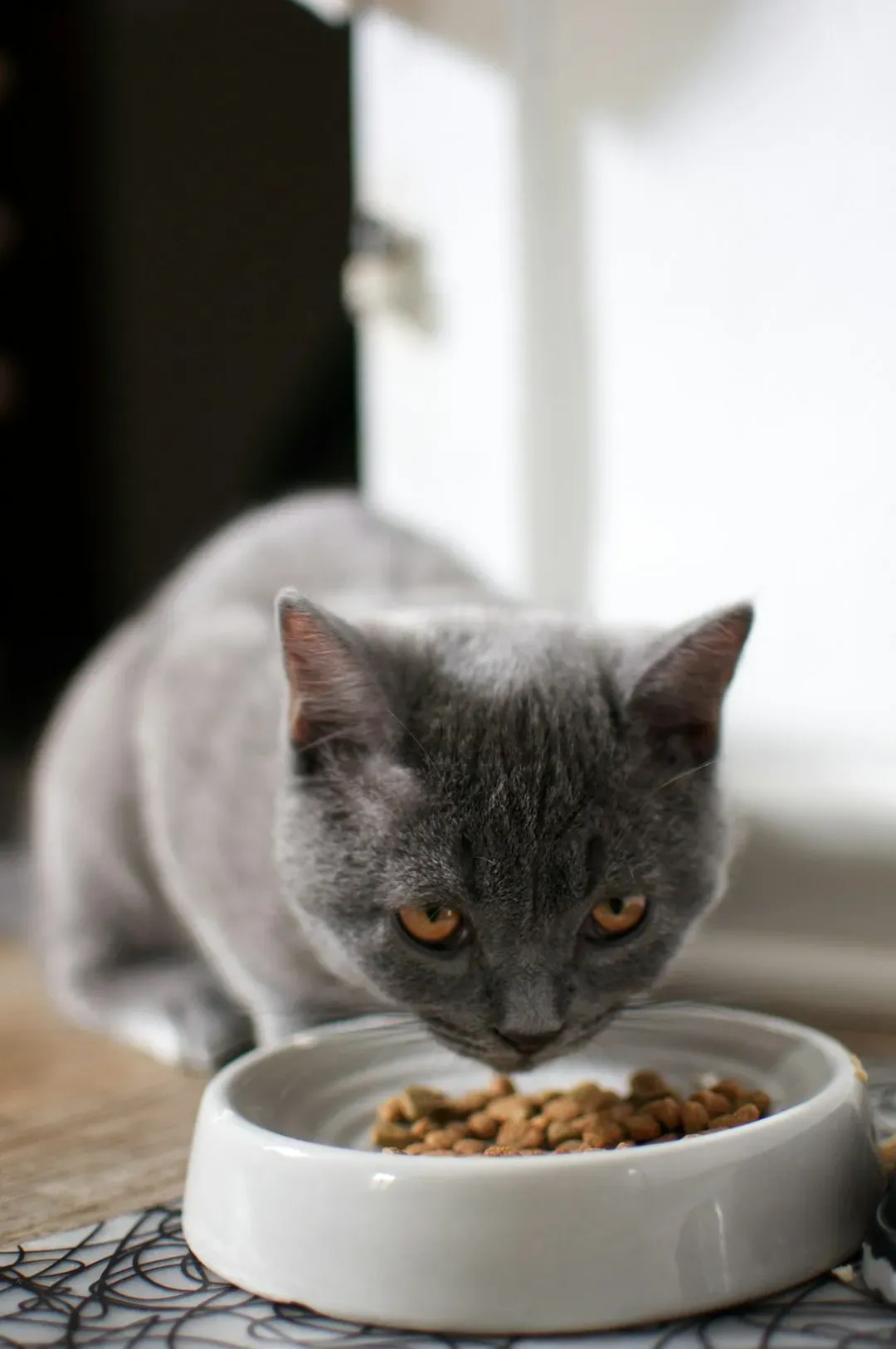
Food skipping in cats is rarely innocent. You should schedule an appointment when your cat stops eating or drinking, or is consuming significantly less than usual – inappetence is usually one of the earliest warning signs that something is wrong, and your cat could have pain from periodontal disease, an injury, or an underlying illness.
If your cat previously ate quickly and enjoyed their food but now leaves the bowl untouched, they might be experiencing nausea, dental pain, or digestive issues – on the other hand, if your cat seems to be drinking an unusually large amount of water, this can indicate kidney disease, diabetes, or other health conditions.
Even small shifts in appetite are worth noting. Cats don’t usually skip meals for no reason, so when they do, it’s better to be cautious than to dismiss it. A missed meal here or there might be nothing. A pattern is something else entirely.
4. Reluctance to Jump, Move, or Use the Stairs
🔥 Would you like to save this?
We'll email this post to you, so you can come back to it later!
Cats are built for agility. They climb, leap, and balance with an ease that still looks effortless even after years of observation. That’s precisely why a sudden reluctance to move tells such a clear story when it happens.
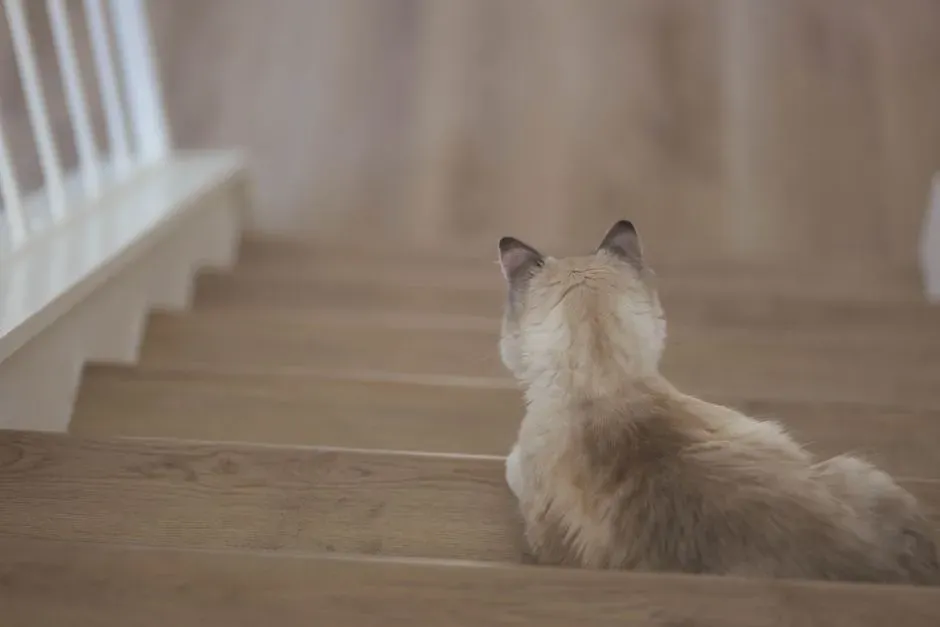
Injuries and joint pain often prevent cats from jumping up onto surfaces and going up and down stairs – if your feline friend is suddenly spending more of their time on the floor when they used to hop up on your bed or sofa, don’t mistake this as a simple sign that your cat is getting older. Age alone rarely explains such a sudden shift.
A cat that used to sprint across the room or climb furniture may suddenly move less, hesitate before jumping, or spend more time resting in low places – these subtle changes are often easier to miss than an obvious limp, but they can speak volumes about joint pain, arthritis, or other internal health problems. Hesitation before a jump your cat used to take effortlessly is a red flag worth taking seriously.
5. Personality Changes, Aggression, or Uncharacteristic Irritability
🔥 Would you like to save this?
We'll email this post to you, so you can come back to it later!
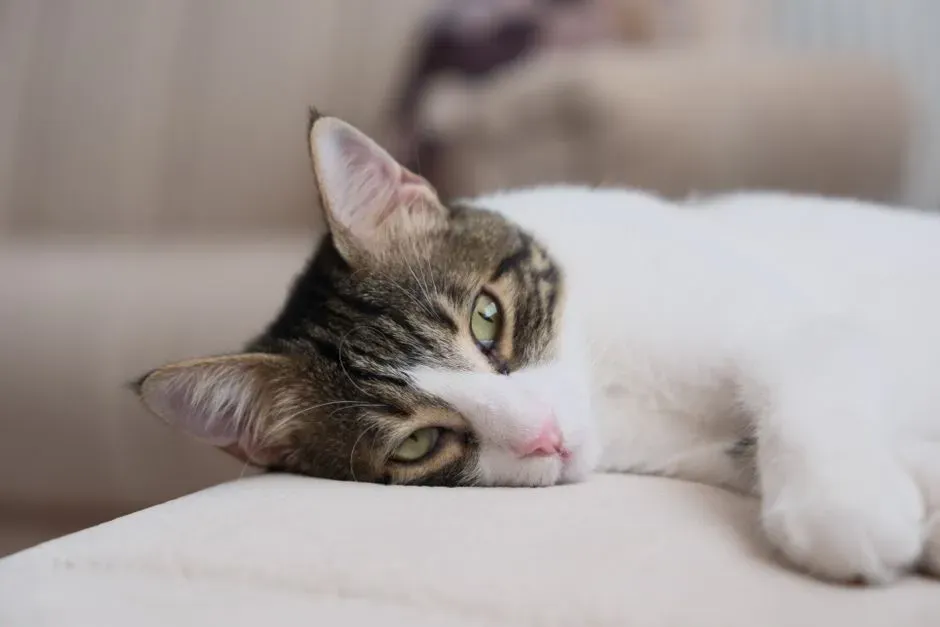
When a gentle cat starts hissing, swatting, or reacting to being touched in ways they never did before, people often chalk it up to mood. The truth is more often physical. Pain changes behavior in cats just as reliably as it does in people.
Regardless of how a cat normally behaves, when they are in pain their tendency to lash out at familiar and unfamiliar targets will go up – if they normally get into scraps with other pets or lash out at strangers, this behavior will increase when they’re in pain. What reads as aggression is often a cry for help with no words attached.
A cat who has been a lovebug for years may suddenly decide they don’t like being petted, a typically friendly feline may show signs of aggression, or a formerly social cat may start spending more and more time hiding – these often-overlooked behavior changes are common signs of pain from injuries and illnesses. Trust the shift. It’s almost always trying to tell you something.
6. Subtle Facial Changes You’ve Never Noticed Before
🔥 Would you like to save this?
We'll email this post to you, so you can come back to it later!
This one surprises most cat owners, because we don’t typically think of a cat’s face as a pain indicator the same way we might with a dog’s whimpering or yelping. Researchers, however, have proven that feline faces do tell a story.
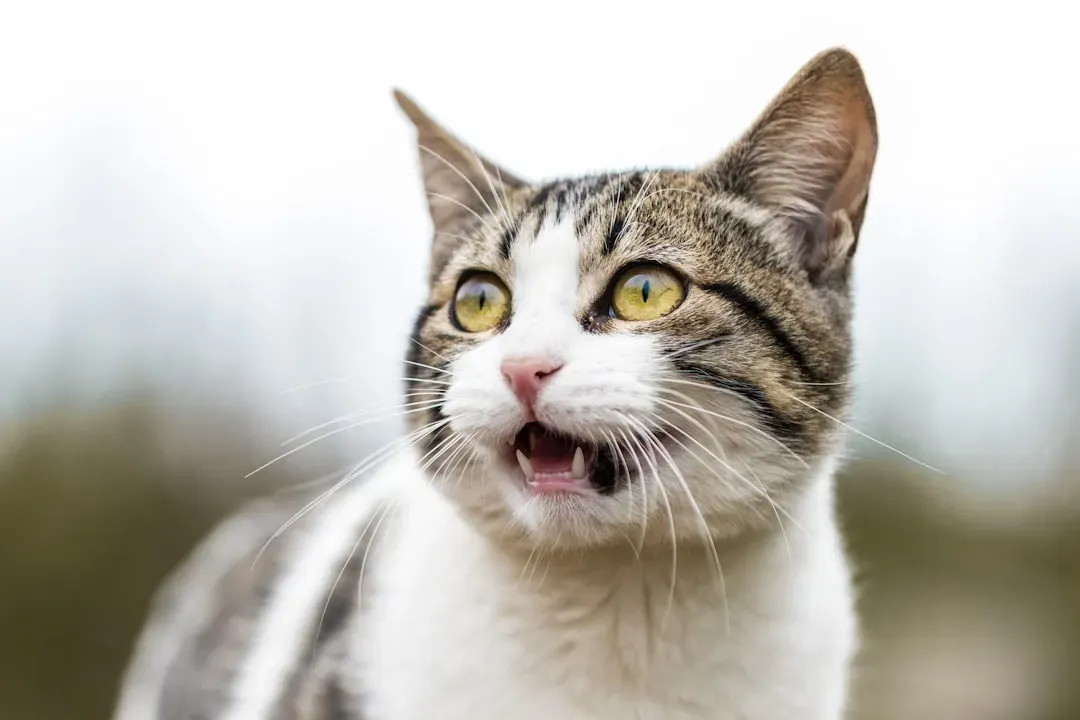
To help identify pain in cats, veterinary researchers developed the Feline Grimace Scale, a scientific tool designed to detect pain through subtle changes in facial expressions – created in 2019 by Dr. Paulo Steagall and his team at the University of Montreal, who identified five key facial features that change consistently when a cat is in pain, known as facial action units.
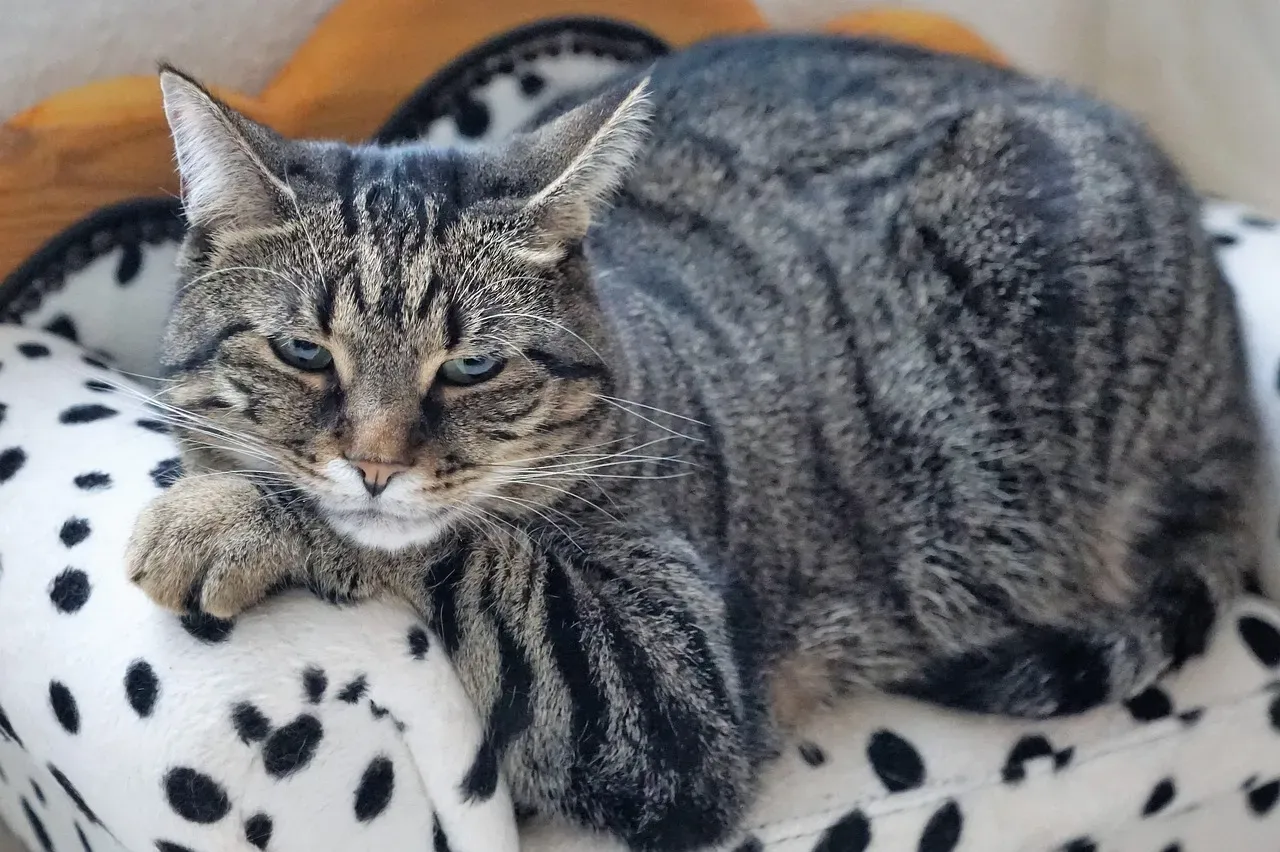
The Feline Grimace Scale measures the absence or presence of signs of pain including ears flattened and rotated outward, squinted eyes, whiskers that are bunched together, and if the cat’s muzzle is tense and their head is lowered. Cats rarely show pain in dramatic ways – they may not cry, limp, or vocalize until discomfort is severe, which is why recognizing small facial changes is so important.
7. Unusual or Excessive Purring at Odd Times
🔥 Would you like to save this?
We'll email this post to you, so you can come back to it later!
Purring is comforting to hear. It’s one of the sounds most associated with a happy, content cat. Which is exactly why it can lull you into a false sense of reassurance when something is actually wrong. Purring isn’t always the good news it sounds like.
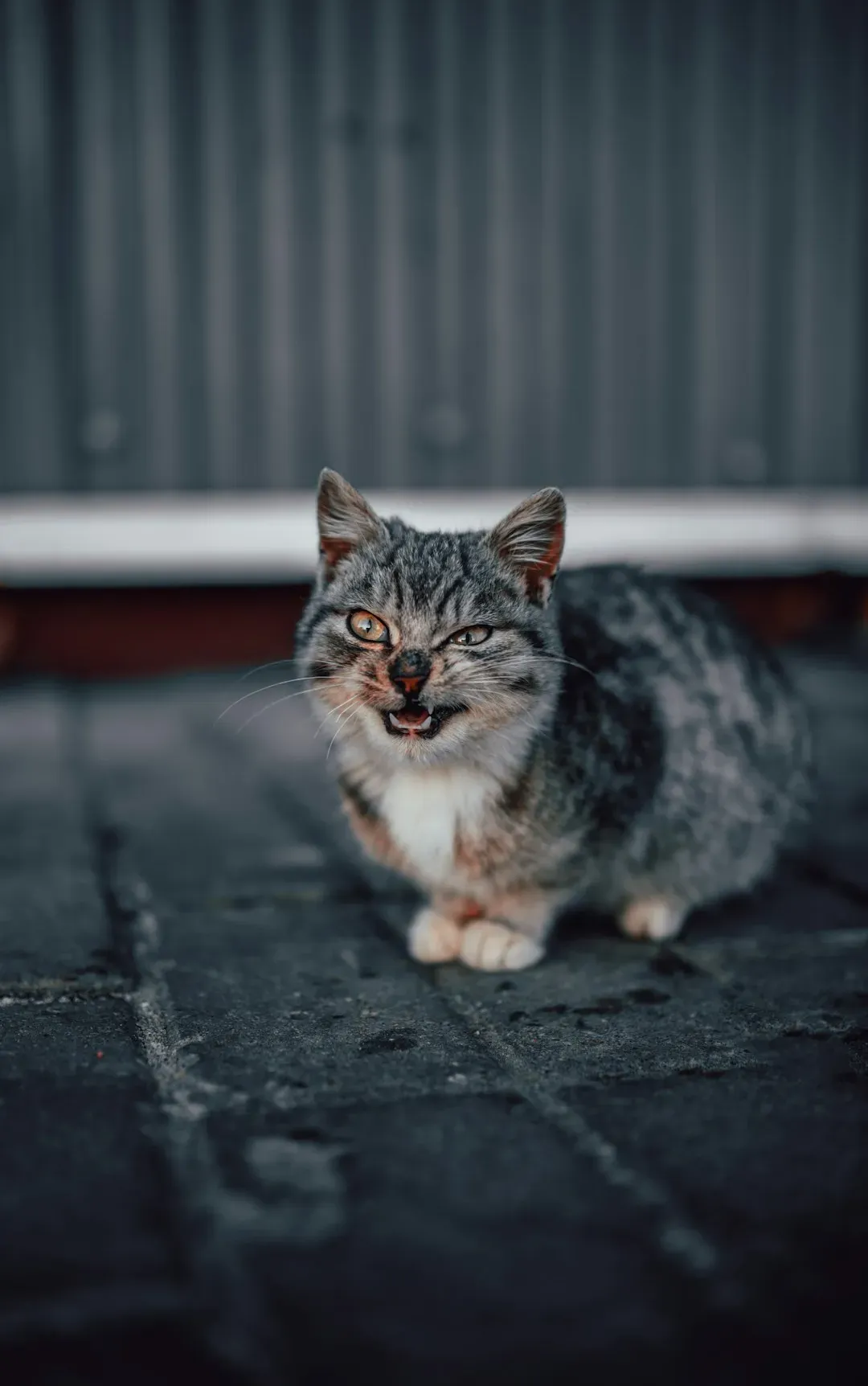
We generally associate a cat’s purrs with contentment, but purring can also signify stress, anxiety, or even pain. Cats in pain from arthritis, dental disease, or internal injuries may purr constantly in an attempt to self-soothe. The purr you’re hearing might actually be a coping mechanism, not a sign of bliss.
Cats don’t just purr when they’re happy – often, it is a self-soothing mechanism for anxiety or pain, and if your cat is breathing rapidly and also purring, it may indicate that they are in distress. Context is everything. A purring cat curled up in the sun is probably fine. A purring cat that’s withdrawn, not eating, and reacting strangely to touch is a different matter entirely.
8. Litter Box Avoidance or Changes in Bathroom Habits
🔥 Would you like to save this?
We'll email this post to you, so you can come back to it later!
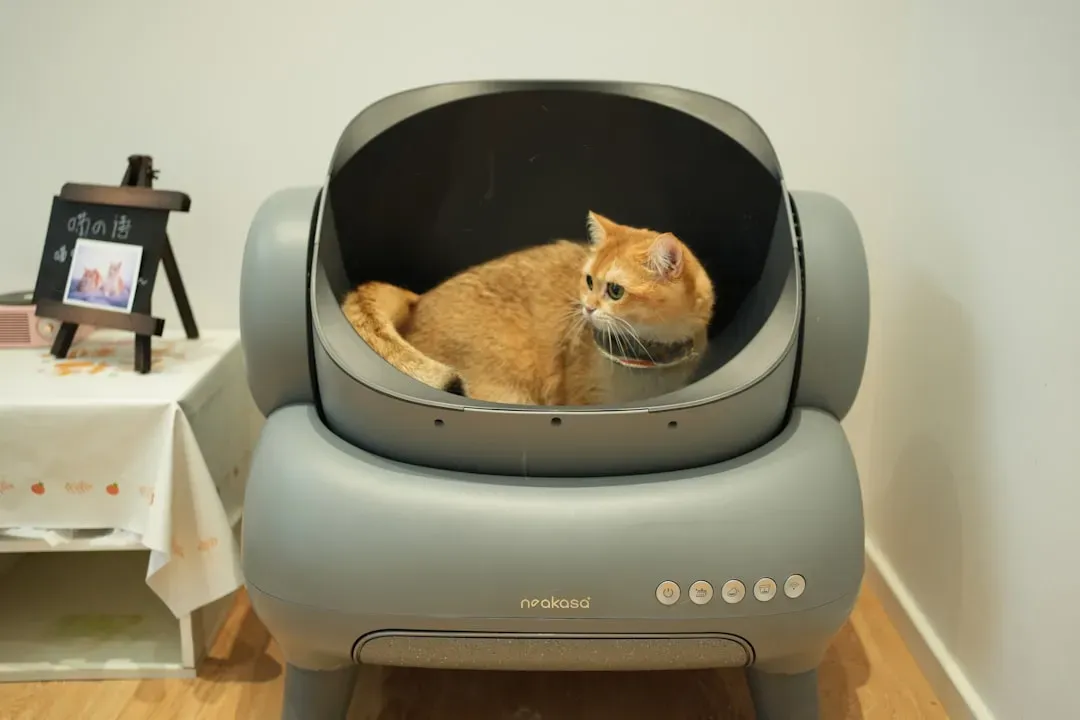
The litter box is, genuinely, one of the most informative health monitors in your home. Most owners don’t think of it that way, but any vet will tell you it’s one of the first places to look when something seems off.
Painful urination or defecation, caused by issues like urinary tract infections or constipation, may cause your cat to avoid the litter box altogether – accidents outside the box, straining, or vocalizing during bathroom trips are signs to take seriously. These aren’t behavioral problems. They’re symptoms.
Straining during urination, inside the litter box or out, and producing little to no urine is an emergency – your cat could have a potentially life-threatening urinary blockage, so seek immediate veterinary care. This is one warning sign where waiting a day or two to see if things improve is simply not an option.
9. Increased Lethargy or Unexplained Drop in Activity Levels
🔥 Would you like to save this?
We'll email this post to you, so you can come back to it later!
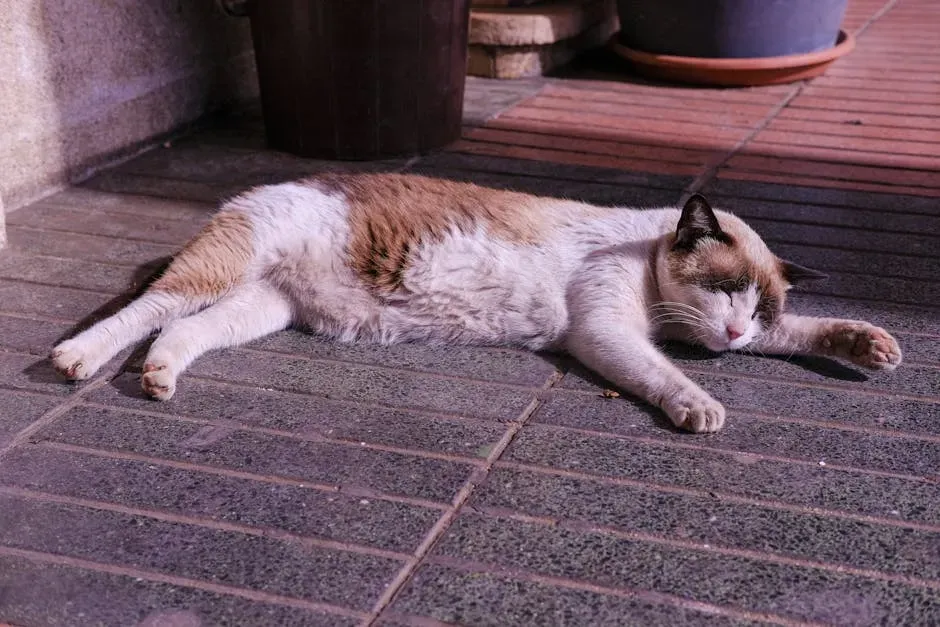
Every cat has lazy days. They sleep a lot by nature. Although it’s natural for cats to sleep 16 to 20 hours a day, a further reduction in your cat’s activity level may indicate something worth investigating. There’s a meaningful difference between a cat who naps often and a cat who simply stops participating in life.
Cats experiencing pain are likely to spend more time lying around than usual and may also lose interest in once-loved activities, like playing with you or their furry siblings. The cat who used to chase the laser pointer or bat at hanging toys and now watches it disinterestedly from across the room has changed in a way that matters.
A cat that is stressed or suffering may become less active and more lethargic – you might notice them sleeping more and playing less. Pair that lethargy with any of the other signs on this list, and the picture becomes considerably more urgent. Lethargy alone can be subtle; in combination, it becomes harder to ignore.
10. Unexplained Weight Loss or Changes in Body Condition
🔥 Would you like to save this?
We'll email this post to you, so you can come back to it later!
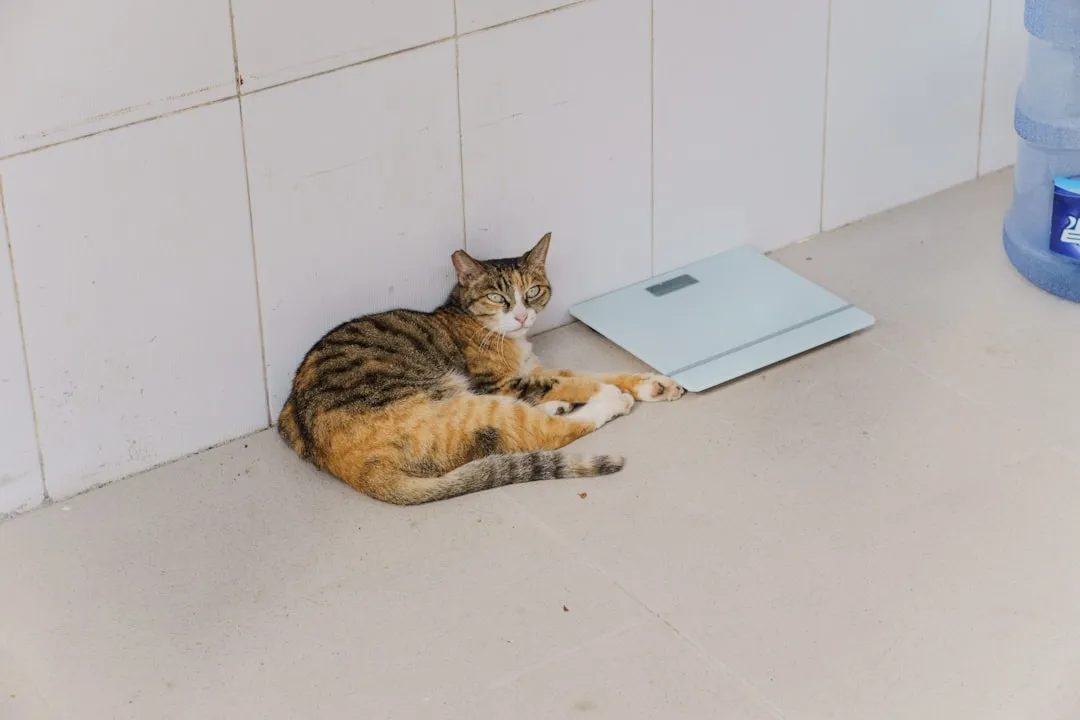
Weight loss in cats can creep up quietly. Unlike a dog who might lose visible muscle mass quickly, cats can lose condition gradually under thick or fluffy coats in ways that go unnoticed until the change is significant. Getting into the habit of gently feeling your cat’s ribcage and spine during cuddle time is one of the most underrated health practices there is.
A sudden lack of interest in food, difficulty chewing, or unexplained weight loss could signal pain – similarly, drinking more or less water than usual may indicate an underlying issue requiring veterinary attention. These two symptoms together are a strong signal that something systemic is going on.
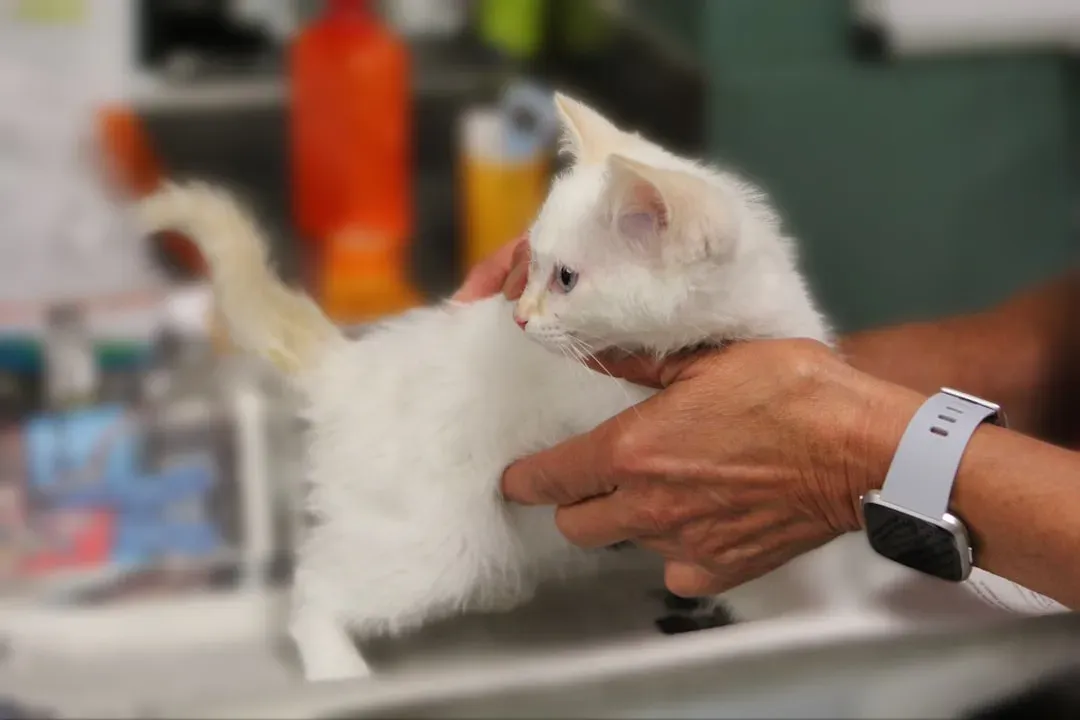
Since it can be hard to notice subtle changes in your cat’s behavior, regular veterinarian check-ups can help identify illness or areas of pain and discomfort before they become a more serious health concern – your veterinarian will be able to monitor vital signs, such as temperature, heart rate, and respiratory rate, as well as check for weight loss or weight gain. What your eyes might miss, a routine exam can catch early.
What to Do When You Notice These Signs
🔥 Would you like to save this?
We'll email this post to you, so you can come back to it later!
The hardest part about living with a cat is accepting that their silence isn’t reassurance. It can be easy to miss the signs your cat is sick – cats have a tendency to hide their pain, making it difficult to properly care for them when they need it the most. That instinct evolved to protect them. In a domestic setting, it works against them.
Veterinarians can prescribe medications, supplements, or therapies to ease chronic pain safely – and you should never give human pain medicine to cats, as it can be toxic. What helps us can genuinely harm them. Always let a vet guide treatment decisions.
The most valuable thing any cat owner can develop is a solid baseline understanding of their individual animal. Trust your instincts. You know your cat better than anyone. If something feels off, even if it seems small, it’s always safer to check with a vet. A well-timed appointment is never wasted.
A Final Thought Worth Sitting With
🔥 Would you like to save this?
We'll email this post to you, so you can come back to it later!
There’s something quietly humbling about the fact that the animal you share your home with might be suffering in plain sight without you ever knowing. Not because you’re a neglectful owner, but because they’re simply that good at concealing it.
Unlike dogs, cats rarely limp or whine – instead, they adjust their behavior in quiet ways, and those adjustments are the breadcrumbs we need to follow. Learning to read those breadcrumbs is, in the truest sense, one of the most loving things you can do for a creature who depends entirely on you but will never ask for help out loud.
Pay attention to the ordinary. The skipped meal, the hesitation before a jump, the coat that’s lost its shine. These aren’t small things. They’re your cat, asking you to notice. And that – noticing – is already more than enough to start.

- 7 Everyday Habits That Can Make Your Senior Dog Happier - November 5, 2026
- 10 Enigmatic Structures That Continue to Puzzle Scientists Today - November 5, 2026
- 10 Strange Ruins in the Americas That Challenge What We Know About Early History - November 5, 2026