

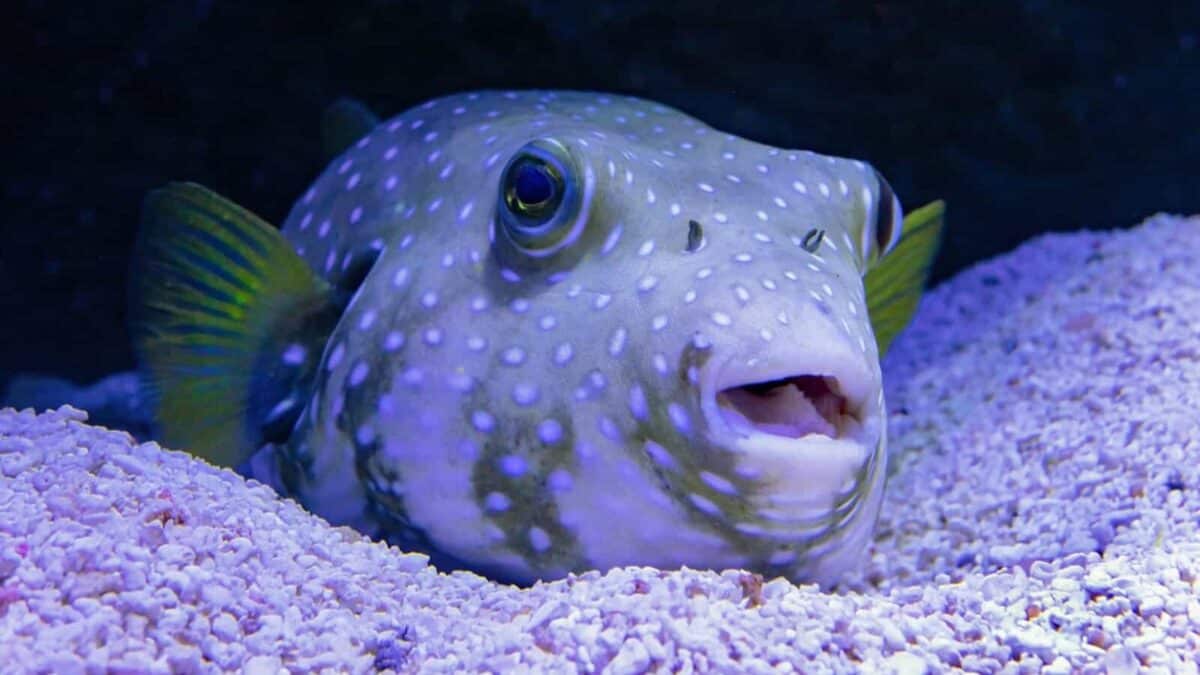
In the vast underwater world, fish face constant threats from predators and environmental challenges. Over millions of years of evolution, they’ve developed fascinating and effective defense mechanisms that help them survive in their aquatic habitats. From camouflage to chemical warfare, these adaptations showcase nature’s ingenuity at its finest. However, not all defense strategies work in every situation, and some fish rely on mechanisms that can fail them when they need protection most. This article explores ten proven defense mechanisms that help fish survive in their watery world—and four strategies that often leave them vulnerable despite their best efforts.
14. Schooling Safety in Numbers
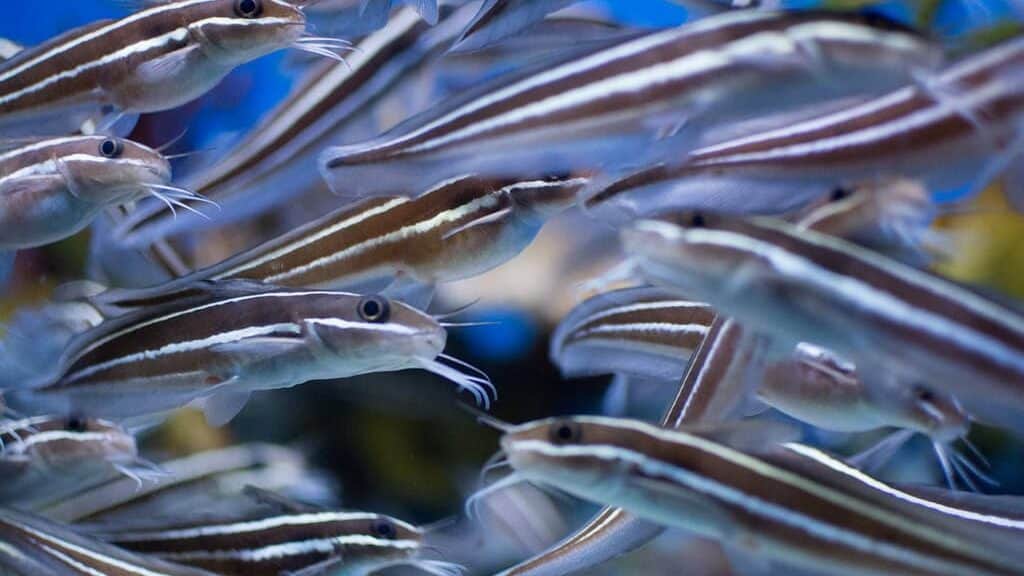
One of the most common and effective defense mechanisms among fish is schooling behavior. Species like herring, sardines, and anchovies form tight, synchronized groups that can number in the thousands. This collective movement creates a visual confusion effect for predators, making it difficult to target any single fish. Scientists call this the “confusion effect,” where the predator struggles to focus on an individual target amid the swirling mass of similar-looking prey.
Research has shown that fish in schools have significantly higher survival rates than solitary individuals. The group also provides multiple eyes to spot danger, with alarm responses rippling through the school almost instantaneously when a threat is detected. Additionally, each fish in the school has a statistically lower chance of being singled out—a mathematical advantage known as the “dilution effect.” For many species, this social defense strategy has proven so effective that it has become their primary survival mechanism in open waters.
13. Camouflage Masters of Disguise
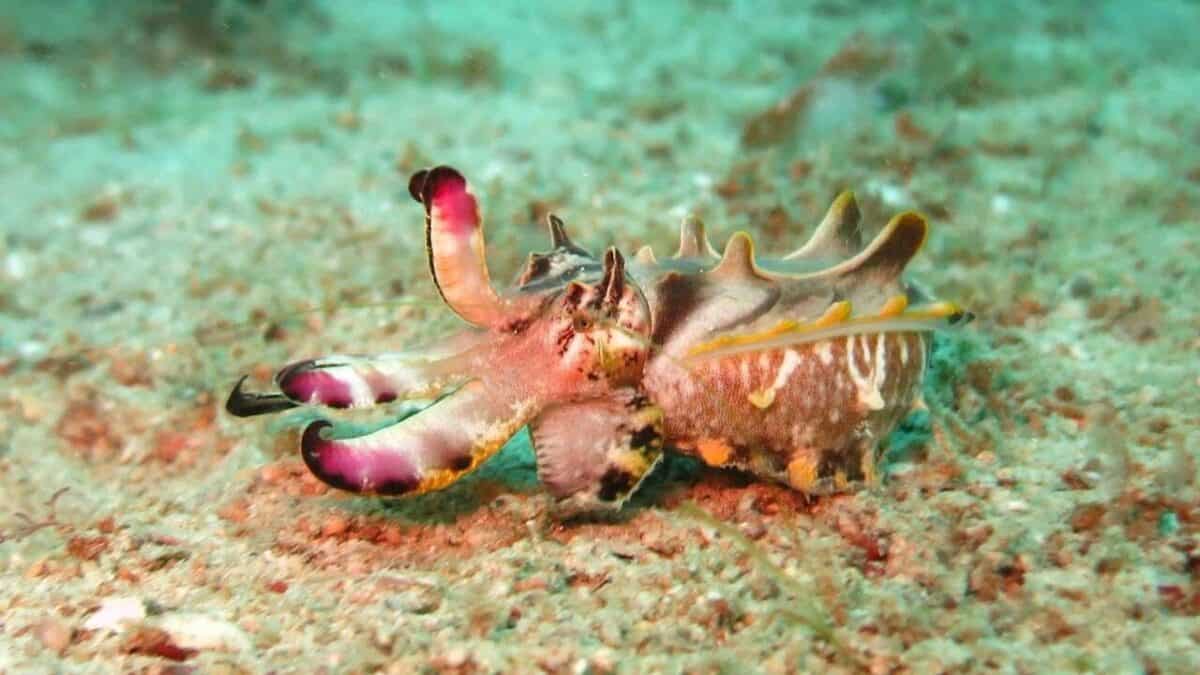
Camouflage represents one of the most sophisticated defense adaptations in the fish world. Species like the leafy sea dragon, with its plant-like appendages, and the flounder, which can change its skin pattern to match the seafloor, demonstrate remarkable mimicry abilities. This type of concealment, called cryptic coloration, allows fish to blend seamlessly into their surroundings, becoming nearly invisible to predators and prey alike.
The mechanisms behind this camouflage vary widely across species. Some fish, like certain groupers and flatfish, can actively change their coloration and pattern through specialized cells called chromatophores that expand or contract pigment granules. Others, such as the stonefish, have evolved fixed body shapes and textures that resemble rocks or coral. The frogfish takes this strategy further by not only resembling a sponge or algae-covered rock but also remaining motionless for long periods, completing the illusion. These adaptations often represent millions of years of evolutionary refinement tailored to specific habitats.
12. Spines and Armor Physical Barriers

Many fish species have evolved formidable physical defenses in the form of spines, scales, and bony plates. Pufferfish, porcupinefish, and lionfish display prominent spines that make them difficult for predators to swallow. The lionfish, in particular, combines its fan-like array of venomous spines with bold warning coloration to advertise its dangerous nature. Similarly, the pufferfish can inflate its body, causing dozens of sharp spines to stand erect, transforming it into a virtually inedible spiky ball.
Armored fish like boxfish and trunkfish take a different approach, encasing themselves in rigid, bony carapaces that resist crushing predators. The seahorse, despite its delicate appearance, is protected by bony plates beneath its skin. Even more impressive is the armored catfish, whose overlapping bony plates provide flexible yet highly effective protection. These physical barriers serve as passive defense systems that function continuously without requiring energy expenditure or decision-making from the fish, making them particularly reliable deterrents against many types of predators.
11. Chemical Defenses Toxic Deterrents
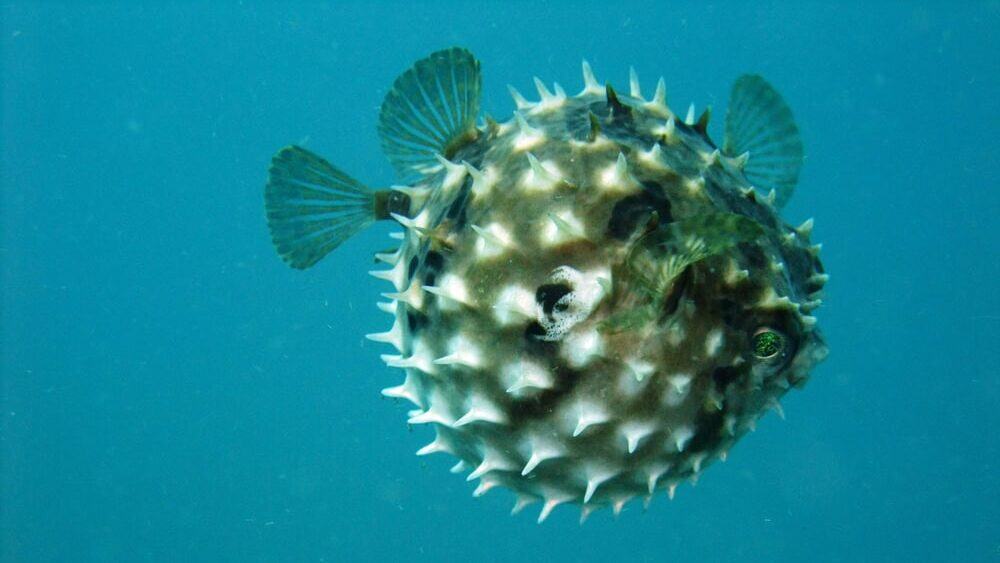
Chemical warfare represents one of the most effective defense strategies in the fish world. Many species produce toxins that range from mildly irritating to deadly. The blue-ringed octopus and pufferfish contain tetrodotoxin, one of nature’s most potent neurotoxins, capable of causing paralysis and death. Stonefish, scorpionfish, and lionfish deliver their venom through specialized spines, causing intense pain and potential tissue necrosis to anything that touches them.
Some fish employ more sophisticated chemical defense systems. The soapfish secretes a soap-like toxin from its skin when threatened, creating a cloud in the water that repels predators. The Moses sole produces a potent shark repellent compound that specifically targets shark sensory systems. What makes chemical defenses particularly effective is that predators quickly learn to avoid these toxic species after just one encounter, often recognizing warning coloration or patterns associated with venomous fish. This evolutionary strategy creates a powerful deterrent that protects the fish even without direct confrontation.
10. Speed and Agility The Power of Evasion
For many fish species, the best defense is simply not being caught. Fish like tuna, marlin, and wahoo have evolved streamlined bodies and powerful muscles that allow them to reach impressive speeds—with some bluefin tuna clocked at over 40 miles per hour. These speed adaptations enable them to outpace most predators in a straight chase. Beyond raw speed, many fish possess remarkable acceleration capabilities, able to explode from a stationary position to top speed in fractions of a second.
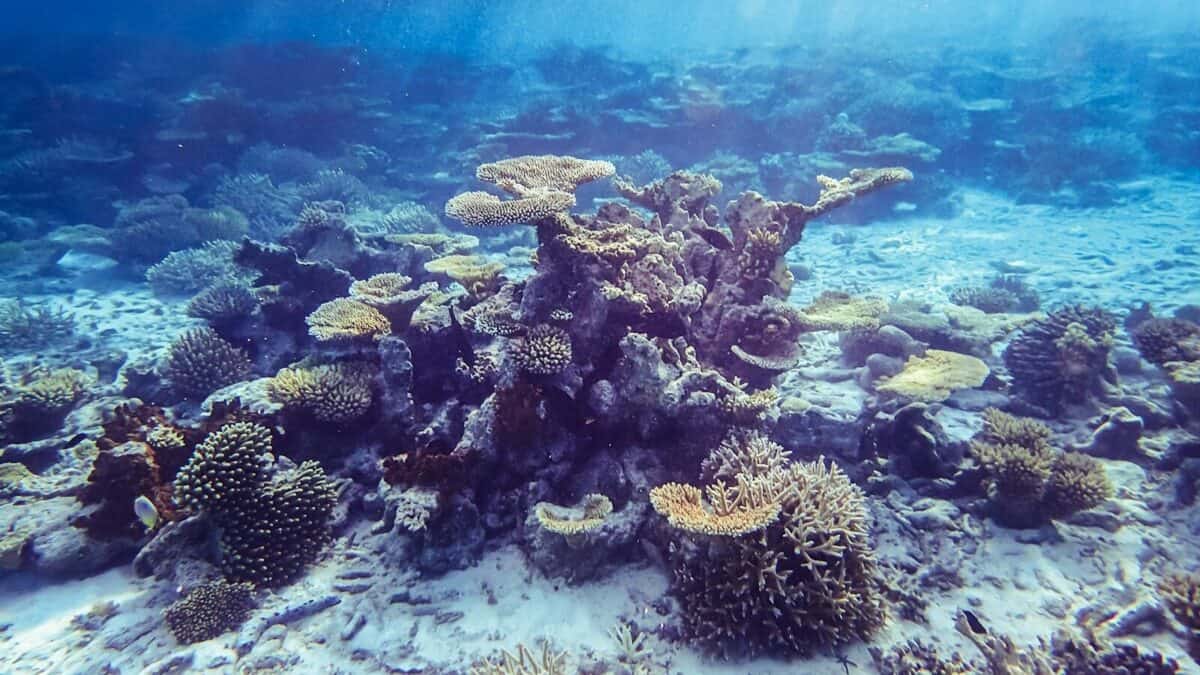
Agility complements speed as a crucial defense mechanism. Reef fish like damselfish and angelfish have developed highly maneuverable body shapes that allow them to make sharp turns and navigate complex coral structures where larger predators cannot follow. The pike’s distinctive elongated body provides the perfect combination of ambush capabilities and burst speed for both hunting and escaping danger. For these fish, their locomotion adaptations represent millions of years of evolutionary refinement, creating hydrodynamic marvels that make them challenging targets for even the most determined predators.
9. Mimicry Impersonating the Dangerous
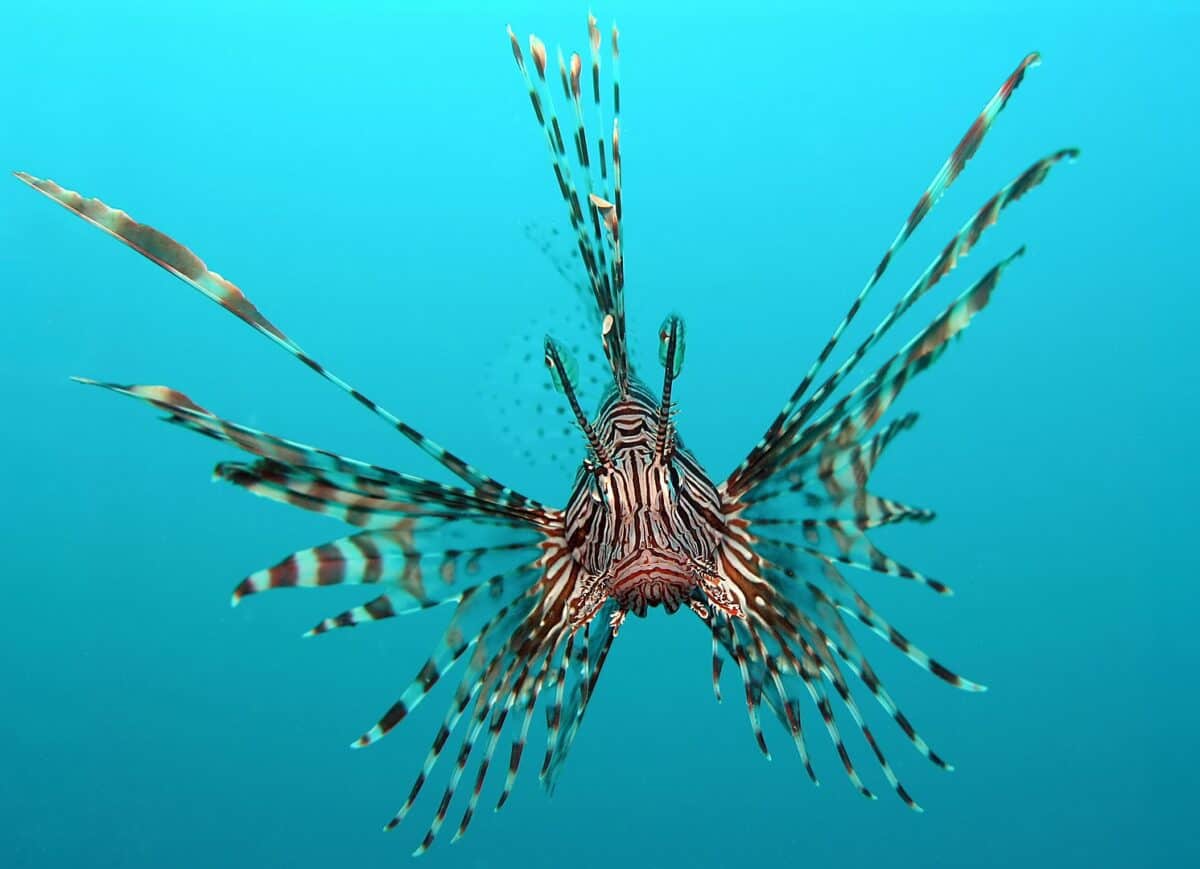
Some fish have evolved to mimic the appearance of dangerous or unpalatable species, gaining protection without actually possessing defensive capabilities themselves. This phenomenon, known as Batesian mimicry, is exemplified by the harmless mimic octopus, which can impersonate toxic flatfish, sea snakes, and lionfish. Similarly, several harmless fish species have evolved striping patterns that resemble those of venomous lionfish, benefiting from predators’ learned avoidance of the dangerous model.
Mimicry can take remarkably sophisticated forms. The bluestriped fangblenny mimics the cleaner wrasse, a fish that provides cleaning services to larger fish. This disguise allows the fangblenny to approach potential predators closely before taking a bite of flesh and darting away. The pearl fish even mimics the appearance of a parasitic worm to gain access to sea cucumber bodies, where it hides from predators. These deceptive strategies demonstrate how evolution has favored fish that can exploit predators’ existing fears and learned behaviors, creating effective defense mechanisms based on visual trickery rather than physical capabilities.
8. Electrical Defenses Shocking Predators

Among the most extraordinary fish defense mechanisms are those involving electrical discharges. The electric eel, capable of generating shocks up to 600 volts, stands as the most powerful example. These high-voltage discharges can stun or even kill potential predators and prey alike. Electric rays and electric catfish have evolved similar capabilities, producing electrical fields that serve both defensive and hunting purposes. These fish possess specialized organs called electrocytes that function like biological batteries, storing and releasing electrical charges on command.
Beyond these high-voltage specialists, many fish possess weaker electrical capabilities used for navigation and communication that secondarily function as defense mechanisms. The black ghost knifefish generates a continuous weak electrical field that helps it detect objects and other creatures in murky waters, while also creating a deterrent sensation for some predators. These electrical adaptations represent highly specialized evolutionary developments that provide these fish with a unique advantage in aquatic environments where few other creatures can produce such effects, creating an effective deterrent against all but the most specialized predators.
7. Distraction Techniques Sacrificing Parts
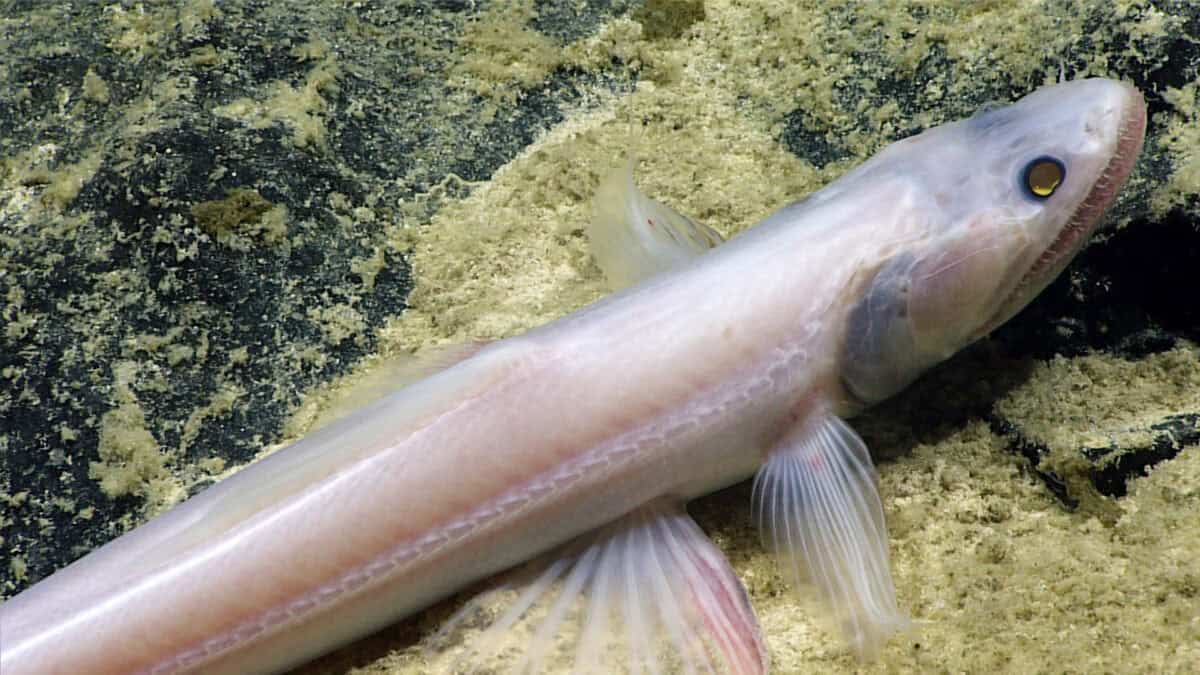
Several fish species have evolved the remarkable ability to sacrifice body parts to escape predation. This strategy, known as autotomy, is perhaps most dramatically displayed in lizardfishes, which can detach their tails when caught. The detached tail continues to wiggle and twitch, distracting the predator while the fish escapes. Unlike reptiles, these fish cannot regenerate their tails, making this a costly but potentially life-saving defense mechanism.
Other distraction techniques involve specialized structures designed to be sacrificed. Some butterfly fish have false eyespots near their tails, encouraging predators to strike at less vital body regions. When attacked, these fish can often survive losing a small portion of their fins. The pinnacle of this strategy appears in the aptly named sacrificial lure fish, which can detach the fleshy lure on its head when a predator strikes at it. These sacrificial strategies represent evolutionary compromises where losing a non-vital body part is preferable to losing life, providing fish with a last-resort escape mechanism when other defenses have failed.
6. Counterillumination Hiding in Plain Sight

In the open ocean’s middle depths, where sunlight creates silhouettes of swimming creatures against the brighter surface waters, many fish have evolved a sophisticated camouflage technique called counterillumination. Species like the hatchetfish and lanternfish possess light-producing organs called photophores along their undersides. These biological light sources match the intensity and color of downwelling sunlight, effectively erasing the fish’s silhouette when viewed from below by predators.
This bioluminescent camouflage represents one of nature’s most advanced defense mechanisms, requiring precise control of light production to match changing conditions. As the fish swims deeper or as daylight intensity changes, it must adjust its light output accordingly. The midshipman fish can even alter the pattern of illumination to break up its outline further. Research has shown that counterillumination significantly reduces predation rates on these species in their natural habitats. This adaptation illustrates how evolutionary pressure in the challenging open-ocean environment has produced solutions that effectively exploit the physics of light penetration in water.
5. Playing Dead The Last Resort
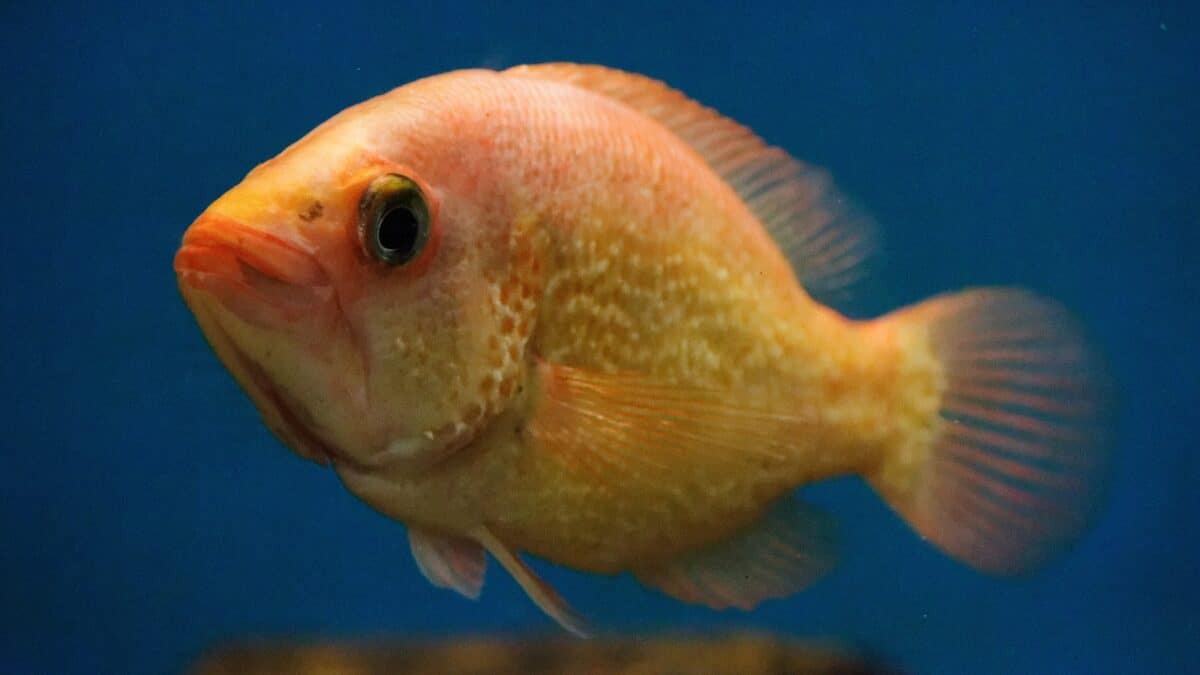
Some fish species have evolved the ability to feign death when threatened, a behavior known as thanatosis. The Central American cichlid exemplifies this strategy, going completely limp and floating belly-up when captured by a predator. This behavior exploits the preference of many predators for live prey, potentially causing them to relax their grip or lose interest. Once the predator’s attention wanes, the seemingly dead fish can suddenly revive and dart away to safety.
Playing dead often involves physiological changes beyond simple immobility. Some species slow their gill movements and heart rates, enhancing the deception. The hognose wrasse takes this strategy further by secreting a noxious mucus when playing dead, making it not only appear deceased but also unpalatable. This behavioral adaptation represents a last-ditch effort when other defenses have failed, and research indicates it can be surprisingly effective against certain predators that rely on movement cues to identify prey. While risky, playing dead has provided enough evolutionary advantage to persist in multiple fish lineages across different habitats.
4. Ineffective Defense Relying Solely on Speed in Confined Spaces
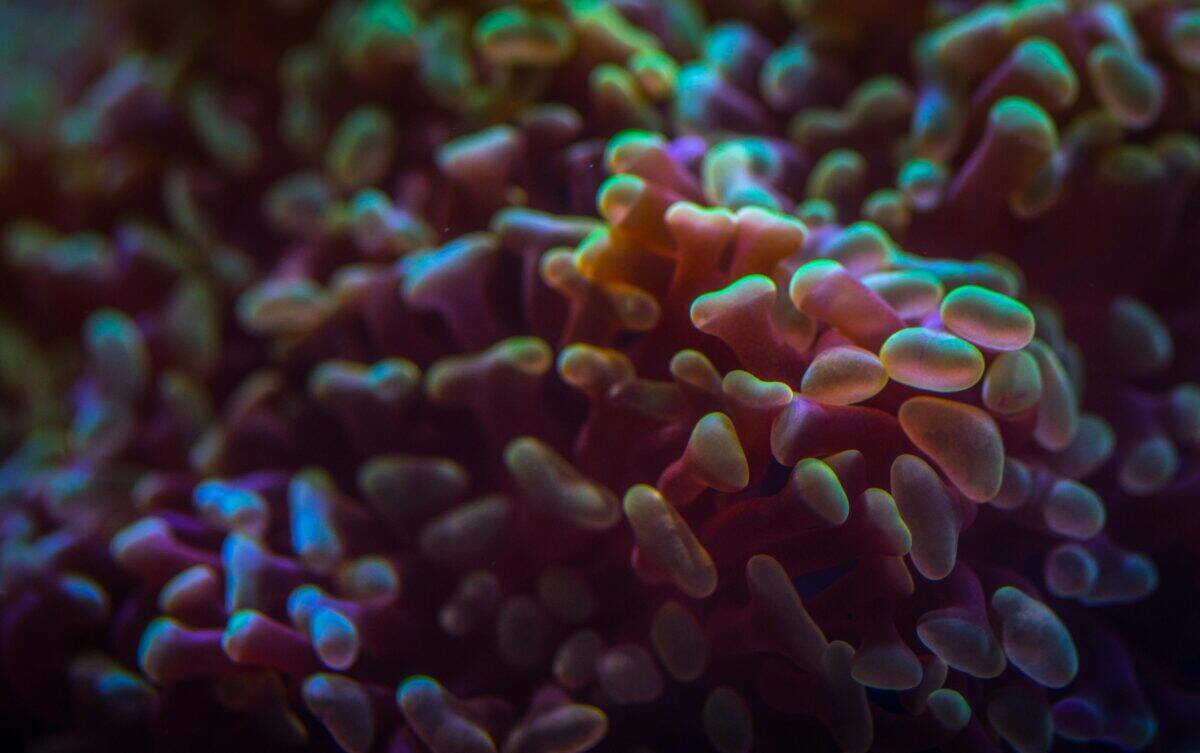
While speed serves as an excellent defense in open water, it becomes dramatically less effective in confined environments like coral reefs, kelp forests, or rocky outcroppings. Fast swimmers like certain jacks and tuna find their primary defense mechanism neutralized when cornered in tight spaces where maneuverability is limited. Predators like moray eels and groupers exploit this vulnerability by ambushing prey in reef crevices where escape routes are limited.
The limitation becomes even more pronounced for schooling fish that typically rely on coordinated group movements in open water. When forced into confined spaces, schools can become disorganized, losing their collective defense advantage. Research has documented how predators like barracuda specifically drive schooling fish toward reef structures to disrupt their formations before attacking. This vulnerability highlights an important evolutionary trade-off: the hydrodynamic body shapes optimized for speed often lack the flexibility and maneuverability required for navigating complex three-dimensional environments, creating a significant defensive weakness in certain contexts.
3. Ineffective Defense Transparency in Shallow Waters
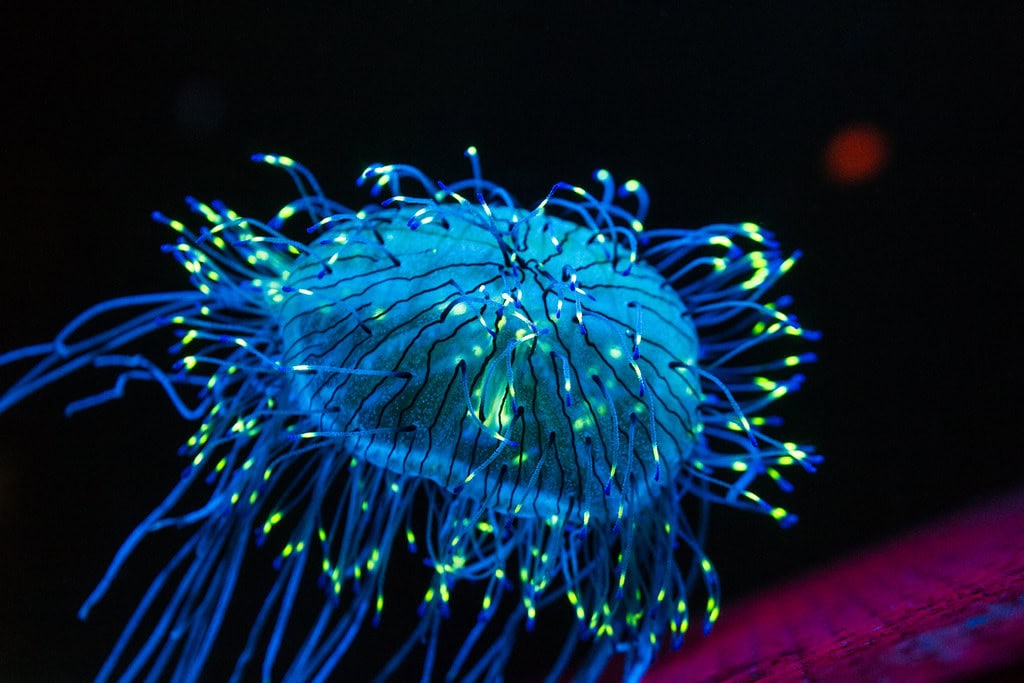
Transparency serves many deep-sea and pelagic species well, making creatures like glass catfish and certain jellyfish nearly invisible in their natural habitats. However, this adaptation becomes strikingly ineffective in shallow, well-lit environments. In clear, sunlit waters, transparent fish often cast shadows or reflect light, making them more conspicuous rather than less. Additionally, their internal organs remain visible, creating distinctive outlines that predators can learn to recognize.
The limitations of transparency become particularly evident when considering predators with advanced vision. Birds hunting from above can easily spot transparent fish in shallow waters due to refraction effects. Similarly, many reef predators have evolved vision specifically attuned to detecting subtle movements and distortions in the water column. For transparent species that drift from their optimal depth ranges into shallower waters, their primary defense mechanism not only fails but potentially makes them more visible targets. This illustrates how defense adaptations often function effectively only within specific environmental contexts for which they evolved.
2. Ineffective Defense Warning Coloration Without Toxicity

Bright warning coloration (aposematism) serves toxic or venomous fish well by advertising their dangerous nature to potential predators. However, some fish species display bright colors despite lacking any chemical defenses—a risky strategy that often proves ineffective. Unlike true Batesian mimics that closely resemble specific dangerous species, these brightly colored but harmless fish may initially deter cautious predators but ultimately suffer high predation rates once predators learn they pose no actual threat.
The mandarin fish illustrates this vulnerability. While stunningly colored, these fish possess only mild toxins insufficient to deter determined predators. Similarly, many juvenile reef fish display bright coloration before developing their adult defenses, creating a dangerous developmental window where they advertise conspicuousness without corresponding protection. Research shows that predators quickly learn which brightly colored species are genuinely dangerous and which can be safely consumed, creating strong selective pressure against incomplete or dishonest warning signals. This unsuccessful strategy persists primarily in environments with few visual predators or where the fish have alternative defenses not immediately apparent.
1. Ineffective Defense Freezing Response Against Active Hunters

Many fish species exhibit a freezing response when detecting potential danger, becoming motionless to avoid drawing attention. While effective against predators that primarily detect prey through movement, this strategy fails catastrophically against hunters that use other sensory systems. Sharks, for instance, can detect the electrical fields generated by a fish’s muscles and nerves even when the prey remains perfectly still. Similarly, dolphins and some predatory fish can use echolocation or pressure-sensitive lateral lines to locate stationary prey.
The limitations of freezing become particularly evident in open-water environments without hiding places. A motionless sardine in the open ocean, for example, actually becomes more conspicuous by breaking the pattern of movement in its school. Research has documented how predators like tuna and billfish specifically target individuals that separate from schools and freeze. This illustrates a critical vulnerability in what might seem like intuitive defensive behavior—remaining motionless only works when combined with effective camouflage or when facing predators that lack sophisticated non-visual hunting capabilities. Against advanced predators with multisensory hunting strategies, freezing often represents a defense mechanism doomed to fail.
Conclusion: The Evolutionary Arms Race Beneath the Waves

The diverse defense mechanisms employed by fish represent millions of years of evolutionary adaptations shaped by the constant pressure of predation. From the collective safety of schooling to the sophisticated chemical arsenals of venomous species, these strategies showcase nature’s ingenuity in solving the fundamental challenge of survival. What becomes clear when examining both successful and unsuccessful defense mechanisms is that effectiveness often depends on context—what works brilliantly in one environment or against one predator may prove useless in different circumstances.

As a little kid, I fell in love with nature, wildlife, and animals. Living in the USA, South Africa, Italy, China and Germany gave me the opportunity to discover the world's Wildlife. My favorite animals are Mountain Gorillas, Siberian Tigers, and Great White Sharks.
I'm a certified PADI Open Water Diver, went to Everest Base Camp and Trekked Gorillas in Uganda. I hold a Master of Science in Economics and Finance.
Please send any feedback to feedback@animalsaroundtheglobe.com
- 11 Most Endangered Insects Buzzing in America Today - July 22, 2026
- 10 Most Frequently Googled Animal Birth Facts - July 22, 2026
- 10 Incredible Migration Journeys in the Animal Kingdom - July 22, 2026