
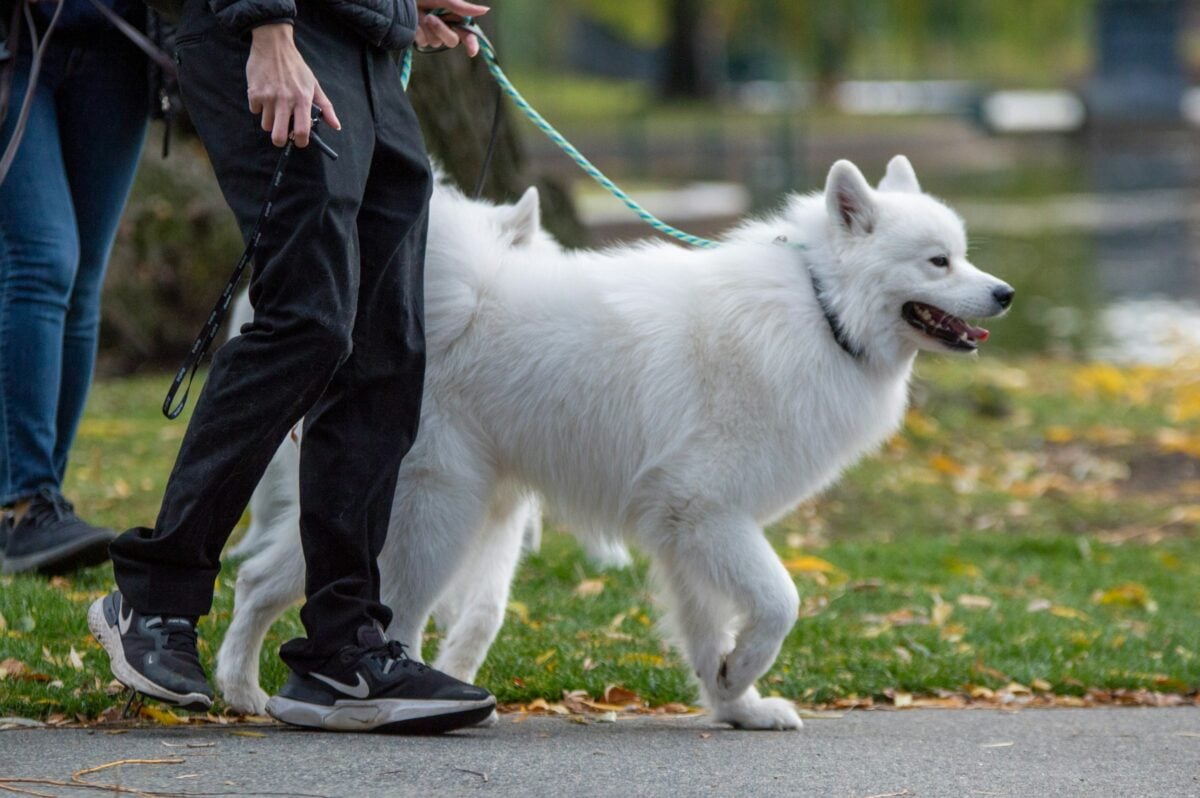
Watch a retired neighbor meet a new dog on the sidewalk. Often there’s very little talking at first. A slow turn of the shoulders, a hand held low, a pause that lasts just long enough, and the dog seems to decide something.
Dogs have lived alongside people for thousands of years, and they’ve become remarkably tuned in to our bodies, voices and routines. Older adults often bring a quieter, more patient style to that relationship, whether they planned it or not. Here are ten wordless ways that bond tends to take shape.
1. Soft Eye Contact That Says “I’m Safe”
🔥 Would you like to save this?
We'll email this post to you, so you can come back to it later!
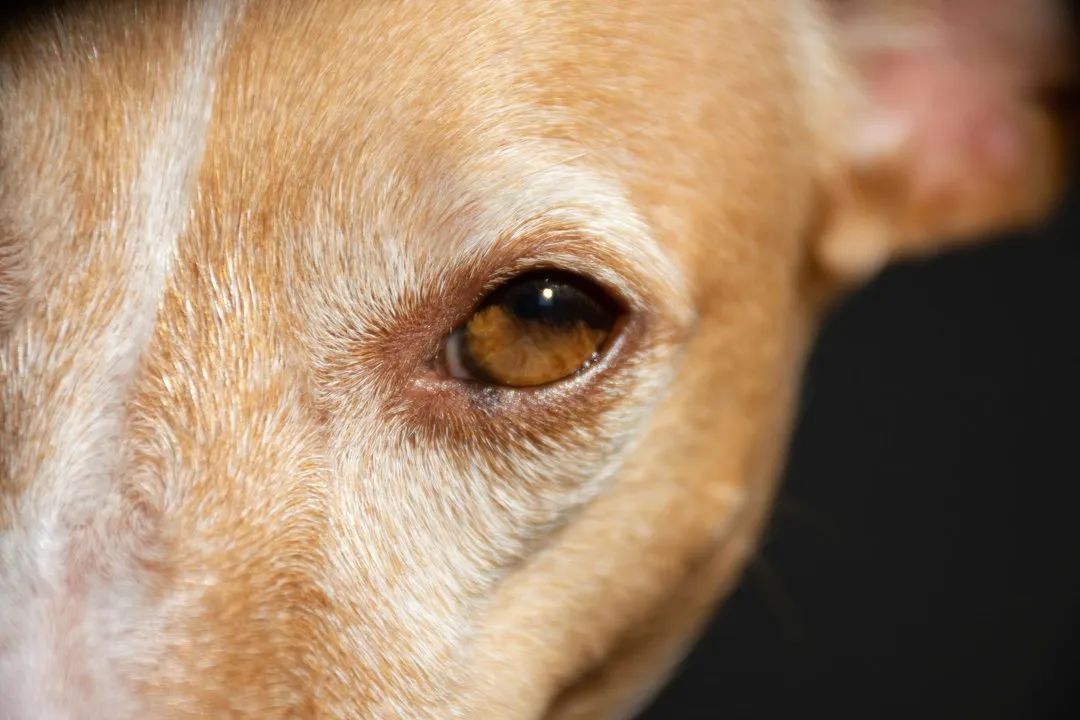
Dogs read faces, and eyes matter a great deal. Research has suggested that mutual gazing between dogs and owners is linked to a rise in oxytocin in both, the same hormone tied to bonding between parents and infants. A gentle, relaxed look can be a real form of conversation.
The key word is gentle. A hard, unblinking stare can feel like a challenge to an unfamiliar dog. Many older adults naturally soften their gaze, blink slowly and glance away now and then, which tends to put nervous dogs at ease.
2. Slow, Deliberate Movement
🔥 Would you like to save this?
We'll email this post to you, so you can come back to it later!
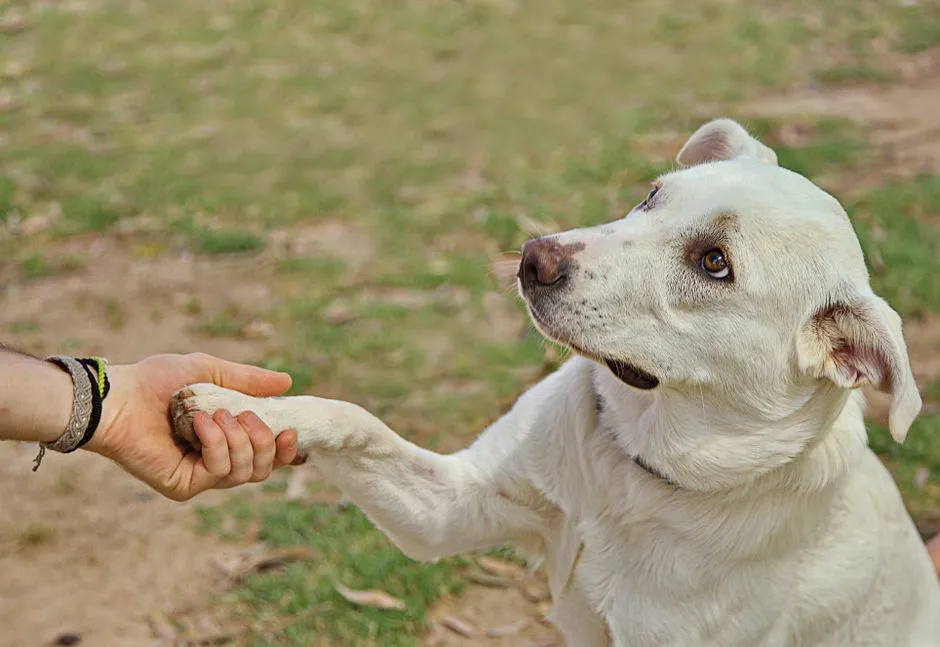
Quick gestures can startle a dog, especially a shy or rescued one. Slower movement, whether it comes from habit or from joints that prefer an unhurried pace, often reads as calm and predictable. Dogs like predictable.
Predictability builds trust faster than almost anything else. When a dog can anticipate where your hand is going and how you’ll step next, it doesn’t have to stay on guard. Over weeks, that steadiness becomes part of how the dog sees you.
3. Body Posture and Angle

🔥 Would you like to save this?
We'll email this post to you, so you can come back to it later!
Facing a strange dog head on, leaning over it, can feel confrontational in dog language. Standing or sitting slightly sideways is usually less intimidating. Trainers commonly suggest this approach, and plenty of experienced dog people do it without thinking.
Sitting in a chair can help too. A seated person is lower, quieter and less imposing, so the dog gets to choose whether to approach. Letting the dog make that choice is a big part of earning its confidence.
4. The Gentle Touch
🔥 Would you like to save this?
We'll email this post to you, so you can come back to it later!
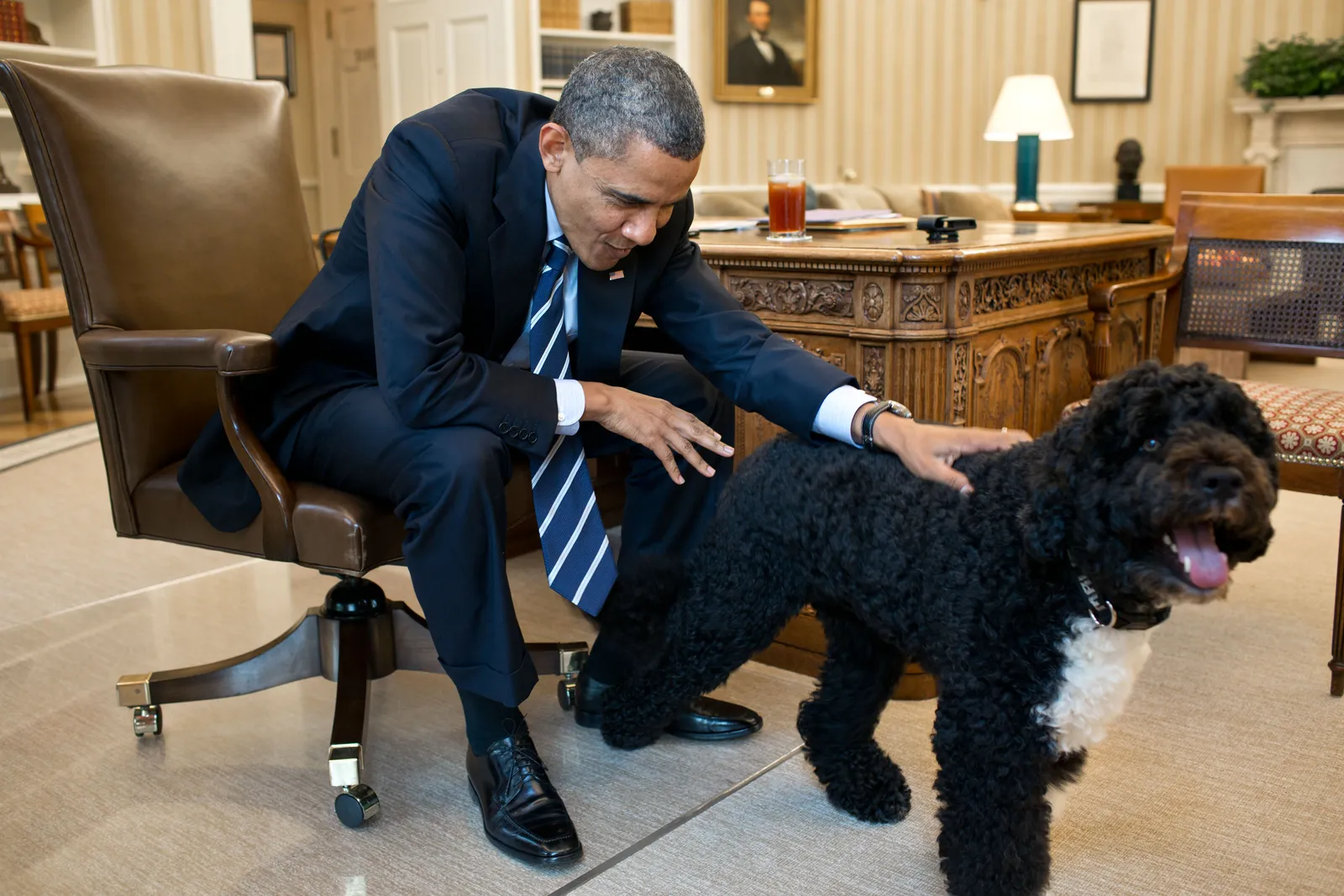
Touch is one of the oldest ways people and dogs connect. Most dogs enjoy slow strokes along the chest, shoulders or the side of the neck more than pats on top of the head. Watching how a dog leans in, or turns away, tells you what it likes.
Studies on petting have found that calm interaction with a dog can lower stress markers in people, too. For older adults who may live alone, that physical contact can be a meaningful comfort. The benefit seems to flow both ways, though the strength of the effects varies from study to study.
5. Tone of Voice Without the Words
🔥 Would you like to save this?
We'll email this post to you, so you can come back to it later!
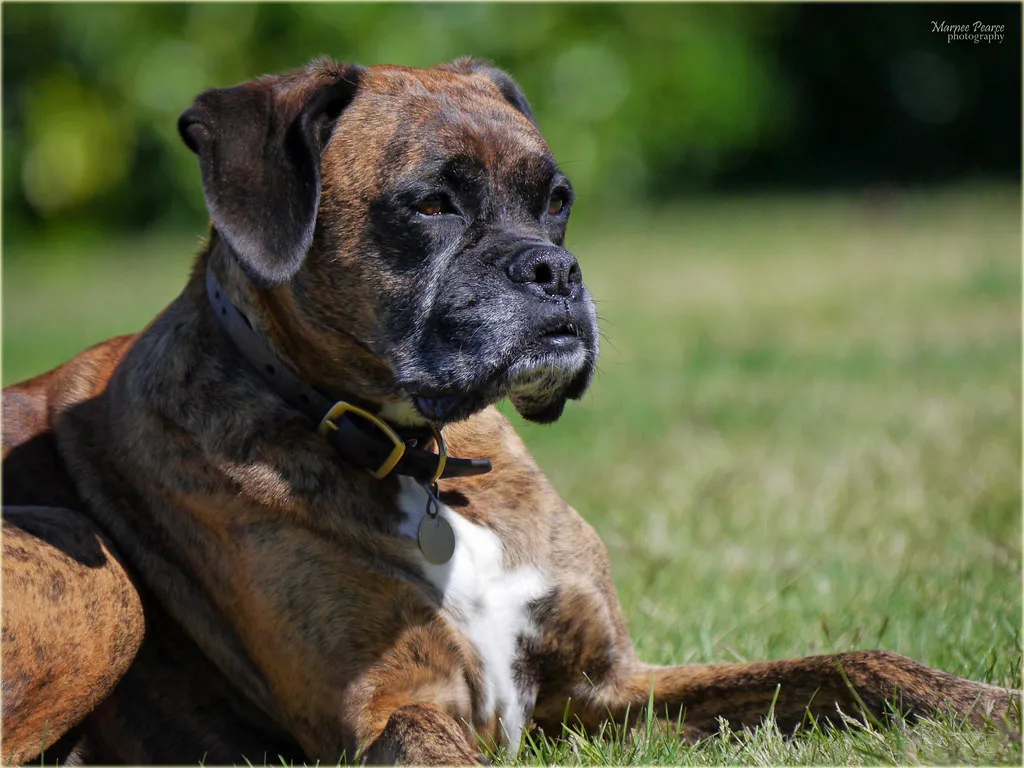
Even when the message isn’t spoken in sentences, sound carries meaning. Dogs respond to pitch, rhythm and warmth, and a soft, low hum or a relaxed sigh can communicate ease. Some older adults hum while they potter around the house, and dogs often settle nearby.
The point isn’t to perform for the dog. It’s that your emotional state leaks into every sound you make, and dogs notice. Calm in, calm out, more or less.
6. Routines That Speak for Themselves
🔥 Would you like to save this?
We'll email this post to you, so you can come back to it later!
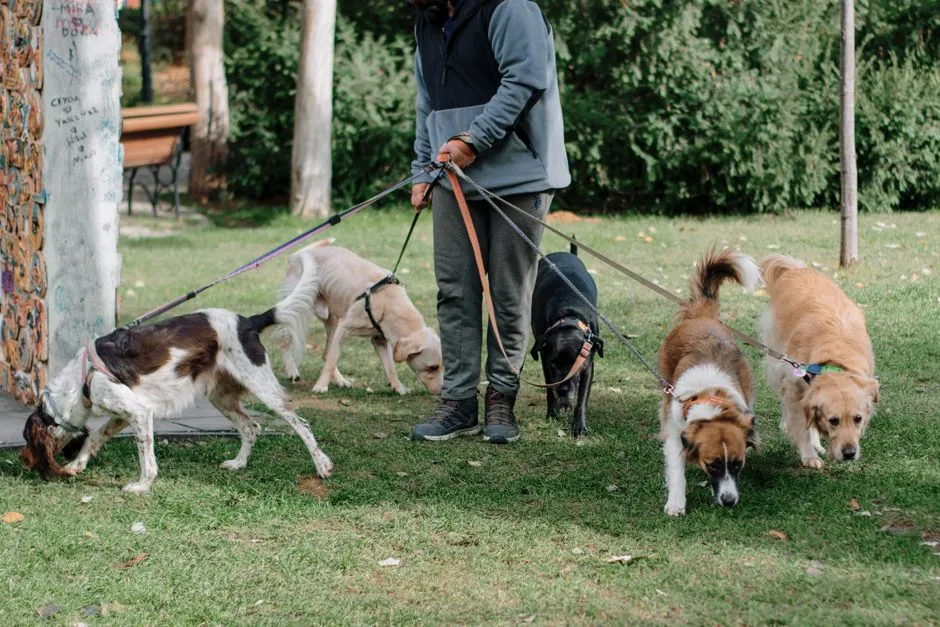
Dogs learn patterns astonishingly well. The clink of a leash, the jingle of keys, a cup set down at the same hour each morning, all of these become signals. After a while the dog doesn’t need to be told anything.
Many older adults have settled daily rhythms, and that consistency is a gift to a dog. Feeding, walks and rest at reliable times lower uncertainty. A dog that knows what comes next is usually a more relaxed dog.
7. Reading the Dog’s Signals Back
🔥 Would you like to save this?
We'll email this post to you, so you can come back to it later!
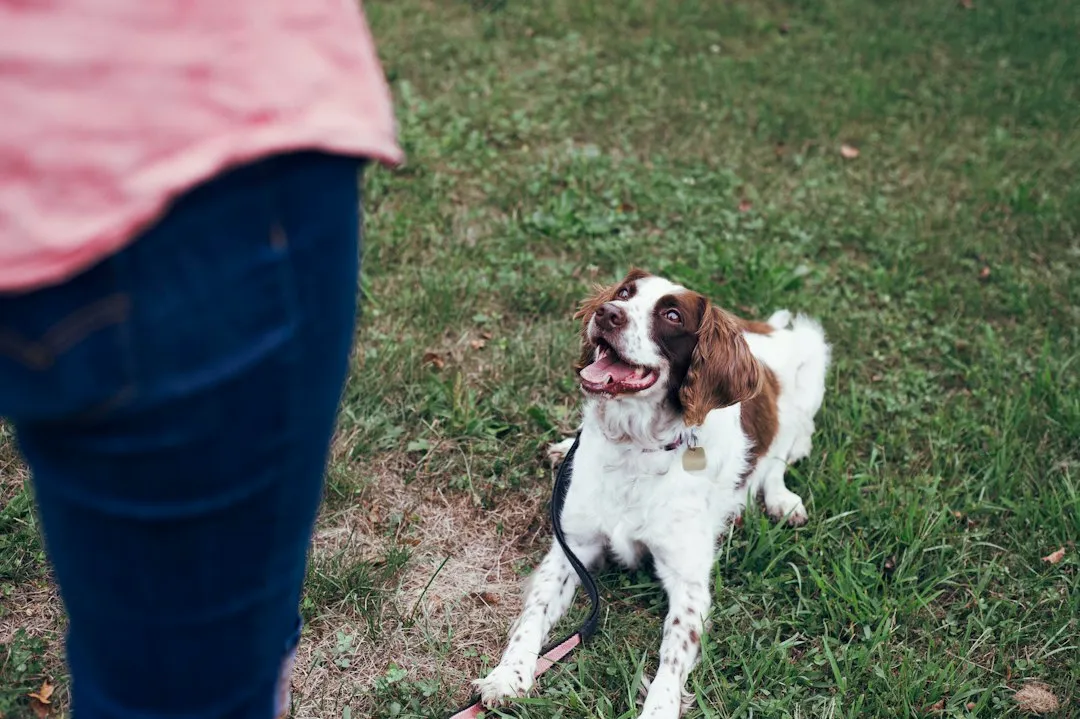
Communication is a two way street, and listening counts. A loose, wiggly body, soft eyes and a relaxed mouth generally mean comfort. Yawning, lip licking, turning away or a stiff tail can signal stress, and responding to those cues is how trust deepens.
Years of life experience can make people good at noticing small changes. Pausing when a dog looks unsure, rather than pushing ahead, tells the dog its signals matter. That’s often the moment a stranger starts becoming a friend.
8. Sharing Space and Silence
🔥 Would you like to save this?
We'll email this post to you, so you can come back to it later!
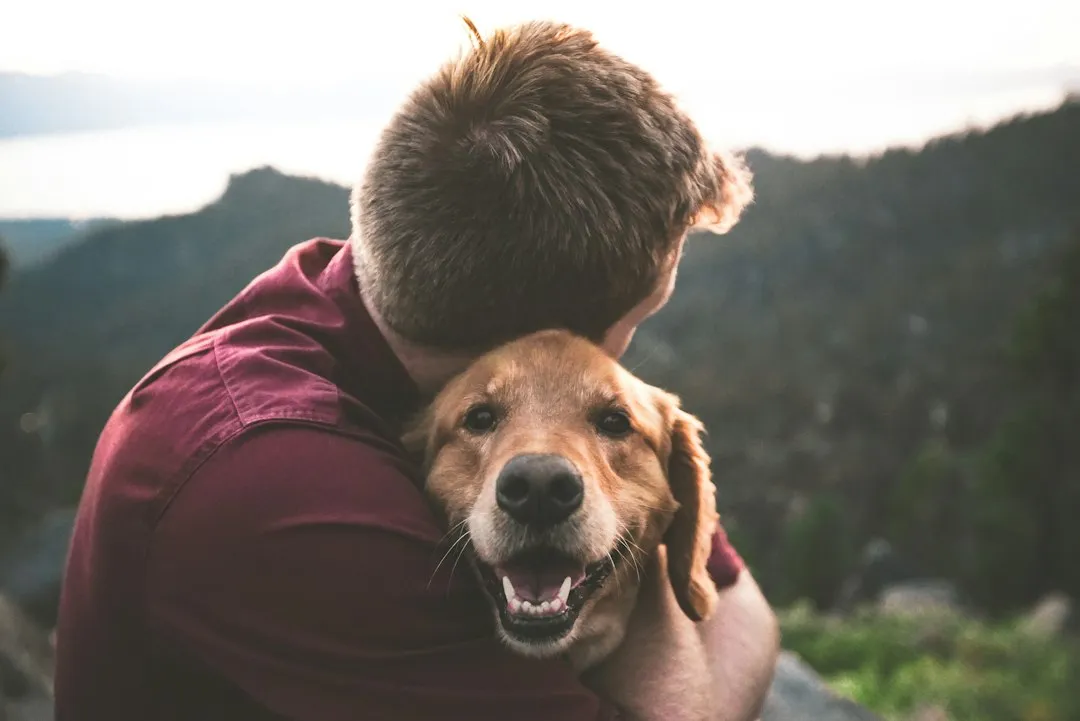
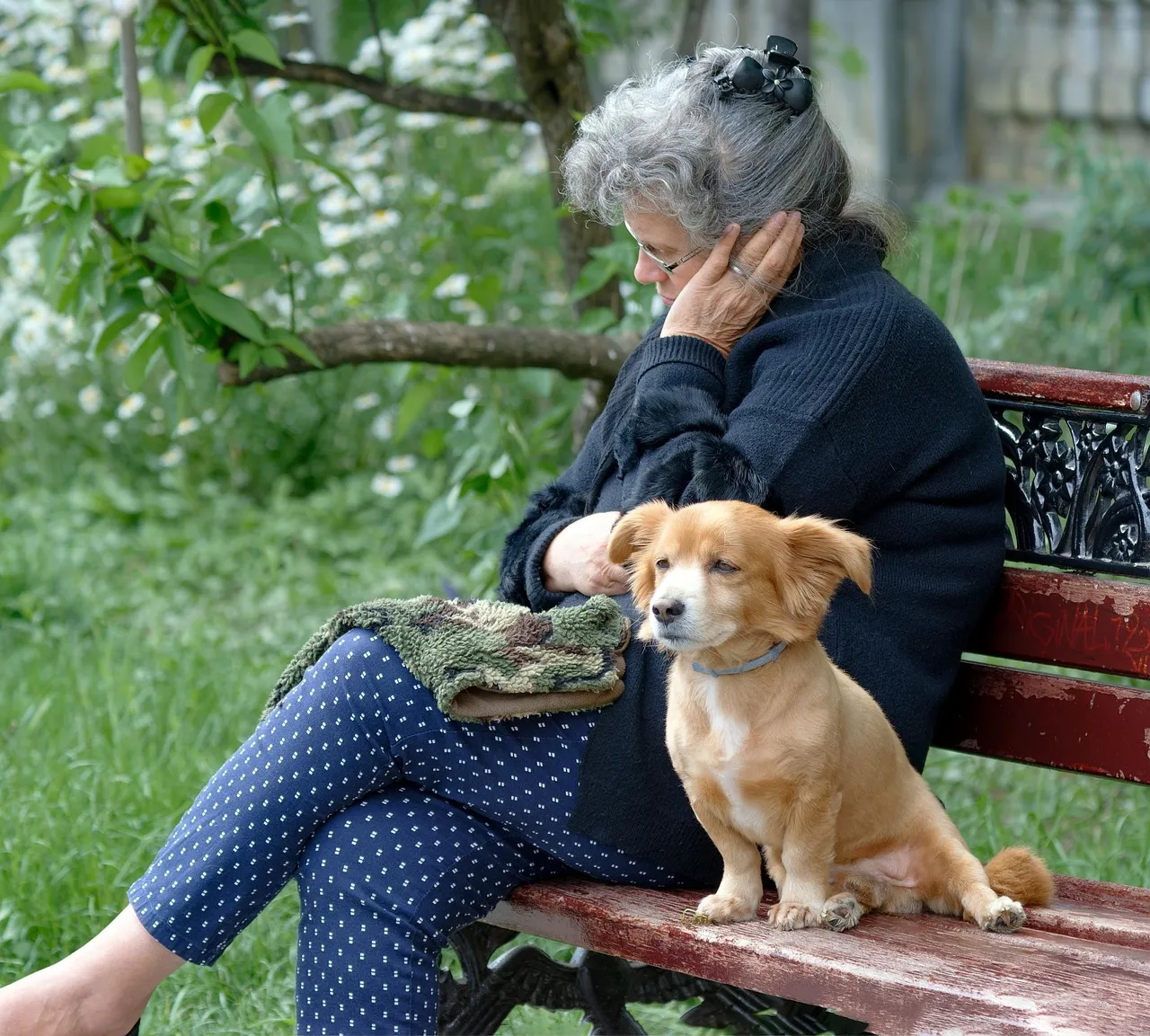
Some of the strongest bonds are built by simply being together. Sitting on a porch, reading in a favorite chair, or gardening while a dog dozes close by counts as quality time. Dogs don’t need constant entertainment to feel connected.
This quiet companionship can be especially valuable for people who find the house too still. The dog’s presence, breathing and occasional sigh fill the room without demanding conversation. It’s a comfortable kind of company.
9. Walking Together at a Shared Pace
🔥 Would you like to save this?
We'll email this post to you, so you can come back to it later!
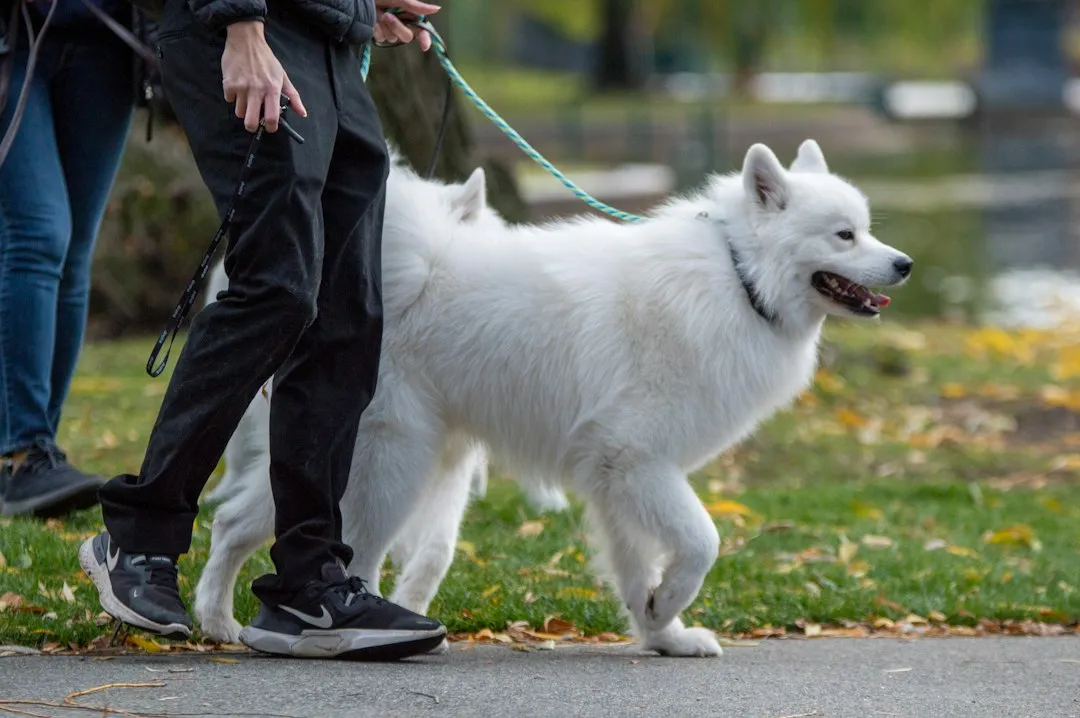
A walk is a conversation conducted with feet. Matching pace, pausing at a favorite sniffing spot, and letting the dog explore all send the message that you’re a team. Smell is how dogs read the world, so a little sniffing time is more than a treat.
Regular walks also bring gentle exercise and often friendly encounters with other people. Studies have linked dog ownership with more daily walking among older adults, though results depend on the person and the dog. Even a short loop around the block can strengthen the relationship.
10. Small Rewards and Kind Gestures
🔥 Would you like to save this?
We'll email this post to you, so you can come back to it later!
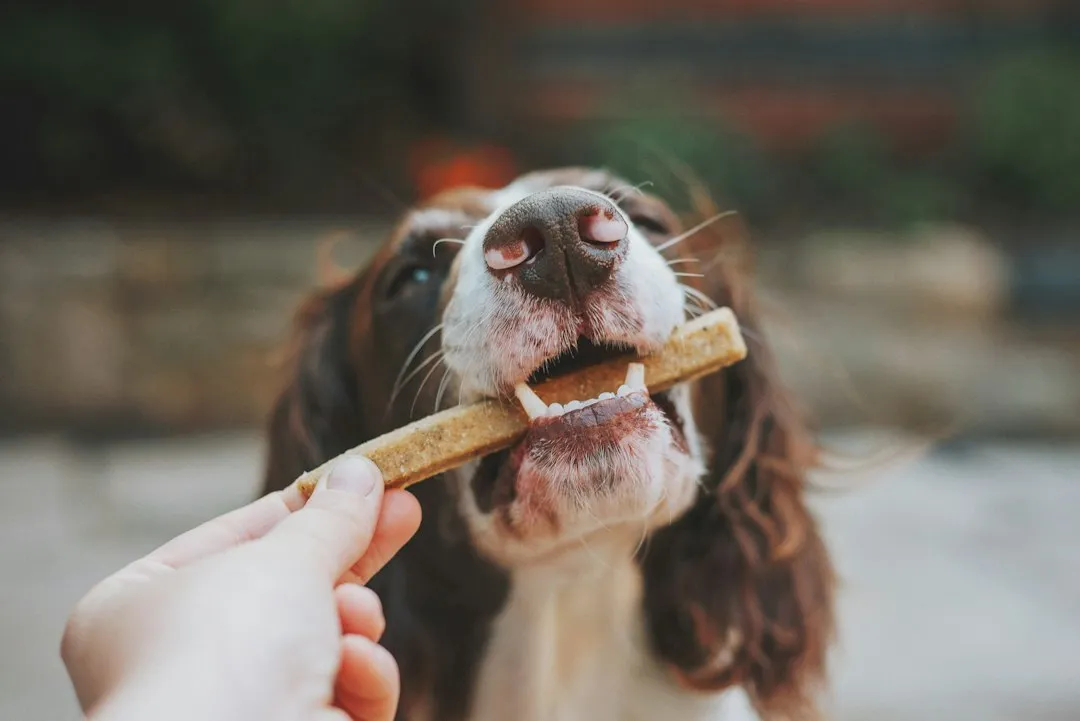
A treat offered from a flat palm, a favorite toy placed nearby, a warm blanket put in the sun: these are acts of care that need no explanation. Dogs connect them quickly with the person who provides them. Reward based, patient approaches are also widely recommended by veterinary behavior groups over harsh methods.
Consistency again matters more than quantity. Small kindnesses repeated over time say, in plain dog terms, that you’re reliable. That’s the foundation of nearly every deep animal friendship.
Final Thoughts
🔥 Would you like to save this?
We'll email this post to you, so you can come back to it later!
Here’s my view: we overrate talking. Most of what makes a dog trust a person has nothing to do with clever commands or baby talk, and everything to do with patience, calm and paying attention. Older adults often have those qualities in good supply, which may be why so many of them seem to have a way with dogs.
If you’re newly meeting a dog, or newly sharing your home with one, slow down. Offer less, listen more, and let the dog set the pace. The bond that grows from that is rarely loud, yet it’s often the most lasting kind.

- 7 Everyday Habits That Can Make Your Senior Dog Happier - November 5, 2026
- 10 Enigmatic Structures That Continue to Puzzle Scientists Today - November 5, 2026
- 10 Strange Ruins in the Americas That Challenge What We Know About Early History - November 5, 2026