
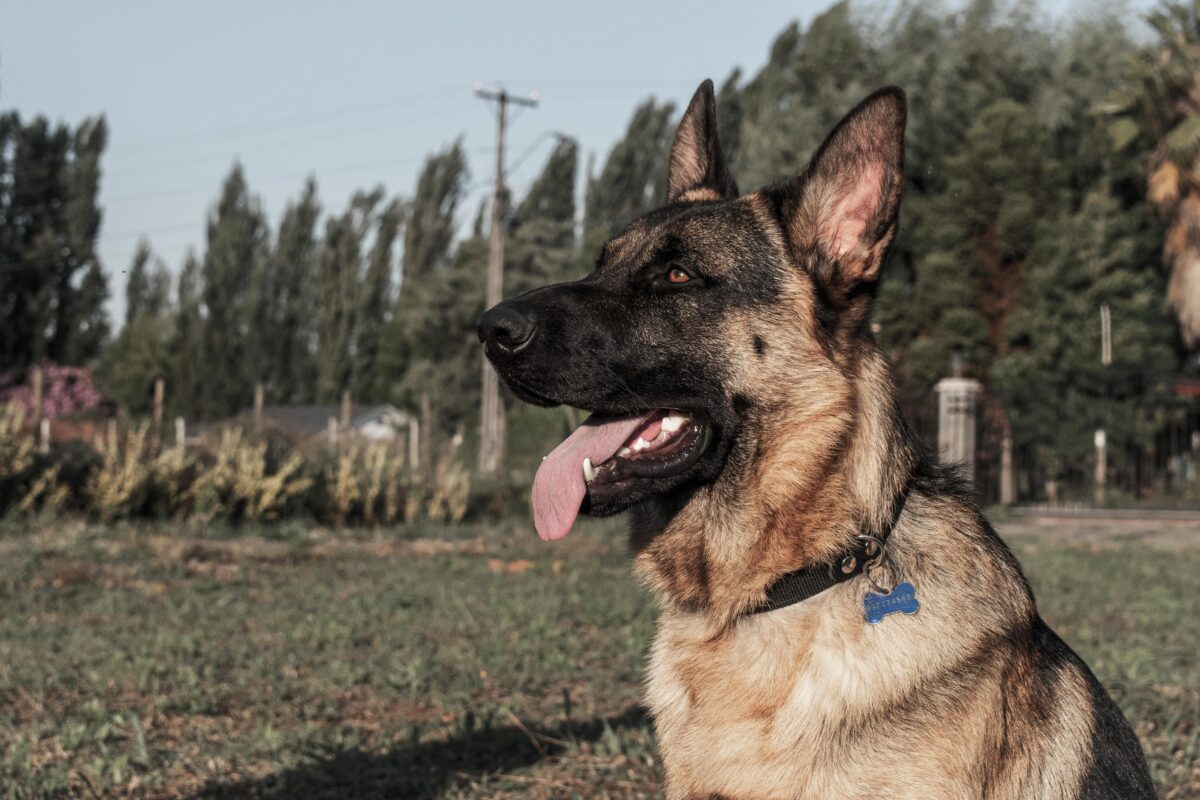
Many dog owners find themselves facing sudden growls or lunges and wonder what went wrong with their once friendly companion. The truth is that aggression often stems from fear, pain, or confusion rather than outright meanness, and the path to calmer behavior starts with understanding rather than force. Small shifts in daily routines can make a surprising difference, yet knowing where to begin feels overwhelming when every interaction carries tension.
Effective approaches draw from behavior science and real world experience, focusing on safety first for everyone involved. These methods reward patience and consistency over quick fixes, helping both dog and owner rebuild trust step by step.
10. Identify the Specific Triggers
🔥 Would you like to save this?
We'll email this post to you, so you can come back to it later!
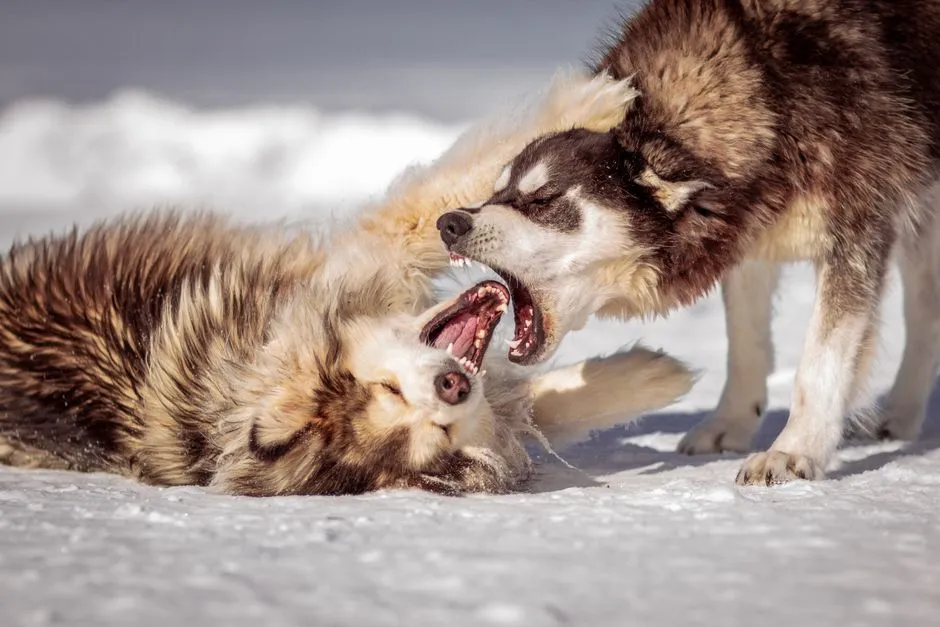
Start by keeping a simple journal of when the aggression appears, noting time of day, people present, sounds, or objects nearby. Patterns often emerge quickly, such as reactions to strangers at the door or resource guarding around food bowls. This observation phase prevents guesswork and lets you address the real issue instead of symptoms alone.
Once triggers are clear, you can begin controlled exposure or avoidance as needed. Many cases trace back to past trauma or lack of socialization during puppyhood, which explains why sudden changes in the household sometimes spark problems. Tracking these details also helps when consulting a professional later.
9. Rule Out Medical Causes First
🔥 Would you like to save this?
We'll email this post to you, so you can come back to it later!
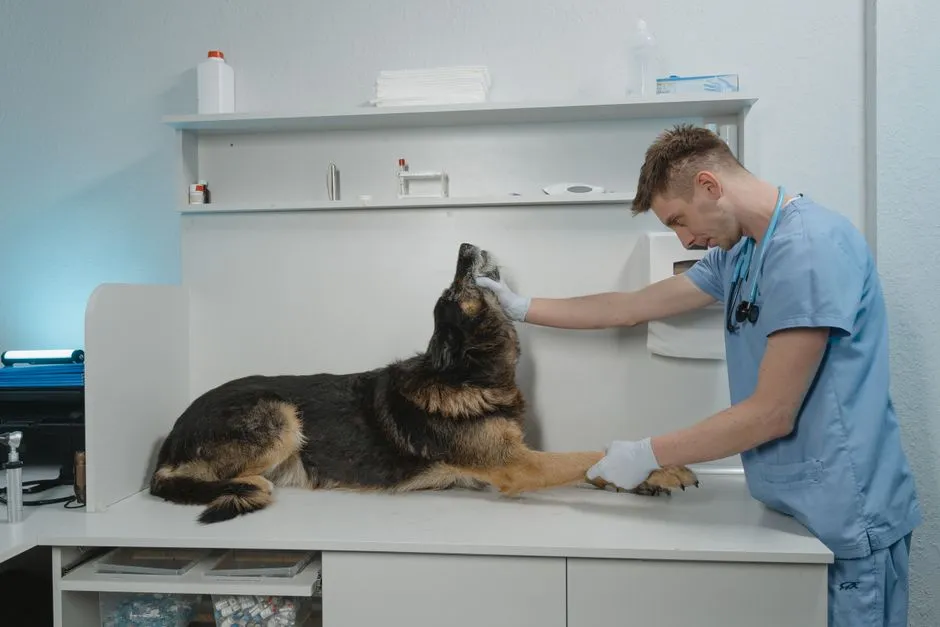
A visit to the veterinarian should come before any training plan, since pain from arthritis, dental issues, or thyroid problems frequently fuels irritability. Bloodwork and a full exam uncover hidden discomfort that training alone cannot fix. Owners often report dramatic improvements once the underlying condition receives treatment.
Even senior dogs with gradual hearing or vision loss may snap when startled, so regular checkups become essential as pets age. Medication for anxiety sometimes enters the picture after medical clearance, always under veterinary guidance. Skipping this step risks misreading the situation entirely.
8. Create a Predictable Safe Space
🔥 Would you like to save this?
We'll email this post to you, so you can come back to it later!
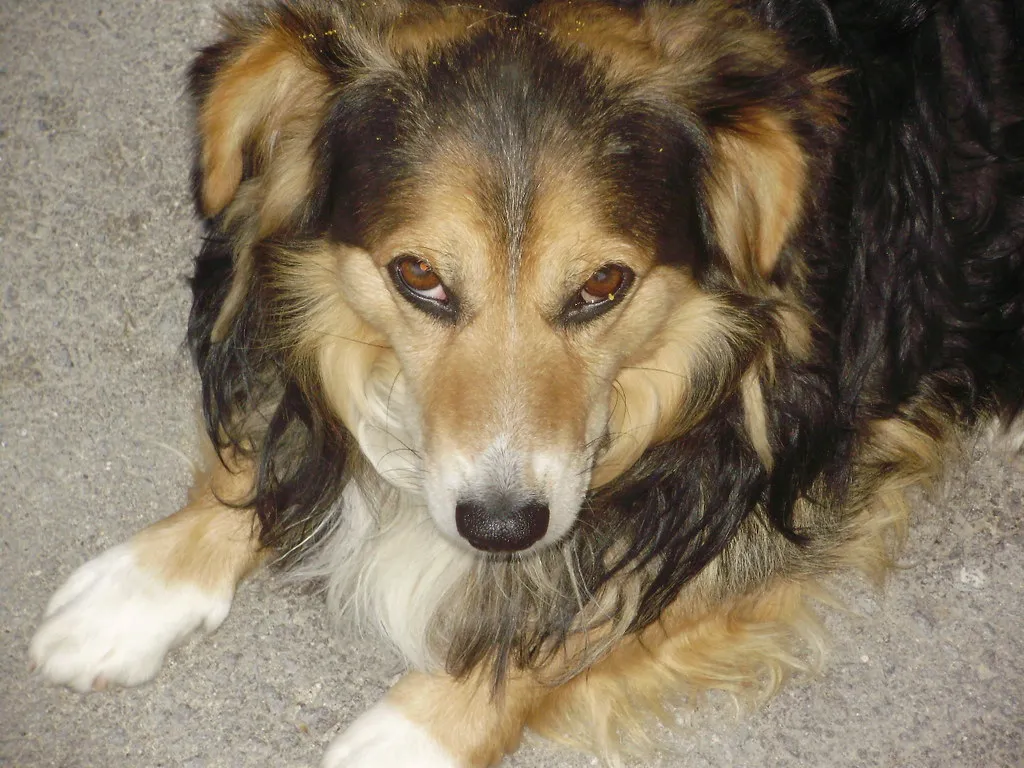
Designate a quiet corner with a comfortable bed, familiar toys, and minimal foot traffic where the dog can retreat without interruption. Consistent access to this area lowers baseline stress and gives the animal control over its environment. Crate training works well for some dogs when introduced gradually with positive associations.
Keep the space free of punishment or forced interactions so it remains a true refuge. Background noise like soft music or a white noise machine can further reduce overstimulation from outside sounds. Over time the dog learns to self soothe in this spot during tense moments.
7. Use Positive Reinforcement Training
🔥 Would you like to save this?
We'll email this post to you, so you can come back to it later!
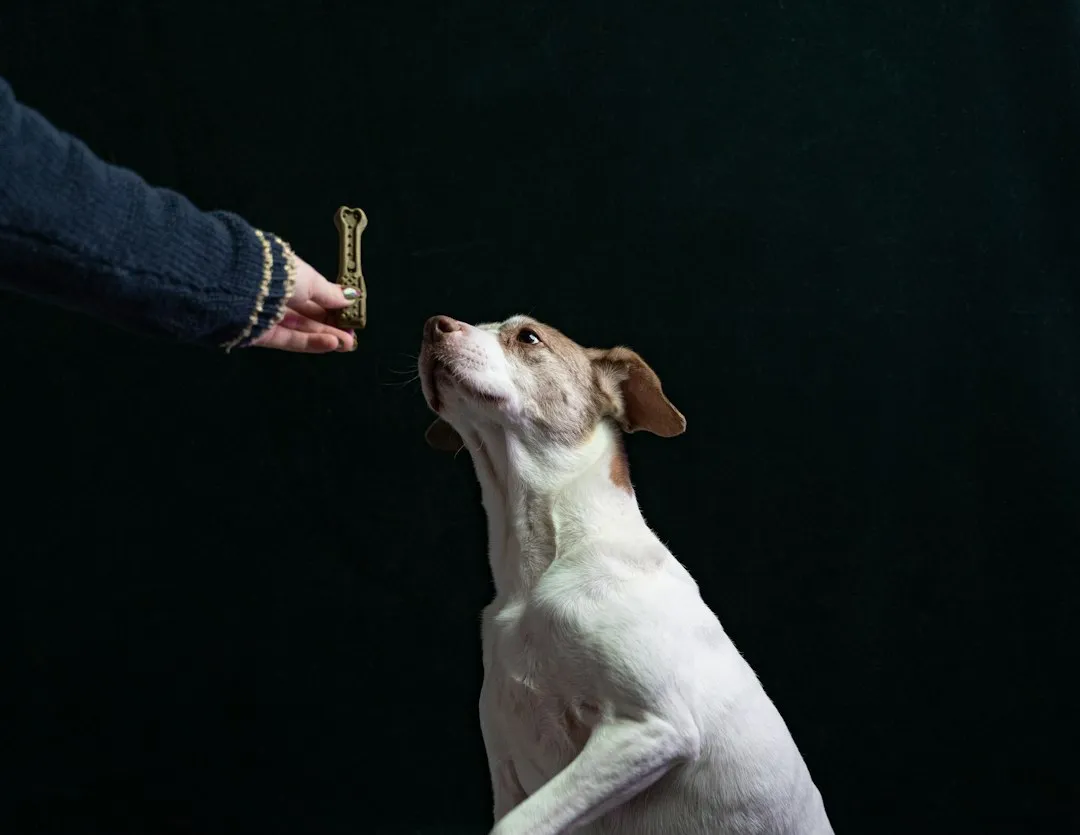
Reward calm behavior with high value treats, praise, or play immediately after the desired action occurs. This approach builds new associations faster than correction based methods and strengthens the bond between dog and owner. Short sessions of five to ten minutes several times a day prevent frustration for both parties.
Clicker training adds precision by marking the exact moment of good behavior, making it easier for the dog to repeat the action. Focus on simple commands like sit or look at me before progressing to more challenging situations. Consistency across all family members ensures the dog receives the same clear signals every time.
6. Practice Desensitization and Counterconditioning
🔥 Would you like to save this?
We'll email this post to you, so you can come back to it later!
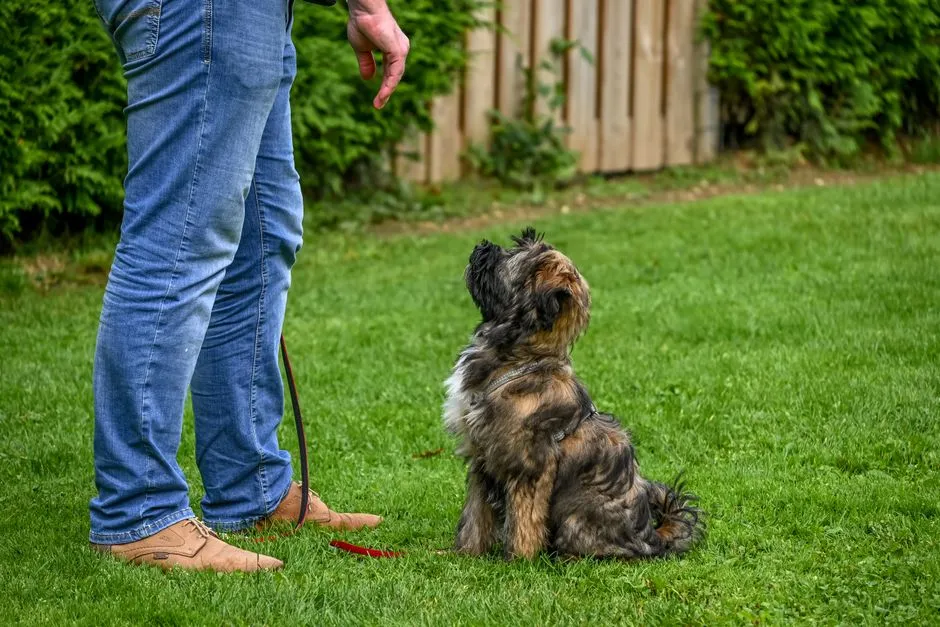
Introduce the trigger at a low intensity, such as a distant view of another dog, while pairing it with something enjoyable like treats or play. Gradually increase exposure only when the dog remains relaxed, which rewires emotional responses over weeks or months. Rushing this process often backfires and deepens fear.
Professional guidance helps set the right pace and avoid accidental setbacks. Many owners notice subtle signs of progress first, such as softer body language or quicker recovery after an encounter. Tracking small wins keeps motivation high during the longer journey.
5. Increase Daily Exercise and Mental Stimulation
🔥 Would you like to save this?
We'll email this post to you, so you can come back to it later!
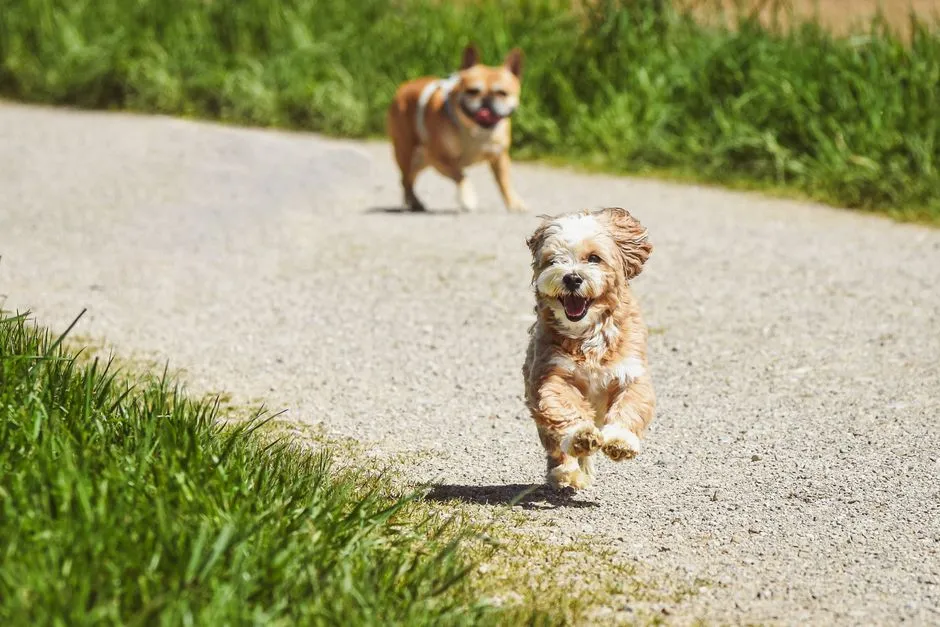
Physical activity burns off excess energy that might otherwise fuel reactivity, with walks, fetch, or puzzle toys providing healthy outlets. Mental challenges like scent work or training games tire the brain in productive ways and reduce boredom driven outbursts. Aim for age appropriate routines rather than sudden intense sessions.
Interactive feeders or frozen stuffed toys extend mealtime into calming activities that occupy the mind. Dogs with pent up drive often show fewer aggressive episodes once their needs receive consistent attention. Adjust intensity based on breed tendencies and individual fitness levels.
4. Avoid Punishment and Harsh Corrections
🔥 Would you like to save this?
We'll email this post to you, so you can come back to it later!
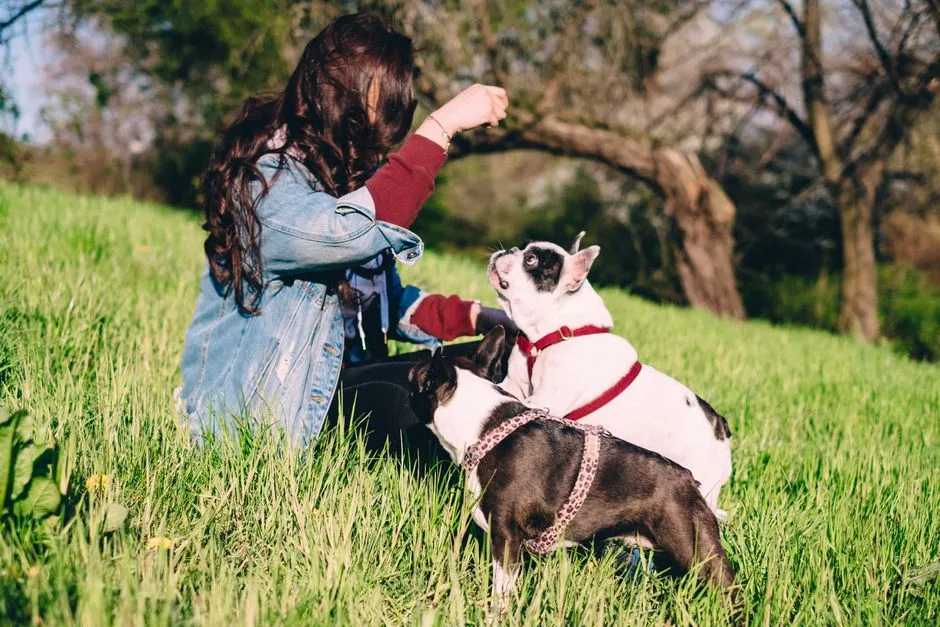
Physical corrections or yelling tend to increase fear and can escalate aggression rather than reduce it. Positive methods achieve lasting change by teaching the dog what to do instead of what not to do. Removing the opportunity for the unwanted behavior works better than confrontation in most cases.
Time outs in a neutral area serve as brief resets without creating negative associations with the owner. Learning to read early warning signs like lip licking or stiffening allows intervention before a full reaction occurs. Patience during setbacks prevents the cycle of frustration that harms progress.
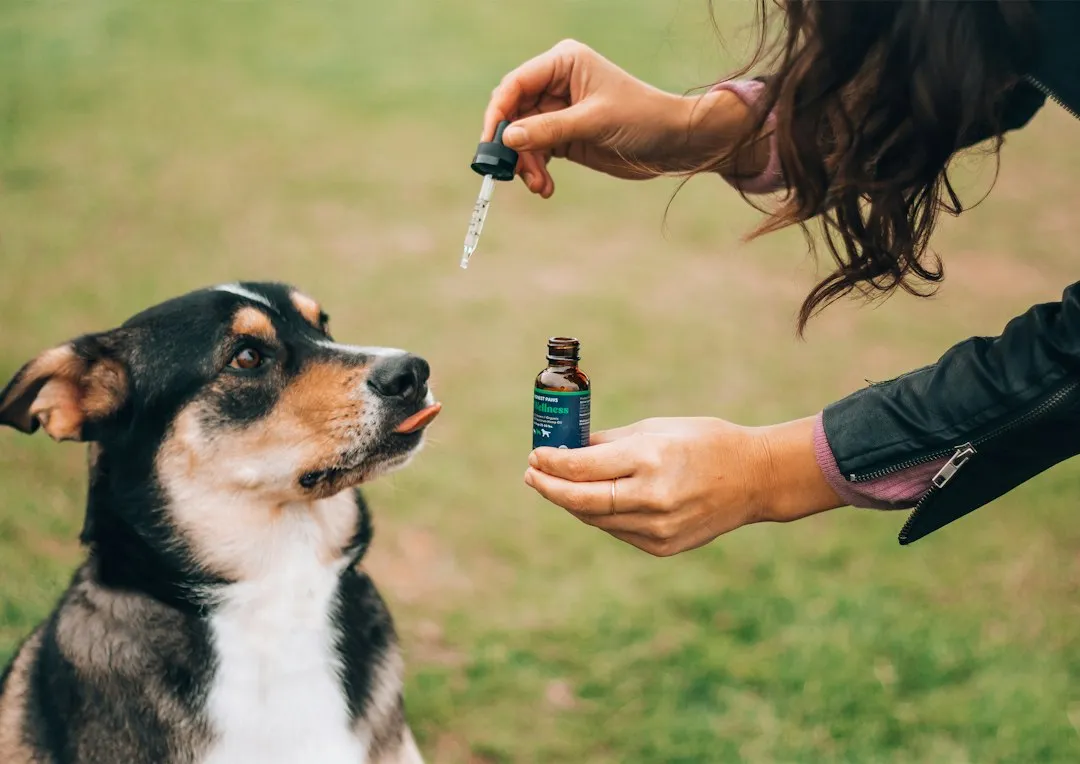
3. Incorporate Calming Aids When Appropriate
🔥 Would you like to save this?
We'll email this post to you, so you can come back to it later!
Products such as pheromone diffusers or anxiety wraps provide gentle support alongside training efforts for some dogs. These tools mimic natural calming signals and help during thunderstorms or travel without sedation. Always test new items in low stress settings first to gauge individual response.
Herbal supplements or prescription options exist but require veterinary approval to ensure safety and proper dosing. Background classical music playlists designed for dogs offer another low cost layer of support during alone time. Combining aids with behavioral work yields better results than relying on any single item.
2. Seek Help from Qualified Professionals
🔥 Would you like to save this?
We'll email this post to you, so you can come back to it later!
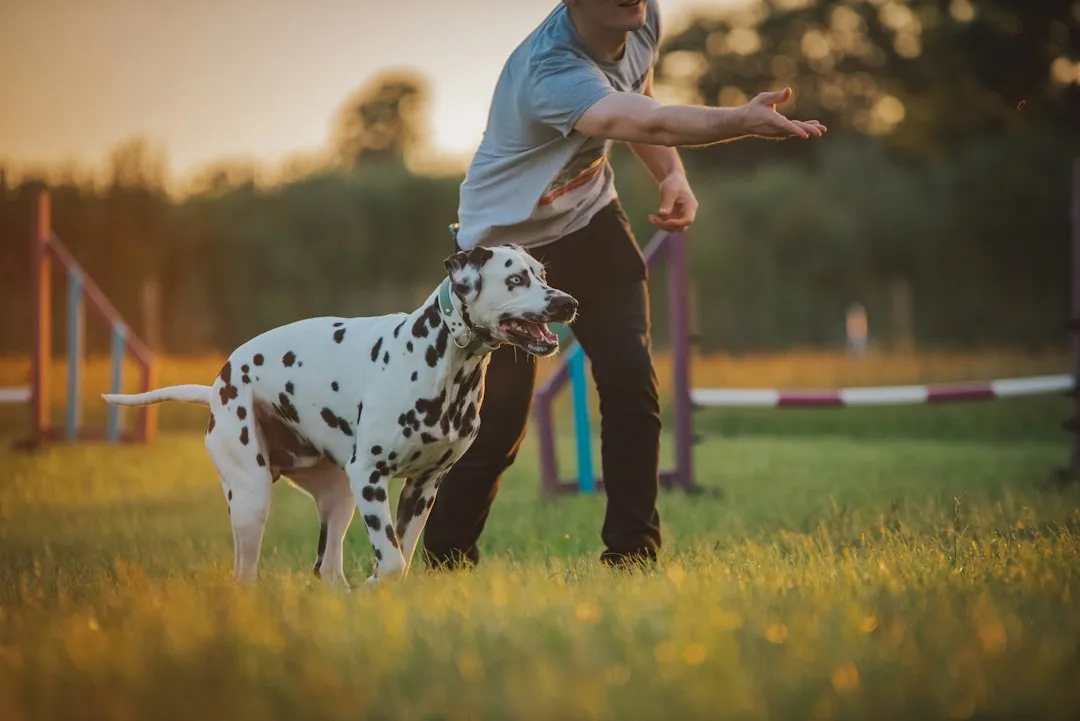
A certified behaviorist or force free trainer brings objective assessment and tailored plans that address complex cases effectively. Group classes may not suit aggressive dogs, so private sessions often prove more productive at the start. Early intervention prevents habits from becoming deeply ingrained.
Board certified veterinary behaviorists can evaluate whether medication supports the training process in severe situations. Look for credentials such as CPDT or CAAB to ensure methods align with modern science rather than outdated dominance theories. Regular follow ups keep the plan on track and adjust as the dog improves.
1. Commit to Long Term Consistency and Patience
🔥 Would you like to save this?
We'll email this post to you, so you can come back to it later!
Behavior change unfolds over months rather than days, requiring steady application of the same rules and rewards every single day. Family members must align on expectations to avoid mixed signals that confuse the dog. Celebrating incremental improvements maintains momentum during slower periods.
Keeping realistic expectations prevents disappointment and supports continued effort even when progress feels uneven. Many dogs reach a manageable level of calm with dedicated work, though some retain certain sensitivities lifelong. The investment in time and understanding pays off in safer, happier daily interactions.
Why Lasting Change Takes Shared Effort
🔥 Would you like to save this?
We'll email this post to you, so you can come back to it later!
Success ultimately depends on viewing the dog as a partner rather than a problem to solve, which shifts the entire dynamic toward cooperation. Owners who invest in learning canine body language gain confidence that carries through every interaction. The process also reveals how much environment and routine influence behavior in ways that surprise many people at first.
While no single technique guarantees instant results, combining medical checks, training, and environmental adjustments creates a solid foundation. Professional support removes guesswork and protects both the dog and household during the transition. In the end, the dogs that improve most are those whose people stay curious, consistent, and kind throughout the journey.

- 7 Everyday Habits That Can Make Your Senior Dog Happier - November 5, 2026
- 10 Enigmatic Structures That Continue to Puzzle Scientists Today - November 5, 2026
- 10 Strange Ruins in the Americas That Challenge What We Know About Early History - November 5, 2026