
We often pride ourselves on the strength of human bonds, but step into the natural world for a moment. What you’ll find there might just redefine the meaning of loyalty. From the vast savannas to the icy oceans, certain animals demonstrate devotion to their families that would put even the tightest human clans to shame.
These aren’t just survival instincts at play. Sure, cooperation helps them thrive, but what makes these connections so striking is how deeply personal and emotional they seem. When a mother stays beside her injured calf while the herd waits, when siblings risk their lives to protect each other, or when a family mourns the death of one of their own, we’re witnessing something profound. Something that reminds us we’re not the only species with hearts capable of fierce love. So let’s dive into the lives of these remarkable creatures. You might be surprised by what these families can teach us about commitment, care, and unshakeable devotion.
Elephants: The Matriarchs Who Never Forget
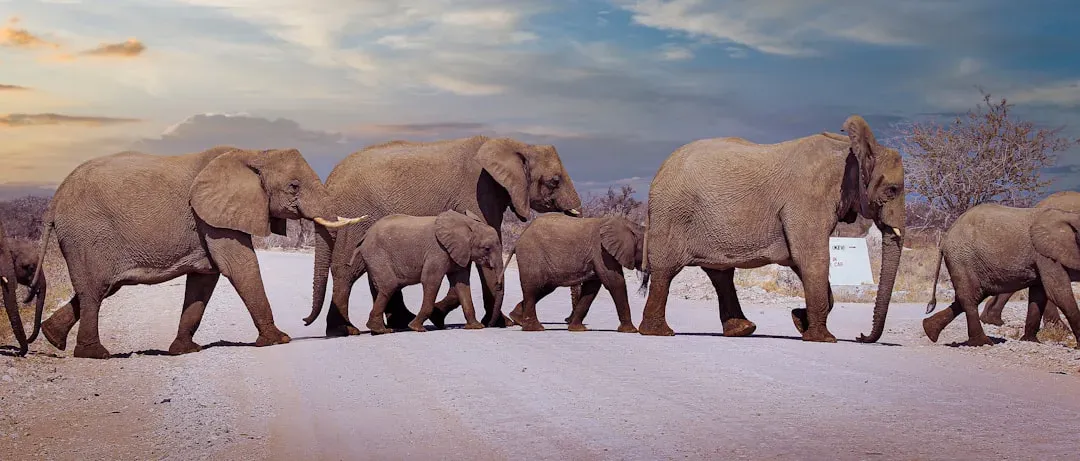
Elephants are led by the oldest female, called the matriarch, and these herds demonstrate loyalty and cooperation that scientists find absolutely astounding. Females stay together for life, helping raise each other’s calves and protecting the weak, rallying around injured or struggling members.
Mother elephants carry their babies in the womb for two whole years, and once the baby is born, it is cared for by the entire herd, which is made up of its extended family members, including many adoring aunts. Through a system called alloparenting, aunts, sisters, and grandmothers all contribute to childcare, ensuring that even orphaned calves often survive thanks to adoption by other family members.
Elephants have been observed mourning their dead, returning to the bones of deceased relatives to pay their respects, and their empathy for one another and protective nature speak volumes about their loyalty. Elephants can detect distant vibrations, possibly even more than 100 miles away, and the herd sends their own unique vibrations with their trunks through the ground, which the mother elephant can pick up through her sensitive feet.
Here’s the thing: their emotional intelligence is so developed that they recognize relatives they haven’t seen for years and hold mourning rituals for deceased family members, returning to their bones long after death. These aren’t just animals reacting on autopilot. They’re feeling, remembering, grieving.
Wolves: The Pack That Stands Together
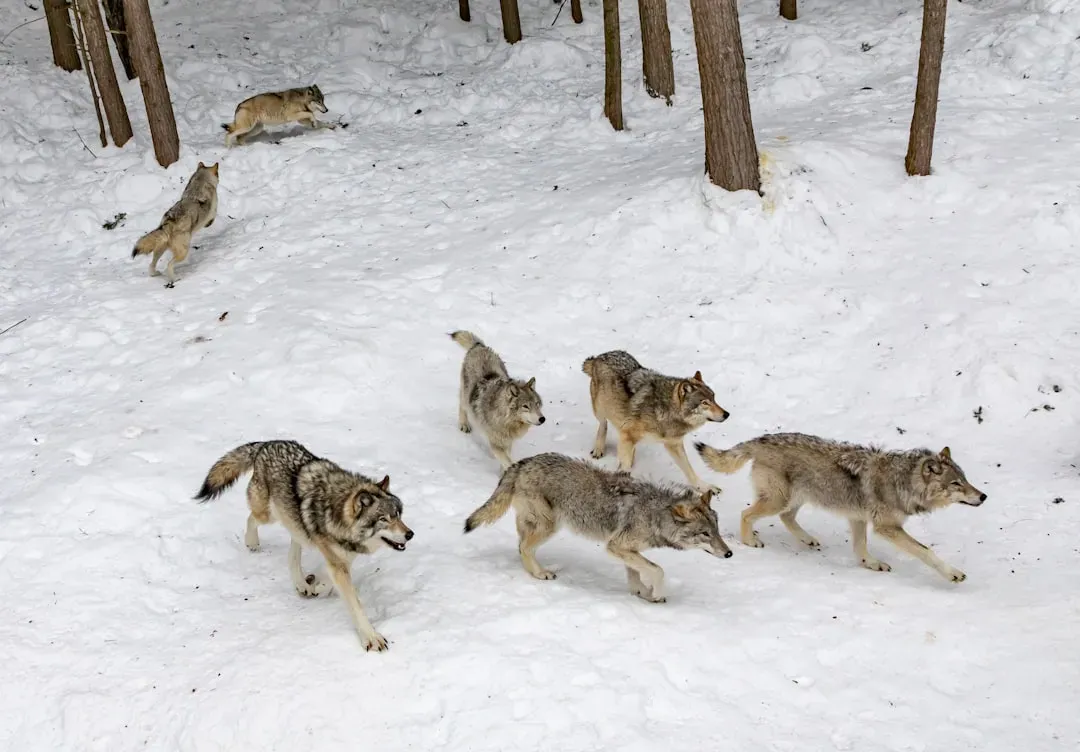
Wolves are the epitome of teamwork and loyalty to their pack, living in tight-knit family units where cooperation is crucial for survival, and each member plays an essential role in hunting, defending, and raising young. Let’s be real, the way these animals function is nothing short of remarkable.
Loyalty to the pack is deeply ingrained in wolf behavior, and even when facing danger, wolves stand by each other, with the survival of the pack often prioritized over individual needs. Older siblings help care for younger pups, teaching them hunting techniques and social behaviors essential for survival.
A wolf’s bond with its mate is for life, and together they raise pups, hunt as a team, and reinforce their connection through playful interactions, but their devotion goes beyond just romance as every pack member has a role and wolves will defend their own at all costs. Wolf packs maintain strong emotional bonds, with members expressing affection through play, grooming, and various vocalizations, engaging in enthusiastic greeting ceremonies when they reunite after brief separations.
Wolves rely on each other in ways that few species do. Without the pack, an individual wolf’s chances of survival plummet. That dependence forges bonds that are unbreakable, tested constantly by the harsh realities of the wild.
Orcas: Family Ties Beneath the Waves
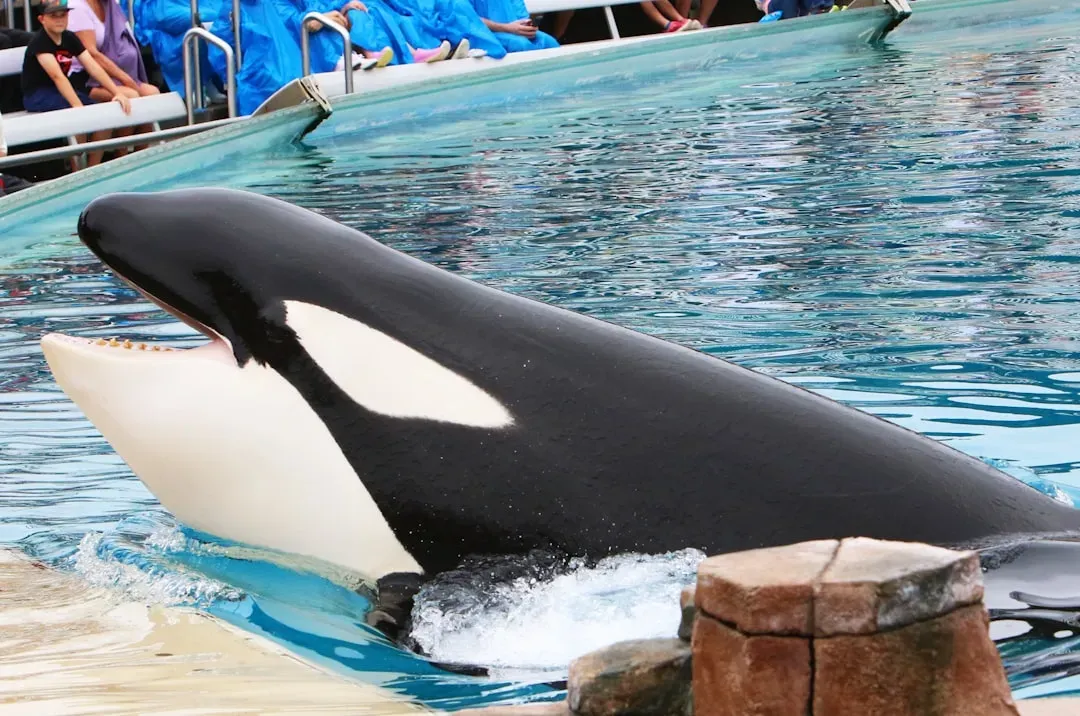
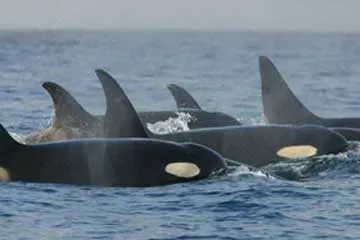
Among southern resident orcas, both males and females stay with their mothers for their entire lives in an arrangement almost unheard of in the animal kingdom, and these tightly bonded families travel together, forage for salmon together, and are rarely out of contact for more than a couple of hours. Talk about commitment.
Older females lead the pods as matriarchs, teaching the younger generations unique fishing techniques along with secrets to finding reliable food, and orcas also hunt together using very strategic and coordinated maneuvers to attack prey, commonly sharing food with their family members after a successful kill. Each orca family develops a distinct vocal dialect that acts as a family identifier, with pod members recognizing relatives by their unique calls, and the knowledge passed down through generations includes sophisticated hunting techniques, awareness of feeding grounds, and cultural behaviors unique to their specific family.
Scientists have identified some orca family pods that have remained stable for more than 50 years of observation, and the emotional connection within these pods is so strong that when a young orca loses its mother, adult siblings, particularly sisters, will often take on increased care for their younger siblings, ensuring the family remains intact despite the loss. Orcas communicate and coordinate their behaviors through complex vocalizations, with their calls traveling over miles of ocean, helping them keep track of their families.
Honestly, these marine mammals are probably among the most family-oriented creatures on the planet. Their social structure is so intricate that removing even one individual sends ripples through the entire pod.
Dolphins: Protectors of the Pod
Dolphins are known for their intelligence and complex social structures, and within dolphin pods, individuals form strong social bonds, with members cooperating in hunting, caring for the young, and protecting each other from threats. Dolphins are highly social creatures that form deep, lasting friendships within their pods, working together to protect the vulnerable, coordinate hunts, and even comfort one another when injured or grieving, with some dolphins forming lifelong pairs.
Dolphins display loyalty through behaviors like helping injured or sick pod members and even assisting humans in distress, with numerous reports of dolphins protecting swimmers from sharks. Dolphins use whistles to identify themselves and other family members in their pods, working together to catch food, defend each other from predators, and raise their young.
The first time dolphins were recorded trying to help save another dying dolphin was in 2013 when five individuals formed a raft with their bodies to keep an injured dolphin above the water, with ten others later taking turns to do so. The empathy displayed here is jaw-dropping. It’s hard to say for sure, but moments like these make you wonder just how deep their emotional world runs.
Their playful nature shouldn’t fool you. Beneath those acrobatic leaps and curious gazes lies a deeply loyal creature that values community and connection above nearly everything else.
Chimpanzees: Our Closest Relatives in Loyalty
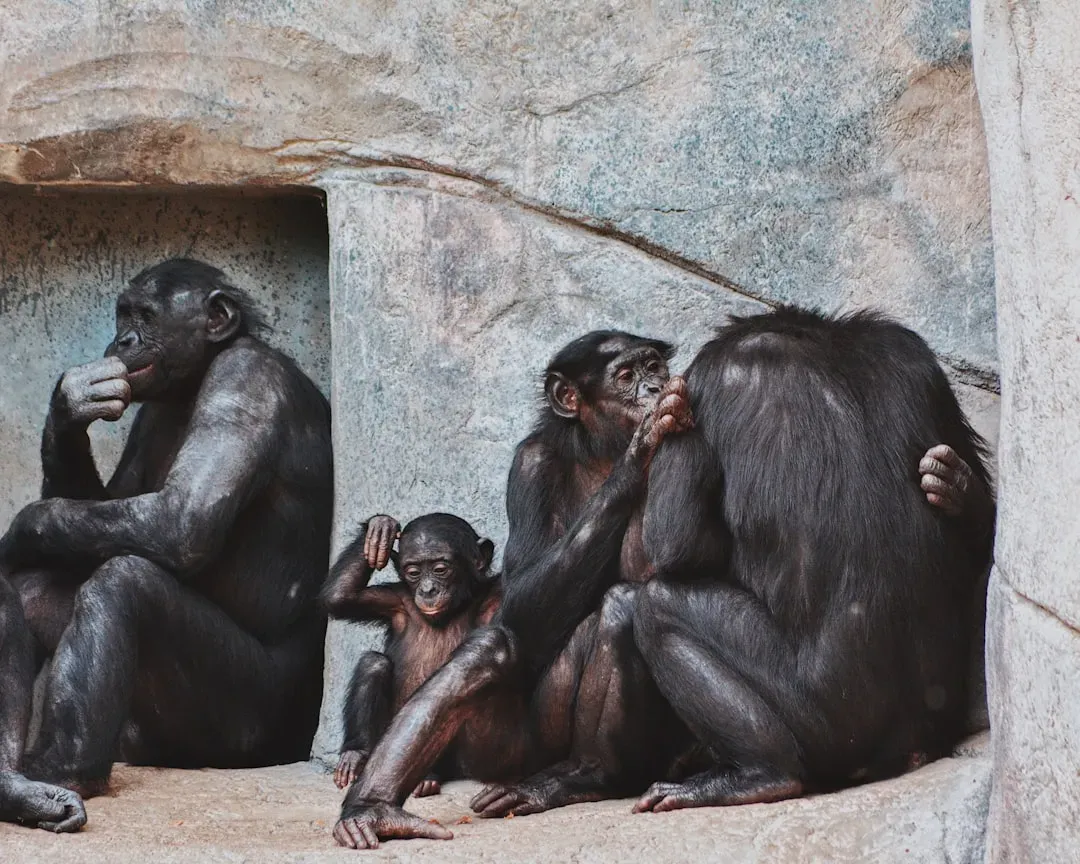
Family relationships are vital to chimpanzees, and they live in extended family groups of as many as 20 to 120 individuals with a fission-fusion social organization in which they break off into smaller interchangeable groups and periodically come together. Mothers and sons typically have lifelong bonds, as do other individuals within an extended social group.
Babies are not weaned until they are about five years old and remain close to their mothers for the first decade of their lives, with most free-living chimpanzee mothers having only about three children in their lifetime. If a chimpanzee’s mother falls ill, older siblings or other females in the group will tend to the sick mother’s child, and some very young chimpanzees have been known to die of grief when their mother dies.
Chimpanzees have incredibly strong emotional connections within their social groups, forming lifelong bonds with family members, and grooming is an essential part of their relationships, helping to maintain emotional ties, with chimps observed comforting each other in times of distress and demonstrating an understanding of death. They are territorial, loyal, altruistic, affectionate, intelligent.
What strikes me most about chimpanzees is how much of ourselves we see reflected back. They grieve, they nurture, they protect. Their societies mirror ours in ways that are both fascinating and humbling.
Meerkats: The Sentinels of the Desert
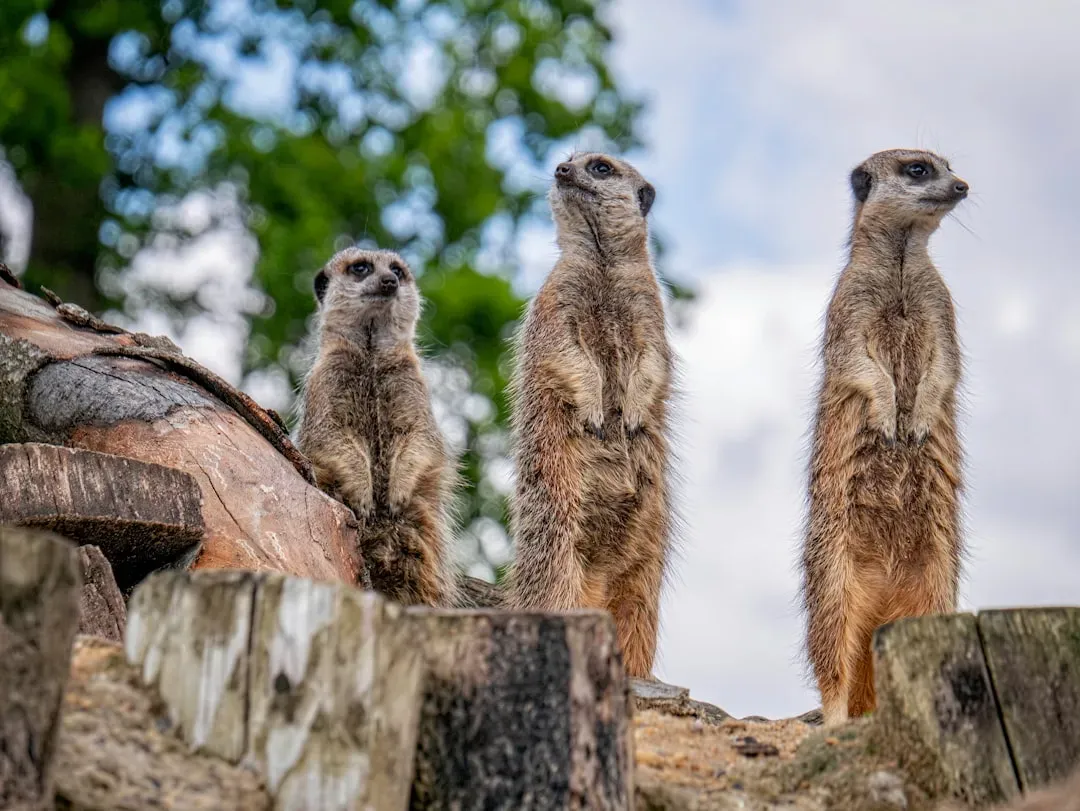
Meerkats might be small, but their loyalty to one another is huge. Living in groups called mobs or clans, meerkats take on rotating roles such as sentry duty, childcare, and food searching, with the sentry standing guard and emitting specific alarm calls to warn of different types of predators.
Meerkats care for their young communally, with non-breeding adults assisting in feeding and babysitting, and their social lives are full of learning and teaching, with pups watching and imitating adult behaviour to survive. This kind of shared responsibility creates an environment where every member of the mob matters, where everyone contributes.
It’s a survival strategy, sure. Yet the way they communicate danger, the way they take turns watching for predators while others forage, speaks to a level of trust that’s genuinely inspiring. One meerkat on lookout duty is putting the entire group’s safety before their own hunger. That’s loyalty in its purest form.
Swans: Symbols of Lifelong Devotion
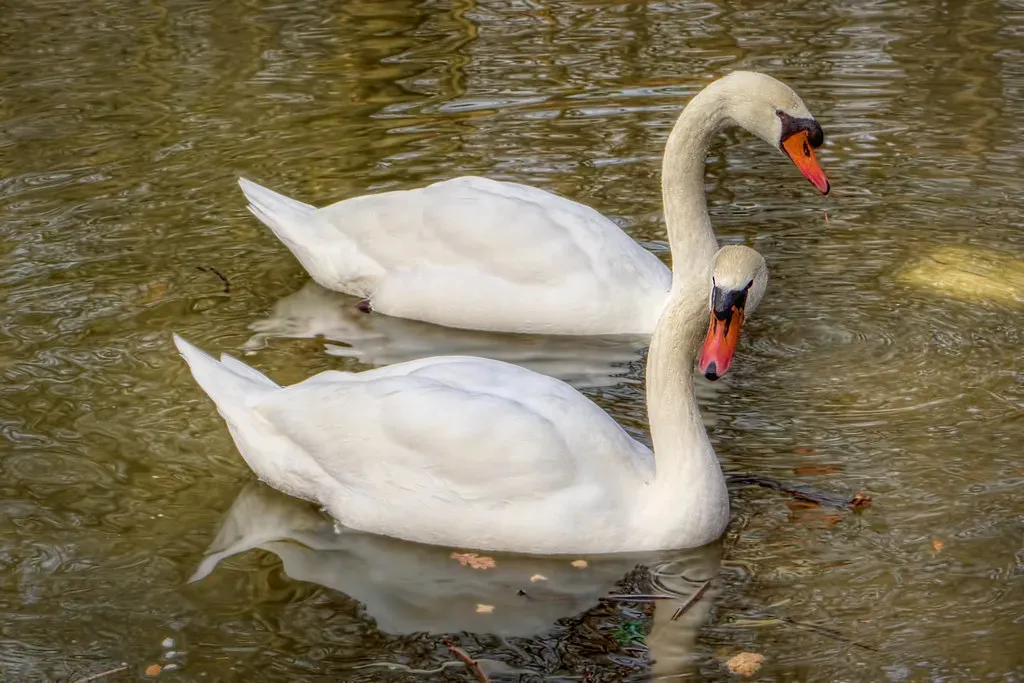
Swans are renowned for their loyalty to their mates, and once a pair of swans form a bond, they tend to stay together for life, a monogamous behavior that is rare in the animal kingdom and is a testament to the strength of their loyalty. During the breeding season, the male and female swans work together to build nests, raise their young, and defend their territory, with the beauty of their lifelong bond seen in their synchronized movements and mutual care for each other and their offspring.
Few animals embody devotion quite like swans, and once they pair up, they stay together, co-parenting their cygnets and fiercely guarding their nesting area. The beauty of their lifelong bond is seen in their synchronized movements and mutual care for each other and their offspring, and swans’ loyalty to their mates has become a symbol of enduring love in many cultures.
Their graceful glides across still water might seem serene, but beneath the surface, these birds are paddling furiously, working together to survive, to protect, to thrive. Their partnerships aren’t just romantic, they’re deeply functional. And that combination makes them one of nature’s most loyal pairs.
Crows: The Intelligent Mourners
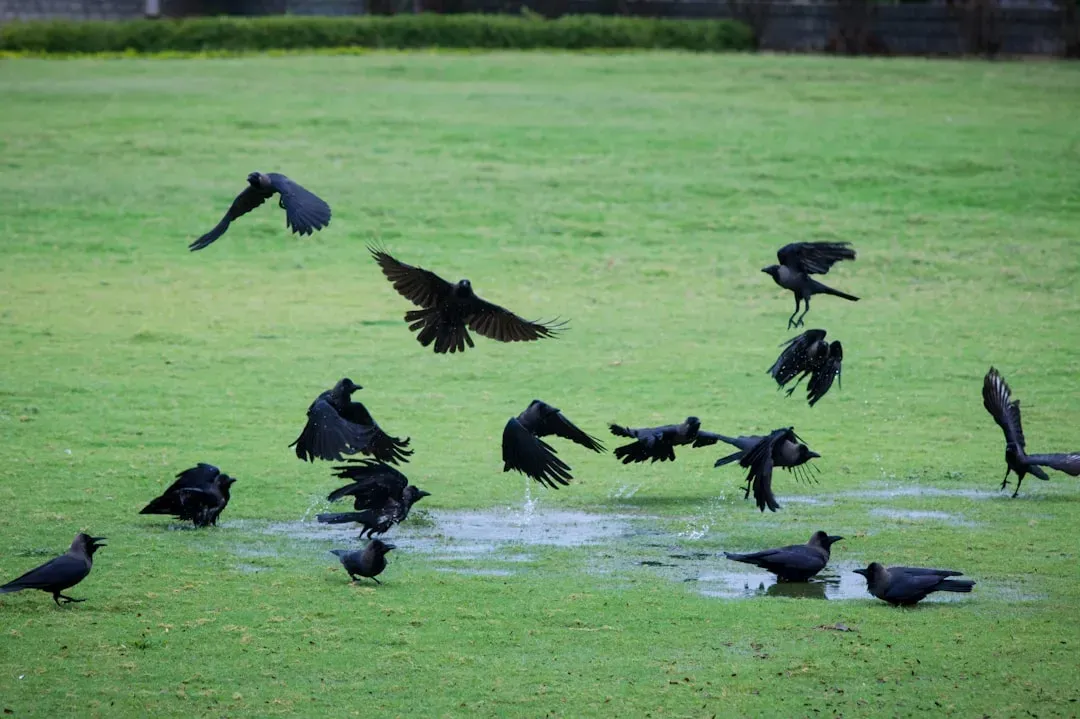
Crows are not only incredibly intelligent but also display remarkable loyalty to their families, forming tight-knit family groups where parents and offspring work together to care for each other. Crows are known to use tools, solve complex problems, and communicate with one another, and their loyalty is evident when they come to the aid of a distressed family member.
A particularly fascinating aspect of crow loyalty is their practice of funeral behavior, and when a crow dies, other crows gather around the body, seemingly mourning the loss and may even show signs of distress, indicating a deep emotional connection between individuals in a crow’s family. Young crows often stay close to their parents for years, helping care for siblings and assisting in nest building.
I know it sounds crazy, but crows remember faces. Crows not only remember individual human faces, particularly those who threaten them, but they also teach others which humans to avoid. That level of communication and memory retention is extraordinary. Their family bonds aren’t just instinctual; they’re learned, passed down, and reinforced through experience.
Lions: Pride in the Family
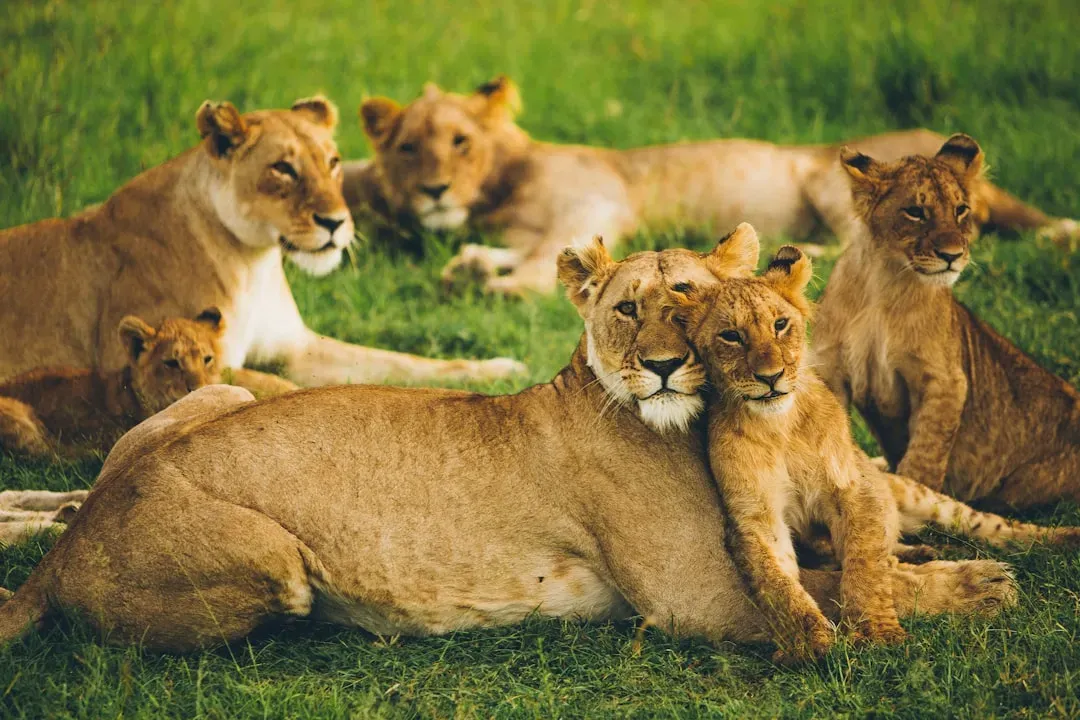
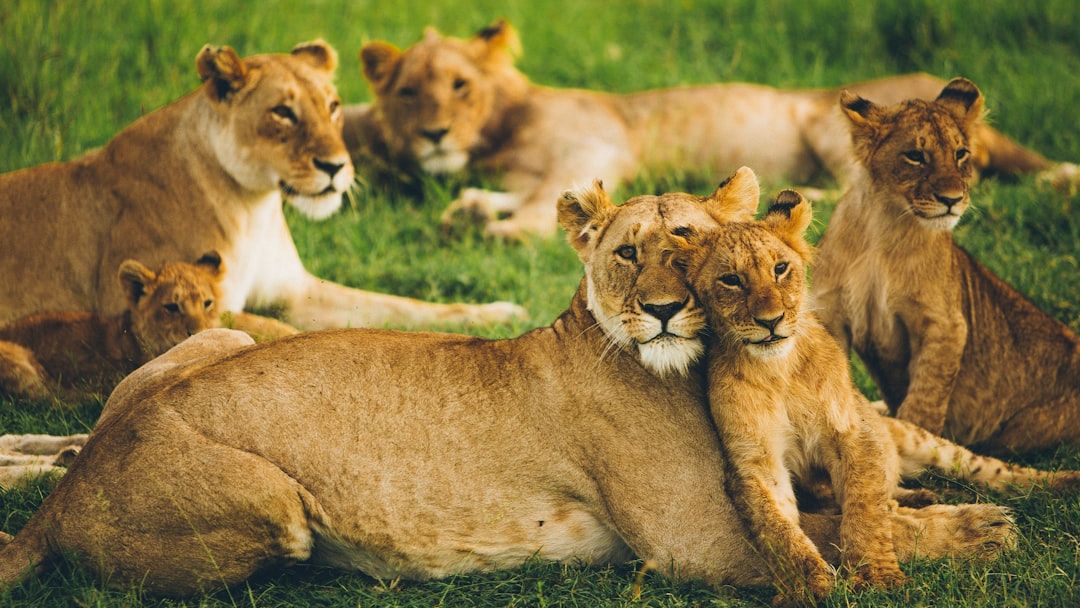
Lions are the most social of all the wild cat species and live in prides. Lions symbolize loyalty in their prides, especially among females, as they hunt together and fight to protect one another’s cubs, with this loyalty being very vital for survival in the wild.
While males have a harder life once they become older, old females, even with missing teeth, are waited on and shared food with, and nuzzling is not just a cuddly behavior as lionesses lick each other and males rub their heads to strengthen social bonds. Cubs learn to hunt and play under the watchful eyes of the lionesses, fostering a bond that strengthens their community, and the sense of belonging and unity within a pride is as powerful as the lions themselves.
The females do the vast majority of the hunting, raising the young collectively. It’s a sisterhood in the truest sense. They protect each other’s offspring as if they were their own, because in a pride, survival depends on every lioness pulling her weight. That shared responsibility breeds deep loyalty.
Penguins: Partners in the Cold
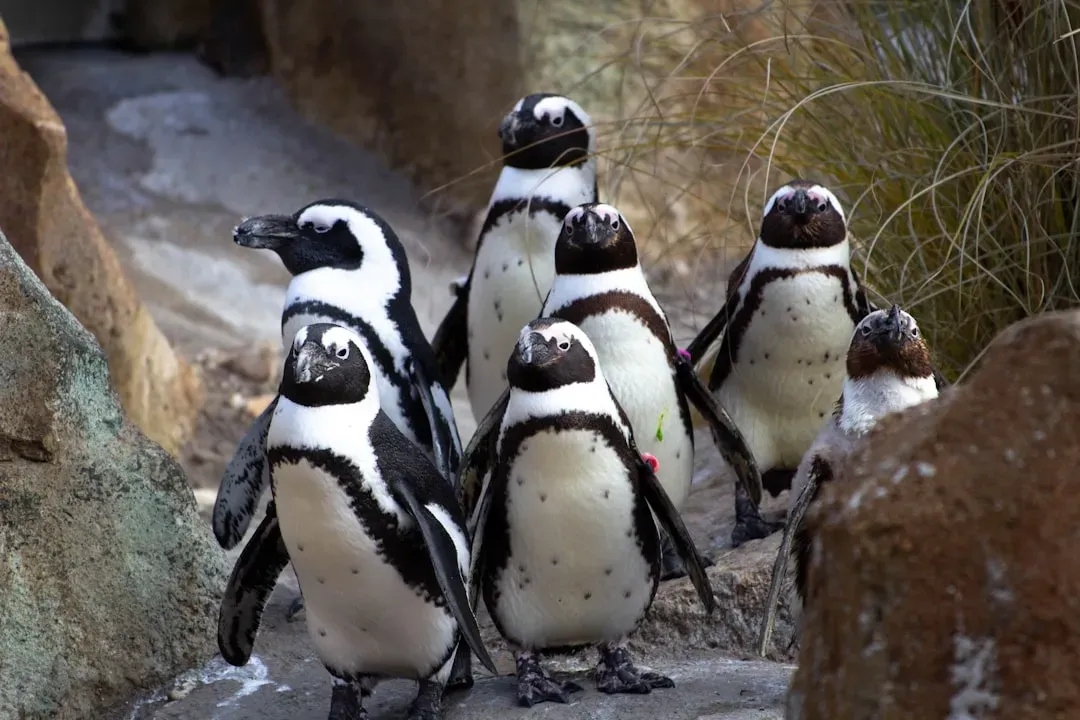
Penguins may live in icy climates, but their family bonds are incredibly warm as they are commonly known for their committed relationships and shared parenting. Penguins are commonly known for their committed relationships and shared parenting, and in Inuit culture, penguins are admired for their resilience and community spirit, usually symbolizing family unity and survival through cooperation.
In Chinese culture, penguins are sometimes associated with faithfulness and harmony in marriage, often aligning with traditional values of family loyalty and shared responsibilities. These tuxedoed birds might waddle comically on land, but their dedication to their mates and chicks is no laughing matter.
Emperor penguins, for instance, endure some of the harshest conditions on Earth to protect their eggs. The males huddle together for months in freezing temperatures, fasting while the females hunt at sea. When the chicks hatch, both parents share feeding duties. That’s teamwork. That’s loyalty. That’s love, really.
Jackals: The Misunderstood Family Units
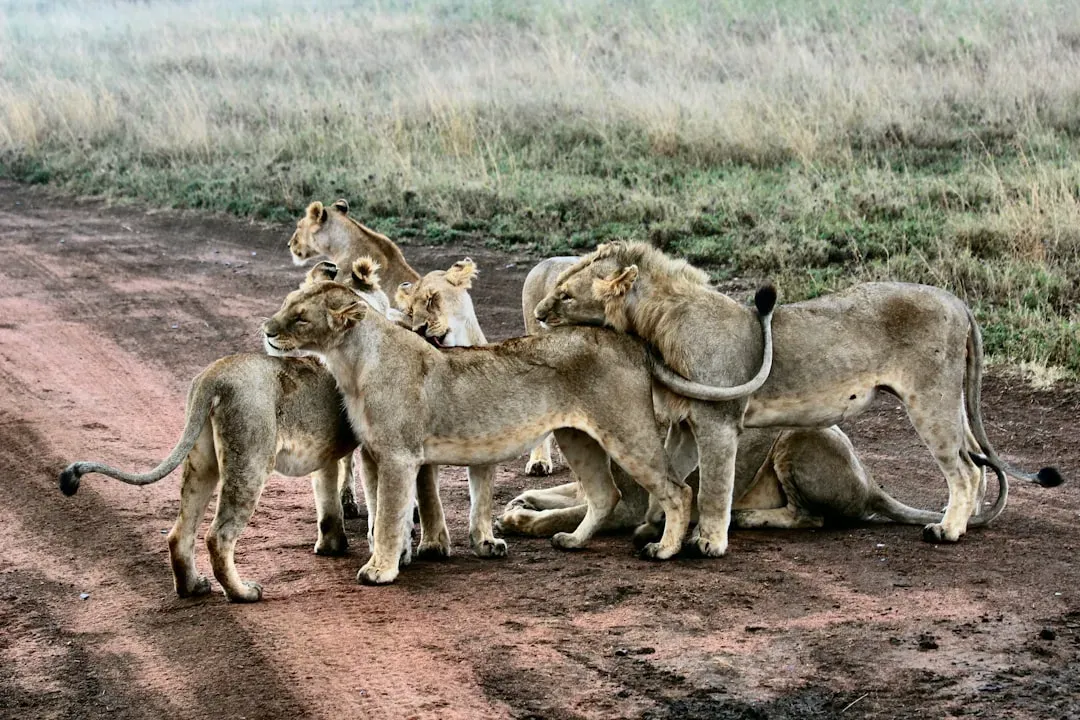
In the jackal’s world, mum and dad stay together for life and their offspring are always eager to help. The members of each family display loyalty, courage and generosity, traits that humans revere.
Jackal families with helpers provide a further twist to the tale, as more of their pups survive, sometimes up to six, and subadults who help their parents to care for younger siblings also benefit from this arrangement. Since a paired male and female mate for life, all of their litters from one year to the next comprise full brothers and sisters, meaning helpers are as closely related to their younger siblings as they would be to their own future pups, thus they have a compelling reason to hang around as they are furthering their own genes.
Kinship ties are everything to a silver-backed jackal, whose life revolves around its immediate family. Jackals have been unfairly vilified in popular culture, but the reality is far more admirable. These animals work together, raise their young cooperatively, and stick by one another through thick and thin.
Horses: Bonds Built on Trust
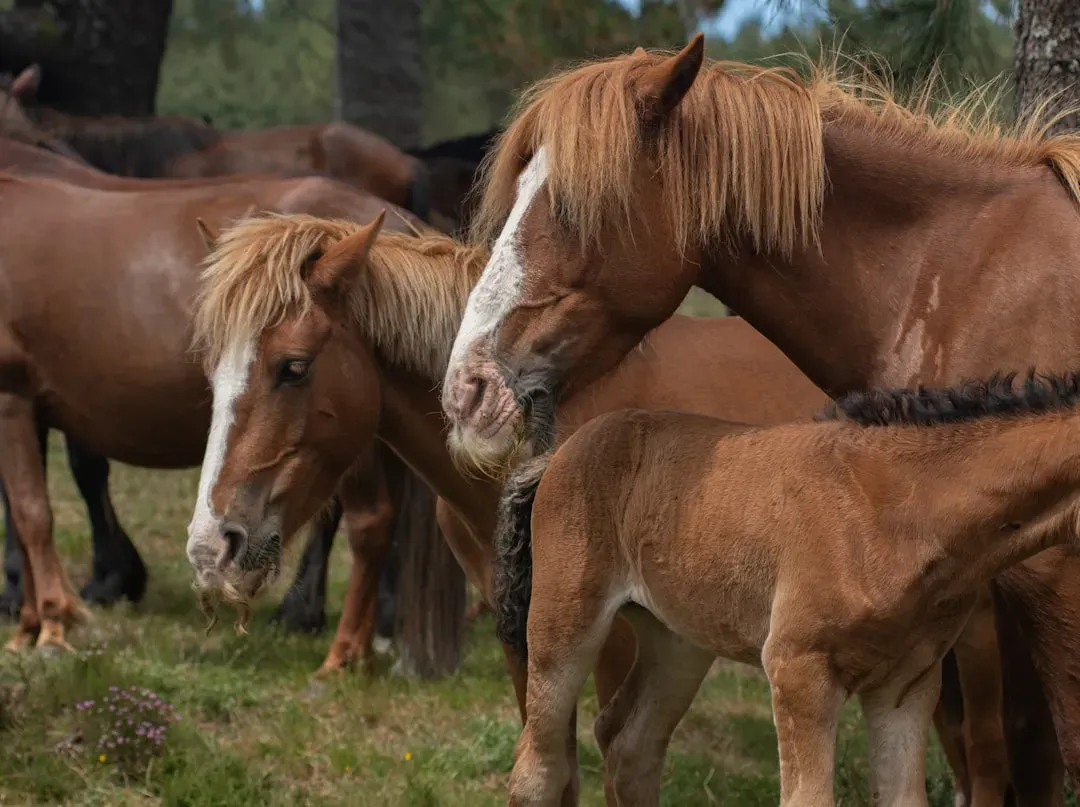
Horses form lifelong relationships based on trust and companionship with their immediate families, and these majestic animals are known for their loyalty and bond closely with those they consider part of their herd. Within a herd, horses establish hierarchies and develop intricate communication systems to ensure cohesion and cooperation, demonstrating loyalty by sticking together, protecting one another from threats, and offering comfort in times of distress.
Horses exhibit remarkable intelligence and are capable of recognizing individual faces and voices, further strengthening their bonds with specific family members, and this unwavering loyalty and trust that horses display towards their immediate families showcase the depth of their emotional capacity and the importance they place on lifelong relationships. Horses have been used for thousands of years as working animals, and many horse owners can attest to the deep connection they feel with their animals, as horses are often able to sense the emotions of the people around them and respond with remarkable loyalty.
Horses don’t just follow the herd blindly. They choose to stay, to protect, to comfort. They form friendships within the group that last years, sometimes decades. And when you’re part of that circle, when a horse trusts you, it’s one of the most humbling experiences you can have.
Conclusion
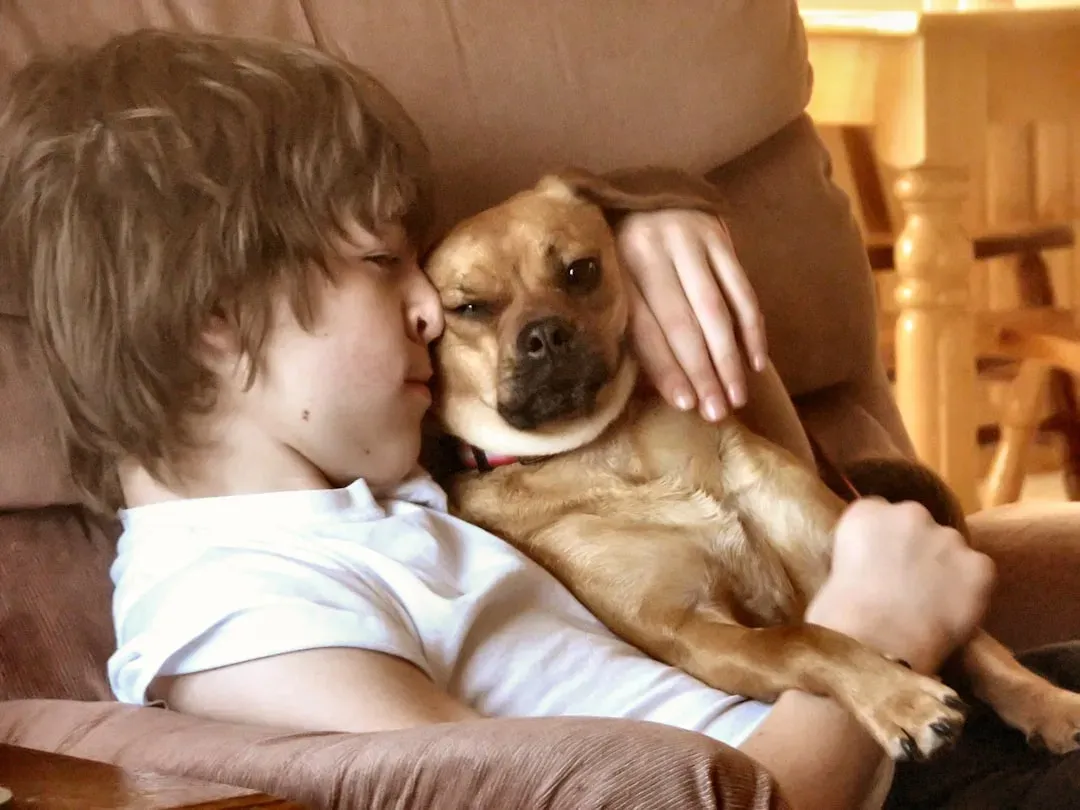
Loyalty isn’t exclusive to humans. Throughout the animal kingdom, from the depths of the ocean to the open plains, families stick together through hardship, danger, and loss. They protect one another, teach the next generation, and grieve when someone is gone. These bonds aren’t just about survival, they’re about connection, trust, and love in its most primal form.
Maybe we can learn something from these incredible creatures. In a world that often feels fragmented and fast-paced, the loyalty these animals show to their families reminds us what truly matters. The next time you see a herd of elephants on a nature documentary or watch dolphins playing in the waves, remember: they’re not just animals. They’re families, just like ours, bound by devotion that transcends words.
What do you think? Did any of these animal families surprise you? Let us know in the comments.
