
Ever wondered what makes you hit the snooze button every morning while some animals seem to barely need rest at all? Sleep is universal across the animal kingdom, yet the way different creatures catch their Z’s can be absolutely mind-bending. Some animals sleep standing up. Others shut down only half their brain. There are those who barely sleep at all, and some who can doze off while literally flying through the air.
Let’s be real, humans are pretty boring sleepers. We crawl into bed, close both eyes, and check out for roughly seven to nine hours. Compare that to what’s happening in the wild and you’ll realize nature came up with some seriously creative solutions to the whole sleep problem. These adaptations aren’t just quirky habits – they’re survival strategies honed over millions of years.
Dolphins Keep One Eye Open, Literally
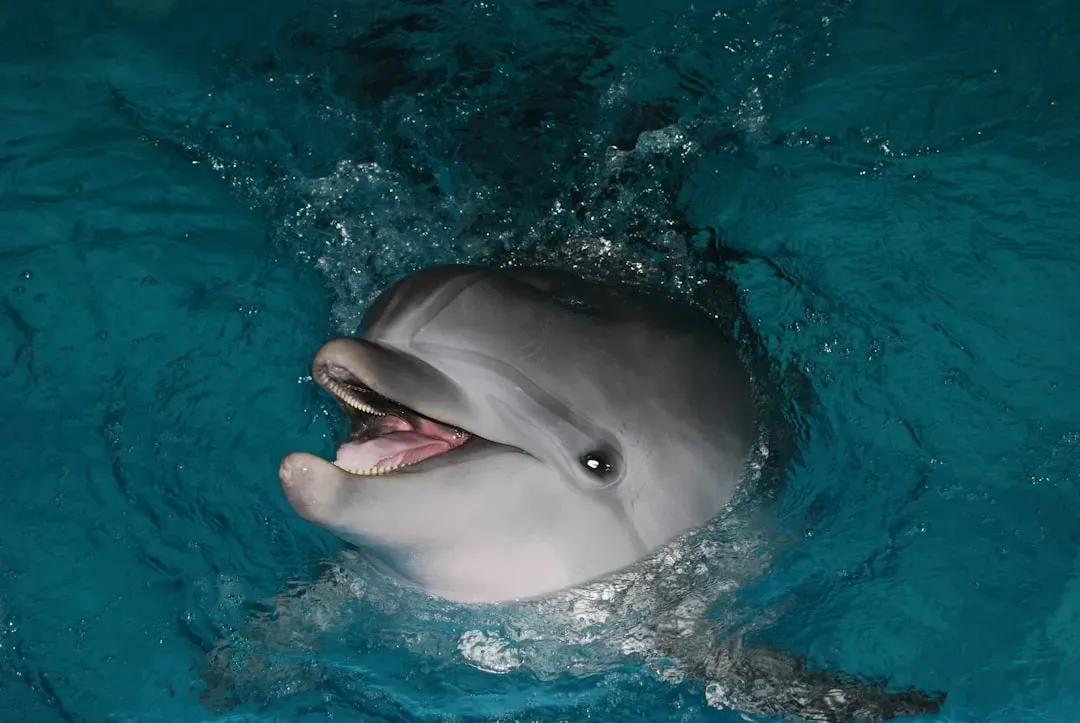
Dolphins’ breathing is not automatic, it is consciously controlled. This means if they fell into a deep sleep like we do, they’d simply drown. Their solution? Unihemispheric slow-wave sleep is sleep where one half of the brain rests while the other half remains alert.
Dolphins only close one eye when they sleep; the left eye will be closed when the right half of the brain sleeps, and vice versa. Dolphins alternate which half of the brain is sleeping periodically so that they can get the rest they need without ever losing consciousness. The awake half monitors breathing and watches for predators.
Honestly, it’s hard to imagine what that must feel like. Dolphins sleep with only half of their brains at a time, bestowing them with the uncanny ability to stay constantly alert for at least 15 days in a row. Mother dolphins and killer whales may not sleep at all for a period of one to two months when their young are most vulnerable.
When resting, dolphins often rest motionless at the surface of the water, breathing regularly or they may swim very slowly and steadily, close to the surface. It’s a remarkable evolutionary trade-off. Dolphins would likely drown if they didn’t keep half of their brain active, because their breathing is always consciously controlled.
Giraffes Master the Art of Power Napping
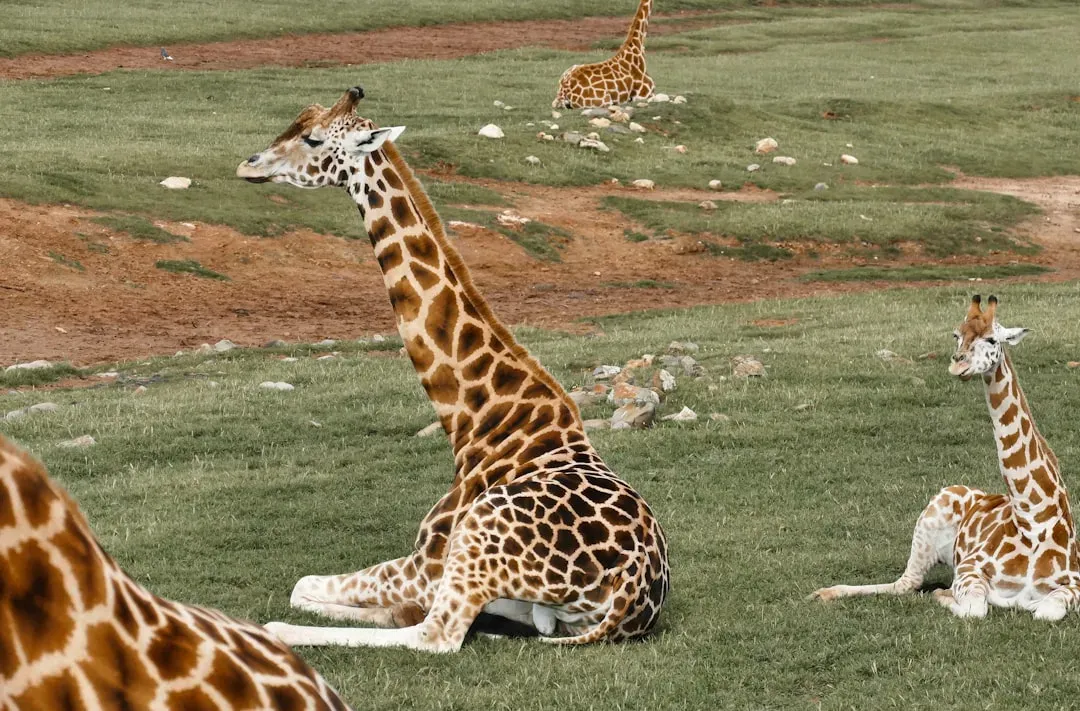
All in all, adult giraffes get by on just 30 minutes of sleep a night on average. It’s the shortest sleep requirement in the entire animal kingdom! Think about that for a second. Half an hour. That’s less time than most of us spend scrolling through our phones before bed.
In fact, they almost never sleep for longer than five minutes at a stretch in the wild, often modifying the position so that they remain standing with their head and neck curved around to rest on their hindquarters. More often, they sleep fully standing – again, in short bursts – or experience a sort of half-sleeping resting period, in which the eyes remain half-open, the animal stays fully upright, and the ears continue to twitch.
Why so little sleep? Because an animal that large lying down in the middle of the plains is just too tempting a feast for nearby predators. They don’t have thick hides, built-in armor, or sharp teeth to help them fight back when they’re at risk of becoming dinner. Standing up from a lying position is awkward and time-consuming for giraffes, making them vulnerable during that process.
As babies, they lay down with their legs tucked beneath their bodies and rest their heads on their rumps. It’s adorable and practical at the same time. Young giraffes can afford longer rest periods because their mothers stand guard.
Alpine Swifts Sleep While Flying for Months
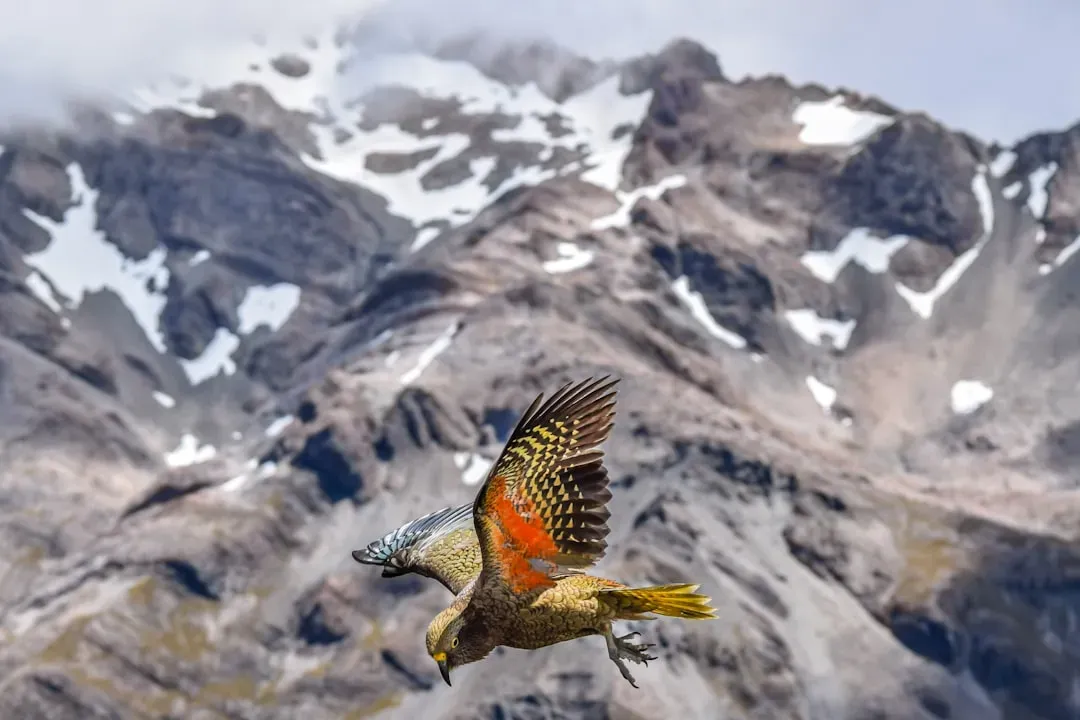
Here’s something that sounds impossible until you see the science. Alpine swifts can stay airborne for migration, foraging and roosting over a period of more than 6 months. Six whole months without landing. Not once.
For more than 200 straight days straight, the birds stayed aloft over West Africa. They eat insects mid-flight, drink while airborne, and somehow manage to sleep while soaring through the sky. They eat insects while they fly, and when they have reached a high altitude and start gliding, they actually sleep for short periods.
Scientists attached tiny sensors to these birds and discovered periods when they glided without flapping. Data imply that all vital physiological processes, including sleep, can be perpetuated during flight. Still, researchers aren’t completely sure how this works.
Swifts can’t perch because they have very short legs. So if they can manage it, avoiding touching down makes perfect sense. Their wings are built for efficiency, and landing would actually be more complicated than just staying airborne. Nature really went all-in with these birds.
Sea Otters Hold Hands So They Won’t Drift Apart
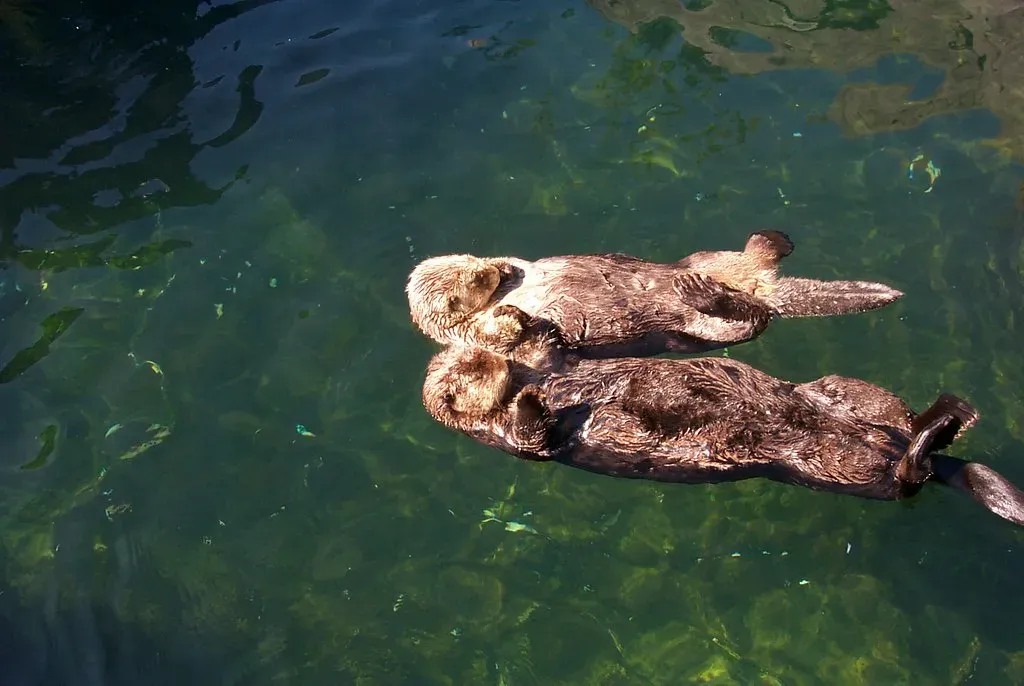
This one melts hearts every time. Sea otters cuddling and even holding hands while sleeping became internet famous for good reason. The behavior looks adorable, yet it serves a crucial survival purpose.
Sea otters hold hands to stop drifting apart and losing each other while sleeping in the water. In the wild, sea otters typically travel and sleep in large groups known as ‘rafts’. Rafts are typically segregated by gender, and otters stay connected to others in the raft through more casual physical contact, or by wrapping themselves in kelp.
Forming rafts helps sea otters stay protected from predators, conserve energy, and keep warm while they nap. Unlike many other aquatic mammals, they don’t have a layer of blubber to keep them warm. Their thick fur is their main insulation, which means they need to eat roughly a quarter of their body weight daily.
While hand-holding looks romantic, there is no evidence to support this idea that it’s about affection. It’s quite rare to see sea otters holding paws, especially in the wild. Researchers have speculated that such displays of affection might just be personal quirks, unique to individual sea otters. Practical? Absolutely. Sweet? Undeniably.
Elephants Sleep Less Than You Think Possible
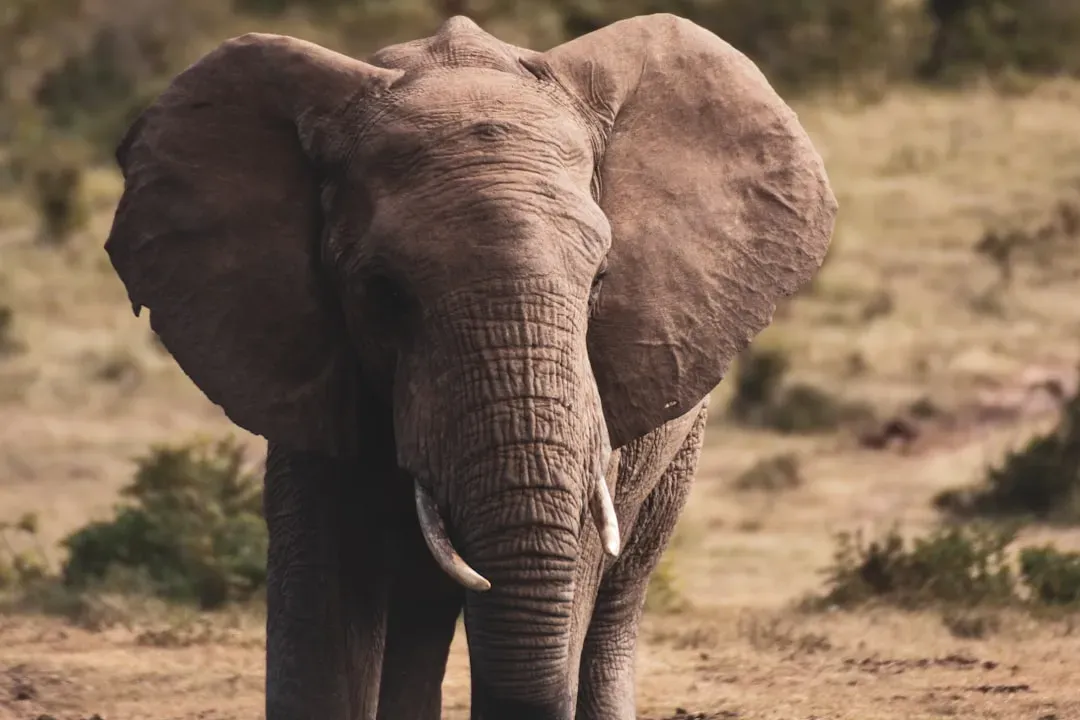
You might assume massive animals need massive amounts of sleep to recharge. African elephants sleep for the least amount of time recorded of any land mammal. In captivity, elephants may sleep for up to four to six hours a day, but in the wild, they average about two hours per day and can go up to 46 hours without any sleep.
Two hours. Let that sink in. They can also sleep standing or lying down, and seem to only lay down to sleep every few days, likely as a way to stay safe from predators, poachers or even bull elephants in musth. Standing sleep allows for quick escapes if danger approaches.
In the wild, these giants are constantly on alert. Studies have found that elephants in the wild sleep for only two hours each day. Those two hours aren’t consecutive, with predators to worry about, their sleep occurs in spurts over several hours while mostly standing. It’s honestly remarkable how they function normally on so little rest.
Captive elephants tell a different story. When protected from threats, they’ll sleep much longer – sometimes seven hours. This shows their minimal sleep isn’t biological necessity but rather survival adaptation. Wild elephants sacrifice rest for safety.
Bats Snooze Upside Down for Nearly 20 Hours
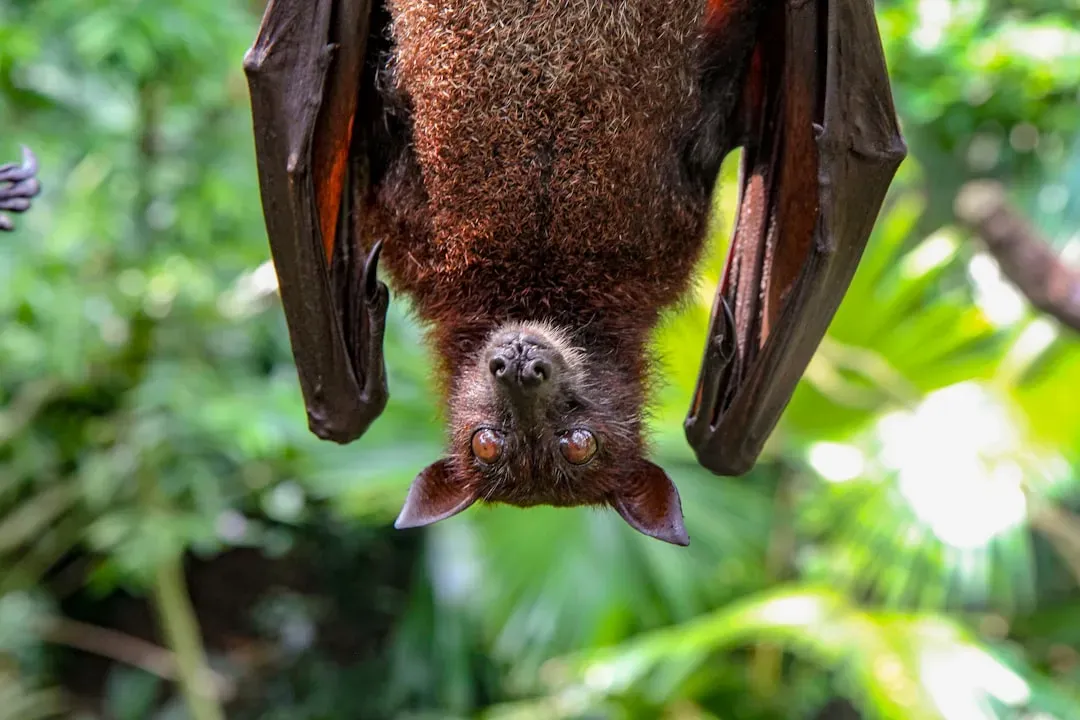
Brown bats are often said to be one of the sleepiest animals – they have been recorded sleeping almost 20 hours a day. While some of that data comes from captive bats in controlled environments, one thing’s certain: bats are champion sleepers.
Bats are still notable for sleeping upside down. They hang from cave ceilings, tree branches, or other surfaces thanks to specialized tendons in their feet that allow them to grip tightly while still keeping their legs relaxed. The position isn’t just quirky – it’s strategic.
Sleeping upside down helps bats defend against predators: Unlike birds, bats can’t just flap their wings to take flight, and they use gravity to take off. Hanging upside down is their pre-flight pose, so if a predator attacks while they’re snoozing, they’ll drop down and instinctively fly off before they’ve even fully woken up.
Their sleep schedule also makes sense when you consider their nocturnal lifestyle. Bats are active at night hunting insects, so sleeping through most of the day conserves energy. It’s nature’s version of working the night shift.
Chinstrap Penguins Take Thousands of Micro-Naps
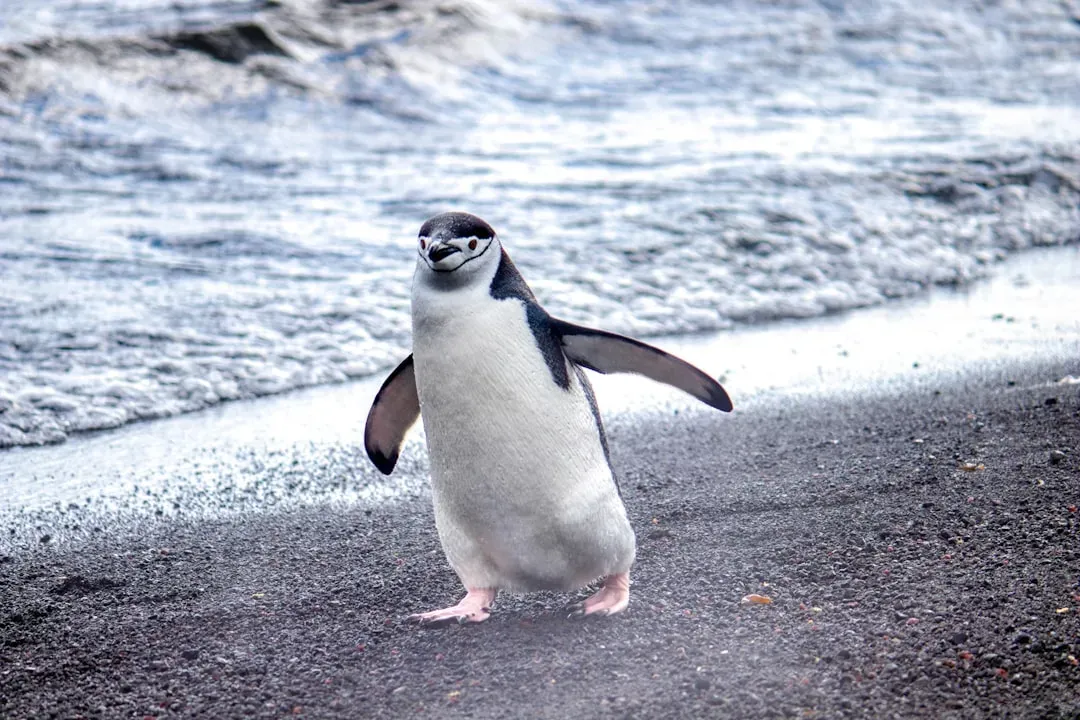
Imagine sleeping in four-second bursts. Chinstrap penguins sleep in four-second microbursts. These Antarctic birds have perhaps the most fragmented sleep pattern discovered in any animal. They accumulate thousands of these tiny naps throughout the day.
This strange sleep strategy likely evolved because chinstrap penguins need constant vigilance. They nest in crowded colonies where threats can appear suddenly. Their eggs and chicks require near-constant protection from predatory birds. Staying somewhat alert at all times becomes essential.
Yet somehow, these micro-naps work. The penguins successfully breed and raise their young despite never getting what we’d consider a proper night’s sleep. The investment in microsleeps by successfully breeding penguins suggests that the benefits of sleep can accrue incrementally. Sleep quality doesn’t always require long, uninterrupted stretches.
It raises fascinating questions about human sleep. Could we function on drastically different patterns? Probably not, but penguins prove that evolution finds remarkable workarounds when survival demands it.
Walruses Can Nap Anywhere and Everywhere
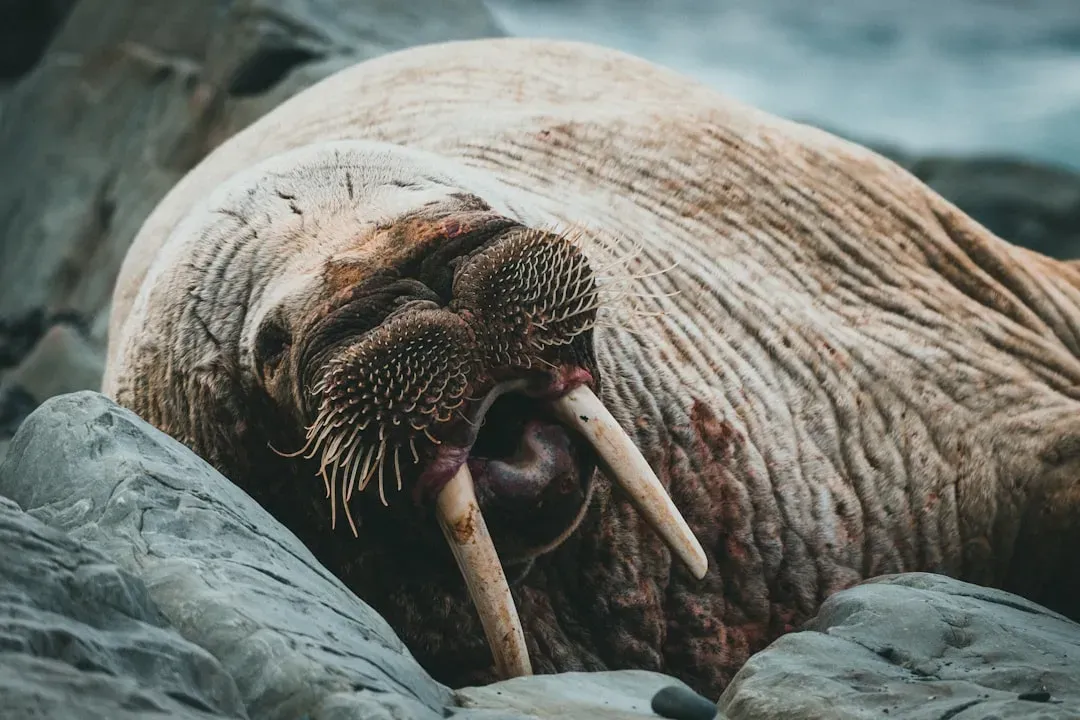
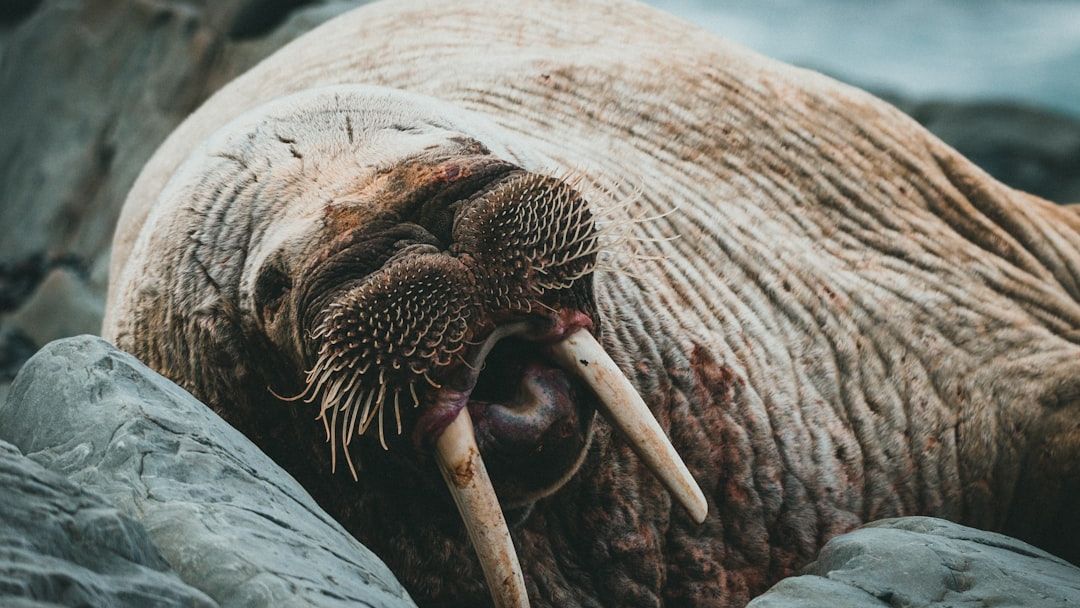
Walruses can sleep wherever they want to; on land and in the water. If they are sleeping in the sea, they remain buoyant and keep their heads at the surface so that they can breathe by filling their pharyngeal pouches with air. These pouches act like built-in flotation devices.
Researchers have even noticed walruses resting in water while hanging off of ice floes using their tusks. Picture a massive marine mammal dangling by its tusks while catching some shut-eye. They dig their massive tusks into an ice floe and drift off to sleep. Their head stays above water while the rest of their body is submerged.
When on land, these dreamers can settle in for a deep sleep that can last up to 19 hours. That’s nearly the entire day spent sleeping when conditions allow. Yet walruses can stay awake for extended stints when swimming, staying up for up to 84 straight hours!
Their sleep patterns shift dramatically based on whether they’re in water or on shore. It’s like they have two completely different operating modes depending on their environment.
Desert Snails Sleep for Years
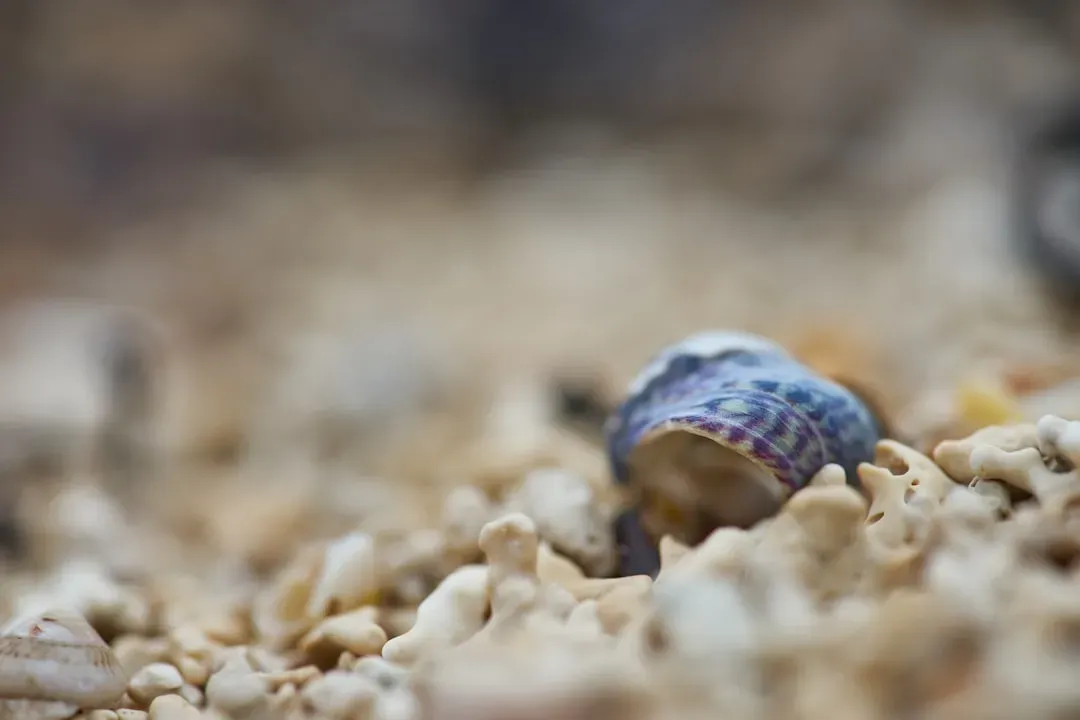
Let’s talk about extreme hibernation. Snails can actually sleep for up to 3 years at a time. They retract into their shell and hibernate. Three years. Not three days or three weeks – three actual years of dormancy.
Desert snails face incredibly harsh conditions. Desert snails estivate – meaning they spend their summers in a state of dormancy. When water becomes scarce and temperatures soar, these creatures essentially shut down all non-essential functions and wait it out.
In 1846 a museum worker affixed what they believed was a dead Egyptian land snail to a museum identification card. Four years later, staff noticed trails of slime on the card. The card was immersed in water, and the animal crawled right off. Four years stuck to a card and the snail just woke up like nothing happened.
This survival strategy completely redefines what we think of as sleep. It’s more like suspended animation. Desert snails prove that when environmental conditions become hostile enough, the best strategy might be to simply opt out until things improve.
Horses and Their Stay Apparatus
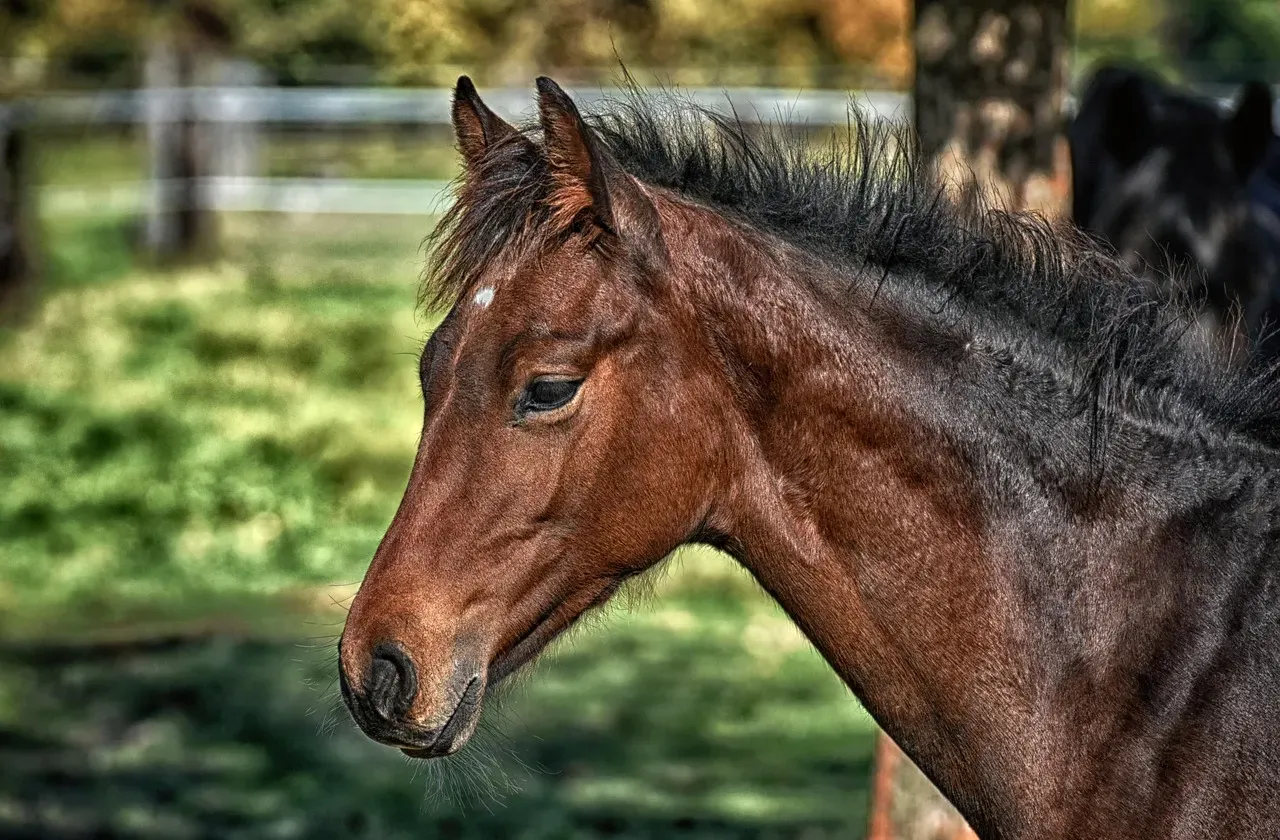
Horses sleep standing up. Most people know this fact, but the mechanism behind it is fascinating. Horses have evolved a system of ligaments and tendons called a stay apparatus, which locks into place so the creatures can sleep standing upright without actively using their muscles.
Prey animals have a stay apparatus that is actually an adaptation of their musculoskeletal system that enables them to lock their limbs in place. This allows light rest without risk of collapsing. It’s energy-efficient and provides quick escape potential.
Here’s the catch: Sleeping standing up doesn’t allow for deep REM sleep so they have to lie down too. The domestic horse sleeps just under three hours on average each day. Horses need to periodically lie down for proper rest, though they minimize this vulnerable time.
As prey animals living in open spaces, horses can’t afford long periods of deep sleep on the ground. Their standing sleep adaptation represents the perfect compromise between getting necessary rest and maintaining constant readiness to flee from predators.
Sperm Whales Sleep Vertically in the Ocean
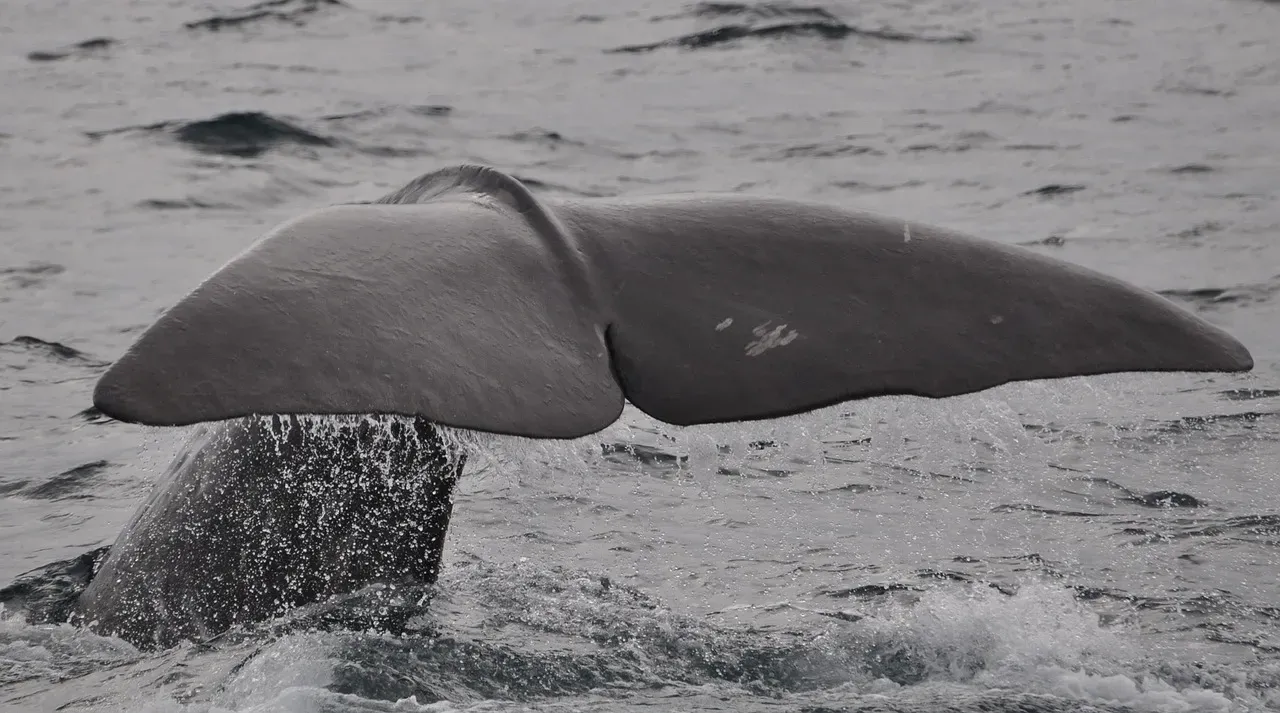
Sperm whales are able to fall into a deep sleep for around 10 to 15 minutes at a time where they aren’t easily disturbed. The most unusual sleeping trait these water giants have is how they sleep, they sleep vertically! Imagine diving down and finding massive whales just floating upright, completely motionless.
Researchers believe that sperm whales spend only roughly seven percent of their day sleeping, usually in short naps of 10 to 15 minutes at a time! This finding makes sperm whales the species that needs the least amount of sleep in the planet! They’ve beaten out even giraffes and elephants for the title of least sleep needed.
Whales are unihemispheric sleepers, meaning they switch on and off one half of their brain at a time. Yet unlike dolphins, sperm whales can apparently enter deeper sleep states for brief periods. Researchers noticed they weren’t even aroused by the sounds of a nearby boat!
The vertical sleeping position likely helps them maintain depth and conserve energy. These enormous creatures have found yet another unique solution to the challenges of sleeping in the ocean depths.
Conclusion: Nature’s Creative Sleep Solutions
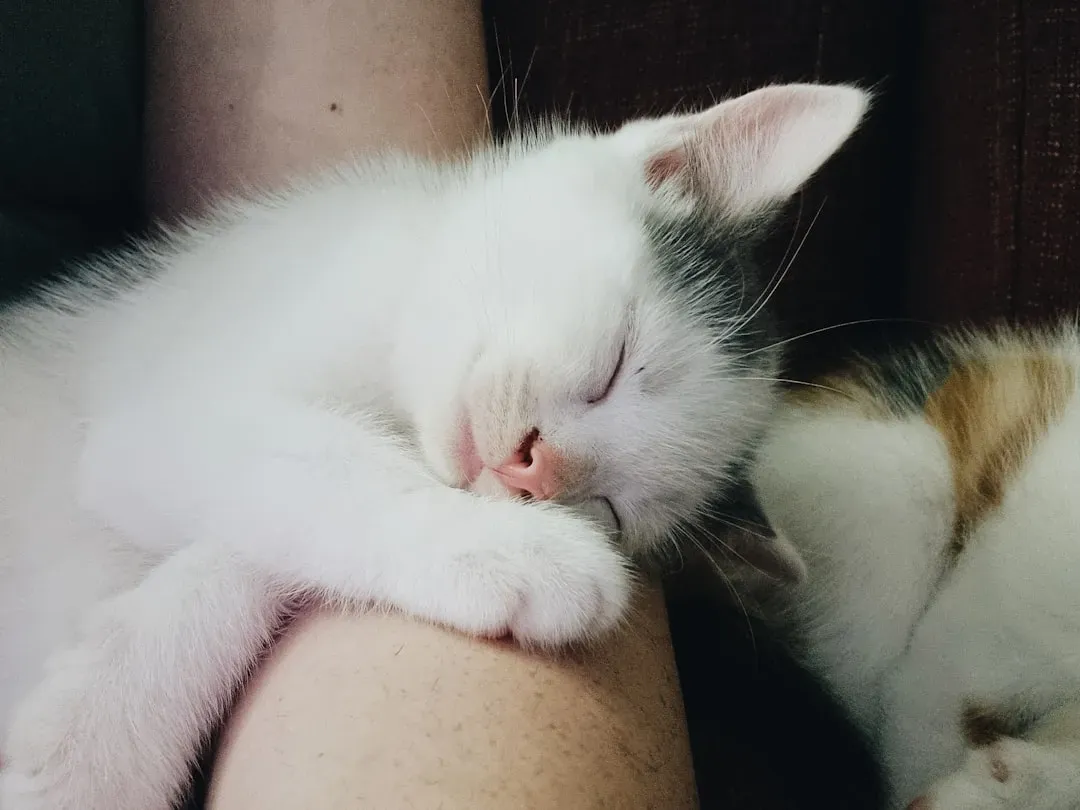
The animal kingdom’s approach to sleep shows evolution at its most creative. From dolphins that never fully shut down to snails that check out for years, from birds that doze mid-flight to otters that literally hold hands – each species has crafted a sleep strategy perfectly suited to its survival needs.
These adaptations remind us that there’s no universal “right way” to sleep. What works for humans would be disastrous for dolphins. What works for giraffes would leave us utterly exhausted. Sleep evolved differently across species because different lifestyles demand different solutions.
Next time you’re struggling to fall asleep, remember the giraffe getting by on thirty minutes or the chinstrap penguin napping in four-second intervals. Our sleep challenges suddenly seem pretty manageable, don’t they? The natural world never stops finding ingenious ways to balance rest with survival. What’s your favorite surprising sleep habit from this list?

- 8 US Cities Reeling Under Flooding Problems - July 26, 2026
- The Secret Lives of Nocturnal Wonders: Animals That Thrive Under Moonlight - July 26, 2026
- 8 Reasons Cedar Waxwings Pass Berries From Beak to Beak - July 26, 2026