


In the animal kingdom, survival often hinges on the ability to defend, deter, and sometimes disarm opponents. While some creatures have developed cunning strategies, others have evolved extraordinary built-in weapons. These natural armaments range from chemical sprays to physical blades, showcasing evolution’s brilliance in equipping species with unique tools for survival. Let’s explore the intriguing world of 11 remarkable creatures that boast these natural defenses, understanding how these evolutionary marvels function and support their life in the wild.
The Venomous Sting of the Platypus

A unique amalgamation of mammalian traits and reptilian features, the male platypus has a venomous spur on its hind limbs. This spur is used primarily during the breeding season to assert dominance against rivals. While its venom isn’t lethal to humans, it can cause significant pain and swelling, making the platypus a formidable opponent in its natural habitat.
Porcupine Quills Nature’s Spike Defense

Porcupines are renowned for their distinctive quills – sharp, barbed, and detachable spines that provide a potent defense against predators. When threatened, a porcupine can shake its body, causing these quills to stand on end, making it a difficult meal for any would-be attacker. The quills can become embedded in an attacker’s flesh, causing pain and often deterring future encounters.
The Electric Shock of the Electric Eel

The electric eel possesses specialized cells known as electrocytes, which function like tiny batteries. These cells can discharge up to 600 volts of electricity, allowing the eel to stun prey or deter threats with a significant electric shock. This creature uses its shocking ability both as a hunting mechanism and as a defensive tactic.
The Chemical Defenses of the Bombardier Beetle

The bombardier beetle utilizes a remarkable chemical defense system, ejecting a hot, noxious spray from its abdomen when threatened. The beetle’s spray is a rapid chemical reaction that combines hydroquinone and hydrogen peroxide, creating a toxic mist that can deter even the most persistent attacker.
Box Jellyfish Masters of Venomous Defense

With tentacles laden with cnidocytes, the box jellyfish is one of the ocean’s most venomous animals. These specialized cells deliver a potent toxin that can cause cardiac arrest in humans and is used to incapacitate prey almost instantly. Its transparent body allows it to glide through water stealthily, adding to its mysterious and lethal presence.
Skunk The Power of Scent

Famed for its potent defensive mechanism, the skunk releases a highly malodorous spray from its anal glands when threatened. This noxious scent can cause temporary blindness and a lingering foul odor, warding off predators like no other. The skunk’s ability to aim its spray accurately makes it a feared opponent despite its small size.
Venomous Strike of the Stonefish

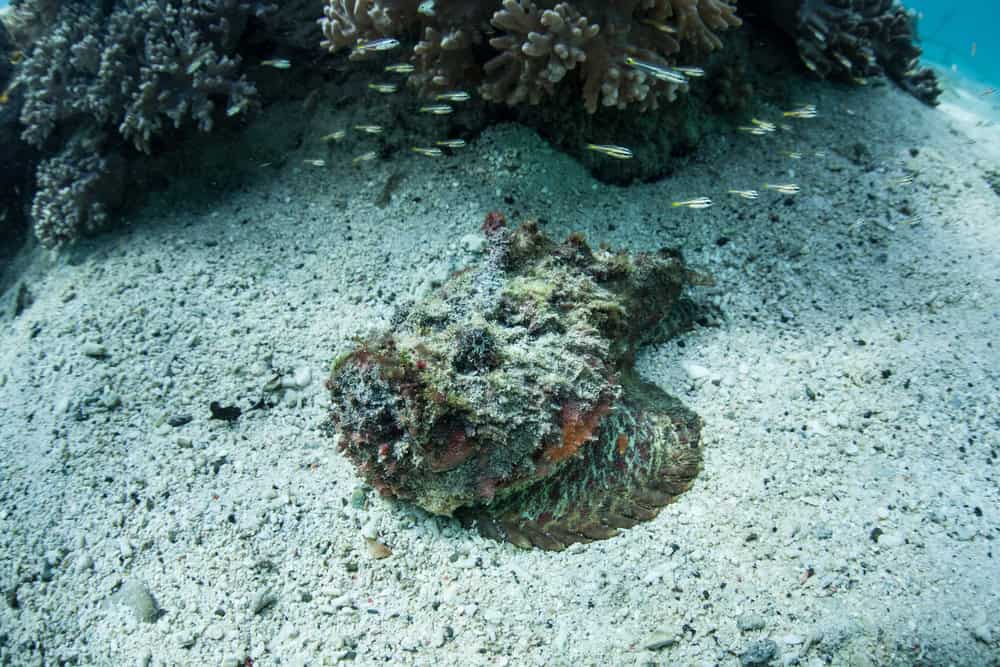
The stonefish, a master of disguise in the underwater realm, sports venomous spines on its back. These spines inject venom into unwary predators or careless swimmers who disturb them. The stonefish’s venom can cause intense pain, paralysis, and sometimes fatalities, highlighting its potent defense mechanism.
Incredible Ink of the Octopus
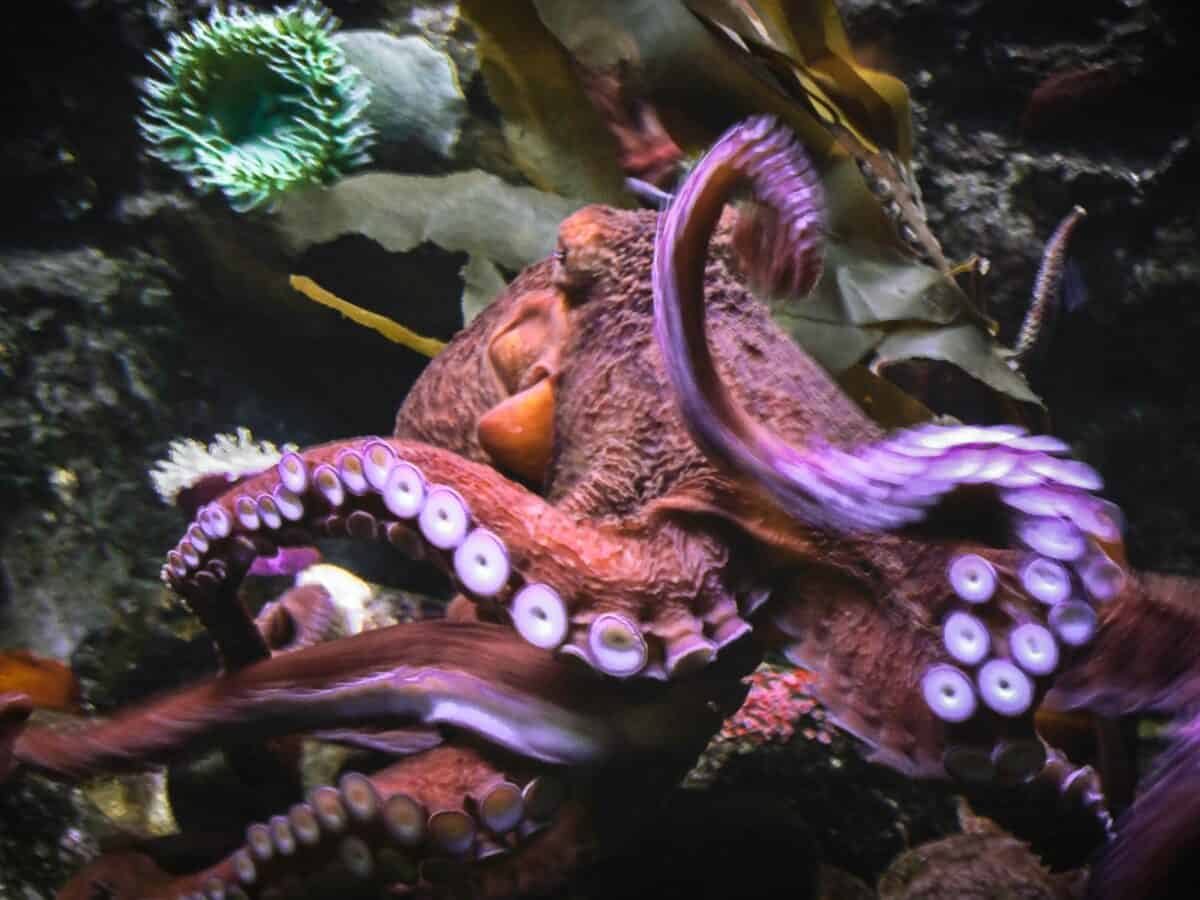
The octopus is a marine marvel, using its ink as a smoke screen to evade predators. The ink, combined with a compound called tyrosinase, affects the predator’s sense of smell and taste, giving the octopus time to make a swift escape. This ink not only confuses attackers but also clouds the water, creating a shrouded escape path.
Mantis Shrimp Punching with Precision
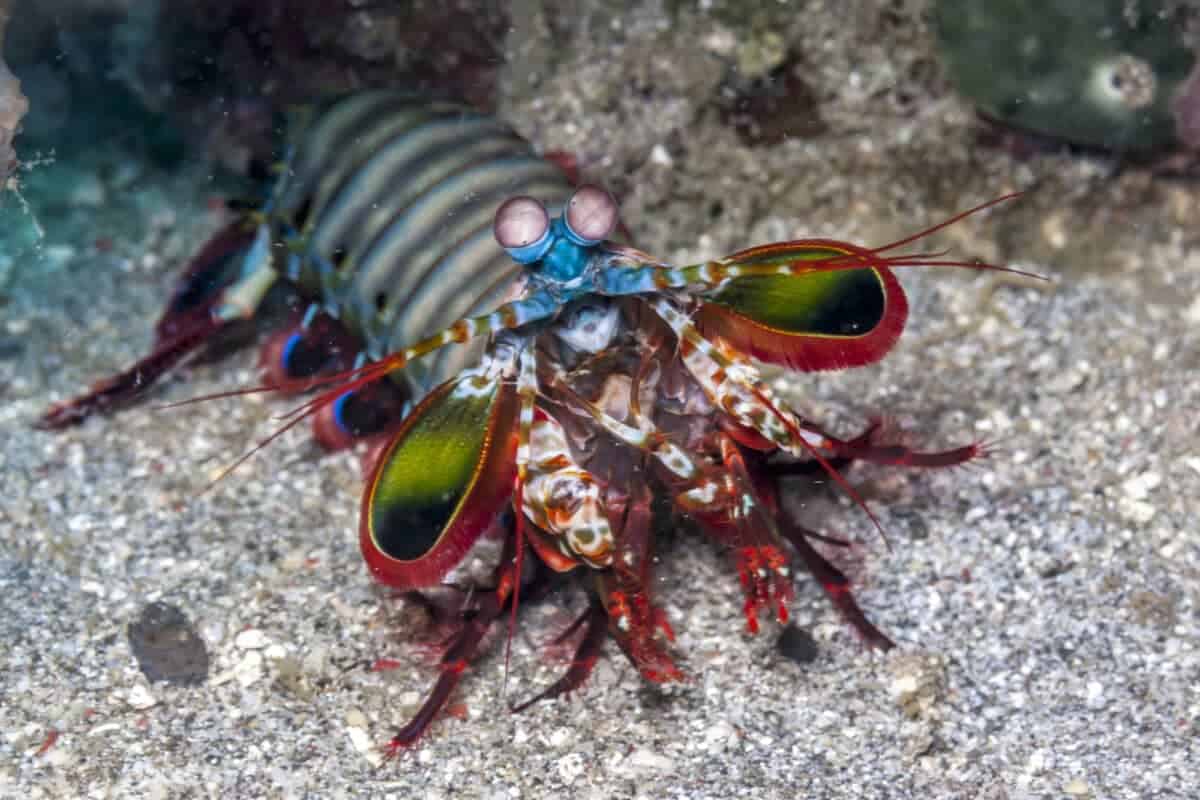
The mantis shrimp wields one of the fastest and most powerful strikes in the animal kingdom, using specialized appendages known as raptorial claws. These claws move at speeds comparable to a bullet, capable of cracking shells and stunning prey. The force of its punch can generate heat and light, known as sonoluminescence, under the water, attesting to its incredible striking power.
Horned Lizard’s Blood-Shooting Eyes

To deter predators, the horned lizard employs a unique defense mechanism: shooting blood from its eyes. This unexpected tactic confuses predators and, in some cases, the blood’s chemical composition can repel certain attackers. This striking ability highlights how evolution equips creatures with surprising and effective survival strategies.
Armored Defense of the Armadillo

The armadillo’s hard protective armor is composed of plates made of bone and covers most of its body, providing a formidable barrier against predators. This natural shielding allows the armadillo to curl into a ball, protecting its vulnerable underside and presenting an almost impenetrable defense against would-be attackers.
Conclusion:
From the ocean depths to the arid deserts, creatures with built-in weapons illustrate nature’s inventive approach to survival. These adaptations, whether defensive or predatory, not only ensure survival but also underscore the diverse strategies life has crafted in response to the challenges of survival. The creativity and efficiency observed in these natural weapons inspire awe and fascination, emphasizing the marvels of evolution and the complex dynamics of the animal kingdom.

As a little kid, I fell in love with nature, wildlife, and animals. Living in the USA, South Africa, Italy, China and Germany gave me the opportunity to discover the world's Wildlife. My favorite animals are Mountain Gorillas, Siberian Tigers, and Great White Sharks.
I'm a certified PADI Open Water Diver, went to Everest Base Camp and Trekked Gorillas in Uganda. I hold a Master of Science in Economics and Finance.
Please send any feedback to feedback@animalsaroundtheglobe.com
- 10 Most Unique Reptiles You will See in the US - July 21, 2026
- 3 Dangerous Invasive Species the USA Must Eradicate - July 21, 2026
- 10 Things That Calm Cats And 4 That Make Them Nervous - July 21, 2026