

Owning a dog is one of life’s genuine joys. The wagging tail, the wet nose, the absolute, unhinged excitement every time you pick up a leash. But here’s the thing – not all dogs are happy with a casual ten-minute stroll around the block. Some breeds are essentially athletes trapped in fur coats, and if you don’t give them the outlet they need, your furniture will pay the price.
Different dog breeds have varying exercise needs, and understanding these requirements is crucial for ensuring a happy and healthy canine companion. Some breeds are content with a leisurely evening stroll around the block, while others demand daily, vigorous exercise routines, particularly those originally bred for physically demanding tasks like herding or hunting. Honestly, it’s a bit like adopting a marathon runner and expecting them to be fine sitting at a desk all day. So before you fall in love with a breed’s looks, let’s talk about what they actually need. You might be surprised.
1. Border Collie – The Energizer Bunny of the Dog World
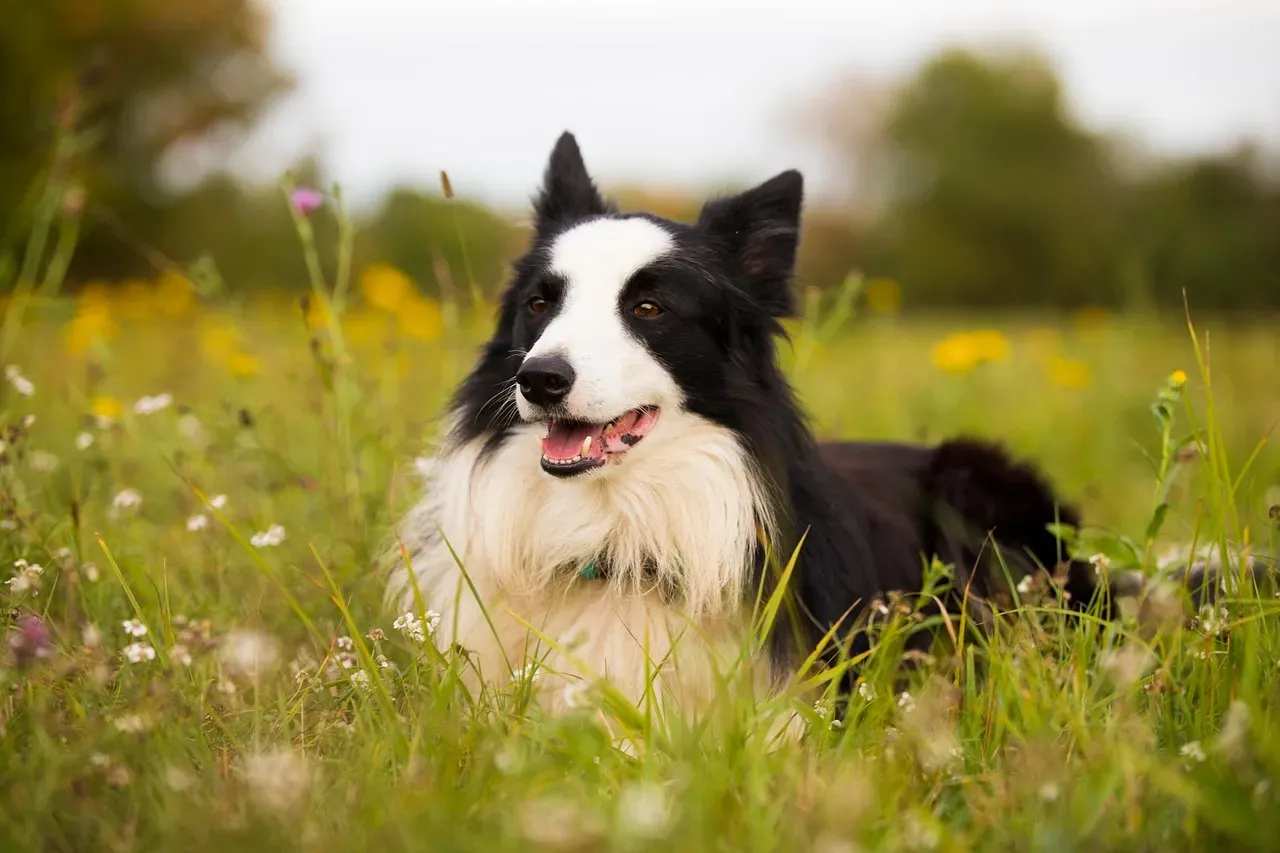
If there’s one dog that deserves the crown for sheer, unrelenting energy, it’s the Border Collie. Border Collies are often regarded as the most intelligent and energetic dog breed in the world. Originally bred for herding sheep, these dogs have boundless energy and thrive on mental stimulation as well as physical activity.
A Border Collie will happily run, jump, and herd for hours, and they require at least two hours of exercise a day. Without sufficient exercise, they can become bored, which may lead to destructive behaviors like chewing or digging.
Because of their intelligence, Border Collies are often chosen to compete in advanced dog sports such as flyball and disc events. Since they are so mentally sharp, this breed enjoys working on puzzles and challenging obedience exercises. Think of them less like a pet and more like a highly motivated employee who needs both a gym membership and a chess club.
2. Australian Shepherd – The All-Day Worker
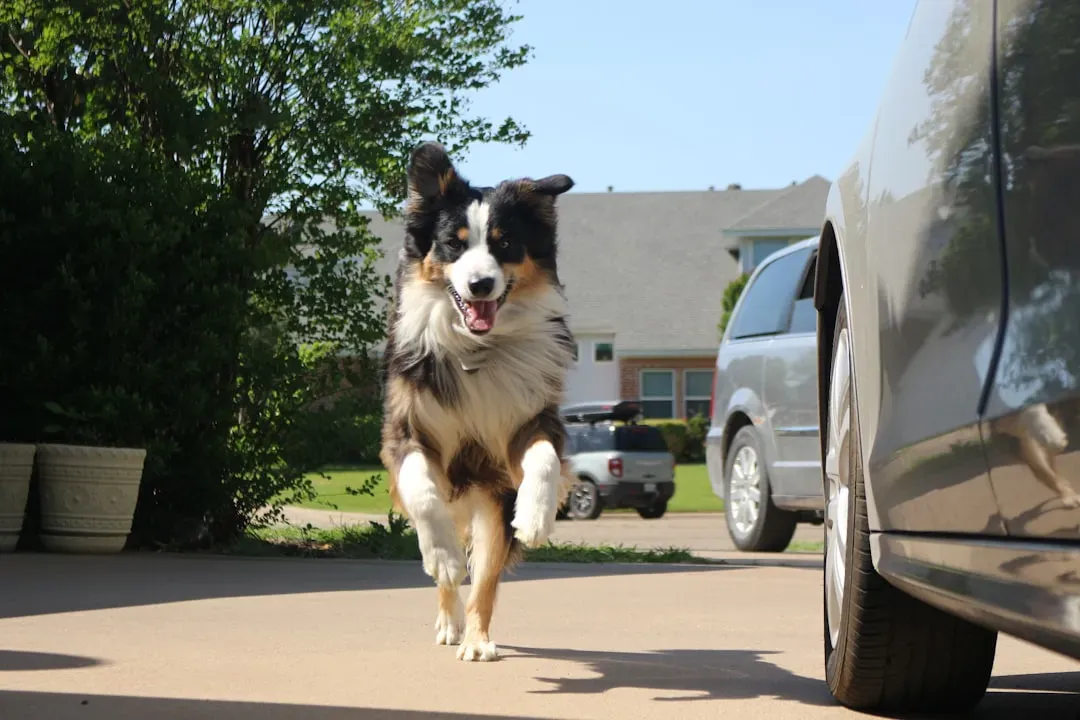
Despite its name, the Australian Shepherd was originally bred in the United States to help with herding sheep and cattle. Aussies are famous for their merle coats, big bright eyes, and their ability to learn new things.
This herding breed needs at least one and a half to two hours of daily exercise to stay content and healthy. Without enough physical activity, an Australian Shepherd can become anxious or even develop behavioral issues. They’re ideal for people who enjoy taking their dogs on long walks or participating in dog sports.
Every day, Aussies should get at least two hours of physical activity. This may consist of walking for long periods, throwing a ball, and working on agility exercises. Stimulating their minds with puzzle toys and obedience training helps them as well. I think it’s fair to say if you’re a couch person, an Aussie will make you reconsider your lifestyle very quickly.
3. Siberian Husky – Built for the Arctic, Restless in Your Backyard
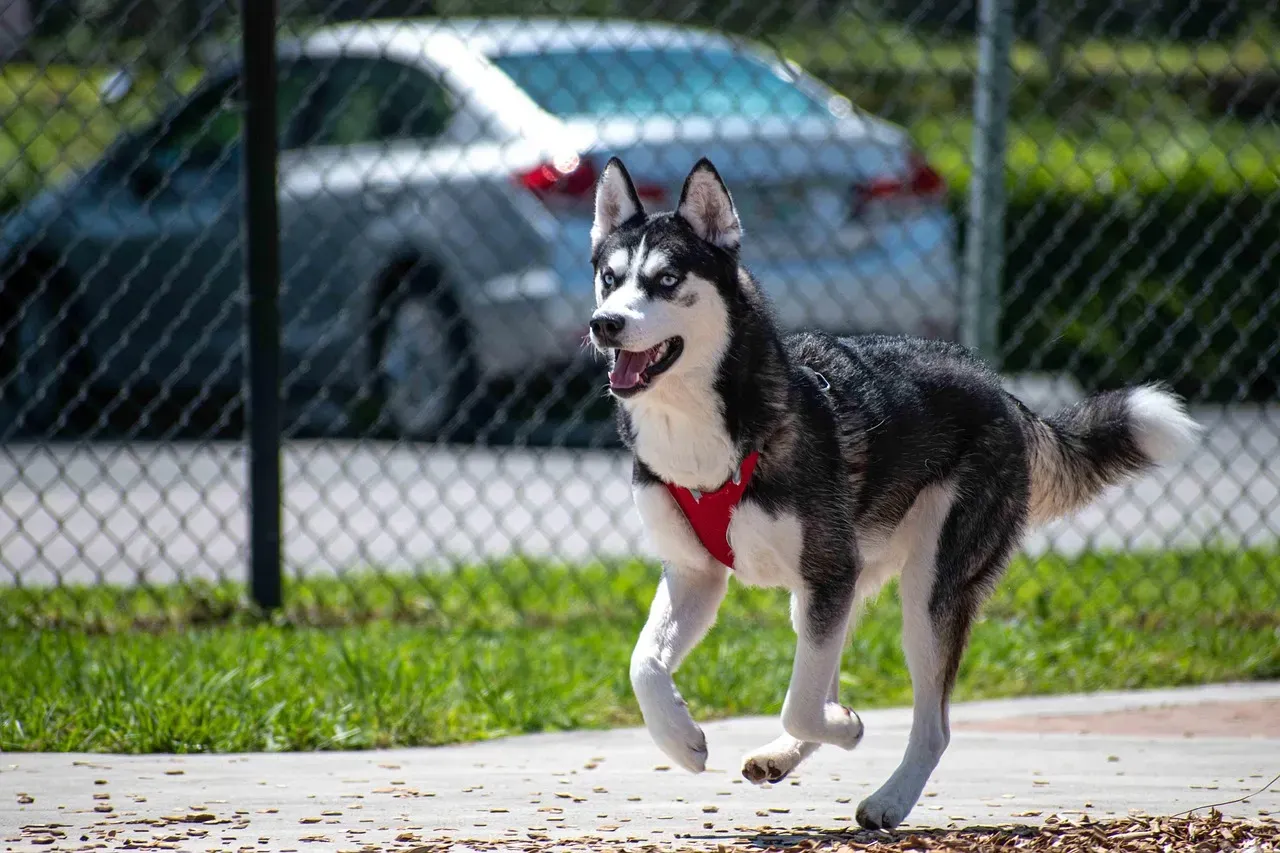
Siberian Huskies are famous for their striking appearance, but many people underestimate the incredible stamina behind those icy blue eyes. Originally bred to pull sleds over vast snowy distances, Huskies possess extraordinary endurance and a natural love of running.
They require long walks, vigorous play, and often additional activities to stay content. Without enough exercise, they may resort to digging, escaping, or other mischievous behavior. The “escaping” part is not a joke. Huskies are famously creative escape artists when bored.
Siberian Huskies were bred to pull sledges across arctic terrain for hours at a time. Their biology is unique in how they use their energy stores, allowing them to run constantly with little recovery time needed. Any prospective Husky owner needs to be able to offer these high-energy dogs at least 80 minutes of exercise each day to keep them in tip-top shape.
4. Weimaraner – The Silver Ghost That Never Stops Moving
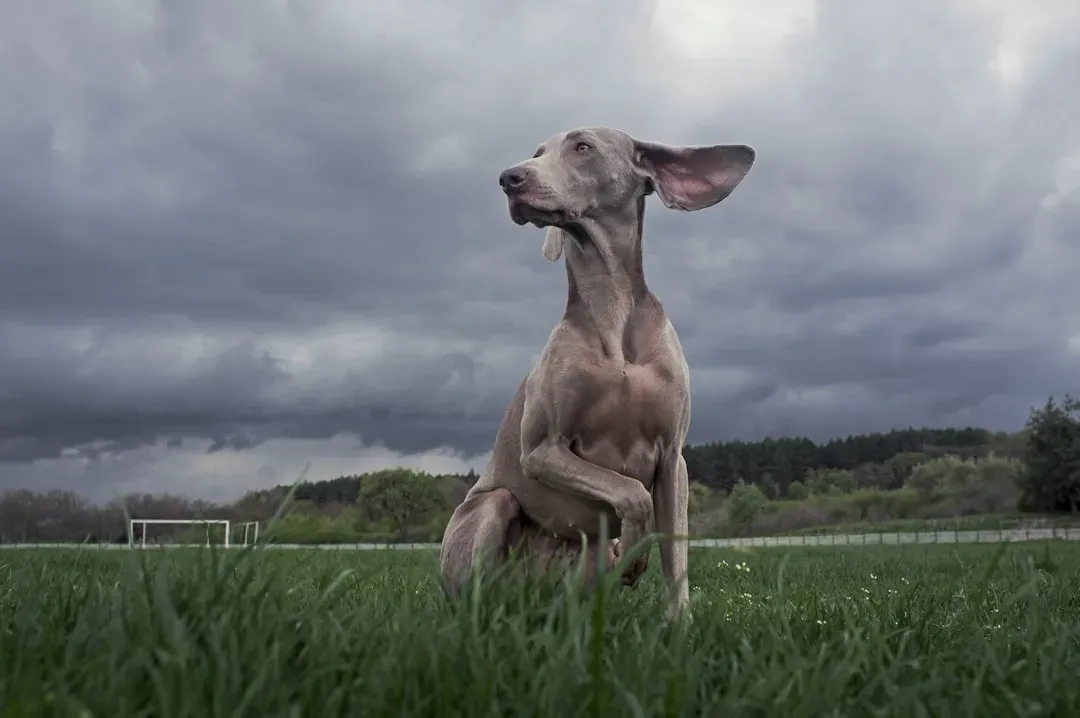
The Weimaraner, often known as the “Silver Ghost” because of its sleek, silver-gray coat, is an athletic breed with a lot of stamina. Bred for hunting, Weimaraners are not only fast, but also have a strong drive to run and explore.
Weimaraners are elegant sporting dogs with powerful stamina and a strong desire for activity. Developed for hunting large game, they were bred to track, chase, and retrieve across long distances. Their high intelligence and curiosity mean they need both mental and physical stimulation every day.
These dogs require at least two hours of exercise daily, including long runs or hikes. Without enough exercise, they may become overly energetic and restless. They make great companions for runners or outdoor enthusiasts who want a dog that can keep up with an active lifestyle. Fun fact: President Eisenhower famously kept a Weimaraner named Heidi in the White House, which honestly explains a lot about the breed’s regal confidence.
5. German Shorthaired Pointer – The Tireless All-Rounder
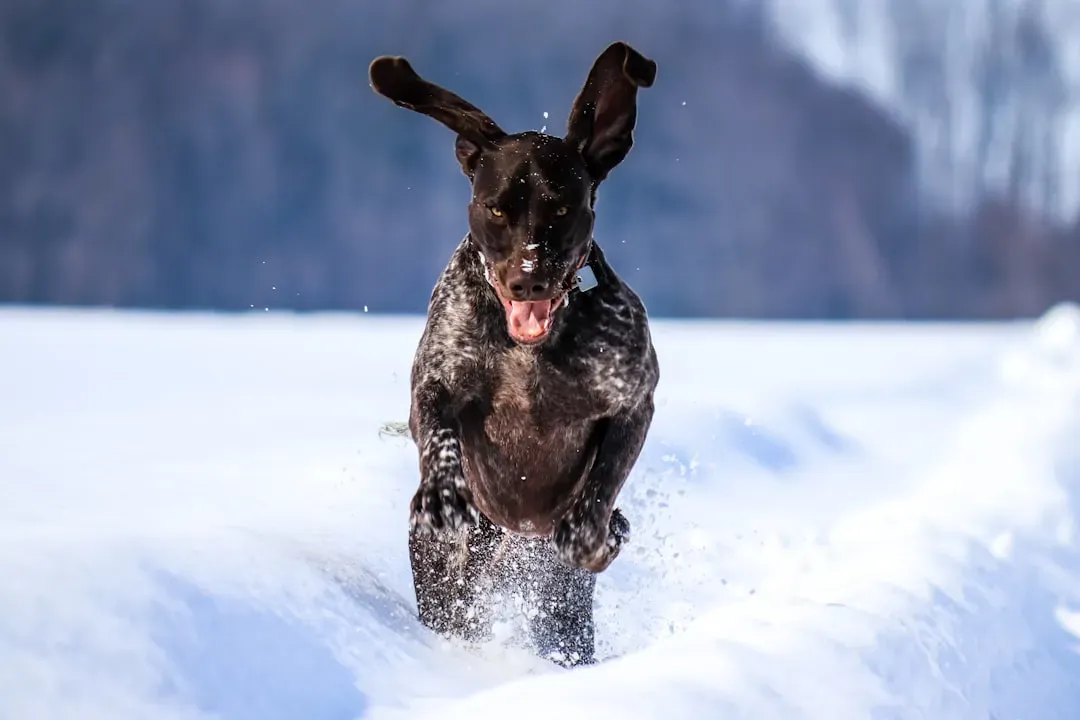
German Shorthaired Pointers are versatile hunting dogs built for endurance and speed. They thrive when given opportunities to run, track scents, and explore wide open spaces. Their energy levels are remarkably high, making them ideal companions for active individuals who enjoy outdoor pursuits.
The German Shorthaired Pointer needs a full two hours of varied exercise every day. Though walking should be part of the GSP’s daily routine, leisurely walks aren’t enough activity for this athletic breed. Think of a brisk walk as the warm-up, not the main event.
Good exercise options for the German Shorthaired Pointer include brisk walks and hikes, agility classes, flyball, and field training. Because of the GSP’s short coat and lean build, he’s at elevated risk of hypothermia in cold weather and requires a warm dog jacket whenever he’s outdoors in winter. So yes, this dog needs both a workout schedule and a wardrobe.
6. Belgian Malinois – The Dog That Makes Navy SEALs Nervous
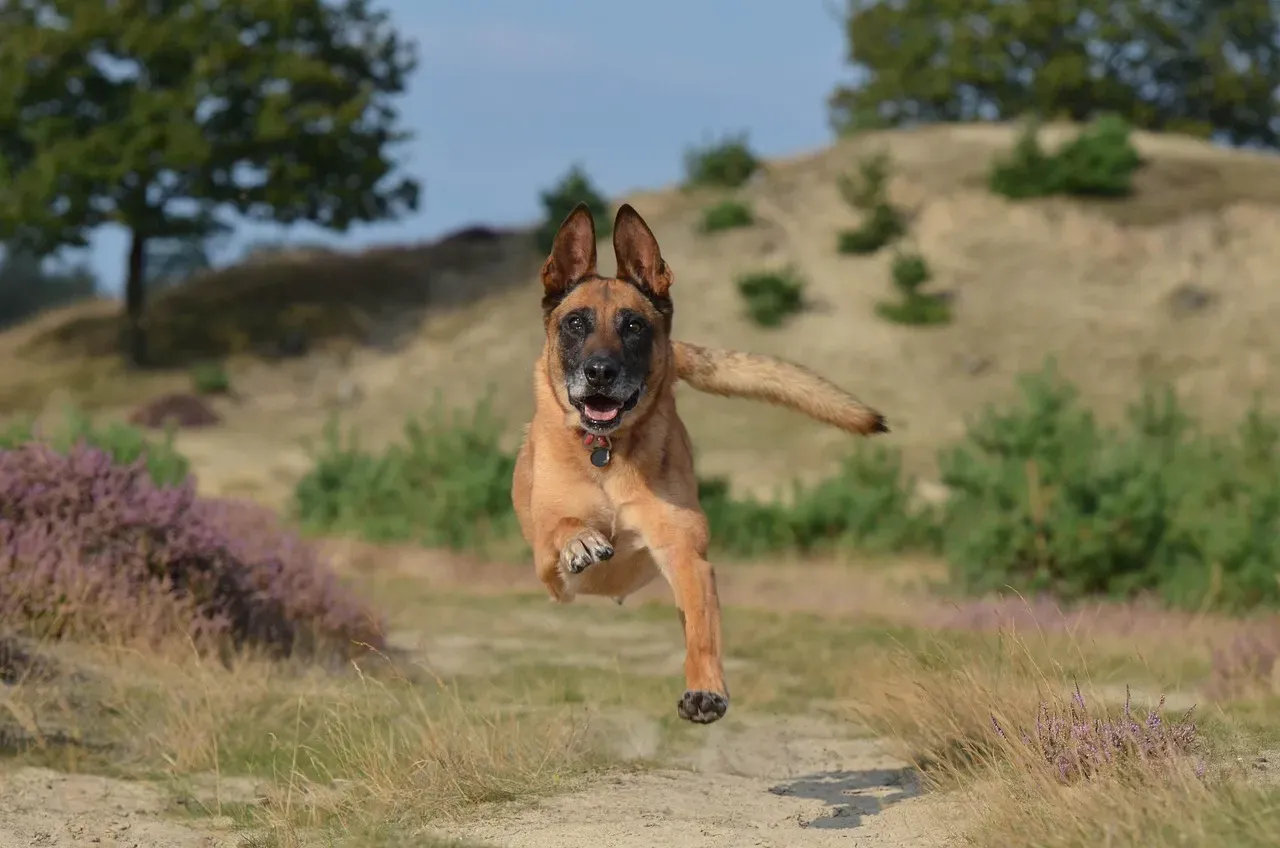
A close relative of the German Shepherd, the Belgian Malinois is a working dog often used in police and military roles. This breed requires two to three hours of intense exercise daily, including running, obedience training, or protection work.
Similar to the German Shepherd, Belgian Malinois are intensely active and intelligent. They require one and a half to two hours of exercise daily, often excelling in dog sports and obedience training. Let’s be real – this is not a beginner dog. This is a dog for people who treat exercise as a serious life commitment.
They are highly intelligent and need consistent mental challenges to prevent boredom or destructive behaviors. Without that structure, a Malinois in a bored state is a genuinely formidable force. Give them a job, and they become one of the most impressive animals you’ll ever meet.
7. Dalmatian – More Than Just a Pretty Spotted Coat
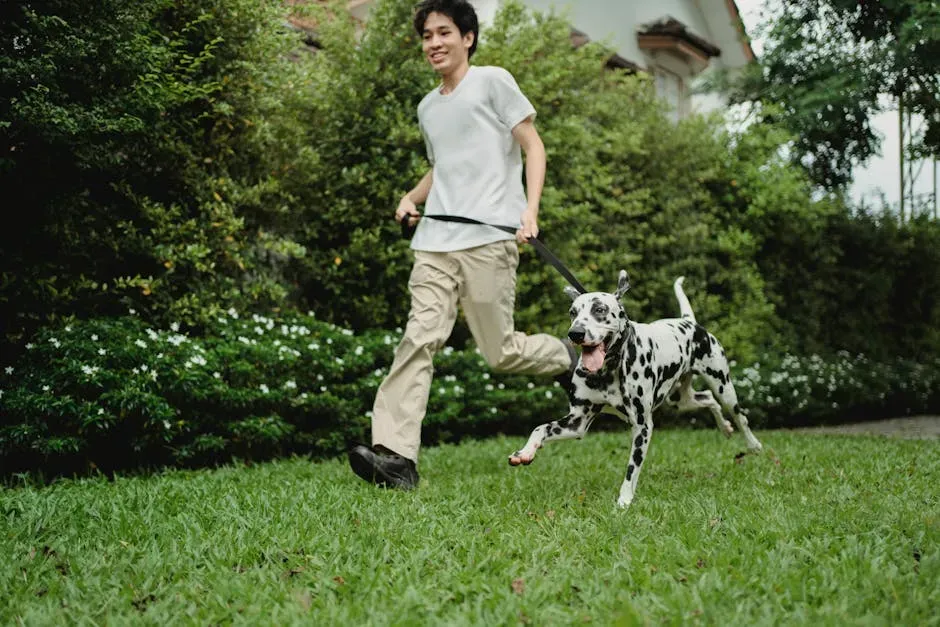
Dalmatians are famous for their distinctive black or liver-colored spots and are known for their high energy levels. Originally bred as carriage dogs, they have a natural inclination toward endurance activities. That’s right – these dogs used to run alongside horse-drawn carriages for miles. Miles. Every single day.
Dalmatians were historically used as carriage dogs, running alongside horses for miles at a steady pace. This unique role created a breed with remarkable stamina and a strong desire for daily activity. Modern Dalmatians still carry this energetic spirit and require regular exercise to remain happy and balanced.
Dalmatians require at least one and a half to two hours of exercise daily, including runs and brisk walks. They are highly energetic and need a lot of physical activity to keep them happy. Without sufficient exercise, Dalmatians may develop behavioral problems such as barking or chewing. So if you love their spots, be ready to lace up your running shoes.
8. Vizsla – The Velcro Dog With a Need for Speed
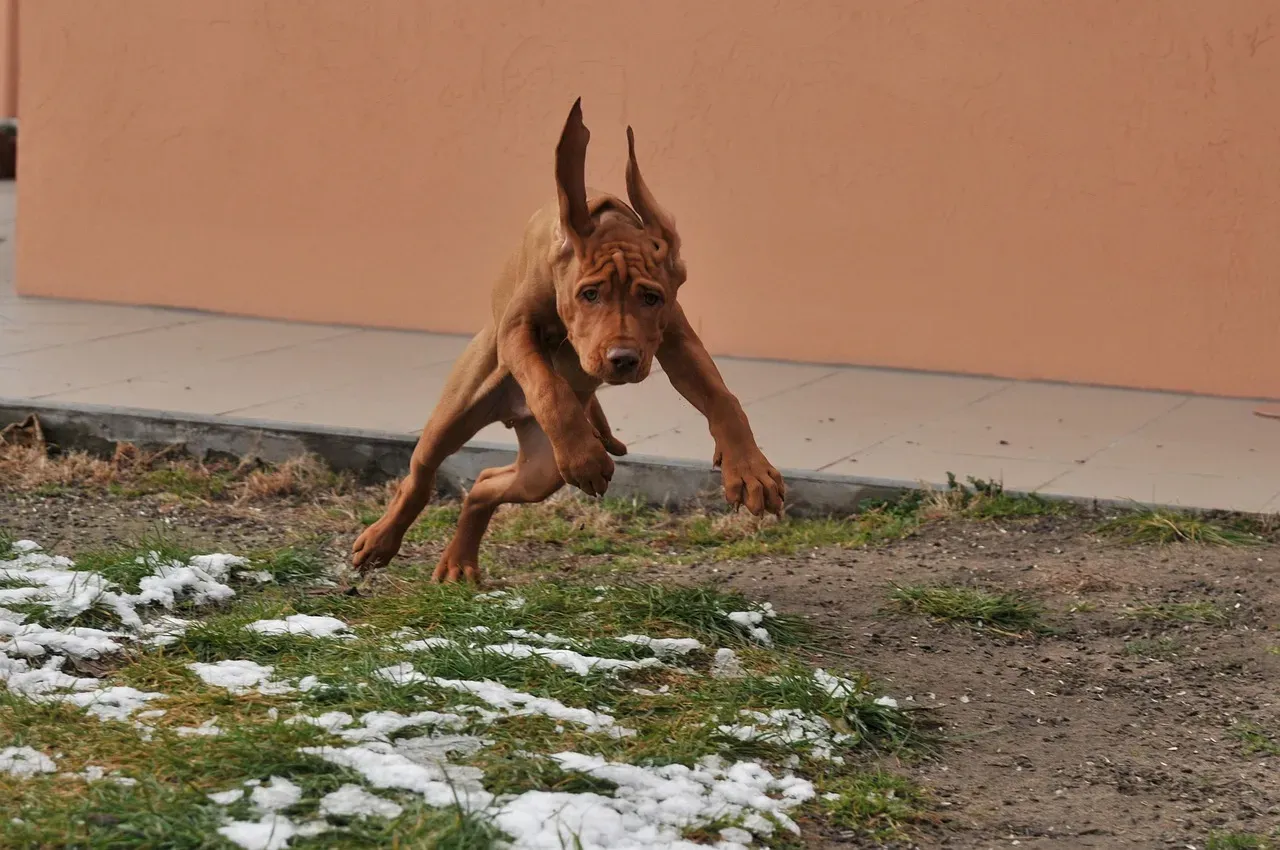
The Vizsla is an athletic and graceful breed that was originally bred for hunting. These dogs are known for their boundless energy and enthusiasm, and they require a significant amount of exercise – about one and a half to two hours daily.
Vizslas enjoy running, swimming, and playing, and they thrive in active households. They’re also famously affectionate, often called “velcro dogs” because they don’t just want to exercise with you – they want to be glued to your side the entire time. It’s both endearing and, frankly, a little intense.
Sporting dogs like Labradors and Golden Retrievers were bred for high-energy tasks like retrieving and swimming. These breeds thrive on regular, vigorous activities such as running, hiking, or dog sports. Aim for at least 90 minutes of exercise daily to keep them content. The Vizsla fits perfectly into this category and then pushes beyond it.
9. German Shepherd – The Hardest Working Dog in the Room
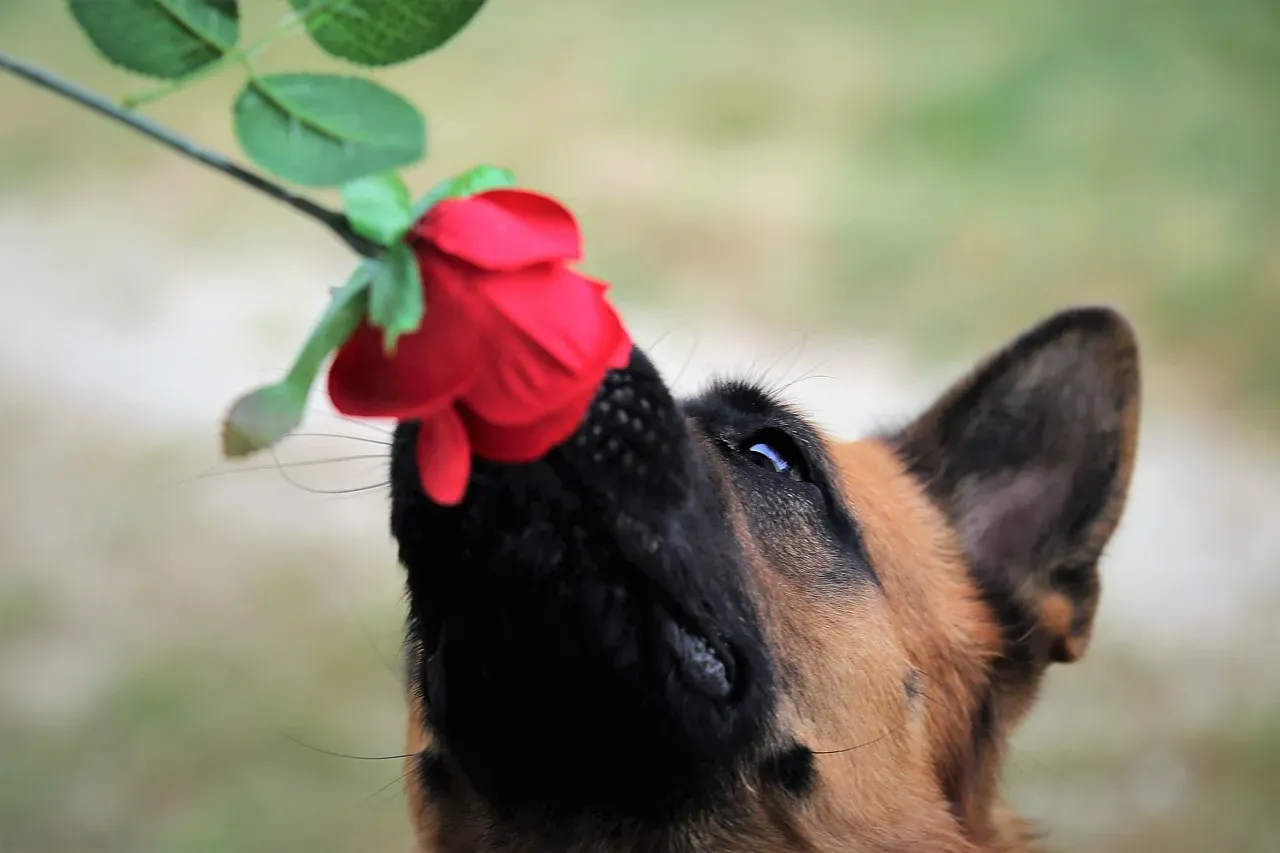
As their name implies, German Shepherds were initially trained to be shepherds. Back then, these dogs used to run around for hours to keep the flock together. This turned them into a highly energetic breed.
As one of the most energetic dog breeds, German Shepherd exercise requirements involve almost two hours daily. It includes running, going on long walks, and playing. Beyond exercise, German Shepherds are genuinely multi-talented animals.
German Shepherds are notably versatile. They are used as assistance dogs for people with disabilities, and for work with the police, in rescue and drug or explosives detection. That resume means their minds are as active as their bodies – and both need to be engaged every single day.
10. Australian Cattle Dog – Small But Absolutely Relentless
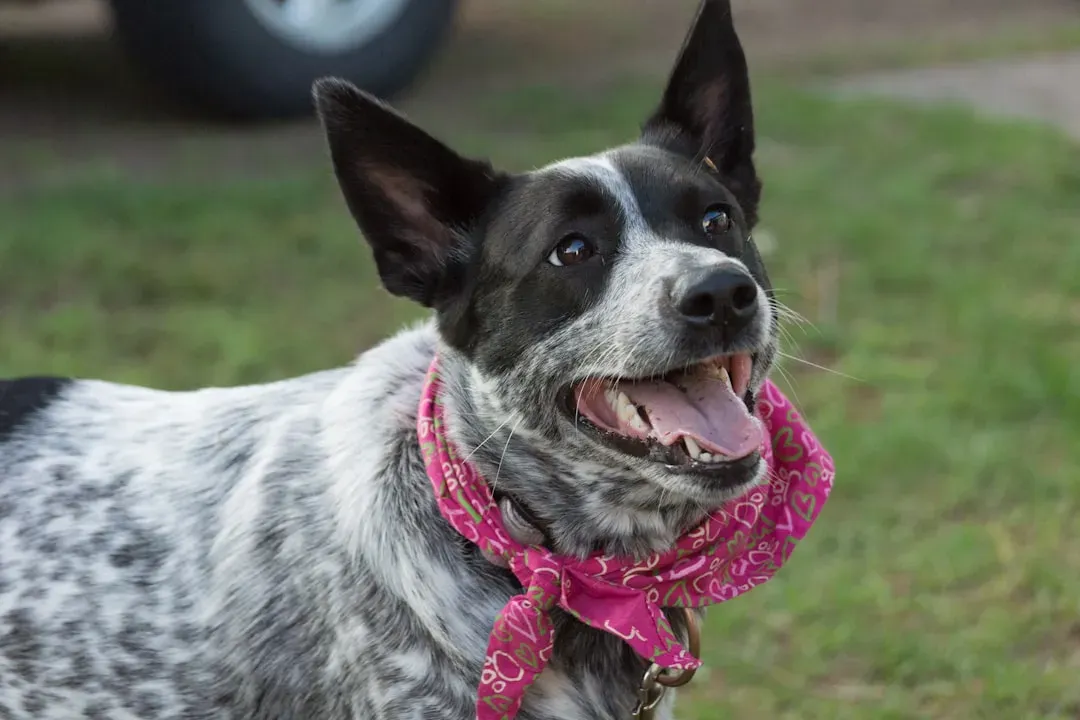
These plucky little cattle dogs were bred for driving cattle over long distances. They needed to be agile enough to navigate tough terrain and have enough endurance to keep at it for the whole day. These pups are the only dogs to have Dingo in their pedigree – perhaps that’s where they get their fearlessness from.
An Australian Cattle Dog will happily run all day given half a chance, but most will be satisfied if they get at least 90 minutes of exercise every day. That qualifier “given half a chance” is doing a lot of work in that sentence.
Many high-energy breeds were bred for herding livestock or other working tasks, so they need jobs to feel fulfilled. A well-planned routine satisfies their physical and mental needs, leading to a calmer, happier pet. The Australian Cattle Dog is a perfect example of this principle in action. Give them a purpose, and they’re extraordinary. Leave them idle, and chaos follows.
11. Jack Russell Terrier – Proof That Big Energy Comes in Small Packages
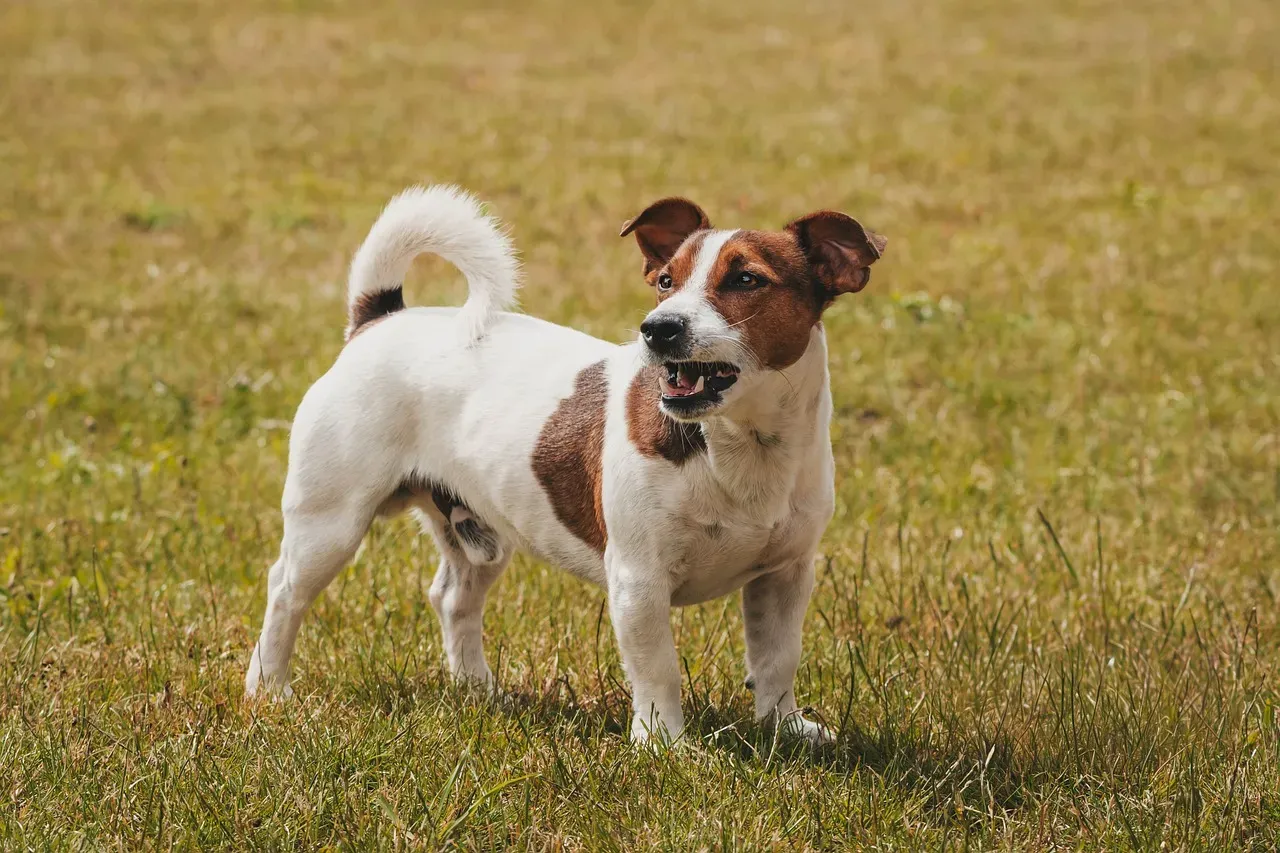
Don’t let the small size fool you. Not even a little. The humble Jack Russell may be small in size, but they can easily keep up with the bigger dogs on this list. A working dog through and through, they were bred to flush foxes from their dens back when fox hunting was a popular sport.
These days they are more commonly seen as beloved companions – and with the right amount of exercise, at least 90 minutes a day, they make fantastic pets. It’s hard to say for sure which is more surprising – that a small terrier needs as much exercise as a German Shepherd, or that so many people adopt them expecting a laid-back lapdog.
Terriers were bred to chase or dig out game such as rats, stoats, foxes, and even birds. They are very tenacious and want to attack, bite, or even kill that which they hunt. That tenacious drive doesn’t vanish in a domestic setting. Channel it through exercise and play, and you’ll have one of the most fun, spirited dogs imaginable.
Conclusion: Exercise Isn’t Optional for These Breeds
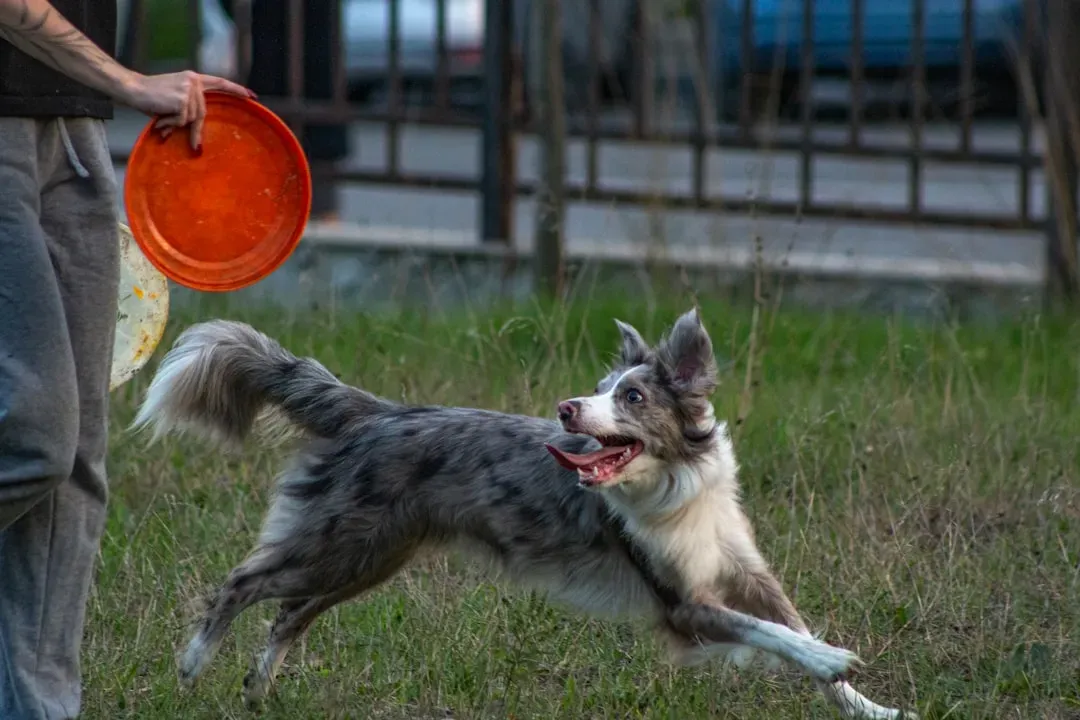
Here’s the bottom line. Without sufficient physical activity, high-energy breeds may face issues such as weight gain and express their pent-up energy in undesirable behaviors like excessive barking, chewing, and digging. That’s not a personality flaw in the dog – it’s a message. A loud, destructive message.
If you choose a dog that needs a lot of exercise but you don’t have the time or inclination to provide this, neither of you will enjoy your time together to the fullest. Lack of enough exercise can lead to problems like behavioral issues and obesity. Matching your lifestyle to your breed is one of the most important decisions a dog owner can make.
Think of it this way – adopting one of these breeds without a solid exercise plan is a bit like buying a sports car and never leaving the driveway. The potential is all there, waiting. Regular exercise is essential for maintaining your dog’s physical health. It helps prevent obesity, strengthens muscles, supports joint health, and promotes cardiovascular fitness. Give these incredible animals what they need, and they will give you something no gym membership ever could: loyalty, joy, and a reason to get outside every single day. Which of these breeds matches your energy? Tell us in the comments.

- 15 Little-Known Facts About DNA That Control More Than You Think - August 10, 2026
- 10 Things Cats Never Forget About Their Owners - August 10, 2026
- 8 Ways Cats Show They're Worried About You - August 10, 2026