
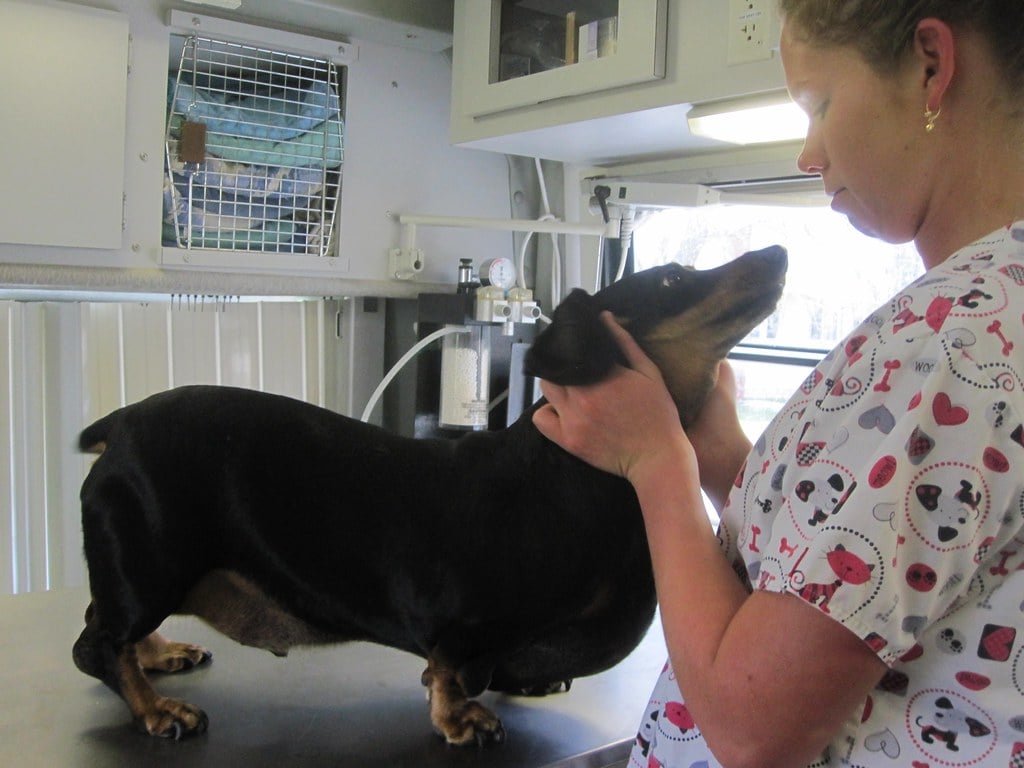
You would think a vet clinic is the one place nobody is laughing. There is the cold steel table, the nervous owner, and the thermometer nobody asked for. But behind the front desk, technicians and vets trade stories about the dogs who turn a routine exam into a stand-up special. Some breeds are so predictable that the team can call the punchline before the leash even comes off.
Here are 11 of them, counted down from the funny to the one that makes a whole clinic crack up. The twist is that none of these habits are random. Nearly every one traces back to a job these dogs were bred to do, or to the shape of their bodies, which means the comedy is more scientific than you would expect. And the breed at #1 may not be the one you would bet on.
#11 – Bull Terrier: The Statue Impression Nobody Asked For
🔥 Would you like to save this?
We'll email this post to you, so you can come back to it later!
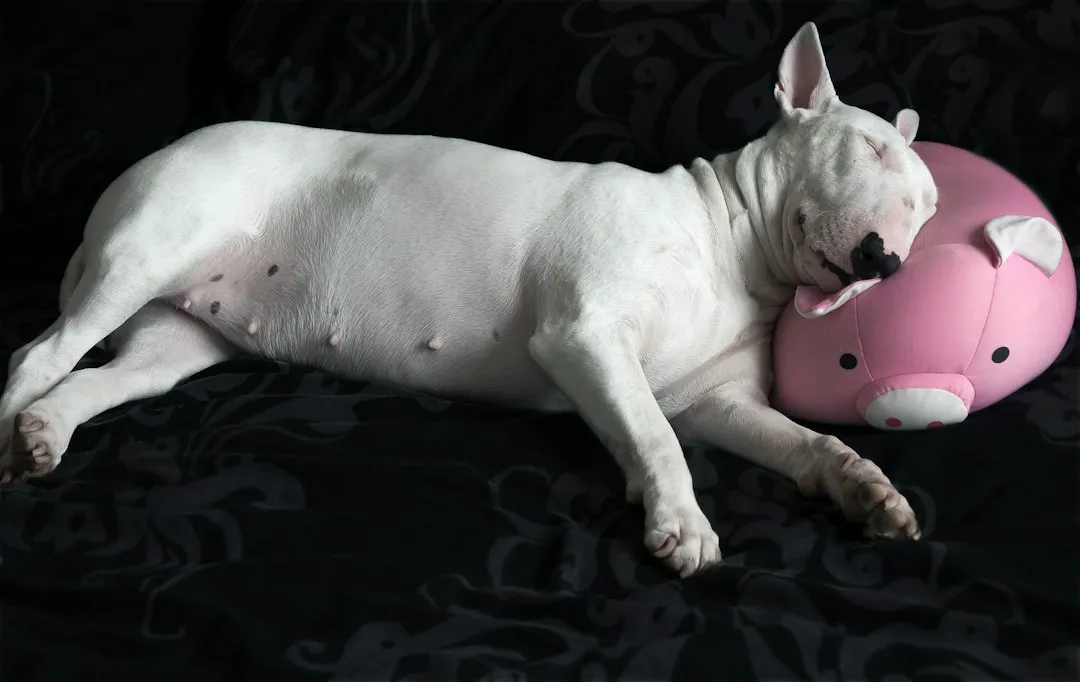
Clinic staff often do a double-take the first time a Bull Terrier owner says, “He just freezes and stares at nothing.” The behavior is called “trancing.” The dog stops mid-stride, locks eyes on a wall or a patch of floor, and stays perfectly still, sometimes for minutes. To a first-time observer, it looks like the dog has been unplugged.
The humor is all in the contrast. Here is a muscular, egg-headed, tough-looking dog suddenly doing a flawless impression of a garden statue on an exam room floor. Techs say the timing is what gets them, because it often happens right in the middle of a perfectly normal visit. Owners tend to whisper, “He does this at home too.”
Nobody has fully pinned down the cause. The usual explanation points to the breed’s terrier heritage, where laser focus on a scent, a shadow, or a flicker of movement was part of the job. Because Bull Terriers can also be prone to repetitive habits like tail chasing, vets prefer owners mention it if episodes get longer, more frequent, or hard to interrupt.
- Trancing often happens near walls, corners, or furniture edges.
- It usually fades once the dog finds something more interesting, like a treat.
- Worth flagging to your vet: episodes that are growing or can’t be broken.
But that’s nothing compared to what we found about #10…
#10 – Basenji: The “Barkless” Dog With Cat Manners and a Yodel
🔥 Would you like to save this?
We'll email this post to you, so you can come back to it later!
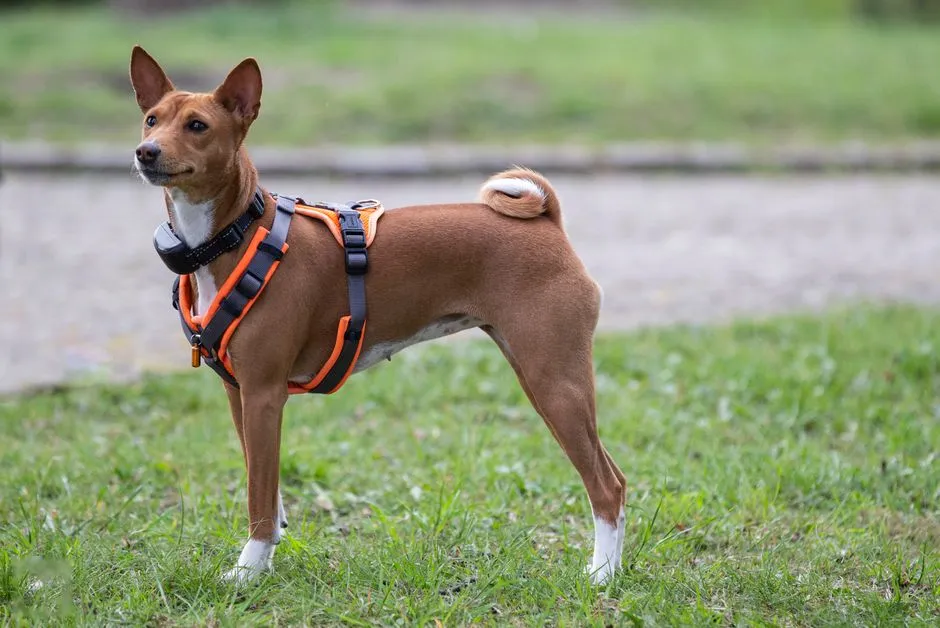
Basenjis break the “dog” script in two ways. First, they groom themselves like cats, licking a paw and then wiping it across the face with slow, deliberate strokes. Staff who are used to dogs rolling, scratching, or licking everything in sight tend to stop and watch. It looks almost too dignified for a place that smells like disinfectant.
Second, there is the sound. Basenjis are famous for not barking in the usual way. Instead they produce a yodel-like “baroo,” a quirk often linked to the shape of their larynx. First-time owners sometimes panic and assume the dog is in distress, while the team behind the counter is quietly delighted by a sound that breaks up the usual clinic soundtrack.
The grooming often kicks in when a Basenji feels unsettled on the table, like a nervous person smoothing their hair before a big meeting. The breed also has a famously independent streak, so they rarely beg for reassurance. After a morning of clingy, trembling patients, staff often find that refreshing.
One practical note: vets also keep a close eye on this breed for a kidney condition called Fanconi syndrome. Extra drinking and urinating are worth mentioning at checkups.
Fast Facts
- The breed traces back to Central Africa, where it worked as a hunting companion.
- Basenjis are compact: roughly 16 to 17 inches tall and 22 to 24 pounds.
- “Barkless” is not the same as silent. They also growl, whine, and yodel.
- A DNA test for Fanconi syndrome exists, so breeders and owners can screen for it.
But that’s nothing compared to what we found about #9…
#9 – Bearded Collie: The Dog That Treats the Exam Table Like a Trampoline
🔥 Would you like to save this?
We'll email this post to you, so you can come back to it later!
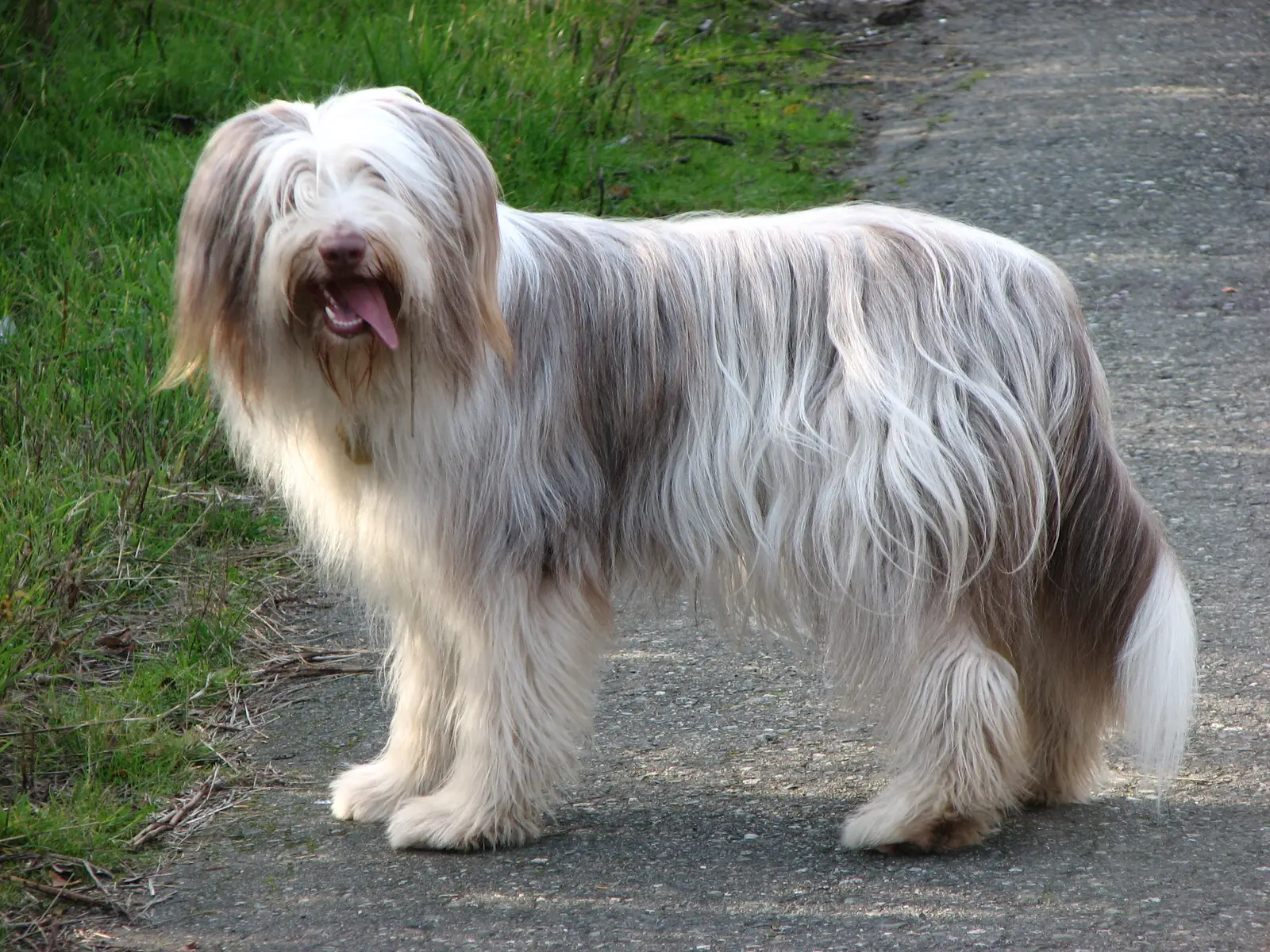
Bearded Collies do not simply walk into an exam room. They launch. The famous “Beardie bounce” is a spring-loaded leap of pure joy, and on a slick exam table it can look like the dog is trying to levitate. Staff say it is the closest thing to a free comedy show the clinic offers.
Then there is the commentary. Beardies are talkers, with a repertoire of moans, groans, and playful howls that sound like a sports announcer calling the appointment in real time. A simple temperature check can come with a full narration.
Underneath the bouncing is the breed’s herding past. Their instinct is to gather and manage whatever moves, which means they may try to steer vets and techs with gentle nose nudges, even mid-nail trim. Owners describe it as endearing at home. In the clinic, it often means an extra set of hands to keep the dog’s attention on the task.
- Expect bounce-first, cooperate-second energy.
- Quick treats or a short burst of play before procedures help channel the excitement.
- The enthusiasm is typically friendly, not pushy, which keeps the antics purely entertaining.
But that’s nothing compared to what we found about #8…
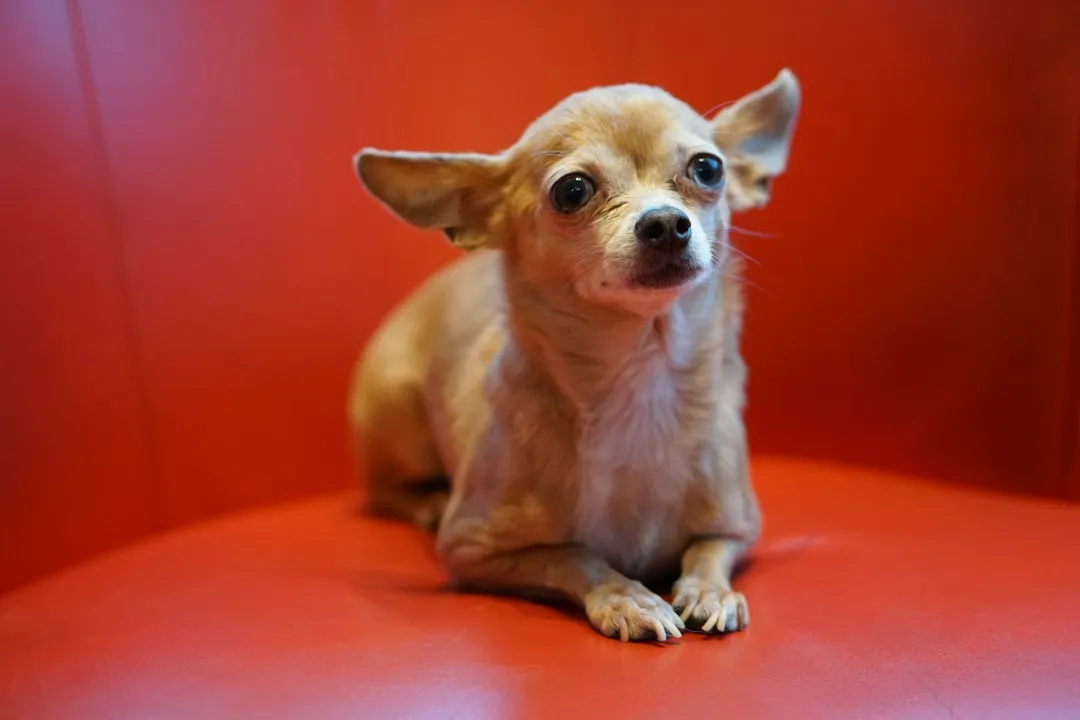
#8 – Chihuahua: A Tiny Dog Running on Squirrel-Level Caffeine
🔥 Would you like to save this?
We'll email this post to you, so you can come back to it later!
Chihuahuas approach a vet visit as if every second were a personal emergency. Their eyes dart, their ears swivel, and they seem to track every movement in the room. Staff joke that it takes two people just to follow where the dog is looking.
Part of the comedy is scale. A dog this small can tremble, yip, and stage a dramatic escape attempt across the table with astonishing commitment. The performance is huge and the dog is about the size of a loaf of bread. That mismatch between body and personality is what has the back room grinning.
Chihuahuas are also sensitive to new places, which often produces a high-pitched solo that carries through the waiting room. Here is the twist: many of them settle faster than their owners expect once they work out that nothing terrible is happening. Teams lean on that by keeping interactions short, calm, and treat-friendly. Staff also handle them gently, since tiny dogs can be fragile.
The best Chihuahua visits end the same way: the drama stops, the dog looks around as if nothing happened, and everybody else in the room needs a moment.
But that’s nothing compared to what we found about #7…
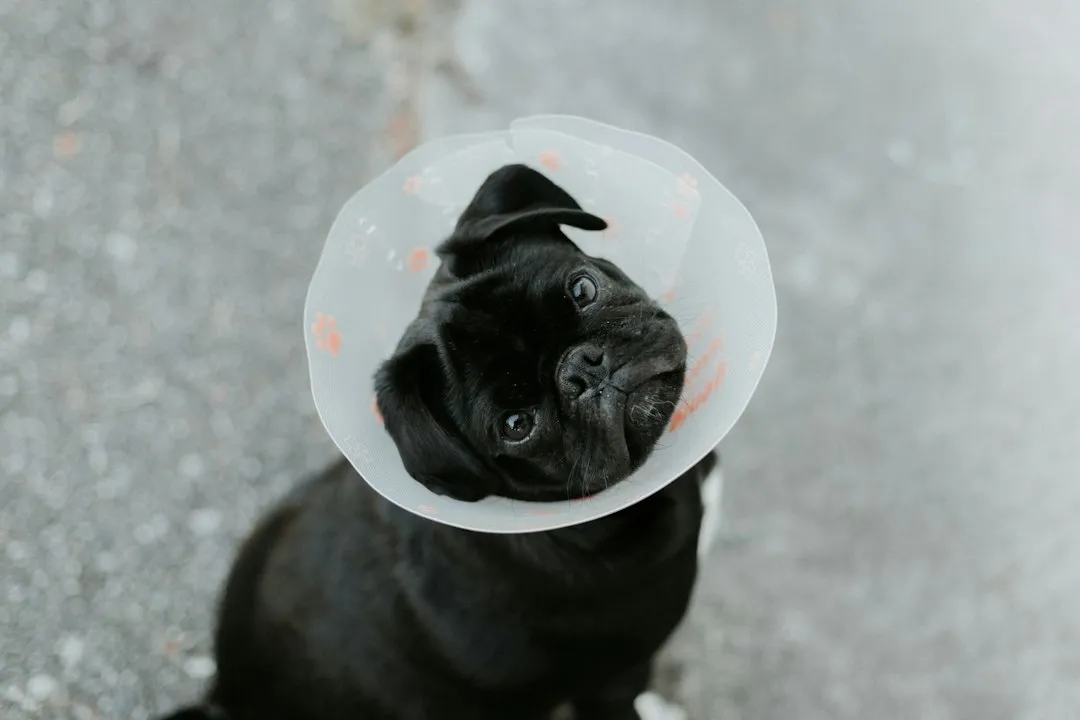
#7 – Pug: The Snorting Soundtrack and the Face That Says Everything
🔥 Would you like to save this?
We'll email this post to you, so you can come back to it later!
Pugs bring their own sound effects. Snorts, snuffles, and heavy breathing announce them before they clear the door. Then comes the face. Those wide, round eyes seem to grow even bigger at the sight of a stethoscope, and a long dramatic sigh often follows, as if the dog is questioning every life choice that led here.
The noisy breathing comes from the breed’s flat-faced anatomy. Owners sometimes worry about it, though vets recognize much of it as typical for the breed. Staff still keep a careful eye on Pugs when they are stressed or warm, because flat-faced dogs can struggle more than others when they get worked up.
The visual comedy keeps coming. Pugs flop, sploot, and roll into positions that don’t look physically comfortable, and they do it with total confidence. They also love attention, so a Pug on the table rarely stays still long. Every tech in the room ends up in the conversation whether they planned to or not.
- Extra wipes tend to come out for the inevitable drool and snort spray.
- Short, calm visits are easier on a dog with a flat face.
- Dramatic sighs are a Pug specialty and entirely free of charge.
But that’s nothing compared to what we found about #6…
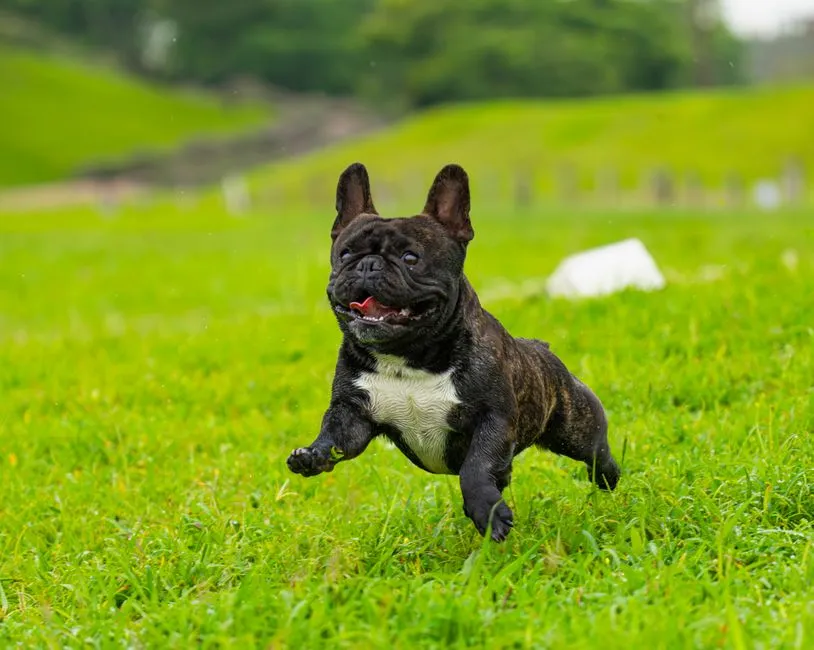
#6 – French Bulldog: Bat Ears, Side-Eye, and Sudden Zoomies
🔥 Would you like to save this?
We'll email this post to you, so you can come back to it later!
A French Bulldog’s ears work like satellite dishes. They swivel and perk at every beep, footstep, and rustling treat bag, and the matching head tilt looks so well timed that staff suspect it is rehearsed. It makes every sound in the clinic seem like breaking news.
Then comes the side-eye. Frenchies have a talent for glancing sideways with a look that suggests they are quietly judging the whole process, and possibly the person holding the clipboard. Their grunts and snorts form a running soundtrack, like a tiny grumpy roommate who has opinions about everything.
The real surprise is the speed. A dog that spent the last ten minutes lounging can erupt into zoomies, with that compact body rocketing around the exam room before collapsing in a heap. Staff plan for it by clearing pathways, keeping voices low, and avoiding anything that might send the dog skidding.
Because Frenchies are flat-faced, teams also keep the excitement from getting out of hand. A calm, cool room usually makes for a better visit for everyone, and it still leaves plenty of room for comedy.
Quick Compare: Pug vs. French Bulldog
- Size: Pugs run about 14 to 18 pounds, while Frenchies can reach up to 28.
- Ears: Pugs have small, folded ears. Frenchies have the famous upright “bat” ears.
- Signature sound: Pugs snort and sigh. Frenchies grunt and grumble.
- Clinic mood: Pugs are attention-seeking charmers. Frenchies are sideways-glancing critics with sudden bursts of speed.
But that’s nothing compared to what we found about #5…
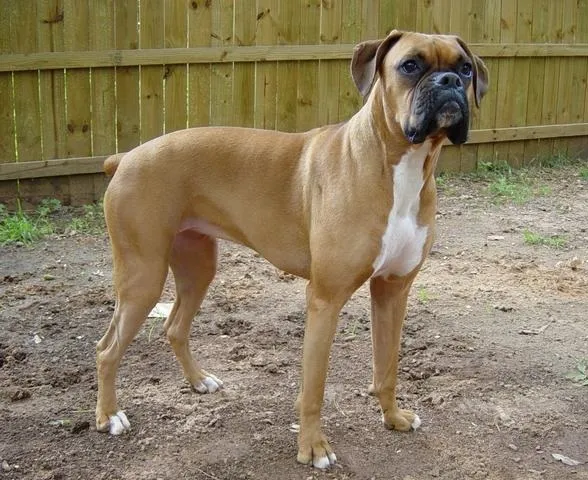
#5 – Boxer: The Kidney Bean Wiggle That Starts Before They Reach the Door
🔥 Would you like to save this?
We'll email this post to you, so you can come back to it later!
Boxers have a reputation as the clowns of the dog world, and the “kidney bean” is the proof. The dog bends into a C-shape and wiggles from nose to tail, sometimes while moving sideways at full speed. It tends to begin the moment they spot someone in scrubs.
The greeting often turns into slapstick. A Boxer may bounce off a door frame, lean into a tech’s legs, or try to climb into a lap despite weighing as much as a small adult. Staff say it’s hard to stay serious while a 60-pound dog tries to prove that he is a lapdog.
Those expressive faces add to the fun. Boxers show every emotion plainly, from confusion to suspicion to delight. They also tend to stay playful long past puppyhood, so even a gray-muzzled senior may act like an oversized puppy on the table.
- Structured play or a calm routine helps burn off the first burst of excitement.
- Firm but gentle handling keeps the wiggles from becoming a safety issue.
- The energy rarely interferes with care, but it always lifts the mood.
But that’s nothing compared to what we found about #4…
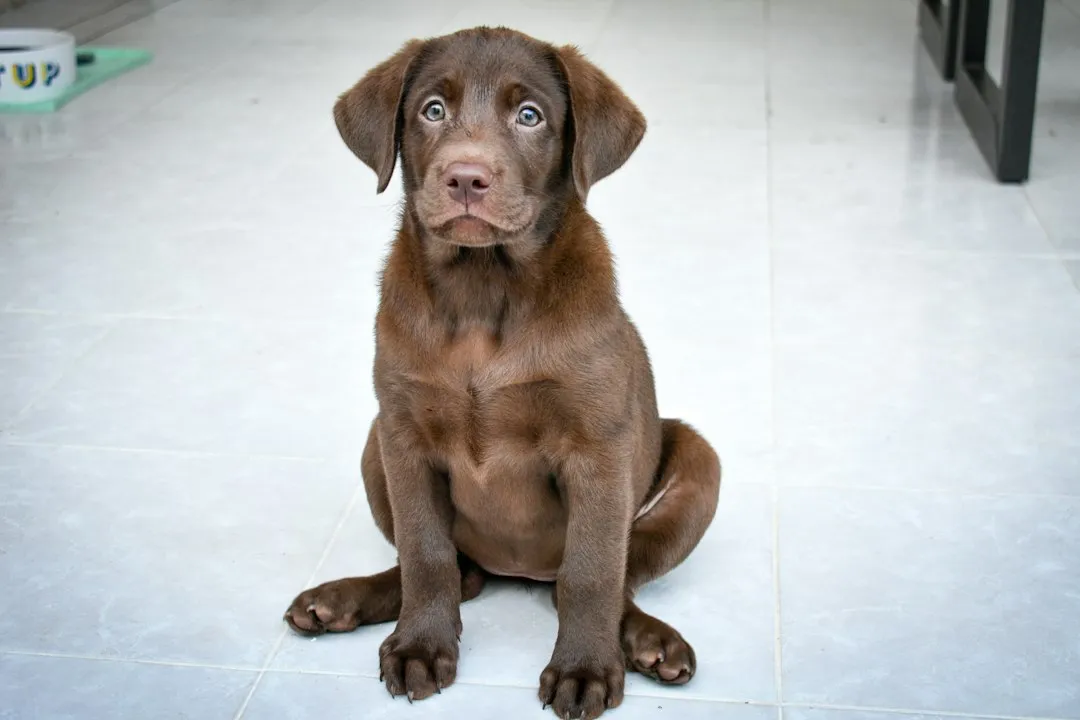
#4 – Labrador: The Wigglebutt Who Swears He Didn’t Eat It
🔥 Would you like to save this?
We'll email this post to you, so you can come back to it later!
Labradors greet the clinic like it is a surprise party thrown just for them. The wag starts at the nose and travels the length of the body, and quite often a Lab walks in carrying a toy, a sock, or some other “trophy” as an offering. Staff say it is hard not to smile at the pure optimism.
Then there is the food. Labs are famous for treat obsession, and researchers have found a gene variant in some of them linked to stronger food motivation. That helps explain the legendary guilty face. Crumbs on the muzzle, a perfectly innocent expression, and an owner who says “I have no idea what happened.”
Worth Knowing
- The variant is a small deletion in a gene called POMC, reported in a 2016 University of Cambridge study.
- It turned up in roughly 23 percent of 411 pet Labs from the U.S. and U.K.
- Among 81 assistance-dog Labs, about 76 percent carried it, possibly because food-driven dogs train well.
- On average, dogs with the deletion weighed about 2 kg (roughly 4 pounds) more.
Labs also deliver dramatic flops, puddle enthusiasm, and sometimes a case of the zoomies after the appointment. Their eagerness to please means the antics come from genuine joy rather than mischief, and that makes them easy to forgive.
- Loose items in the room get tucked away before a Lab arrives.
- Treats are the most effective currency for positive reinforcement.
- Staff often joke that Labs would let you do almost anything for a snack.
But that’s nothing compared to what we found about #3…
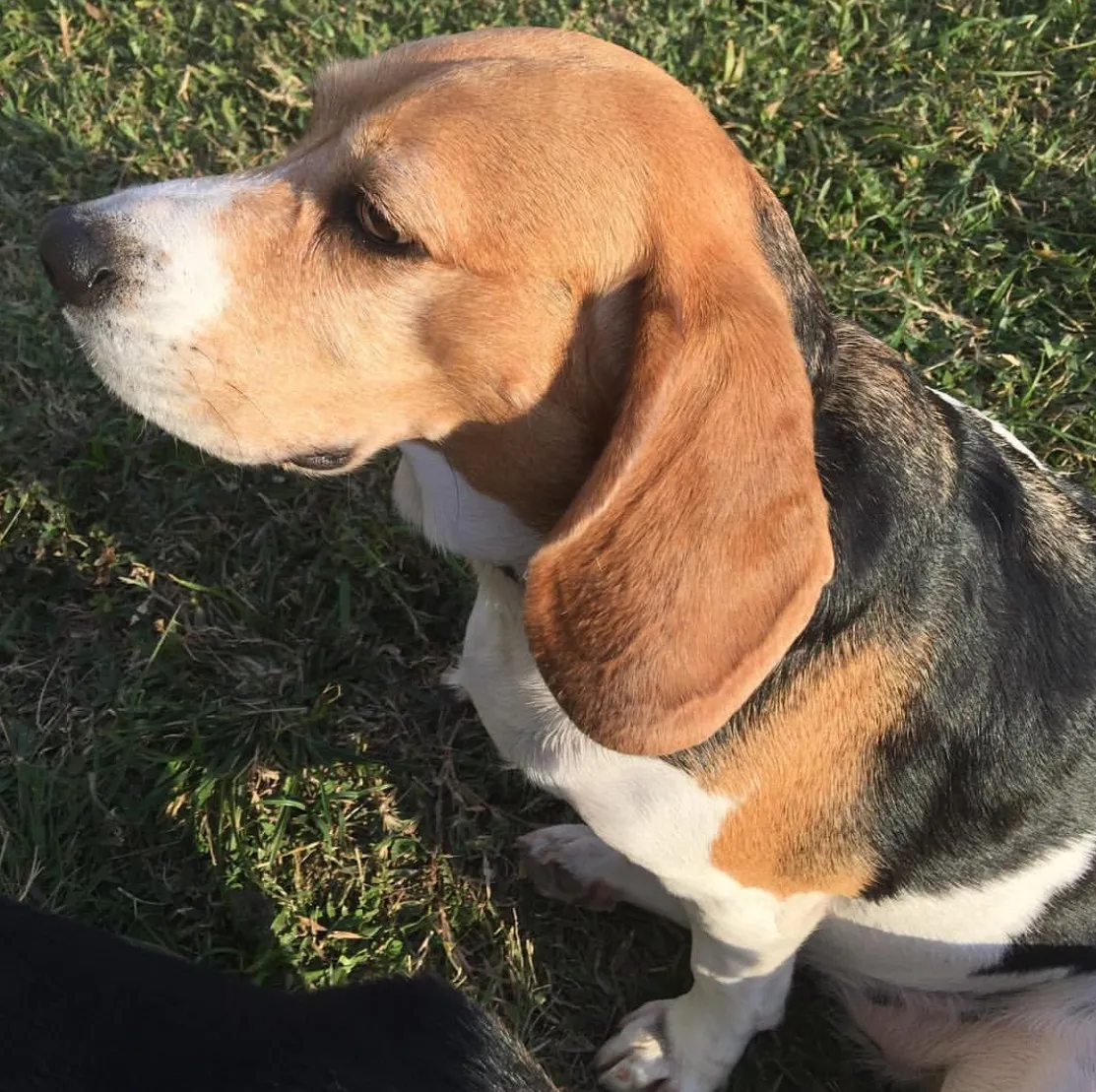
#3 – Beagle: The Opera Singer Who Performs for Thermometers
🔥 Would you like to save this?
We'll email this post to you, so you can come back to it later!
Beagles can turn a quiet clinic into a concert hall in seconds. The soulful howl, sometimes called baying, may be set off by a thermometer, a nail clipper, or a sound only the dog can hear from outside. Staff often confirm first that the noise is not about pain, and once they do, many admit they enjoy it.
The howl is part of the breed’s hunting heritage. Beagles were developed to track by scent and to announce what they found, so they use their voices with confidence. And since a Beagle’s nose is always working, they may drift toward the one corner of the room that smells interesting while everyone else is still talking.
The sad eyes only extend the show. A Beagle can howl through a procedure with a look of deep betrayal, and the next moment forget the entire thing as soon as a treat appears. They rarely hold a grudge, which staff appreciate. Outdoor breaks can end with a muddy, proud dog who has clearly been digging.
- Many teams now expect the soundtrack and plan the schedule around it.
- Curiosity can lead to minor trouble, so creative problem-solving is part of the job.
- Food is a reliable way to redirect a Beagle’s attention.
But that’s nothing compared to what we found about #2…
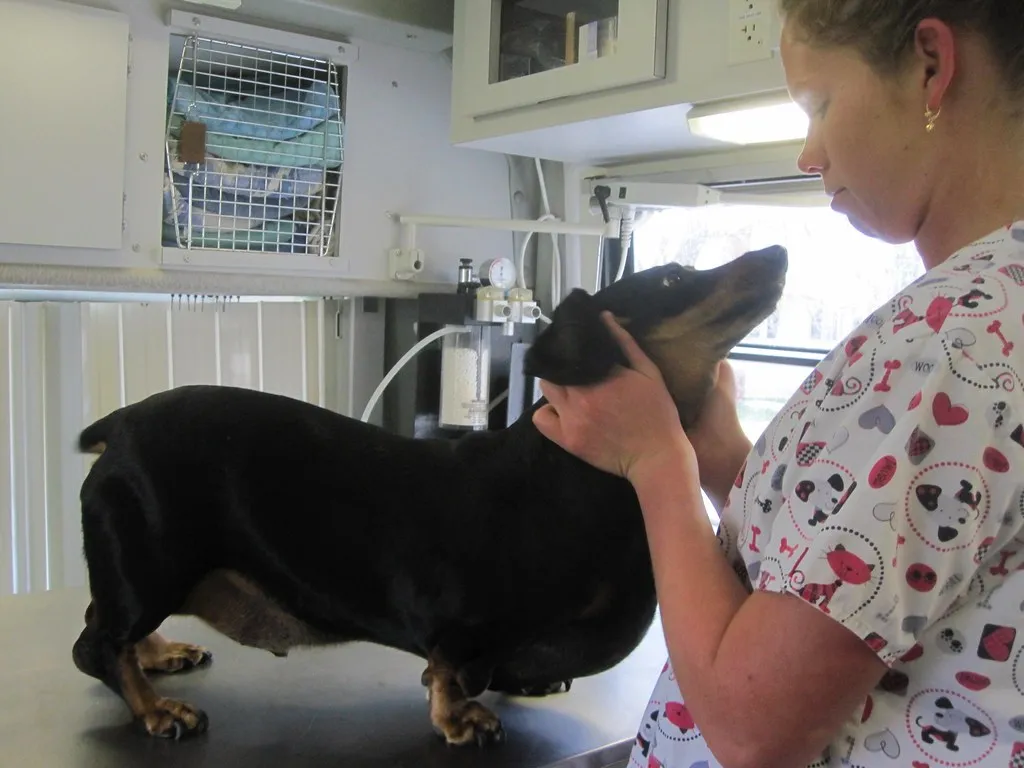
#2 – Dachshund: Big-Dog Confidence in a Hot Dog Body
🔥 Would you like to save this?
We'll email this post to you, so you can come back to it later!
Dachshunds stride into the clinic as if they own the building. They look like they are twice their size, and they act like it too, with a fearless attitude toward people and equipment far larger than they are. The act usually holds until the procedure starts, and then comes the burrowing.
The breed was developed in Germany to hunt badgers, which is where the name comes from, and the instinct to dive into tight spaces still shows up in sterile exam rooms. Many will tunnel under a blanket or aim for the space beneath the table with total determination. Their long bodies and short legs make every sharp pivot look like a cartoon.
Then there is the stubborn streak. A simple nail trim can turn into a negotiation, and the “who, me?” look after minor mischief is a staff favorite. Teams respect the attitude and gently redirect it rather than fighting it.
Vets also pay special attention to a Dachshund’s long back, since the breed is prone to spinal disc problems. Careful lifting, with support for both the front and the back end, is standard practice.
At a Glance: The Dachshund Back
- Studies estimate roughly 19 to 25 percent of Dachshunds show signs of disc disease in their lifetime.
- For comparison, the figure for dogs overall is only about 2 to 3.5 percent.
- Risk is often put at 10 to 12 times that of other breeds.
- Symptoms most often appear in middle age, and a hunched posture or yelping when touched is worth a call to the vet.
But that’s nothing compared to what we found about #1…
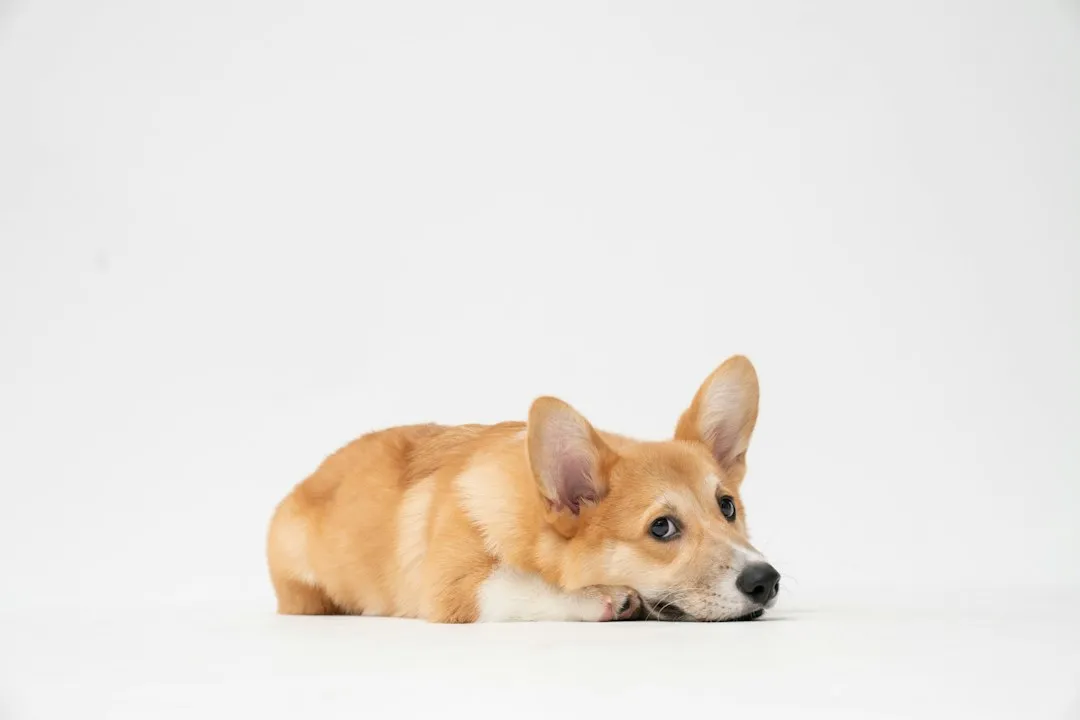
#1 – Corgi: The Sploot Queen With a Regal Face and Bunny-Hop Zoomies
🔥 Would you like to save this?
We'll email this post to you, so you can come back to it later!
Corgis top the list because they are funny without trying. The sploot is their signature, with both hind legs stretched straight behind them and the belly pressed to a cool floor, all while the dog keeps an expression of royal composure. Owners photograph it constantly, and clinic staff have seen the pose often enough to know exactly what it is.
Then the zoomies start. A Corgi’s short legs and long body create a bunny-hop gallop that looks like an animation come to life. Seeing it in an exam room, with a vet in the middle trying to stay professional, is the kind of moment that makes people leave the room to laugh quietly.
Under the cuteness is a real working past. Corgis were bred to herd cattle, so they like to organize their surroundings. That can mean gentle nudges or heel-level attempts to round up everyone in the room, from the receptionist to the tech with the clipboard.
- The sploot often looks like both a stretch and a way to cool off on a chilly floor.
- Corgis are smart, learn the clinic routine quickly, and sometimes improvise their own tricks.
- They bring consistent visual comedy without needing much noise.
But there is one thing all eleven of these dogs share…
Here is my honest take: the funniest dogs in any clinic are not the naughtiest ones. They are the ones who are completely, unapologetically themselves. A Bull Terrier trancing at a wall, a Beagle belting out an aria at a thermometer, and a Corgi splooting like royalty are all doing what centuries of breeding built them to do. They are just doing it in a room full of scrubs and stethoscopes.
That is why I think the laughter behind the clinic doors is a form of affection, not mockery. Staff notice the habits because they know the dogs. Owners who learn their dog’s quirks, and mention anything that seems unusual, usually end up with better visits and a team that is happy to see them.
Still, the one I would vote for is the Corgi, and I will not be taking questions. Did we miss your dog’s signature move? Drop it in the comments.

- 7 Everyday Habits That Can Make Your Senior Dog Happier - November 5, 2026
- 10 Enigmatic Structures That Continue to Puzzle Scientists Today - November 5, 2026
- 10 Strange Ruins in the Americas That Challenge What We Know About Early History - November 5, 2026