


Bears are among the most fascinating mammals on our planet, and their offspring—adorable bear cubs—capture our hearts with their playful antics and endearing behaviors. From their tiny beginnings to their journey toward independence, bear cubs undergo remarkable transformations that showcase nature’s incredible design. In this article, we’ll explore eleven heartwarming facts about bear cubs that highlight their vulnerability, resilience, and irresistible charm. These facts not only demonstrate the wonders of wildlife but also emphasize why these magnificent creatures deserve our protection and admiration.
11. Bear Cubs Are Born Incredibly Small

Despite their mothers’ impressive size, bear cubs enter the world as some of the smallest mammal babies relative to their adult size. Newborn black bear cubs typically weigh only 8-12 ounces (225-340 grams)—about the size of a guinea pig—while their mothers can weigh up to 300 pounds. Polar bear cubs are similarly tiny, weighing just 1-1.5 pounds (454-680 grams) at birth, despite their mothers weighing up to 1,100 pounds. This remarkable size disparity represents one of the most extreme among mammals. The cubs’ small size allows mother bears to conserve energy during winter hibernation while still successfully reproducing, a fascinating evolutionary adaptation that helps ensure the species’ survival in challenging environments.
10. Cubs Are Born Blind, Hairless, and Helpless

Bear cubs enter the world in an extraordinarily vulnerable state—blind, nearly hairless, and completely dependent on their mothers. Their eyes remain closed for the first 3-5 weeks of life, and their ears are folded against their heads. This altricial state (being born in an undeveloped condition) contrasts sharply with their eventual status as powerful predators. During these first crucial weeks, cubs rely entirely on their mother’s body heat, milk, and protection. Their pink skin gradually develops a fine layer of fur, and they grow remarkably quickly on their mother’s rich milk. This dramatic transformation from helpless newborn to active cub in just a few weeks highlights the incredible developmental journey these animals undergo.
9. Mother Bears Are Extraordinarily Devoted Parents

The bond between a mother bear and her cubs represents one of the strongest maternal relationships in the animal kingdom. Female bears demonstrate remarkable dedication, caring for their cubs for up to 2-3 years depending on the species. During this time, the mother bear teaches essential survival skills, from finding food to avoiding predators. She will fiercely defend her offspring against any threat—including larger male bears that may pose a danger to the cubs. Mother bears have been observed putting themselves in considerable danger to protect their young, standing their ground against larger predators or human threats. This intensive parental investment helps explain why bears typically reproduce only every 2-4 years, devoting significant energy to raising each litter to independence.
8. Cubs Learn Through Play and Mimicry

Bear cubs develop crucial life skills through what appears to be playful behavior but serves vital developmental purposes. Cubs engage in wrestling matches, chase games, and climbing competitions that build strength, agility, and social skills. These playful interactions teach cubs how to establish dominance, defend themselves, and interact appropriately with other bears. Cubs also learn by carefully observing and mimicking their mother’s behaviors—watching how she fishes for salmon, digs for roots, or breaks into beehives for honey. This combination of play and observation prepares cubs for independence, turning seemingly frivolous activities into essential survival training. Research shows that cubs with more opportunities to play and observe tend to become more successful adult bears, demonstrating the evolutionary importance of these learning mechanisms.
7. Cubs Have a Distinctive “Cry” to Alert Their Mother
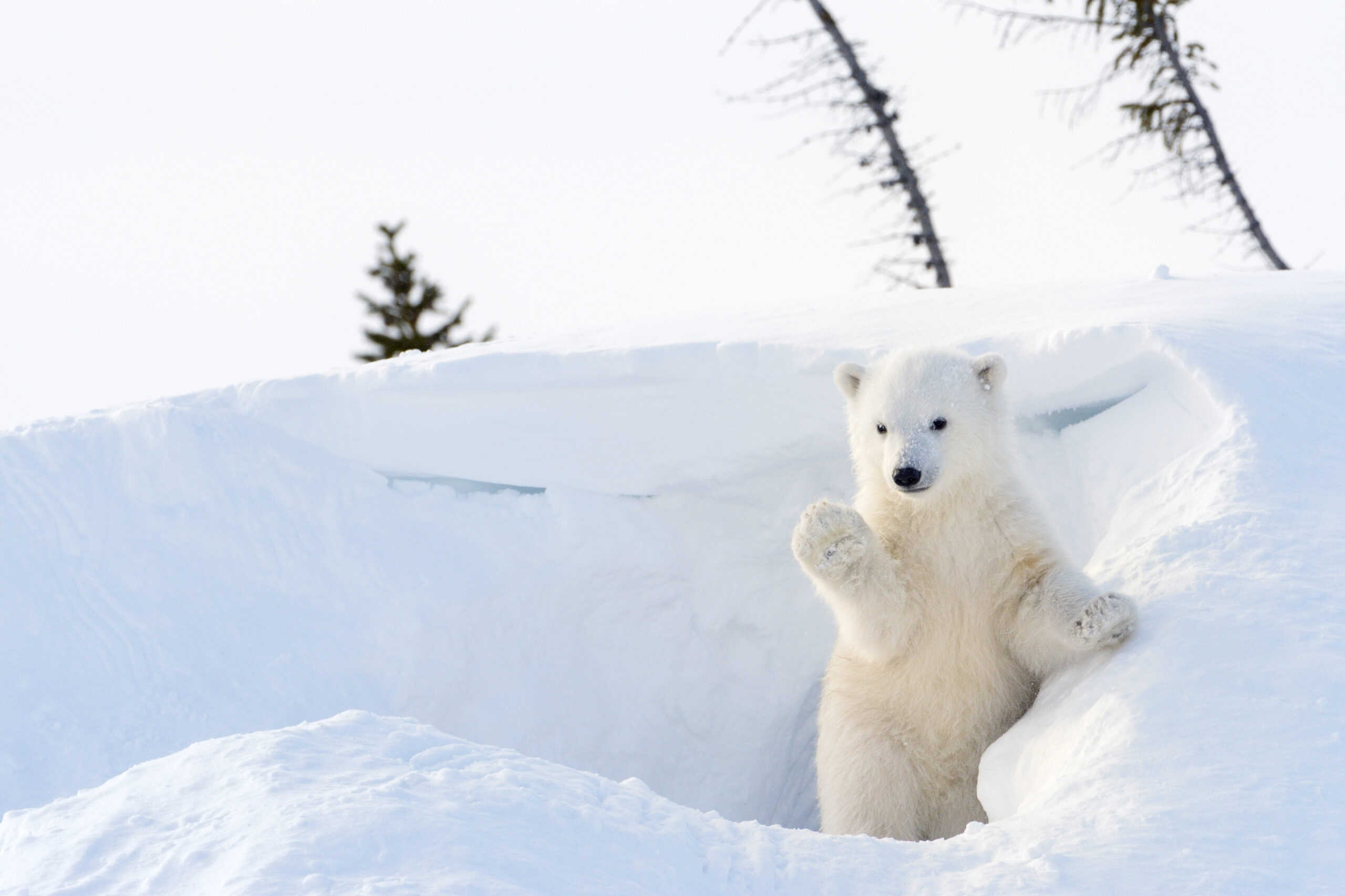
Bear cubs possess a remarkable vocalization system that helps maintain their crucial bond with their mother. When frightened, separated, or in danger, cubs emit a distinctive crying sound that immediately alerts their mother to potential threats. This high-pitched call, often described as similar to a human infant’s cry, triggers an immediate protective response from the mother bear. Cubs also communicate through a variety of other vocalizations, including grunts, moans, and humming sounds that indicate contentment or distress. Mother bears respond with their own vocalizations, creating a sophisticated communication system between parent and offspring. This vocal bond not only ensures safety but also strengthens the emotional connection between mother and cubs, demonstrating the complex social structures that exist within bear families.
6. Cubs Ride on Their Mother’s Back for Protection
One of the most heartwarming behaviors observed in bear families is cubs riding on their mother’s back. This behavior serves multiple practical purposes beyond just being adorable. When crossing rivers or lakes, small cubs might struggle with swimming long distances, so hitching a ride on mom’s back keeps them dry and conserves their energy. Additionally, this elevated position protects cubs from potential predators on the ground and helps them navigate through challenging terrain. The behavior is especially common among black bears and brown bears in wetland environments. Some wildlife biologists believe this piggyback behavior also strengthens the bond between mother and cubs while teaching the young bears about their habitat from a safe vantage point.
5. Twins and Triplets Are Common in Bear Litters
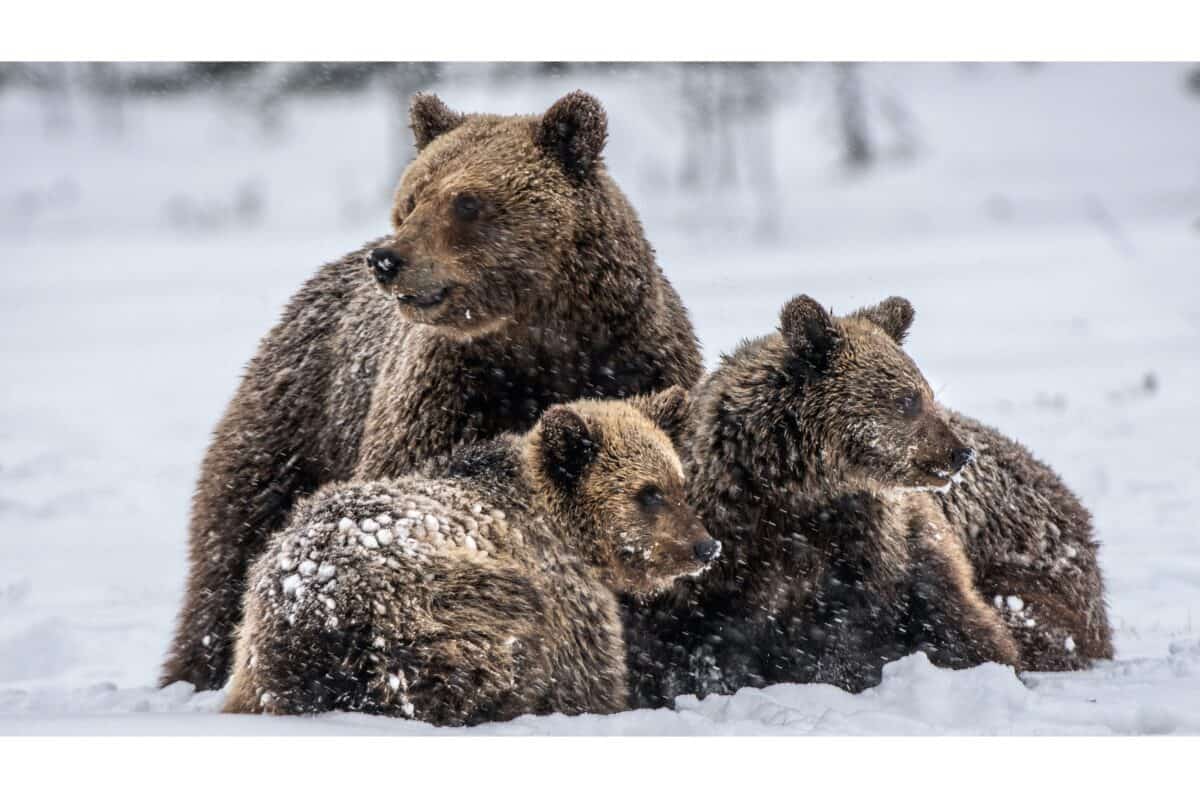
Unlike many large mammals that typically produce single offspring, bears frequently give birth to multiple cubs in a single litter. Black bears commonly have two to three cubs, while brown bears usually have two, and polar bears typically have twins. This reproductive strategy represents an evolutionary balance between quality and quantity of offspring. Having multiple cubs increases the chances that at least some will survive to adulthood, even in harsh conditions. Interestingly, bear cubs in the same litter can have different fathers—a phenomenon called multiple paternity that occurs when a female mates with several males during her breeding period. This increases genetic diversity within a single litter, potentially giving the cubs better odds of survival through varied genetic traits.
4. Cubs Have Special Milk Teeth for Nursing

Bear cubs are born with specialized milk teeth that are perfectly adapted for nursing from their mother. These deciduous teeth are sharper and more curved than their permanent teeth, allowing cubs to effectively latch onto their mother’s teats and stimulate milk flow. Bears typically nurse for 6-8 months, though they begin sampling solid food at around 3-4 months of age. Mother’s milk provides not only essential nutrients but also antibodies that boost the cubs’ immune systems. Around 5-6 months of age, cubs begin losing their milk teeth as their permanent teeth emerge—a process that continues until they’re about 1.5 years old. This transition coincides with their gradual shift to a fully solid diet, marking an important step toward independence.
3. Cubs Must Learn Critical Survival Skills Before Independence

The period cubs spend with their mother serves as an intensive wilderness survival course. Before they can succeed on their own, bear cubs must master numerous complex skills. These include identifying various food sources across seasons, developing hunting and fishing techniques, establishing territories, avoiding dangers, and understanding social hierarchies with other bears. Cubs learn to recognize predators and threats through their mother’s reactions—her alarm calls and defensive postures teach them what to fear. They must also develop specific regional knowledge, such as when salmon run in local streams or where to find nutritious plants. Cubs that are orphaned or separated from their mothers too early often struggle with these skills and have significantly lower survival rates, highlighting the critical importance of this extended learning period.
2. Bear Cubs Have an Incredible Growth Rate

The growth rate of bear cubs ranks among the most impressive in the mammal world. Starting at less than a pound at birth, black bear cubs can reach 60-70 pounds by their first birthday—increasing their body weight by approximately 60 times. This remarkable development is fueled by their mother’s extremely rich milk, which contains up to 33% fat content (compared to approximately 4% in human milk). This nutritional powerhouse allows cubs to pack on weight rapidly, particularly important for species that hibernate. Cubs gain most of this weight during the warmer months when food is plentiful, building up critical fat reserves for their first winter. By the time they reach independence at 1.5-2.5 years old, they’ve undergone one of nature’s most dramatic transformations from tiny, vulnerable newborns to capable young bears ready to face the world.
1. Cubs Have Playful Personalities and Individual Traits

Wildlife researchers and bear specialists have documented distinct personality differences among cubs, even within the same litter. Some cubs demonstrate bold, curious temperaments, being the first to explore new environments or try unfamiliar foods. Others show more cautious, observant personalities, carefully watching before engaging. These individual differences aren’t just random variations—they represent different survival strategies that might benefit cubs in various circumstances. Bold cubs might find more food resources but face greater risks, while cautious cubs might avoid dangers but potentially miss opportunities. Researchers have observed that these early personality traits often persist into adulthood, influencing each bear’s unique approach to survival challenges. This diversity of temperaments within bear populations likely provides evolutionary advantages by allowing the species to adapt to changing environments and circumstances.
Conclusion: The Wonder and Importance of Bear Cubs in Our Ecosystem

Bear cubs represent not only some of nature’s most endearing creatures but also play vital roles in their ecosystems as they grow into adults. Their journey from tiny, vulnerable newborns to powerful, independent bears showcases the remarkable adaptations that have allowed these species to survive for millions of years. Understanding the development and behavior of bear cubs helps us appreciate the complexity of wildlife and the importance of protecting natural habitats. As climate change and human development continue to threaten bear populations worldwide, conserving the wilderness areas these animals need becomes increasingly crucial. By appreciating the wonder of bear cubs, we can foster greater commitment to ensuring these magnificent animals continue to thrive for generations to come.

As a little kid, I fell in love with nature, wildlife, and animals. Living in the USA, South Africa, Italy, China and Germany gave me the opportunity to discover the world's Wildlife. My favorite animals are Mountain Gorillas, Siberian Tigers, and Great White Sharks.
I'm a certified PADI Open Water Diver, went to Everest Base Camp and Trekked Gorillas in Uganda. I hold a Master of Science in Economics and Finance.
Please send any feedback to feedback@animalsaroundtheglobe.com
- 11 Most Endangered Insects Buzzing in America Today - July 22, 2026
- 10 Most Frequently Googled Animal Birth Facts - July 22, 2026
- 10 Incredible Migration Journeys in the Animal Kingdom - July 22, 2026