

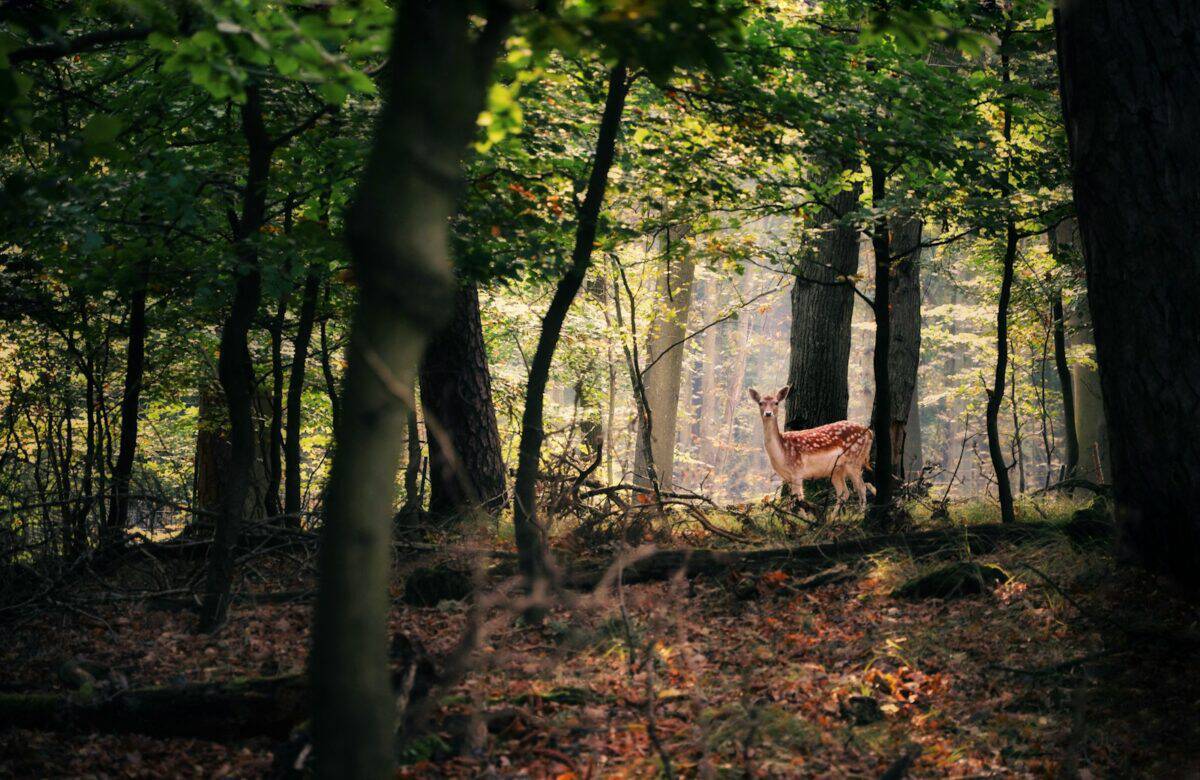
The natural world never ceases to amaze us with its hidden wonders and complex interactions. While it might seem that science has uncovered all there is to know about our planet’s ecosystems, researchers continue to make astonishing discoveries. Recently, scientists have identified 11 hidden ecosystems, each with its unique characteristics and significance. Let’s embark on a journey to explore these captivating landscapes.
11. The Subterranean Lichen Forests

Often unnoticed beneath our feet, the subterranean lichen forests are an incredible underground world persisting under rocky terrains. Harsh environmental conditions above ground drive these communities underground. This astonishing adaptability facilitates a remarkable array of life. Organisms in this ecosystem can photosynthesize using diffused light reaching minimal depths, demonstrating survival in seemingly impossible conditions.
10. Twilight Zone Coral Gardens

Beneath the shimmering surface of the ocean, coral gardens flourish in the mesophotic zone, lying between shallow reefs and the deep ocean. These ecosystems are characterized by their unique coral and fish species adapted to limited light. Spanning depths of around 30 to 150 meters, these gardens play a crucial role in marine biodiversity and offer hope for coral resilience in the face of climate change.
9. Glacier Iceworm Habitats

Inhabiting the fundamental winter landscapes, iceworm habitats are nestled within the glaciers of North America. These microscopic creatures—and thus the ecosystems they sustain—thrive in sub-zero temperatures. Iceworms possess physiological adaptations that allow them to survive in these frozen niches, making the ecosystems they form remarkable examples of life’s adaptability on Earth.
8. Acidic Crater Lakes

These vibrant ecosystems are situated in volcanic craters filled with highly acidic waters. Despite pH levels that would dissolve many life forms, microorganisms have adapted to flourish here. These ecosystems are vital for studies on extremophiles—organisms thriving in conditions once thought uninhabitable—and could hold keys to life on other planets.
7. Urban Green Roof Microbiomes

In the heart of bustling metropolises, green roofs provide more than shade and aesthetic appeal. These constructed ecosystems support diverse microbial life adapted to urban environments. As cities strive for sustainability, these ecosystems illustrate nature’s resilience and provide essential ecosystem services like pollination sites and natural cooling.
6. Ocean Anoxic Zones
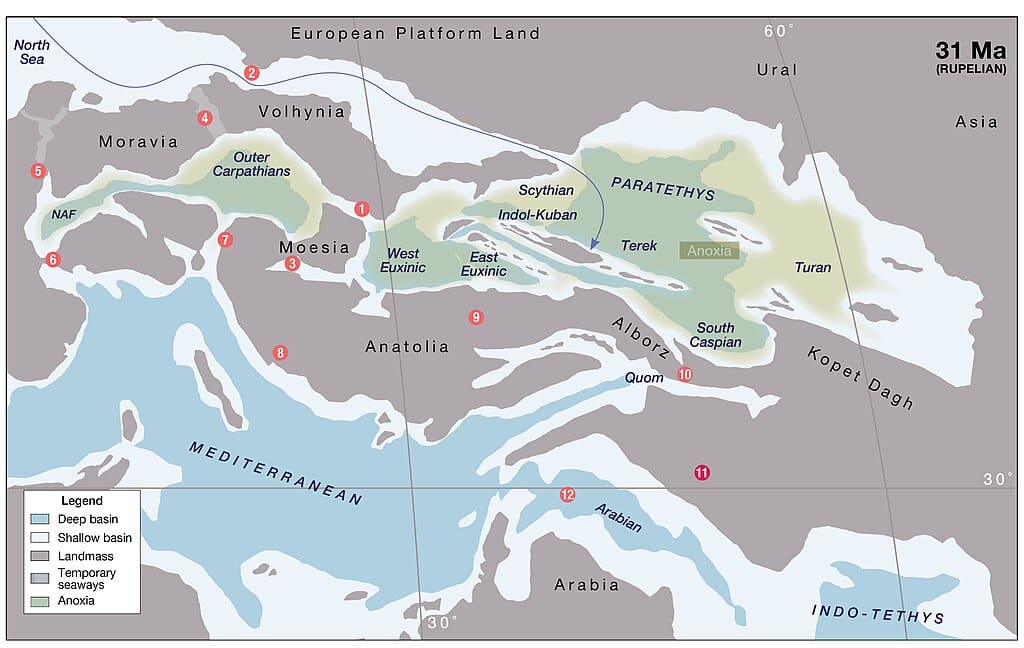
Found in isolated oceanic areas, anoxic zones lack dissolved oxygen. Despite this, life thrives through unique adaptations in energy generation without oxygen. These zones serve as a laboratory for evolution and are crucial in understanding biogeochemical cycles that regulate marine and global environments.
5. Deep-sea hydrothermal Vent Fields

Perched on the ocean floor, deep-sea hydrothermal vents host ecosystems sustained by volcanic activity. These vents spew mineral-rich water, supporting unique life forms like giant tube worms and blind shrimp. These ecosystems are integral to understanding how life might exist on celestial bodies beyond Earth, where conditions similarly diverge from the norm.
4. Steel and Rust Ecosystems
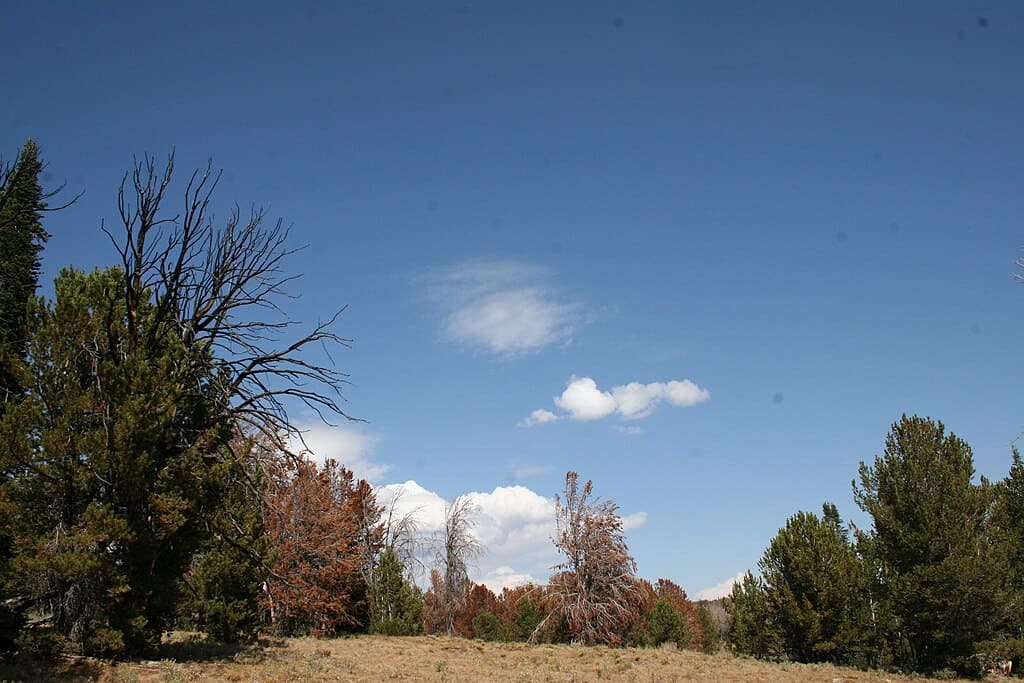
These ecosystems are a testament to life’s ability to colonize human-made structures. Bacteria thriving on the surface of submerged shipwrecks create complex communities that contribute to iron cycling in marine environments. These ecosystems spotlight the impacts of human activity on nature and offer insights into bioremediation processes.
3. Subglacial Lake Ecosystems

Deep beneath the Antarctic ice, isolated from sunlight and the outside world, lie subglacial lakes. Harboring life forms millions of years old, these ecosystems have evolved without influence from external factors. They offer a unique glimpse into evolutionary history and hold significant implications for astrobiology research.
2. Alpine Tundra Cryptobiotic Soil Crusts
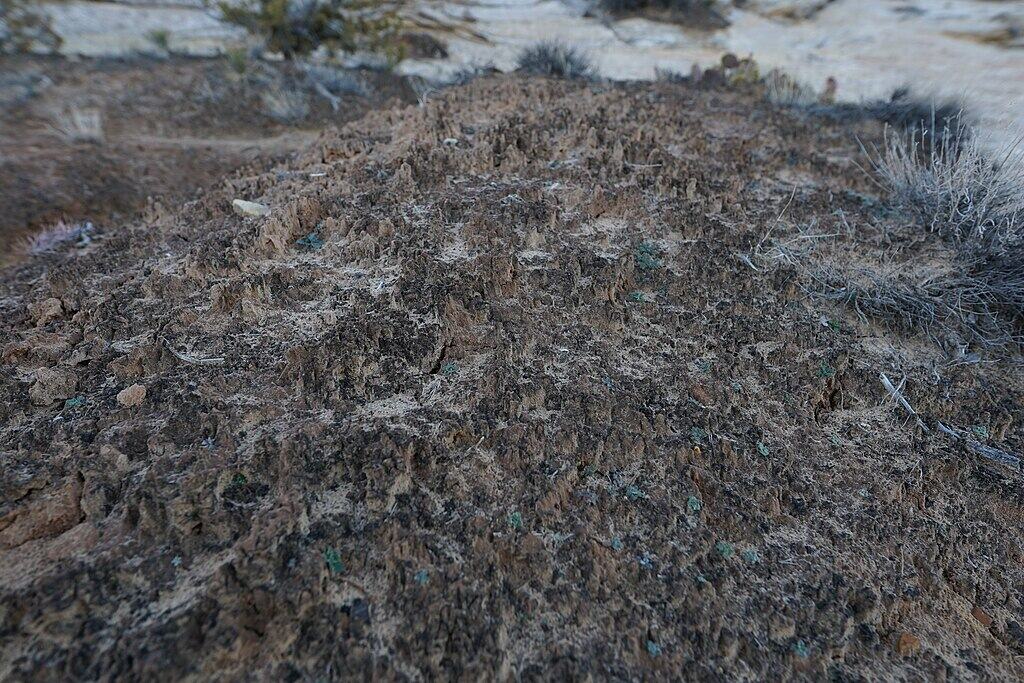
These brilliant micro-ecosystems are found in high-altitude zones, characterized by lichen, mosses, and bacteria. Despite extreme conditions, these organisms protect against erosion and play a role in nitrogen fixation, stabilizing otherwise vulnerable mountain landscapes. These crusts exemplify the complex interdependencies in seemingly barren environments.
1. Cave Staminal Pools

Caves, often considered lifeless, harbor stamp-sized pools rich with endemic life. Isolated from sunlight, the biotic communities rely on chemosynthesis. These pools host specialized species, showcasing adaptability in nutrient cycles and energy sourcing, offering a unique perspective on life in perpetual darkness.
Conclusion: Unveiling Earth’s Hidden Gems

The discovery of these 11 hidden ecosystems highlights Earth’s still-untapped mysteries and the resilience of life across diverse habitats. Each ecosystem provides invaluable insights into the adaptation, evolution, and interconnection of life forms. As we continue to explore these uncharted territories, we deepen our understanding of biological life and reinforce the value of preserving the enigmatic beauty of our planet. These findings not only expand our biological knowledge but also inspire a greater commitment to conserving and cherishing our environment’s delicate intricacies.

As a little kid, I fell in love with nature, wildlife, and animals. Living in the USA, South Africa, Italy, China and Germany gave me the opportunity to discover the world's Wildlife. My favorite animals are Mountain Gorillas, Siberian Tigers, and Great White Sharks.
I'm a certified PADI Open Water Diver, went to Everest Base Camp and Trekked Gorillas in Uganda. I hold a Master of Science in Economics and Finance.
Please send any feedback to feedback@animalsaroundtheglobe.com
- The 10 Rarest Dog Breeds Making a Comeback in America - July 19, 2026
- 13 Creatures That Survived Mass Extinctions - July 19, 2026
- 12 Pets That Are Perfect for Seniors - July 19, 2026