


Urban landscapes might conjure images of soaring skyscrapers, busy sidewalks, and bustling city life—a concrete jungle teeming with human activity. However, the natural world often finds a way to weave itself into these metropolitan ecosystems. Beyond the common pigeons and squirrels, a surprising array of animals have adapted to urban environments in the United States, becoming part of the city’s rhythm. Let’s explore these unexpected urban dwellers and uncover how they thrive amidst the hustle and bustle.
Peregrine Falcons The Fastest City-Dwellers

Peregrine falcons are renowned for their incredible speed, reaching over 240 miles per hour during steep dives. Once on the brink of extinction due to pesticide use, these raptors have made a remarkable comeback, finding new homes in city high-rises. These skyscrapers mimic their natural cliffside nesting sites, making cities like Chicago and New York perfect for their aerial hunting grounds. As they soar above city streets, peregrine falcons help control the pigeon population, showcasing a fascinating interplay between wildlife and urban infrastructure.
Eastern Cottontail Rabbits Adapting to Urban Parks
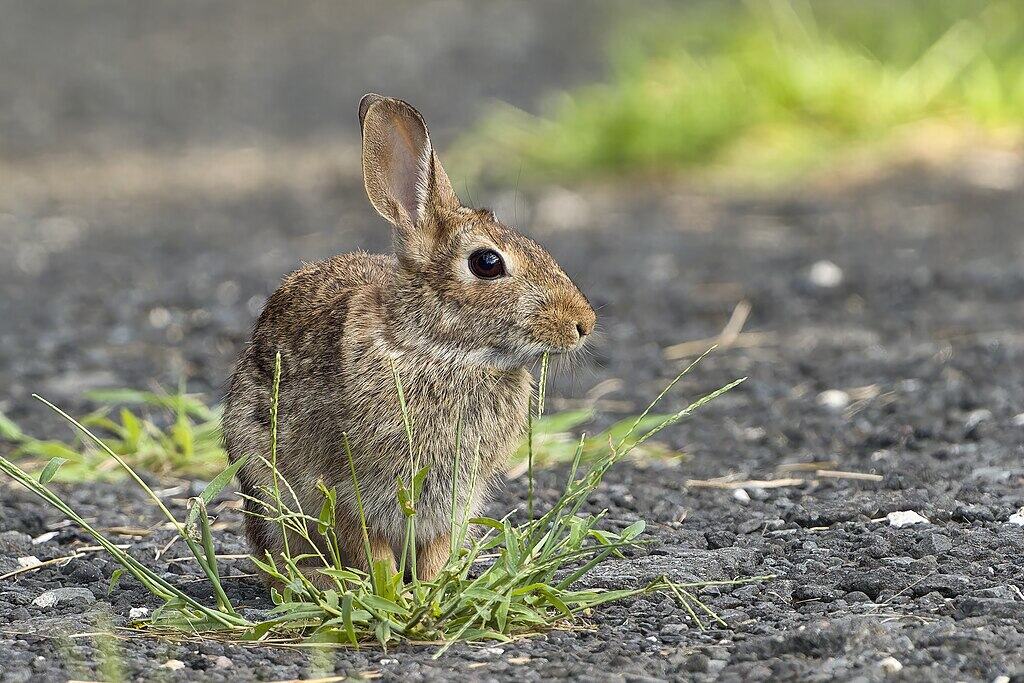
Eastern cottontail rabbits have adapted well to the green patches within cities, such as parks and gardens. With their distinctive cotton-ball tails and alert, twitching ears, these rabbits graze on grass and low plants, primarily active during dawn and dusk. Their prolific breeding habits ensure their presence across urban landscapes, where they often become a delightful sight for city-dwellers seeking a touch of nature.
Coyotes The Stealthy Survivors

Coyotes are highly adaptable creatures that have expanded their range into urban settings across the U.S. Often spotted during evening hours, these omnivorous canines navigate alleyways, parks, and even suburban backyards in search of food. Their role in controlling rodent populations benefits urban ecology, though they occasionally create challenges in neighborhoods. Despite potential conflicts, coyotes remain a resilient testament to wildlife’s ability to adapt to city life.
Bats Nighttime Insect Controllers
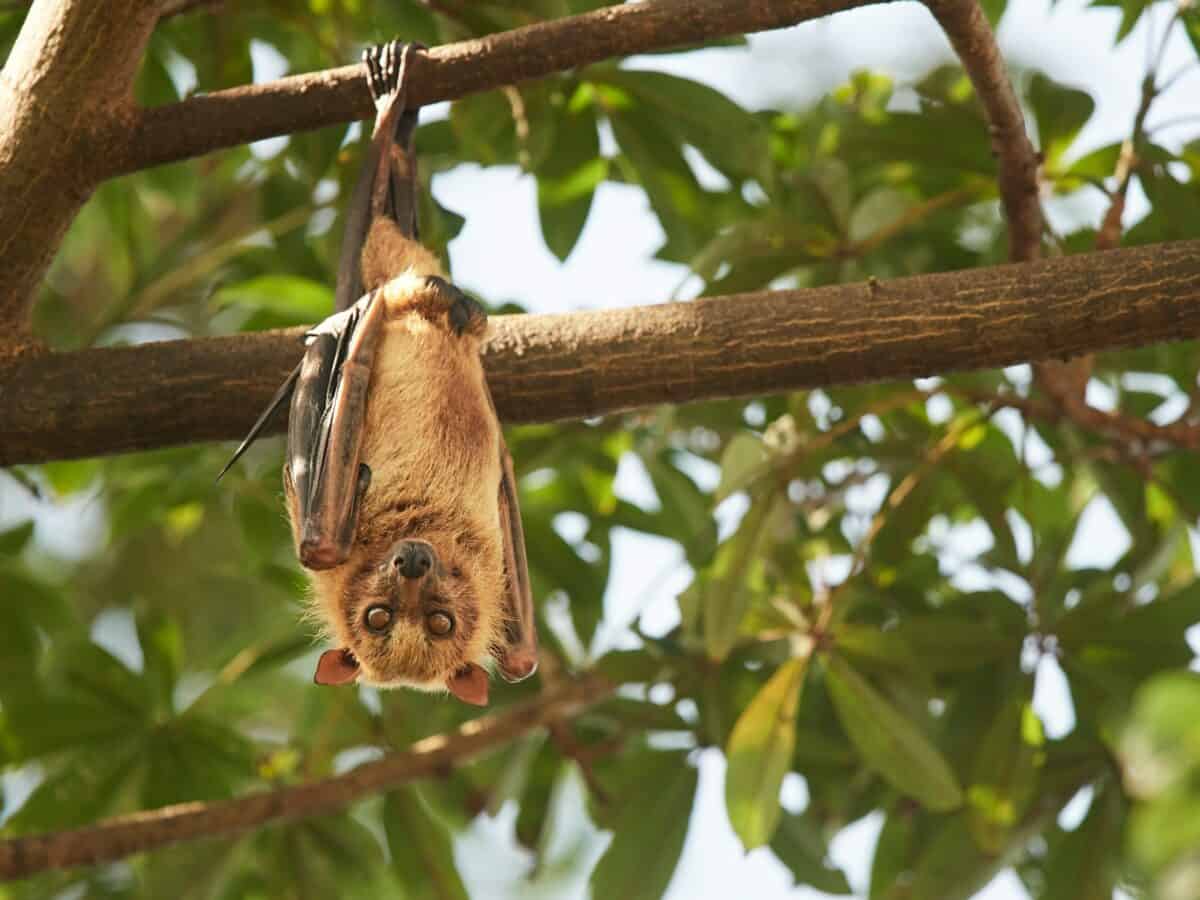
Beyond their spooky reputation, bats are essential urban residents, providing invaluable pest control by feasting on insects. Cities have become welcoming habitats for various bat species, thanks to the abundance of food and suitable roosting sites like under bridges and in old buildings. Their nocturnal lifestyle and echolocation skills make them formidable insect hunters, contributing to the ecological health of urban areas.
Red Foxes Urban Explorers

Red foxes have adapted to the urban environment with their clever and inquisitive nature. Using their keen sense of smell and hearing, they scavenge for food in parks, alleys, and dumpsters. Typically wary of human activity, these resourceful creatures tend to go unnoticed, even as they live near city residents. Their presence highlights the complex relationships between urban ecosystems and wildlife.
Turtles From Ponds to Potholes
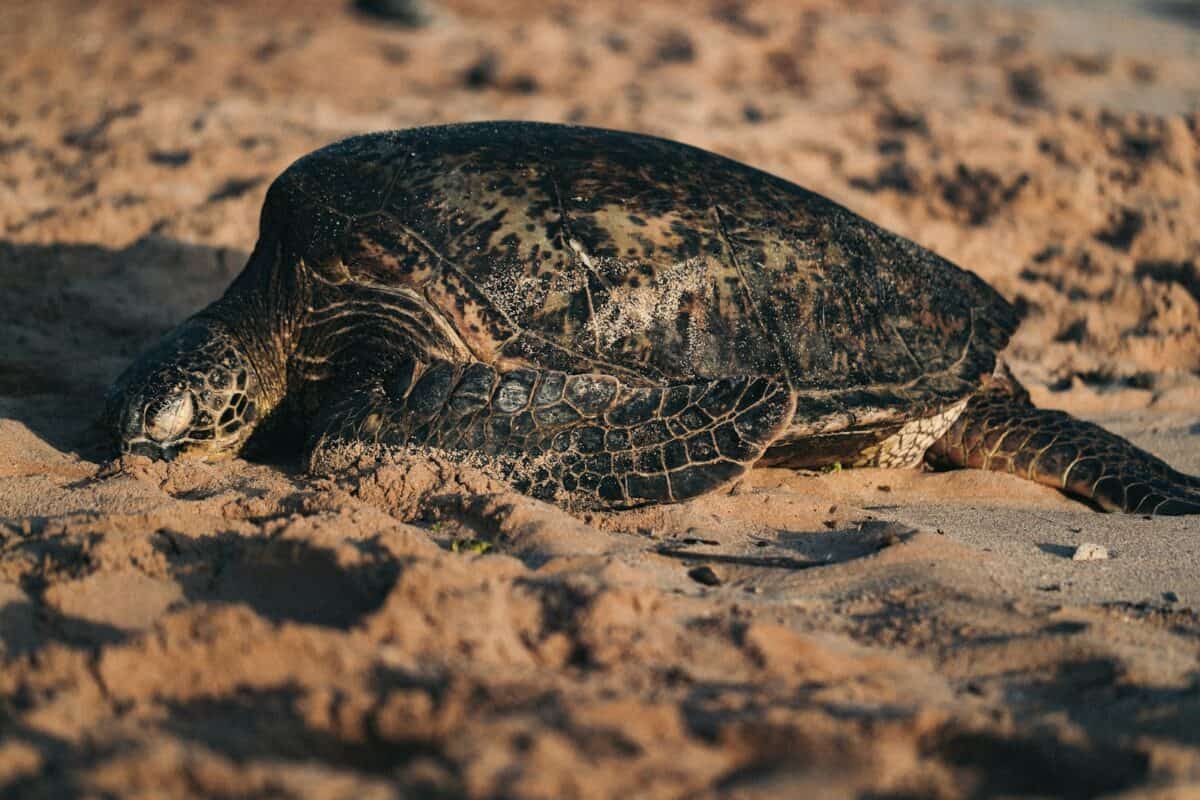
Turtles might not be the first animals that come to mind in urban settings, yet these reptiles are surprisingly common in city parks and waterways. Species such as the red-eared slider and snapping turtle inhabit urban ponds and lakes, sometimes venturing into unexpected areas during nesting season. Their slow but steady adaptation underscores the diverse wildlife that can find a foothold amid urban development.
Opossums The Nighttime Wanderers

Known for their “playing dead” tactic, opossums are North America’s only marsupials and proficient urban survivors. These nocturnal creatures scavenge for food, often rummaging through trash or hunting pests like cockroaches and rats. With their immunity to snake venom and resistance to rabies, opossums are ideally suited for life in the urban wilds, contributing to the balance of city ecosystems.
Monk Parakeets The Colorful City Dwellers

Native to South America, the monk parakeet has established colonies in several U.S. cities, particularly on the East Coast. These vibrant green birds build large, communal nests in trees and on human structures, thriving in cities thanks to a lack of predators and a mild climate. Their social nature and adaptability make them a lively addition to the urban biodiversity scene.
Raccoons The Urban Bandits
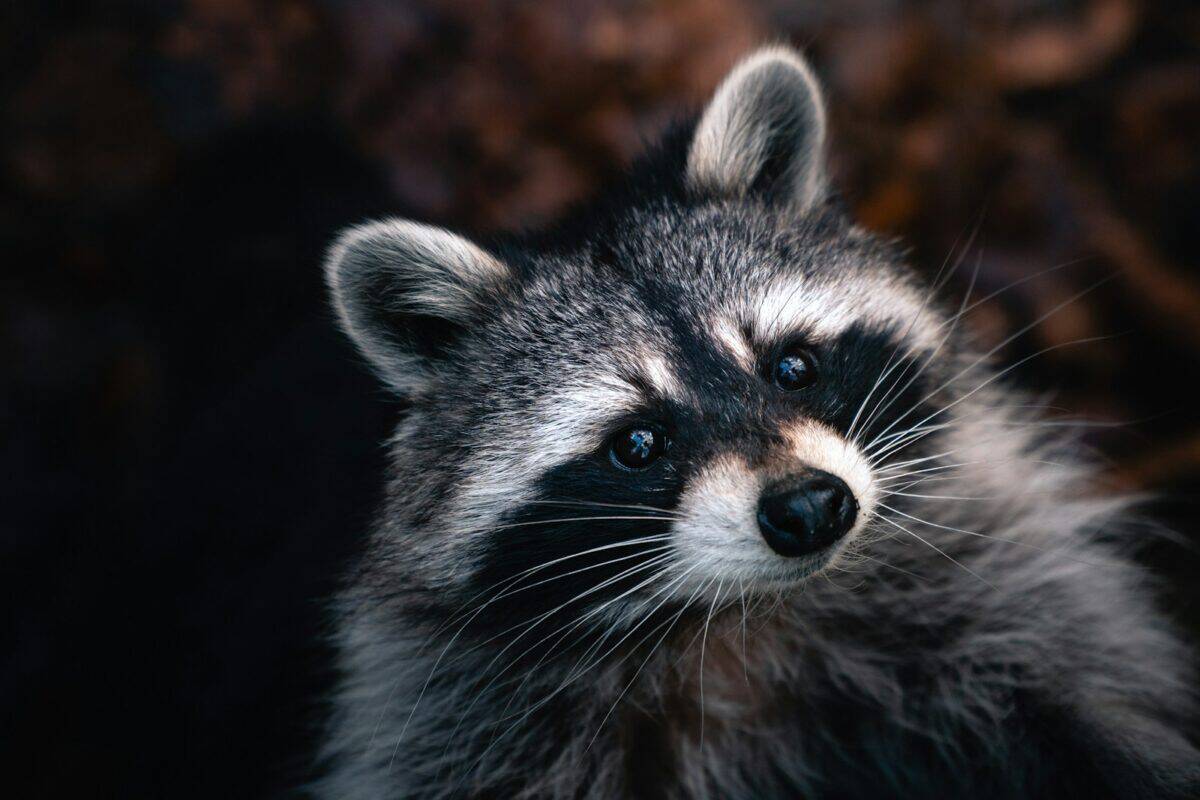
Raccoons, with their masked faces and dexterous paws, have become synonymous with urban wildlife. Highly adaptable, they thrive in cities where they scavenge for food in trash bins and storm drains. Their problem-solving skills and intelligence allow them to exploit urban resources, making them both a charming and sometimes challenging presence in urban neighborhoods.
Urban Owls Silent Hunters
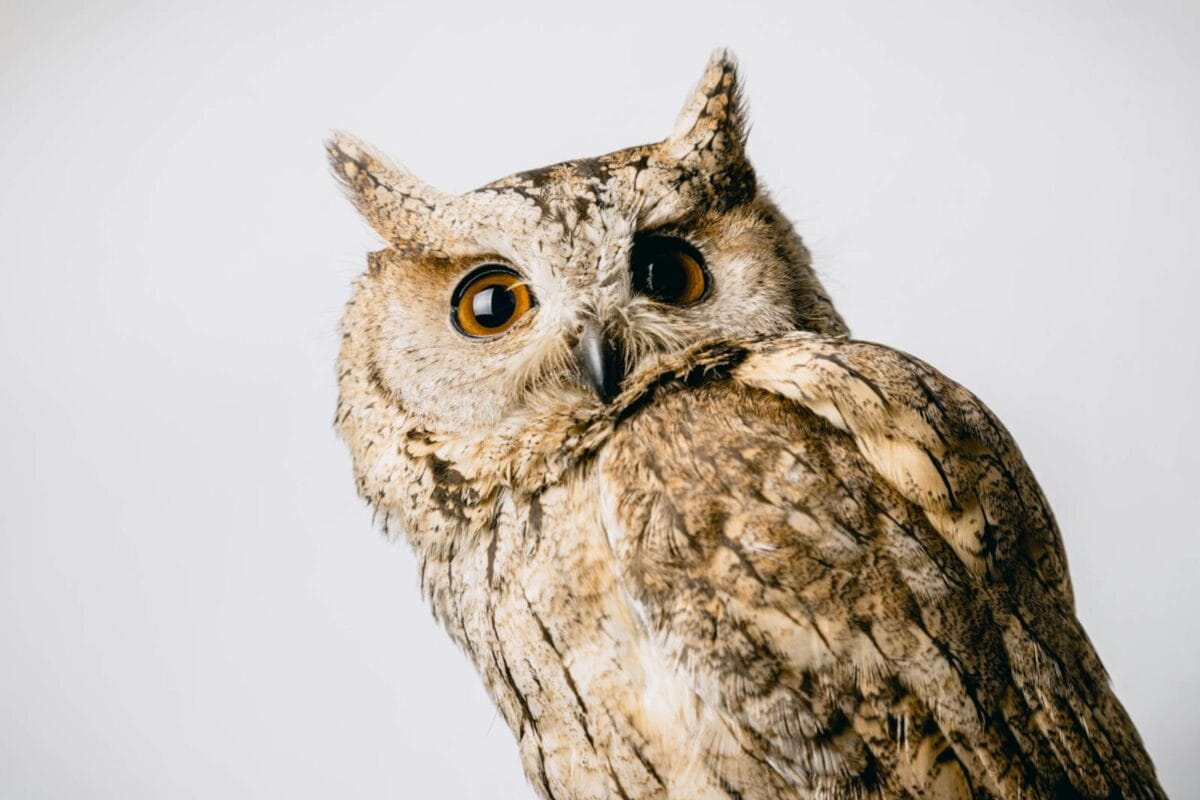
Owls, including species like the great horned owl and the barn owl, have taken to the city skies, hunting rodents and smaller birds. These stealthy predators make their homes in parks, cemeteries, and even on the ledges of tall buildings. Their presence contributes to the natural order, controlling rodent populations and adding a mysterious allure to the nocturnal urban environment.
Beavers Nature’s Engineers in the City
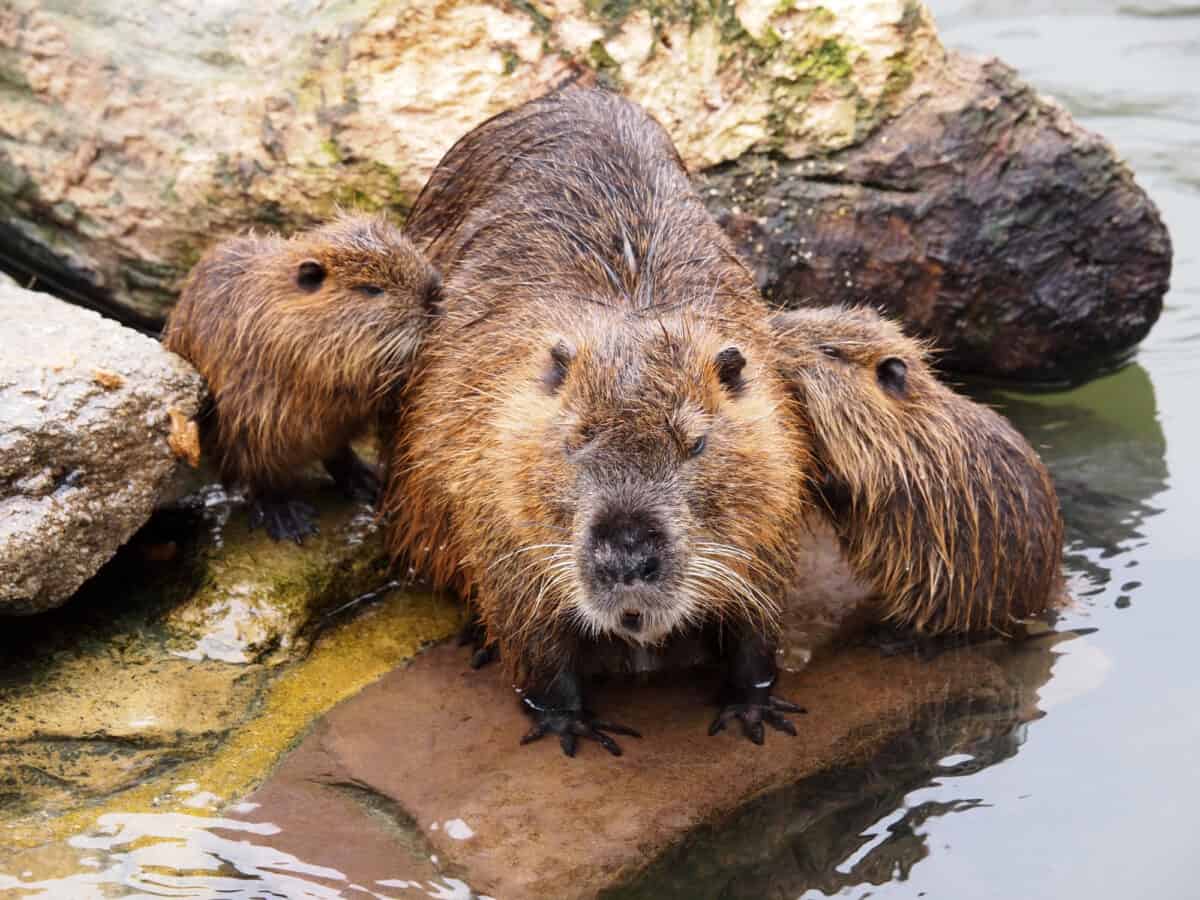
Beavers are surprisingly adept at urban life, often setting up lodges in city rivers and streams. Their engineering skills create wetland habitats that support diverse aquatic ecosystems. While their dam-building might sometimes clash with human infrastructure, beavers play a crucial ecological role, illustrating the dynamic balance between urban development and nature.
Conclusion: Embracing Urban Wildlife

The presence of these unexpected urban animals highlights nature’s resilience and adaptability. As cities expand, understanding and fostering coexistence with wildlife becomes essential for sustainable urban development. By embracing and supporting urban wildlife habitats, we not only enrich city ecosystems but also foster a deeper connection between people and the natural world that thrives alongside them.

As a little kid, I fell in love with nature, wildlife, and animals. Living in the USA, South Africa, Italy, China and Germany gave me the opportunity to discover the world's Wildlife. My favorite animals are Mountain Gorillas, Siberian Tigers, and Great White Sharks.
I'm a certified PADI Open Water Diver, went to Everest Base Camp and Trekked Gorillas in Uganda. I hold a Master of Science in Economics and Finance.
Please send any feedback to feedback@animalsaroundtheglobe.com
- 8 Expert Tips on Avoiding Alligator Encounters in Your Backyard - July 17, 2026
- 12 Most Playful Dog Breeds That Never Grow Up - July 17, 2026
- The Mystery Behind These Strange Deep-Sea Noises - July 17, 2026
Leave a comment
You must be logged in to post a comment.