
Worried about unexpected vet bills?
Pet insurance can cover thousands in unexpected vet costs. Get a free quote from Lemonade in under 2 minutes.
Get My Free Quote →Sponsored · Opens Lemonade.com
Native American cultures have long lived in deep harmony with the animal kingdom, understanding that every creature carries sacred wisdom and spiritual power. These magnificent animals weren’t just seen as resources for survival, but as teachers, protectors, and spiritual guides who offered profound lessons about life, death, courage, and the interconnectedness of all beings.
Each animal symbol holds layers of meaning that go far beyond what we might first recognize, carrying ancient knowledge passed down through oral traditions and ceremonial practices. These symbols continue to inspire and guide people today, offering wisdom about how to live with respect, strength, and spiritual awareness.
The Horse: Sacred Partnership and Healing Power
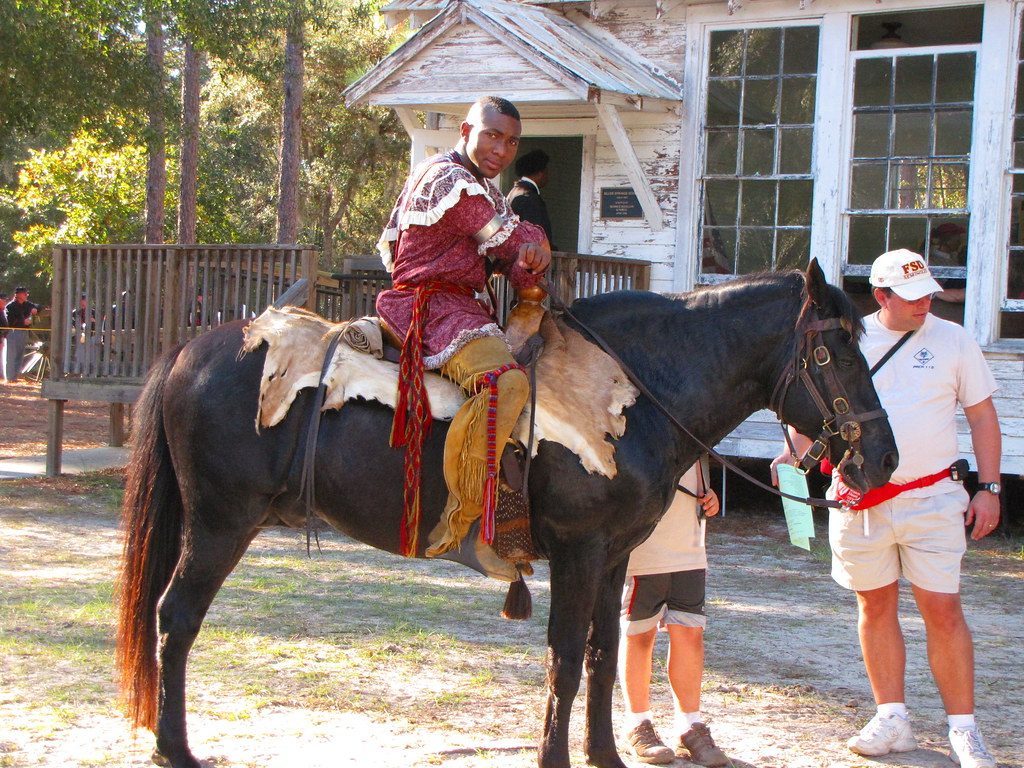
After horses were introduced by European colonizers in the 16th century, many Native American tribes came to view horses as symbols of healing, strength, and deep emotional intelligence that transcended the physical world. For Native Americans, horses approach the sacred – respected as partners in life, symbols of freedom, and carriers of tradition.
Regardless, the horse is sacred to Native Americans and is viewed as an equal. “Horses are not viewed as animals by our people. The colonial view is to call them animals. Your relationship with your horse reflects this ancient understanding when you observe how they respond to your emotions and energy before you even approach their stall.
The meaning of the Horse symbol goes beyond its physical attributes. It serves as a testament to mobility, stamina, strength, and power. Some tribes revered the horse to such an extent that it also symbolized values like loyalty, love, and unwavering devotion.
The Eagle: Messenger Between Worlds
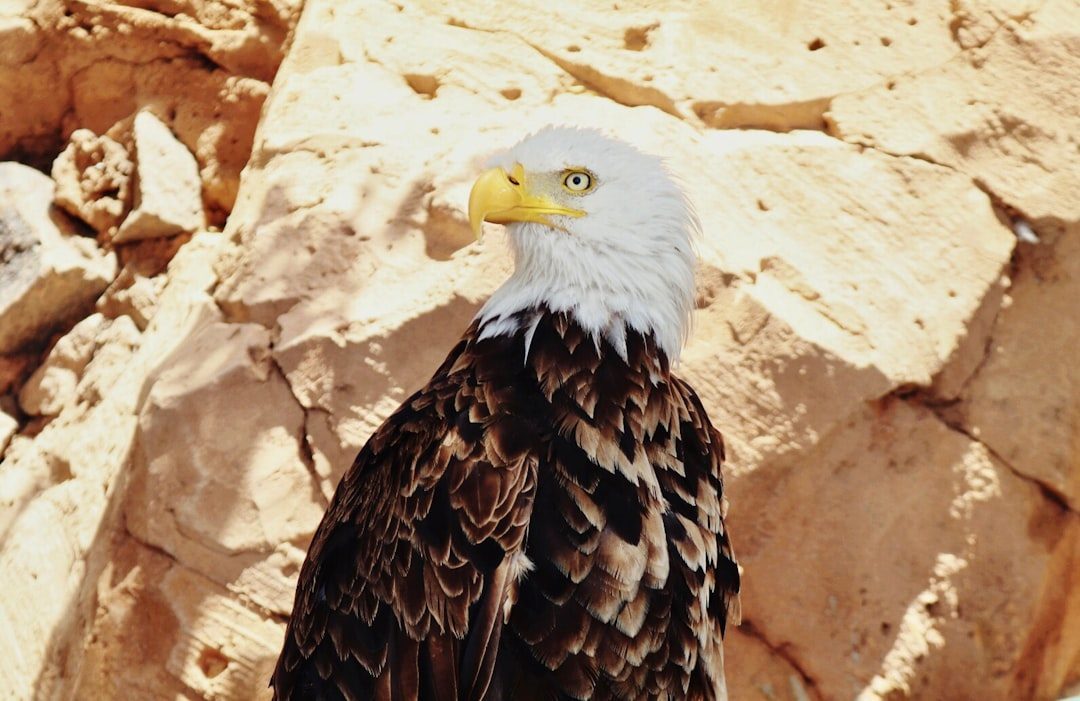
The eagle is one of the most sacred animals in Native American culture, symbolizing a connection to the Great Spirit. Eagles fly high above the earth, acting as messengers between the physical and spiritual worlds. When you see an eagle soaring overhead, many Native traditions teach that it carries prayers upward and brings back divine guidance.
In most native tribes, the eagle stood for spiritual protection, as well as strength, courage, and wisdom. The eagle is the power animal closest to the Creator. It symbolizes wisdom and has a special and direct connection to the creator. Eagles mate for life and are therefore also seen as a symbol of lasting love and dedication.
Their feathers are used in ceremonies as symbols of honor and divine wisdom. This is why finding an eagle feather is considered an extraordinary blessing in Native American culture.
The Wolf: Teacher of Loyalty and Pack Wisdom
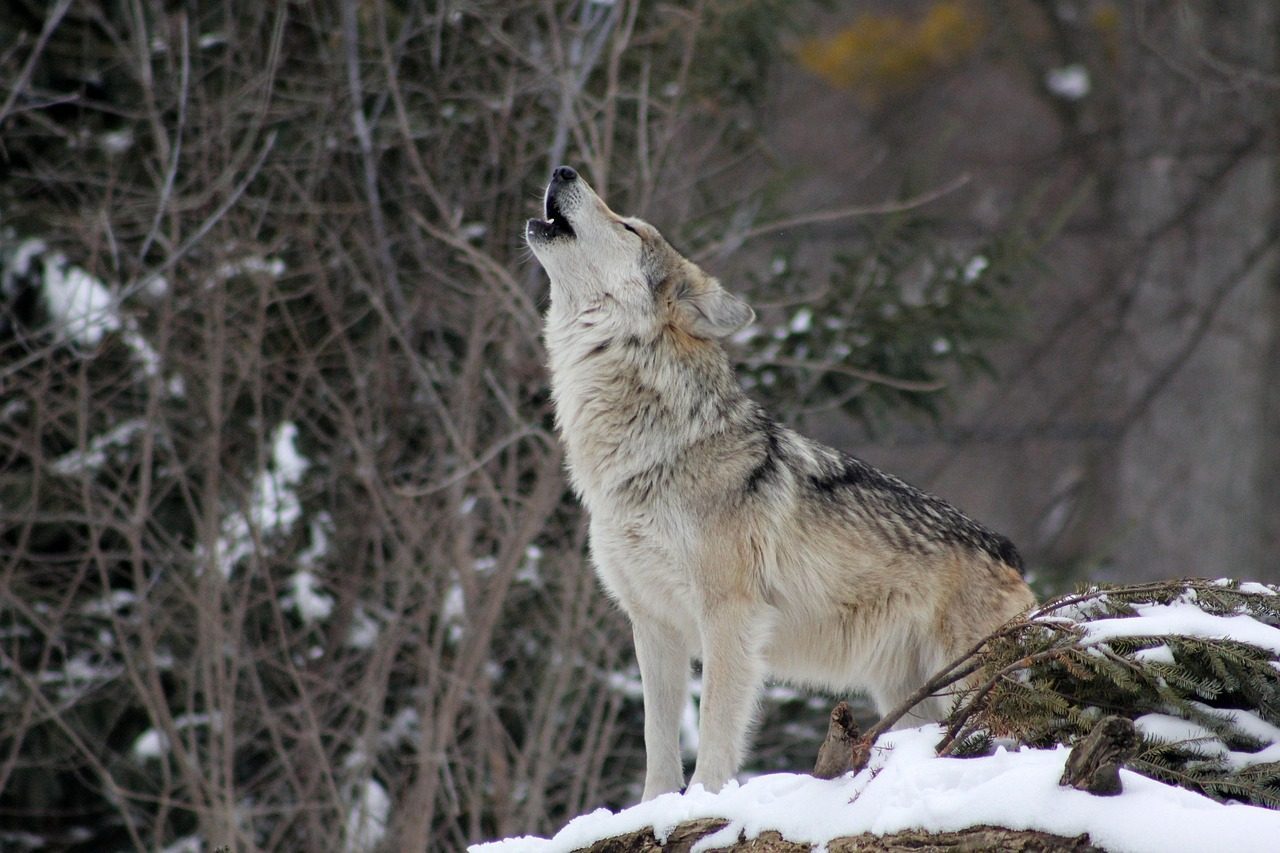
In many cultures worldwide, the wolf is a symbol of strength, loyalty, and freedom. For Native American tribes, the wolf holds a particularly revered place. These magnificent animals are not just part of the natural landscape but also central to spiritual and cultural beliefs.
In Native American culture, a totem is an animal spirit that guides and protects individuals or groups. The wolf totem embodies traits such as intelligence, courage, and social connection. Those who identify with the wolf totem are believed to possess strong instincts and keen insight. Think about how wolves hunt together and protect their pack, this teaches us about the importance of community and working together.
Wolf: The wolf is a powerful symbol of loyalty, intelligence, and guardianship. It represents the importance of family and working together as a pack to achieve goals.
The Bear: Guardian of Medicine and Healing
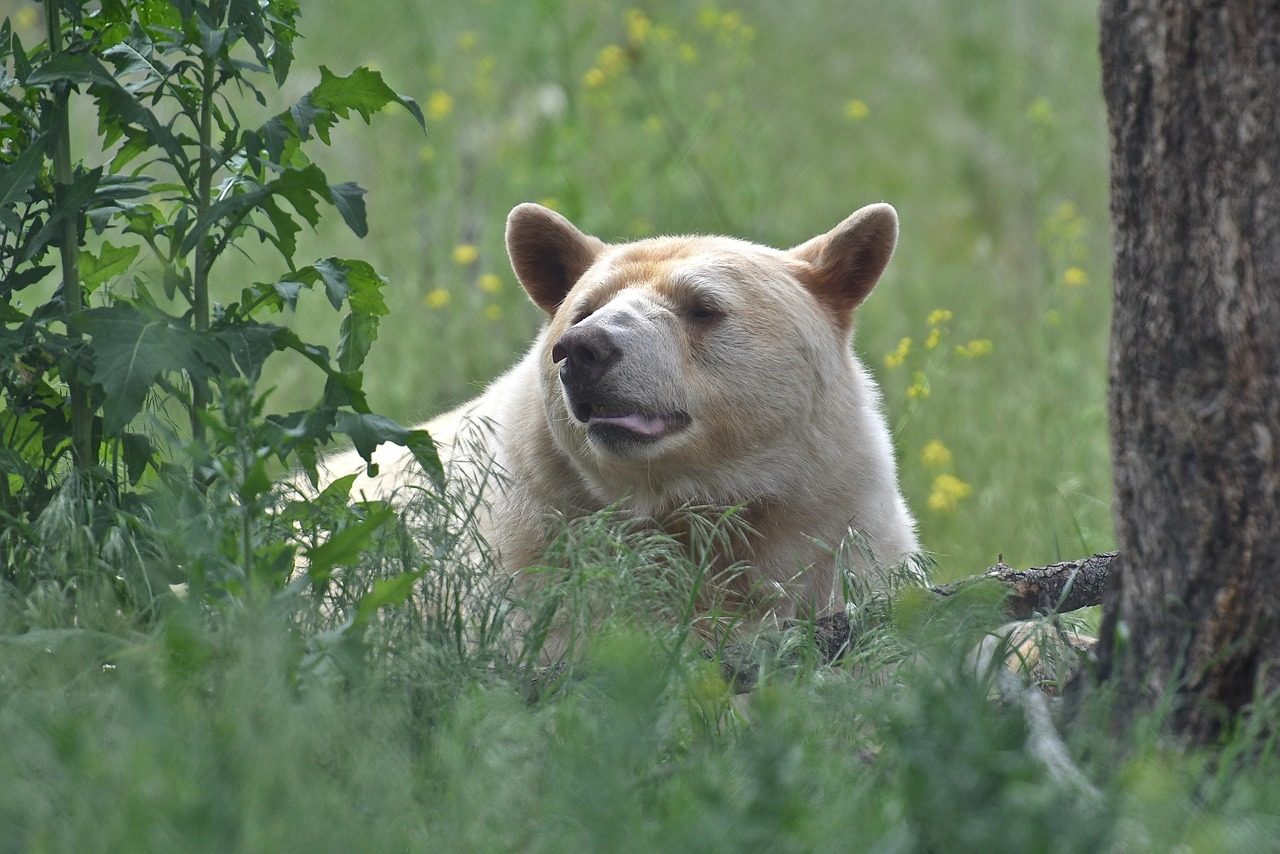
Another powerful symbol in Native American culture is the bear. Bears are revered for their immense strength and considered spiritual guides that offer protection and healing. They represent courage, resilience, and the ability to overcome adversity. Native Americans believe that bears possess great wisdom and have the power to heal both physical and spiritual ailments.
Many healing traditions connect to bear energy, as bears instinctively know which plants cure ailments. The mother bear’s fierce protection of her cubs represents the spiritual warrior aspect that defends what’s precious without hesitation. When you see a bear in the wild, remember that they’re teaching us about standing our ground when protecting what matters most.
The bear symbolizes the importance of solitude and introspection. It teaches us to slow down, take time for ourselves, and reconnect with our inner selves and the natural world around us.
The Turtle: Foundation of Mother Earth
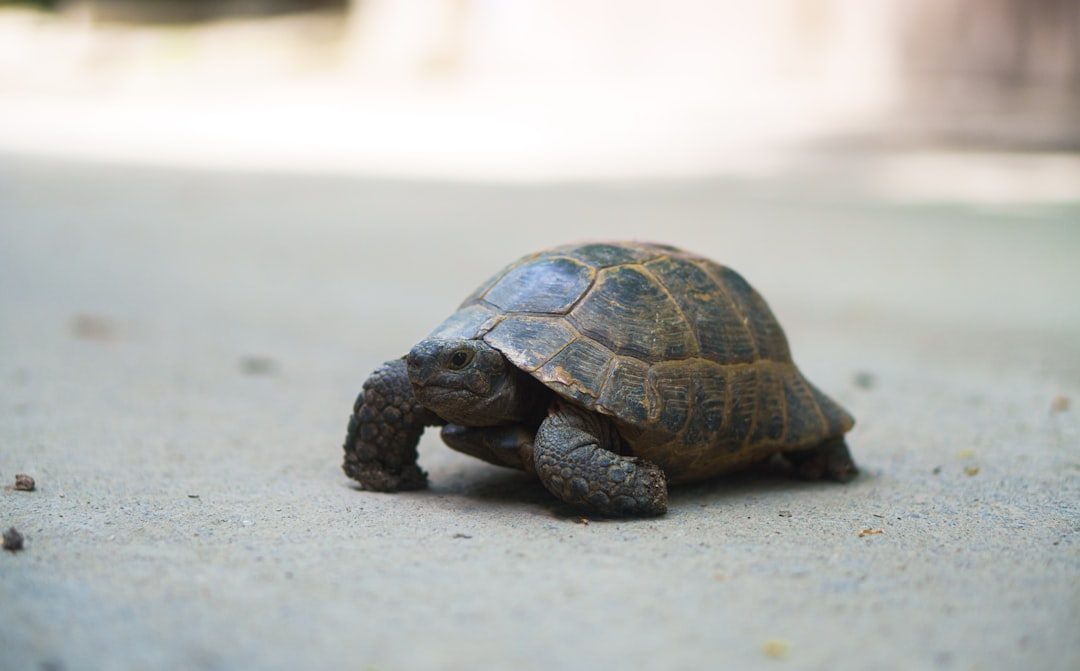
Across many Native American creation stories, Turtle plays a foundational role as the being who carries the earth on its back. “Turtle Island” remains a traditional name for North America in many tribal communities, reflecting this ancient understanding. The turtle, kéya is a sacred figure in Lakota symbolism as it represents Mother Earth. The spirit of the kéya represents the guardian of life, longevity, and fortitude.
Turtle medicine teaches patience, longevity, and steady persistence. When you’re feeling rushed or overwhelmed, remember the turtle’s wisdom of taking things slowly but steadily.
The thirteen sections on many turtle shells connect to lunar cycles and the thirteen moons of a solar year in many tribal calendars. This makes turtle a keeper of time and seasonal wisdom. Turtle energy encourages us to ground ourselves in present reality while honoring ancient histories.
The Buffalo: Sacred Provider and Abundance
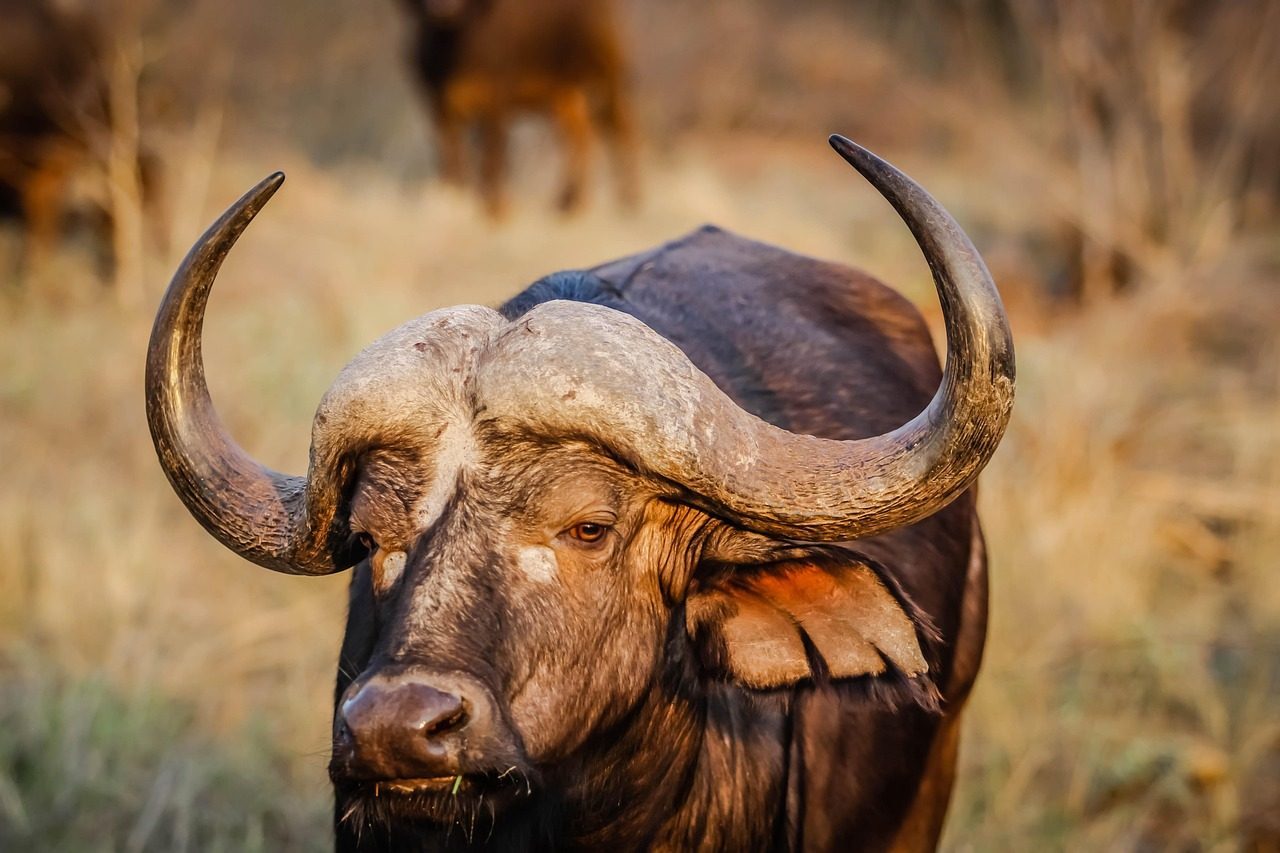
To Native Americans, the Bison or American Buffalo was a symbol of sacred life and abundance. The American Buffalo or Bison is a symbol of abundance and manifestation. The buffalo is a symbol of prosperity, strength, and sacred life. Tribes such as the Lakota and Cheyenne honor the buffalo as a provider, offering food, clothing, and shelter. The buffalo teaches gratitude and respect for all that is given.
Buffalo ceremonies honored the sacrifice these beings made for human survival. Every part of the buffalo was used with prayers of gratitude, from meat for food to hides for shelter to bones for tools. This waste-free approach reflected deep spiritual understanding of honoring life’s gifts. This teaches modern horse owners about showing respect and gratitude for everything our horses give us.
The Owl: Keeper of Ancient Wisdom
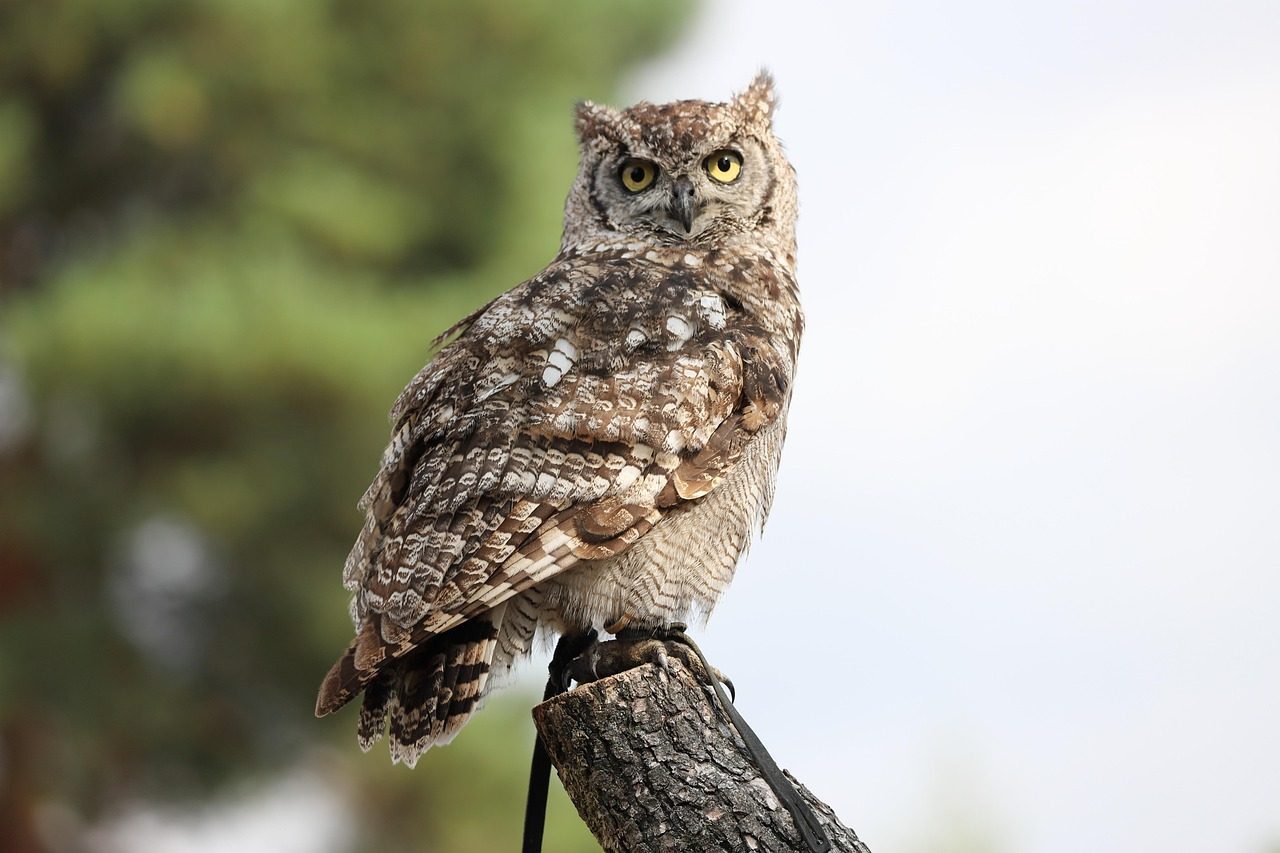
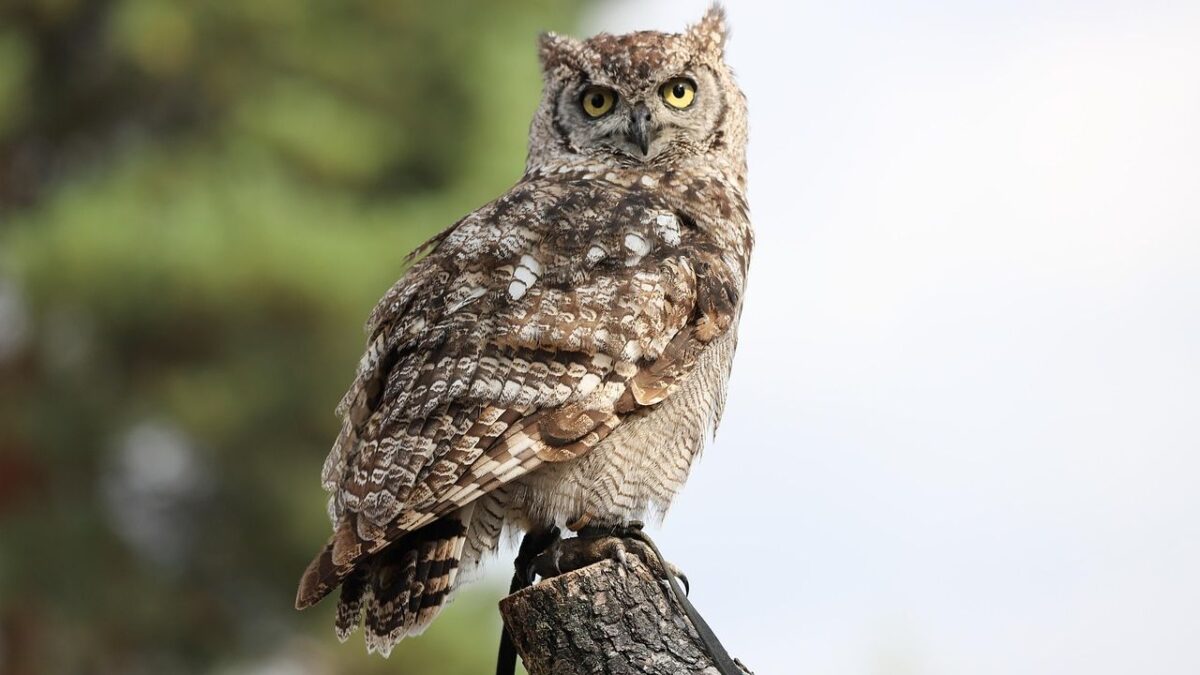
Owls are often associated with wisdom and mystery in Native American folklore. As a nocturnal creature, the owl is thought to have the ability to see what others cannot, making it a symbol of clarity and insight. It can serve as a guide through dark times, imparting wisdom and unveiling hidden truths.
The Owl is associated with the souls of deceased ancestors and are viewed with high respect. They symbolize wisdom, intuition and prophecies and sacred knowledge. However, the owl carries complex meanings across different tribes.
Holy men or holy women among many tribes frequently sought out spiritual help from real owls in their healing practices. The holy people believed that the owl had very soft and gentle ways, similar to the softness of an owl’s feather, and these ways were taught to them in the healing ways. Therefore, whenever owl feathers were worn by an individual, it often meant that they were a medicine person with healing abilities.
The Raven: Bringer of Transformation
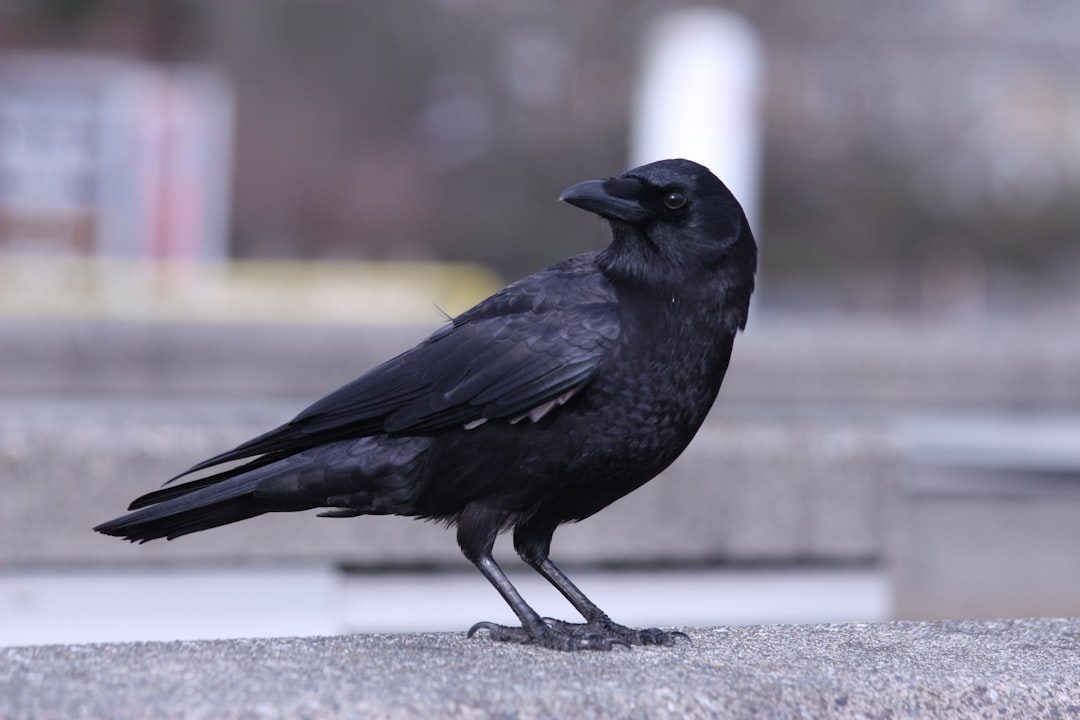
The raven is a fascinating spirit animal, often associated with transformation and change. In many cultures, ravens are seen as messengers and protectors, able to navigate the spirit world. The raven’s presence can signal a time of change or transformation, encouraging individuals to explore the mysteries of life and embrace new possibilities.
The Raven symbol signifies that danger has passed and that good luck would follow. When ravens appear around your barn or pastures, some traditions see this as a positive sign of protection.
Trickster figures like Coyote and Raven hold special significance in Native American spiritual traditions. Unlike European concepts of tricksters as merely mischievous, Indigenous tricksters serve profound spiritual purposes – challenging rigid thinking, introducing necessary chaos that leads to growth, and teaching through humorous reversal. Coyote predominates in Southwestern and Plains traditions, while Raven appears more frequently in Northwestern tribal stories. Both bring transformative gifts to humanity, often through seemingly foolish or disruptive actions that ultimately reveal deeper wisdom.
The Deer: Grace and Gentle Strength
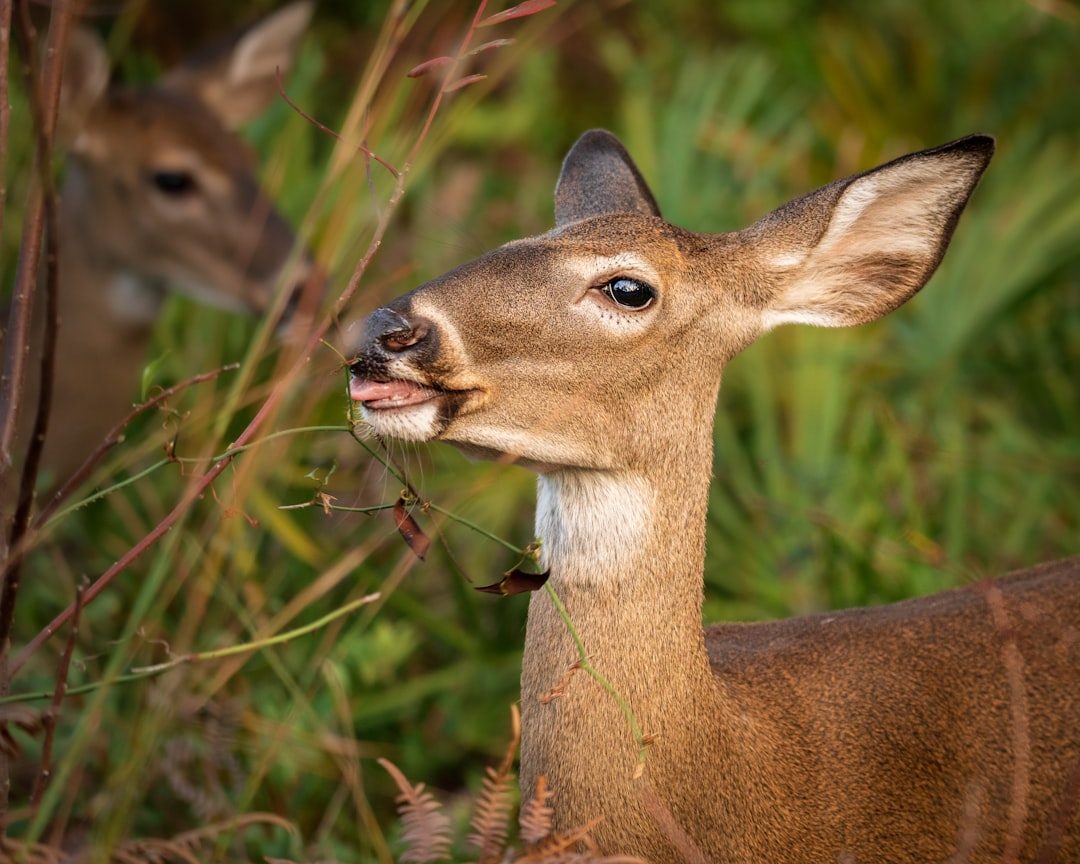
The deer symbolizes gentleness, grace, and compassion. In many Native American traditions, the deer is seen as a peaceful creature, embodying the virtue of kindness. It serves as a reminder to approach life with love and understanding, encouraging individuals to move through the world with a quiet strength and steadiness.
When deer visit your property, they bring teachings about moving gracefully through challenges without losing your gentle nature. Their alertness and ability to sense danger remind us to stay aware while maintaining our peaceful disposition.
The deer’s connection to the forest and open meadows teaches us about finding balance between shelter and openness, much like how horses need both the security of shelter and the freedom of pasture.
The Coyote: Sacred Trickster and Teacher
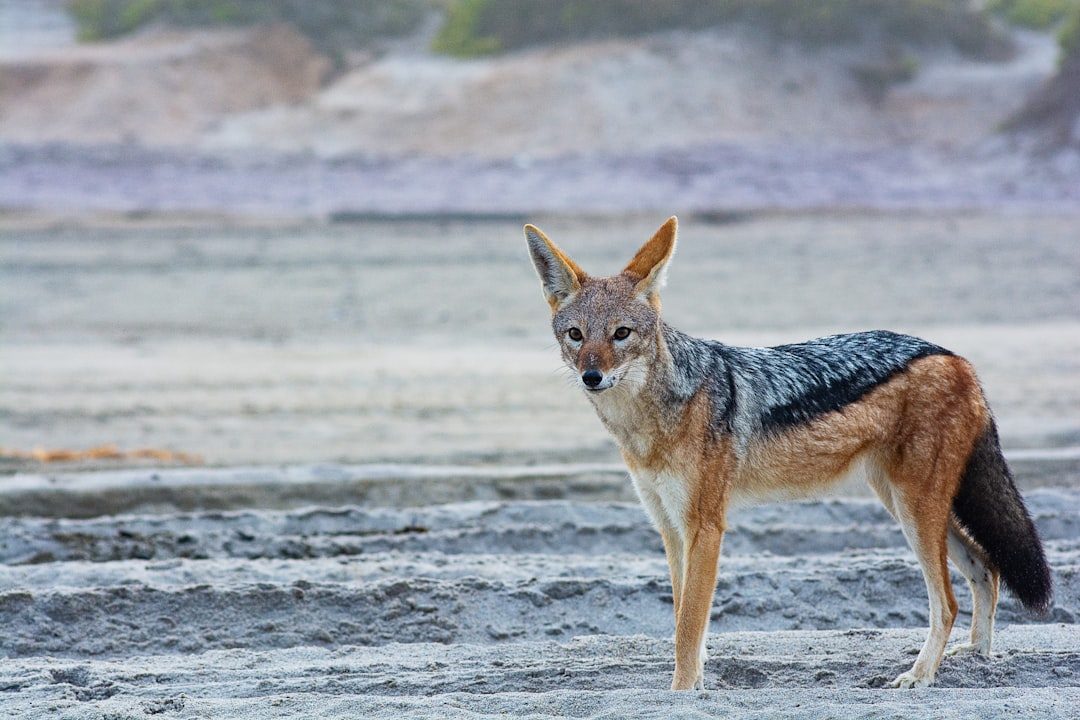
Coyote plays the role of the trickster in many Native American stories. While often associated with mischief and deception, the coyote also embodies adaptability and intelligence. As a spirit animal, the coyote encourages individuals to find humor in life’s challenges and to embrace change as a transformative process.
In many tribal myths, the coyote is a trickster figure who teaches through mischief and humor. When coyotes appear near your horse facility, they’re reminding you to stay alert and adaptable to changing situations.
Coyotes teach us that sometimes the most important lessons come through unexpected or challenging experiences. Their survival skills in both wild and urban environments show us the importance of flexibility and resourcefulness in caring for our horses.
The Snake: Symbol of Renewal and Medicine
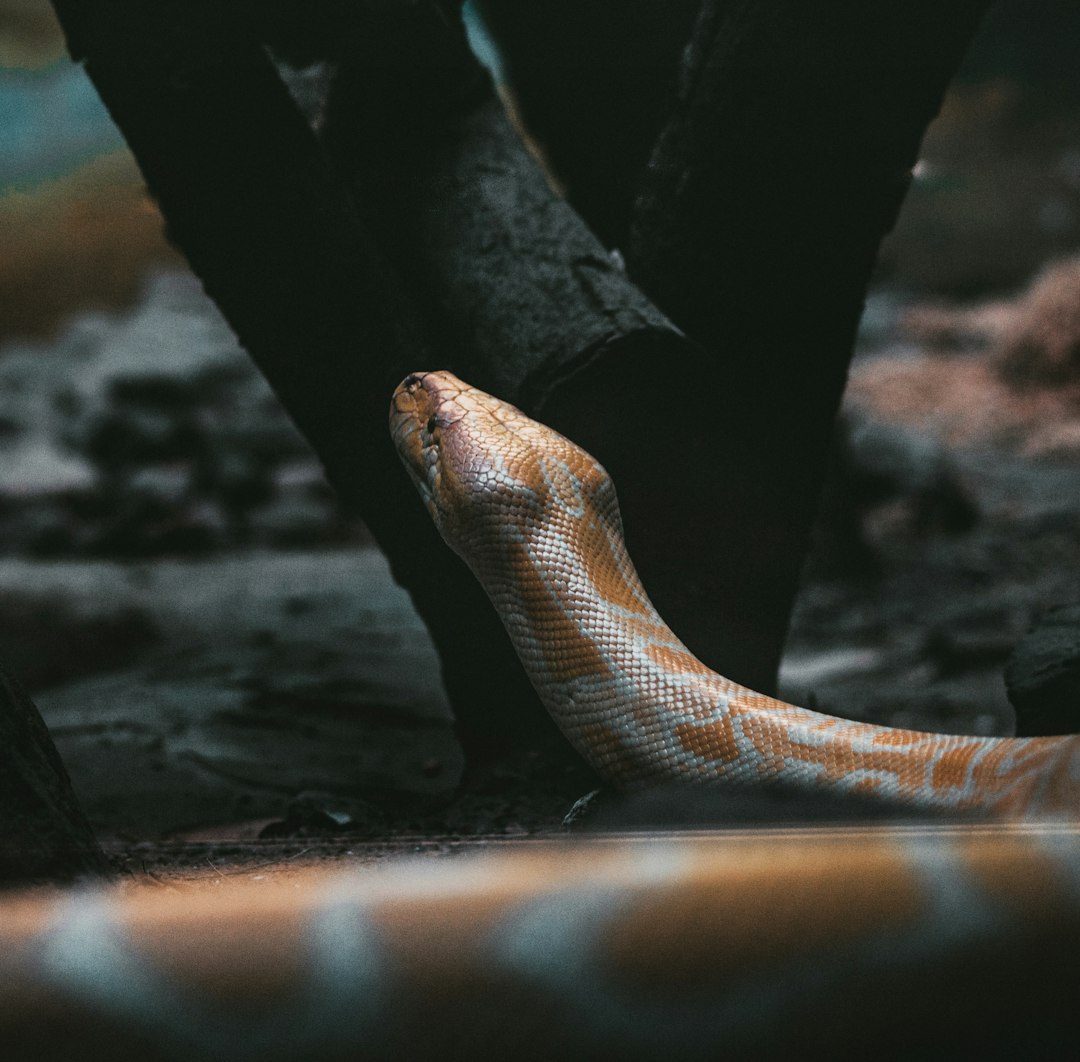
The snake is associated with transformation and healing. As it sheds its skin, it symbolizes renewal and personal growth. Some tribes see the snake as a guardian of sacred knowledge and medicine. In Native American symbolism, the snake is often associated with the cycle of life, death, and rebirth. Its ability to shed its skin is seen as a metaphor for transformation and renewal. As a spirit animal, the snake teaches the importance of personal growth and embracing change, encouraging an adaptive and resilient spirit.
For horse owners, the snake’s medicine teaches us about letting go of old patterns that no longer serve us or our horses. Just as snakes shed their skin to grow, we must sometimes shed old training methods or care practices to embrace better approaches.
The snake’s connection to earth energy also reminds us to stay grounded and connected to natural healing practices when caring for our horses.
Conclusion
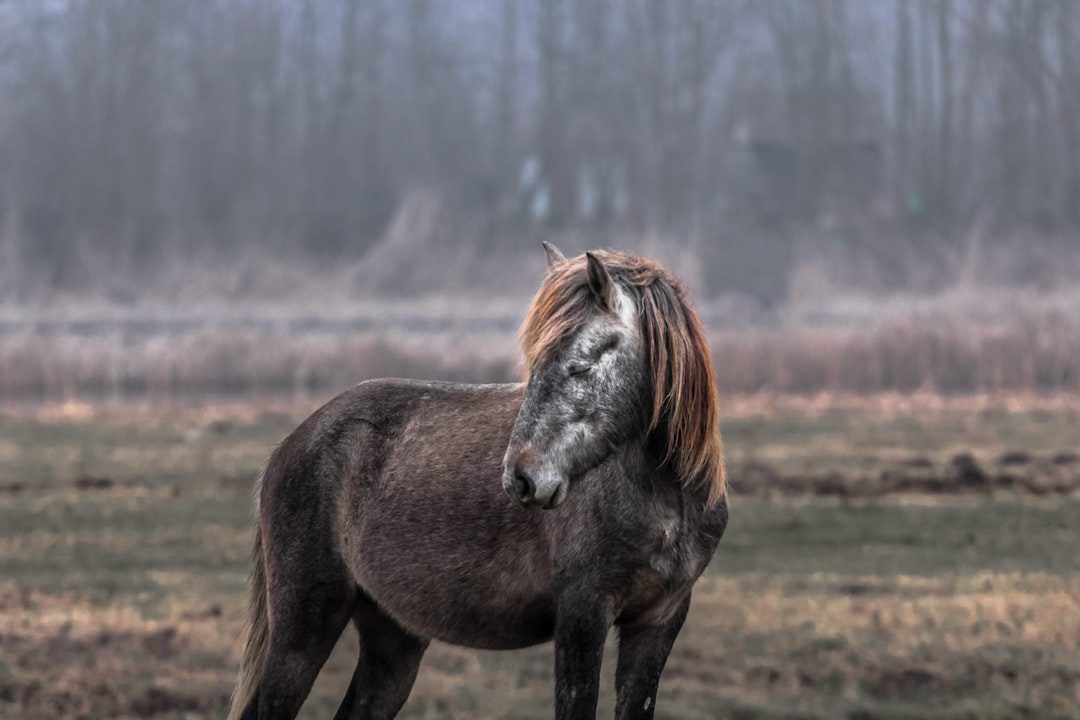
These eleven sacred animal symbols offer profound wisdom that extends far beyond ancient traditions into our modern relationships with horses and the natural world. Each animal represents unique characteristics and teachings, offering wisdom and protection to those who seek their guidance. Through their movements, behaviors, and characteristics, they serve as messengers between humans and the spiritual realm.
When we honor these teachings, we develop deeper connections not only with our horses but with all of creation. The horse, standing at the center of these relationships, reminds us that we are part of something much larger than ourselves. These animal spirits continue to guide us toward more respectful, conscious, and spiritually aware ways of living and caring for the magnificent creatures in our lives.
What animal symbol resonates most deeply with your own journey as a horse lover? Tell us about your experiences in the comments below.
Worried about unexpected vet bills?
Pet insurance can cover thousands in unexpected vet costs. Get a free quote from Lemonade in under 2 minutes.
Get My Free Quote →Sponsored · Opens Lemonade.com
