


In the animal kingdom, predator-prey relationships are typically envisioned with large, powerful hunters taking down smaller targets. However, nature has numerous fascinating exceptions where predators successfully hunt and consume prey significantly larger than themselves. These remarkable creatures employ specialized hunting techniques, potent weapons, or cooperative strategies to overcome their size disadvantage. From tiny parasitoid wasps to relatively small pack hunters like wolves, these predators demonstrate that in the evolutionary arms race, size isn’t always the determining factor. Let’s explore thirteen extraordinary examples of predators that routinely tackle prey much larger than themselves, showcasing nature’s ingenious solutions to the challenges of survival.
Praying Mantis The Ambush Specialist

Praying mantises are among the most impressive small predators, capable of taking down prey several times their size. These remarkable insects, typically measuring 2-5 inches in length, have been documented capturing and consuming birds, lizards, frogs, and even small snakes. Their success lies in their specialized front legs, which feature sharp spines that lock around prey in a vise-like grip. The mantis strikes with astonishing speed—their attack motion can be completed in just 50-70 milliseconds, making them one of the fastest predators in the insect world.
What makes mantises particularly formidable is their patience and camouflage. They remain motionless for hours, blending with their surroundings until prey comes within striking distance. Once captured, the mantis uses its powerful mandibles to consume its prey alive, often beginning with the neck area to quickly disable larger victims. Their ability to rotate their triangular heads nearly 180 degrees gives them an exceptional field of vision, allowing them to track potential meals while remaining perfectly still. This combination of speed, strength, and stealth enables these relatively small insects to routinely overcome prey that would seem to have every advantage.
Tarantula Hawk Wasp The Flying Giant-Killer

The tarantula hawk wasp presents one of the most dramatic size mismatches in the predator-prey relationship. These wasps, measuring 2 inches at most, routinely hunt tarantula spiders that can be several times their weight and size. The female wasp doesn’t consume the tarantula herself but uses it as living food storage for her offspring in one of nature’s most macabre reproductive strategies. Armed with one of the most painful insect stings known to science—rated as a “4+” on the Schmidt Pain Index and described as “like being hit by a running hair dryer while taking a shower”—the wasp has the perfect weapon for subduing its massive prey.
The hunting process is remarkable for its precision. The wasp locates a tarantula, delivers a perfectly placed sting to the spider’s underside, paralyzing but not killing it. The wasp then drags the immobilized spider—sometimes over distances exceeding a hundred feet—to a prepared burrow. There, she lays a single egg on the spider’s abdomen and seals the chamber. When the larva hatches, it feeds carefully on the still-living tarantula, consuming non-vital organs first to keep its food fresh. This brutal but highly effective strategy allows a relatively small predator to provide an enormous food supply for its offspring, demonstrating an evolutionary solution that overcomes the wasp’s size disadvantage through specialized weapons and behavior.
Amazonian Giant Centipede The Venomous Hunter

The Amazonian giant centipede (Scolopendra gigantea) is one of the most formidable invertebrate predators, regularly tackling prey much larger than its already impressive 12-inch body. These arthropods have been documented capturing and consuming bats, lizards, frogs, mice, small birds, and even snakes. Their hunting prowess comes from a combination of speed, agility, powerful front legs modified into venomous fangs called forcipules, and a complex venom containing a cocktail of toxins that can rapidly immobilize vertebrate prey.
What makes these centipedes particularly remarkable is their hunting technique. In cave systems of Venezuela and other parts of South America, they’ve been observed hanging from cave ceilings by their back legs, using their front body segments to snatch bats out of the air as they fly past. The centipede’s venom acts quickly, causing paralysis and death, allowing it to consume prey that outweighs it several times over. Their ability to scale vertical surfaces and even hunt successfully in water adds to their versatility as predators. Despite lacking the specialized sensory organs of many predators, they use sensitive antennae and vibration detection to locate prey in the dark environments they inhabit, making them effective hunters despite their relatively small size compared to many of their vertebrate targets.
Margay The Lightweight Jungle Acrobat

The margay (Leopardus wiedii) represents a fascinating case of a smaller predator specializing in prey that can exceed its own size. Weighing just 6-9 pounds, this small spotted wild cat of Central and South America routinely hunts larger prey like agoutis, pacas, and monkeys—animals that can weigh up to 15 pounds. What the margay lacks in size, it makes up for with extraordinary agility and specialized adaptations for arboreal hunting. It possesses uniquely flexible ankle joints that can rotate 180 degrees, allowing it to run head-first down trees, hang from branches by one paw, and maneuver through the canopy with unmatched precision.
Perhaps most remarkable is the margay’s hunting intelligence. It has been documented mimicking the calls of baby monkeys to lure curious adult monkeys within striking distance—one of the few confirmed cases of vocal mimicry used as a hunting strategy in wild cats. This combination of physical adaptation and cognitive hunting techniques allows the margay to access prey that would otherwise be protected by the complex three-dimensional environment of the rainforest canopy. Their ability to move silently through trees and strike from above gives them a critical advantage when hunting animals that would otherwise have a weight advantage in a direct confrontation. The margay exemplifies how specialized adaptations and hunting strategies can overcome size disadvantages in predator-prey relationships.
Harris’s Hawk The Cooperative Desert Hunter

Harris’s hawks (Parabuteo unicinctus) demonstrate that cooperative hunting can allow relatively small predators to take down disproportionately large prey. Weighing just 1.5-2.5 pounds, these raptors regularly hunt jackrabbits and cottontails that can weigh as much as they do, and occasionally target prey as large as young deer and peccaries that significantly outweigh them. What makes these hawks remarkable is their unique social hunting strategy—they are the only raptors known to hunt in coordinated groups, employing tactics similar to wolf packs.
A hunting party of Harris’s hawks will use a combination of techniques to overcome larger prey. Some hawks will flush prey from cover while others wait in ambush positions. They’ve been observed using “stack” formations where hawks literally stand on each other’s backs to gain better vantage points, and they employ relay chase tactics where different birds take turns pursuing prey to prevent exhaustion. This level of cooperation allows them to target animals that would be impossible for a single hawk to subdue. Researchers have found that groups of Harris’s hawks are significantly more successful at catching larger prey than individuals, with groups of three being optimal for hunting efficiency. This social hunting adaptation demonstrates how behavioral strategies can effectively overcome size limitations, allowing relatively small predators to regularly capture prey that outweighs them.
Leopard The Weight-Class Defying Big Cat

Leopards (Panthera pardus) routinely hunt and kill prey that significantly outweigh them, making them remarkable examples of predators that punch above their weight class. An adult male leopard typically weighs between 80-165 pounds, yet they regularly take down prey weighing 300-500 pounds, including large antelopes, adult warthogs, and even young giraffes or buffaloes. Their success with outsized prey comes from a perfect combination of stealth, explosive strength, and specialized hunting techniques. Unlike many big cats that target the throat, leopards often employ a killing bite to the back of the neck, severing the spinal cord and instantly immobilizing even large prey.
What truly sets leopards apart is their incredible pound-for-pound strength and adaptability. They possess perhaps the most impressive feat among big cats—the ability to hoist prey items heavier than themselves into trees to prevent scavenging by other predators. A leopard can drag carcasses weighing more than twice its own body weight up vertical tree trunks, using pure muscular power. This tree-caching behavior is critical in areas where they compete with lions and hyenas. Leopards have been documented dragging 220-pound antelope carcasses up trees. Their success with large prey across diverse habitats from rainforests to deserts illustrates how specialized hunting techniques and extraordinary physical adaptations can allow a predator to regularly overcome substantial size disadvantages in pursuit of substantial meals.
Wolverine The Pound-for-Pound Champion

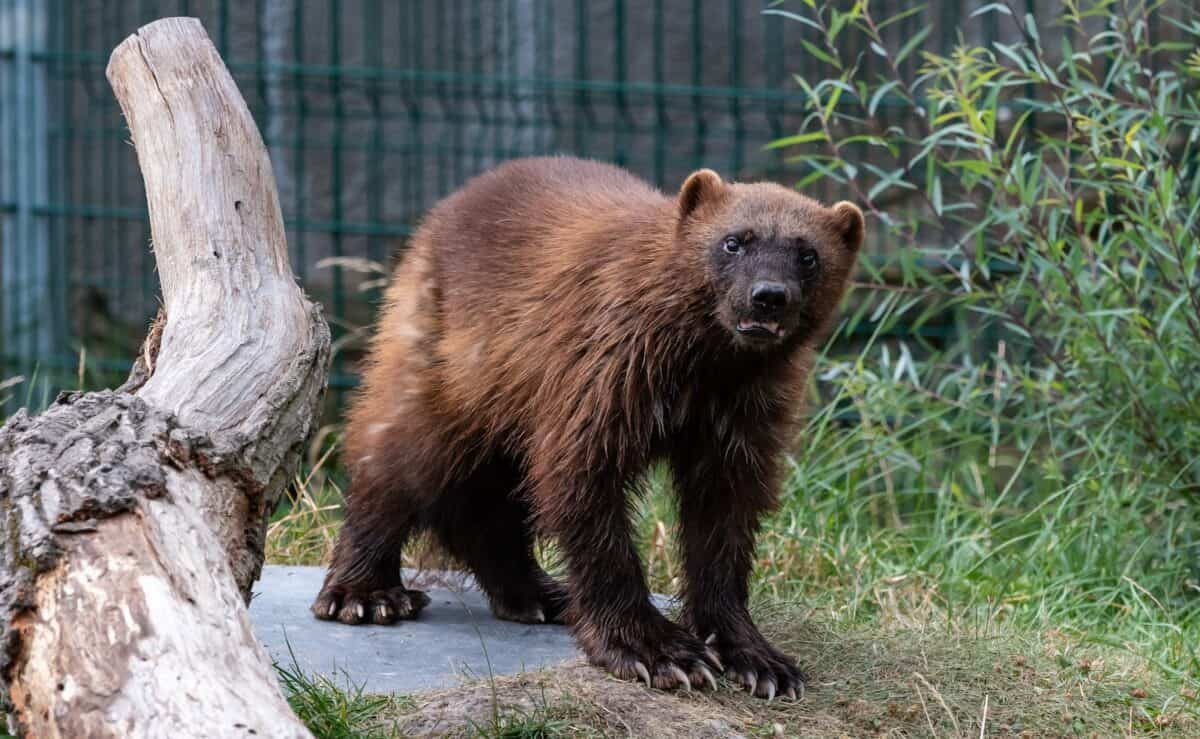
Despite their relatively small size, wolverines (Gulo gulo) stand as one of nature’s most formidable predators relative to their weight. Typically weighing between 20-40 pounds—about the size of a medium dog—these mustelids routinely kill prey many times their size, including adult caribou, deer, and even moose when conditions permit. Their success with oversized prey stems from extraordinary physical adaptations for northern environments. Wolverines possess shocking strength for their size, with powerful jaws that can crush frozen meat and bones that other predators cannot process, and semi-retractable claws that function effectively as crampons on icy surfaces, giving them traction advantages over larger prey in winter conditions.
What makes wolverines particularly impressive is their relentless hunting endurance. In deep snow, where hoofed animals struggle, wolverines can move efficiently across the surface due to their snowshoe-like paws. They’ve been documented pursuing prey until exhaustion, sometimes following animals for days. Their hunting strategy often involves driving larger prey into deep snow where the weight differential works against the prey animal. Wolverines have been known to kill moose 10 times their weight by attacking from above, landing on the animal’s back, and biting through the spine—a predatory feat that demonstrates remarkable problem-solving for overcoming size disadvantages. Their combination of specialized adaptations for harsh environments, incredible pound-for-pound strength, and opportunistic hunting strategies allows these relatively small predators to function as apex predators in many northern ecosystems.
Wolf Pack Collective Hunting Power
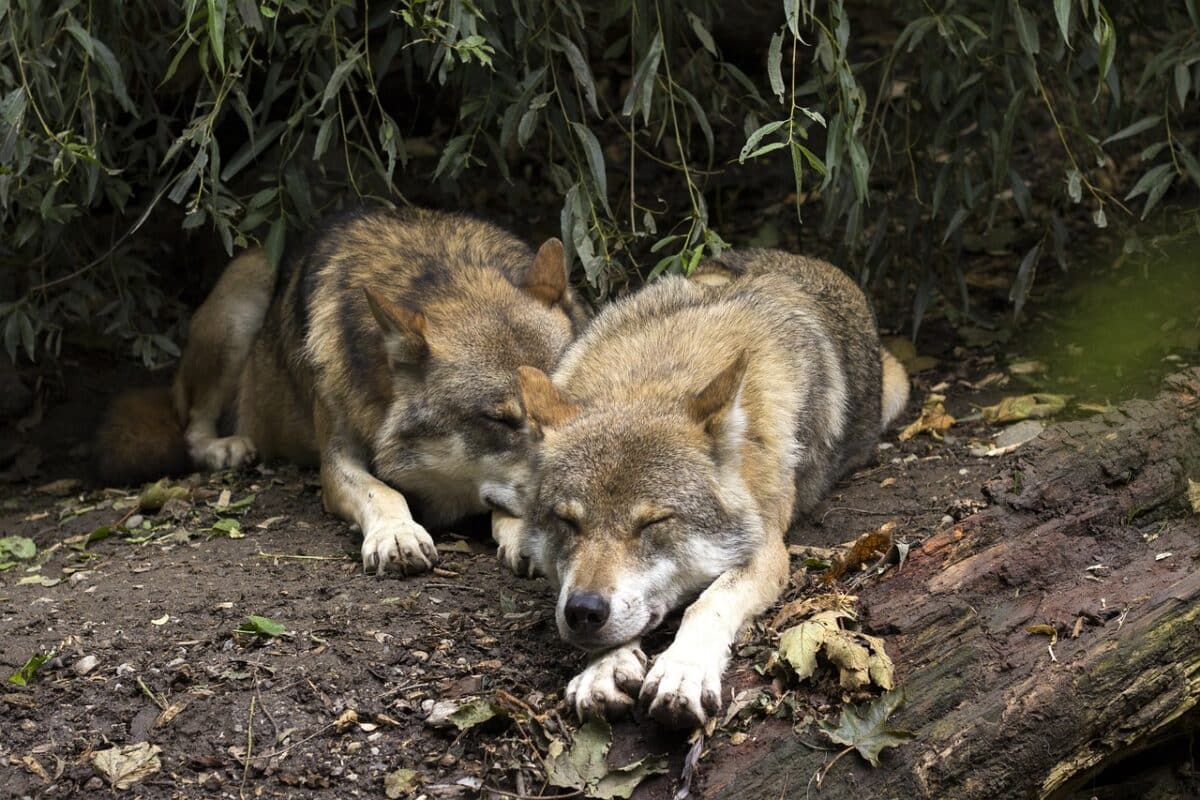
Wolf packs demonstrate how coordinated group hunting allows relatively small predators to take down prey that massively outweighs any individual pack member. An adult gray wolf typically weighs 60-120 pounds, yet wolf packs regularly hunt prey weighing over 1,000 pounds, including adult moose, bison, and elk that outweigh individual wolves by factors of 10 or more. Their success comes from sophisticated cooperative hunting strategies that have evolved over millennia. Rather than relying on ambush tactics, wolves employ endurance hunting, testing herds to identify vulnerable individuals, then working together to isolate and exhaust their chosen target.
What makes wolf pack hunting particularly effective is their role specialization and tactical coordination. Different pack members take on specific roles during hunts—some wolves may harass the prey from the front while others attack hamstrings from behind, effectively immobilizing animals much larger than themselves. The wolves’ hunting success increases dramatically with pack size when targeting large prey, demonstrating the evolutionary advantage of their social structure. Research in Yellowstone National Park has shown that while hunting elk, a single wolf has a success rate of only about 6%, but this rises to over 40% for packs of four or more wolves. This collective approach to overcoming size disadvantages represents one of nature’s most successful predatory adaptations, allowing relatively small canids to function as keystone predators in many northern ecosystems.
Honey Badger Fearless Small Predator

The honey badger (Mellivora capensis) exemplifies how attitude and specialized adaptations can allow a small predator to punch drastically above its weight class. Weighing just 15-30 pounds—about the size of a small dog—these mustelids routinely tackle prey and opponents many times their size, including venomous snakes, monitor lizards, and even young crocodiles. Their success against oversized adversaries comes from a combination of remarkable physical traits. They possess extremely thick, loose skin (up to ¼ inch thick) that allows them to twist and turn within their own skin to fight back even when grabbed, along with immunity or high resistance to venoms that would kill animals many times their size.
What makes honey badgers truly exceptional is their fearlessness and problem-solving intelligence. They’ve been documented chasing lions and leopards away from kills despite the massive size disparity. Their jaws and foreclaws are specially adapted for digging and tearing, giving them one of the strongest bites relative to size in the animal kingdom. This allows them to access prey others cannot reach and to dismember larger animals efficiently. Honey badgers have even been observed using tools to reach food, suggesting cognitive abilities that complement their physical adaptations. Their remarkable metabolism allows them to recover quickly from confrontations with venomous snakes and larger predators—they can be bitten by cobras, appear to die, and then recover fully within hours. This combination of physical toughness, venom resistance, and aggressive temperament allows a relatively small carnivore to regularly tackle prey and competitors many times its own size.
Parasitoid Wasps Microscopic Monster Hunters
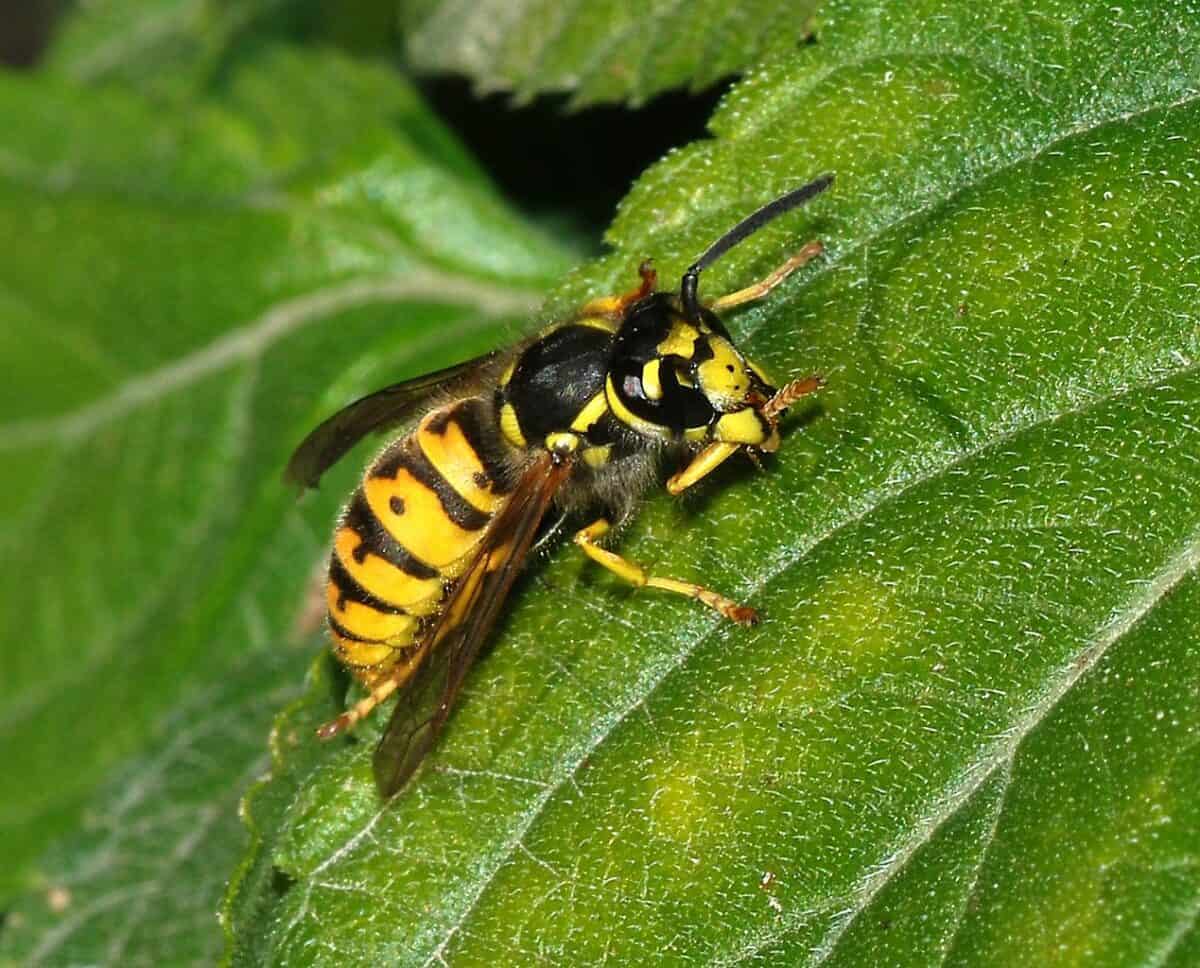
Parasitoid wasps represent perhaps the most extreme example of predators successfully targeting prey vastly larger than themselves. Some species, measuring just a few millimeters long, routinely parasitize caterpillars, spiders, or cockroaches hundreds or thousands of times their own mass. The hunting strategy of these tiny wasps involves remarkable precision and specialized adaptations. Many species have evolved highly specific venom cocktails that don’t kill their targets but instead hijack their nervous systems and immune responses. Some parasitoid wasps have developed ovipositors (egg-laying structures) that double as drills or saws, allowing them to penetrate the tough exoskeletons of their hosts with surgical precision.
What makes these miniature predators particularly remarkable is their sophisticated manipulation of host behavior and physiology. The jewel wasp (Ampulex compressa), for example, performs a precise brain surgery on cockroaches. At just 22mm long, it stings a cockroach twice—first to temporarily paralyze the front legs, then delivers a second, precisely targeted sting directly into specific ganglia in the brain, using sensory organs on its stinger to locate the exact spot. This second sting delivers a venom cocktail that blocks octopamine receptors, leaving the much larger cockroach alive but compliant, willingly following the wasp to its burrow where it will be eaten alive by the wasp’s offspring. Other parasitoid species manipulate host caterpillars into protecting the very wasp cocoons that emerged from their bodies. These mind-controlling abilities allow some of the smallest predators on Earth to successfully overcome prey that outweigh them by factors of thousands, making them masters of asymmetric warfare in the natural world.
Kingsnake The Snake-Eating Snake

Kingsnakes (genus Lampropeltis) provide a fascinating example of specialized adaptations allowing a predator to regularly overcome larger prey—particularly other snakes, including venomous species that outweigh them. These relatively slender constrictors, typically 3-5 feet long in most species, routinely kill and consume rattlesnakes, cottonmouths, and copperheads that may be significantly larger in diameter and overall mass. Their success against such formidable prey comes from two key adaptations: immunity to the venom of North American pit vipers and superior constriction strength relative to their body size. Research has shown that kingsnakes apply constriction pressures significantly higher than many larger snake species, allowing them to effectively subdue more massive prey.
What makes kingsnakes particularly effective against larger snake species is their specialized hunting strategy. When attacking other snakes, kingsnakes typically strike and grab their prey behind the head, quickly throwing coils around the victim’s body to prevent retaliation. They then proceed to constrict with remarkable efficiency, with studies demonstrating they can cut off blood flow to the brain of their prey in seconds. Their resistance to pit viper venom comes from specialized proteins in their blood that neutralize the hemotoxic and neurotoxic components of the venom.
Conclusion:
In nature, brute strength and size often dominate—but as we’ve seen, some of the most successful predators defy this expectation. From the cunning tactics of parasitoid wasps to the pack coordination of wolves and the raw tenacity of wolverines, these predators prove that intelligence, strategy, and specialization can overcome even extreme size disparities. Evolution has equipped them with powerful adaptations—venom, cooperation, agility, or sheer audacity—that allow them to thrive against seemingly impossible odds. These remarkable examples challenge our assumptions about power in the wild, reminding us that in the struggle for survival, it’s not always the biggest that wins—but often the most ingenious.

As a little kid, I fell in love with nature, wildlife, and animals. Living in the USA, South Africa, Italy, China and Germany gave me the opportunity to discover the world's Wildlife. My favorite animals are Mountain Gorillas, Siberian Tigers, and Great White Sharks.
I'm a certified PADI Open Water Diver, went to Everest Base Camp and Trekked Gorillas in Uganda. I hold a Master of Science in Economics and Finance.
Please send any feedback to feedback@animalsaroundtheglobe.com
- 10 Times Nature Disrupted Major Events - July 26, 2026
- 11 Sharks So Strange You’d Think They’re Mythical - July 26, 2026
- 12 Dog Breeds That Hate Being Alone - July 26, 2026
Leave a comment
You must be logged in to post a comment.