

Most homeowners hear it before they see it. A rapid, insistent knocking somewhere on the exterior wall, too rhythmic for a branch and too persistent to ignore. You step outside, scan the siding, and there it is: a woodpecker, completely unbothered, drilling away at your house as if it owns the place.
The surprising truth is that these birds aren’t choosing your home at random. Every tap and hole tells a specific story about what the bird is after, and some of those stories are far more urgent than others. Knowing the difference between a minor nuisance and a genuine structural red flag can save you a significant amount of money and trouble.
#1. Your House Has Insects Living in the Walls
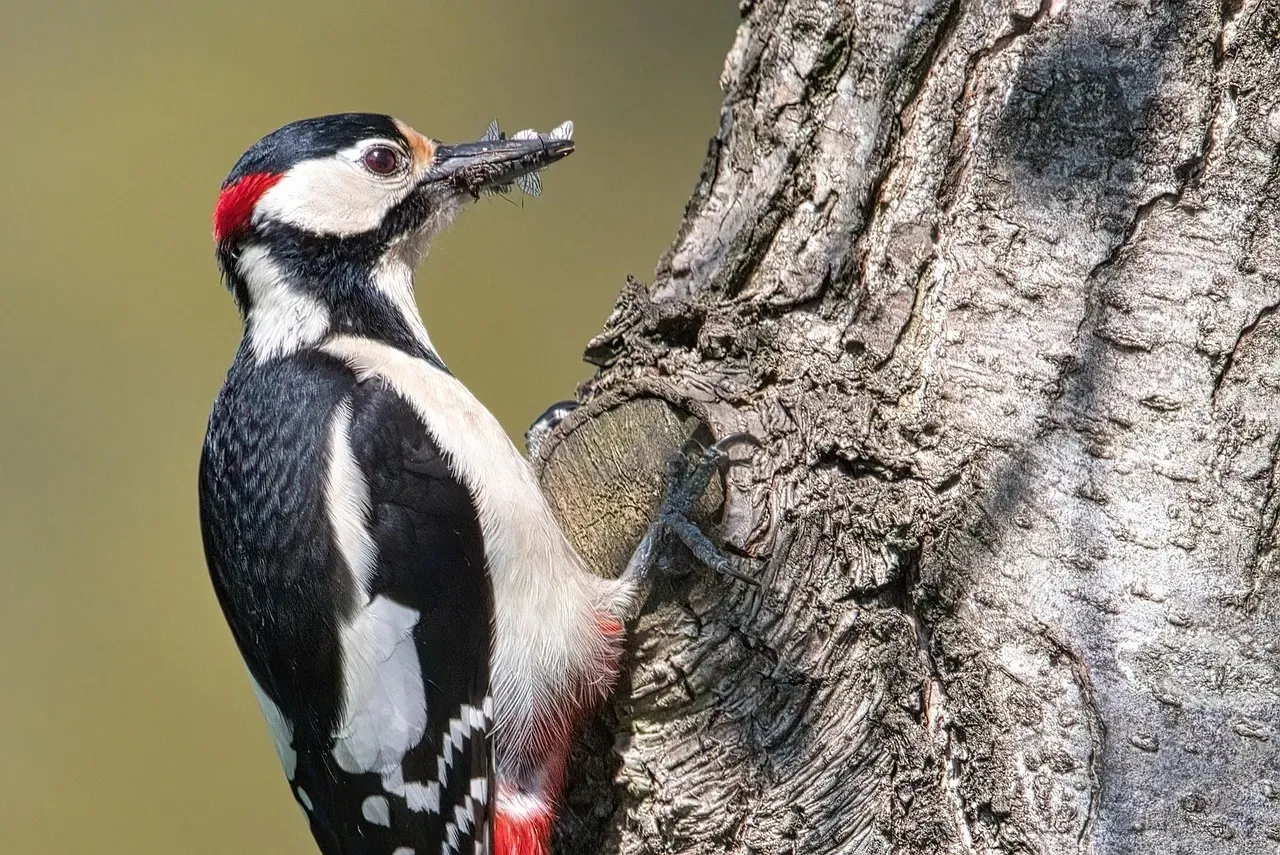
This is the most important reason to take seriously, and it’s the most common driver of woodpecker activity on homes. The number one reason that woodpeckers and flickers peck wood is to find food, and wood-pecking birds feed on larvae, ants, and other insects in wood. They’re not guessing. Their senses are remarkably tuned to detect movement and vibration beneath surfaces.
If your siding has insects or larvae inside, woodpeckers can hear or sense them and will drill small, irregular holes to pull them out with their long tongues. Multiple little holes clustered in an area are a telltale sign the bird was foraging for insects. In a strange way, the damage is also a warning signal. The larvae of certain bees and bugs are especially appetizing to woodpeckers, which may be cause for concern and a call to an exterminator. These holes could be a blessing in disguise if they alert the homeowner of a bigger issue like insect infestation.
#2. Carpenter Bees Have Moved Into Your Siding
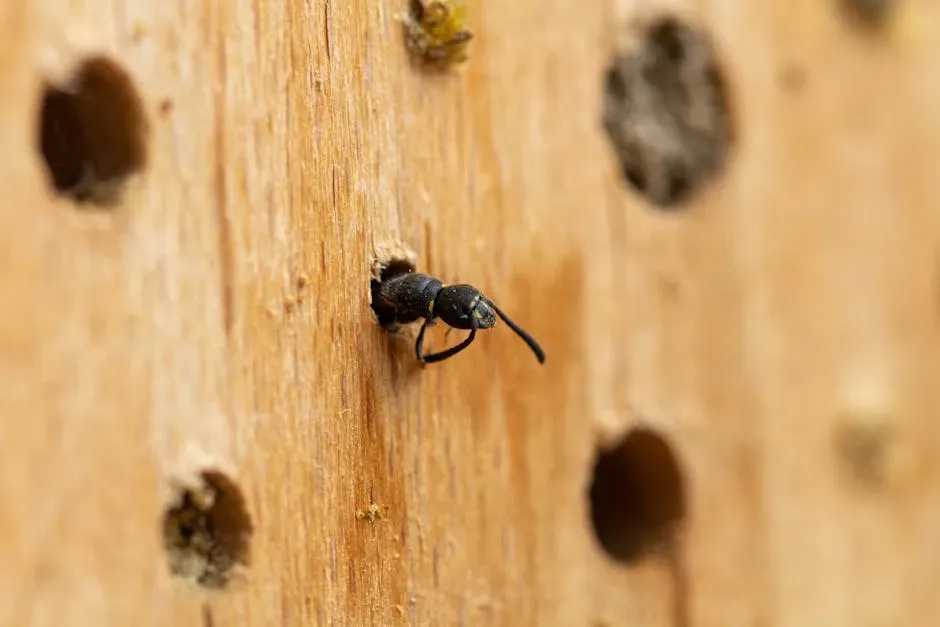
Carpenter bees are one of the most reliable woodpecker magnets around. Small, irregular shaped holes in your siding are caused by woodpeckers feeding on insects, insect eggs, and larvae living in your wood siding. Most common are carpenter bees drilling tunnels to deposit eggs. Woodpeckers will destroy your siding trying to get to the developing larvae, as this is a favorite food of woodpeckers. If you have carpenter bees, you’ll attract woodpeckers.
The problem here compounds quickly. Carpenter bees create the tunnels, their larvae develop inside, and then woodpeckers excavate large sections of siding to reach the food. When feeding on houses, woodpeckers are often going after the larvae of carpenter bees, leafcutter bees, and grass bagworms. Addressing the carpenter bee infestation first is essential, because as long as the food source remains, the birds will keep coming back.
#3. Your Wood Is Rotting or Has Dry Rot
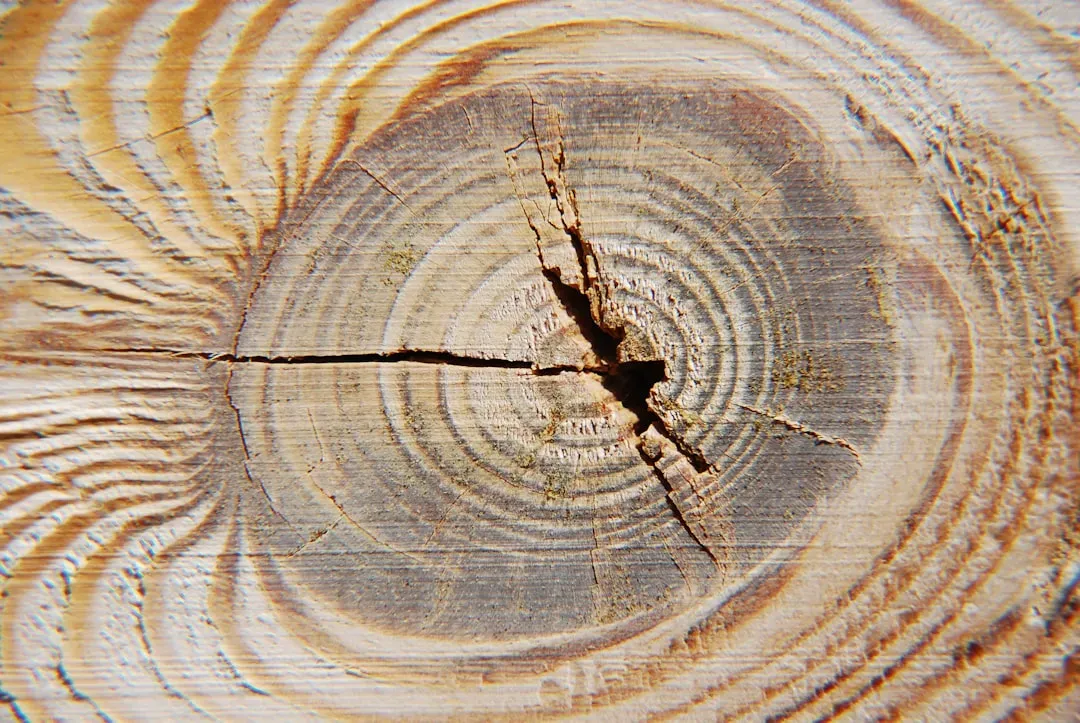
Soft, compromised wood is far easier to penetrate than healthy timber, which makes rot-damaged siding one of the most attractive targets for woodpeckers. Once a wood-pecking bird creates an opening in your home, they use their long tongues to catch and feed on insects. If you have birds pecking on your home, you likely have a dry rot infestation that is a food source for insects.
Areas with moisture damage, mold, or wood rot are easier for birds to peck through and often contain insects. This creates a troubling cycle: moisture softens the wood, insects move into the soft wood, woodpeckers find the insects and open the siding further, which lets in more moisture. It is important to remember that these birds do not eat wood or wood-related fungus. If this is the case, it is important to eradicate the dry rot fungus and eliminate the source of moisture intrusion that fosters fungal growth.
#4. They’re Drumming to Claim Territory
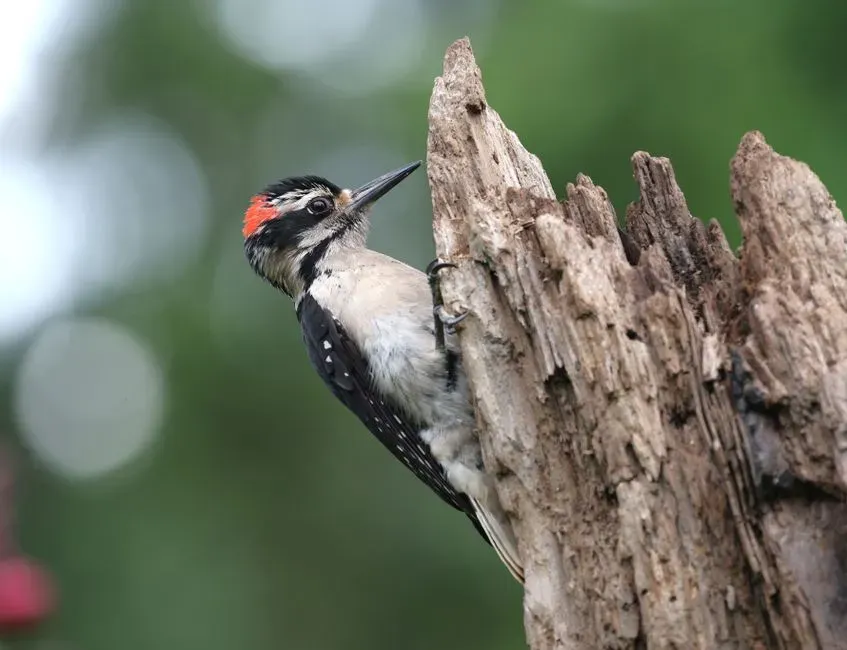
Not all woodpecker activity is about food. A significant portion of it is pure communication, and your house happens to make an excellent amplifier. Woodpeckers peck quickly and repeatedly on resonant, hollow, or metal surfaces such as gutters, chimney caps, or wood siding simply to make noise. This is called drumming. Drumming is the woodpecker’s way of marking its territory and attracting mates and it does not involve looking for food or making a nest.
One bird may drum more than 8,000 times per day, and a downy woodpecker typically strikes 16 times per second. When the drumming is the issue rather than foraging, the damage tends to be shallower and less destructive. Woodpeckers usually hammer on houses for one of four reasons, and if the birds are drumming to proclaim their territory and attract a mate, they will most likely stop once breeding has begun in the spring. Still, repeated drumming can chip and wear away siding over time.
#5. It’s Mating Season and Your House Is the Loudest Stage Around
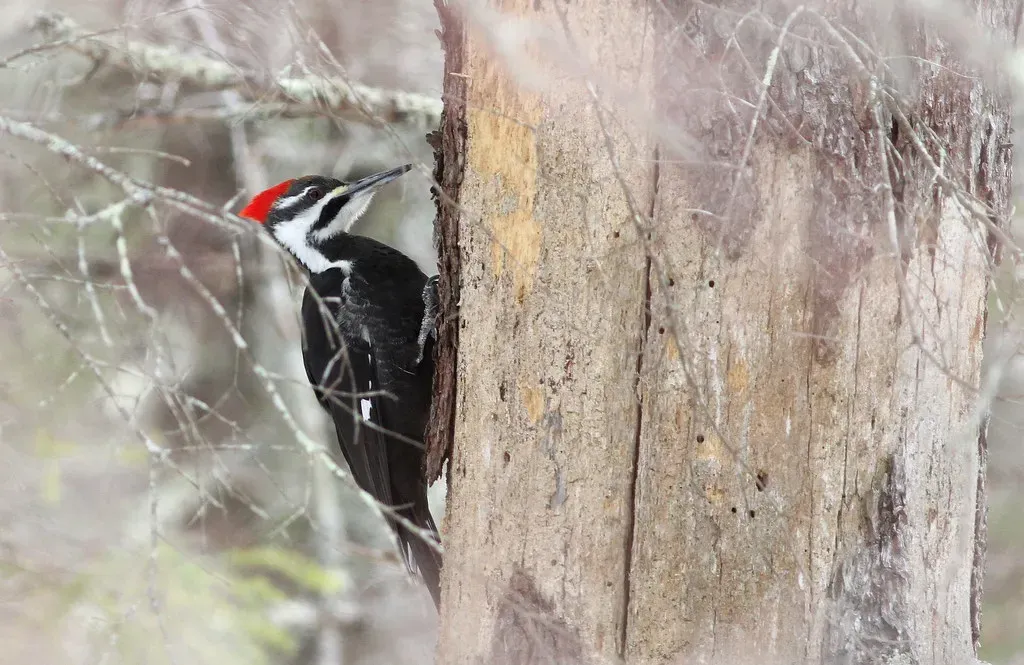
Spring transforms woodpeckers into relentless percussionists. Every spring, usually in March and April, flickers and woodpeckers will find a hard surface to peck that makes a loud noise. They do this to attract females and intimidate other males. The louder the surface, the better it works for their purposes.
Northern flickers often go the extra mile, using chimneys and house gutters to amplify their announcements. If they find a metal object to drum on, like your chimney cap, it may echo even more loudly than a dead wooden branch. This behavior is seasonal and typically fades once breeding is underway, so the damage tends to be temporary. Spring and fall are the most active times for excavation of nest and roost cavities and to establish territories. Both males and females will drum to mark a territory and attract a mate.
#6. They’re Building a Nest Inside Your Walls
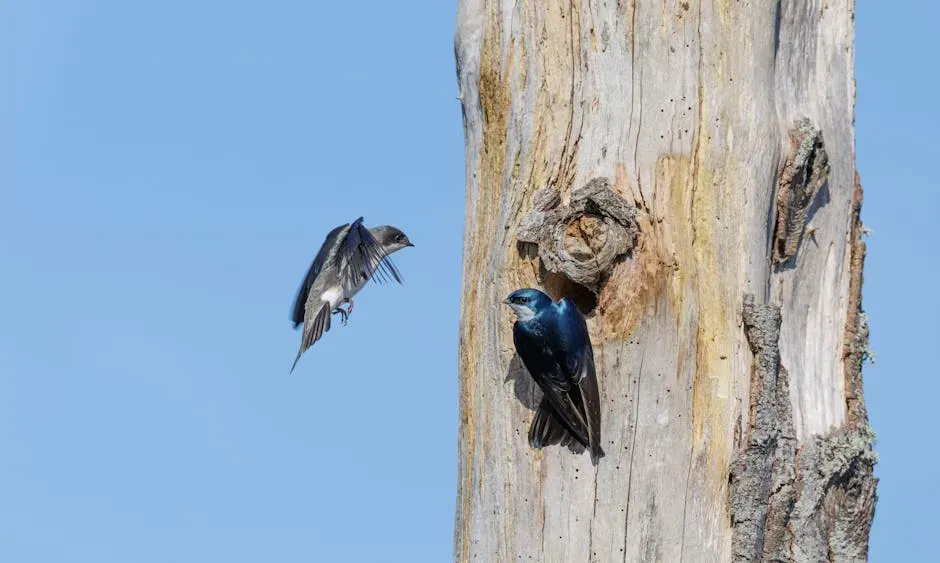
This is where the situation shifts from annoying to genuinely serious. Whereas most birds build their nests by collecting grass, twigs, and other flotsam, woodpeckers use their ability to carve with their beaks to craft their nests; if the bird assaulting your home is consistently working on carving a single, larger hole, that indicates nesting. The difference in hole size is the key clue.
If the woodpeckers are creating a nest cavity, the hole will be smoothly rounded and large. Nesting holes are usually built in the beginning of the breeding season between late April and May. There’s also a legal dimension to be aware of. Under the North American Migratory Bird Act, woodpeckers are a protected species, and it is illegal to disturb their nests. Once a nest is occupied with eggs or chicks, your options for removal become very limited until the young have fledged.
#7. They’re Creating a Winter Roost Hole
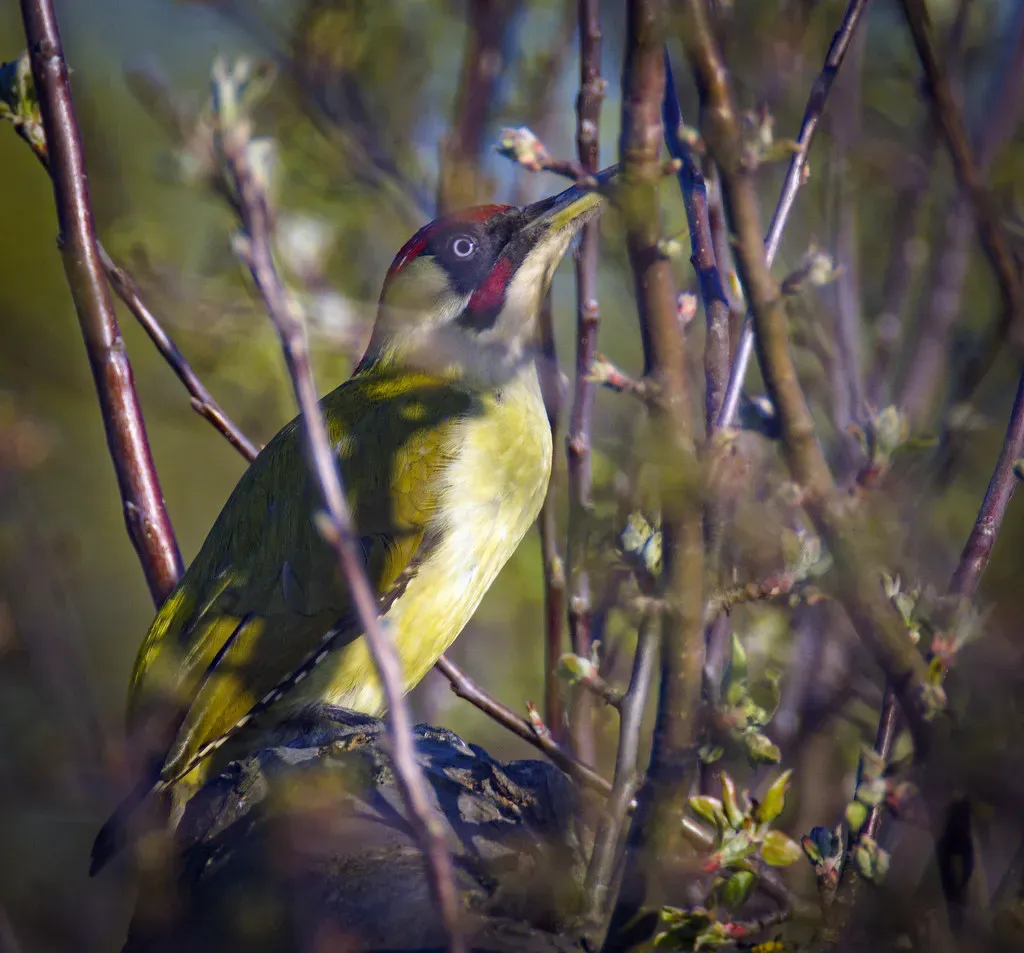
Beyond nesting in spring, woodpeckers also excavate shelter for colder months. In the autumn months, fledged young will be pecking out a hollow to sleep in during the winter, as woodpeckers shelter alone every night. Nesting and sheltering holes are large and round. This means late summer and fall can bring a fresh wave of excavation activity that many homeowners don’t anticipate.
Large holes sound like roosting or nesting holes, and these holes are often placed in corners and can go into the insulation. A roost hole that penetrates through your siding and into the insulation layer is no small matter. Small pieces of insulation or other debris found inside your home beneath affected areas may indicate that woodpeckers have bored through the siding into underlying layers, affecting insulation.
#8. Your Siding Material Is Particularly Attractive to Them
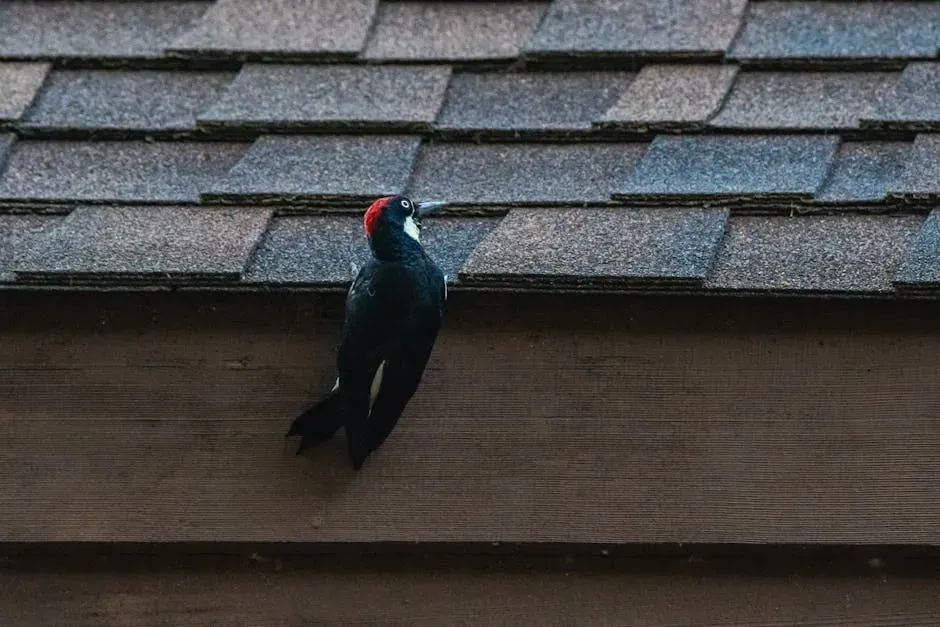
The material your home is clad in plays a real role in whether woodpeckers target it. A woodpecker may choose to peck your home over a tree because they prefer softer woods, like cedar and redwood siding. Stained wood is especially vulnerable compared to painted surfaces.
According to a study conducted by Cornell University, the building material most prone to damage is grooved plywood siding, followed by shakes, tongue-and-groove, and board-and-batten. Earth tone stains on cedar make a home look particularly natural to a woodpecker scanning for opportunities. If the house is made of stained tongue-and-groove or board-and-batten cedar siding there may be damage to the house, especially if the house is located in woods or in a woodpecker hot spot. Damage is often to a lesser extent if the house is sided with painted hardboard.
#9. They’re Storing Food Inside Your House Walls
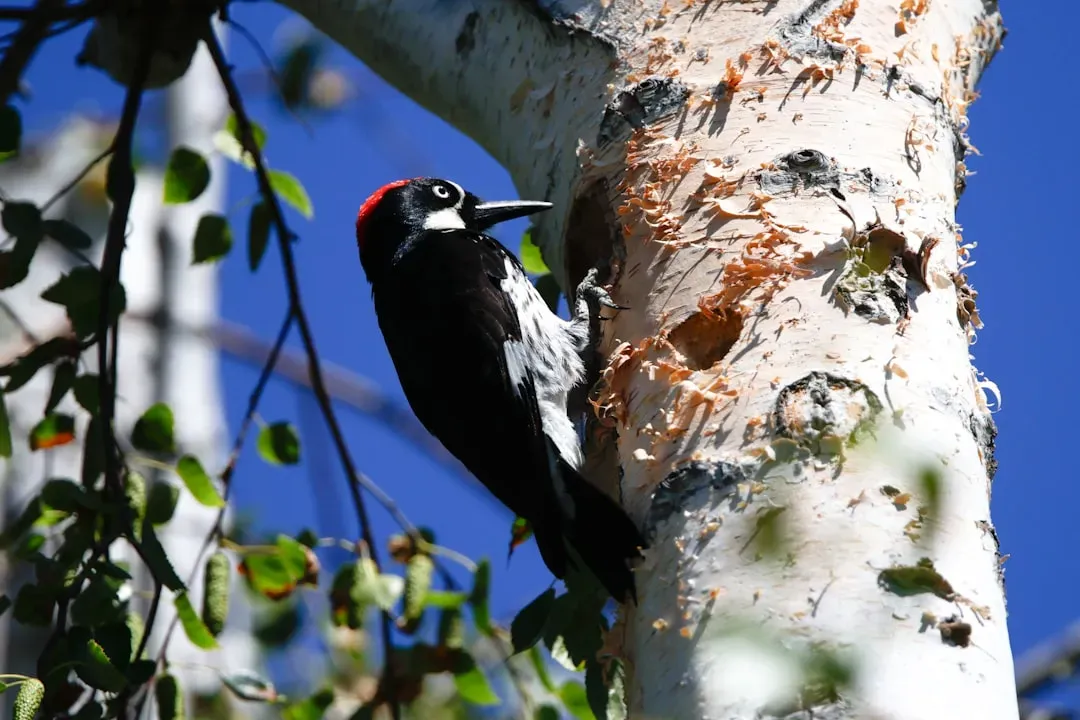
This one tends to shock homeowners the first time they hear about it. Woodpeckers make holes in the side of your house to store food. Acorn woodpeckers are a prime example of this behavior; they can peck dozens, sometimes hundreds of holes in homes or trees, storing single acorns in each small hole. Each hole serves as its own individual pantry slot.
The scale of this behavior can be staggering. In one case, a pest control company found 700 pounds of acorns in the walls of a home dropped in by a woodpecker pecking holes in the homeowner’s wood siding. That kind of accumulation adds real weight to wall cavities and creates serious moisture and rot issues over time. Acorn woodpeckers peck dozens, hundreds, or even thousands of acorn-sized holes into large trees, utility poles, and sometimes houses. They stash a single fresh acorn into each one.
#10. Your House Is Near Wooded Areas With High Bird Population Density

Location matters more than many homeowners realize. Woodpecker destruction is rare in urban areas, but it can be extensive in suburban and wooded areas, even where woodpeckers seem to have plenty of natural alternatives to houses. Proximity to trees doesn’t protect your home. It increases the risk.
A 2009 study of more than 1,000 houses in Ithaca, New York, found that roughly one-third of houses had some kind of issue with woodpeckers, either physical damage or disturbance by noise. Homes that back up to woodlands, tree lines, or parks face considerably more exposure. Woodpeckers are more prevalent in rural areas and near suburban homes that back up to woods. If you’re in one of these zones, proactive inspection of your exterior is a sensible annual habit.
#11. They’ve Found Your House Before and Remember It
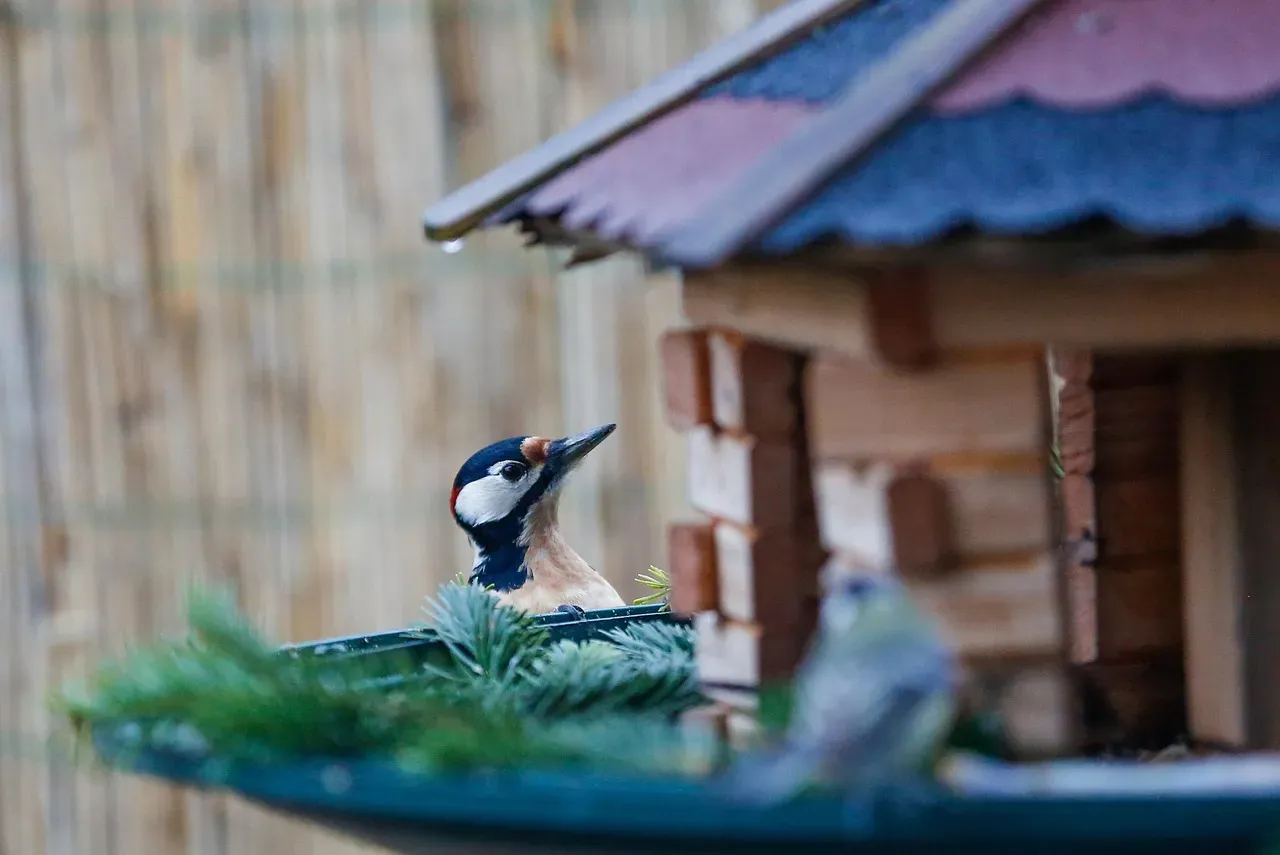
Woodpeckers have memory, and once a spot has been productive, they return to it. Woodpeckers will return repeatedly to a site, attacking the area again and again. This loyalty to a particular location is one of the most frustrating aspects for homeowners who patch holes without addressing the underlying cause.
Once a bird starts making a nest hole, it may return to the same spot year after year, or other birds may take over the location. The habit compounds with time. A woodpecker may choose to peck your home over a tree because they prefer softer woods, and they will usually choose a few favorite areas and attack them repeatedly throughout a mating season. Addressing the problem completely, root cause and all, is the only reliable way to break the cycle.
How to Tell If the Damage Is Serious
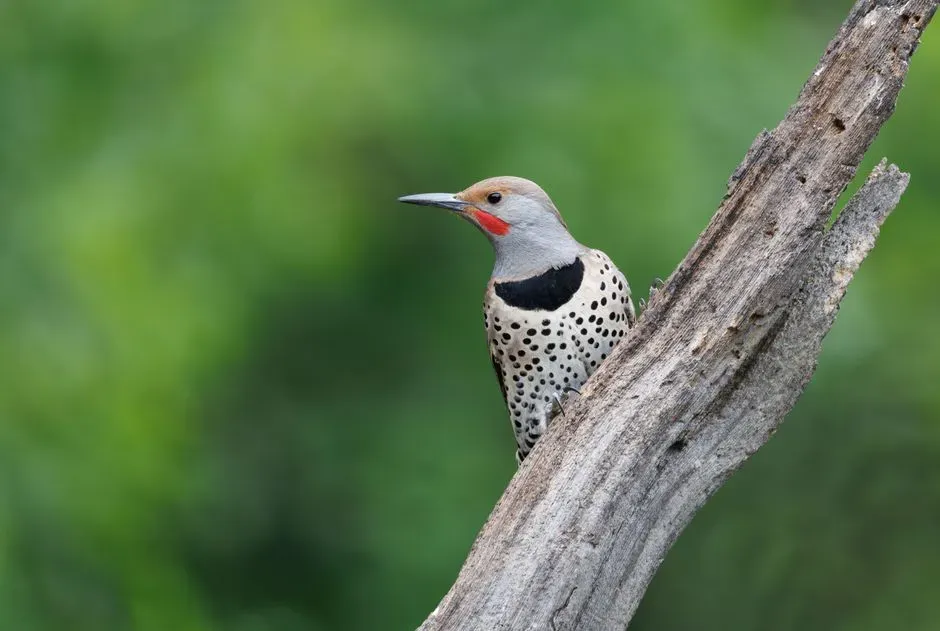
Not every woodpecker visit demands panic, but some patterns are genuine warning signs. You can tell the difference between nesting and foraging based on the size and pattern of the holes. A single large hole is obviously a nest, whereas a series of small or irregular holes in a line is a buffet. The location matters too. Check whether there are just a few small holes in one area, or multiple sides of the house affected. Woodpeckers often target corners, under eaves, and near the roofline for nesting or drumming.
The downstream consequences of ignored damage escalate quickly. Repeated pecking creates holes that allow moisture to seep inside, leading to siding rot, compromised insulation, and even interior wall damage over time. From a financial standpoint, the numbers can be sobering. It is estimated that the cost of bird damage averages over $1,000 per home and millions of dollars in North America annually. To add insult to injury, most homeowners’ insurance does not cover bird, rodent, or insect damage. Most policies consider these damages as routine maintenance and the homeowner’s responsibility.
Before simply patching holes, consider why that hole is there. If insects or rot attracted the woodpecker, you’ll need to address those issues or else the problem will recur. The patch is only ever as good as the solution beneath it. A woodpecker, in the end, is rarely the core problem. It’s almost always the messenger.

- Why Veterinarians Say If Your Cat Sleeps With Their Back to You, It's the Highest Form of Trust in Feline Behavior - July 20, 2026
- The Zodiac Signs That Owls Avoid Completely (And What Folklore Says It Means About Your Energy) - July 20, 2026
- How Nepal’s Mountain Region Just Cannot Do Without The Indomitable Yak - July 20, 2026