

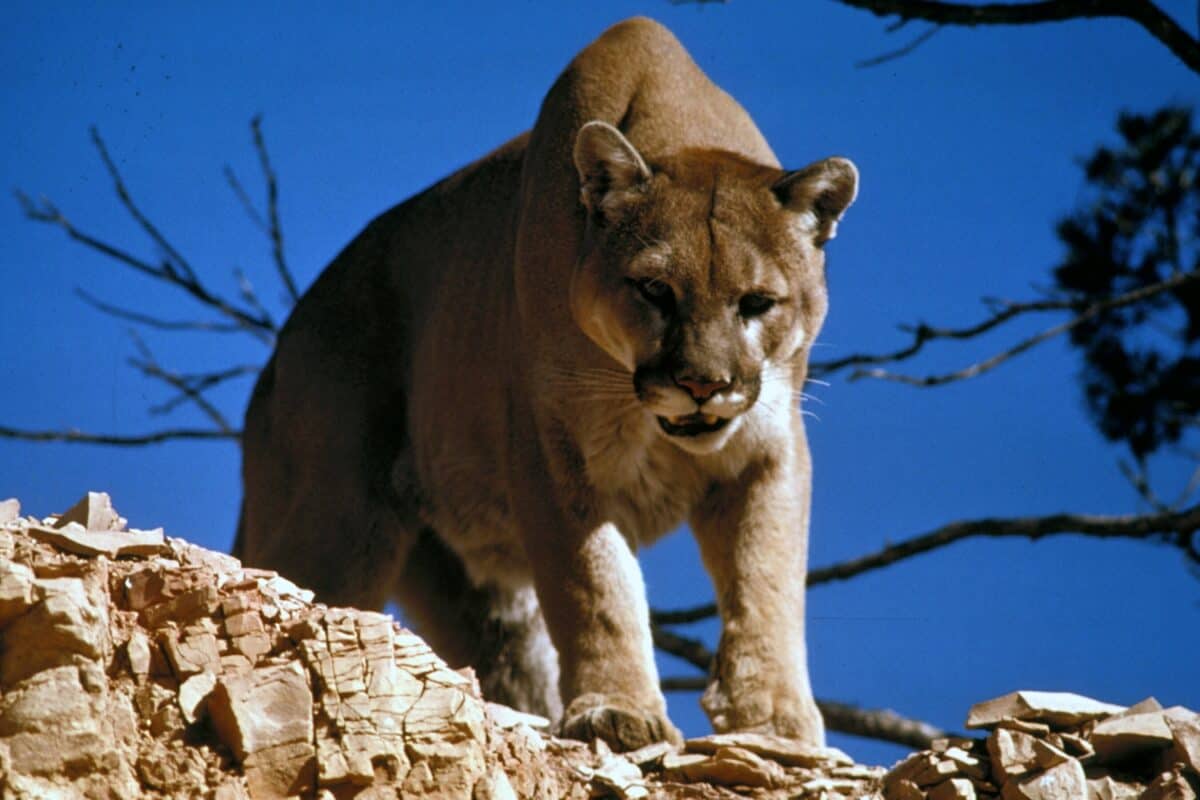
Mountain lions, also known as cougars, pumas, or panthers, are among the most fascinating and elusive creatures in North America. These majestic big cats have captured the human imagination for centuries, but there is still much about them that remains little known to the general public. From their remarkable adaptation skills to their solitary nature, mountain lions are full of surprises. In this article, we delve into 11 shocking facts about mountain lions that shed light on the secretive lives of these extraordinary animals.
Fact 11 Vast Range Across the Americas

Mountain lions boast the largest territorial range of any wild terrestrial mammal in the Americas. From the icy tundras of Canada to the arid deserts of Argentina, these adaptable felines thrive in a variety of environments. Historically, their range was even more extensive, covering almost the entire United States. However, human encroachment and habitat loss have significantly reduced their territory.
Fact 10 A Master of Solitude

Unlike lions or wolves, mountain lions are solitary animals. They prefer to hunt, live, and roam alone, which helps to minimize competition for food in the wild. These cats only seek out company during mating season or when a mother is rearing her cubs, making them elusive and rarely seen by humans.
Fact 9 Speed and Agility Wrapped in a Spectacular Package

Mountain lions are extraordinary athletes. Capable of running up to 50 miles per hour, they can also jump as far as 30-40 feet horizontally in a single leap. Their powerful hind legs and incredible balance allow them to scale steep mountain cliffs with ease, an essential skill for surviving in diverse terrains.
Fact 8 A Stealthy Predator

With padded paws and acute senses, mountain lions are built for stealth. They typically hunt during the dawn and dusk hours, using the cover of night to their advantage. Their diet is diverse; while they mainly hunt deer, they will also prey on smaller animals like rabbits, birds, and even insects when necessary.
Fact 7 Remarkable Vocalizations
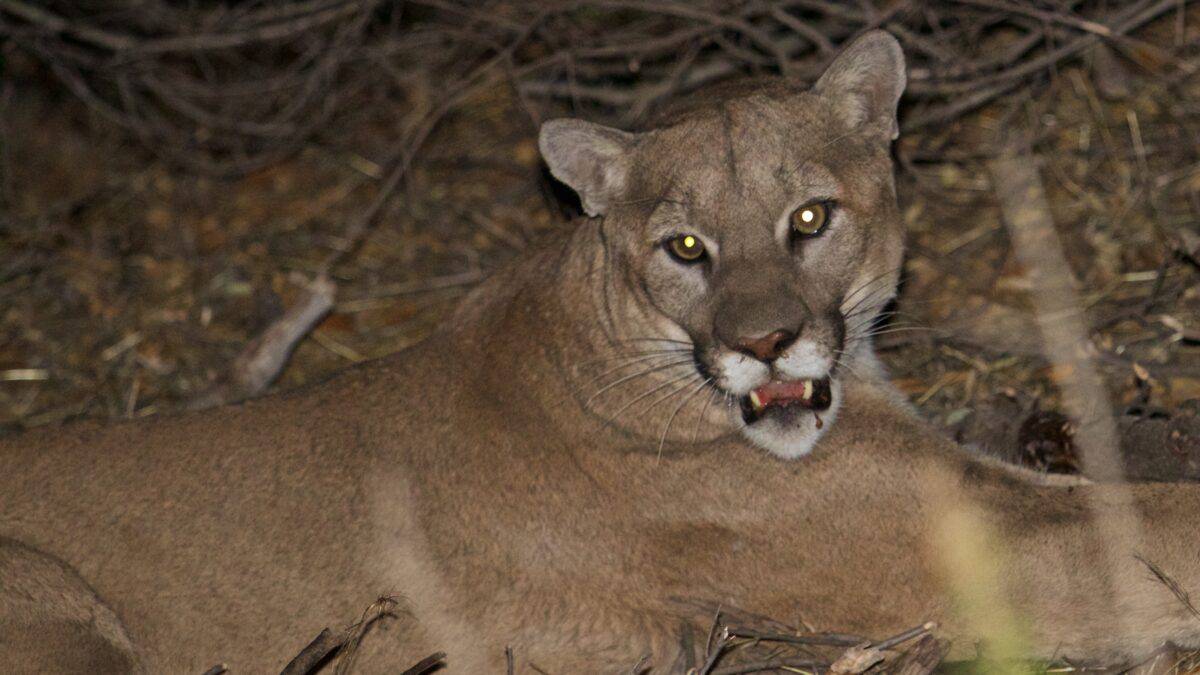
Despite being called “mountain lions,” these creatures do not roar. Instead, mountain lions are known for their screech-like cries and whistles. Their vocalizations can signal different things, from territory warnings to mating calls, rivaling the auditory repertoire of some songbirds.
Fact 6 The Perfect Ambush Artist
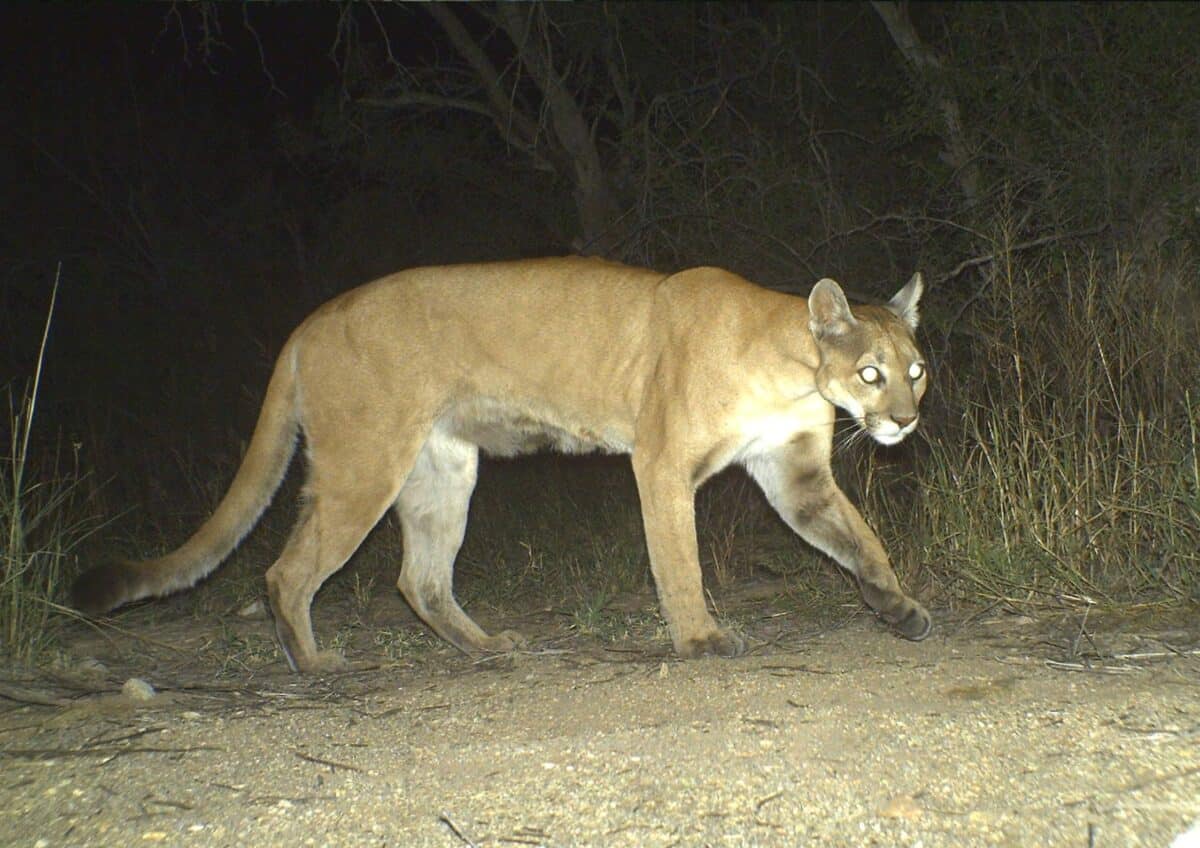
Adept at ambush hunting, mountain lions rely on the element of surprise. They stalk their prey quietly, often from a distance, before pouncing. Their muscular build allows them to deliver a fatal bite to the neck of their prey, ensuring a quick kill.
Fact 5 The Mountain Lion’s Secretive Social Structure
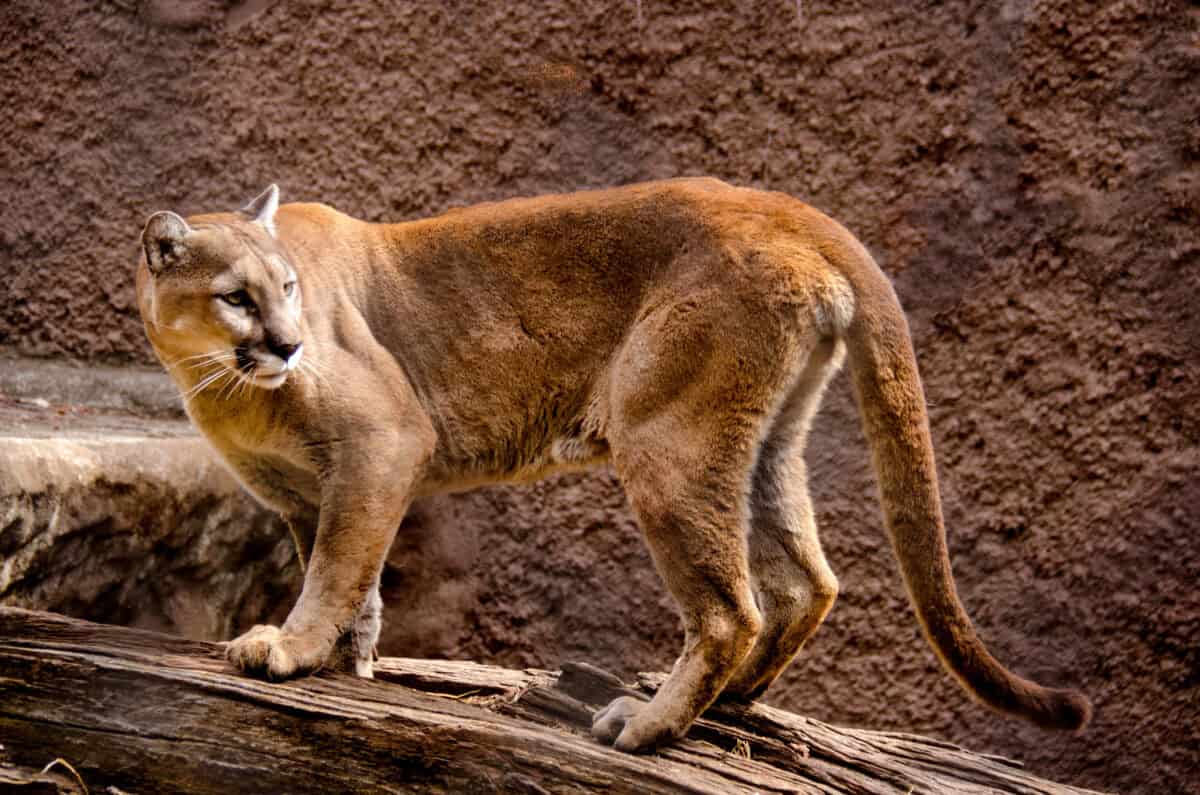
Though typically solitary, mountain lions maintain a subtle social hierarchy. They communicate with scent markings and vocal cues to establish territory and social standing. These markings serve as a warning to other cougars wandering into their domain.
Fact 4 Strong Maternal Bond

Female mountain lions are fiercely protective of their young, known as cubs. They usually keep the cubs hidden in dens, moving them frequently to prevent detection by other predators. Cubs stay with their mothers for up to two years, during which they learn essential hunting and survival skills.
Fact 3 A Critical Role in Ecosystems
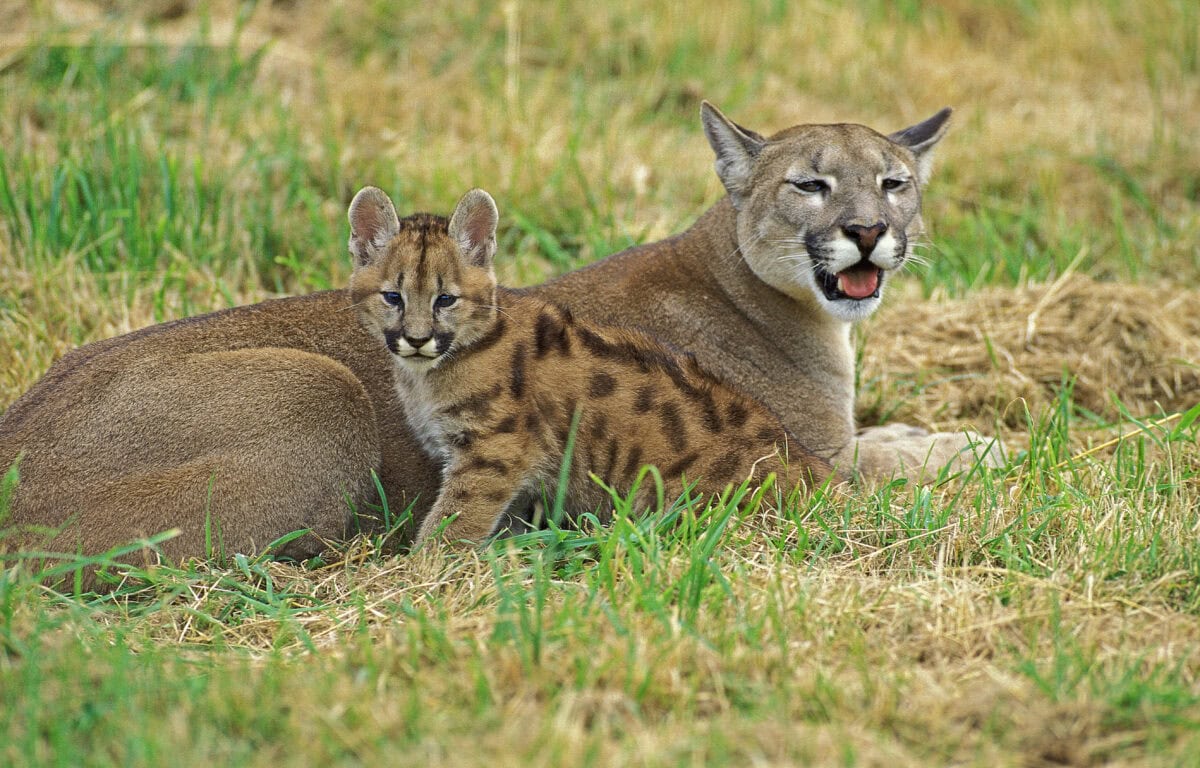
Mountain lions play a vital role in maintaining ecological balance. As apex predators, they help control deer populations, preventing overgrazing and promoting biodiversity. Their presence indicates a healthy ecosystem, as top predators are often the first to suffer from environmental disruptions.
Fact 2 Adapting to Human Expansion
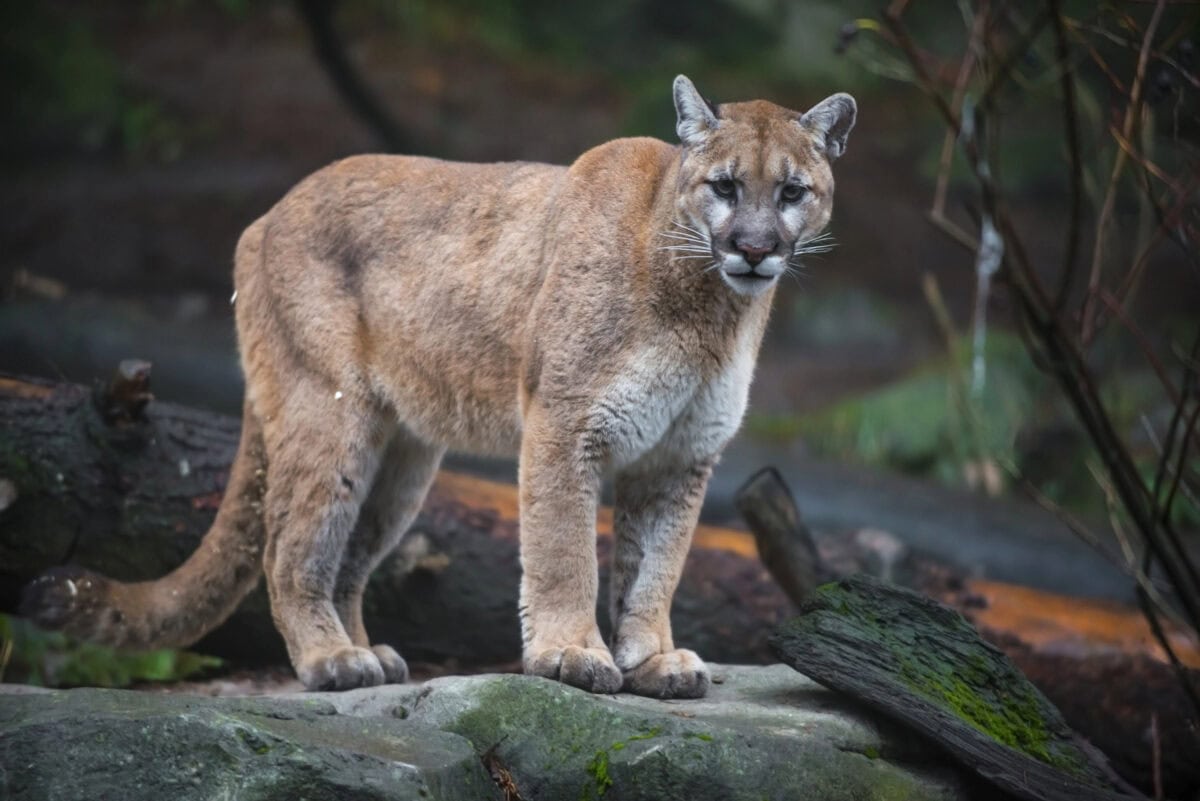
Despite habitat loss, mountain lions have shown remarkable adaptability to human expansion. They have been known to thrive in urban outskirts and have even been spotted in large cities. These cats’ ability to adapt is a testament to their resilience in changing environments.
Fact 1 Conservation Challenges
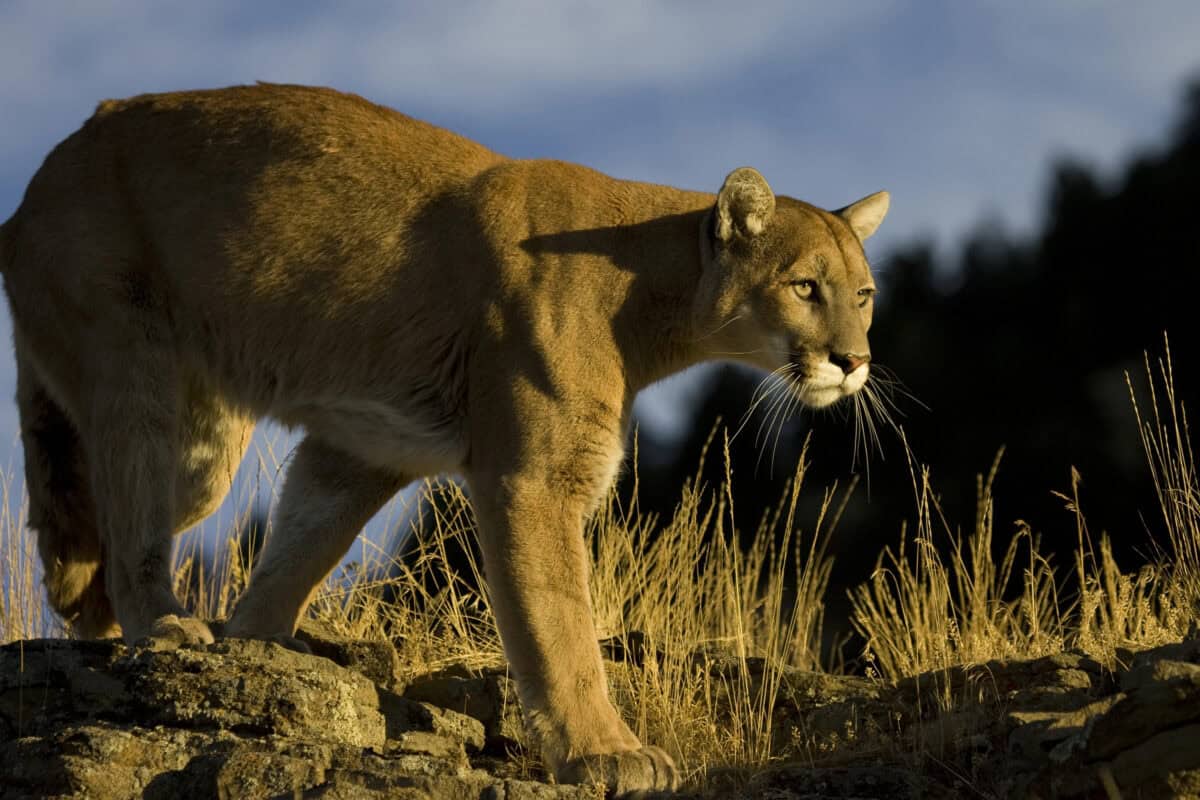
Mountain lions face numerous threats, including habitat fragmentation, vehicle collisions, and conflicts with humans. Conservation efforts focus on creating wildlife corridors, educating the public on coexisting with these cats and protecting vital habitats to ensure their survival.
Conclusion: The Mystique of Mountain Lions
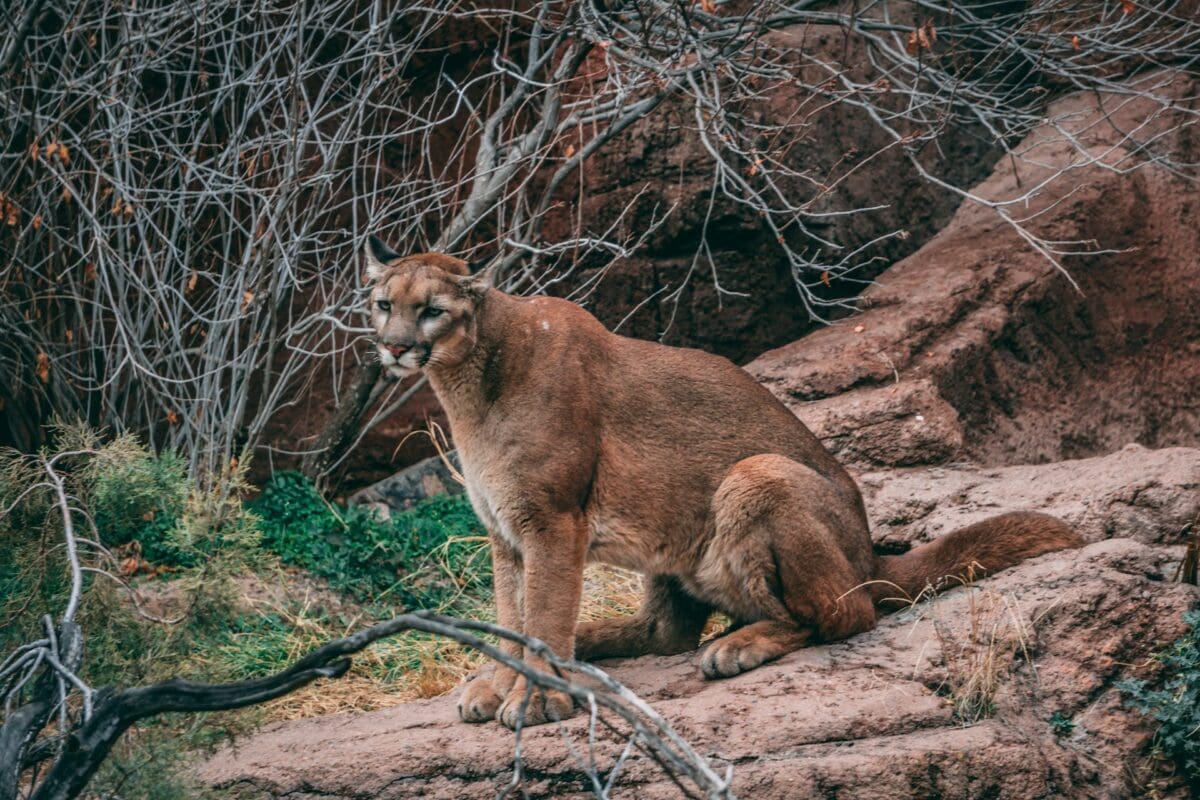
Mountain lions, with their elusive nature and remarkable adaptability, continue to captivate scientists and wildlife enthusiasts alike. These 11 shocking facts highlight not only their unique characteristics but also the challenges they face in an ever-changing world. Understanding and appreciating these majestic creatures can lead to better conservation efforts, ensuring that they continue to roam the wild landscapes of the Americas for generations to come.

As a little kid, I fell in love with nature, wildlife, and animals. Living in the USA, South Africa, Italy, China and Germany gave me the opportunity to discover the world's Wildlife. My favorite animals are Mountain Gorillas, Siberian Tigers, and Great White Sharks.
I'm a certified PADI Open Water Diver, went to Everest Base Camp and Trekked Gorillas in Uganda. I hold a Master of Science in Economics and Finance.
Please send any feedback to feedback@animalsaroundtheglobe.com
- 10 Most Unique Reptiles You will See in the US - July 21, 2026
- 3 Dangerous Invasive Species the USA Must Eradicate - July 21, 2026
- 10 Things That Calm Cats And 4 That Make Them Nervous - July 21, 2026