
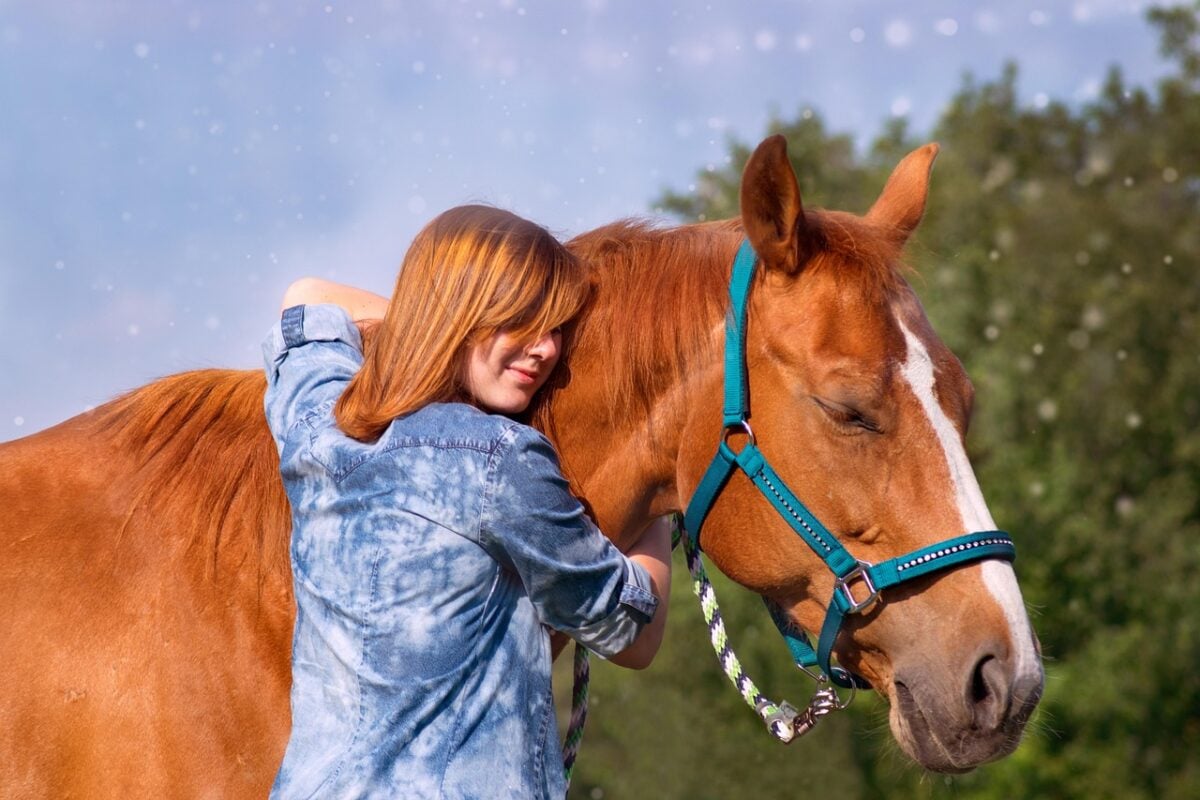
Most people imagine a “bonded” rescue horse as a movie moment – one big ride into the sunset, and suddenly the past is erased. That’s not how it works. Horses barely speak “human” at all, and a traumatized rescue is a master at hiding exactly what it feels.
The real proof of trust is almost invisible unless you know where to look. It isn’t a dramatic gallop across the pasture – it’s in the tiny, quiet decisions a scared animal makes when it finally stops protecting itself from you. Once you see these eleven signs, you’ll never look at your horse the same way again.
#11 – They Stop Walking Away When You Show Up
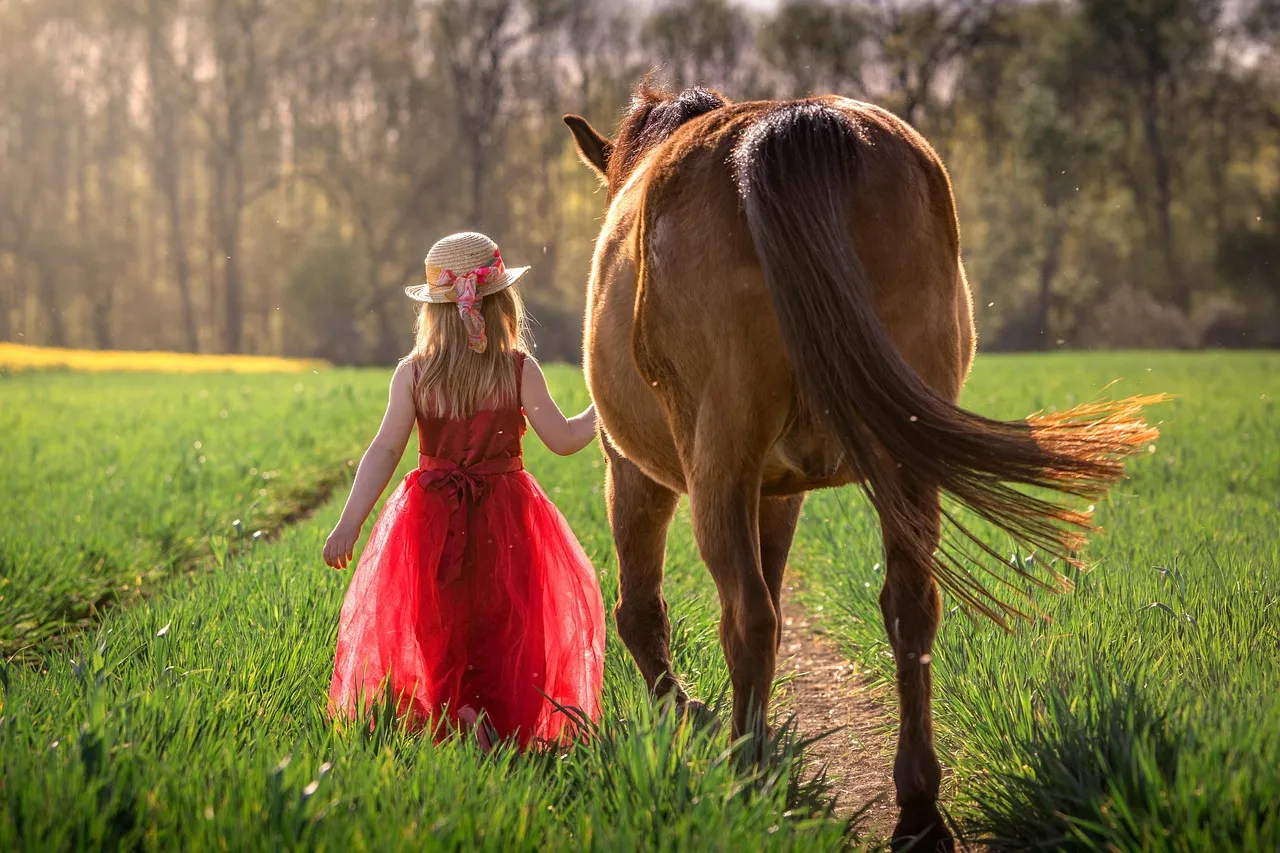
The real turning point with many rescues isn’t the day they come running to greet you. It’s the day they simply stop leaving. A horse that used to spin, trot off, or glue itself to the far corner of the paddock suddenly just… stays.
Maybe they’re still pretending to graze. Maybe they glance up for half a second before dropping their head again. But they’re not fleeing anymore, and for a prey animal hardwired to avoid danger, choosing not to create distance is already trust. Most people wait for the slow-motion gallop across the field – that might be weeks or months away, if it ever comes at all. The first real “yes” is usually this quiet one: you appear, and the horse decides you’re not worth running from anymore.
#10 – Their Eyes Soften Instead of Going Hard and Wide
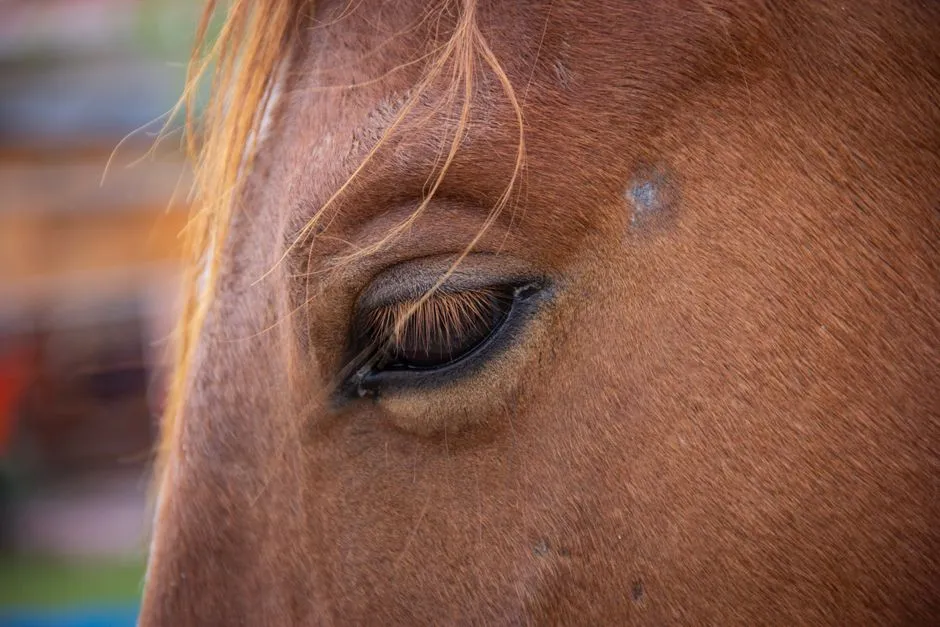
Rescue horses almost always tell their story with their eyes first. In the beginning, you’ll see that frozen, glassy stare or the classic “whale eye” – white showing, unblinking, scanning for exits. It isn’t drama. It’s survival.
Then one day, if you’re paying attention, the whole expression changes. The eyelids droop, the lashes angle down, and the muscles around the eye let go, blinking slower as you approach. You might notice the head dip a fraction, the muzzle go loose, or even a soft sigh when you find a favorite scratching spot. That shift from a hard, fixed stare to a soft, blinking eye is one of the clearest signs your rescue finally believes you’re safe.
Fast Facts
- Horses have nearly 350 degrees of vision, with only two small blind spots – directly in front of the nose and behind the tail.
- Researchers who study equine stress often score tension around the eyes, ears, and muzzle as key indicators of how a horse is really feeling.
- A soft, blinking eye paired with lowered ears is one of the most reliable “all clear” signals in horse body language.
- Frozen, wide eyes with visible white aren’t drama – they’re a classic fight-or-flight response.
#9 – They Offer You Their Nose Instead of Turning Away
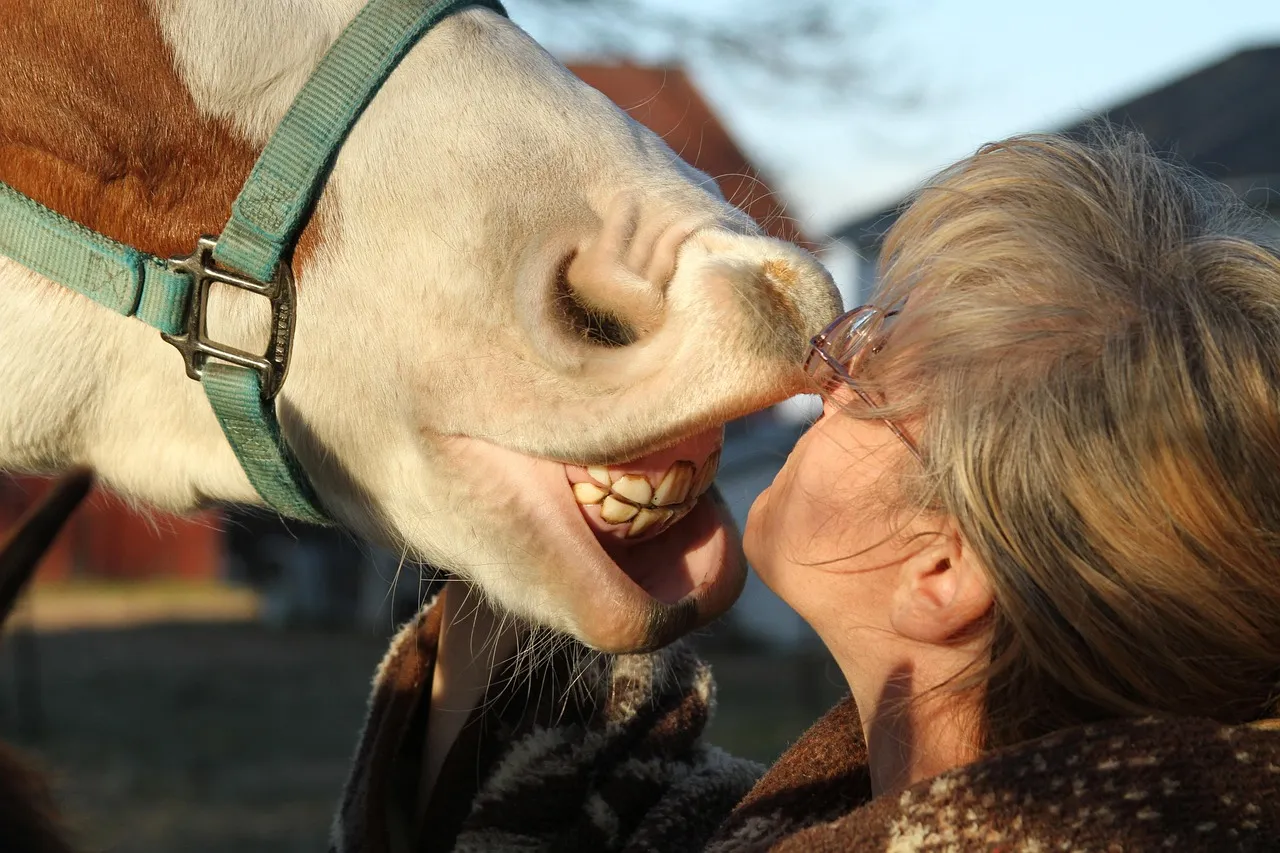
For a lot of rescues, a hand coming toward the face is the scariest thing in the world. So they raise the head, swing away, or freeze in place. When trust starts to build, the script flips completely.
Instead of flinching, they reach out – sniffing your jacket, your pockets, your hair. Some will exhale right into your palm, then pause there like they’re quietly reading you. The critical detail is that the horse initiates it; you’re not holding out a treat or trapping them with a halter. They simply choose to step into your space, nose first, without bracing – and in a species that lives or dies by what it smells and senses, that’s a massive vote of confidence.
#8 – They Start to Mirror Your Movements
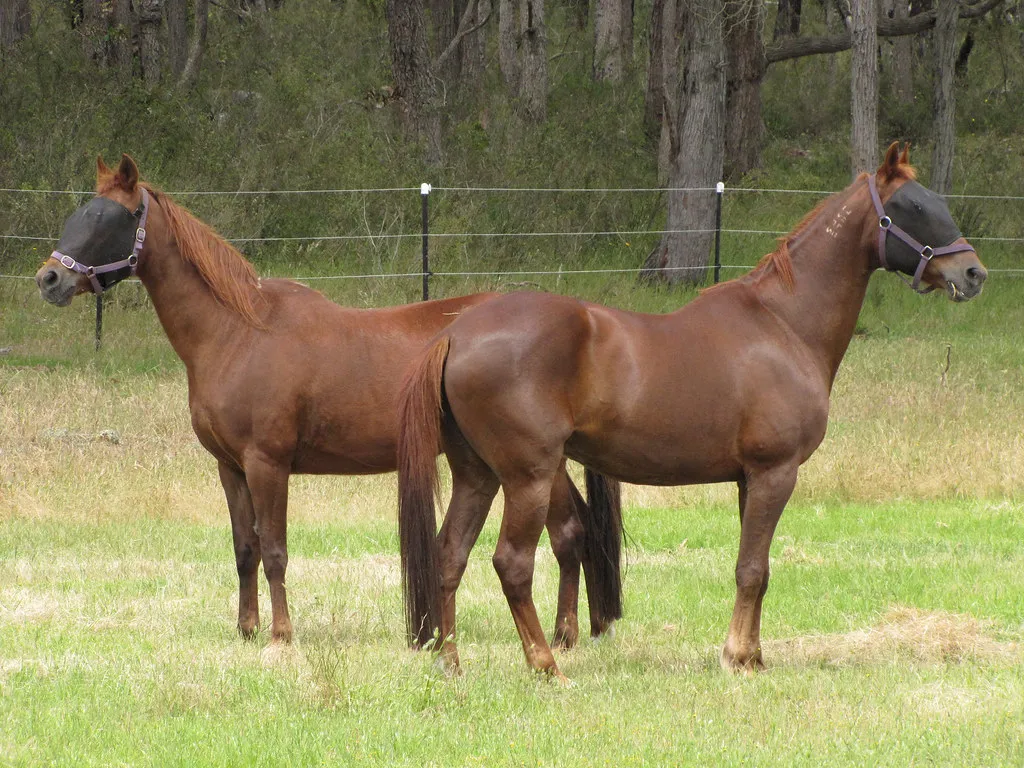
Once a rescue horse truly lets you in, something subtle and almost spooky happens: they start to move like you. You step forward, they drift forward. You stop, they stop. You shift your weight, and without a single rope cue, a hoof repositions.
This isn’t trick training. It’s what happens when a prey animal quietly syncs its body to someone it has decided to follow. Most casual owners miss it because they’re focused on tack and tasks, but trainers watch for this like a hawk. Mirroring is a classic sign of social bonding in herd animals, and when it shows up around a human, it means you’ve become part of that horse’s “safe bubble.” You’ll see it in the pasture too – sit on a bucket, and they graze closer; walk the fence line, and they trail a few steps behind.
#7 – They Relax While You Handle “Scary” Spots
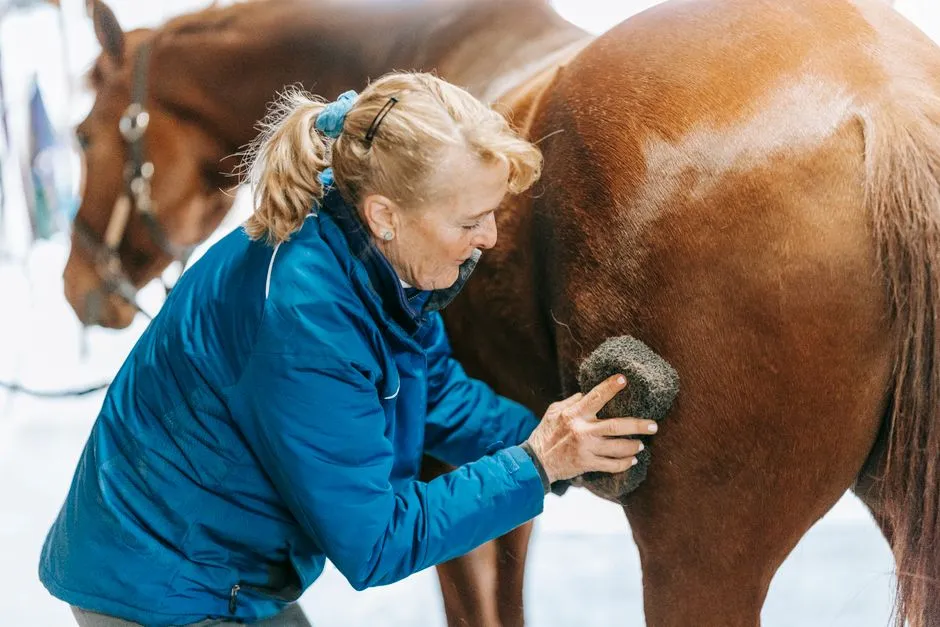
A rescue that hasn’t let you in yet will tolerate grooming, but only on its own terms – ears pinned for the girth, tail clamped when you touch the flank, skin twitching under the brush. You can usually get the job done, but you can feel the resentment or fear humming underneath.
Then one day the rules change. You run the brush down a ribby side, under the belly, along an old scar, and nothing happens. The horse licks and chews, or even leans into the pressure. Horses remember pain and fear with brutal clarity, especially around the head, legs, and belly, so when a rescue stands quietly while you clean crusty eyes or check an old wound, they’re not just tolerating you – they’re handing over control of their most vulnerable places.
Quick Compare
| Before Trust | After Trust |
|---|---|
| Ears pin during girthing | Ears stay relaxed or flick softly |
| Tail clamps tight against the body | Tail hangs loose and swings naturally |
| Skin twitches at every brush stroke | Skin stays still, even over sore spots |
| Breathing stays shallow and fast | Breathing slows into long, even sighs |
#6 – They Choose You Over the Herd (Even Just for a Moment)
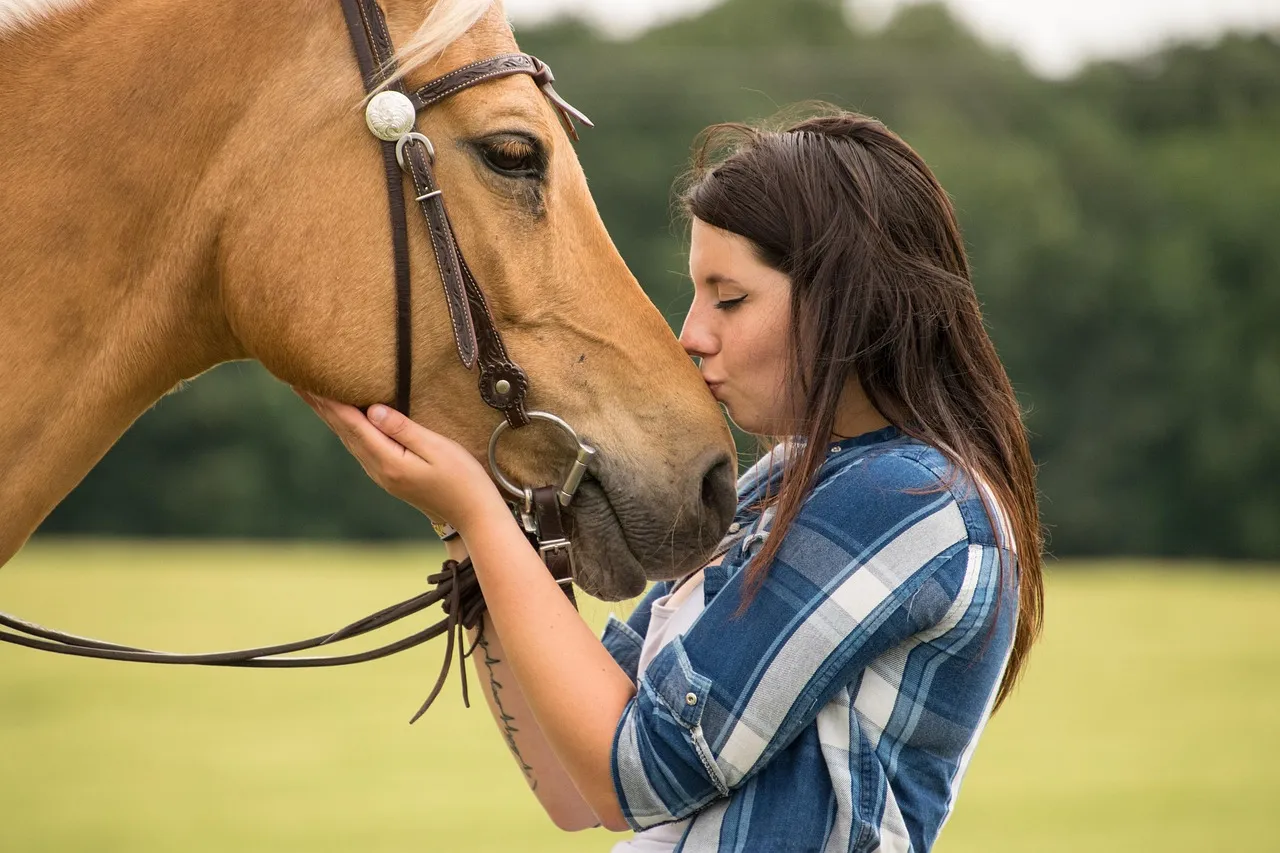
In nature, the safest place for a horse is smack in the middle of the herd. Any horse that leaves that bubble is taking a risk. So when a rescue starts peeling away from its buddies to walk toward you – at the gate, in the field, in the arena – that isn’t a small ego boost. It’s a major trust test passed.
Sometimes it’s dramatic, like a trot from the far corner. Often it’s quieter – they drift your direction and casually “park” nearby, even with no halter in sight. The key detail is that the horse had options. They could have stayed with the others, followed the feeder, or stuck to their favorite pasture mate. Instead, they break that magnetic pull to stand within your orbit, even if it’s only a few feet closer. That isn’t about carrots. It’s about comfort.
#5 – Their Startle Response Shrinks Around You
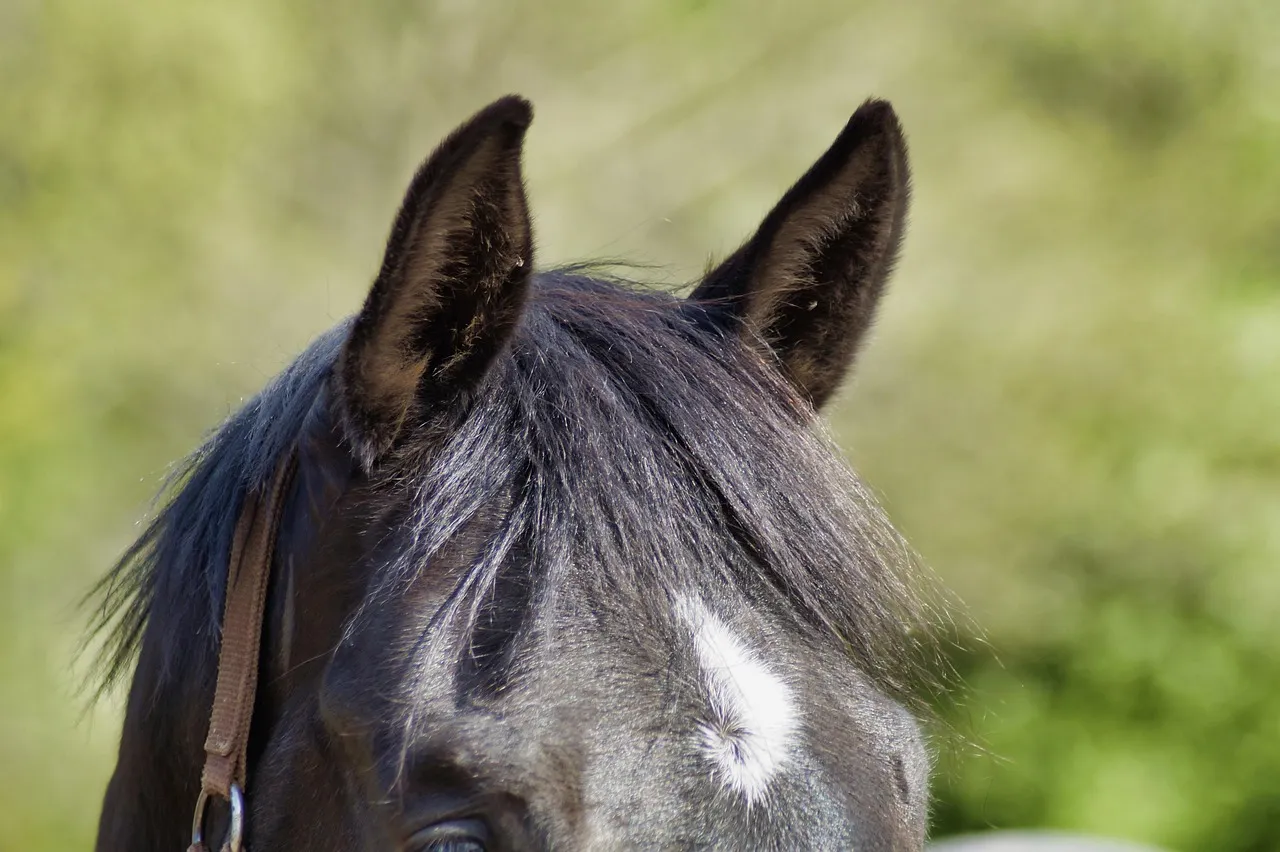
Most rescues arrive with a hair-trigger startle. A gate slams, a bird flies up, someone drops a bucket, and suddenly they’re at the end of the lead rope, heart pounding, dragging you along with them. People often chalk this up to “hot bloodlines,” but behaviorists will tell you it’s usually chronic anxiety layered over past experience.
When a horse starts to let a human in, the fear doesn’t vanish overnight. What changes first is recovery time, and who they look to when they’re rattled.
- The head snaps up – but then drops again when they see it’s just you.
- They jump at a noise – then actually step toward you instead of away.
Over time, that flinch shrinks down to a mere ear flick. The horse has quietly inserted you into its survival equation as a source of information, not danger. They’re still a prey animal, but you’ve become their check-in instead of something to escape.
#4 – They Start “Talking Back” With Little Opinions
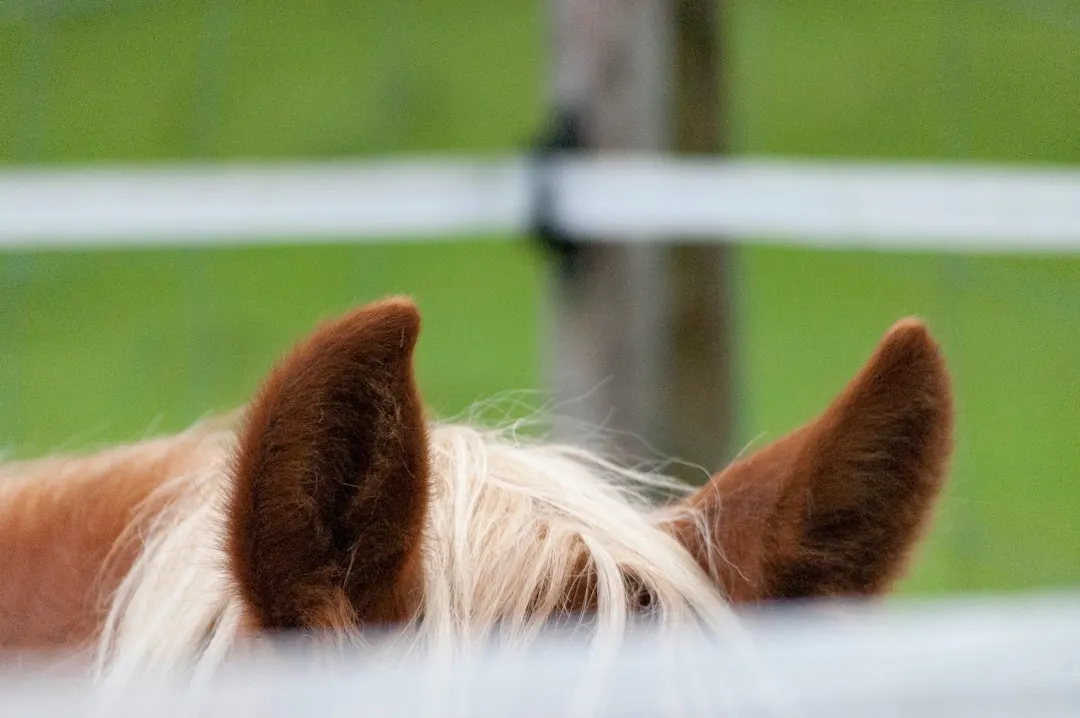
Here’s the controversial truth: a totally shut-down, robotic horse isn’t “well-behaved” – it’s often terrified or resigned. When a rescue finally lets a human in, the personality leaks back out, and sometimes it’s spicy.
The same horse that used to freeze and shut down might start giving tiny head tosses, pawing when you’re late with dinner, or swinging a hip to request a scratch. That’s not disrespect. That’s a nervous system waking back up.
- The horse nudges your arm toward the exact itchy spot on their neck.
- They flick an ear, wrinkle a nostril, or softly pin their ears to say, “too much pressure.”
Those small, safe “complaints” mean the horse believes you will listen instead of hurt them. They’re testing whether you’re a partner or just another threat.
Worth Knowing
- Pinned ears don’t always mean aggression – on a relaxed horse, it can simply mean “that’s too much pressure.”
- A swishing tail during grooming often signals mild annoyance, not fear, especially if the rest of the body stays soft.
- Head tossing paired with soft eyes is usually a request for attention, not a warning.
- Nudging with the nose toward your hand is a horse’s way of directing you exactly where they want to be scratched.
#3 – They Drop Their Head When You Touch the Halter
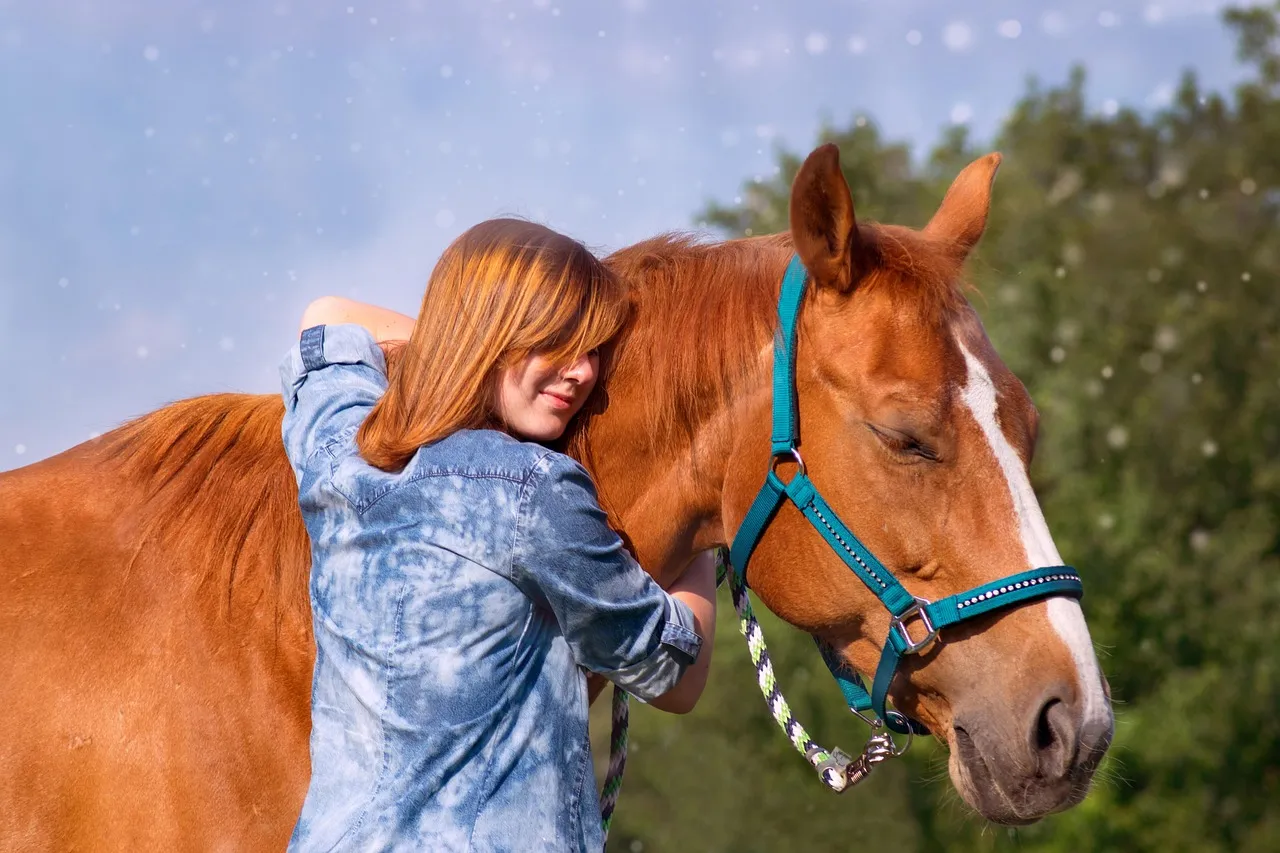
A rescue that still feels caged by humans will often brace the second a halter appears – head sky-high, neck stiff, jaw locked. It’s a hard no to being caught, even if the body stays still.
The day that same horse lowers its head into your hand is the day the relationship flips. You’re no longer just the person who makes things happen to them; you’re the one they actively participate with.
- Do they reach their nose toward the halter instead of away?
- When you slide it on, do they exhale, yawn, or blink slowly?
A voluntary head-lower in response to your hand or halter is one of the clearest “I trust you to lead me” signals a horse can give. Remember, being led away from the herd on a rope is evolutionarily insane behavior for a prey animal. Doing it calmly, by choice, is learned faith.
#2 – They Rest in Your Presence – Really Rest
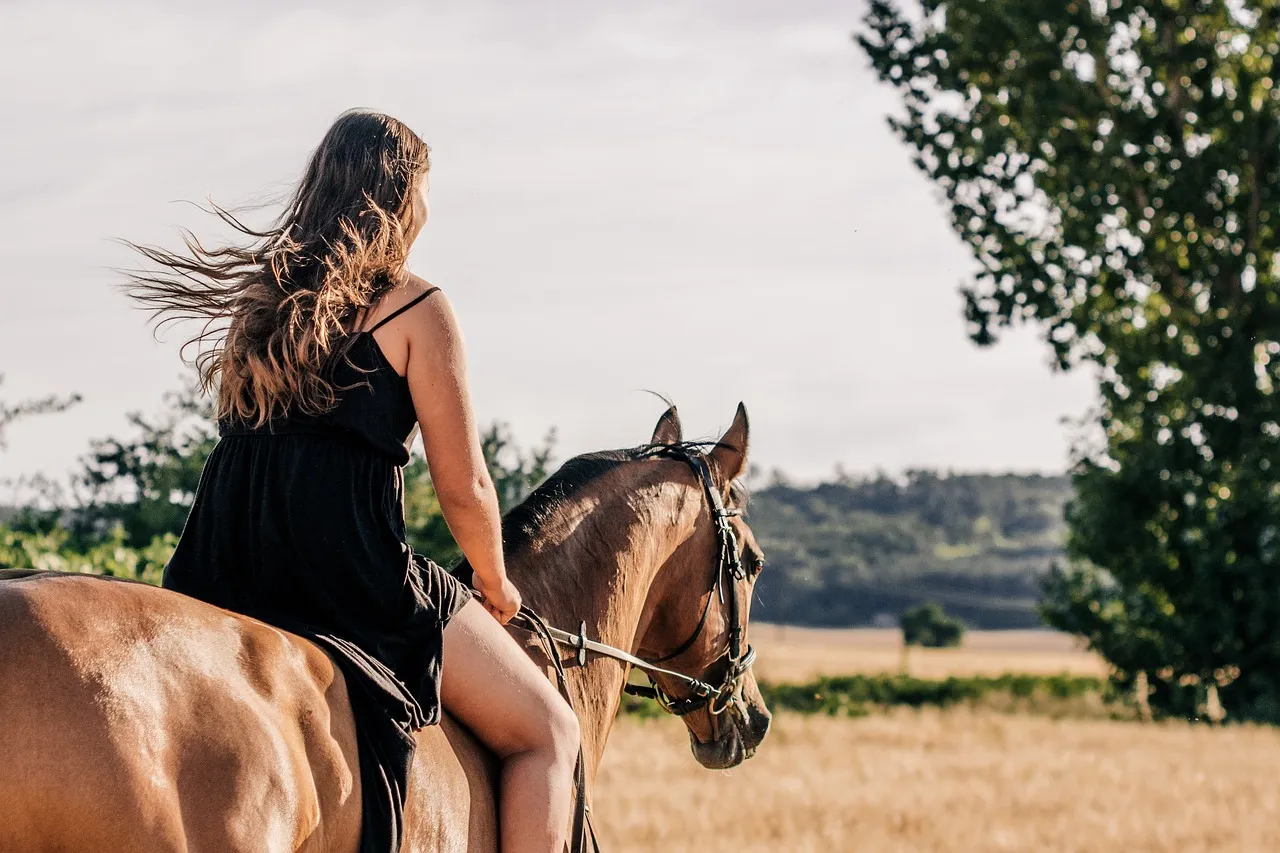
Anyone can get a tired horse to stand still. What’s rare, especially with a traumatized rescue, is a horse that feels safe enough to drop into real rest while you’re right there.
Not just half-dozing, but hind leg cocked, head low, eyelids drooping, lips slack or gently wiggling. Sometimes they’ll even lie down near you in the pasture or arena. Contrary to what social media loves to romanticize, you should never force this or rush to sit beside them the instant they lie down. A horse that chooses to sleep, doze, or fully relax its body while you’re close has decided you are not a predator – and might actually be part of its safety field. For an animal that survives by staying ready to run, that’s a massive, vulnerable gift.
At a Glance
- Horses can sleep standing up thanks to a “stay apparatus” that locks their legs in place.
- To get true REM sleep, however, a horse must lie down completely – something a stressed horse rarely risks doing.
- Most healthy horses only lie down for a total of 30 minutes to a few hours across an entire day.
- A horse that naps flat-out near a person is making itself totally defenseless for those precious minutes.
#1 – They Seek You Out When They’re Unsure or Overwhelmed
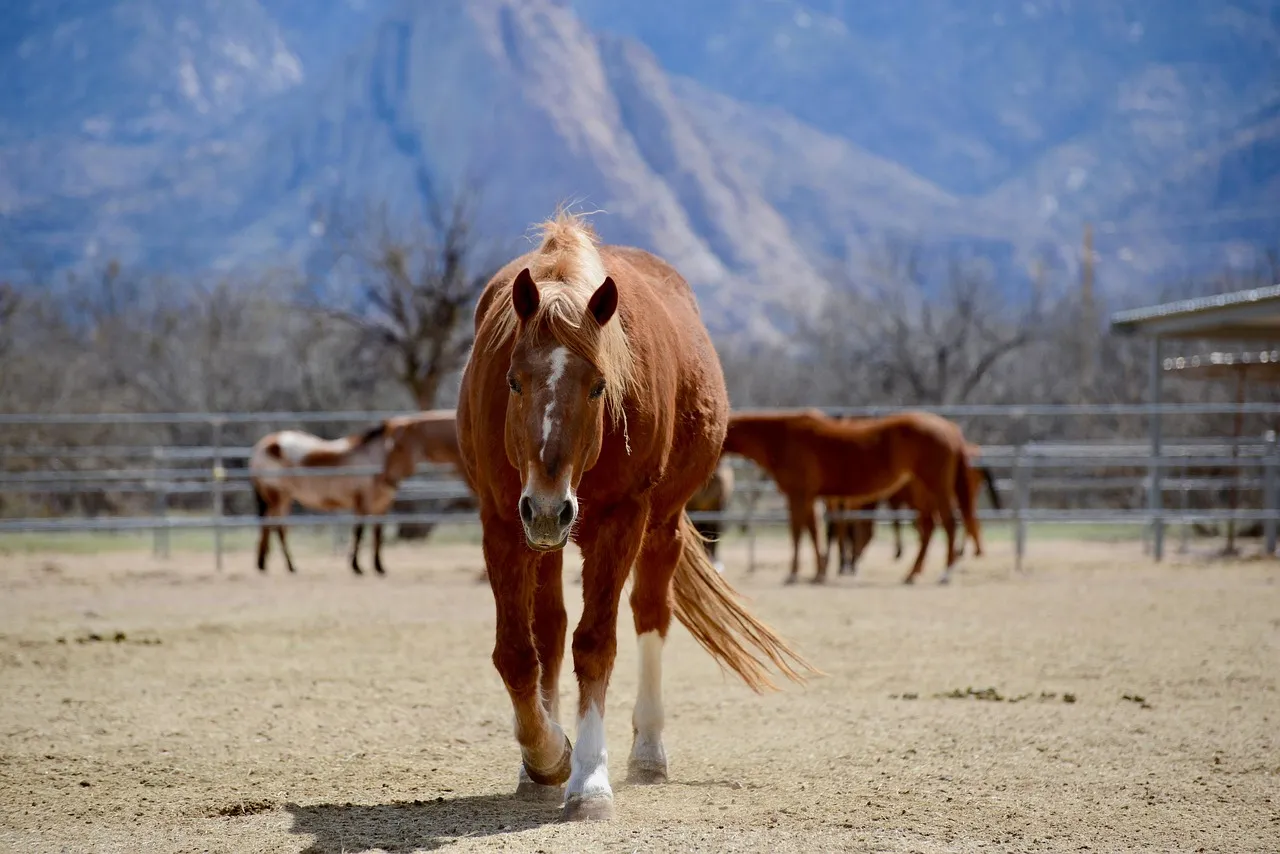
This is the ultimate, quiet milestone most people never recognize: the moment your rescue horse uses you as their safe base. It might happen in a spooky corner of the arena, at the vet’s office, or on a windy trail. Something worries them, tension rises, and instead of blowing past you or mentally checking out, they step closer.
They might place their nose on your shoulder, tuck in behind your elbow, or simply angle their body so you’re between them and the scary thing. You’ll feel the difference instantly. They’re not hiding behind you like a child behind a parent, but they’re clearly using your presence to regulate their fear. Watch the pattern: their breathing evens out while your hand rests on their neck, and they’re willing to look back at the “monster” as long as you’re still connected. When a rescue chooses your leadership in its most vulnerable moment, that isn’t training. That’s trust earned the hard way.
The Bottom Line
Most people wait for dramatic, Instagram-worthy gestures to “prove” a rescue horse loves them. The truth is far less flashy and far more meaningful. Trust shows up in the quiet pivots – the horse that no longer walks away, the eye that finally softens, the nose that reaches out to meet your hand instead of flinching.
It’s in the tiny decisions a prey animal makes, over and over, to put itself a little closer to you instead of a little farther away. Some will argue these are just “behavior quirks,” but anyone who’s lived with a truly traumatized horse knows better. These micro-moments are their way of saying, “You’re different. I’m willing to try again.”
The real question isn’t whether your rescue loves you – it’s whether you’re patient enough to notice how they’re already telling you. Which of these signs have you seen in your horse, and which one are you still waiting for?

- 11 Small Ways a Rescue Horse Shows It Has Finally Let a Human In - July 28, 2026
- 14 Quiet Ways a Horse Keeps Watch Over the Person It Has Claimed - July 28, 2026
- 12 Signs a Nervous Horse Has Finally Softened for a Single Rider - July 28, 2026