
Your old dog circles the room, sighs, stands up, and starts all over again. You tell yourself it’s just age. Sometimes that’s true, but not always. Studies suggest that over 50% of dogs over age 11 show at least one sign of cognitive dysfunction, and many of the earliest signs appear in the hour before lights-out, when the house goes quiet and nothing distracts your dog from how they feel.
Here are 11 bedtime habits worth watching, from the ones owners shrug off to the one that melts almost everybody. Some are harmless rituals. Others are quiet warnings that owners often miss for months. A couple mean the opposite of what you’d guess. Here’s what vets and the research actually say.
#11 – Walking the Same Loop Around the House

🔥 Would you like to save this?
We'll email this post to you, so you can come back to it later!
That slow lap around the living room feels like nothing. Then you notice it happens every night, right as the lights go down.
Plenty of owners shrug off evening pacing as a quirk. But repetitive, aimless pacing that is worst in the evening and at night is one of the most common signs of canine cognitive dysfunction. It usually comes with confusion, wall-staring, accidents, or a flipped sleep schedule.
Vets have a name for the evening pattern. Sundowning is the evening or overnight worsening of confusion, anxiety, pacing, panting, whining, or restlessness in a dog with cognitive dysfunction. Experts also note that pacing that builds gradually over weeks points more toward anxiety or, in seniors, cognitive decline.
Cognitive decline isn’t the only suspect. Senior dogs may also pace at night because of pain, needing to eliminate more often, anxiety, sensory changes, or medication effects.
- Pacing is a symptom, not a diagnosis.
- A sudden change matters more than a lifelong habit.
- Note when it starts and how long it lasts.
Pacing alone tells you almost nothing about the cause. The pattern around it is what counts.
But that’s nothing compared to what a simple trip to the back door can reveal in #10…
#10 – Lingering at the Back Door
🔥 Would you like to save this?
We'll email this post to you, so you can come back to it later!
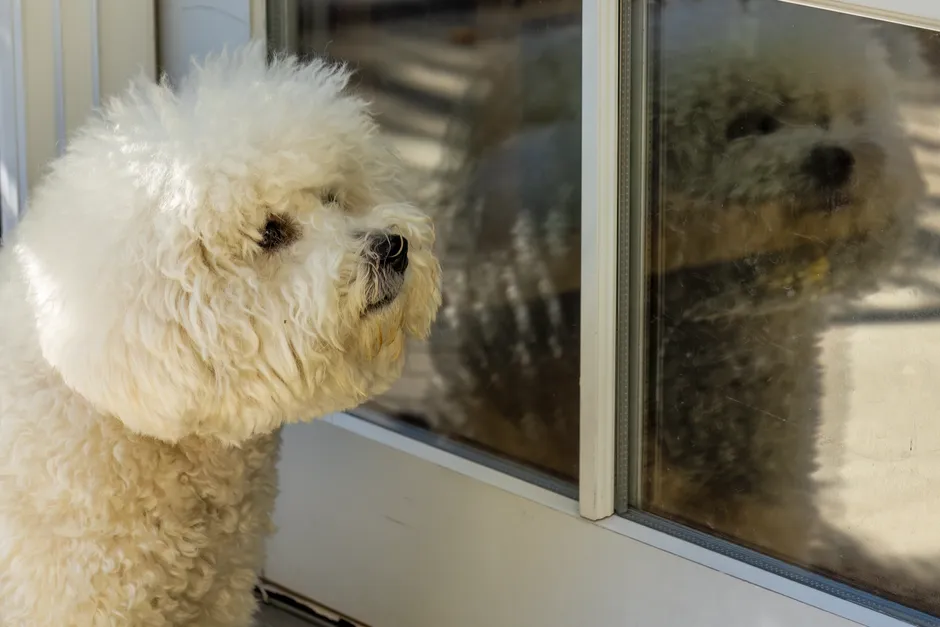
That hopeful stare at the door may be a medical message.
A dog who suddenly wants out several times before bed isn’t always being fussy. Medical conditions like kidney disease or Cushing’s disease can increase nighttime thirst and urination. Urinary problems can also cause nighttime restlessness.
Here’s where well-meaning owners trip up. To avoid 2 a.m. wake-ups, they cut off water early. Vets generally advise against restricting water without guidance, because dehydration can add a second problem on top of the first. Ask your vet before changing anything.
Door-hovering can also point to the brain rather than the bladder. Forgetting house training is listed among the signs of cognitive dysfunction. A dog who goes out, comes back in, and has an accident may be confused rather than stubborn.
- Track how often your dog asks out in the last hour.
- Note any change in how much they drink.
- Mention both at the next checkup, even if it seems minor.
Frequent bathroom requests are one of the easiest signs to measure, and one of the most useful for your vet.
Quick Compare
- Body clue: more trips out plus a change in drinking can point to kidney, hormone, or urinary trouble.
- Brain clue: out, back in, then an accident can point to confusion rather than need.
- Either way: a simple tally of door requests gives your vet a place to start.
And the next habit is one you’ve probably blamed on instinct for years…
#9 – Circling and Re-Circling Before Lying Down

🔥 Would you like to save this?
We'll email this post to you, so you can come back to it later!
Turning three times and still not settling isn’t “just instinct.”
Yes, many dogs circle before they lie down. The usual explanation is an old instinct to check or flatten the spot. But an old dog who circles, shifts, stands up, and starts again is telling you something else.
Signs that pain may be causing restlessness include reluctance to lie down, changing positions frequently, panting, and difficulty rising after rest. Evening is when joints often feel their worst. In senior dogs, arthritis pain worsens at night and is one of the leading causes of pacing.
After a day of walking and stairs, stiffness catches up at exactly the moment your dog tries to get comfortable. Many owners call it “settling in,” and a growing number of vets argue it’s one of the most under-reported pain signals at home. Dogs don’t whimper about arthritis. They fidget.
- Watch how many attempts it takes to lie down.
- Notice any groaning or a heavy “flop.”
- Check whether getting up in the morning looks stiff.
But the next sign is easy to mistake for a warm room…
#8 – Panting in a Cool, Quiet Room

🔥 Would you like to save this?
We'll email this post to you, so you can come back to it later!
Heavy breathing with no heat and no exercise is worth noticing.
Panting at bedtime puzzles owners because nothing explains it. The house is cool and the walk ended hours ago. Yet in a senior dog, night pacing and panting are classic signs of sundowning.
Panting is also a pain signal. It appears on the list of signs that pain may be driving restlessness. Breathing problems and digestive upset can cause nighttime restlessness too, and hormonal conditions like Cushing’s disease can bring on excess panting, so the cause isn’t always obvious.
That’s why the “just turn on the fan” fix falls short. Cooling the room may calm a hot dog, but it does nothing for a dog who is panting because of discomfort or anxiety. Experts say the useful question is not whether your dog pants, but when and with what.
- Panting with pacing points toward anxiety or sundowning.
- Panting with position changes points toward pain.
- Panting with labored effort needs a vet promptly.
But what happens next, in the corner of the room, is even harder to watch…
#7 – Staring at Walls or Getting Stuck in Corners

🔥 Would you like to save this?
We'll email this post to you, so you can come back to it later!
A dog frozen in a corner isn’t being stubborn. They may be lost in their own living room.
This is one of the clearest red flags on the list. Disorientation, getting “stuck” in corners or behind furniture, and staring into space or at walls are all recognised signs of cognitive dysfunction. Evenings are when many owners first see it.
The condition is real and well studied. Canine cognitive dysfunction syndrome is a canine analog to Alzheimer’s disease. Researchers have also found that polysomnographic recordings in dogs can detect sleep-wakefulness cycle changes associated with dementia.
Then there’s the link between sleep and brain health. Amyloid beta, a key protein in Alzheimer’s disease, is cleared during sleep. That means a dog who can’t sleep well may be losing more than rest. Researchers are still working out exactly how this plays out in dogs.
- Wall-staring that lasts more than a moment is worth reporting.
- Getting stuck behind furniture is a navigation clue.
- Combined signs matter more than any single one.
But the next habit may have nothing to do with the brain…
#6 – Hesitating at Edges, Stairs and Doorways

🔥 Would you like to save this?
We'll email this post to you, so you can come back to it later!
Pausing before a step can mean pain, poor eyesight, or both.
An older dog’s fading senses can look like behavior problems. Nighttime restlessness can come from pain, a full bladder, or vision loss. A dog who stalls at a dark doorway may simply not see it well.
Joint stiffness is the other usual suspect. The most common causes of restlessness include physical discomfort, particularly joint stiffness. A hesitation at the bed ramp or the bottom stair is often your dog doing the math on whether it will hurt.
Hearing matters too. Pacing can be associated with changes in vision or hearing. A dog who can’t hear you coming in the dark may startle or pace more, even in a familiar home. A bluish-gray haze in an older dog’s eyes is common and often just lens aging, but only an exam can tell that apart from cataracts or other problems.
- Hesitating on stairs suggests joint pain.
- Bumping into furniture suggests vision changes.
- Not responding when called suggests hearing loss.
And the sound your dog makes next is the one owners ignore most…
#5 – Whining, Whimpering or Barking at Nothing

🔥 Would you like to save this?
We'll email this post to you, so you can come back to it later!
Late-night noise is rarely random, even when you can’t see a reason for it.
Vocalizing is part of the sundowning picture. In senior dogs, cognitive dysfunction’s sundowning pattern peaks after dark with pacing, panting, and vocalizing. Cornell also describes nighttime pacing and vocalization as common signs.
Many owners follow the old rule of ignoring whining so it isn’t rewarded. For puppies, that logic makes sense. For a senior dog, many experts now argue it’s the wrong playbook, because the noise may be pain, confusion, or fear rather than attention-seeking.
The cause isn’t always cognitive. Hearing loss, pain, and the need to eliminate can all produce a nighttime cry. That’s why a dog who has never been vocal and suddenly is deserves a closer look.
There’s also a clear safety line. If your dog is panicked, hurting themselves while pacing, or so anxious they can’t rest at all, don’t wait it out. Call your vet.
- Note the time and the type of sound.
- Check for pain, thirst, or a need to go out first.
- Stay calm. Your tone sets the pace for theirs.
Worth Knowing
- Sundowning-related noise tends to peak after dark, alongside pacing and panting.
- The puppy rule of ignoring whines doesn’t automatically fit a senior dog.
- Pain, hearing loss, confusion, and a full bladder can all sound the same at 11 p.m.
- A sudden change in a quiet dog matters more than a lifelong talker.
Yet the biggest clue of all may be what your dog did hours earlier…
#4 – Suddenly Wide Awake as the House Winds Down
🔥 Would you like to save this?
We'll email this post to you, so you can come back to it later!
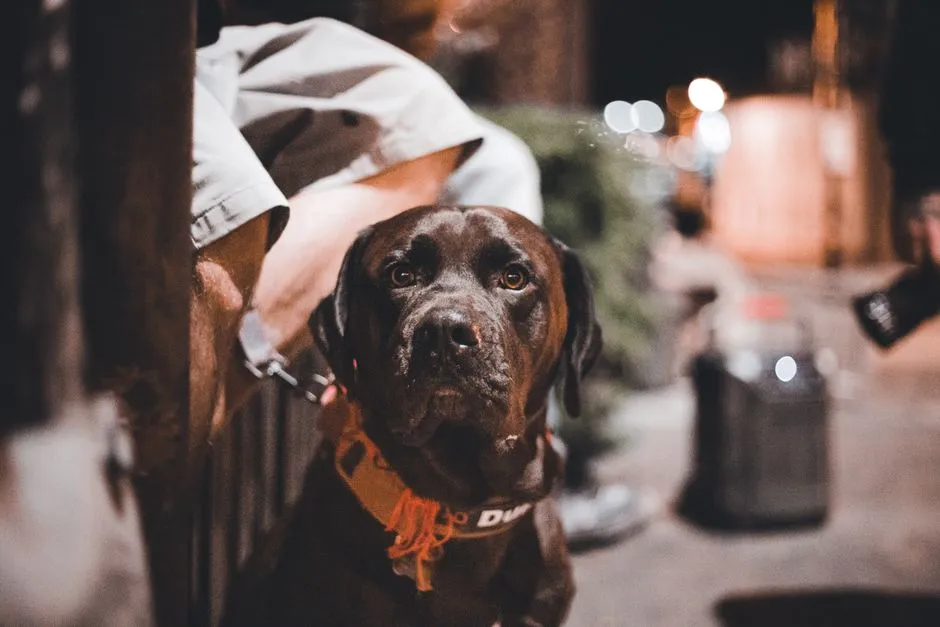
Your dog slept all day, and now they’re ready to party.
The reversed schedule is one of the best-documented signs. Dogs with cognitive dysfunction often sleep more during the day and become restless, confused, or anxious at night. To an owner it looks like energy. To a vet it looks like a clock that’s running backwards.
The profession takes this seriously. In one survey of veterinarians, 97.7% identified sleep-wake disturbances as a behavioral change they relied upon when diagnosing cognitive dysfunction. Cornell also notes that changes to the sleep-wake cycle are often among the signs families first notice.
Not every sleep change is dementia. An old dog getting up repeatedly at night isn’t necessarily “just old age.” Sometimes the cause is pain, a bladder issue, or a routine that no longer fits them.
Bedtime behavior often starts with what happens at 2 p.m. A dog who naps through every daylight hour may be setting up a restless night. Ask your vet what daytime activity suits your dog’s body.
- Log naps and wake-ups for one week.
- Compare daytime and evening energy.
- Bring the log to your vet.
But the next change is far easier to spot, and far easier to get wrong…
#3 – Picking a Brand-New Place to Sleep
🔥 Would you like to save this?
We'll email this post to you, so you can come back to it later!
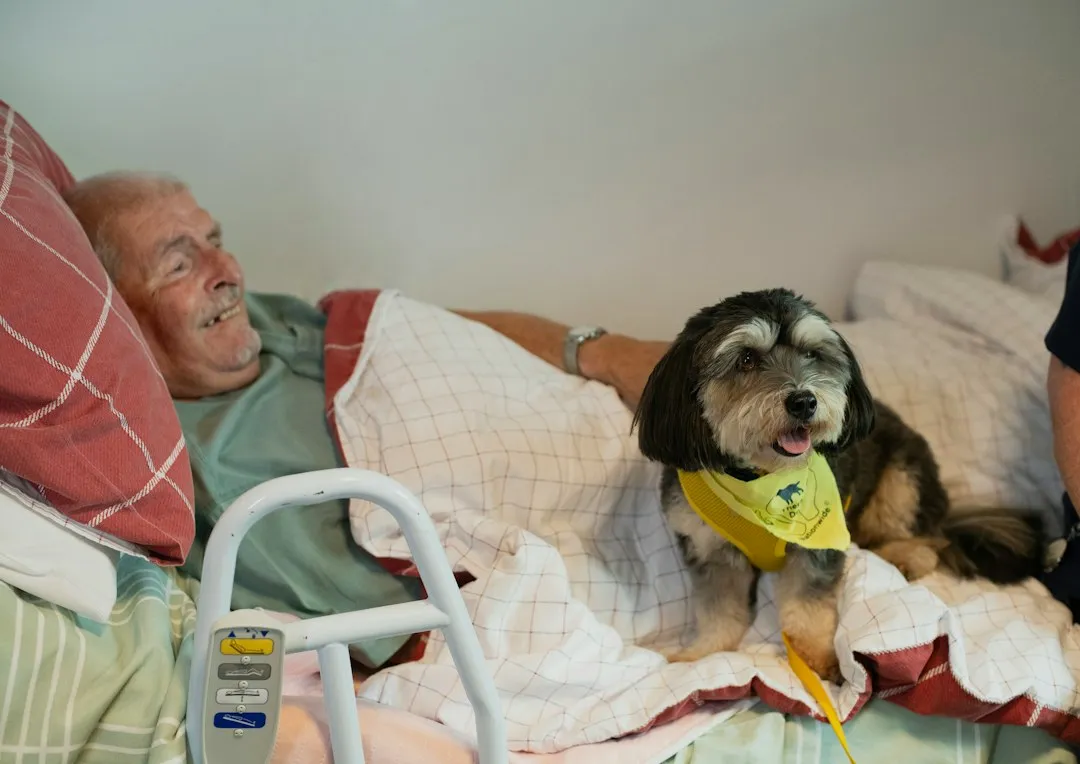
When an old dog abandons their favorite bed, there’s usually a reason.
A dog who has slept in the same spot for years and suddenly won’t touch it is making a choice. Common explanations include joint comfort, temperature, and wanting to be closer to you. No single reason fits every dog, so watch where they go instead.
A dog who drifts to a hard floor may be seeking a firmer surface that’s easier on stiff joints. A dog who moves to the hallway may want to hear the household. Where your dog sleeps is often a more honest report than anything they can tell you.
Many owners respond by buying a fancier bed. That can help, but experts caution it’s a guess unless you’ve worked out why your dog left the old one. A bed that’s too high to climb into, or too soft to push up from, can make a stiff dog’s problem worse.
- Check bed height and how easily your dog can get in and out.
- Try a firmer surface for a few nights and compare.
- Keep sleeping spots on the same floor as the family.
And the next habit is the one that tells you your dog is probably fine…
#2 – Running the Same Little Bedtime Ritual
🔥 Would you like to save this?
We'll email this post to you, so you can come back to it later!
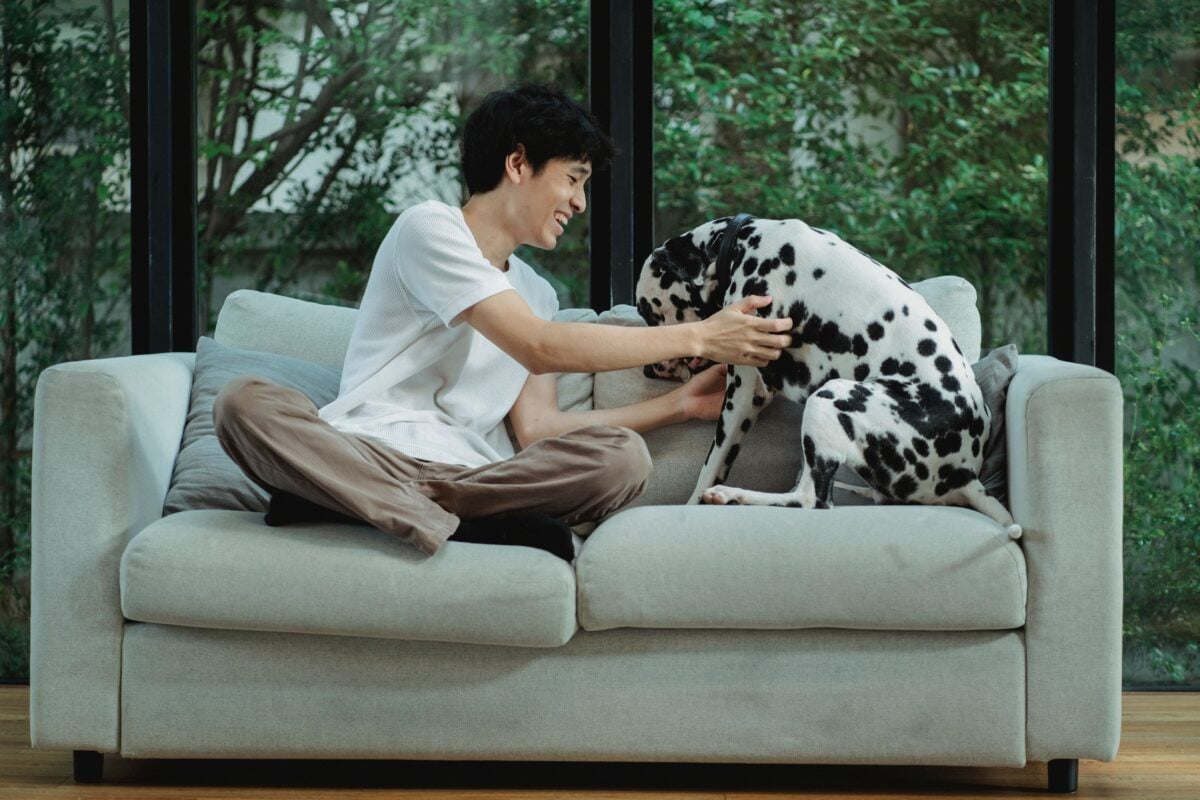
The nightly sniff, the sigh and the toy drag are a good sign.
Not everything on this list is a warning. Many senior dogs have a fixed routine: a lap past the water bowl, a sniff at the door, a favorite toy carried to the bed. That predictability is reassuring, because a dog who completes the same ritual every night is usually working from a stable mental map.
The ritual itself works as a signal. Repeated cues tell a dog’s body that the day is ending. Owners can reinforce this by keeping the final hour consistent: same order, same lighting, same quiet voice.
The real warning is a ritual that breaks down. Dogs may skip steps, repeat them, or seem to forget what comes next. Forgetting previously learned behaviors is among the recognised signs of cognitive dysfunction. One off night means little. A pattern over weeks deserves a note.
- Keep the order of bedtime steps the same.
- Write down any skipped or repeated steps.
- Compare this month with last month.
But the most telling behavior of all comes last, and it’s the one that melts owners…
#1 – Following You Everywhere, Then Finally Leaning In
🔥 Would you like to save this?
We'll email this post to you, so you can come back to it later!
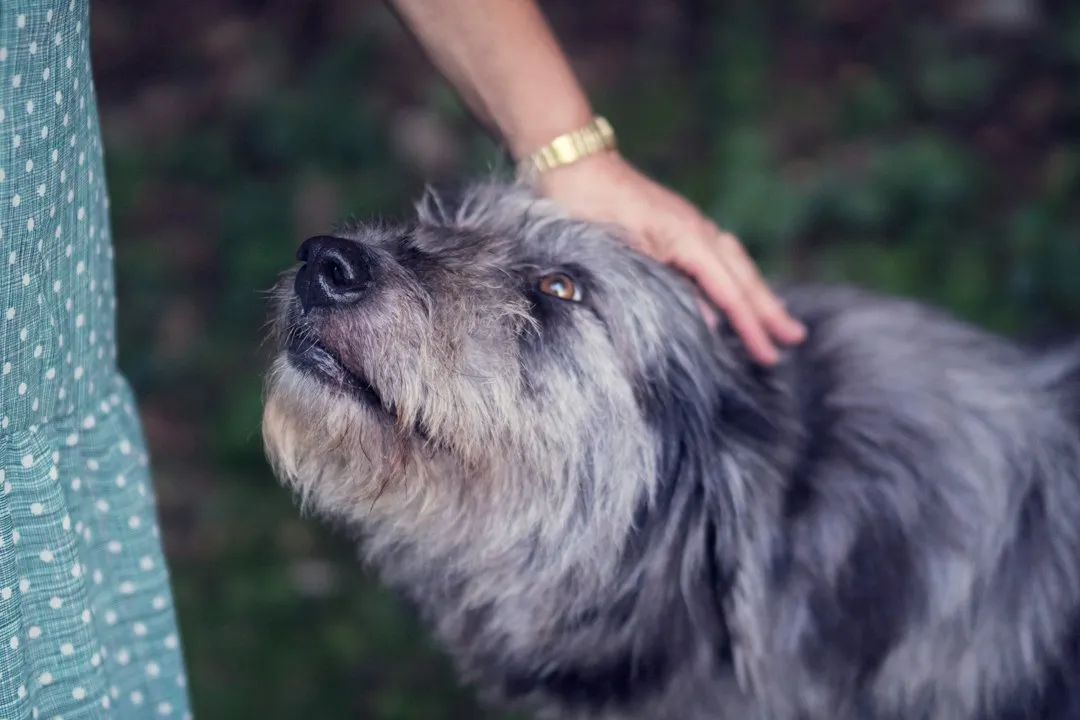
The dog who shadows you all evening is asking for something.
Old dogs often become clingier at night. Anxiety is one reason. Increased anxiety is among the behavioral changes that can occur alongside cognitive dysfunction in senior pets. Another is that dimming senses make familiar company the safest thing in a blurry room.
Then comes the lean. A head on your foot, a shoulder pressed to your leg, a long exhale: that’s a dog who finally feels safe enough to rest. Experts say that physical contact is often the final step before a restless senior dog actually settles.
Plenty of people worry that letting an anxious old dog sleep in the bedroom is “spoiling” them. Our view is that comfort beats principle at this age. If proximity helps your dog sleep, the rule can bend.
Still, clinginess has two faces. Loss of interest in family is also a sign of cognitive change, so a sudden swing either way is worth noting. Nighttime restlessness combined with confusion, staring, altered sleep, house-soiling, or getting stuck in corners should be evaluated by a veterinarian.
Why It Stands Out
- It’s the one habit on this list that is both a comfort and a clue.
- The lean often marks the moment a restless dog finally lets go.
- A sudden swing toward clingy or distant is worth writing down.
- Letting an anxious senior sleep close is a rule worth bending.
The Bottom Line
Bedtime is when an old dog’s body and brain show their hand. Pacing, panting, door-hovering, and a flipped sleep schedule are not “just old age,” and treating them that way is the costliest assumption an owner can make.
Most causes, from arthritis to bladder trouble to cognitive decline, are easier to manage when caught early. Our firm opinion is that you should keep a one-week bedtime log and take it to your vet. A dog can’t report what hurts, but their last hour of the day can.
Which habit on this list have you been explaining away longest?

- Beyond the Bark: Decoding Your Dog’s 12 Most Common Vocalizations - November 5, 2026
- 12 Surprising Facts About North American Mountain Lions You Never Knew - November 5, 2026
- Wild Salmon Populations Are Rebounding in the Pacific Northwest, A Sign of Healthier Rivers - November 5, 2026